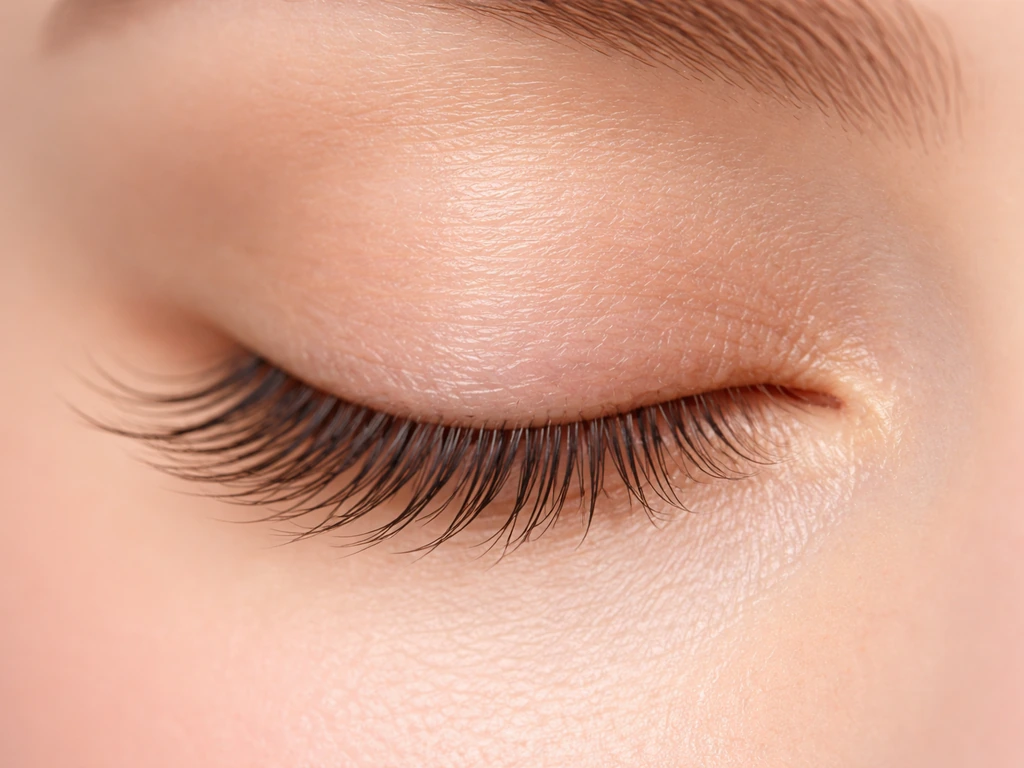
Eyelashes grow because of active hair follicles sitting along your eyelid margin, cycling through phases of growth, transition, and rest. What makes them grow faster, thicker, or back after damage comes down to supporting those follicles with the right conditions, ingredients, and habits, while stopping the things that disrupt the cycle. If you’re wondering what makes lashes grow fast, it starts with supporting follicles during anagen and avoiding habits that disrupt the growth cycle.
What Makes Eyelashes Grow and How to Help Them Grow Back

Rachel Nguyen
19 Apr 2026
If you want to understand the fastest ways to support that growth, focus on the conditions that keep follicles in their active phase how eyelashes grow faster. This guide breaks all of that down practically, so you know exactly what to do and what to expect.
How the eyelash growth cycle actually works
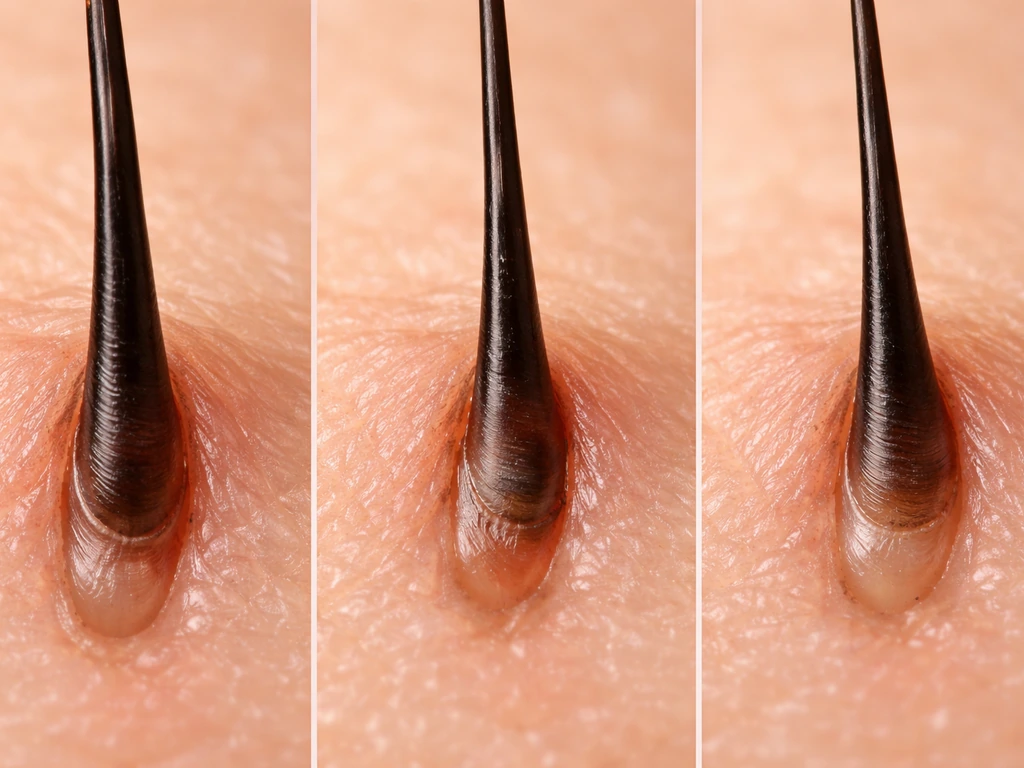
Every eyelash goes through three distinct phases: anagen (active growth), catagen (transition), and telogen (resting). During anagen, the follicle is producing a new lash shaft. This phase lasts roughly 4 to 10 weeks for eyelashes, which is significantly shorter than the years-long anagen phase for scalp hair. That difference is why you can't grow lashes down to your cheekbones, but it also means regrowth after damage happens in months rather than years.
After anagen, the lash enters catagen, a short degradation phase lasting about 15 days where the follicle shrinks and the hair stops growing. Then comes telogen, the resting phase, at the end of which the lash sheds naturally and the whole cycle restarts. Losing a few lashes a day is completely normal and expected. The problem is when something disrupts the cycle early, stalls anagen, or damages the follicle itself.
What stops lashes from growing (or makes them fall out)
Lash thinning or loss usually comes from one of a handful of causes, and most of them are avoidable once you know what to look for.
- Mechanical damage: rubbing your eyes, pulling lashes, or removing extensions carelessly can pull hairs out before they finish telogen, forcing the follicle to restart its cycle from scratch, which delays regrowth.
- Traction alopecia from extensions: the American Academy of Ophthalmology has flagged eyelash extensions as a direct cause of traction alopecia, where repeated mechanical pulling weakens and eventually stops follicle activity.
- Eyelid inflammation (blepharitis): inflammation along the lash margin disrupts the follicle environment. Mayo Clinic notes warm compresses and lid washing are first-line for managing it, and controlling it matters for lash health.
- Nutritional gaps: deficiencies in biotin, iron, zinc, and protein are linked to general hair loss, including lashes. Your follicles need raw materials to produce keratin.
- Harsh cosmetics and removal habits: waterproof mascaras and aggressive rubbing to remove them cause both breakage and mechanical stress to the follicle.
- Medical conditions: thyroid disorders, alopecia areata, and certain medications can all trigger lash loss at the follicle level, not just cosmetic breakage.
How to make lashes grow naturally at home
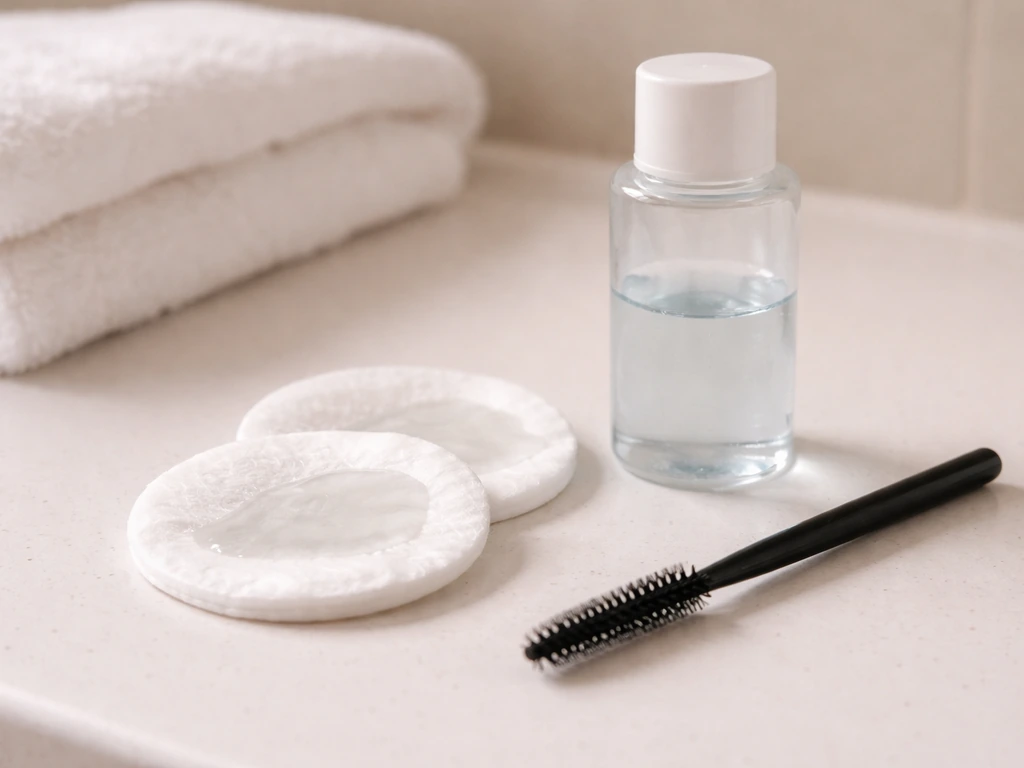
Natural strategies work, but they work slowly and consistently. Think of them as creating the optimal environment for your follicles to do their job without interference.
Daily habits that actually matter
- Remove makeup gently every night: use a dedicated eye makeup remover and cotton pad, pressing lightly rather than rubbing. This alone reduces mechanical lash loss significantly.
- Stop touching and rubbing your eyes: this is harder than it sounds, but it may be the single most impactful change you make.
- Switch to a gentler mascara: non-waterproof formulas come off without aggressive removal and tend to be less drying to the lash shaft.
- Eat enough protein and micronutrients: lashes are made of keratin (a protein), and follicles need biotin, iron, and zinc to function. Eggs, leafy greens, nuts, and lean meat cover most of this.
- Stay hydrated and manage stress: chronic stress pushes hairs into telogen prematurely, a phenomenon called telogen effluvium. It's less discussed for lashes but the follicle biology is the same.
- Give your lashes breaks from extensions and lash curlers: both create repeated stress on the follicle and shaft.
Castor oil: what it actually does

Castor oil is one of the most talked-about natural lash remedies, and while there aren't large clinical trials behind it, its mechanism makes practical sense. It's thick, which coats and conditions the lash shaft (reducing breakage), and it contains ricinoleic acid, which has some evidence for anti-inflammatory and circulation-supporting properties. Applied to the lash line with a clean spoolie or cotton swab before bed, it can help lashes look fuller and reduce breakage-related thinning. Just keep the application minimal and avoid getting it in your eyes, which can cause blurring and irritation.
Products that help lashes grow: serums, oils, and biotin
There's a spectrum here from over-the-counter conditioning serums to prescription-strength growth treatments, and knowing what you're actually buying matters before you spend money on it.
| Product type | How it works | Evidence level | Best for |
|---|---|---|---|
| Prescription bimatoprost (Latisse 0.03%) | Prostaglandin analog that extends the anagen phase, increasing length, thickness, and darkness | Strong: FDA-approved for lash hypotrichosis | Significant lash thinning or hypotrichosis; requires a prescription |
| OTC lash serums with peptides or prostaglandin analogs | Condition follicles and may mildly extend growth phase | Moderate: varies by formula and ingredient concentration | Mild thinning, maintenance, or those who can't access a prescription |
| Castor oil | Conditions the shaft, reduces breakage, may support circulation | Low-moderate: mostly anecdotal with some mechanistic support | Breakage-related thinning; low-risk daily use |
| Biotin supplements | Supports keratin production; useful if deficient | Low for people with normal levels; stronger if genuinely deficient | People with nutritional deficiencies |
| Vitamin E oil | Antioxidant; conditions follicle environment | Limited: mostly anecdotal | Dry or irritated lash margins |
How to choose and apply a lash serum
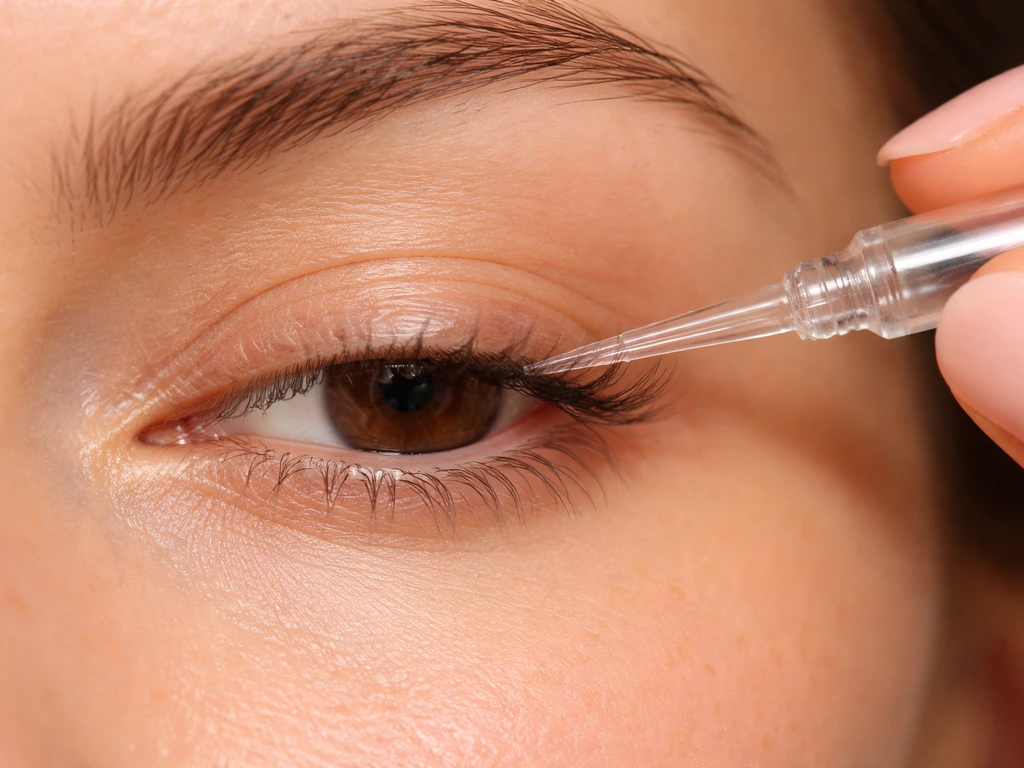
If you're going the OTC route, look for serums listing peptides, biotin, or panthenol in the ingredient list rather than vague 'lash complex' marketing language. Apply to the upper lash line only (not lower), once daily at night on clean, dry skin, using the applicator or a fine brush. Avoid getting it into your eyes. Prescription bimatoprost is applied the same way, with the included applicator brush, wiping off any excess that migrates beyond the lash margin. Results from either only last while you use the product, which is worth knowing before committing to the cost.
Growing lashes back after loss or damage
Regrowth after lash loss is possible in most cases, but the timeline and outcome depend heavily on what caused the loss. If a lash was pulled out at the wrong point in the cycle (near the end of telogen), the follicle essentially has to restart the entire cycle, which can add weeks before you see any new growth. If the follicle itself was repeatedly traumatized, for example by years of tight extensions, the recovery period is longer and results may be incomplete.
For extension-related loss, the priority is stopping the trauma first. Traction alopecia is hair loss caused by repeated pulling or traction on hair, and it can become permanent [For extension-related loss, the priority is stopping the trauma first. ](https://www. aad.
org/public/diseases/hair-loss/insider/stop-damage/prevent-hair-damage-weave-extensions? source=headerforbusiness%3Fcoupon%3Dpricingpage%3Freferrer_id%3D1578308). Remove extensions professionally and gently, don't pick them off yourself. Then give your lashes a minimum of one full growth cycle (about 6 weeks) completely extension-free before assessing damage.
For breakage from harsh removal or rubbing, focus on a conditioning routine with castor oil or a peptide serum, and eliminate the causative habit. For over-tweezing or picking, the follicle is often still intact and will recover once the mechanical disruption stops, though it can take a full 2 to 3 months to see meaningful regrowth.
How to stimulate lash growth safely
Stimulating lash growth means supporting follicle activity during anagen and protecting lashes from premature shedding or breakage. To grow eyelashes faster, focus on what supports the follicle during its active anagen phase and avoid anything that interrupts the cycle how eyelashes grow faster. Gentle massage along the lash line with a clean fingertip or spoolie (after applying a conditioning oil) can promote local circulation, which delivers nutrients to the follicle. Keep pressure light, around 30 seconds once daily is enough. This isn't going to triple your lash length, but it supports the broader routine.
Warm compresses are also worth adding if you have any eyelid irritation or possible blepharitis. A warm, damp cloth held against your closed eyelid for 5 to 10 minutes loosens buildup at the lash base and reduces inflammation around the follicle. Mayo Clinic recommends this as a first-line self-care step for blepharitis, and it's a zero-risk habit that directly supports a healthier lash margin.
On the product side, bimatoprost 0.03% is the most evidence-backed way to actively stimulate growth at the follicle level. It works by extending the anagen phase, meaning more lashes are in active growth at any given time, which translates to visibly longer, thicker, and darker lashes over about 16 weeks of consistent use.
Realistic timelines: how long this actually takes
Here's where people often lose patience or lose trust in a routine, because results take longer than expected. Setting accurate expectations from the start helps.
| Scenario | Expected timeline for visible improvement |
|---|---|
| Single lash pulled out | 4 to 8 weeks for new shaft to appear |
| Breakage from harsh removal (follicle intact) | 6 to 8 weeks with consistent conditioning |
| General thinning from extension traction | 2 to 4 months after stopping extensions |
| OTC lash serum use | 6 to 12 weeks of daily use for noticeable change |
| Prescription bimatoprost (Latisse) | Approximately 16 weeks for full results per clinical studies |
| Regrowth after over-tweezing or picking | 2 to 3 months, depending on follicle health |
The short anagen phase for eyelashes (4 to 10 weeks) means you're not waiting years like you would for scalp hair, but you're also not seeing overnight results. One full growth cycle is the minimum unit of time you should evaluate any routine against.
Safety, side effects, and what to avoid
Natural remedies like castor oil and vitamin E are low-risk when applied correctly, but 'natural' doesn't mean 'side-effect free.' Getting oils in your eyes can cause temporary blurring and irritation. Any new product applied near the eye should be patch-tested on the inner wrist first if you have sensitive skin.
Prescription bimatoprost carries real, documented side effects you need to know about. These include ocular irritation and dryness, eyelid skin darkening (periocular pigmentation), and in rare cases, iris color changes with prolonged use. Allergic reactions (rash, itching, swelling) are also possible, as the Cleveland Clinic notes. Mayo Clinic advises wiping off any excess solution that migrates beyond the application site, because skin contact outside the lash line increases pigmentation risk. These side effects are manageable when the product is used as directed, but they're real enough that you should discuss them with a prescribing doctor before starting.
OTC serums that contain prostaglandin analogs (often listed as isopropyl cloprostenate or similar) carry some of the same risks as prescription versions, sometimes without the same level of safety testing behind them. Check ingredient labels and be cautious with anything that hasn't been clearly tested for periocular use.
When to stop DIY and see a doctor
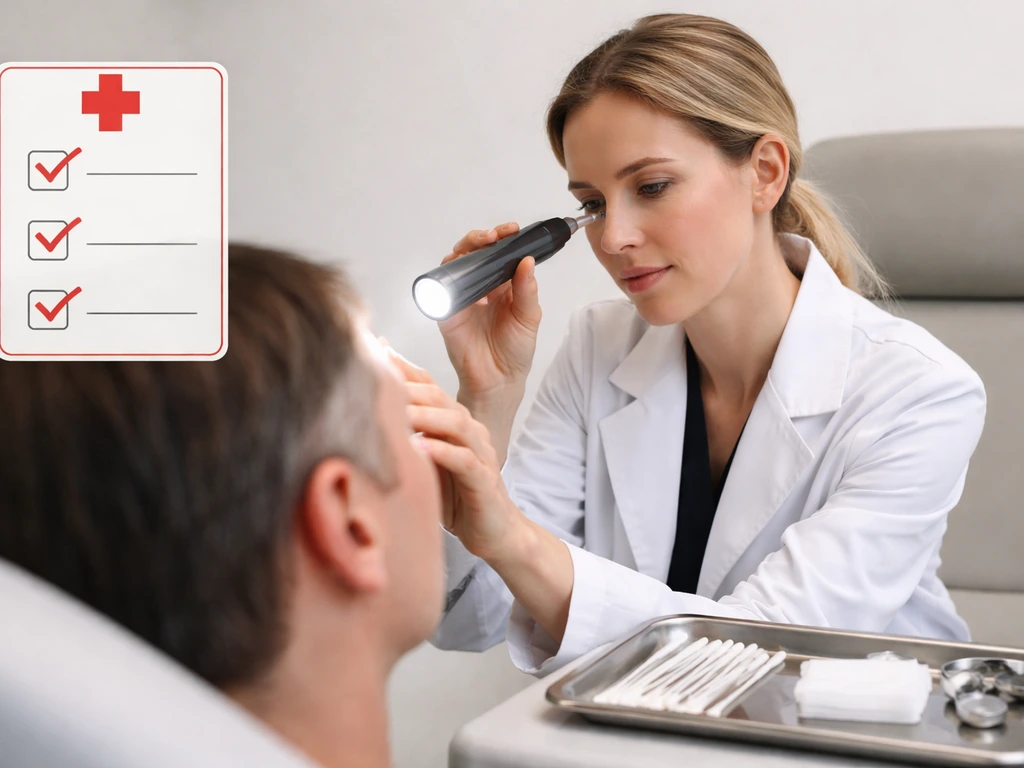
Most lash thinning responds to the strategies above, but there are situations where you should skip the home remedies and get a professional evaluation. See a dermatologist or ophthalmologist if: you notice sudden or patchy lash loss with no obvious mechanical cause; lash loss is accompanied by eyebrow loss or scalp hair loss; your eyelids are chronically red, swollen, or itchy (possible blepharitis, allergic reaction, or autoimmune trigger); you've been using a lash serum and develop eye redness, vision changes, or persistent irritation; or lash loss has lasted more than 3 to 4 months without improvement. Thyroid disease, alopecia areata, and certain medications can all cause lash loss that no serum or oil will fix. Getting that diagnosis is more useful than another month of castor oil.
Ingredients and habits to avoid
- Rubbing, pulling, or picking at lashes, even when they feel loose
- Applying serums or oils directly into the eye (on the inner rim or lower waterline)
- Using expired or contaminated mascara wands or spoolies
- Leaving mascara on overnight, which dries out lash shafts and increases breakage
- Overusing eyelash curlers, especially heated ones, which cause shaft damage and breakage
- Getting eyelash extensions reapplied before giving your natural lashes adequate recovery time
- Using products containing benzalkonium chloride near the eyes if you have ocular sensitivity
The bottom line on what makes eyelashes grow is that it's a combination of active follicle support (through serums, oils, and nutrition), removing the things that damage or disrupt the cycle (mechanical stress, inflammation, harsh products), and giving it enough time to work. The bottom line on what makes eyelashes grow is that it's a combination of active follicle support (through serums, oils, and nutrition), removing the things that damage or disrupt the cycle (mechanical stress, inflammation, harsh products), and giving it enough time to work. If you want to go deeper on specific angles, the biology of how lash follicles cycle, the fastest natural methods, or what specifically makes lashes grow back after loss are all worth understanding individually, because the details in each area change what you actually prioritize in your routine.
FAQ
Can you make eyelashes grow faster, or is the growth rate mostly fixed by biology?
The growth cycle length (about 4 to 10 weeks for lash anagen) is largely biological, so you cannot force lashes to “reset” in days. What you can do is keep follicles in their active phase by minimizing trauma, reducing eyelid inflammation, and using an evidence-based product consistently long enough to span at least one full cycle before judging results.
How long should I wait before I decide a lash serum is not working?
Use a minimum of one full lash growth cycle as your decision window. Practically, many people do not see meaningful change until after 6 to 10 weeks (and longer if the lashes were pulled out or repeatedly traumatized), so stopping early is a common reason routines fail.
Is it safe to use lash growth products if I wear contact lenses?
Be extra careful about getting product near the eye. Apply only to the upper lash line when your eyes are otherwise clean and avoid touching the inner corner area. If you feel irritation, vision changes, or stinging, stop and switch to a gentler conditioning routine until you are symptom-free.
Why do my lashes look worse after starting a serum (more shedding or irritation)?
Irritation can cause temporary inflammation and increased breakage, which can make shedding seem worse. Also, shedding can still happen normally during the telogen phase. If you notice persistent redness, burning, or watery eyes, stop the product and consider an ophthalmology or dermatology check rather than pushing through.
Can eyelash growth serums make my lower lashes grow too?
They are typically intended for the upper lash line, and migration of the formula to the lower lash line or eyelid skin can increase side-effect risk. Using the applicator carefully and wiping off excess that extends beyond the lash margin helps reduce “growth” in unwanted areas as well as pigmentation concerns.
Do castor oil or other natural oils actually help, and what is the main risk?
Natural oils may help mainly by reducing breakage and improving the look of lashes rather than permanently speeding follicle cycling. The main risk is getting oil into the eye, which can cause temporary blurring and irritation, so apply minimally and keep it strictly off the waterline and inner eye corner.
Should I stop using lash extensions immediately if I’m trying to regrow lashes?
Yes, if you are dealing with extension-related thinning or loss, stop the mechanical stress first. Remove extensions professionally and do not pull them off yourself. Then reassess only after you have been extension-free for at least one full growth cycle (about 6 weeks), since growth lags behind trauma.
What’s the best way to test whether I might be reacting to a lash product?
Patch-test first if you have sensitive skin by applying a small amount of the product to the inner wrist and waiting to see if you get redness or itching. Near-eye use still carries additional risk, so if you get eyelid redness, itching, swelling, or persistent irritation, treat that as a sign to stop and seek medical advice.
Can thyroid problems or autoimmune conditions cause lash loss even if I use serums?
Yes. If loss is sudden, patchy, or accompanied by eyebrow loss or scalp hair loss, serums and oils may not address the underlying cause. In those cases, a dermatologist or ophthalmologist evaluation can be more useful than continuing another month of self-care.
How do I know if I should get checked instead of trying home remedies longer?
Get professional evaluation if lash loss lasts more than 3 to 4 months without improvement, if you have chronic eyelid redness and itching, if you develop eye redness or vision changes while using a product, or if the pattern is patchy with no clear mechanical cause. These can signal blepharitis, allergy, or other medical drivers that need targeted treatment.
Does gentle eyelid massage actually help, and how often should I do it?
Gentle massage can support circulation at the lash margin, which may complement other efforts. Keep pressure light and short, for example about 30 seconds once daily, and stop if massage increases redness or discomfort, since irritation can undermine regrowth.
Why can my lashes regrow but still look thinner or lighter?
Regrowth after damage may be delayed and incomplete, especially after repeated trauma. Even when follicles recover, lash shaft quality and pigmentation can take time to normalize, so expecting gradual improvement over multiple cycles (not immediate doubling) helps you judge progress realistically.
Next Article
What Makes Lashes Grow: Real Reasons and How to Speed It Up
Learn what makes lashes grow, how long it takes, and safer ways to boost thickness and regrowth after damage.