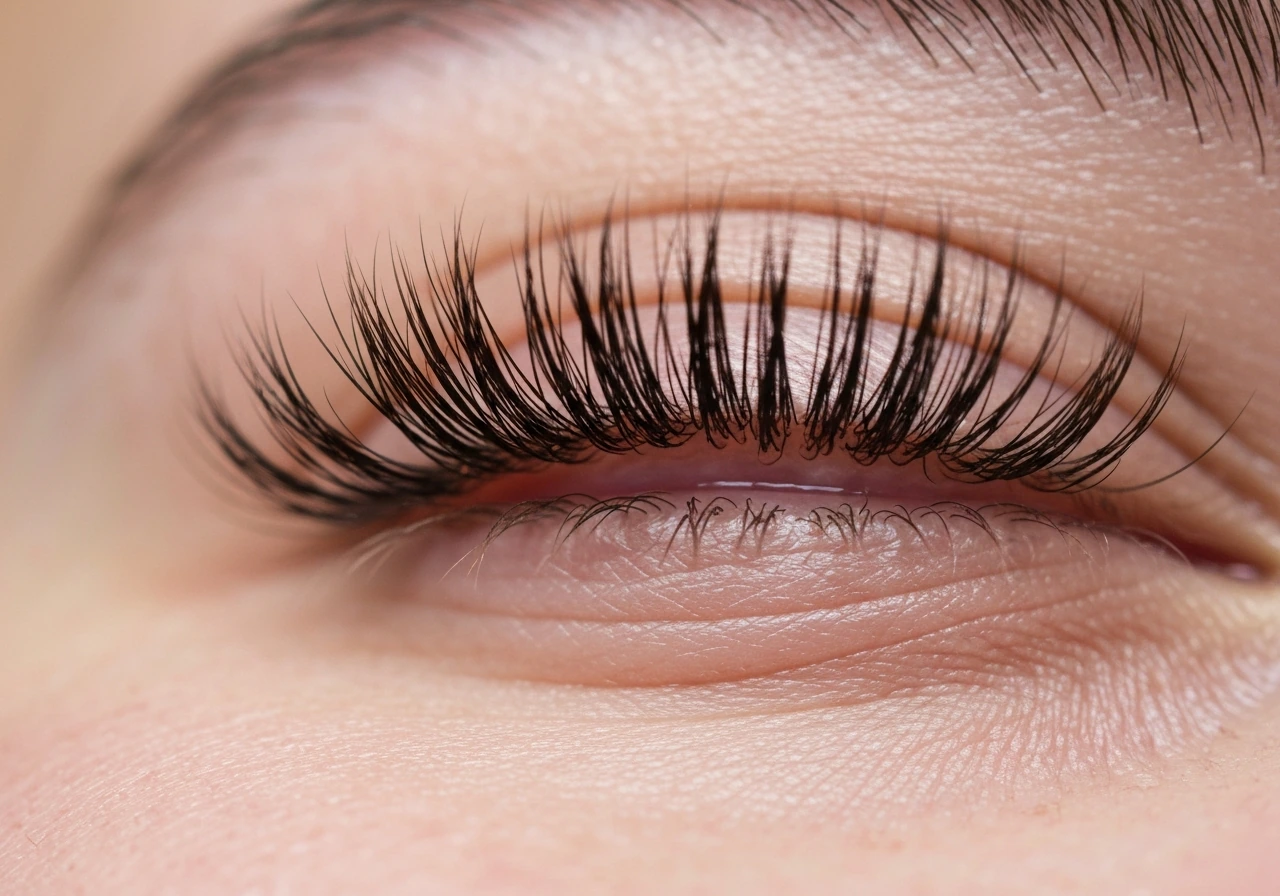
Trimming your eyelashes will not make them grow longer. That's the straightforward truth. Cutting the shaft of a lash has zero effect on the follicle underneath your eyelid, which is the only thing that actually controls how long your lash grows. What trimming does is temporarily make your lashes shorter and, in some cases, neater. Any sense that they "came back longer" after a trim is really just your lashes completing their normal growth cycle, which was already in motion before you picked up the scissors.
If You Trim Your Eyelashes, Will They Grow Longer?

Rachel Nguyen
1 May 2026
How eyelash growth actually works
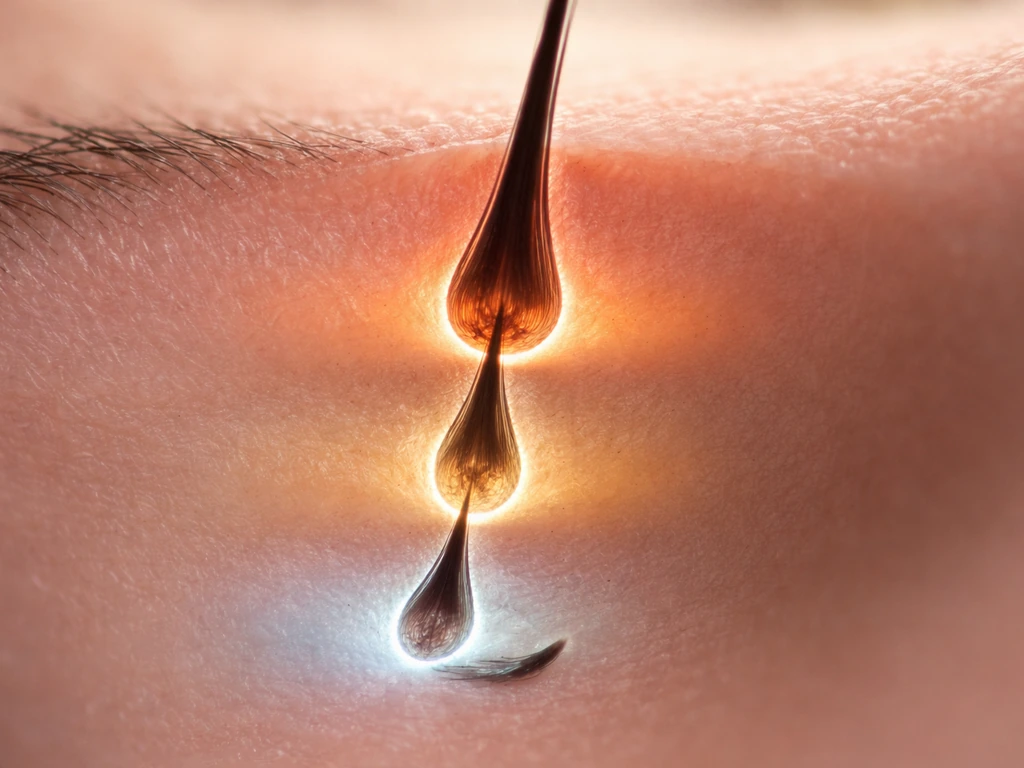
Eyelashes follow the same three-phase hair growth cycle as every other hair on your body: anagen (active growth), catagen (transition), and telogen (rest and shedding). The big difference between eyelashes and scalp hair is how long each phase lasts. Scalp hair can stay in anagen for years, which is why it can grow down to your waist. Eyelash anagen is much shorter, somewhere around 4 to 10 weeks depending on the individual, and blank" rel="noopener noreferrer">the full cycle from growth to shed runs approximately 4 to 11 months. That short growth window is the biological reason your lashes cap out at a certain length no matter what you do to the tips.
When a lash reaches the end of its telogen phase, it falls out naturally and a new one begins growing from the same follicle. This is completely normal. Most people shed one to five lashes a day without noticing. The regrowth timeline after a lash falls out or gets damaged is typically several weeks to a couple of months before you see meaningful length returning, because the new lash still has to work through its own anagen phase from scratch.
What trimming actually changes (and what it doesn't)
When you cut a lash, you're affecting only the dead protein strand above the skin. The follicle buried in your eyelid doesn't know anything happened. It keeps running its cycle on exactly the same schedule. This is the same reason shaving your legs doesn't make leg hair grow back thicker or faster. The blunt tip after a cut can feel stubbly and look more prominent for a few days, which probably started the myth that trimming "stimulates" growth, but there's no physiological mechanism for it.
There is one real, limited use case for trimming: removing damaged, split, or extremely uneven lash ends can make lashes look tidier and prevent further mechanical breakage from brittle tips. Think of it like dusting split ends off hair. It doesn't add length, but it can stop existing length from degrading further. That's about as far as the benefit goes.
Can trimming make lashes look longer right now?
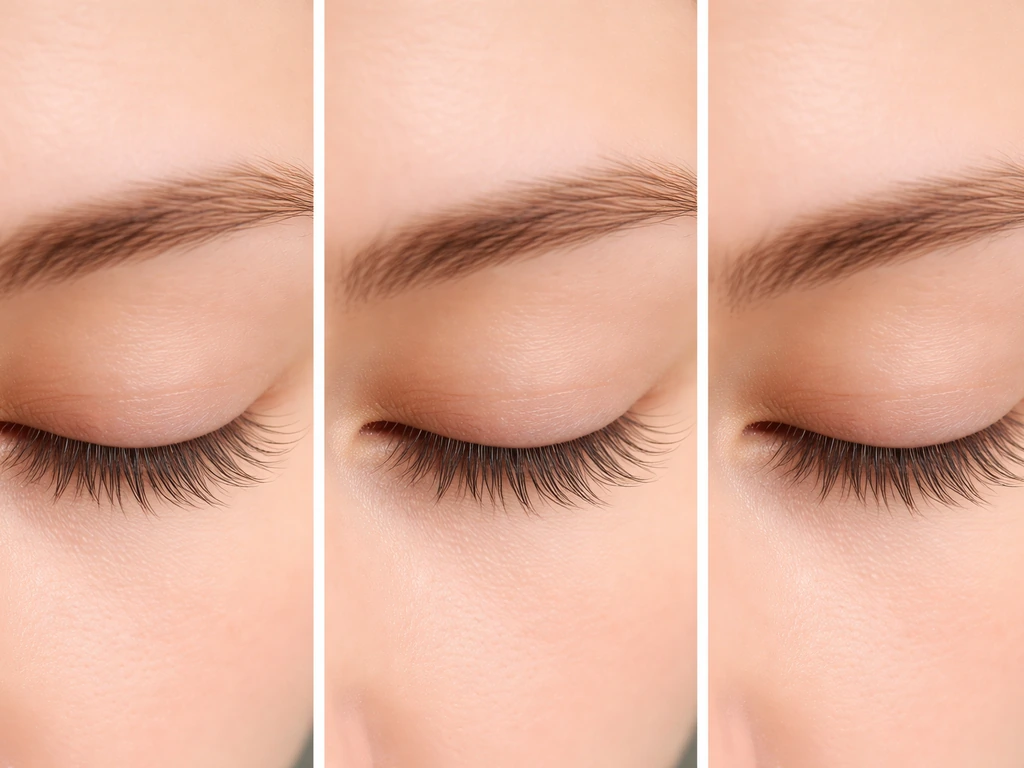
No, not immediately. In fact, the opposite is true right after a cut. Your lashes will be shorter. Over the following weeks, as they grow back toward their natural length, they may look more uniform and defined because the blunt cut edge catches light differently than a tapered natural tip. But you're not gaining any new length. You're recovering what was there before.
Realistic expectation: if you trim lashes that were already at their full natural length, plan on roughly 4 to 8 weeks to see them back where they were, sometimes longer. If you trimmed them very short or if there was underlying damage from extensions, rubbing, or product buildup, recovery takes closer to the higher end of that range, or beyond, because some follicles may need to complete a rest phase before restarting growth. Patience here is non-negotiable.
What actually makes lashes grow longer and thicker
Since trimming won't move the needle on length, here's what does have real evidence behind it.
Prescription serums: the strongest option
Bimatoprost 0. For a more direct answer to what makes eyelashes grow thicker and longer, prescription options like bimatoprost are the most proven route what makes lashes grow longer and thicker. 03% (sold as Latisse) is the only FDA-approved treatment for eyelash hypotrichosis and has the most robust clinical data. In controlled trials, nightly application to the upper eyelid margin increased average lash length by about 1.4 mm (roughly 25%) over 16 weeks, compared to about 0.1 mm in the placebo group. Statistically significant differences in lash prominence show up around week 8, with visible changes in length and darkness appearing as early as month 1 in some studies. It works by extending the anagen phase, essentially giving follicles more time to grow before they rest. The main drawbacks are cost, the need for a prescription, and potential side effects including eye irritation and, in some cases, iris darkening in people with lighter eyes.
OTC lash serums
Non-prescription serums using peptide complexes, such as myristoyl pentapeptide-17 and myristoyl hexapeptide-16, have emerging evidence in open-label studies. They won't match bimatoprost results, but for people who want to avoid a prescription or the prostaglandin side effect profile, they're a reasonable supporting tool. Look for serums with multiple active peptides and apply them consistently to the lash line nightly. Results take longer and are more modest, but they do exist.
Conditioning oils
Castor oil is the most widely used natural conditioner for lashes. It doesn't have the same level of clinical trial data as prescription options, but it has a good safety profile and its ricinoleic acid content may support a healthier follicle environment. Apply a tiny amount to a clean spoolie and coat lashes before bed. The bigger benefit here is mechanical conditioning: well-moisturized lashes are more flexible, less prone to breakage, and shed less due to brittleness. Other oils like argan and vitamin E work similarly as conditioners. Think of them as maintenance rather than a growth accelerator.
Gentle handling and hygiene
One of the most underrated strategies is simply stopping the habits that cause lash loss. Aggressive makeup removal, rubbing your eyes, using waterproof mascara daily, and leaving extensions on too long with heavy adhesive all contribute to mechanical shedding and follicle stress. Switch to an oil-based or micellar cleanser and use light downward strokes, not horizontal scrubbing, when removing eye makeup.
If you're going to trim: do it right
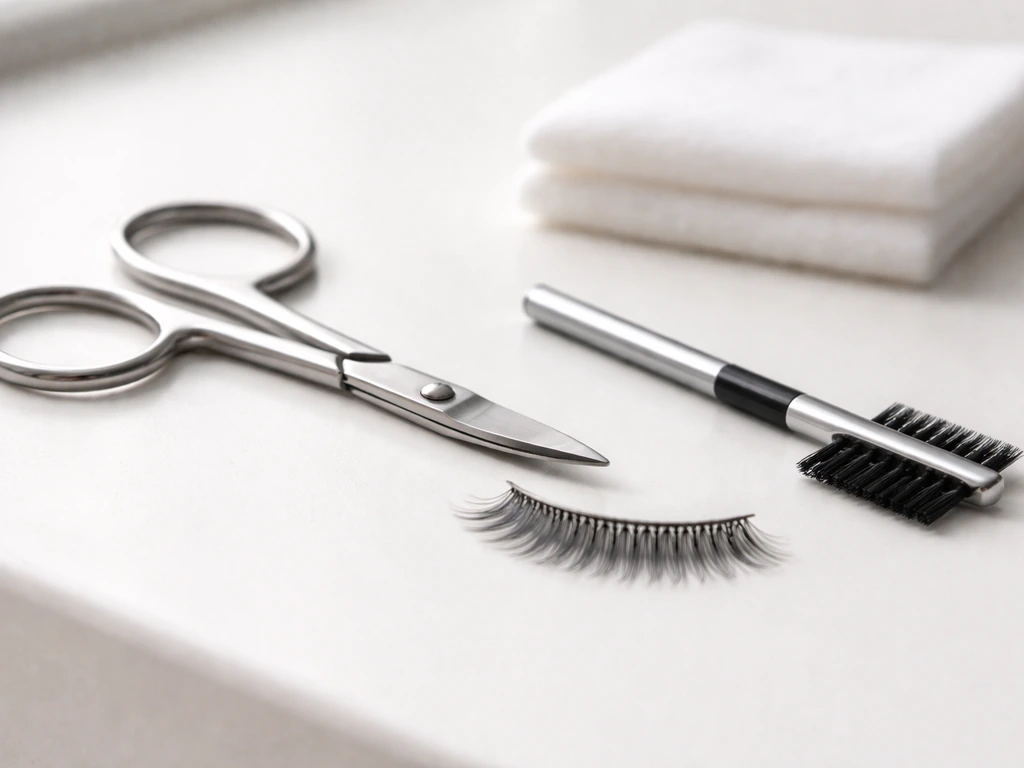
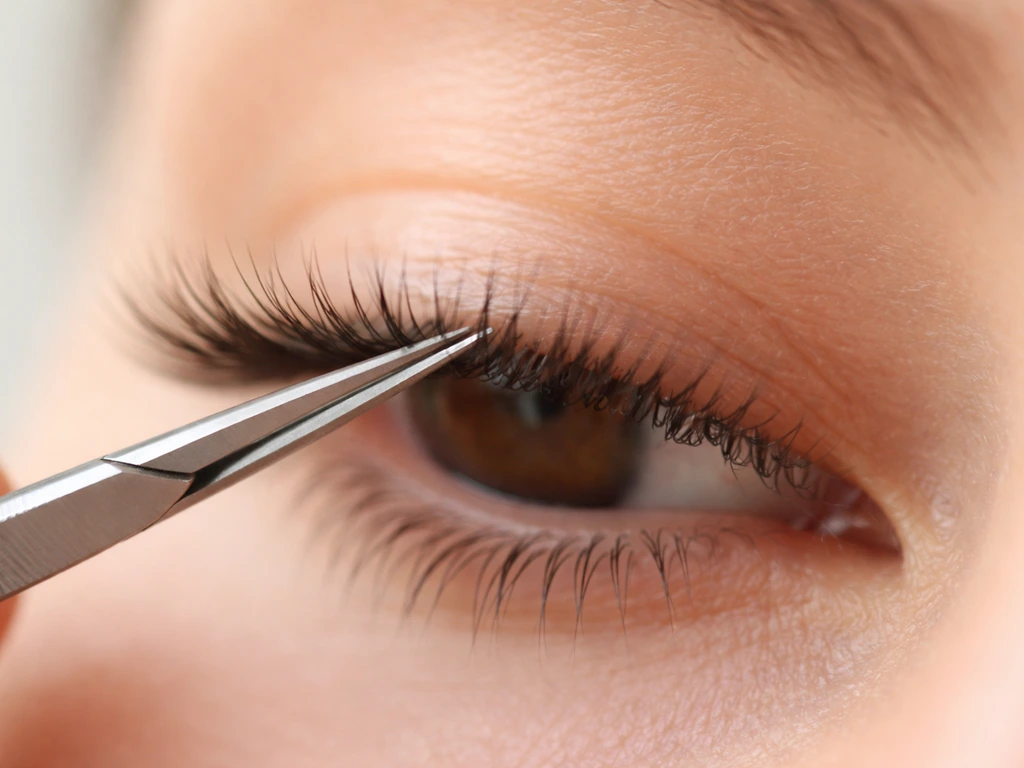
If your lashes are genuinely uneven or have brittle, damaged tips and you want to tidy them up, here's how to do it without making things worse.
- Use small, sharp scissors with rounded tips designed for facial use, not regular scissors or nail scissors with sharp points near your eye.
- Work in good lighting with a magnifying mirror so you can see exactly what you're cutting.
- Trim only the very ends, removing as little length as possible. The goal is removing damaged tips, not reshaping overall length.
- Never pull or tug lashes before cutting. Hold them gently and snip with a single clean motion.
- Avoid trimming if lashes are wet or freshly washed, as they look longer wet and you can cut more than intended.
- After trimming, apply a gentle conditioner or lash oil to keep the cut ends hydrated and reduce brittleness.
What to avoid entirely: using extension glue on natural lashes without a professional, using lash curlers aggressively immediately after trimming, and applying harsh products like retinoids or chemical exfoliants near the lash line, which can irritate follicles. Also avoid the temptation to repeatedly trim in the hope of stimulating growth. It won't work and you'll just keep shortening what you have.
When to take lash shedding seriously
Losing a few lashes a day is normal biology. But some patterns signal something that needs attention beyond home care.
- Noticeable patches of lash loss or significant thinning along the lash line, especially if it's progressing over weeks
- Persistent redness, crusting, or flaking at the eyelid margin, which are classic signs of blepharitis (eyelid inflammation often linked to demodex mites or bacterial overgrowth)
- Lashes growing inward toward the eye, causing a foreign-body sensation, tearing, or light sensitivity (this is called trichiasis and can damage the cornea if left untreated)
- Swelling, itching, or rash on the eyelid that appeared after using a new eye product or lash adhesive, which may indicate allergic contact dermatitis
- Lash loss that started after beginning a new medication or following chemotherapy
Blepharitis in particular is commonly missed as a cause of ongoing lash thinning. It creates a biofilm of inflammation at the lash line that disrupts follicle health over time. An eye doctor can examine the lid margins and, if needed, swab for demodex or bacterial causes. Extension-related damage is another common culprit: adhesives and traction can trigger allergic blepharitis and traction alopecia around follicles, which won't resolve with serums alone if the underlying inflammation isn't addressed.
If you've been dealing with significant lash loss for more than 6 to 8 weeks, or if home strategies aren't moving things in the right direction, an appointment with a dermatologist or ophthalmologist is the practical next step. Conditions like blepharitis, trichiasis, or allergic reactions to lash products all have specific treatments that go beyond what any serum or oil can do on their own. Getting a clear diagnosis early saves a lot of time and prevents further damage to follicles that might otherwise recover on their own.
What you can realistically expect on the timeline
| Scenario | Realistic Recovery Timeline | Best Approach |
|---|---|---|
| Trimmed healthy lashes slightly | 4 to 8 weeks to return to original length | Wait; apply conditioning oil nightly |
| Trimmed significantly short | 8 to 12+ weeks depending on cycle phase | Nightly conditioner; consider OTC serum |
| Lash loss from extension damage or traction | 2 to 4 months for visible regrowth | Stop extensions; treat any inflammation; use serum |
| Lash thinning from overplucking or rubbing | 3 to 6 months with consistent care | Bimatoprost or peptide serum; gentle handling only |
| Ongoing loss from blepharitis or dermatitis | Depends on treating the underlying cause | See a doctor first; serums alone are insufficient |
The biology of eyelash growth is slow and can't be hacked by cutting. What you can do is stop damaging lashes further, support the follicle environment with proven conditioners and serums, and give the cycle enough time to run its course. For scalp hair, longer growth also comes down to how long the anagen phase lasts, which is the key reason scalp hair can grow longer than eyelashes enough time to grow. For most people, that combination is genuinely enough to see meaningful improvement.
FAQ
If I only trim the very tips, will I still see them grow back to the same natural length eventually?
Yes, as long as you did not remove large sections or damage the lash roots, they should regrow to their typical length. Plan on several weeks before you notice real length returning, because the new lash still has to complete its own growth cycle from scratch.
How often is it safe to trim eyelashes to keep them tidy?
Occasional trimming to remove genuinely split, brittle, or uneven ends is reasonable, but repeated trimming in short intervals is not. If you cut too frequently, you can keep shortening lashes faster than they regrow, especially since the growth window is limited.
Can trimming prevent eyelashes from shedding or thinning?
Trimming does not stop shedding because shedding is driven by the growth cycle ending (telogen), not by what happens above the skin. What it can do is reduce breakage from damaged tips, which may indirectly make lashes look fuller.
What signs mean my lash thinning is not just normal shedding?
Consider getting medical advice if you see patchy loss, steadily increasing thinning for more than 6 to 8 weeks, itching or burning at the lash line, crusting, or misdirected lashes that irritate the eye. These patterns can point to blepharitis, allergic reactions, traction effects, or other conditions.
Will eyelash growth serums work on lashes that I just trimmed?
They should not be “blocked” by a trim, but results are limited by the follicle cycle. You may notice a delayed return to your previous length, and serum benefits usually show up over weeks to months, so consistent nightly use matters more than when you trim.
Is it better to trim lashes before or after curling them?
If you curl, be gentle and avoid aggressive use right after trimming, since freshly cut ends can feel stubbly and may be more prone to snagging or mechanical stress. A safer approach is to avoid curling immediately after a cut and wait until lashes feel stable and uniform.
Could trimming make lashes look thicker or darker?
Trimming itself does not change lash thickness or pigmentation. However, a blunt cut edge can temporarily reflect light differently, so lashes may look more uniform or defined for a short time while the normal taper pattern regrows.
Can lash extensions or adhesives be responsible for why my trimmed lashes seem to take longer to bounce back?
Yes. Adhesives and traction can trigger inflammation and mechanical breakage around follicles, which may slow regrowth and lead to patchier recovery. If extensions recently caused irritation or heavy shedding, trimming will not address the underlying trigger.
If I trimmed in the hopes of faster growth, what’s the best next step now?
Switch focus from cutting to protecting existing lashes and supporting regrowth. Stop the habits causing lash loss (rubbing, harsh removal, prolonged extensions), use conditioning consistently to reduce breakage, and give the cycle time, typically 4 to 8 weeks for noticeable catch-up.
Next Article
Can Eyelashes Grow Longer Naturally? Timelines and Tips
Learn if eyelashes can grow longer naturally, timelines, why they change, and safe tips for regrowth and better length.