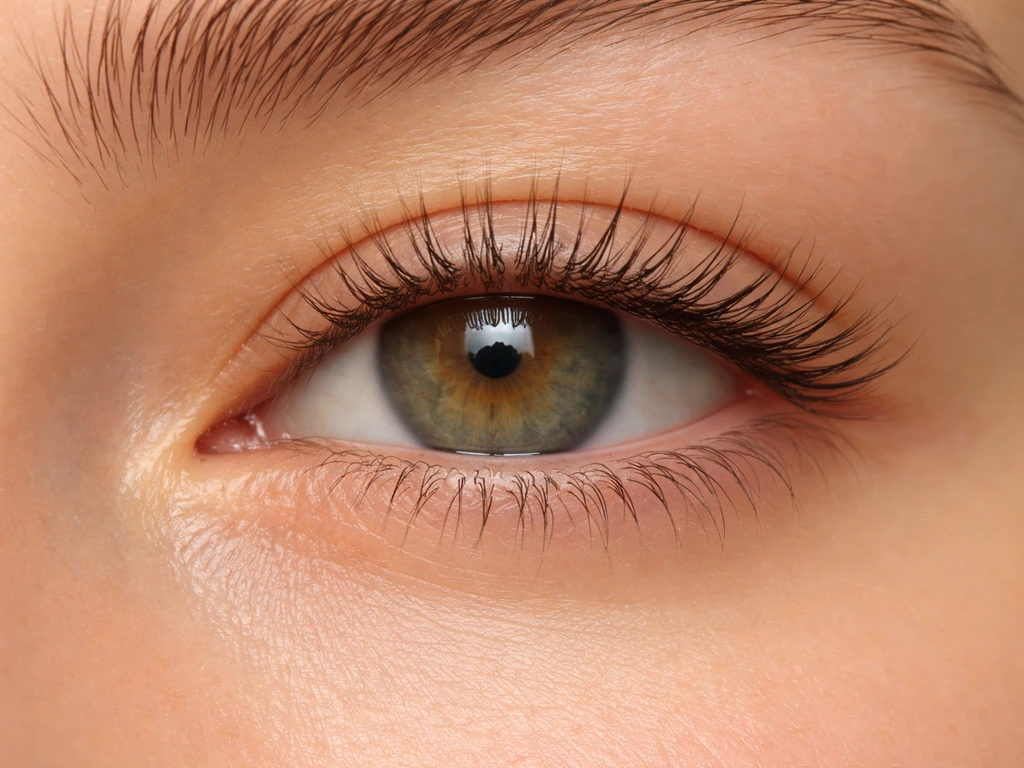
Eyelashes grow because of active hair follicles cycling through biological phases, fed by blood supply, hormones, and local signaling proteins at the follicle base. What makes lashes grow longer, thicker, or faster comes down to two things: keeping that follicle cycle running smoothly, and not interrupting it with damage, inflammation, or nutritional gaps. Everything else, whether it's a $200 serum or a bottle of castor oil, works (or doesn't) by influencing those same underlying mechanisms.
What Makes Lashes Grow: Real Reasons and How to Speed It Up

Rachel Nguyen
18 Apr 2026
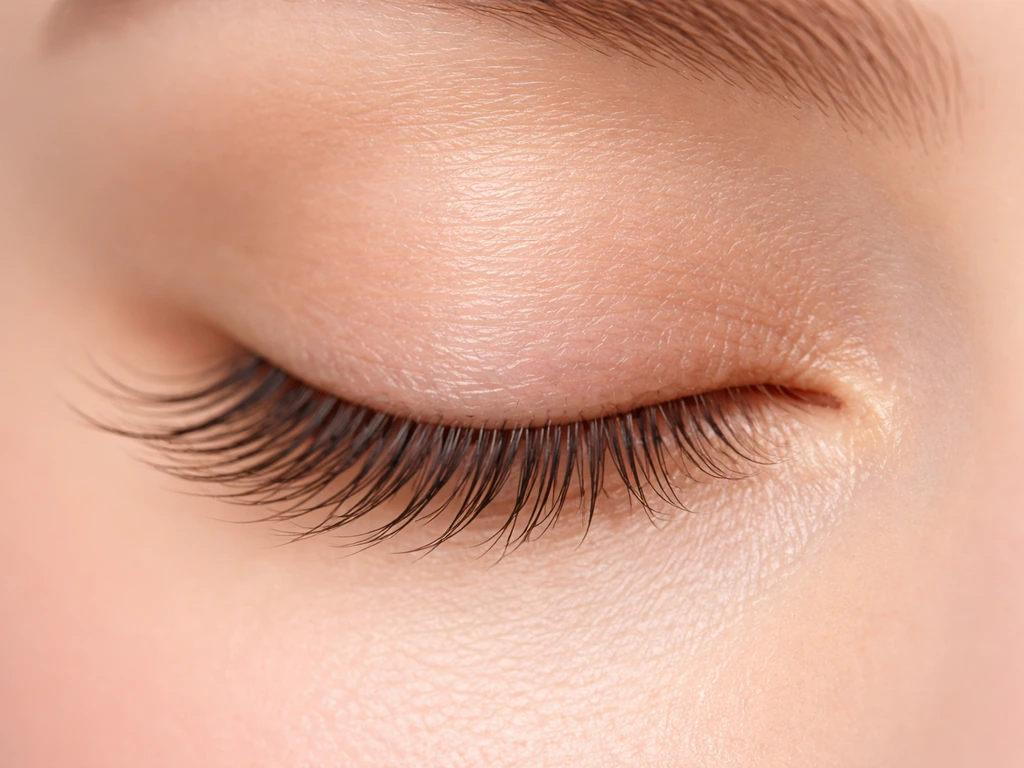
How eyelash growth actually works
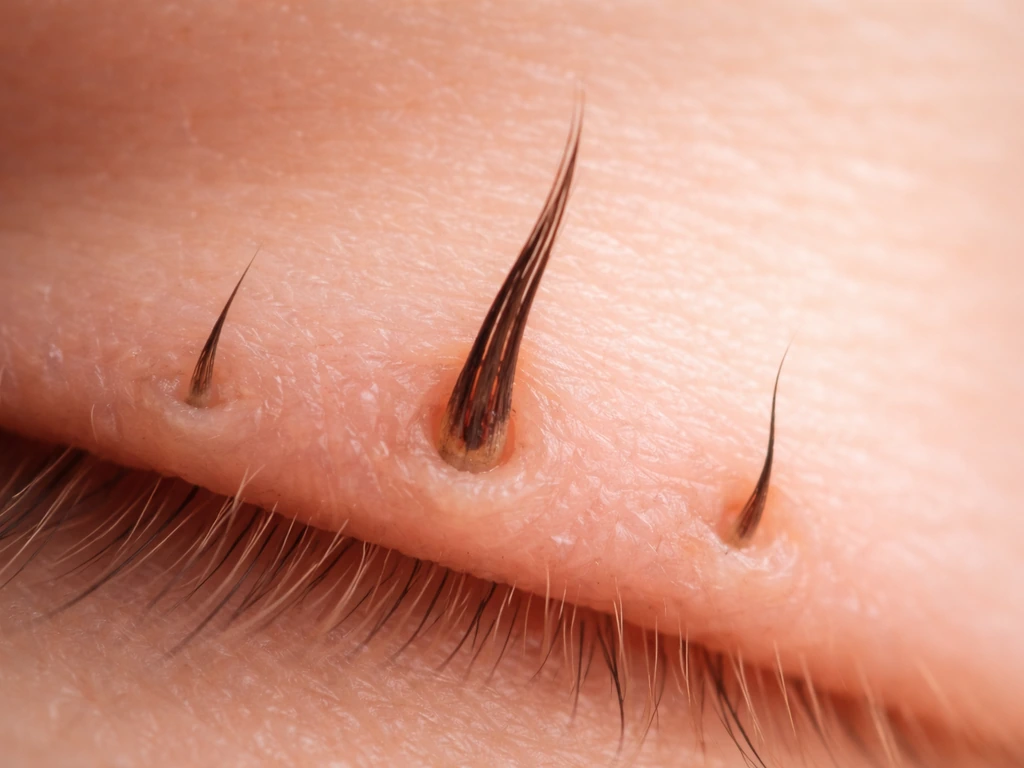
Every lash grows from a follicle embedded in your eyelid margin. That follicle runs through three phases repeatedly: anagen (active growth), catagen (transition), and telogen (rest). In anagen, cells in the hair matrix around the dermal papilla actively divide, which is biologically measurable by the presence of Ki-67-positive proliferating cells in the follicle bulb. This is the phase where actual lengthening happens. Catagen is a short transition lasting roughly 15 days, during which the follicle shrinks and growth stops. Telogen is the resting phase, after which the lash sheds and the whole cycle starts over.
For eyelashes, the full cycle is much shorter than scalp hair: typically around 4 to 11 months total, with anagen lasting only about 30 to 45 days. That short growth window is why lashes don't grow as long as head hair, and it's also why any disruption to the cycle, whether from inflammation, hormonal changes, or physical trauma, shows up relatively quickly as thinning or shedding. The dermal papilla, a tiny cluster of specialized cells at the follicle base, is essentially the control center. It receives blood-delivered nutrients and sends signals that determine whether a follicle stays in anagen or tips into catagen early.
Length and thickness are partly genetic, determined by how long your anagen phase runs and how wide your follicle is. But those parameters aren't completely fixed. Chronic inflammation, nutritional deficiency, and certain medications can shorten anagen or delay the next cycle, which is the biological explanation for why your lashes might thin out under stress or after illness. Conversely, keeping the follicle environment healthy and reducing trauma gives each follicle its best shot at running a full, productive anagen phase.
Day-to-day habits that support lash growth
The most underrated driver of lash growth is simply not breaking the lashes you already have. Mechanical damage from rubbing, aggressive makeup removal, and leaving mascara on overnight is responsible for a surprising amount of apparent thinning. The lashes aren't failing to grow; they're snapping off before they reach their natural length. Building a few protective habits into your daily routine is genuinely the easiest intervention available.
- Remove eye makeup gently with a dedicated eye makeup remover, using light downward pressure rather than rubbing side to side.
- Never sleep in mascara. Dried product makes lashes brittle, and pillow friction overnight does real damage.
- Use a clean spoolie to brush lashes gently in the morning, which distributes any natural oils along the lash shaft.
- If you use a lash curler, curl before mascara, not after, and replace the rubber pad regularly to avoid pinching.
- Sleep on a silk or satin pillowcase if friction is a concern, especially if you're a side sleeper.
- Stay hydrated and maintain a diet with adequate protein, iron, and B vitamins, since hair follicles are among the most metabolically active structures in the body.
Nutrition deserves a specific mention. Lash follicles depend on the same micronutrients that support scalp hair: iron, zinc, biotin, and vitamins D and E. Deficiency in any of these can impair the anagen phase or push follicles into premature telogen. This doesn't mean you need to take a handful of supplements daily, but if your diet is consistently low in protein or you have a known deficiency (iron deficiency is common and frequently overlooked), addressing it tends to have visible effects on lash density over time.
Growing lashes back after damage
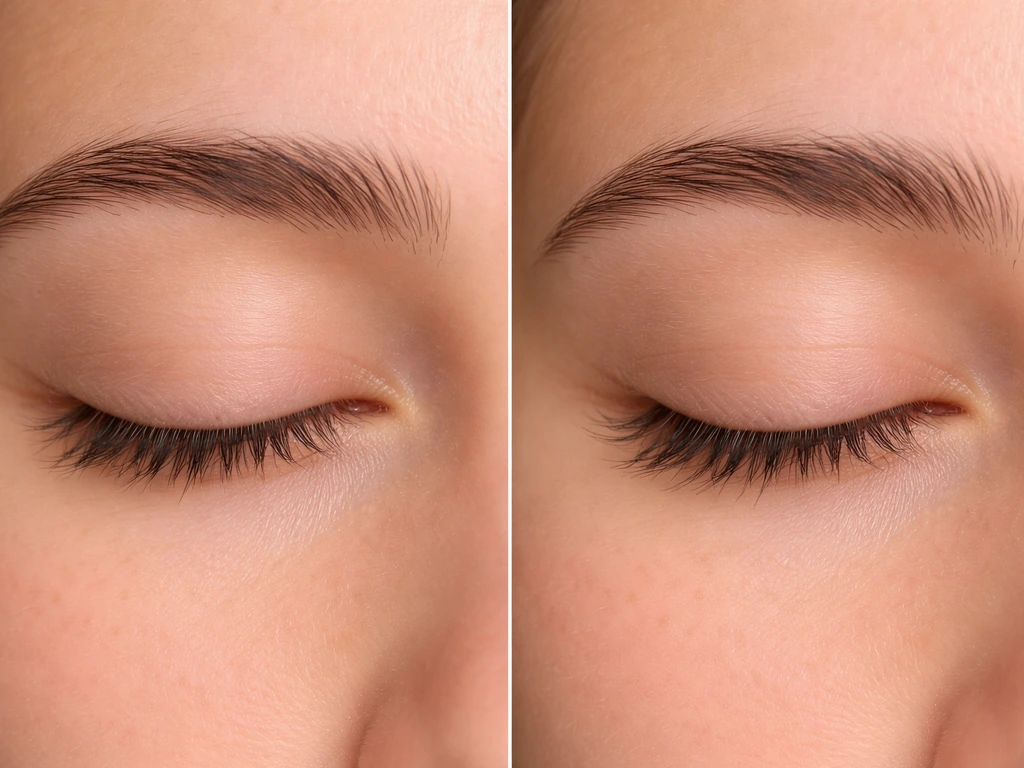
Lash loss from extensions, breakage, irritation, or over-rubbing follows a different recovery path than just trying to grow longer healthy lashes. Here, the goal is getting damaged or prematurely shed follicles back into anagen, which takes patience because the follicle needs to complete whatever phase it's currently in before restarting the growth cycle.
After extensions
Extensions don't damage the follicle itself if applied correctly, but the glue, weight, and improper removal frequently break the natural lash at or near the base. When a lash snaps off rather than sheds naturally, it still has a living root, so regrowth happens from the existing follicle without needing to restart a full cycle. Expect visible regrowth in 6 to 8 weeks for lashes broken near the base. If you had extensions for a long time and your lashes look significantly thinner overall, the follicles may need a full cycle or two to normalize, which puts the realistic recovery window at 3 to 6 months.
After rubbing, irritation, or inflammation
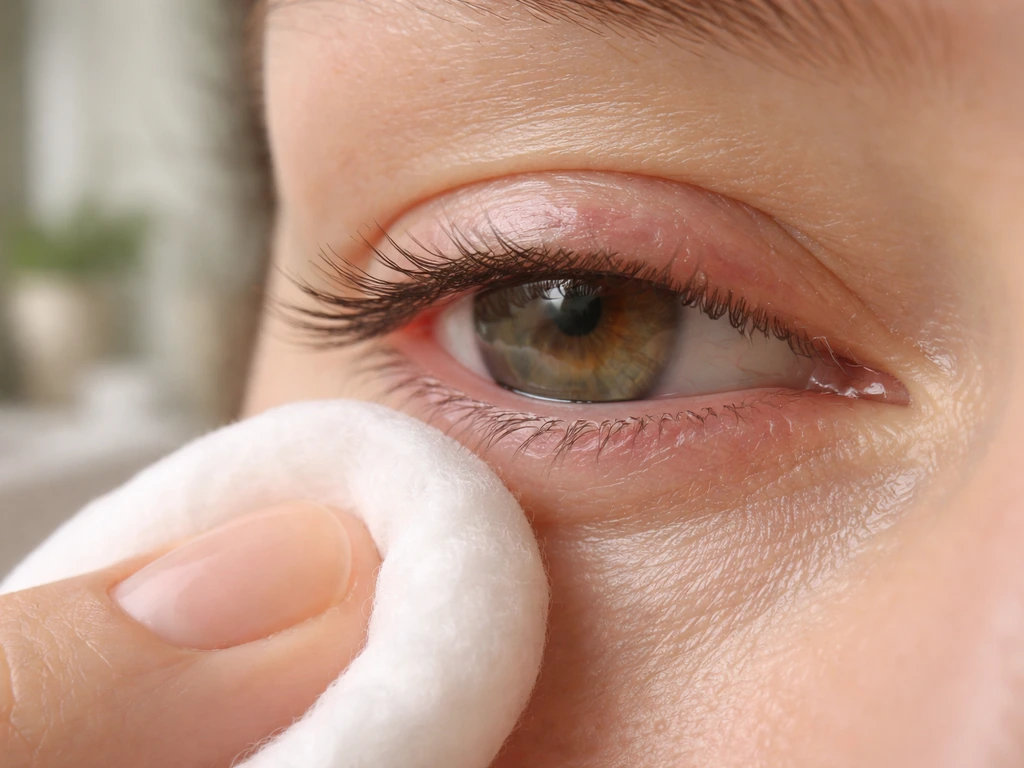
Chronic rubbing, allergic reactions, blepharitis, or other eyelid margin conditions can cause what's called madarosis, actual loss of lash follicle function due to inflammation at the follicle root. In these cases, regrowth depends on resolving the underlying inflammation first. Applying oils or serums to an inflamed eyelid margin often makes things worse, not better, because any ocular-adjacent product can trigger or worsen irritation. If your lashes are thinning in the context of red, flaky, or itchy eyelids, treating the eyelid condition comes before any growth-focused product.
After breakage from mascara or curlers
This is usually the most straightforward recovery scenario. The follicles are intact, and growth resumes normally once the damaging habit is stopped. Give it a full lash cycle (around 3 months) before evaluating whether anything additional is needed. Most people who stop sleeping in mascara and switch to a gentler removal method see meaningful improvement in that window without any other intervention.
Serums, oils, and biotin: what actually works
This is the area where marketing noise is loudest and clinical evidence is thinnest. Here's an honest breakdown of the main categories.
Prescription lash serums (bimatoprost)

Bimatoprost (brand name Latisse) is the only FDA-approved treatment for lash growth and the only option with strong clinical trial data behind it. It works by extending the anagen phase, giving each follicle more time to grow before it transitions out. In clinical studies it increases lash length by around 25%, thickness by around 106%, and darkness noticeably. It's applied nightly to the upper lash line with a sterile applicator. Side effects include potential iris pigmentation changes with long-term use, and it requires a prescription. If you're serious about clinically meaningful results, this is the benchmark everything else should be compared against.
Over-the-counter lash serums
OTC serums typically contain peptides, panthenol, hyaluronic acid, or proprietary blends of plant extracts. Some contain prostaglandin analogs similar in structure to bimatoprost but at concentrations not regulated as drugs. The evidence for most of these is limited to brand-funded studies or before-and-after photos rather than peer-reviewed trials. That doesn't mean they're useless: some users see conditioning benefits and reduced breakage, which can improve apparent lash fullness even without directly stimulating follicle activity. Just go in with realistic expectations. If you try one, apply to the upper lash line only, not the lower, to minimize the risk of getting product in the eye.
Castor oil
Castor oil is the most widely used home remedy for lash growth, and it has real properties that make it useful as a conditioning agent: it's high in ricinoleic acid, which has anti-inflammatory properties, and it coats the lash shaft to reduce moisture loss and friction-related breakage. What it does not have is clinical evidence that it stimulates follicle activity or extends anagen. Memorial Sloan Kettering's clinical guidance explicitly notes there isn't strong evidence that castor oil improves lash growth in a measurable way. That said, reducing breakage and conditioning existing lashes can make them look fuller and less sparse. If you use it, apply a tiny amount with a clean spoolie or cotton swab to the lash base at night. Avoid getting it in the eye, as it can blur vision and cause irritation.
Biotin
Biotin (vitamin B7) supplements are widely marketed for hair and lash growth. The evidence supports this mainly in people who are actually biotin-deficient, which is less common than supplement marketing suggests. If you're eating a varied diet, you're likely getting adequate biotin already. That said, for people with genuine deficiencies or those recovering from illness-related hair loss, correcting the deficiency does support the hair cycle. Typical supplement doses range from 2,500 to 5,000 mcg daily for hair-related use, but note that high biotin doses can interfere with certain lab tests, particularly thyroid panels, so mention it to your doctor if you're getting bloodwork done.
| Option | Mechanism | Evidence Level | Typical Timeline | Key Consideration |
|---|---|---|---|---|
| Bimatoprost (Latisse) | Extends anagen phase | Strong (FDA-approved) | 8–16 weeks for visible results | Requires prescription; iris pigmentation risk with long-term use |
| OTC lash serums | Peptides, conditioning agents, some prostaglandin analogs | Moderate to weak | 8–12 weeks | Variable results; apply to upper lash line only |
| Castor oil | Conditioning, anti-inflammatory at lash shaft | Weak (no follicle stimulation evidence) | Ongoing use for maintenance | Use sparingly; avoid eye contact |
| Biotin supplements | Supports hair cycle if deficient | Moderate (mainly for deficiency) | 3–6 months | May interfere with lab tests; check actual deficiency first |
| Dietary improvement | Provides micronutrients for follicle function | Strong (for deficiency-related loss) | 3–6 months | Most effective when correcting an actual gap |
How long until you actually see results

Because the eyelash cycle runs 4 to 11 months end-to-end, with a growth phase of only about 30 to 45 days, timelines for visible improvement depend on where each follicle is in its cycle when you start any intervention. You can't speed up a follicle that's in telogen waiting to shed. This is why most lash growth approaches require a minimum of 8 to 12 weeks before you can evaluate whether something is working. While timelines vary, focusing on the lash follicle cycle is key to how eyelashes grow faster minimum of 8 to 12 weeks.
Here's what realistic timelines look like based on scenario. For protective habit changes alone (stopping mascara sleeping, gentler removal), you can expect to see less breakage within 4 weeks and fuller-looking lashes by weeks 8 to 12. For castor oil or OTC serums used consistently, changes are typically subtle over 8 to 16 weeks, mainly in lash conditioning and reduced shedding rather than dramatic lengthening. For bimatoprost, clinical studies show measurable changes by week 8 and peak results around weeks 12 to 16. For recovery after damage or extensions, the range is 6 weeks for simple breakage to 6 months if follicles were under chronic stress.
One thing worth setting expectations on: the absolute length your lashes can reach is limited by your anagen duration, which is genetically influenced. Products can help you achieve your personal maximum by reducing breakage and keeping follicles healthy, but they're unlikely to give you lashes significantly beyond your genetic ceiling without a prescription-grade prostaglandin analog.
When lashes aren't coming back: what to check
If your lashes have been noticeably thinner or slower to regrow for more than 3 to 6 months, there are several things worth investigating before doubling down on serums or oils.
- Check for underlying eyelid conditions. Blepharitis (inflammation of the eyelid margin) is common and frequently undiagnosed. It disrupts the follicle environment directly and prevents normal lash cycling. A dermatologist or ophthalmologist can diagnose and treat this.
- Rule out nutritional deficiencies. Iron deficiency, in particular, is a well-documented cause of hair cycle disruption that's often missed. Get a ferritin level checked, not just hemoglobin, since ferritin drops before you become technically anemic. Thyroid dysfunction is another common driver of lash thinning.
- Review medications. Several drugs are known to cause eyelash loss as a side effect, including retinoids, certain anticoagulants, and some chemotherapy agents. If your lash thinning coincides with starting a new medication, mention it to your prescribing doctor.
- Consider autoimmune causes. Alopecia areata can affect lashes as well as scalp hair. Trichotillomania (hair pulling, including lashes) is another cause that's sometimes not immediately recognized by the person experiencing it.
- See a dermatologist or trichologist. If you've addressed diet, removed possible causes, and given it a full growth cycle (3 to 6 months) without improvement, a clinical evaluation is the right next step. There are prescription options beyond bimatoprost, and a professional can help identify whether the follicle is dormant or permanently damaged.
The bottom line on troubleshooting: most lash thinning has a fixable cause, and most cases of slow regrowth respond to either removing the damaging factor or correcting a deficiency. But persistence over months without improvement is a clear signal to get a professional opinion rather than trying another OTC product. If you're also researching specific angles like what makes eyelashes grow naturally through oils and diet, or what makes lashes grow fast with targeted serums, those questions go deeper on individual approaches and are worth exploring alongside this guide. If you're looking at specific strategies like what makes lashes grow fast with targeted serums, matching the approach to the lash follicle cycle is what drives results. If you want the most natural approach, focus on the factors that support the lash follicle cycle, like diet and gentle conditioning what makes eyelashes grow naturally through oils and diet. If you’re wondering what makes eyelashes grow naturally, it mostly comes down to supporting the lash follicle cycle with good nutrition and low-breakage habits. If you're also trying to figure out how to eyelashes grow naturally with oils and diet, or how to make lashes grow faster with targeted serums, it helps to match the approach to the underlying follicle cycle.
FAQ
Why do my lashes seem to fall out more instead of growing longer when I start a lash product?
If your lashes are shedding faster than usual, it usually means many follicles are shifting into telogen, not that new follicles are “failing” on demand. Because the follicle must complete its current phase before growth restarts, trying to speed it up with a new serum mid-shed rarely gives immediate length changes. The more useful move is to stop the trigger (irritation, rubbing, poor removal, eyelid inflammation) and reassess after one full evaluation window (about 8 to 12 weeks).
Can I make my lashes grow past their natural maximum length?
You cannot push lashes into an endless growth mode, since anagen duration and follicle biology are genetically limited. What you can improve is how many lashes stay on the eye long enough to reach their normal maximum, mainly by reducing breakage (gentle cleansing, no overnight mascara, careful removal) and minimizing eyelid margin inflammation. If you want noticeably more length than your baseline, prescription-grade options that extend anagen are usually the only route.
How can I tell if a lash treatment is improving growth versus just reducing breakage?
“More growth” can mean two different things: new lengthening, or reduced breakage that makes lashes look fuller. If you see less shedding and fewer broken tips within the first month, that is often conditioning and protection rather than true follicle stimulation. Real lengthening typically takes longer because it depends on how long each follicle stays in anagen, so expect meaningful changes closer to the 8 to 12 week mark.
What if my lashes are thinning and my eyelids are irritated or flaky?
If the eyelid is red, itchy, flaky, or feels gritty, the limiting factor may be eyelid margin inflammation (for example blepharitis or allergic irritation). In that situation, growth-focused products can worsen symptoms, delaying recovery. The better sequencing is to calm the eyelid first, then reassess lash density after the inflammation settles.
Where exactly should lash serum be applied to avoid irritating my eyes?
Applying product to the lower lash line can increase the chance of getting it into the eye or onto nearby tissue, even if you only intended to treat upper lashes. Many lash serums also look “thin” but still can pool and travel. For products that require precision, use a sterile applicator, apply a minimal amount, and avoid the waterline.
How long should I wait after stopping extensions before I expect new growth?
If you wear lash extensions, delayed regrowth can happen even when the follicles are intact, because damaged or snapped lashes regenerate from the existing follicle on their schedule. For lashes broken near the base, regrowth can be visible in about 6 to 8 weeks, but a longer full normalization period (3 to 6 months) is more typical after prolonged stress or widespread breakage. If thinning persists beyond that, you may be dealing with ongoing trauma or inflammation.
Should I switch lash products if I do not see results after 2 or 3 weeks?
Yes, but the timing matters. It is often enough to stop damaging habits and wait through a full cycle before concluding that a treatment is ineffective. Switching products every week can keep the eyelid irritated or prevent you from identifying the true cause of thinning. Give one change a consistent trial period (8 to 12 weeks), unless you have burning, swelling, or worsening redness.
Why did my lashes get thinner after an illness or a stressful period?
If thinning is linked to illness, stress, or a recent medication change, it often reflects a temporary shift in the follicle cycle. The follicle needs time to return to a normal rhythm, so an abrupt “fix” is unlikely. Supporting nutrition, reducing mechanical trauma, and addressing any known deficiency are the most evidence-aligned steps while you wait for cycling to normalize over months.
Is biotin a good idea for lash growth if I do not know my nutrient levels?
A common mistake is taking biotin as a universal solution even when there is no deficiency. Supplement benefit is most likely when you truly are deficient. Also, high-dose biotin can interfere with certain lab tests, so if you plan bloodwork, tell your clinician and ask about what dose, if any, is appropriate.
How do I know if my lashes are thinning from breakage versus reduced follicle growth?
Some people get “pseudo thinning” where lashes look worse because they are breaking or not holding pigment, not because follicles are producing fewer lashes. Check for broken shafts, shorter curled tips, and increased flyaways. If the issue is breakage, protective habits and gentle removal are more impactful than investing heavily in growth stimulants right away.
Next Article
How to Grow Eyelashes Back: Science, Timeline, and Tips
Learn how to grow eyelashes back with the lash cycle, realistic timelines, safe at-home tips, and what to avoid