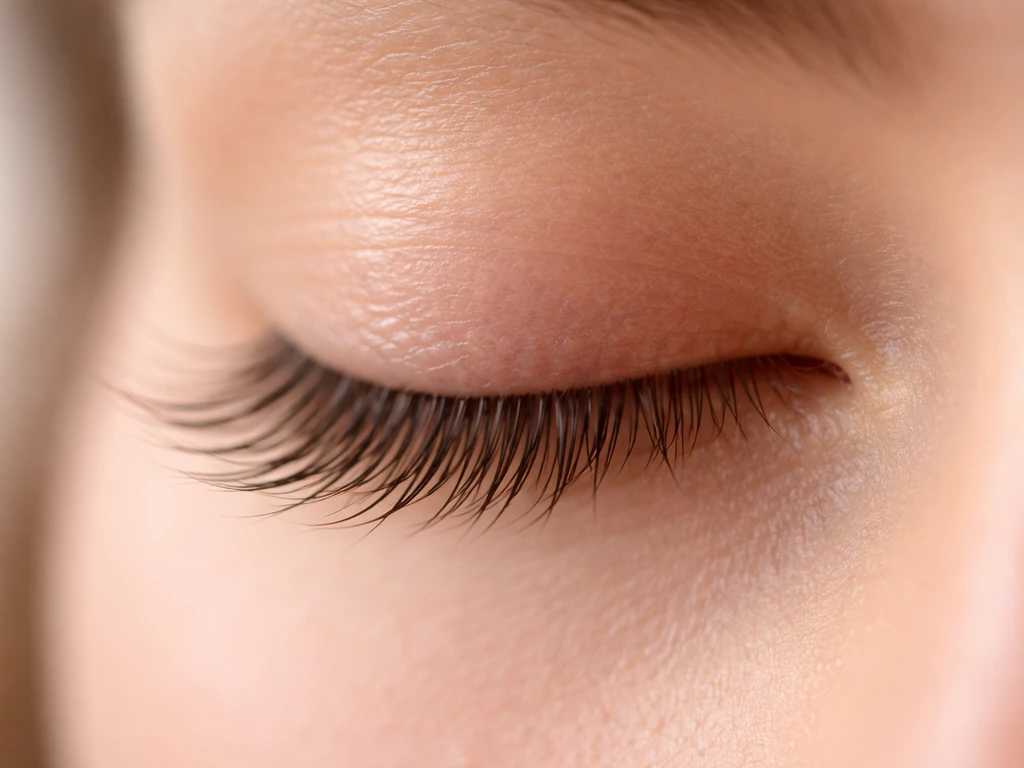
Eyelashes don't grow the way you expect because their growth cycle is fundamentally shorter and more limited than scalp hair. If you want the short version of what causes eyelashes to grow, it starts with the anagen phase and depends on the health of the lash follicle. Each lash follicle spends most of its time either resting or in transition, not actively growing. At any given moment, roughly half your lashes are in a growth phase (anagen) while the rest are in telogen (resting) or catagen (transition). The anagen phase for lashes lasts only 30 to 45 days compared to years for scalp hair, which is exactly why your lashes max out at a certain length and don't keep growing like the hair on your head. When something disrupts even that short growth window, whether it's inflammation, damage, or a systemic issue, regrowth stalls noticeably fast.
Why Don’t Eyelashes Grow and How to Help Them Grow Back

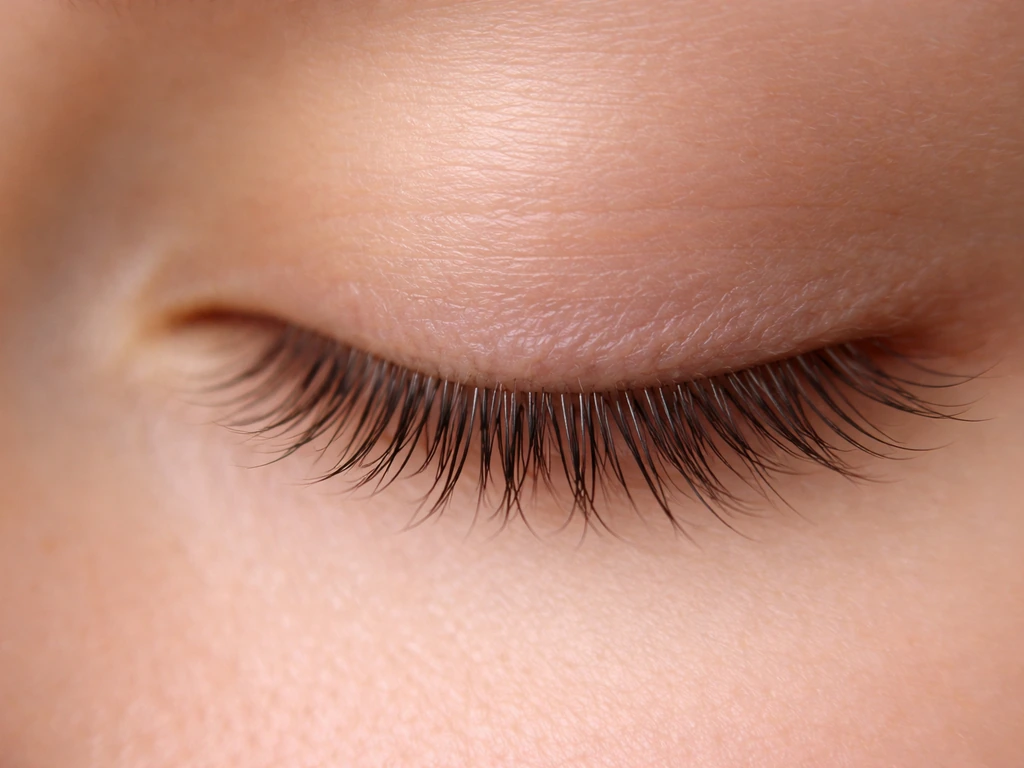
The normal eyelash growth cycle (and why it feels like nothing's happening)
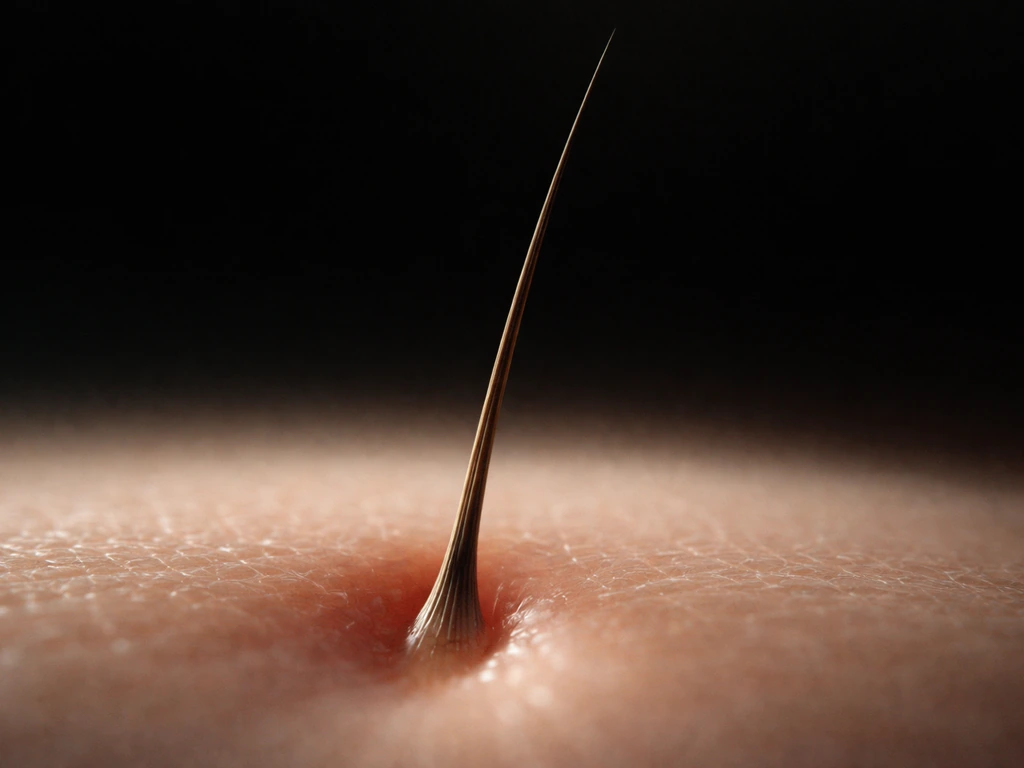
Eyelash growth happens in three phases: anagen (active growth), catagen (transition), and telogen (resting/shedding). The catagen phase alone lasts about 15 days, during which the hair follicle shrinks and the blood supply cuts off before the lash eventually sheds. After that, the follicle rests before starting the cycle over. Eyelashes grow at roughly 0.16 mm per day, which is quite slow. At that rate, growing a full lash from scratch takes around 5 to 11 months, though a lash that's been cut (but not damaged at the root) can return to a reasonable length in about 6 weeks.
Here's what makes this feel deceptive: because about half your lashes are in a resting or transition phase at any time, there are always some lashes sitting still while others are growing. It's normal to lose 1 to 5 lashes per day as part of healthy turnover. So if you're scrutinizing your lash line expecting to see uniform growth, you'll almost always be disappointed. That's not a problem; that's just how periocular hair works.
The structural differences between eyelash follicles and scalp follicles matter here too. Upper eyelid follicle depth sits at only about 2.4 mm, compared to the much deeper scalp follicles. Shallower follicles mean less vascular support and a shorter built-in growth window. There's no workaround for that biology, which is why you'll never grow lashes to eyebrow length without medical intervention.
Why your eyelashes aren't growing: the most common reasons
When lashes genuinely slow down or stop growing, something is cutting the anagen phase short, blocking the follicle, or preventing a new cycle from starting. These are the causes worth looking at.
Physical damage and chronic friction
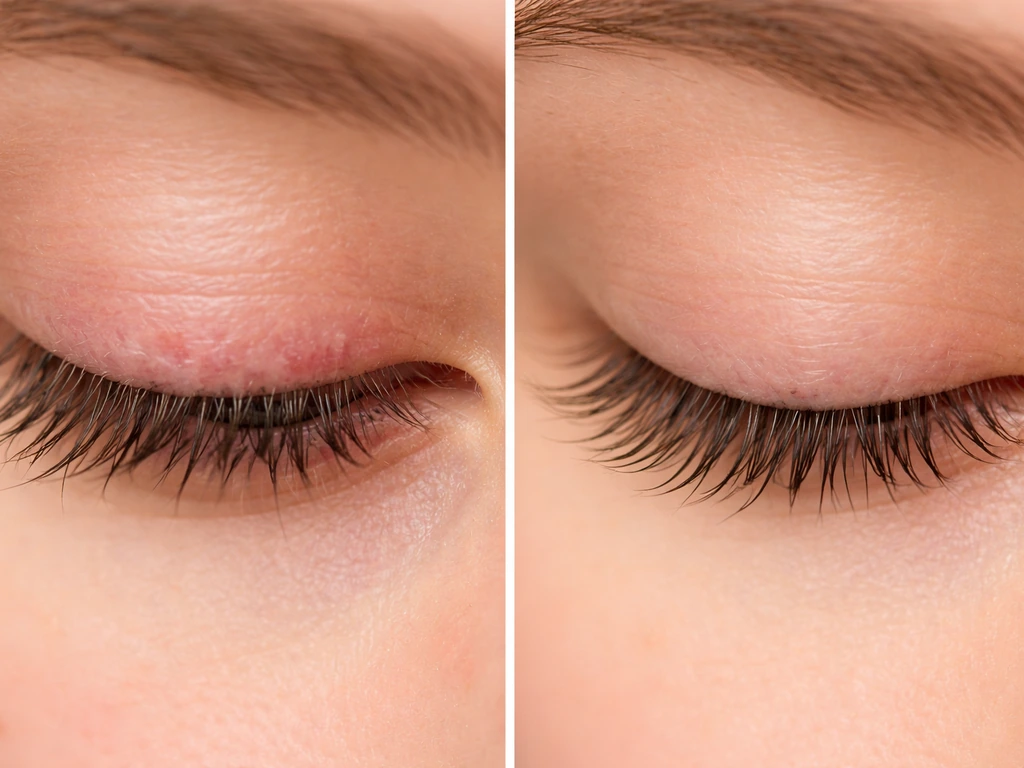
Rubbing your eyes habitually, sleeping face-down, or removing eye makeup aggressively creates repeated micro-trauma at the lash line. The same applies to waterproof mascara that requires heavy scrubbing to remove. This kind of mechanical stress can push follicles into telogen prematurely and cause lashes to break before they reach their natural length, which reads as 'not growing' even when the follicle itself is fine.
Eyelash extensions and adhesive reactions
Extension adhesives are typically cyanoacrylate-based, and documented allergic contact dermatitis from these glues is a real clinical issue. Inflammation around the follicle from a glue sensitivity can disrupt the growth cycle and cause lash loss. Repeated extension applications also apply traction weight to natural lashes, which can mechanically pull them out before the cycle completes. The damage is usually non-scarring when caught early, meaning regrowth is possible, but ongoing exposure keeps the follicle in a disrupted state.
Blepharitis and eyelid inflammation
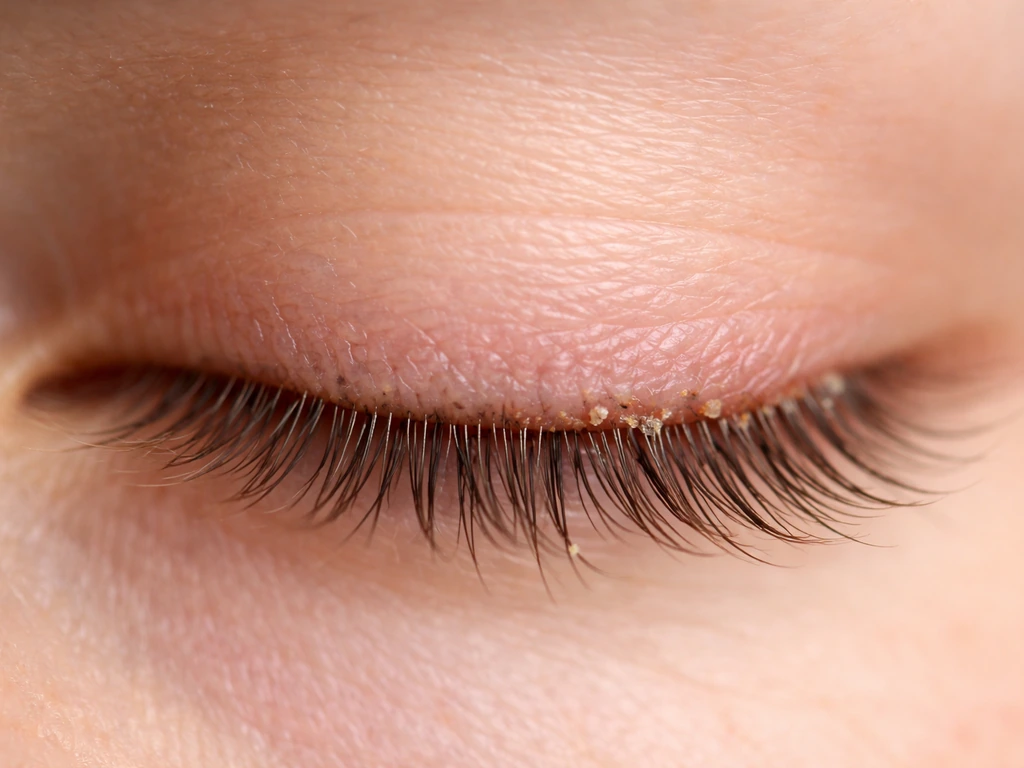
Blepharitis is one of the most underdiagnosed reasons lashes stop growing well. It's chronic inflammation at the eyelid margin, often driven by bacterial colonization (usually staphylococcal), meibomian gland dysfunction, or underlying skin conditions like seborrheic dermatitis or rosacea. Chronic blepharitis causes eyelash loss (a condition called madarosis) and can even cause misdirected regrowth (trichiasis) when follicle tissue gets distorted by ongoing inflammation. If your lash line is red, crusty, or itchy, blepharitis is high on the list.
Nutrient deficiencies and systemic health
Hair follicles are metabolically demanding. Deficiencies in iron, zinc, biotin, or protein can shorten the anagen phase across all body hair, including lashes. Thyroid dysfunction is a classic cause of diffuse lash thinning. Rapid weight loss, prolonged illness, or major surgery can also trigger telogen effluvium, where a large proportion of follicles simultaneously enter the resting phase about 2 to 3 months after the triggering event.
Medications and medical treatments
Chemotherapy is the most well-known cause of medication-related lash loss, but several other drugs including anticoagulants, retinoids, and some antidepressants can contribute to hair loss that affects lashes. If your lash thinning started around the same time as a new medication, that connection is worth discussing with your prescribing doctor.
Dermatologic and autoimmune conditions
Alopecia areata can affect eyelashes and eyebrows, particularly in more severe presentations. Because it's an autoimmune, non-scarring condition, spontaneous recovery occurs in around 34 to 50% of people with patchy loss within one year, though lash and brow involvement is associated with more extensive disease. Scarring alopecias like lichen planopilaris are a different story: they destroy the follicle permanently over time, and lash loss from these conditions is unlikely to reverse. Cleveland Clinic notes that lichen planopilaris can cause scarring and patches of hair loss, and it may also affect eyelashes and eyebrows lichen planopilaris is a scarring alopecia.
Why eyelashes don't grow back after specific types of damage
Whether your lashes come back depends almost entirely on whether the follicle itself is intact. The classification that matters most is scarring versus non-scarring madarosis.
| Cause | Follicle Intact? | Regrowth Expected? | Typical Timeline |
|---|---|---|---|
| Cut or trimmed lashes | Yes | Yes, fully | ~6 weeks |
| Over-plucking (temporary) | Usually yes | Yes, usually | A few months |
| Extension damage (no glue allergy) | Usually yes | Yes, after rest period | 1 to 3 months |
| Allergic contact dermatitis from glue | Often yes if treated early | Yes once inflammation resolves | Months, variable |
| Blepharitis (chronic, untreated) | At risk over time | Partial, if treated | Months with treatment |
| Burns or physical scarring | Likely damaged | Limited to none | Permanent in scarred areas |
| Alopecia areata | Yes (non-scarring) | Possible, variable | Months to a year+ |
| Scarring alopecia (e.g., lichen planopilaris) | No | Unlikely | Permanent loss |
The key principle: if the follicle is intact and the underlying cause is removed or treated, regrowth is typically possible. If the follicle has been destroyed by scarring, deep burns, or advanced scarring alopecia, regrowth won't happen through any topical treatment. This distinction is worth getting clarity on before you invest months in serums and oils.
Why eyelashes don't grow long like hair
This is purely biological and not something you can fully override. Scalp hair has an anagen phase that can last 2 to 7 years, which is why it can grow to significant lengths. Eyelash anagen lasts 30 to 45 days at most. Even at 0.16 mm per day, that ceiling is around 7 mm of growth per cycle, and most of that is replaced by shedding. The follicle's biology is programmed to produce a specific, limited length. There's no topical product that rewrites those genetic parameters. What serums and other interventions can do is extend the anagen phase slightly or improve the quality and density of lashes within their natural range, not turn your lashes into something fundamentally different. Anyone promising otherwise is overselling.
What you can do today to help your lashes recover
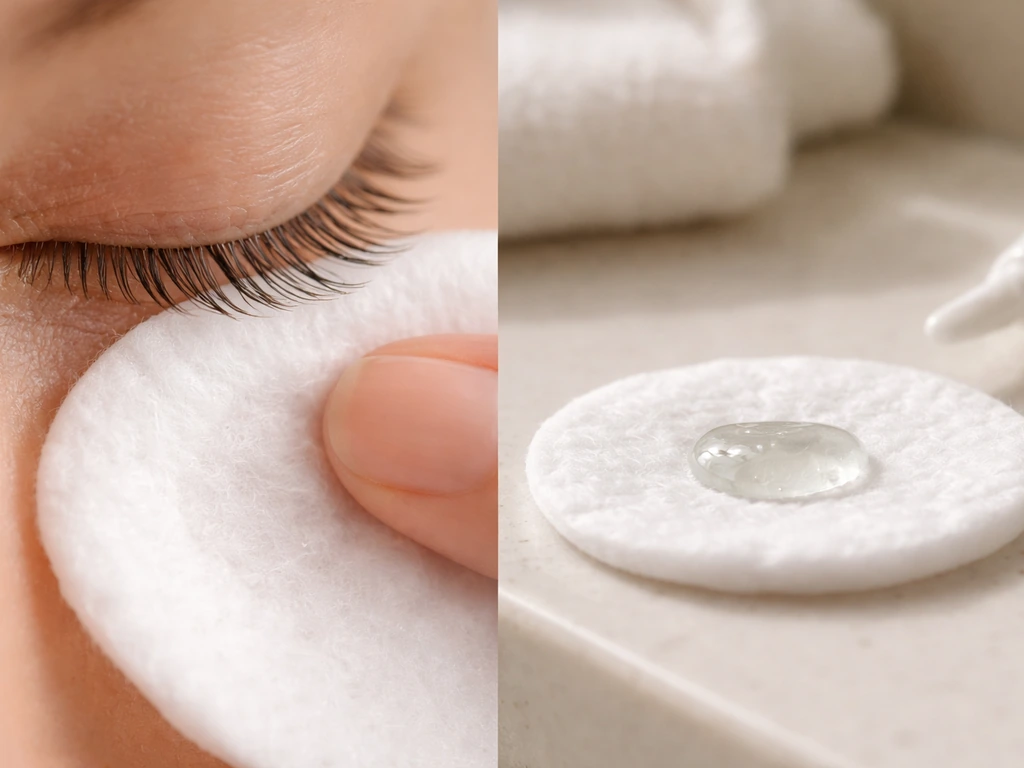
Before you add anything, focus on stopping the damage first. The most useful steps are about removing obstacles rather than adding ingredients.
- Switch to a gentle, oil-based or micellar eye makeup remover and apply it with light pressure using a soft cotton pad. No rubbing. Let it soak for 20 to 30 seconds before wiping.
- Stop or pause eyelash extensions for at least 8 to 12 weeks if you've noticed thinning. Give follicles a full rest cycle.
- If you use lash curlers, stop for now. Mechanical stress on fragile lashes causes breakage that mimics poor growth.
- Wash your eyelids daily with a gentle cleanser (diluted baby shampoo works) along the lash line to reduce bacterial load and prevent or manage blepharitis. Use a warm compress for 5 minutes before cleaning if the lid margin feels irritated.
- Patch-test any new lash product on your inner arm before applying it near your eye. Contact dermatitis from cosmetic ingredients is more common than most people realize.
- If you suspect blepharitis, start warm compresses once or twice daily, a warm flannel held to the closed eyelid for 5 minutes, followed by gentle lid scrubs along the lash line.
- Avoid sleeping in eye makeup. The caked-on residue blocks follicle openings and promotes the inflammation that slows growth.
These steps won't feel dramatic, but they directly address the most common reasons lash growth stalls. You're creating the conditions for the follicle to do what it's naturally trying to do.
Growth products that can actually help (and what to expect honestly)
Bimatoprost serums (the only clinically proven option)
Bimatoprost 0. If you want what is scientifically proven to grow eyelashes, this is the one to discuss with your doctor clinically proven option. 03% (sold as Latisse) is the only FDA-approved prescription treatment for eyelash hypotrichosis. It works by extending the anagen phase of the hair cycle, which increases lash length, thickness, and darkness. Clinical trials show measurable results in as little as 8 weeks, with full effect at around 16 weeks of nightly application. It has been studied in chemotherapy-induced lash loss as well as idiopathic hypotrichosis, and the evidence for both is solid.
The trade-offs are real and worth knowing upfront. Bimatoprost can cause permanent iris darkening in people with light-colored eyes, eyelid skin darkening, and with long-term use, some people develop prostaglandin-associated periorbitopathy, which involves periorbital fat changes and a subtle hollowing effect around the eye. If you stop using it, the lashes gradually return to their original state over several months. This is a prescription medication that needs a doctor's involvement, not a DIY purchase.
Over-the-counter lash serums often contain peptides, panthenol, and sometimes prostaglandin analogs (like isopropyl cloprostenate or dechloro dihydroxy difluoro ethylcloprostenolamide). These aren't FDA-regulated as drugs, so claims vary wildly. Look for formulas with clinical testing behind them, and expect a 2 to 3 month minimum before judging whether they're working. Prostaglandin analogs in OTC products carry similar, if lower-dose, considerations around potential pigmentation effects.
Castor oil and popular natural oils
Castor oil gets a lot of attention, and while one randomized trial found topical periocular castor oil improved blepharitis-related lid findings including eyelash matting and madarosis, the direct evidence for castor oil as a lash-growth treatment in healthy lids is not there. No clinical trials have specifically tested it for cosmetic lash regrowth in people without blepharitis. That doesn't mean it's useless: its thick, emollient texture can reduce friction and protect lashes from breakage, which does help lashes appear longer and fuller over time. If you want to try it, apply a tiny amount with a clean spoolie to the lash line before bed. The realistic outcome is reduced breakage and possibly better lash conditioning, not follicle-level growth stimulation.
Other oils like vitamin E, argan, and coconut oil work on a similar principle: barrier protection and moisture retention rather than growth stimulation. They're worth using if you have dry, brittle lashes, but set appropriate expectations.
Biotin and supplements
Biotin supplementation is genuinely useful if you have a biotin deficiency, which does cause hair loss including lashes. But if your levels are normal, adding more biotin won't stimulate extra growth. The same logic applies to other hair supplements. Check for iron, ferritin, zinc, and thyroid function before spending money on supplements. If bloodwork shows a deficiency, correcting it can meaningfully improve lash density over 3 to 6 months. If everything is normal, no supplement is going to move the needle in the way serums can.
When to see a doctor instead of self-treating
Some lash loss is a signal that something needs medical attention, not just a better serum. Go see a dermatologist or ophthalmologist if any of the following apply.
- Lash loss is patchy, asymmetric, or happening in distinct bald patches along the lid margin
- You have redness, crusting, swelling, or pain at the eyelid margin that doesn't improve with basic lid hygiene within 2 to 3 weeks
- Your lashes are growing in abnormal directions and irritating your eye
- You've had no regrowth after 3 to 4 months of consistent at-home care following an obvious cause (like extensions or a short illness)
- You're losing lashes alongside eyebrow thinning, scalp hair loss, or other body hair loss
- You've recently started a new medication and noticed lash thinning beginning 2 to 3 months later
- There's any history of burns, radiation, or deep trauma to the eyelid area
- You suspect trichotillomania or compulsive lash pulling, which requires a different kind of support entirely
A dermatologist can assess whether your madarosis is scarring or non-scarring, run bloodwork for systemic causes, prescribe bimatoprost if appropriate, or refer you to an ophthalmologist for lid-specific evaluation. The earlier you get a diagnosis, the better the chance of meaningful regrowth, especially in inflammatory conditions like blepharitis where ongoing damage compounds over time. Don't wait a year experimenting with oils if your lash line looks inflamed or structurally wrong.
For most people reading this, the answer lies somewhere simpler: a disrupted growth cycle from damage, inflammation, or habits that can absolutely be reversed with consistent, gentle care and the right product support. If you want to know what makes eyelashes grow quickly, start by addressing what is disrupting that cycle first a disrupted growth cycle. But knowing the difference between 'my habits are slowing my lashes down' and 'my follicles need medical attention' is the most practical thing you can walk away with.
FAQ
How can I tell if my lashes are stopping growth versus breaking off?
Yes, lash loss can look like “no growth,” especially if breakage is happening. If lashes are snapping mid-length or shedding with frayed ends, the follicle may still be cycling, but mechanical stress is preventing full-length regrowth. In that case, reducing rubbing, switching to gentler makeup removal, and avoiding traction (including extensions) often helps within weeks, while true follicle regrowth typically takes months.
Why did my eyelash thinning start a couple months after I was sick or had surgery?
If your lashes went from normal to noticeably thinner within about 2 to 3 months after a major stressor (rapid weight loss, illness, surgery, pregnancy or stopping hormonal contraception), telogen effluvium is a possibility. This pattern is less about local lash-line irritation and more about a body-wide shift in the hair cycle, so addressing the underlying trigger and time is usually the main treatment.
When should I suspect blepharitis instead of just “slow growth”?
It depends on the cause, but a useful rule is timeline plus pattern. If there is redness, crusting, itching, or eyelid margin scaling, blepharitis or related inflammation is more likely and you should seek treatment rather than just adding serums. If the eyelid looks calm and lashes are just short, the issue may be cycle disruption, prior damage, or traction, which still requires consistent avoidance of the trigger for at least 6 to 12 weeks.
Are lash serums safe to use long-term, and what side effects should I watch for?
It can. Prostaglandin-analog type OTC products (even if lower dose) can cause eyelid skin darkening and, in some people, periorbital fat changes with longer use. If you try an OTC serum, take photos of the lash line and eyelid skin under consistent lighting and stop if you notice darkening, irritation, or a change in how the eyelid looks.
Can lash extensions make it seem like my eyelashes will never regrow?
Yes, especially with extensions and adhesive use. Even if you only had symptoms like redness or swelling once, you could still develop allergic or irritant contact dermatitis over time, which disrupts the follicle cycle. If your eyes feel burning, gritty, or your lash line becomes chronically inflamed after extensions, stop using extensions and get evaluated rather than switching adhesives.
How do I know whether my lash loss is scarring versus non-scarring?
If the follicles were destroyed by scarring causes (some scarring alopecias, deep burns, chronic destructive inflammation), topicals and oils will not restore lashes. The practical step is getting a clinician to classify the madarosis as scarring versus non-scarring, because this single distinction predicts whether you should expect regrowth.
How long should I give an eyelash serum before deciding it is not working?
Try not to judge effectiveness too early. Many products will not show meaningful changes until at least 8 to 12 weeks, and if you stopped the main trigger, a realistic improvement in appearance usually needs several months. If nothing changes by around 4 months, it is reasonable to reassess the cause with a dermatologist or ophthalmologist.
Can lash serums truly make eyelashes grow to eyebrow length?
No, and that promise is a red flag. Because lash anagen is naturally short and lashes have a programmed maximum cycle length, no product can extend growth to eyebrow length. What you can realistically influence is reduced breakage, better conditioning, possible modest cycle extension (in prescription options), and improved look within the natural range.
What if my lashes are thinning in patches, not evenly?
If your lash loss is patchy (especially with eyebrows) or you have other autoimmune symptoms, alopecia areata can be a consideration. It is typically non-scarring, so regrowth can occur, but the timeline varies and more extensive disease has higher involvement. A clinician can confirm the pattern and rule out scarring disorders.
Could a medication I started be causing my lash thinning?
Yes. If you are starting a new medication and thinning began soon after (within a few months), medication-related hair loss could be contributing, even though chemotherapy is the most famous cause. Tell your prescribing doctor what changed and when, so they can weigh alternatives or add supportive care.
What Causes Eyelashes to Grow and How to Fix Slow Growth
Learn what causes eyelashes to grow, why lashes shed or break, and how to fix slow growth with safe, effective steps.