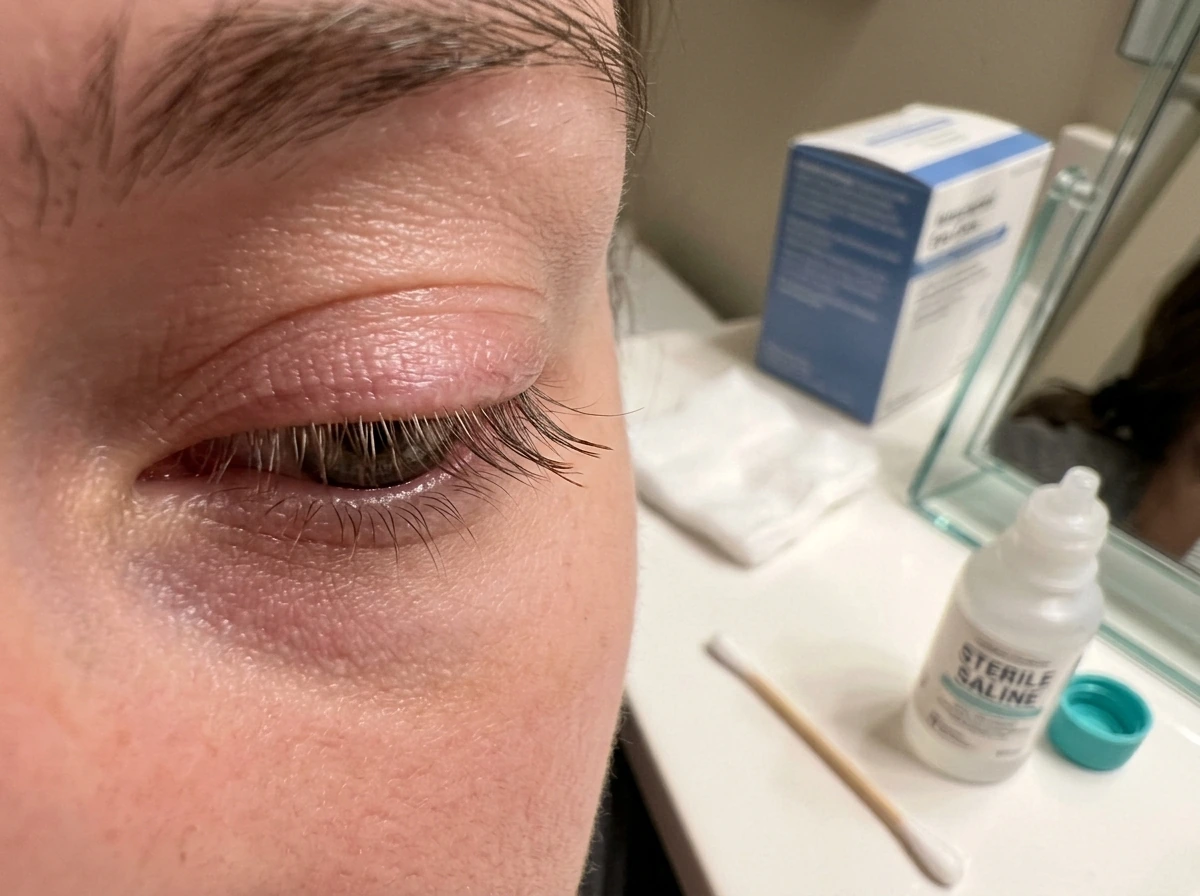
The honest answer: eyelashes can begin growing back within 2 weeks, but you almost certainly won't have a full, thick set by day 14. If you cut your lashes, regrowth is still possible, but the timeline is more like a question of breakage and regrowth cycles than instant length will eyelashes grow back if cut. Remember that if you're wondering can lashes grow back, a common timeline is that you may see early regrowth within about 2 weeks.
Can Eyelashes Grow Back in 2 Weeks? Timeline and Fixes

Rachel Nguyen
24 Mar 2026
What you might see depends entirely on where your lashes are in their growth cycle right now. If some follicles were already in anagen (the active growth phase) when the damage happened, you could spot short, fine new lashes peeking through within 1 to 2 weeks. But if most follicles got knocked into the resting phase, you'll be waiting longer. Two weeks is a checkpoint, not a finish line.
What 2 weeks can and can't actually do for your lashes
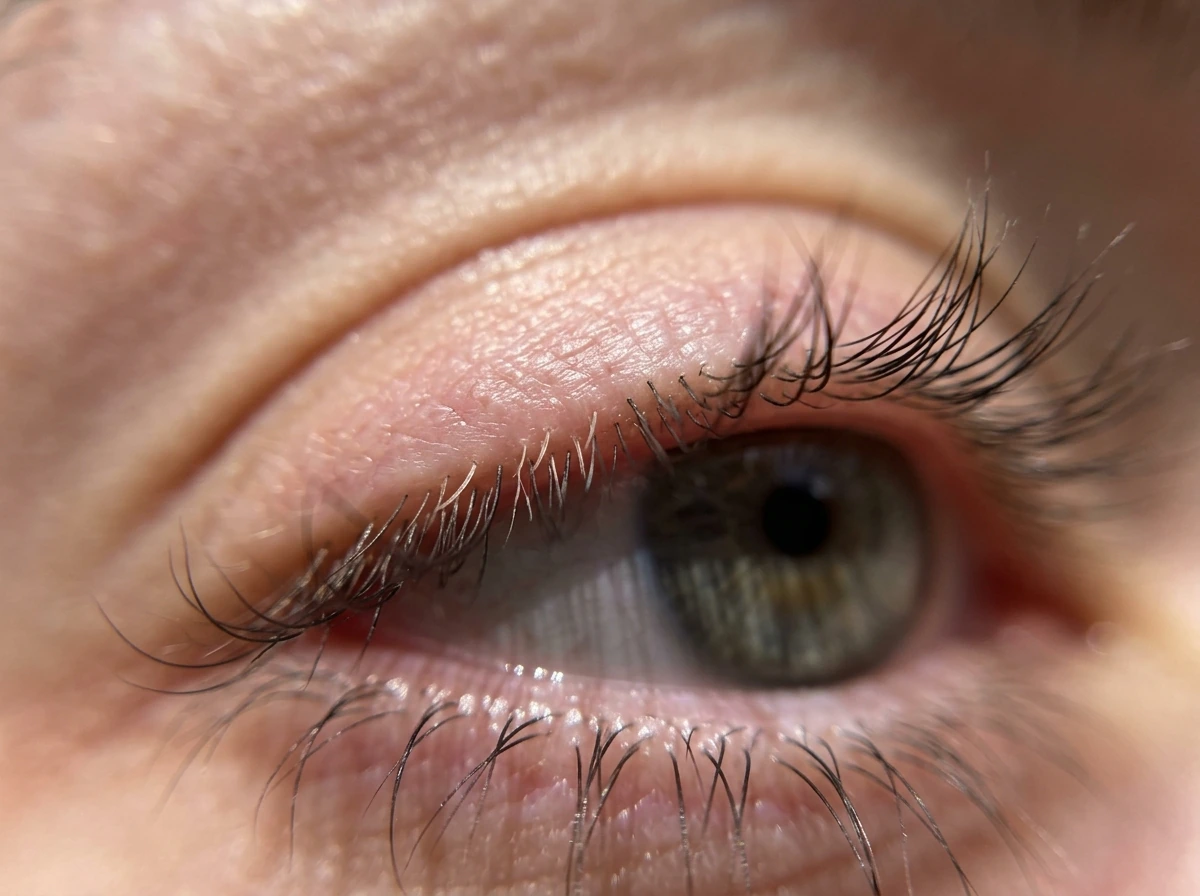
At the 2-week mark, here is what's realistic: you may notice very short, almost translucent new lashes just emerging from the lash line, especially if your loss was from breakage or pulling rather than deep follicle damage. Your existing lashes that weren't lost may look slightly healthier if you've been conditioning them. What you won't have at 2 weeks is a noticeably fuller lash line, dramatic length, or recovery that looks like your lashes before the damage. Anyone promising full regrowth in 14 days is selling something.
The reason 2 weeks matters at all is that it's a useful early milestone. It's long enough to tell whether new growth is starting, long enough to confirm you've stopped making things worse, and long enough to evaluate whether an underlying issue (like irritation or blepharitis) is resolving. Daily eyelid care, or lid hygiene, can help manage blepharitis symptoms and debris or crusts at the lash line irritation or blepharitis. Think of day 14 as your first checkpoint, not your destination.
How eyelash growth actually works
Every eyelash goes through three phases: anagen (active growth), catagen (transition and shutdown), and telogen (resting before shedding). The critical thing to understand is that your lashes are never all in the same phase at the same time. At any given moment, different lashes are in different stages, which is exactly why you lose a few lashes here and there normally without going bald.
Anagen for eyelashes is short compared to scalp hair, typically lasting only 30 to 45 days. Catagen lasts about 2 to 3 weeks. Telogen, the resting phase, is actually the longest part of the eyelash cycle. The full cycle from start to finish takes roughly 4 months to complete. This is why clinical research on treatments like bimatoprost (the active ingredient in Latisse) shows that patients typically need 8 to 12 weeks to notice significant growth, and the phase 3 clinical trials showed fuller results versus placebo beginning around week 8, with the most significant improvement at week 16.
Eyelashes grow at about 0.12 to 0.14 mm per day, which adds up to roughly 1 mm per week. So after 2 weeks, a lash that started growing from scratch would be about 2 mm long, which is visible but barely. A lash that was broken halfway and continued growing would look more normal faster. That math is why regrowth from breakage looks quicker than regrowth from complete loss.
Why your lashes might not bounce back quickly
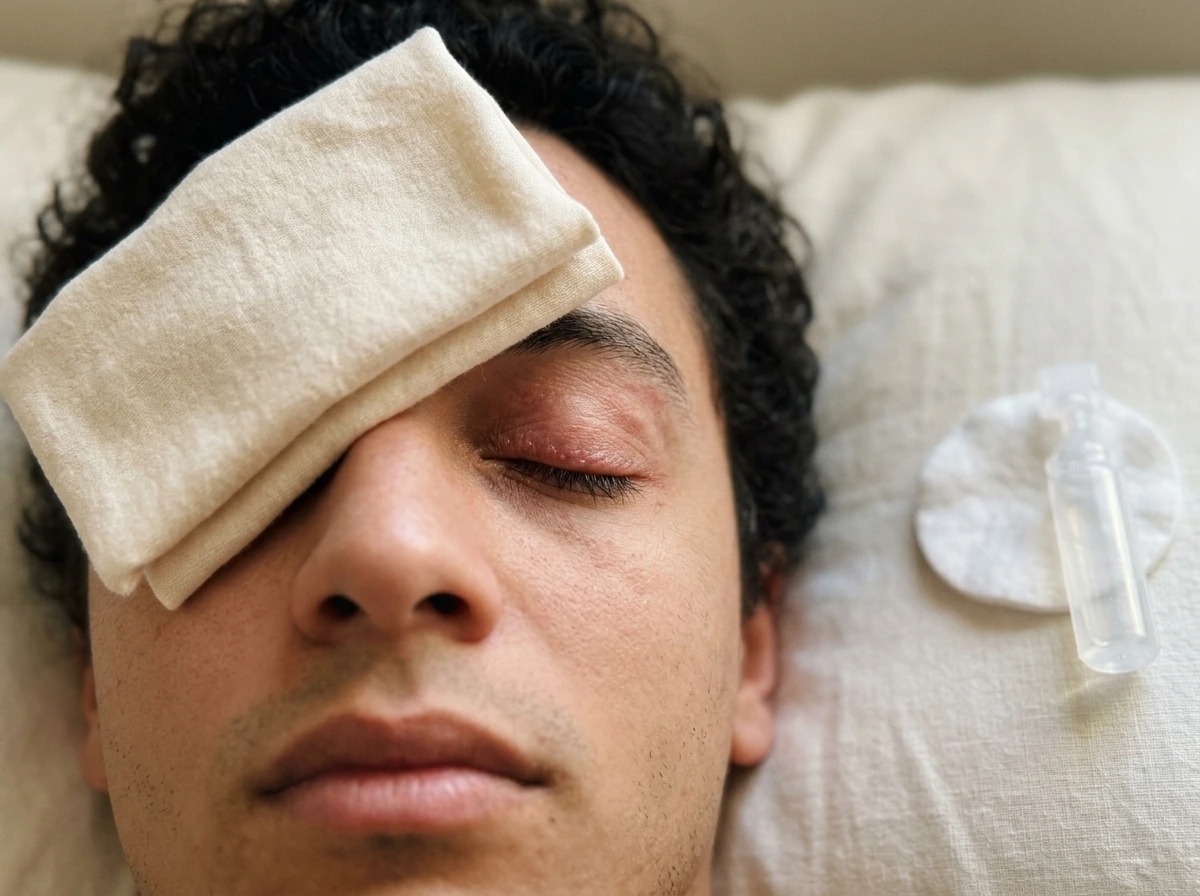
Not all lash loss is equal, and the cause determines a lot about how fast (or whether) regrowth happens. There are three main scenarios where recovery takes longer than expected.
Active inflammation or infection
Blepharitis (inflammation of the eyelid margin), styes, or allergic reactions from extension glues or mascara can keep follicles in a disrupted state. When the follicle environment is inflamed, the growth cycle gets interrupted. You can have everything working against you at once: existing lashes falling out, new ones not starting, and irritation making you rub your eyes more. Until the inflammation is resolved, regrowth stalls.
Mayo Clinic notes that blepharitis can cause eyelash loss and is associated with crusting or scales that cling to the lashes blepharitis can cause eyelash loss and crusting or scales on the lashes. This is one of the most common reasons people report lashes "not growing back" when the real issue is that the underlying trigger is still active.
Repeated trauma and chronic pulling
Over-plucking, aggressive extension removal, or trichotillomania (compulsive lash pulling) can cause repeated trauma to the follicle. If a follicle is damaged once, it usually recovers. If it's damaged repeatedly in the same spot, the follicle tissue can become scarred and may stop producing lashes permanently. This is why it's critical to stop the triggering behavior as quickly as possible. The difference between temporary lash loss and permanent lash loss often comes down to how many cycles of trauma a follicle has endured.
Systemic or medical causes
Thyroid dysfunction (both hypo and hyperthyroidism), alopecia areata, nutritional deficiencies (particularly iron and biotin), and certain medications can all cause lash shedding that won't resolve with topical products alone. If you're losing lashes across the whole lash line, seeing patchy loss, or noticing lash loss alongside brow or scalp hair thinning, these are signs the cause might be systemic rather than local. No amount of castor oil will fix a thyroid problem.
Start here: what to do today to stop making it worse
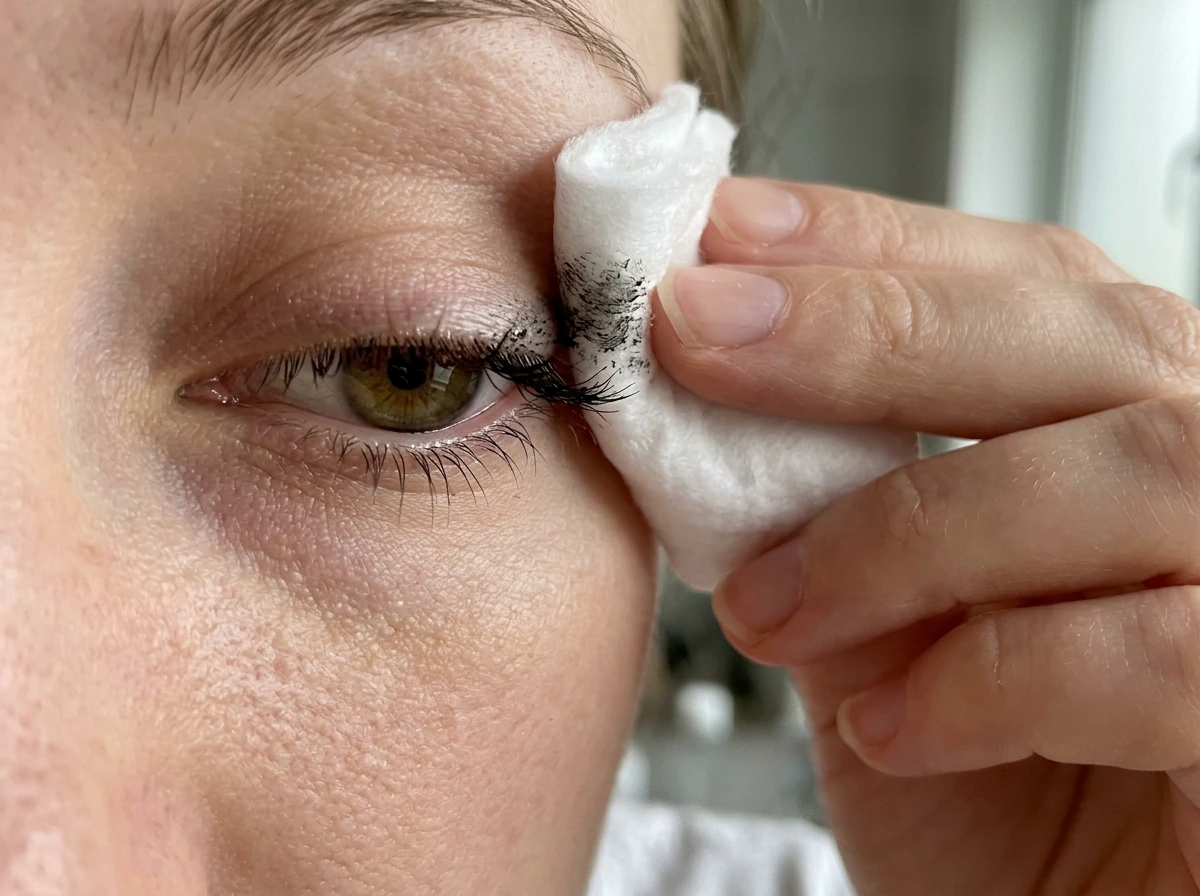
The most underrated part of lash recovery is removing the thing that caused the loss in the first place. If you start a growth serum but keep rubbing your eyes, sleeping in mascara, or wearing extensions on damaged lashes, you're fighting yourself. Before you buy anything, run through this list.
- Remove mascara gently every single night using a micellar water or oil-based cleanser. Don't rub. Press a soaked cotton pad against the lashes for 10 seconds, then wipe downward.
- Stop waterproof mascara temporarily. It requires more mechanical rubbing to remove, which stresses fragile lashes.
- Pause lash extensions if your lashes are currently thin or damaged. The weight and glue removal process compound follicle stress.
- Clean your lash line daily if you have any redness, flaking, or crust at the base of your lashes. A diluted baby shampoo scrub or dedicated lid cleanser helps clear up early blepharitis.
- Don't pick at or pull any remaining lashes, even the short broken ones. They're still growing.
- Switch to a silk or satin pillowcase if you sleep on your side. Cotton friction contributes more than most people realize.
- Avoid lash curlers on lashes that are already short or fragile. They can snap lashes at the base.
The best at-home options to support regrowth
There's a real spectrum of options here, from conditioning oils that make existing lashes look better to actual growth serums that work at the follicle level. Understanding what each one does (and doesn't do) will save you money and set realistic expectations.
| Option | What It Actually Does | Time to See Results | Key Risks or Limitations |
|---|---|---|---|
| Castor oil | Coats and conditions lashes, reduces breakage, may support follicle hydration | 2 to 4 weeks for texture/fewer breakage; no true growth acceleration proven | Can cause eye irritation if it gets into the eye; low risk otherwise |
| Vitamin E oil | Antioxidant conditioning, reduces oxidative stress around follicle | Similar to castor oil; supportive, not stimulating | Very low risk; mild results |
| Prostaglandin serums (bimatoprost/Latisse) | Clinically proven to extend anagen phase, produce longer/thicker/darker lashes | 8 to 16 weeks for significant results; prescription required | Potential darkening of eyelid skin, iris pigment change, unexpected hair growth where serum contacts skin |
| OTC peptide/growth serums | Vary widely; some extend lash cycle or condition follicle; not FDA-cleared for growth | 4 to 8 weeks for modest improvement in some users | Results inconsistent; look for isopropyl cloprostenate as an active, which carries similar risks to bimatoprost |
| Biotin supplements | Supports keratin production systemically; useful if deficiency is the cause | 12+ weeks; no effect if biotin levels are already normal | Generally safe; high doses may interfere with lab test results (thyroid, troponin) |
| Lash-conditioning primers/serums | Strengthen existing lashes, reduce brittleness and breakage | Visible improvement in 2 to 4 weeks through reduced shedding | Not true growth stimulants; improves appearance, not growth rate |
Castor oil: what it can and can't do
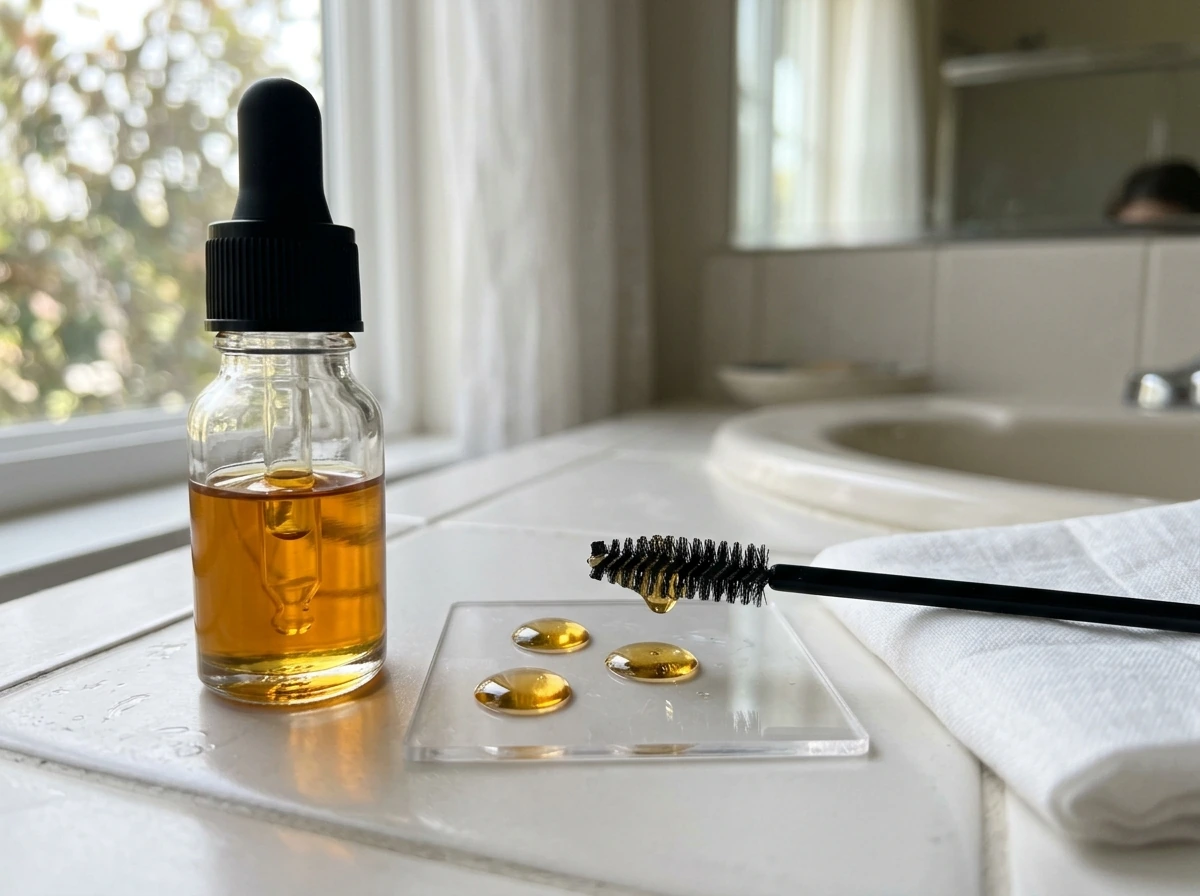
Castor oil is the most common recommendation you'll see for lash regrowth, and it deserves an honest evaluation. It works primarily as a conditioning agent. The ricinoleic acid in castor oil coats the lash shaft, which reduces friction and breakage and makes lashes look thicker and shinier. Some research suggests it may support scalp hair health through prostaglandin-like activity, but that hasn't been clinically proven for eyelashes specifically. What castor oil realistically gives you in 2 weeks: less breakage, slightly better-looking existing lashes. Apply a tiny amount with a clean spoolie to the lash roots each night and let it absorb overnight. Keep it away from the eye itself.
Prescription serums: the most clinically supported option
If you want genuine lash growth acceleration and not just conditioning, prescription bimatoprost (Latisse) is the only FDA-approved option with strong clinical evidence. It works by extending the anagen (growth) phase and increasing the number of hairs in that phase at any given time. The catch is that it takes 8 to 16 weeks to see meaningful results, and it comes with real safety considerations.
Latisse's FDA labeling includes warnings about darkening of the eyelid skin, potential iris pigmentation changes (in people with hazel or light eyes), and unwanted hair growth anywhere the liquid contacts skin outside the lash line. It also requires a prescription, which means a clinician conversation. If you're dealing with significant lash loss and want the fastest clinically backed option, this conversation is worth having with your dermatologist or ophthalmologist.
OTC serums with prostaglandin analogs
Some over-the-counter serums contain isopropyl cloprostenate, a prostaglandin analog that works similarly to bimatoprost. These don't require a prescription but carry many of the same risks, including potential eyelid darkening. They're not FDA-cleared as drug products, so they're marketed as cosmetics. The results are real for some users but inconsistent. If you try one, apply it only to the base of the upper lash line using the applicator, never the lower lid, and avoid skin contact beyond the lash margin.
Your 2-week action plan
- Days 1 to 3: Identify and eliminate the cause of lash loss (extensions, rubbing, irritation, harsh makeup removal). Start gentle nightly cleansing of the lash line.
- Days 1 to 14: Apply a conditioning treatment nightly (castor oil or a peptide-based lash serum) using a clean spoolie to the lash base. Let it absorb overnight.
- Days 1 to 14: Take photos of your lash line in natural light on day 1, day 7, and day 14. You'll miss subtle changes without comparison photos.
- Days 1 to 7: If you have any redness, flaking, or crusting at the lash line, treat it as a priority. Use a gentle lid cleanser or diluted baby shampoo scrub twice daily until it resolves.
- Day 7: First check-in. Are existing lashes shedding less? Is the lash line less irritated? Can you see any tiny new hairs emerging?
- Day 14: Reassess. If you see emerging short lashes, your follicles are active. Continue and reassess at 6 to 8 weeks. If you see no change and the lash line looks the same or worse, consider whether a systemic cause is involved and consult a clinician.
- Week 3 onward: If you want faster, clinically supported growth, this is the point to schedule a dermatology or ophthalmology appointment to discuss prescription options.
How to tell if things are working at day 14
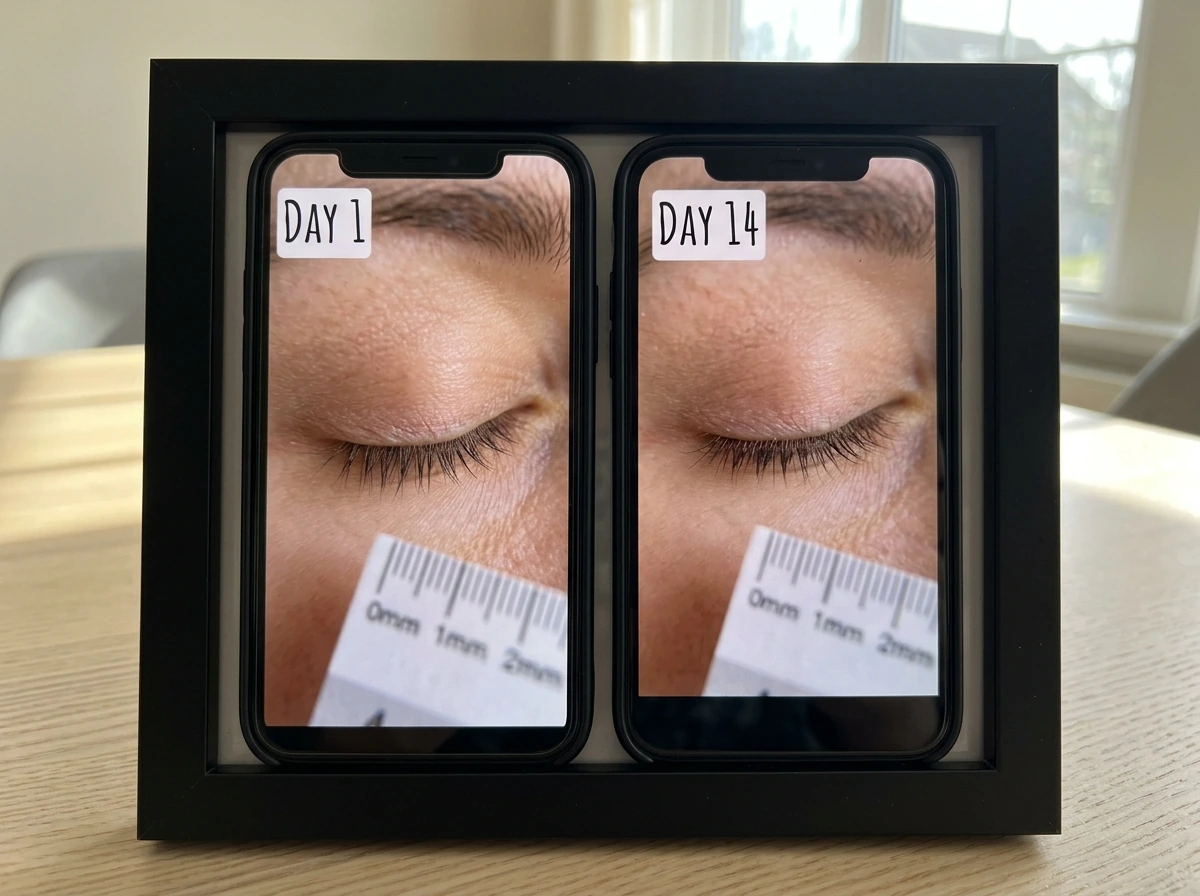
At 2 weeks, the signs of progress are subtle. Here's what to actually look for when you take your day-14 comparison photo in good natural light.
- Very short, fine lashes (1 to 2 mm) appearing at the lash line that weren't visible at day 1. They may look almost translucent or pale at the tip.
- Existing lashes look shinier or less brittle if you've been conditioning them. This is not regrowth, but it means the conditioning is working.
- Less daily fallout. If you used to find multiple lashes on your cheeks each morning and that's decreased, the shedding trigger is resolving.
- The lash line skin looks less red, less flaky, and less irritated compared to day 1, which means the follicle environment is improving.
- Lashes that were broken feel slightly longer than they did at day 1, because they've continued growing from where they were.
What is not a sign of progress at 2 weeks: having a visibly fuller lash line, dramatic length increases, or lashes that look like they did before the damage. That timeline is 6 to 16 weeks depending on the method you're using and the severity of the original loss. Managing this expectation is important because many people abandon effective strategies at 2 weeks because they expect more than biology can deliver.
When something is wrong and you need a clinician
Most temporary lash loss resolves on its own within 1 to 4 months once the triggering factor is removed. But there are real red flags that mean topical products and patience aren't the right approach. See a dermatologist or ophthalmologist if any of the following apply.
- Your lashes are falling out in patches, not just thinning evenly. Patchy lash loss can indicate alopecia areata, which needs a clinical diagnosis.
- Lash loss is accompanied by brow thinning or scalp hair shedding, which raises the possibility of a thyroid condition or nutritional deficiency.
- The lash line has persistent redness, swelling, discharge, or crusting that doesn't improve after a week of gentle cleansing. This may be blepharitis, demodex mites, or a bacterial infection requiring treatment.
- You've had no visible regrowth after 3 months despite removing the cause and using a conditioning or growth-supporting treatment.
- Lash loss followed a medical treatment (chemotherapy, certain medications for autoimmune conditions) and isn't recovering at the pace your doctor projected.
- You're experiencing any eye pain, vision changes, or discharge alongside lash loss. These require prompt evaluation.
It's also worth noting that if you're considering prescription growth serums like Latisse, a clinician conversation isn't just useful, it's required, and it gives you the chance to rule out underlying causes at the same time. The dermatology appointment that gets you a bimatoprost prescription might also be the one that catches an overlooked thyroid issue. That's worth the visit.
The bottom line: 2 weeks is enough time to start the right habits, stop doing damage, and catch early signs of regrowth. In general, eyelashes start coming back within about 2 weeks, but meaningful full regrowth usually takes longer how long does it take for lashes to grow back. It's not enough time to judge whether a treatment is working or to expect a restored lash line.
Give yourself a realistic 6 to 8 week window for meaningful change, and use day 14 as a checkpoint to confirm you're moving in the right direction, not as a verdict on whether your eyelashes will grow back.
do shih tzu eyelashes grow back Give yourself a realistic 6 to 8 week window for meaningful change, and use day 14 as a checkpoint to confirm you're moving in the right direction, not enough time to judge whether a treatment is working or to expect a restored lash line.
Give yourself a realistic 6 to 8 week window for meaningful change, and use day 14 as a checkpoint to confirm you're moving in the right direction, not as a verdict on whether your eyelashes will grow back. do eyelashes grow back thicker If you are wondering whether lashes can grow back thicker, the answer depends on the cause of the loss and how much follicle damage occurred do eyelashes grow back thicker.
FAQ
If I do everything right, what should I realistically see between day 1 and day 14?
In the first two weeks, progress is usually subtle, you may notice fine new lashes emerging at the base, less shedding when you wash or remove makeup, and reduced breakage. If you only see thicker looking existing lashes, that points more to reduced friction or conditioning than true regrowth from scratch.
How can I tell whether my lash loss is from breakage versus follicle damage at day 14?
Breakage usually leaves lashes that look uneven and snapped, but you can often see continued growth from the lash base. Follicle damage tends to look like gaps or an overall thinner line with fewer new stubs emerging at the margin. Taking a macro photo of the lash roots helps you compare clearly.
Should I stop using mascara or lash serums if I want eyelashes to grow back faster?
Avoid anything that increases friction or eye rubbing. If you are actively losing lashes, consider pausing waterproof mascara and vigorous removal, and be cautious with lash serums if you suspect irritation. Conditioning products are often fine, but growth-actives can worsen inflammation if your eyelid margin is already irritated.
Can I wear eyelash extensions while my lashes are trying to regrow?
It depends on the condition of your lash line, but in many cases extensions slow improvement because removal requires repeated tugging and lash glue can trigger irritation. A safer approach is to pause extensions until you stop shedding and your eyelid feels calm, then reintroduce gently to minimize repeated trauma.
Why are my lashes shedding more around 2 to 4 weeks instead of improving?
It can happen if you are in a phase shift where older lashes shed while new ones are still starting. Also, starting a new product can cause mild irritation that increases shedding. If the shedding is accompanied by burning, redness, or crusting along the lash line, stop the trigger and consider a clinician evaluation.
Is it normal that one eye looks better than the other?
Yes, asymmetry is common because irritation, rubbing, or application technique is rarely identical on both sides. If one eye is consistently worse, check whether you sleep on that side, apply liner or removers differently, or use extensions or adhesives that contact the lash line more on one side.
When should I see a dermatologist or ophthalmologist for lash regrowth concerns?
Seek care sooner if you have patchy bald spots, significant itching or redness, recurrent styes, crusting at the eyelid margin, new brow or scalp hair thinning, or symptoms of thyroid issues. If you have tried reasonable measures and there is no visible emergence of new fine lashes by about 8 to 12 weeks, that is also a strong time to check causes.
Are there any signs that my lash growth product is being applied incorrectly?
Common mistakes include getting the product onto the skin outside the lash margin, applying the lower lid when instructions focus on the lash base, or using too much so it migrates. Early warning signs can include unwanted hair growth on nearby skin or eyelid skin darkening, which means you should stop and discuss next steps with a clinician.
If I’m using castor oil, how do I avoid eye irritation or contamination?
Use only a tiny amount at the lash roots with a clean spoolie, keep it off the eye surface itself, and stop if you feel burning, redness, or watery eyes. Avoid sharing applicators and replace the product if it changes smell or consistency, since contamination can worsen eyelid inflammation.
Can nutrition changes make a difference in eyelash regrowth timeline?
Nutrition can support recovery, but it often works on the system level and may not show meaningful change by day 14. If you suspect iron deficiency, low protein intake, or restrictive dieting, correcting it is helpful, but consider lab work with a clinician if shedding is widespread or persistent.
What is the most reliable way to measure progress at home?
Use a fixed setup, same lighting, same distance, same angle, and take a close photo of the lash line at day 14 and again at weeks 6 and 12. Look for new fine lashes at the base and reduced gaps rather than only length, since length can be misleading early on.
Next Article
Does Burnt Eyelashes Grow Back? Recovery and Regrowth Timeline
Learn if burnt or singed lashes regrow, realistic timelines, and safe steps to protect, soothe, and support regrowth.