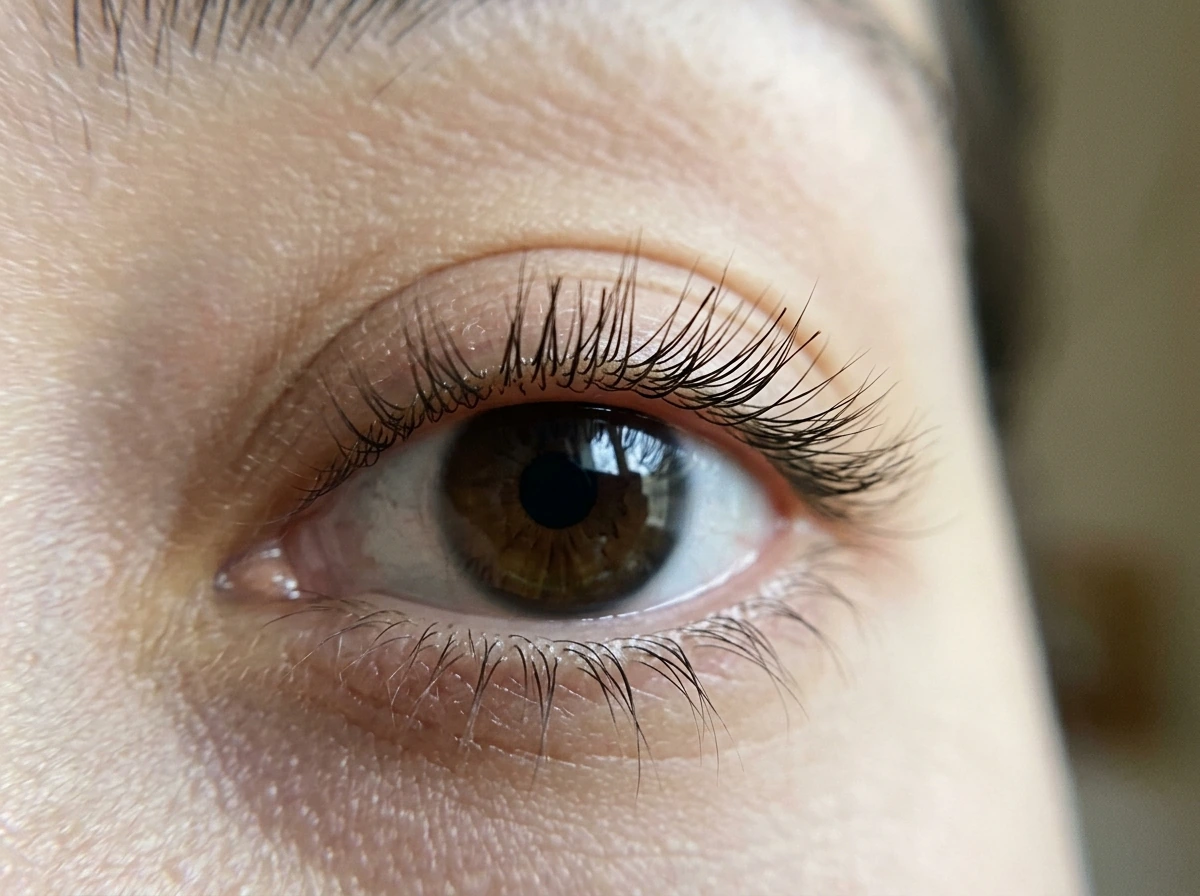
If your lashes were cut, plucked, or damaged, here is the direct answer: most people see full-looking lash regrowth within 6 weeks, though complete restoration to your natural length and density can take closer to 3 to 6 months depending on what caused the loss. That range feels wide, but it makes sense once you understand what your follicles are actually doing between now and then.
How Long Does It Take for Lashes to Grow Back?

Rachel Nguyen
24 Mar 2026
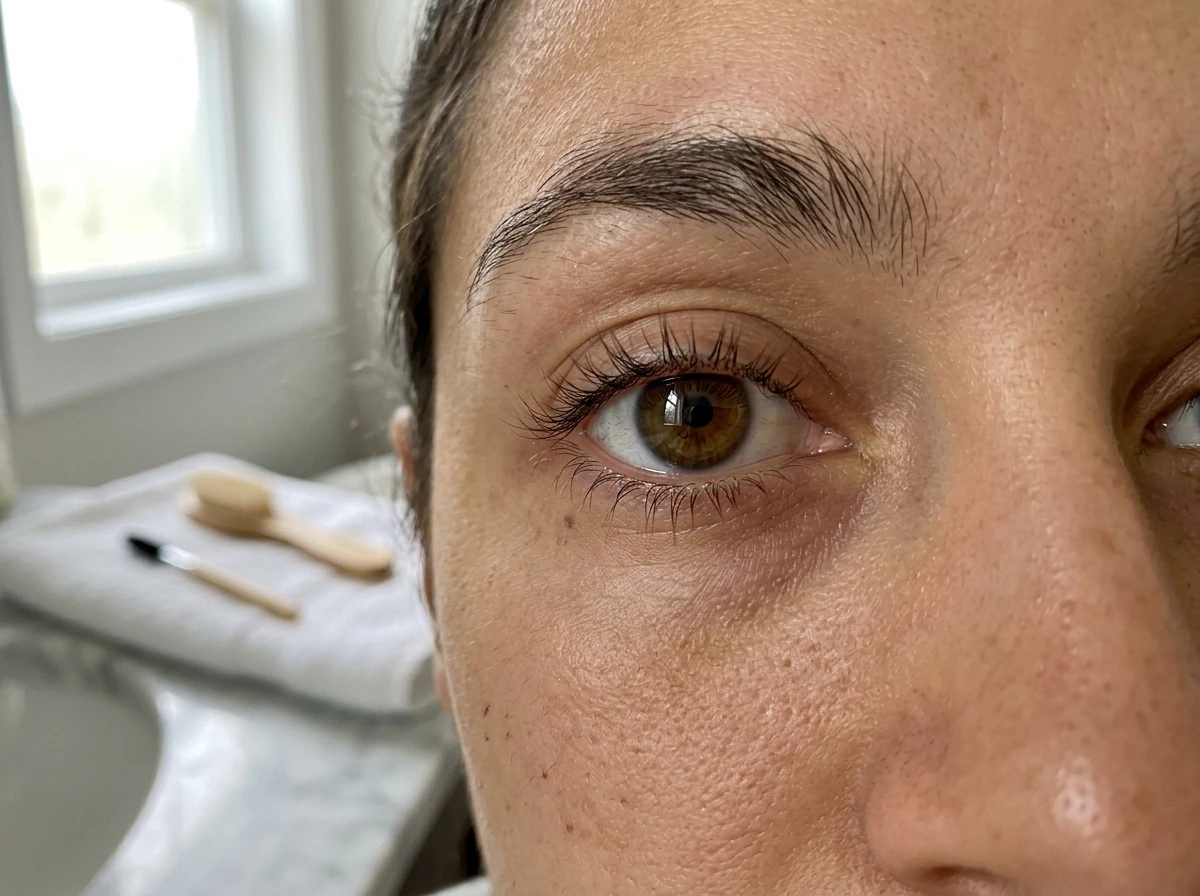
Your realistic regrowth timeline, week by week
Lash regrowth does not happen in a straight line. The follicle needs to complete a biological cycle before a new shaft even starts pushing through the skin. Here is what to expect at each stage after lash loss or damage:
| Timeframe | What's Happening | What You'll See |
|---|---|---|
| Days 1–7 | Follicle is resting (telogen) or beginning to re-enter anagen (active growth) | Nothing visible yet; no stubble, no tip |
| Weeks 2–3 | New shaft starts pushing through the skin surface | Tiny, fine lash tips appearing; may look sparse |
| Weeks 4–6 | Active growth phase continues; lash gains length | Noticeably fuller row; lashes look shorter than normal but present |
| Weeks 6–10 | Lashes approaching pre-loss length | Close to normal appearance for most people |
| Months 3–6 | Full density and length restored across all follicles | Full-looking lash line, assuming no ongoing damage or medical cause |
blank" rel="noopener noreferrer">The 6-week figure you see cited by dermatology sources like Healthline is real, but it refers to initial regrowth, not your lashes being back to full length and thickness. Those last two things take longer, so even if you feel like you should be back at full length and density by 2 weeks, it often takes closer to 3 to 6 months because not every follicle is on the same cycle. do shih tzu eyelashes grow back Some are already partway through regrowth while others are just entering the resting phase. That staggered cycling is actually normal and healthy.
What changes the timeline depending on how you lost them
The cause matters a lot here. A clean trim and a follicle that got chemically burned are not the same situation, and your timeline will reflect that difference.
Cut lashes
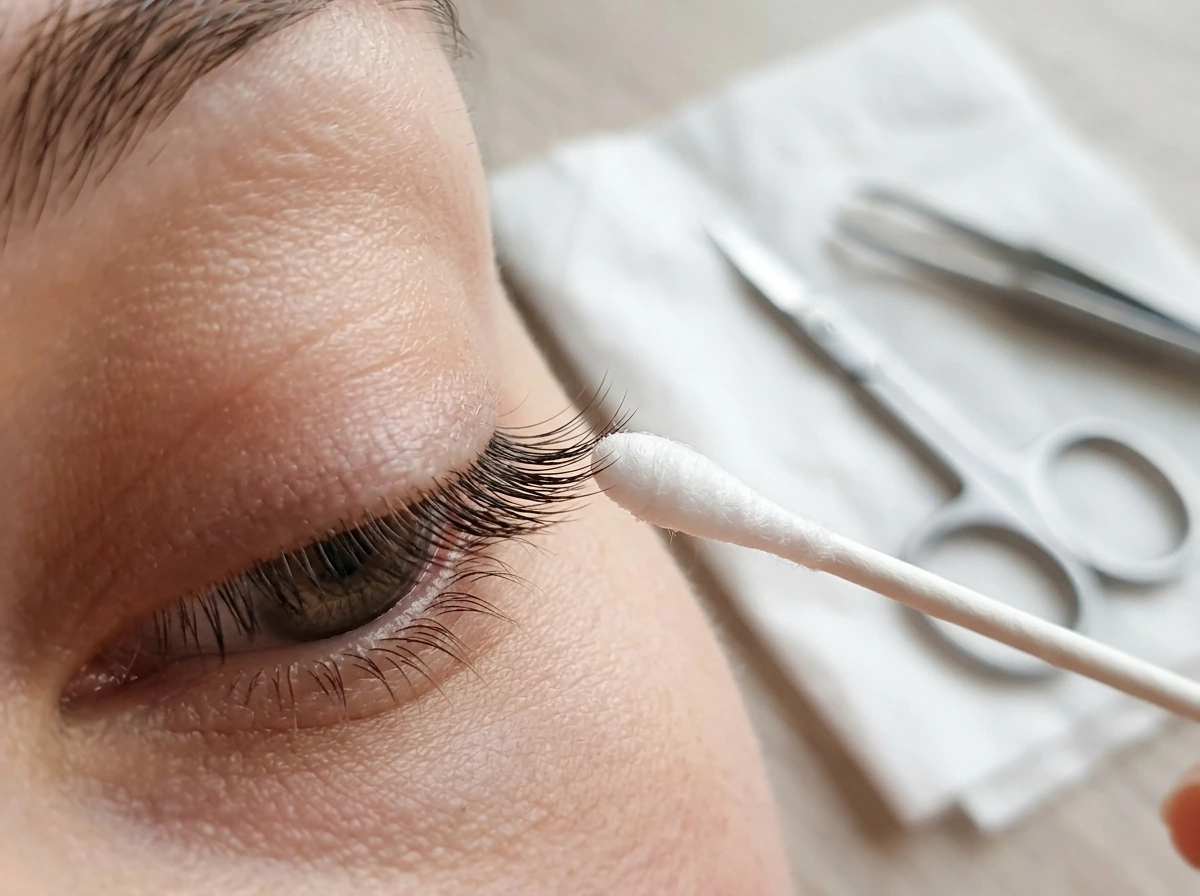
Cutting shortens the visible shaft but leaves the follicle completely untouched and mid-cycle. This is the best-case scenario. The existing lash will continue growing from where it was cut, and you will likely see it back to normal length within 4 to 6 weeks. No follicle reset required. If you want more detail on this specific scenario, the article on whether eyelashes grow back if cut covers it thoroughly.
Plucked lashes
Plucking is harder on the follicle than cutting. When you pull a lash out by the root, you force that follicle back to the beginning of its cycle. It needs to complete the resting phase (telogen) before re-entering active growth (anagen). That restart adds weeks to your timeline. Expect 6 to 8 weeks before you see meaningful length, and closer to 3 to 4 months before it looks fully normal. Repeated plucking, as in trichotillomania or habitual pulling, can eventually cause follicle scarring that delays regrowth even further.
Extensions and adhesive damage
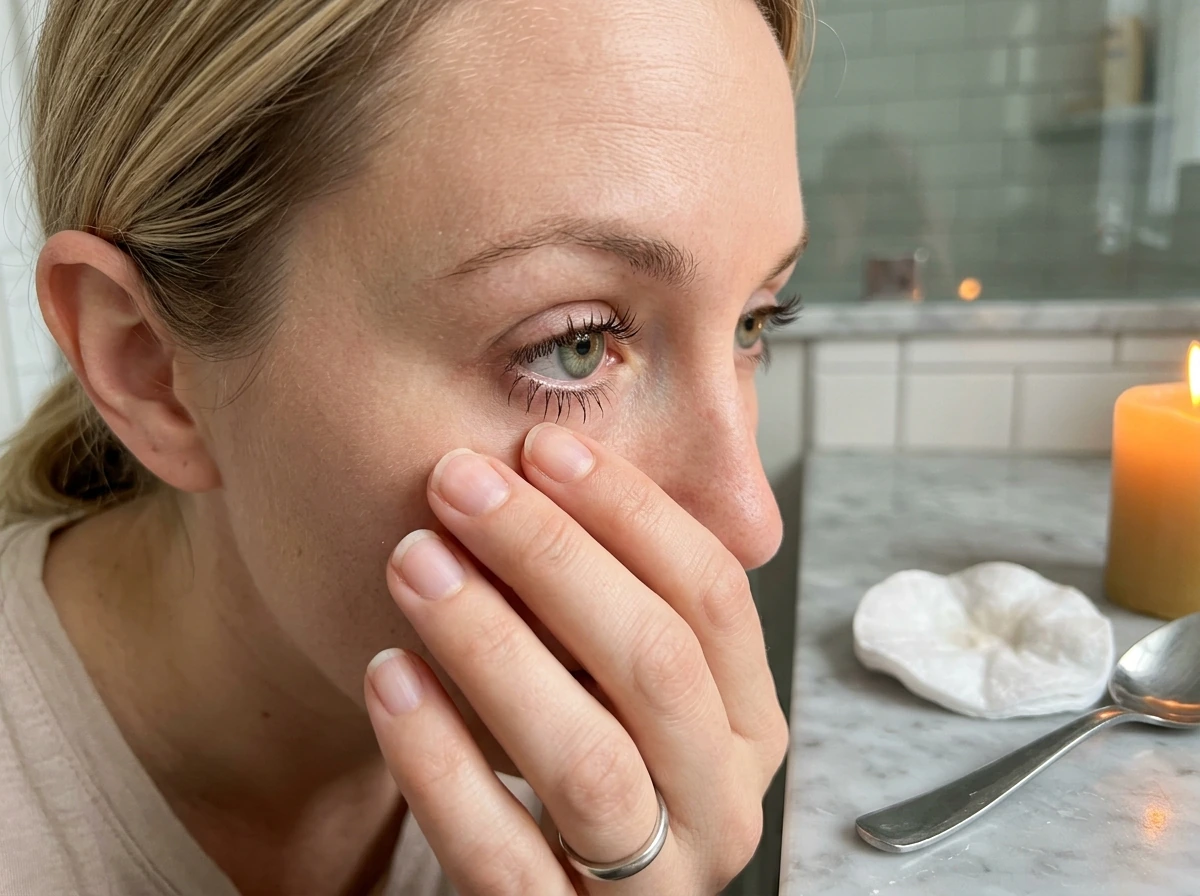
Lash extensions themselves do not block regrowth if applied correctly. The problem is what happens during wear and removal. Extension adhesives contain cyanoacrylate compounds that can cause chemical conjunctivitis, and published case reports in ophthalmology literature have documented lamellar keratitis after solvent-based removal. When the lash line environment is chemically irritated, the follicles sitting in that inflamed tissue are not in ideal growing conditions. You may see a delay of an extra 2 to 4 weeks beyond the normal timeline if there was significant irritation during removal. If your eyes were noticeably red or sore after extensions came off, give your lashes a full 3 months before drawing conclusions about regrowth.
Burning or singeing
Heat damage is more unpredictable than mechanical damage. A light singe that only affects the lash shaft (the tip catches a candle flame, for example) is closer to the "cut" scenario since the follicle is unharmed. But if heat reached the eyelid skin and follicle itself, recovery takes longer because tissue healing has to happen first. The article on whether burnt eyelashes grow back covers that in more depth. will broken eyelashes grow back
Medical or stress-related shedding
Conditions like alopecia areata, thyroid dysfunction, or sustained nutritional deficiency cause lash loss from the inside out. These timelines are completely different from mechanical causes. A published case series found that eyelash alopecia areata had a mean regrowth time of 28 months, with a range stretching from 6 to 60 months. Only 40% of those patients experienced complete regrowth. If your lash loss has no clear mechanical cause, this is not a wait-and-see situation. That is a dermatologist conversation.
The three stages your lash follicle goes through
Understanding the growth cycle helps you set realistic expectations instead of panicking at week two when you still do not see much. Eyelash hair is not like the hair on your head. It has a much shorter active growth phase and spends a comparatively long time resting.
- Anagen (active growth): This is when the follicle is connected to blood supply and actively producing the lash shaft. For eyelashes, this phase lasts roughly 30 to 45 days, which is why lashes never grow as long as head hair without intervention.
- Catagen (transition): The follicle detaches from its blood supply and the lash stops growing. This phase lasts about 15 days. The lash is still in place but not getting longer, and pulling it out during catagen forces a complete cycle restart.
- Telogen (resting): The follicle rests before the old lash sheds and a new one begins. This phase lasts several weeks. The new lash only starts pushing through once this phase ends and anagen begins again.
The practical implication: if your follicle is in catagen or early telogen when damage happens, you could be waiting 3 to 6 weeks just for the cycle to reset before growth even starts. That is not a problem with your lashes. That is just biology running its course.
How to tell if your regrowth is on track (and when it is not)
Normal regrowth has a recognizable pattern. You should start seeing fine, slightly lighter-colored lash tips emerging from the lash line within 2 to 3 weeks after loss. They will look thin and short at first, which is completely expected. Over the following weeks they will darken and thicken as the shaft matures.
Signs that something may be off and worth paying attention to:
- No visible new growth at all after 8 weeks, with no obvious mechanical cause
- Lashes growing in at strange angles or curling inward toward the eye (this can indicate follicle inflammation or scarring)
- Patchy regrowth where some areas grow and others stay bare after 3 months
- Persistent redness, swelling, or scaling along the lash line while you are waiting for regrowth
- Lashes falling out in multiple areas at the same time, especially if eyebrows are also thinning
Any of those patterns points to something beyond a simple grow-back situation. Follicle scarring, an autoimmune trigger, or an underlying condition like blepharitis can all interrupt normal cycling. The question of whether lashes can grow back at all is worth exploring if you are seeing more than one of these signs at once.
Things you can actually do today to speed up regrowth
You cannot make the growth cycle run faster in the way you would charge a phone, but you can remove the friction that slows it down and give your follicles the best possible environment to work efficiently. These are the approaches with the most evidence behind them.
Castor oil
Cold-pressed castor oil is the most commonly used at-home lash treatment, and while clinical trials are limited, the mechanism is reasonable. Ricinoleic acid, its primary fatty acid, has anti-inflammatory properties that may support a healthier follicle environment. Apply a small amount to the lash line with a clean spoolie or cotton swab before bed, avoiding the eye itself. Consistency matters more than quantity. Daily application for 8 to 12 weeks is the minimum window for a fair test.
Biotin and nutrition
Biotin supplementation is worth addressing honestly. If you are deficient, correcting that deficiency will help. If you are not deficient, adding more biotin is unlikely to produce dramatic lash growth. More impactful across the board is making sure you are getting enough protein, iron, and zinc, since lash hair (like all hair) is built from keratin and requires these building blocks. A simple blood panel with your doctor can tell you if deficiency is contributing to your situation.
Lash serums with peptides
Over-the-counter serums typically use peptides (like myristoyl pentapeptide-17) to signal follicle activity and conditioning agents to reduce breakage. They work more slowly than prescription options but are accessible and generally low-risk. Apply nightly along the upper lash line. Expect to evaluate results after 10 to 12 weeks of consistent use.
Prescription bimatoprost (Latisse)
If you want the most clinically validated option, bimatoprost (sold as Latisse) is it. The FDA prescribing information evaluates improvements at weeks 8, 12, and 16, which sets realistic expectations: this is a months-long commitment, not a quick fix. It works by extending the anagen phase, essentially keeping follicles in active growth longer. Importantly, once you stop using it, lashes return to their pre-treatment baseline. It is a maintenance tool, not a permanent solution, and it requires a prescription.
What to avoid while regrowing
- Waterproof mascara used daily: it requires oil-based removers that can pull lashes when wiped off
- Eyelash curlers on short or fragile regrowth: mechanical stress on new lashes increases breakage
- Going back to extensions before the lash line is fully recovered: you risk repeating the adhesive stress cycle
- Rubbing your eyes: this is one of the most underrated causes of lash loss and breakage
Does cutting or plucking actually change how fast they grow back?
Cutting alone does not reset the follicle cycle, so it does not meaningfully change the timeline. The existing lash keeps growing from where it was trimmed. Plucking, on the other hand, forces a full cycle restart, which adds weeks. There is no evidence that trimming lashes makes them {{grow back thicker}} or faster. That idea comes from the same myth as shaving body hair, and it does not hold up biologically. The shaft tapers naturally at the tip, so a cut tip looks blunt and may appear darker briefly, but the follicle output is unchanged.
If you are tempted to cut lashes that look uneven during regrowth, just wait. Uneven lengths during the growth phase are completely normal because your follicles are on staggered cycles. Trimming them to match will not speed anything up and adds unnecessary risk of eye injury. The related piece on whether eyelashes grow back thicker addresses that specific question in detail if you want to dig further.
When to stop waiting and see a professional
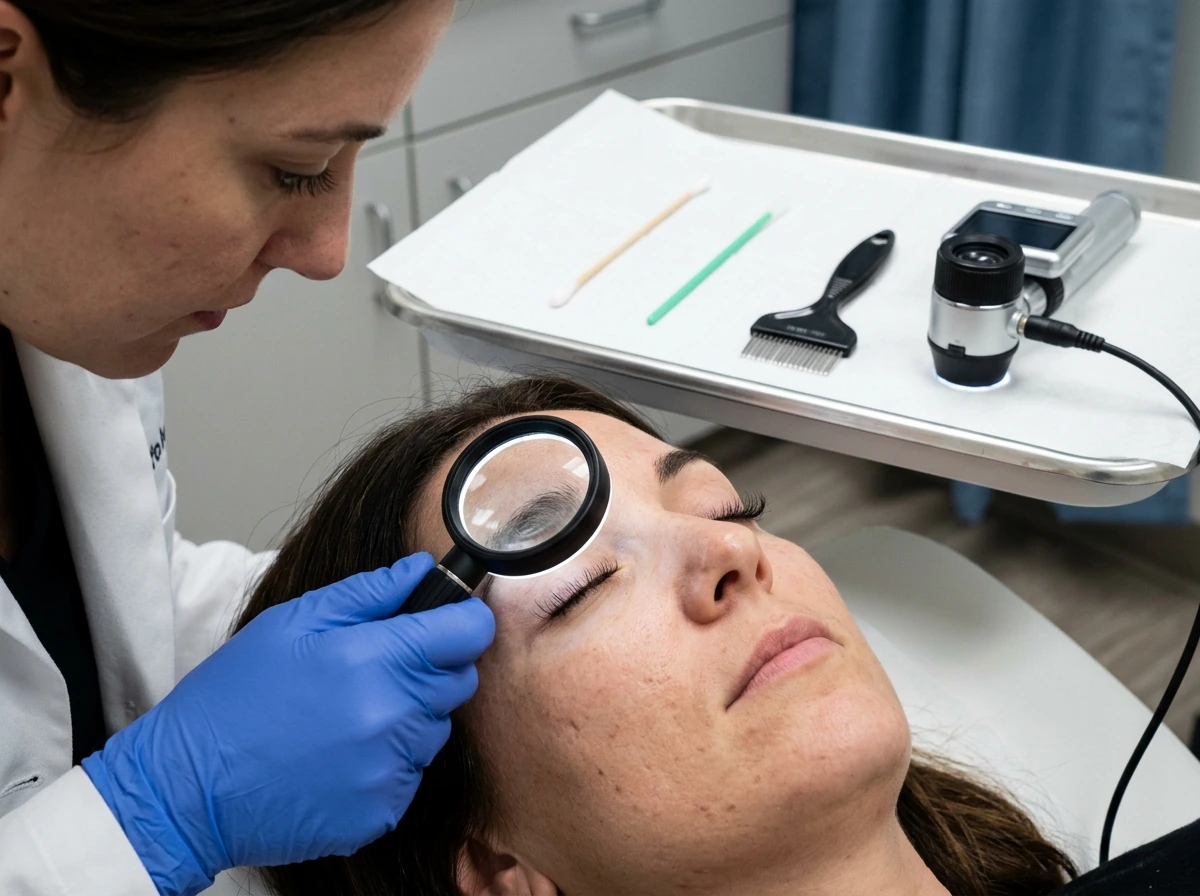
Most mechanical lash loss (cut, plucked, or lightly damaged) does not need medical intervention. But there are clear situations where waiting it out is the wrong call.
- No regrowth after 8 to 10 weeks with no obvious cause: this warrants a dermatology visit to check for alopecia areata, blepharitis, or hormonal factors
- Eye pain, persistent redness, or discharge after extension removal: see an ophthalmologist, not a dermatologist. Chemical conjunctivitis needs to be ruled out
- Lashes growing into the eye (trichiasis): this is a structural eyelid issue that can cause corneal damage and needs prompt ophthalmology evaluation
- Lash loss accompanied by eyebrow thinning and fatigue or weight changes: thyroid function testing is worth asking about
- Suspected alopecia areata: Cleveland Clinic dermatologists note that early evaluation and treatment are pivotal for outcomes in this condition. Time matters with autoimmune lash loss in a way it simply does not with a curling iron accident
The distinction between mechanical loss and medical loss is the most important judgment call in this whole process. If you know exactly what happened to your lashes (extensions, a trim, pulling during eye rubbing), you have a clear picture and a predictable timeline. If you do not know why your lashes are thinning, the medical workup matters more than any serum you could apply at home.
Putting it all together: your action plan
Here is what to actually do based on where you are right now. If lashes were cut: do nothing except protect them from mascara-heavy routines for the next 4 to 6 weeks and let the existing shaft grow. If you are specifically wondering whether cutting will change regrowth, the cutting-focused section above breaks down what to expect.
If lashes were plucked or pulled: start a nightly castor oil or peptide serum routine, avoid anything that pulls at the lash line, and give yourself a 3-month window. If damage came from extensions: let the lash line recover for at least 4 to 6 weeks before any new extension application, and address any remaining irritation with preservative-free eye drops if your eyes are still uncomfortable.
If you have no idea why they are thin: book a dermatology appointment before you spend money on serums, because the treatment for alopecia areata is completely different from the treatment for mechanical thinning.
Set a realistic calendar checkpoint: 6 weeks from today to assess early regrowth, and 3 months from today to evaluate full recovery. If you are not seeing progress at either checkpoint, that is your signal to escalate, not to try a new oil.
FAQ
How can I tell whether my lashes are actually growing back versus breaking?
Regrowth usually starts as fine, lighter tips at the lash line that gradually darken and thicken over weeks. Breakage tends to look like uneven missing segments, shorter fragments, or abrupt thinning with no visible new tips emerging from follicles.
If I do see new lash tips at 2 to 3 weeks, does that guarantee I will have full thickness by 6 weeks?
Not necessarily. Early emergence means the cycle has restarted, but full length and density typically require multiple follicle cycles. If you only see thin, sparse growth by 6 weeks, it is often still normal and can continue improving toward 3 to 6 months.
Does mascara or lash styling slow regrowth even if my lashes are not being pulled?
Yes, especially if your routine removes lashes aggressively. Avoid mascara-heavy or waterproof removal for at least a month after loss, use gentle removal, and stop tugging at the lash line, since mechanical friction can prolong shedding or breakage.
Can I use a lash serum while my eyes are irritated from extensions or removers?
Hold off until irritation settles if you had redness, burning, or soreness after removal. Adding products to an inflamed eyelid can worsen symptoms and delay follicle activity. When comfort returns, restart with a simple, one-product routine.
What is the fastest time window I can realistically expect for noticeable improvement?
For mechanical causes, visible improvement often begins around 2 to 3 weeks, with more noticeable fullness sometimes by 6 weeks. However, “fully normal” length and density usually take longer, commonly 3 to 6 months, because not all follicles are synchronized.
Is it better to switch serums or treatments if I am not seeing results at 6 weeks?
Usually it is better to stay consistent rather than switch. Many products require 8 to 12 weeks to fairly judge, and some delays reflect follicle cycling. Change plans only if you see warning signs, no early tips at all, or symptoms like itch, scaling, or redness.
When should I see a dermatologist, even if the timeline sounds within the normal range?
Seek care sooner if you have patchy or rapidly progressive loss, eyelid skin changes (scaling, significant redness), lash loss in both eyes without a clear trigger, or eyebrow or scalp hair changes. These patterns can suggest autoimmune or inflammatory causes that need different treatment.
Could allergies or contact dermatitis make it seem like lashes are not growing back?
Yes. If you started new eye makeup, lash glue, remover, or skincare and then developed itching, redness, or flaking near the lash line, growth may be disrupted. The fix is identifying and removing the trigger, then allowing the eyelid to recover before judging regrowth.
Do eyebrows or other body hair regrowth timelines tell me anything about my lash growth?
They can provide indirect clues. If other hair areas are changing at the same time, it supports a systemic or autoimmune possibility, which shifts expectations and usually warrants a medical evaluation rather than relying only on lash serums.
If I stopped using bimatoprost or another prescription serum, will lashes fall out immediately?
They generally return toward their prior baseline after stopping, and that transition takes time rather than happening overnight. If you want to maintain results, plan for ongoing use and discuss a taper or maintenance strategy with your prescribing clinician.
Next Article
Will Eyelashes Grow Back If Cut? Regrowth Timeline and Care
Learn if cutting or trimming lashes makes them regrow, typical timelines, what changes appearance, and aftercare tips.