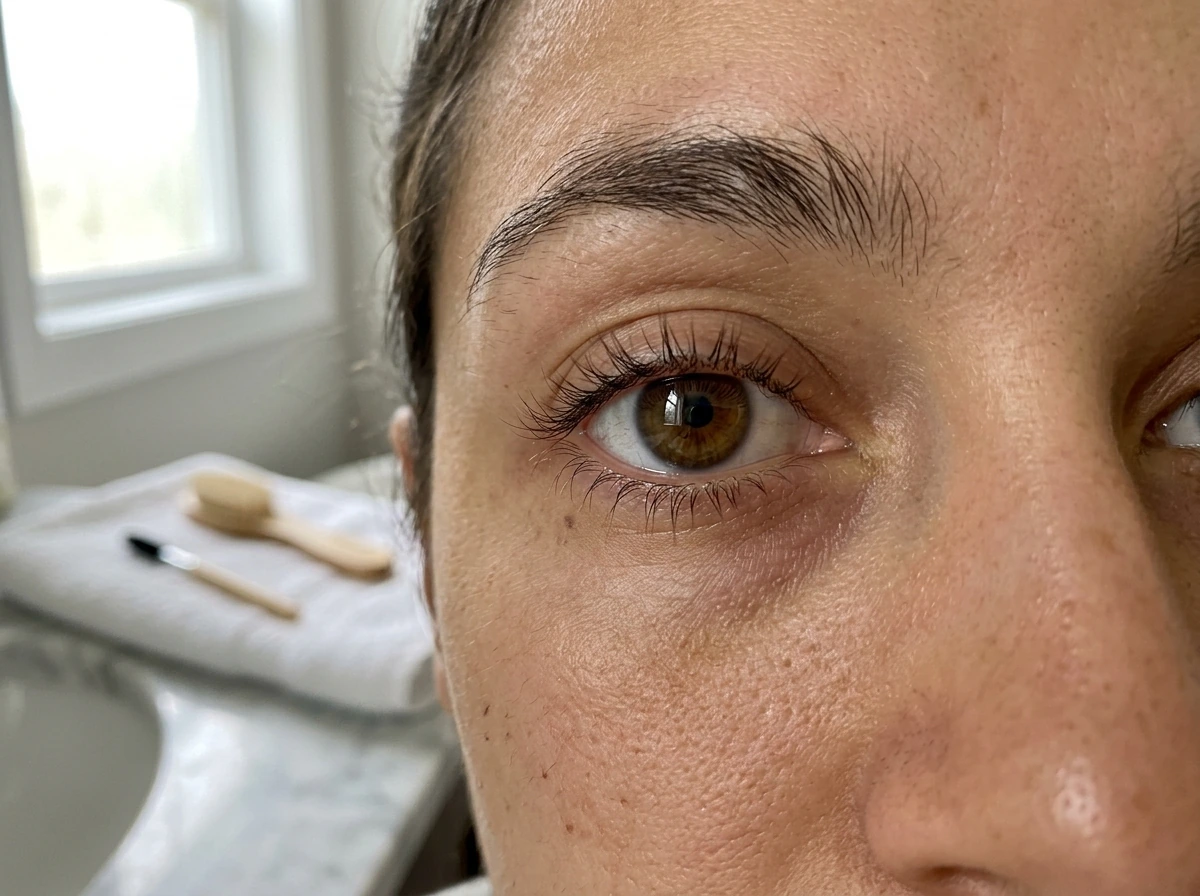
Yes, burnt eyelashes can grow back, but whether they do depends almost entirely on one thing: whether the heat or chemical damage destroyed the follicle itself or just the lash hair. If the follicle is intact, you can expect regrowth. If the follicle was scarred by a severe burn, that lash slot may be gone for good. Most people who singe their lashes in a candle flame, a curling iron mishap, or a lash-perm gone wrong fall into the first category, and their lashes do come back.
Does Burnt Eyelashes Grow Back? Recovery and Regrowth Timeline

Rachel Nguyen
24 Mar 2026
Does the damage level actually matter? Yes, a lot.
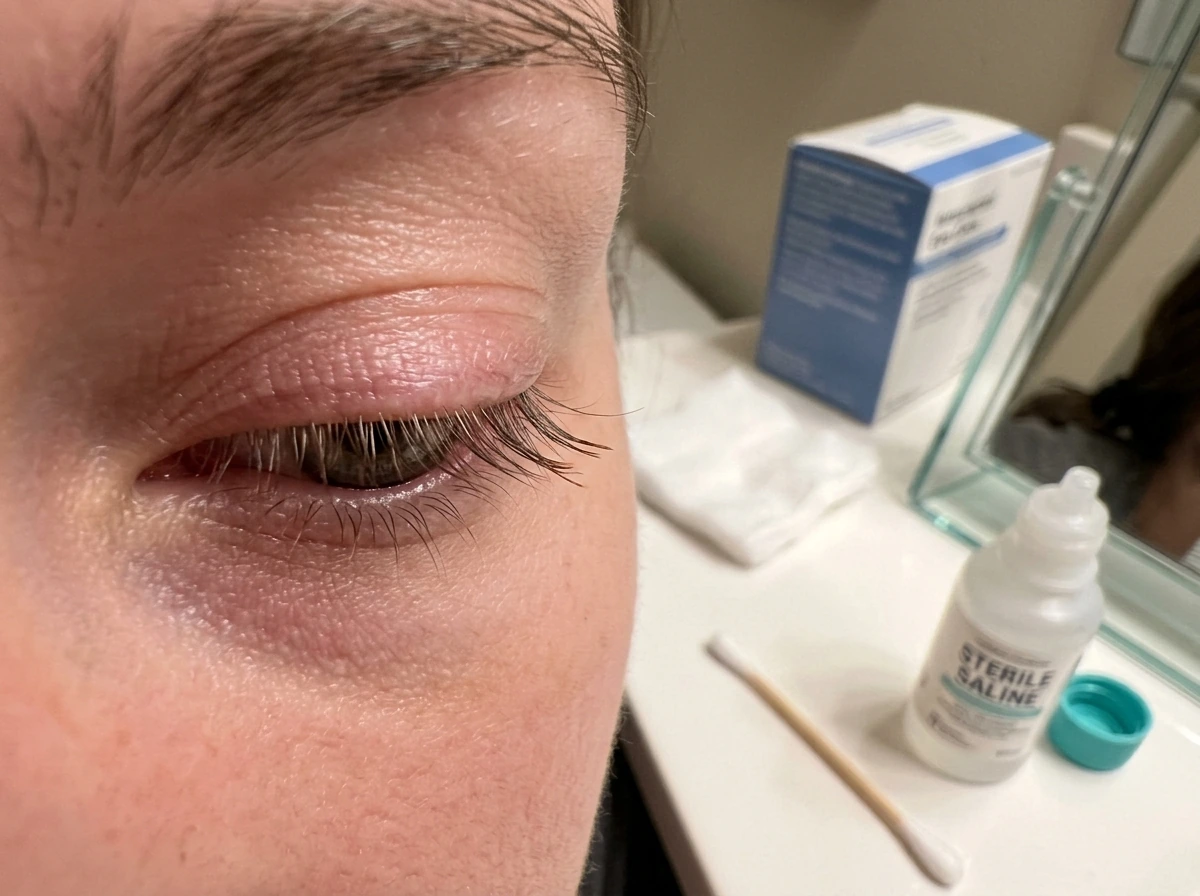
Ophthalmologists classify eyelash loss (called madarosis) as either scarring or non-scarring. Scarring madarosis means the follicle itself was destroyed, making the loss irreversible. Non-scarring madarosis means the follicle survived and the lash will eventually cycle back. For the vast majority of everyday burns, singes, and chemical exposures from lash adhesives or perms, the damage is non-scarring. If you are worried about whether will broken eyelashes grow back, most everyday burns and lash adhesive or perm exposures fall into the non-scarring group where follicles survive and lashes cycle back. You may lose the existing lash shaft and even experience a delay before the follicle re-enters the growth phase, but the machinery is still there.
A true scarring injury usually involves prolonged heat contact, deep chemical burns (like a splash of a strong acid or alkali directly onto the lid margin), or significant tissue destruction where you can see visible scarring on the eyelid skin. A singed lash from leaning over a birthday cake candle or catching your curling iron too close is almost never in this category. The lash hair chars and breaks off, and the follicle may be temporarily inflamed, but it is not destroyed.
That said, there is a middle zone worth knowing about. Chemical exposures from lash extension solvents and adhesives can cause contact dermatitis and toxic conjunctivitis that inflames the follicle area for weeks. This can delay regrowth and cause more lashes to shed temporarily, but as long as the inflammation is resolved before permanent scarring occurs, the lashes return. The same applies to lash perms and lifts using harsh chemical solutions held too close to the lid margin.
Realistic timeline for regrowth after a burn
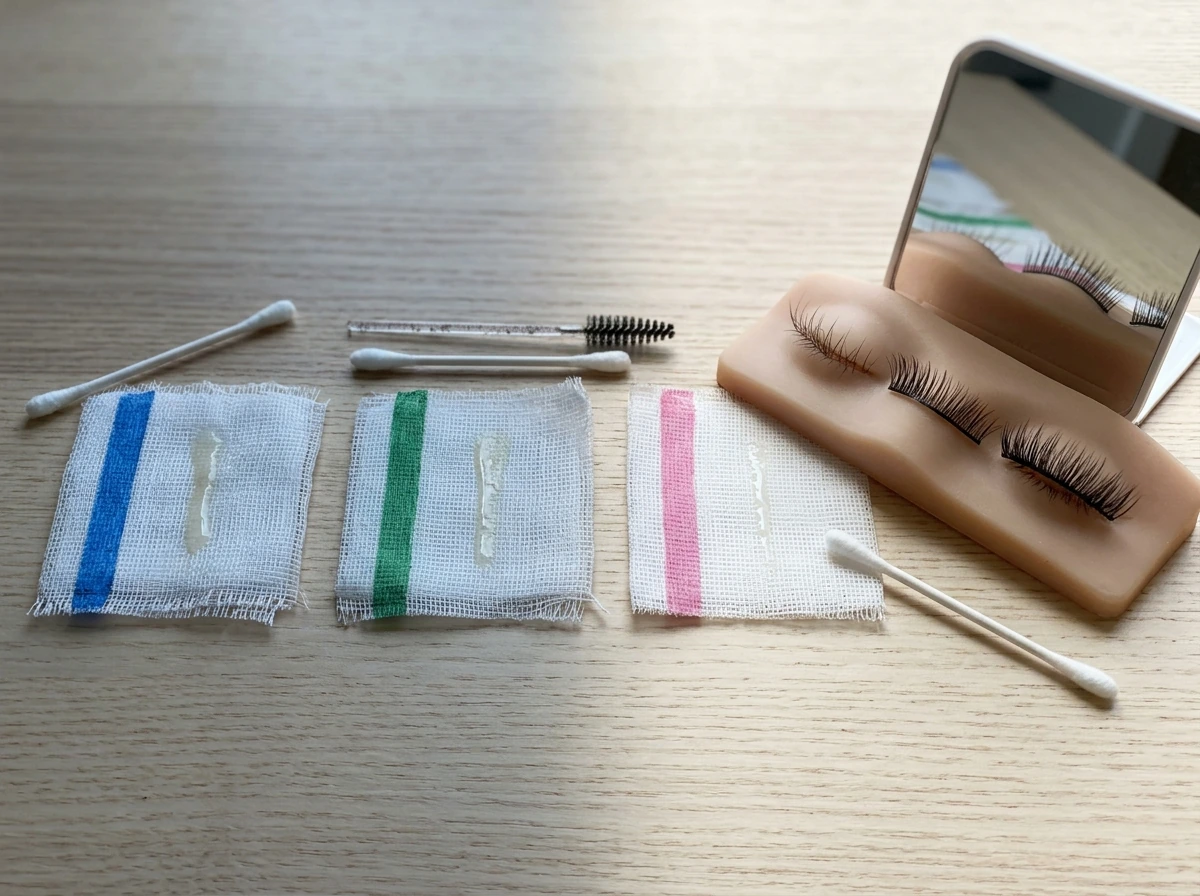
Here is where you need to set genuine expectations, because lash regrowth is slower than most people want it to be. The eyelash growth cycle has three phases: anagen (active growth), catagen (transition), and telogen (resting). Anagen lasts roughly 30 to 45 days. The telogen, or resting phase, can last anywhere from 4 to 9 weeks before the hair sheds and a new one starts, and some sources place the resting period as long as several months depending on the individual follicle.
After a burn, the damaged lash falls out or was already charred away. The follicle then needs to complete whatever phase it was interrupted in before it re-enters anagen and starts pushing out a new lash. This means you could be waiting 6 to 8 weeks before you even see a new lash nub emerging, and a further 6 to 8 weeks for it to reach a noticeable length. Full regrowth to your normal lash length typically takes 3 to 6 months. This is the general timeframe most people ask about when they wonder how long it takes for lashes to grow back after a burn 3 to 6 months. If you burned a large number of lashes, you will notice uneven regrowth because different follicles will be at different cycle points.
You can tell a follicle is back in the growth phase when you spot a short, fine new lash emerging from the lash line, usually appearing as a slightly lighter, softer hair than your existing lashes. That is the sign you are on track.
What to do immediately after burning your lashes
The first priority is calming the area and protecting the eye, not treating the lash loss. Here is what actually matters in the first 24 to 48 hours.
- Do not rub your eye or eyelid. Rubbing inflamed tissue causes more damage and pushes debris closer to the eye surface.
- If the burn involved a chemical (lash glue remover, lash perm solution, or a direct splash of any product), flush the eye area with clean, room-temperature water for at least 15 to 20 minutes. Plain water or contact-lens saline is appropriate. Do not add any ointments, oils, or drops unless directed by a medical professional.
- Apply a cold compress gently over the closed lid without pressure to reduce swelling and pain. Make sure the compress is not too cold and never apply direct ice to eyelid skin, which is extremely thin.
- Avoid warm compresses in the acute phase. Warmth applied to already-irritated eyelid skin can aggravate inflammation, and there is a real risk of burning the delicate area further if the compress is even slightly too warm.
- Leave any charred lash remnants alone. Do not pull, trim, or try to clean up the damaged lashes in the first 24 hours while the area is inflamed.
- Skip all eye makeup, mascara, lash serums, and any product near the eye until the irritation is gone.
If you feel actual eye pain (not just eyelid discomfort), notice blurry vision, or have significant redness of the eyeball itself, treat it as an eye emergency and get to an urgent care clinic or ER. A burn that affects the eye surface is a different and more serious situation than singed lash hairs.
How to support regrowth at home once the area has healed
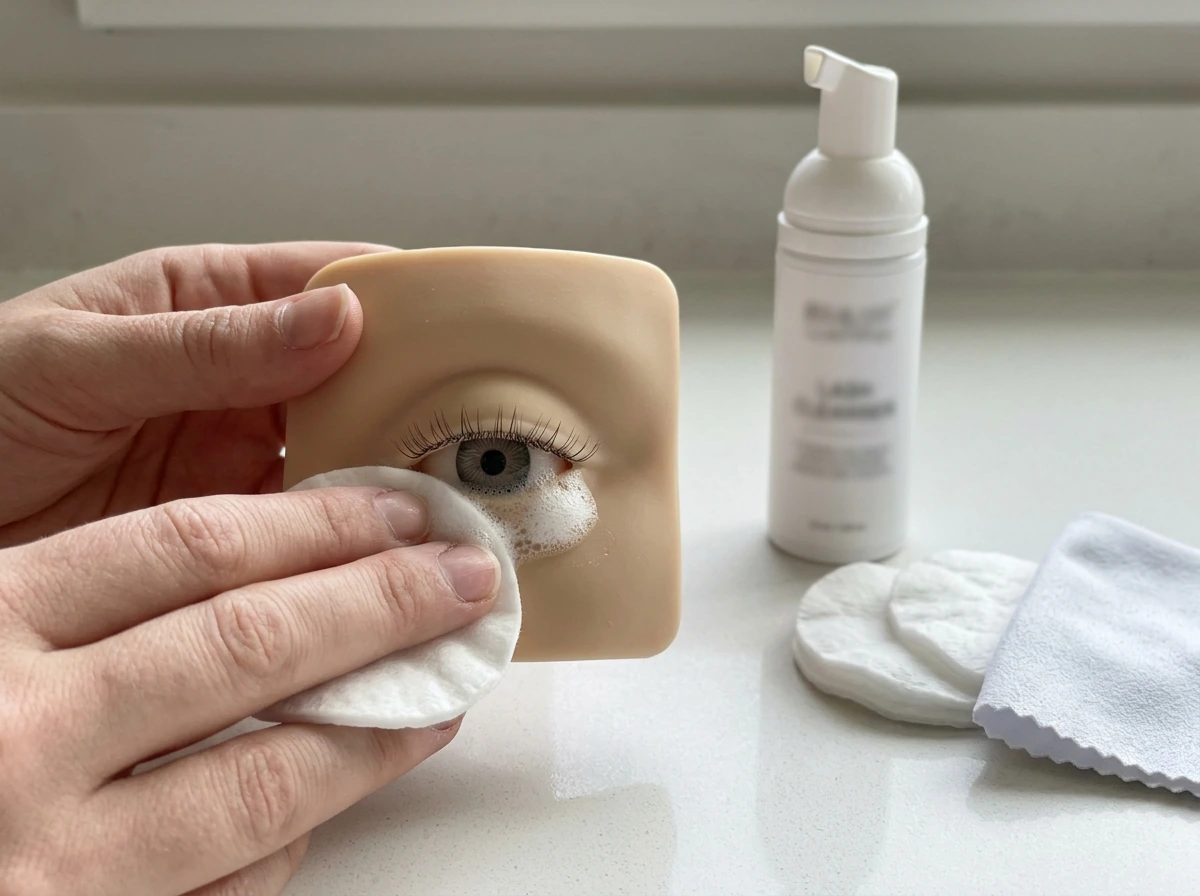
Once the acute inflammation is resolved, usually within a few days for a minor singe, you can shift into gentle recovery mode. The goal here is to keep the follicle environment healthy, avoid further trauma, and optionally use a conditioning or growth-supporting product.
Gentle cleansing is non-negotiable
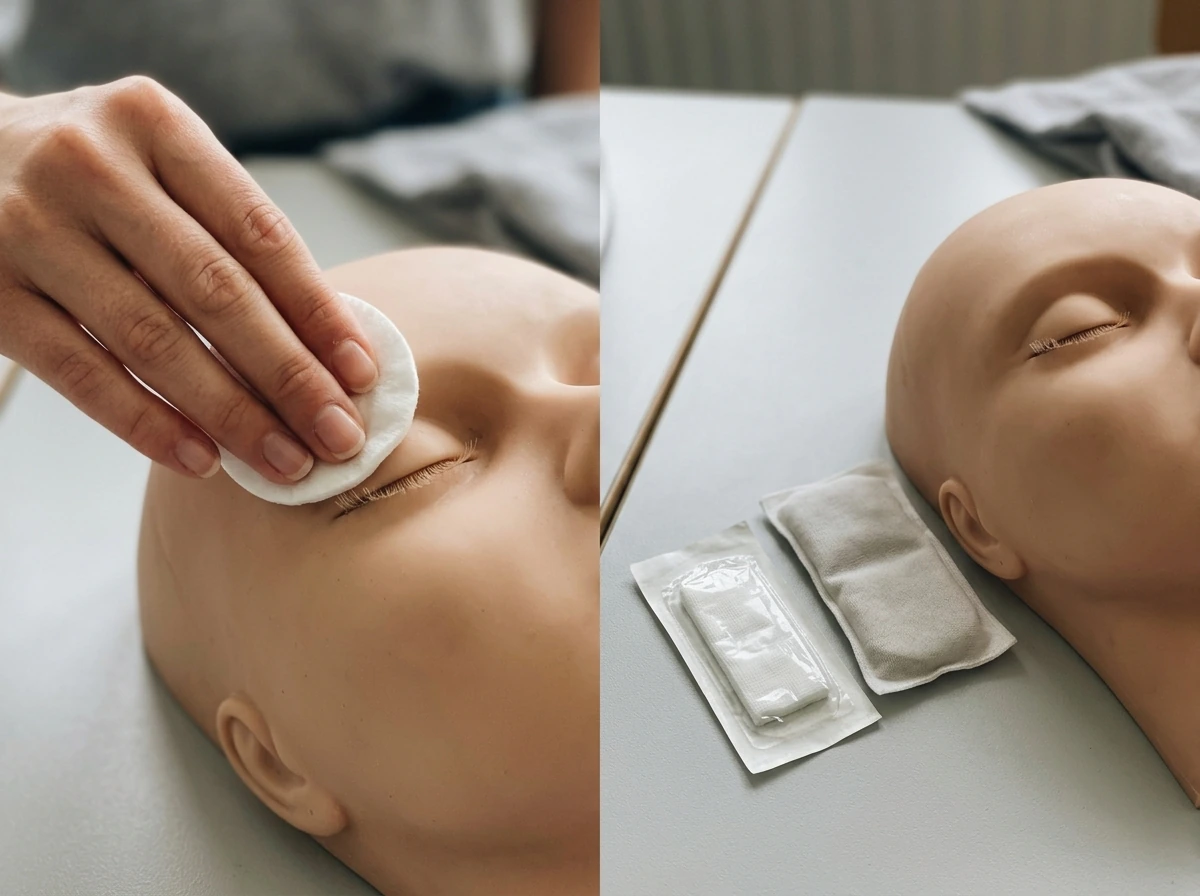
Keeping the lash line clean prevents debris, dead skin, and oils from clogging the follicle opening and slowing regrowth. Use a fragrance-free, ophthalmologist-tested lid cleanser or diluted baby shampoo on a cotton pad once daily. Be gentle. The follicles are in a sensitive recovery state and the lash line should not be scrubbed.
Lash conditioning and serums
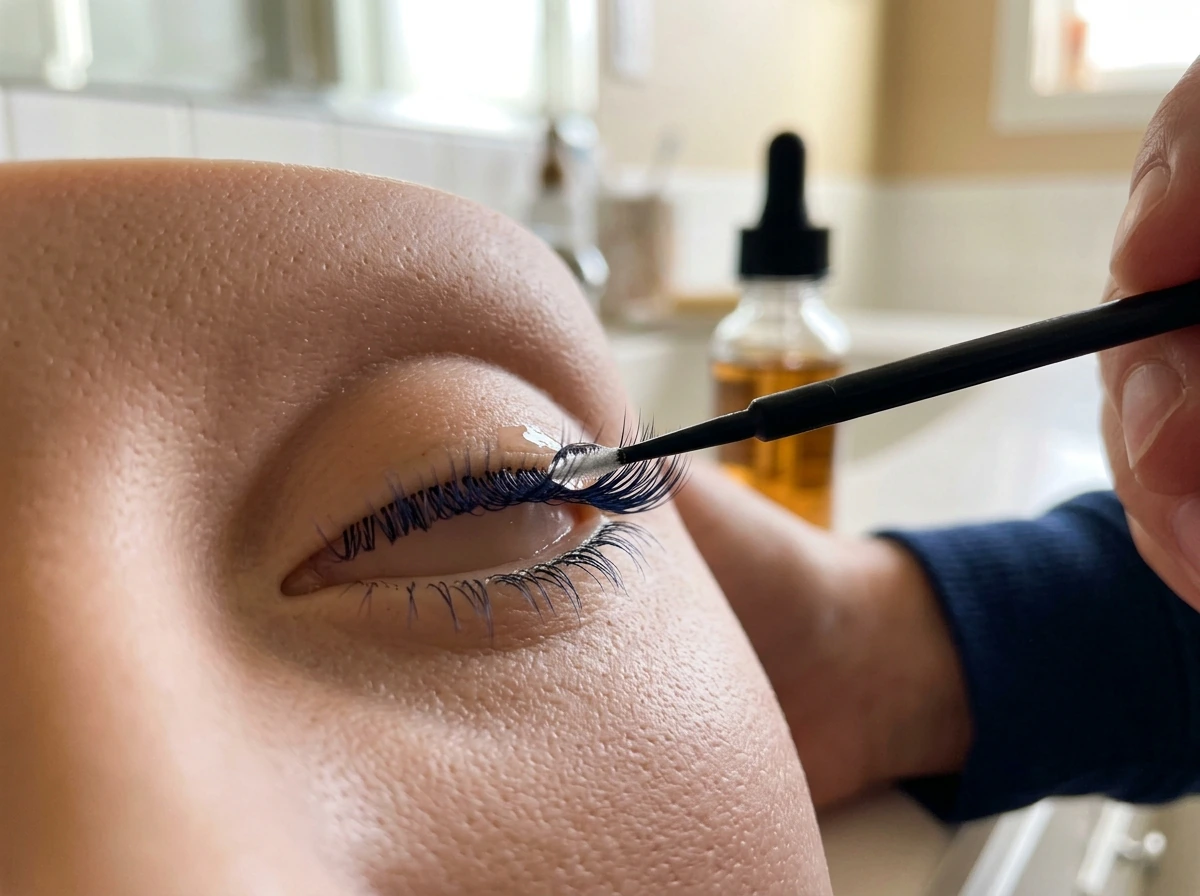
Once the skin is healed and no longer raw or weeping, a lash conditioning serum applied to the lash line can support the environment for regrowth. The most clinically proven ingredient class for eyelash growth is prostaglandin analogs, specifically bimatoprost, which is the active ingredient in the FDA-approved prescription product Latisse. Multiple randomized controlled studies have shown bimatoprost produces measurable increases in eyelash length, thickness, and darkness compared to vehicle. It has also been studied specifically in post-chemotherapy patients with eyelash loss, showing significant regrowth at 6 months.
Many over-the-counter lash serums marketed for growth contain peptide blends and panthenol rather than prostaglandin analogs. Multiple randomized controlled studies have shown bimatoprost produces measurable increases in eyelash length, thickness, and darkness compared to vehicle. These ingredients support conditioning and may reduce lash breakage, but their direct follicle-stimulating evidence is weaker than bimatoprost. They are still a reasonable choice for people who want to support lash health without a prescription, particularly in the early post-recovery phase when the skin barrier is still rebuilding.
Castor oil, biotin, and other popular options: what the evidence actually shows
These three options come up constantly in lash regrowth conversations, so it is worth being direct about what they do and do not do.
| Option | Evidence Level | What It Actually Does | Recommendation |
|---|---|---|---|
| Bimatoprost (Latisse) | Strong: multiple RCTs | Stimulates follicle anagen phase, increases length, thickness, and pigmentation | Most evidence-backed option; requires prescription; discuss with a doctor post-burn |
| OTC peptide lash serums | Moderate: limited trials | Conditions existing lashes, may reduce breakage; limited direct follicle-stimulating proof | Reasonable for maintenance and conditioning during recovery |
| Castor oil | Weak: no proven regrowth effect | Moisturizes the lash and lid area; may reduce brittleness; no evidence it stimulates follicles | Fine as a conditioner if tolerated; do not expect it to accelerate regrowth |
| Biotin supplements | Weak: no proven effect on lash growth unless deficient | Supports keratin structure in theory; no clinical evidence it boosts lash growth in people with normal levels | Not worth prioritizing unless blood test shows deficiency |
On castor oil specifically: it has real moisturizing properties and there is some clinical use of castor oil formulations for eyelid conditions like blepharitis, where it reduced crusting and symptoms after about 4 weeks. But Medical News Today and the wider clinical literature are clear that there is no scientific evidence it actually makes eyelashes grow. It will not hurt if you want to use it as a gentle conditioner, but do not count on it to speed up your timeline.
Biotin is similar. Unless a blood test shows you are actually deficient in biotin, supplementing with it is unlikely to move the needle on lash regrowth. Most people eating a reasonably varied diet are not biotin deficient, and there is no proven shortcut here.
If you do choose to try a prostaglandin-based serum, be aware of the real side effects documented in clinical literature: periocular skin darkening (which can appear between 3 and 6 months of use and may take 3 to 12 months to resolve after stopping), iris pigmentation changes, and a condition called prostaglandin-associated periorbitopathy that involves loss of periorbital fat and can make the eye area look sunken over time. These are not reasons to avoid the ingredient class, but they are things you should know before using it, especially around an already-sensitive area.
Mistakes that will slow down your regrowth
Some habits actively delay or prevent lash regrowth, and they are worth knowing about because several of them feel like helpful things to do.
- Rubbing your eyes: This is one of the most common habits that pulls out lashes that are still in the early, fragile stages of regrowth. It also re-traumatizes follicles that are trying to recover.
- Returning to lash extensions too soon: Lash extension adhesives contain cyanoacrylate-based compounds that can trigger contact dermatitis and toxic reactions in the eye and lid area, particularly when that tissue is already compromised. Applying extensions while your follicles are still recovering risks setting off a new round of inflammation and further loss.
- Using heat tools close to the lash line: This seems obvious after a burn injury, but even heated lash curlers used too aggressively can snap off fragile new regrowth or cause additional follicle stress.
- Applying mascara or heavy eye makeup too early: These products require removal, which introduces friction and potential irritants directly on a healing lash line. Wait until the area is fully healed before going back to mascara.
- Over-applying products: More serum or more castor oil does not equal faster results. Excess product around the eye can cause irritation, clog follicles, and in the case of prostaglandin products, increase the risk of pigmentation side effects.
- Skipping lid hygiene: Letting debris, product residue, and oils build up on the lash line is one of the underrated reasons follicles stay sluggish during recovery.
When the lashes are not growing back and you need medical help
Most minor burns and singes will show early signs of lash regrowth within 6 to 8 weeks.. If you are 3 months past the injury and see no new lash growth at all in the affected area, that is a real signal to see an ophthalmologist or a dermatologist who specializes in hair loss. There are a few reasons this might happen.
First, the burn may have been more severe than it appeared. If the injury left visible scarring on the eyelid margin, that scarring may have obliterated follicles in that zone. In ophthalmology terms, this is scarring madarosis, and it is typically irreversible at the follicle level. A doctor can examine the lid margin, often with a slit lamp, and tell you whether follicles are still present or whether the tissue has been replaced by scar tissue.
Second, there may be ongoing inflammation or infection that you are not aware of. Eyelid infections (blepharitis, styes, or folliculitis of the lid margin) can develop after burns and persistently suppress regrowth. Signs to watch for include persistent redness or swelling along the lid margin, crusting or discharge around the lash line, tenderness, or a lash line that looks chronically irritated even weeks after the initial injury.
Third, it is worth ruling out whether the original incident involved chemical exposure that you may not have fully identified. Eyelash extension solvents and lash lift solutions have been documented as causes of chemical conjunctivitis and corneal inflammation, and ongoing low-level chemical irritation can suppress follicle recovery far beyond what you would expect from a simple heat singe.
If you see any of these red flags, do not wait the full 6 months hoping it resolves. Get an eye exam. In cases of confirmed scarring, there are some reconstructive options available, but they are beyond at-home territory and require clinical assessment. For more context on typical lash regrowth timelines in general, it helps to understand the broader picture of how long lash regrowth takes after different types of loss.
A realistic summary of what to expect
To bring this together: if your burn was a singe rather than a deep thermal or chemical injury, do shih tzu eyelashes grow back? <a data-article-id="A8002D79-0357-4344-93EA-3CA94B661E29">Yes, your lashes will almost certainly grow back.</a> The follicle is intact, and it will cycle back into the growth phase on its own schedule. You cannot dramatically accelerate that schedule, but you can avoid the mistakes that delay it and optionally use a clinically supported serum (particularly a bimatoprost-containing prescription product) to encourage the follicle environment. Expect early regrowth signs around 6 to 8 weeks, and full length recovery by 3 to 6 months. Keep the area clean, keep your hands away from your eyes, stay off extensions and heat tools until the area is fully healed, and see a doctor if nothing is growing after 3 months or if the lid margin shows any signs of infection or scarring.
FAQ
If I burnt only a few lashes, will the rest regrow too, or is it only the damaged ones?
Usually yes, if the follicle was not destroyed. The key practical check is whether you see any new fine, lighter “baby” lashes along the lash line by around 6 to 8 weeks. If you see no sign of new growth at all by about 3 months, that is a reasonable time to get an eye exam to assess whether scarring or persistent inflammation is preventing regrowth.
When can I use an eyelash curler again after a burn?
Do not test this with more heat. Wait until the eyelid skin is no longer raw, tender, or weepy, and the lash line looks calm. Even after lashes start to return, heat tools and tight lash curling can mechanically irritate regrowing follicles, leading to patchy regrowth and breakage rather than faster lengthening.
What symptoms mean my lash burn is going beyond a simple singe?
Minor singes can still leave you with a temporary gap if the hair shafts are already charred and shed. However, persistent, worsening irritation, thick crusting, discharge, or increasing lid margin swelling suggests an infection or ongoing inflammation, which can delay regrowth. In those situations, an exam matters sooner rather than waiting for the normal timeline.
Can an eyelid infection after a burn stop regrowth, and how would I know?
Blepharitis, styes, and folliculitis can flare after lid-margin irritation and keep follicles in a suppressed state. The most useful pattern to watch is lid margin tenderness plus recurring redness, crusting, or discharge that keeps returning weeks after the initial burn.
Why does regrowth look uneven or in patches after I singed my lashes?
Folicle-sparing does not always mean uniform results. If you had uneven heating or chemical contact, different follicles may be at different points in the growth cycle, so you can see patchy regrowth (some lashes starting early, others lagging). That pattern is often temporary, but if the area stays blank beyond about 3 months, get it assessed.
Is it okay to start a lash growth serum immediately after the burn?
You can, but start only after the acute irritation settles. If you apply a serum while the lid skin is still inflamed, you risk worsening contact irritation and prolonging shedding. A good decision rule is to wait until the lid margin is fully healed and not sensitive to gentle cleansing.
If I use bimatoprost, how can I lower the chance of skin darkening around my eyes?
If you use a prostaglandin-analog product (like bimatoprost), be strict about application to the lash line and avoid getting it onto nearby skin. Reducing off-target exposure helps lower the risk of periocular skin darkening and other eye-area changes that can develop after months of use.
Can biotin supplements speed up eyelash regrowth after a burn?
Not always. Biotin supplements only help if you are truly deficient, and most people with a varied diet are not. If you have dietary restriction, malabsorption, or another reason to suspect deficiency, ask a clinician about testing before relying on supplements for lash regrowth.
If I already had extensions or a lift, could the products delay my lash regrowth?
It can. Extension adhesives, remover solutions, and lash-lift chemicals can keep the eyelid margin irritated for weeks. Ongoing chemical or mechanical exposure can delay recovery even if the original heat exposure seemed minor. If you suspect repeated product contact on the lid margin, pause all extensions and aggressive treatments until the area is clearly calm.
How can a doctor tell whether my lash loss is scarring versus non-scarring?
Yes, if the burn was close enough to the eyelid margin to damage follicles. Visible scarring on the eyelid skin or a clearly altered lash-line appearance raises the chance of scarring madarosis, which is usually not reversible with at-home measures. A slit-lamp exam can determine whether follicles remain.
Next Article
How Long Does It Take for Lashes to Grow Back?
Lash regrowth timeline by cause, from days of shedding to full length in weeks, plus safe ways to speed recovery.