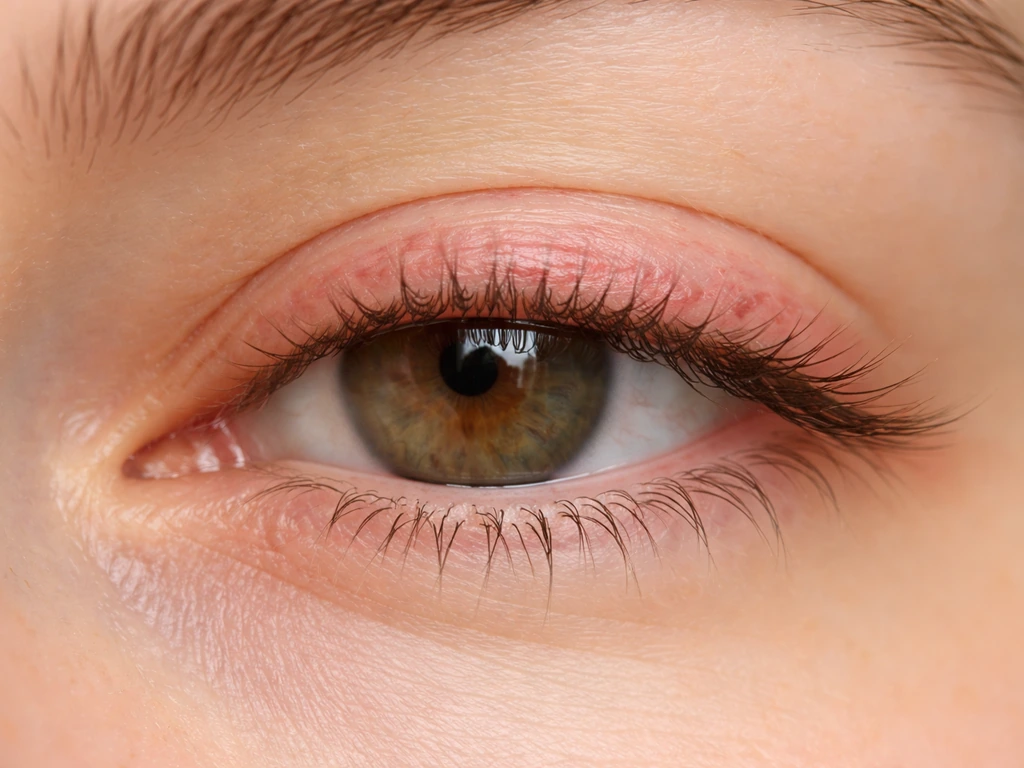
Yes, eyelashes can and do grow back after 50. The biology still works. What changes is the speed and the fullness: after menopause and through your 50s and beyond, the active growth phase shortens, follicles produce thinner and lighter lashes, and the whole cycle takes longer. So regrowth is real, but you need more patience and more intentional care than you did at 30. The good news is that most causes of lash loss at this age, whether it is traction from extensions, a skin condition like blepharitis, or plain hormonal thinning, are reversible once you address the underlying trigger.
Do Eyelashes Grow Back After 50? Timelines and Care

Rachel Nguyen
20 May 2026
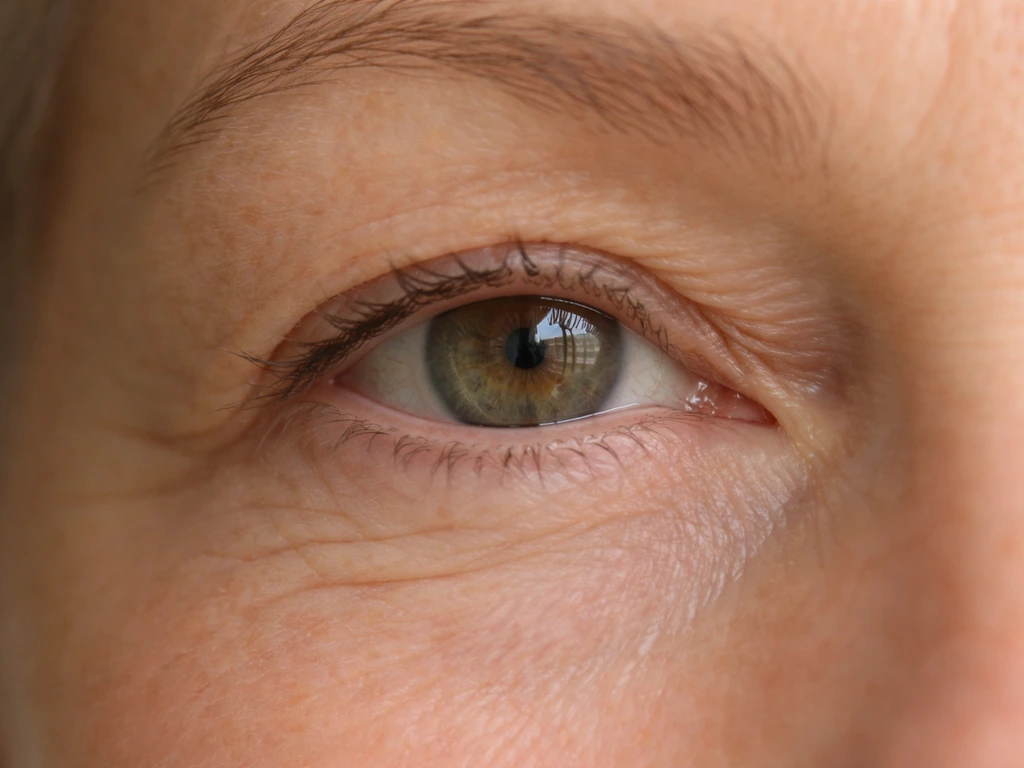
Does eyelash regrowth change after age 50
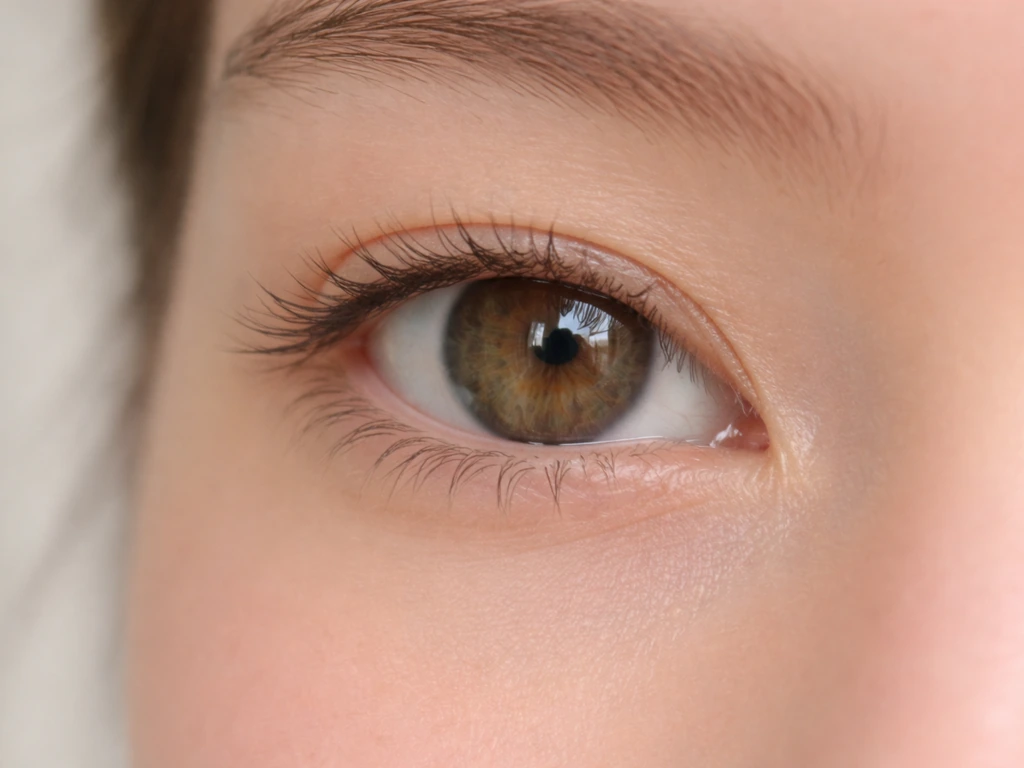
It does change, and the research is clear about this. A published epidemiological study of healthy women found that eyelash length, thickness, and darkness all decreased significantly with increasing age (p<0.000 for length, p=0.009 for thickness). These are not subtle or subjective shifts. The follicles themselves become less productive over time, partly because declining estrogen levels reduce the signals that keep hair follicles in their active growing phase. This is the same mechanism behind post-menopausal hair thinning on the scalp, and lashes follow the same pattern.
That said, age-related thinning is very different from follicle death. Unless you have scarring from a chronic skin condition or infection that has damaged the follicle structure itself (what dermatologists call scarring madarosis), the follicles are still there and still capable of producing lashes. They just need the right conditions and enough time. Think of it less as "will my lashes grow back" and more as "how do I give my follicles the best possible environment to do what they still can do. If your lashes are thinning after pregnancy, the hormonal shift and the stress on the body can delay regrowth, but the follicles are often still able to bounce back with time. "
How eyelash growth cycles work (and why timing matters)
Every single eyelash follicle runs through three phases independently, not in sync with its neighbors, which is why you do not lose all your lashes at once and why regrowth looks patchy at first.
- Anagen (active growth): The lash is actively growing at roughly 0.12 to 0.14 mm per day. This phase lasts about 4 to 10 weeks for eyelashes, much shorter than scalp hair which stays in anagen for years.
- Catagen (transition): Growth stops and the follicle shrinks down. This takes about 15 days.
- Telogen (resting): The lash sits in the follicle doing nothing, then falls out naturally. This phase can last 4 to 9 months, which is why eyelash regrowth feels so slow compared to scalp hair.
The whole cycle from one lash growing to the next one taking its place spans roughly 4 to 11 months. After 50, you tend to be on the longer end of those ranges. If you have lost lashes due to damage or a condition that pushed follicles prematurely into telogen, you may be waiting several months before you see meaningful regrowth, not because the follicles are broken, but because that is simply how the cycle runs.
Common reasons lashes stop growing or get thinner
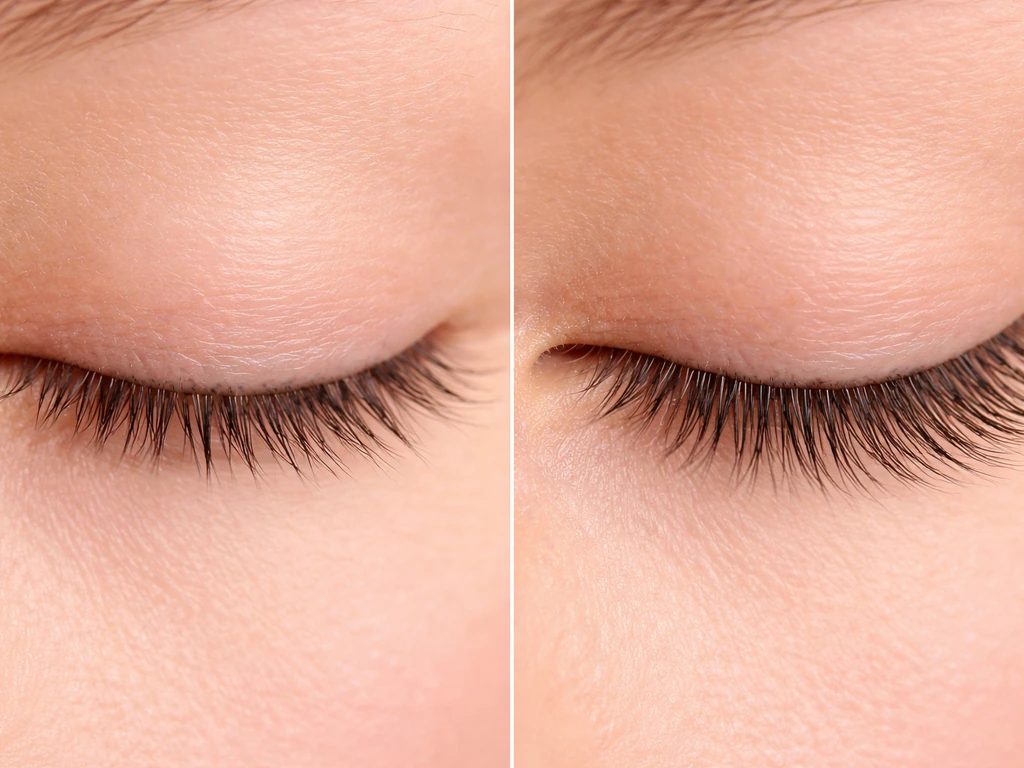
Getting the cause right is the most important step, because the fix is different depending on what is actually happening. Most lash loss at this age falls into a handful of categories.
Normal hormonal and age-related thinning
After menopause, lower estrogen and progesterone shift follicle behavior across the body, not just on the scalp. Lashes grow more slowly, come in finer, and shed faster. This is gradual and symmetrical on both eyes. It is the background noise of aging that most other causes are layered on top of.
Traction and physical damage
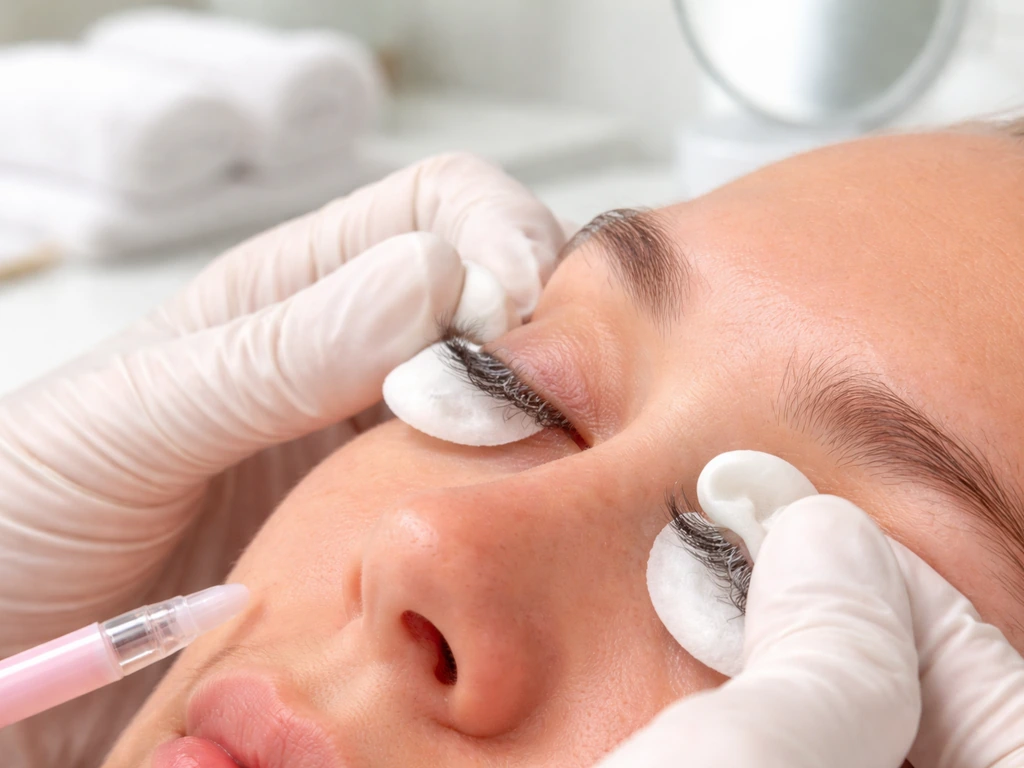
Extensions bonded with harsh adhesives, aggressive eyelash curler use, rubbing your eyes during makeup removal, and even the repeated pull of waterproof mascara removal can cause traction alopecia of the lash line. This is physical trauma to the follicle. If it has been going on for years, which is common in people who wore extensions through their 40s, the follicle can become weak even if it is not permanently scarred.
Blepharitis and eyelid inflammation
Blepharitis is one of the most underdiagnosed causes of lash loss after 50. It is a chronic inflammation of the eyelid margins caused by bacteria (often staphylococcal), meibomian gland dysfunction, seborrheic dermatitis, rosacea, or Demodex mite infestation. A randomized double-masked trial of eyelid cleansing treatments in blepharitis also reported objective and subjective improvement after about four weeks using a dedicated eyelid cleanser compared with diluted baby shampoo blank" rel="noopener noreferrer">randomized double-masked trial reported objective and subjective improvements in blepharitis after a ~4-week treatment period. It attacks the follicle environment directly, and the Cleveland Clinic lists it as a primary cause of madarosis (the clinical term for lash and eyebrow loss). The tricky part is that mild blepharitis often feels like dry eyes or general irritation, so people treat the symptom rather than the cause.
Skin conditions and allergies
Contact dermatitis from eye makeup, lash glue, or skincare products that creep onto the lash line is a frequent culprit. Eczema and rosacea can also affect the periorbital area and disrupt follicle function. Switching to a new mascara, trying a lash serum that irritates the skin, or using a heavy retinol too close to the eye are all common triggers I see people overlook.
Medical causes and medications
Thyroid disorders (both hypo and hyperthyroidism) are notorious for causing diffuse lash and eyebrow thinning. Alopecia areata, lupus, and certain nutritional deficiencies can also be responsible. Medications including topical steroids used near the eye, beta-blockers, retinoids, and chemotherapy agents are well-documented causes. If you have been through chemotherapy or radiation, lash regrowth follows a somewhat different (and often more encouraging) trajectory than aging-related thinning.
Realistic regrowth timelines after damage or aging
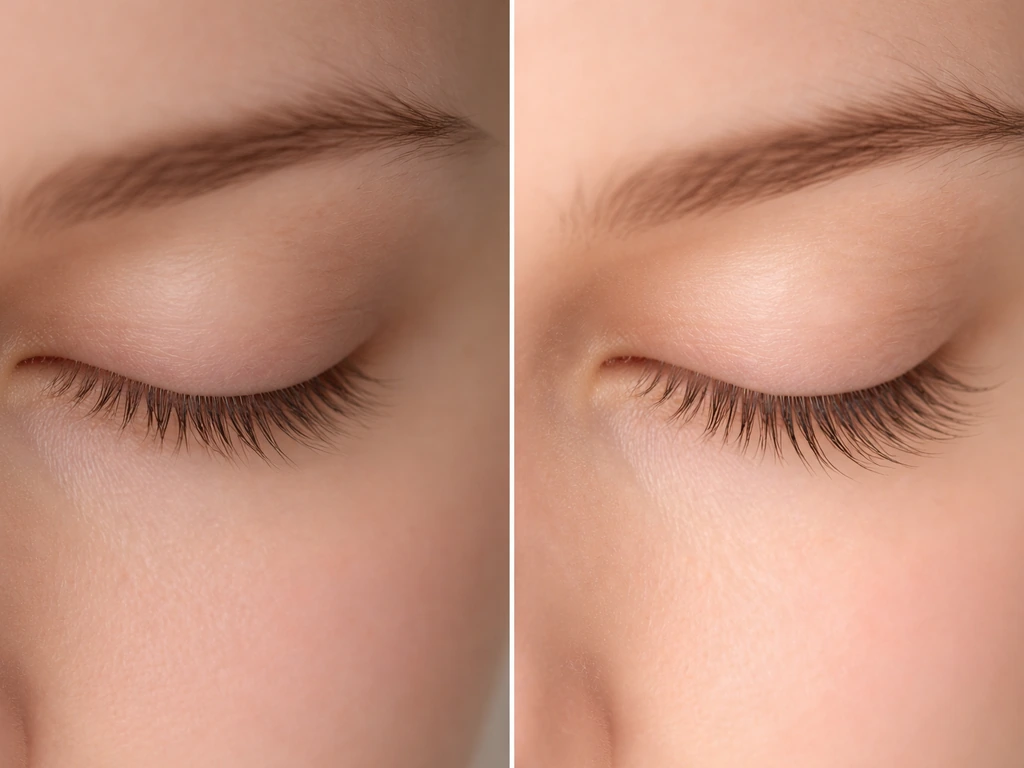
Here is where I want to set expectations clearly, because the most common complaint I hear is "I have been trying for three weeks and nothing is happening." Three weeks is not enough time to evaluate lash regrowth in anyone, let alone someone over 50.
| Cause of lash loss | When you may notice new growth | Full regrowth expected |
|---|---|---|
| Extension or traction damage (no scarring) | 4 to 8 weeks | 4 to 6 months |
| Blepharitis (treated and controlled) | 6 to 12 weeks after inflammation subsides | 6 to 9 months |
| Contact dermatitis (trigger removed) | 4 to 8 weeks | 3 to 6 months |
| Age-related thinning (with supportive care) | Ongoing, gradual improvement | Lashes may not return to earlier thickness; maintenance focus |
| Medication-related (once stopped/managed) | 6 to 12 weeks | 4 to 9 months |
| Thyroid or systemic condition (treated) | After condition stabilized, 6 to 12 weeks | 6 to 12 months |
| Chemotherapy-related | Often within 3 to 6 weeks post-treatment | 3 to 6 months for reasonable density |
The reason timelines are longer after 50 comes back to the extended telogen phase. A follicle that was damaged or stressed may stay in its resting phase for months before initiating a new anagen cycle. You cannot speed up telogen by applying more products. What you can do is make sure the environment is healthy so that when the follicle does start a new cycle, it has the best chance of producing a strong lash.
At-home regimen to regrow and prevent further loss (daily steps)
The daily routine matters more than any single product. Here is what I would actually do (and do recommend), structured as a morning and evening practice.
Morning routine
- Cleanse the lash line gently using a fragrance-free, ophthalmologist-tested micellar water or a dedicated eyelid cleanser. Do not rub. Use a cotton pad with gentle downward strokes.
- If you have blepharitis symptoms (crusting, itching, redness at the lash base), do a warm compress first: a clean cloth soaked in warm (not hot) water, held against closed eyes for 5 to 10 minutes. This softens debris and helps meibomian gland secretions flow properly.
- Apply makeup minimally on the lash line itself if your lashes are actively thinning. Waterproof mascara is a major offender because removal requires more friction.
- If you use mascara, choose a gentle, non-waterproof formula and a clean wand. Curling after application rather than before reduces mechanical stress on the base.
Evening routine
- Remove all eye makeup thoroughly but gently. An oil-based or micellar cleanser dissolves mascara without the repeated swipes that pull lashes. Soak the cotton pad and press it against the eye for 20 to 30 seconds before wiping, so the makeup lifts off rather than being dragged.
- Do a second gentle eyelid hygiene step if you have blepharitis: diluted baby shampoo on a cotton swab or a pre-moistened eyelid wipe scrubbed gently along the lash line. Studies have confirmed improvements in blepharitis symptoms over 4-week treatment periods using these methods.
- Apply your chosen conditioning or growth-supporting treatment (serum, oil, or peptide formula) along the upper lash line only. Details on which products and how to apply them are in the next section.
- Avoid heavy eye creams migrating onto the lash line itself overnight, as occlusive products can block follicle openings.
Habits to stop immediately
- Stop pulling, rubbing, or touching your lashes habitually. Even unconscious rubbing during TV time accumulates traction damage.
- Do not use lash curlers with cracked or worn rubber pads. They pinch and snap lashes at the base.
- If you wear extensions, take a break. The adhesives and the weight of extensions are cumulative stressors on already-aging follicles.
- Check your skincare: retinoids, AHAs, and strong actives that get near the eye can irritate the follicle environment even if they never directly touch it.
Serums, castor oil, biotin, and other popular treatments, what to try and how
Prescription bimatoprost (Latisse)
This is the only FDA-approved treatment for eyelash hypotrichosis (inadequate lashes), and it is the most evidence-backed option available. Bimatoprost 0.03% is applied nightly to the upper eyelid margin at the base of the lashes using a sterile single-use applicator. It works by extending the anagen phase, which means lashes grow longer, thicker, and darker over a 12 to 16 week period. It is a real intervention with real clinical trials behind it. The trade-offs: it requires a prescription, it is not cheap, it can cause periorbital skin darkening, and there is a rare but documented risk of iris color change with prolonged use. It must be applied only to the upper lid (not directly into the eye), used no more than once daily, and stopped if significant irritation develops. For women over 50 with genuinely thin lashes that are affecting quality of life, this is worth a conversation with a dermatologist or ophthalmologist.
Over-the-counter lash serums with prostaglandin analogues
Many OTC serums contain prostaglandin analogues such as isopropyl cloprostenate, which mimic the mechanism of bimatoprost but are not FDA-approved and are not regulated the same way. The European Scientific Committee on Consumer Safety (SCCS) concluded that these ingredients cannot be considered safe for use in cosmetics intended to promote eyelash or eyebrow growth. That is a significant red flag. Some people see results from these products, but the risk profile is uncertain and the regulatory position in the EU is a firm no. I would steer toward peptide-based or prostaglandin-free serums instead, especially if you have sensitive eyes or any history of glaucoma treatment.
Peptide and glycosaminoglycan serums
There are prostaglandin-free serums formulated with peptides and glycosaminoglycans that have shown positive results in open clinical trials, including improvements in lash structure and appearance. The evidence base is smaller than for bimatoprost, but the safety profile is much more favorable for long-term use. If you are not ready for a prescription or want to try something OTC first, a peptide-based serum applied to the clean upper lash line each evening is a reasonable starting point. Allow at least 8 to 12 weeks before evaluating results.
Castor oil
Castor oil is the most-searched home remedy for lash growth, and I want to be honest about what the evidence says: there are no clinical trials specifically studying castor oil for eyelash growth, and Medical News Today and GoodRx both confirm there is no scientific evidence it stimulates new growth. What it may do is condition and coat existing lashes, reducing brittleness and breakage, which can make lashes appear fuller and help them survive to their natural shedding point. If you want to try it, apply a tiny amount of pure, cold-pressed, hexane-free castor oil to a clean mascara wand and brush along the upper lashes at night. Be careful not to get it into the eye, where it can cause blurring and irritation. Do not expect it to generate new lashes from dormant follicles. Think of it as a conditioning treatment, not a growth stimulant.
Biotin supplements
Biotin is heavily marketed for hair and lash growth. The NIH Office of Dietary Supplements is unambiguous: biotin deficiency is very rare in the United States, and there is little scientific evidence to support the claims made by supplement manufacturers for people who are not deficient. If you have a genuine biotin deficiency (which your doctor can check with a blood panel), supplementing makes sense. If your levels are normal, adding more biotin is unlikely to change anything about your lash growth. Save the money unless your labs say otherwise.
Quick comparison of popular treatments
| Treatment | Evidence level | Expected timeline | Key considerations |
|---|---|---|---|
| Bimatoprost (Latisse) | Strong (FDA-approved, multiple RCTs) | 12 to 16 weeks | Requires prescription; pigmentation risk; glaucoma patients need caution |
| Peptide/GAG serums (prostaglandin-free) | Moderate (open trials) | 8 to 12 weeks | Good safety profile; widely available OTC |
| OTC serums with prostaglandin analogues | Inconsistent; safety concerns | Variable | SCCS flagged as unsafe for cosmetic use in EU |
| Castor oil | No clinical evidence for growth | N/A for growth; helps conditioning | Low risk; apply carefully; do not expect new follicle activation |
| Biotin supplements | Not supported unless deficient | N/A if not deficient | Check blood levels first; low risk but likely low benefit |
When to stop self-treating and see an eye or skin specialist
Self-care and OTC options are a reasonable first step for most causes of lash loss after 50, but there are clear situations where you need a professional evaluation before (or instead of) experimenting with products.
- Your lash loss is asymmetrical, meaning one eye is noticeably more affected than the other. Mayo Clinic specifically notes that one-sided symptoms should prompt investigation for causes beyond blepharitis, including eyelid skin cancer or immune-related disorders.
- You have tried consistent eyelid hygiene for 4 to 6 weeks and symptoms (crusting, redness, itching at the lash line) are not improving. This is the threshold at which a proper diagnosis changes the treatment plan.
- You have noticeable bald patches at the lash line, not just general thinning. Scarring madarosis from deep follicle inflammation or fibrosis may mean those follicles cannot regrow lashes at all, and a dermatologist can assess this.
- You have new or worsening eyelid swelling, a lump that has not resolved in 6 to 8 weeks (which may be a chalazion requiring drainage), or pain at the lash line.
- You suspect a thyroid condition, autoimmune disorder, or your lash loss is happening alongside significant scalp hair loss, eyebrow loss, or other systemic symptoms.
- You want to use bimatoprost (Latisse), which requires a prescription and baseline evaluation of your eye health, especially if you have a history of glaucoma, iritis, or other ocular conditions.
- Your lash loss started after a new medication, and you are unsure whether to stop or adjust the dose. Do not change a prescription without medical input.
A dermatologist or ophthalmologist can do a slit-lamp examination to assess the health of your lash follicles and eyelid margins, determine whether any scarring has occurred, rule out Demodex infestation or other infections, and prescribe targeted treatment that OTC products simply cannot replicate. The Cleveland Clinic notes that once the underlying cause of madarosis is properly treated, lashes do return to their usual thickness in most non-scarring cases. Getting the diagnosis right is the shortcut, not more product layering.
If your lash thinning started around menopause or in your early 50s without any other symptoms, it may well be the hormonal shift that affects eyelash characteristics in measurable ways. After menopause, many people notice their lash regrowth is slower and less full, even though follicles are still capable of producing lashes. But if there is any doubt about the cause, or if your lashes are not responding to a well-managed home regimen after two to three months, a professional opinion is time well spent. Lash loss from conditions like blepharitis, chalazion, or post-chemotherapy regrowth each have different timelines and treatment paths, and matching the right approach to the right cause is what actually moves the needle. Mayo Clinic notes that blank" rel="noopener noreferrer">diagnosis of blepharitis is generally based on careful examination, and lack of improvement can prompt additional testing for other causes, especially when it affects one eye. If your lash loss or breakage is related to a chalazion, the key is treating the eyelid inflammation and then allowing time for follicles to cycle back to growth. If your stye caused lash loss or irritation at the follicle level, the same regrowth principles typically apply do eyelashes grow back after stye.
FAQ
How long should I wait before I decide my eyelashes are not growing back after 50?
Give it at least 8 to 12 weeks if you are addressing a likely cause and using a consistent routine, but expect meaningful visible changes in some people only after 4 to 6 months. If you have not seen any improvement by 2 to 3 months, that is a good point to reassess triggers like blepharitis, contact irritation, or ongoing traction.
Does eyelash regrowth after 50 look patchy at first?
Yes. Because each lash follicle cycles independently, regrowth often appears in scattered areas before it becomes more even. This means an uneven look early on does not automatically mean the follicles are permanently damaged.
Can I speed up eyelash regrowth by using multiple serums or thicker oils at the same time?
Usually no, and it can backfire. Lash growth depends on the follicle cycle, not more product. Layering can increase irritation along the lash line, which may worsen inflammation and trigger more shedding.
What is the biggest mistake people make when trying to regrow thinning lashes after 50?
Treating symptoms without identifying the driver. For example, using a growth product while blepharitis or an eyelid irritation is ongoing often leads to minimal results, because the follicle environment is still unhealthy.
If I stop extensions and lash curlers, will that be enough for traction-related lash loss?
Often yes, but the timeline can be longer than you expect after years of traction. Stop extensions, avoid aggressive curler pressure, and be gentle during removal, then allow several months for regrowth. If thinning continues or the lash line looks inflamed or scaly, consider getting evaluated for underlying eyelid conditions.
How do I know if my lash loss might be scarring (madarosis) instead of normal age-related thinning?
A key red flag is whether the lash line has visible permanent gaps plus signs of chronic eyelid disease, like persistent inflammation, crusting, or symptoms that keep returning despite basic care. A clinician can check for scarring with an exam; in scarring cases, regrowth may be limited.
Is it safe to use castor oil for lash growth at my age?
It is generally better viewed as a conditioning option, not a growth stimulant. Use a tiny amount on a clean applicator and avoid the eye itself to reduce irritation and blurring. If you notice burning, redness, or worsening dryness, stop and switch to a simpler, fragrance-free eyelid routine.
Can thyroid problems affect whether my lashes grow back after 50?
Yes. Thyroid disorders can cause diffuse lash and eyebrow thinning, and in those cases eyelash changes often improve only after the thyroid issue is treated and stabilized. If you have fatigue, weight changes, or irregular heart rate along with lash thinning, ask your doctor about thyroid testing.
Are prostaglandin-like OTC lash serums a good idea if I am over 50?
Be cautious. OTC products may contain prostaglandin analogs that mimic prescription mechanisms, but safety and regulation can be inconsistent. If you have sensitive eyes, glaucoma risk, or any history of ocular treatments, it is usually smarter to discuss options with an eye professional or choose peptide-based, prostaglandin-free products.
What signs mean I should see a dermatologist or ophthalmologist instead of waiting?
Seek evaluation sooner if you have eyelid pain, persistent redness, crusting or scaling at the lash line, sudden patchy loss, lash loss with eyebrow thinning, symptoms of infestation (persistent irritation and recurring blepharitis-like symptoms), or no improvement after 8 to 12 weeks of a well-managed routine.
Does chemotherapy-related lash regrowth happen differently than age-related thinning?
Often yes, the trajectory can be more favorable after chemotherapy-related causes. Many people see regrowth over time once treatment is finished, but the timing and fullness vary. If you are currently in or recently completed chemotherapy or radiation, ask your oncologist or eye specialist about expected timelines and safe options.
If my lashes are thinning after menopause, will they ever return to my pre-50 thickness?
Sometimes they get noticeably fuller, but they may not fully match your earlier baseline because the growth phase can shorten with age. The practical goal is improving density and minimizing breakage by controlling eyelid inflammation, avoiding traction, and using evidence-based options that suit your tolerance.
Next Article
Do Eyelashes Grow Back After Blepharitis? Timeline and Tips
Do eyelashes regrow after blepharitis? Get timelines, causes of lash loss, red flags, and follicle-support tips.