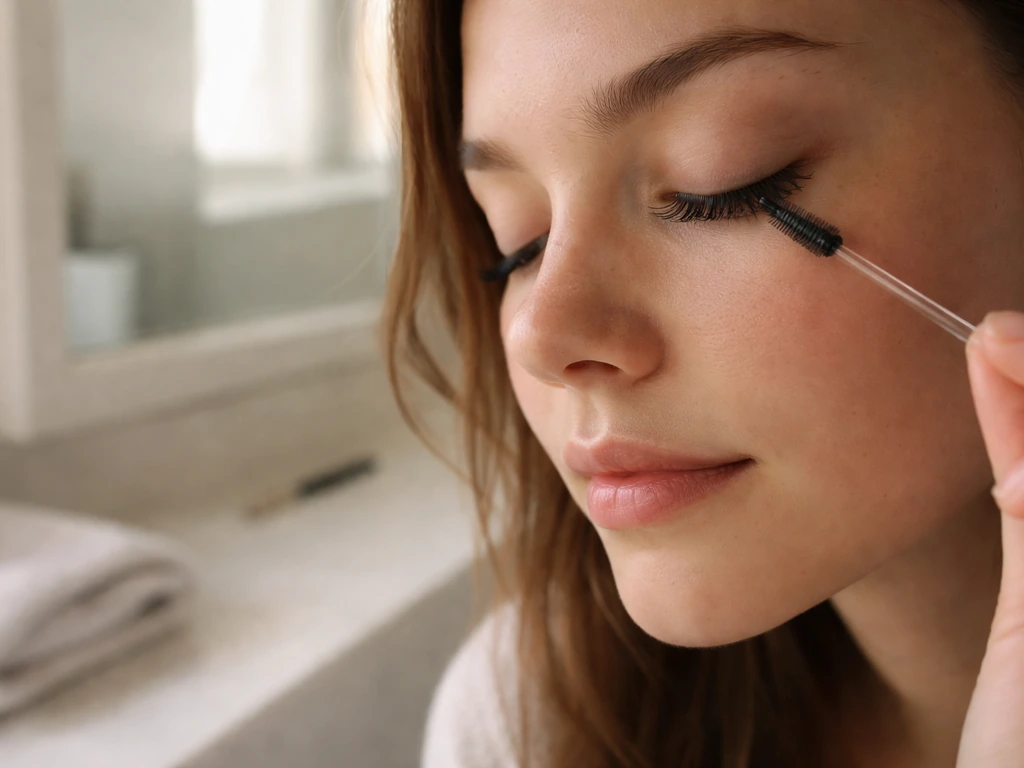
Yes, eyelashes can itch when they grow back, and for most people it is completely normal. New lash hairs emerging through the follicle create mild tingling or itchiness at the lash line, and that sensation usually fades within a week or two as growth progresses. The tricky part is that several other things happening at the same time, like leftover extension adhesive residue, a lash serum you just started, or a low-grade case of blepharitis, can cause the exact same feeling. So while the itch is usually harmless, it is worth understanding what is actually driving it before you start treating it.
Do Eyelashes Itch When They Grow Back? Causes and Fixes

Rachel Nguyen
19 May 2026
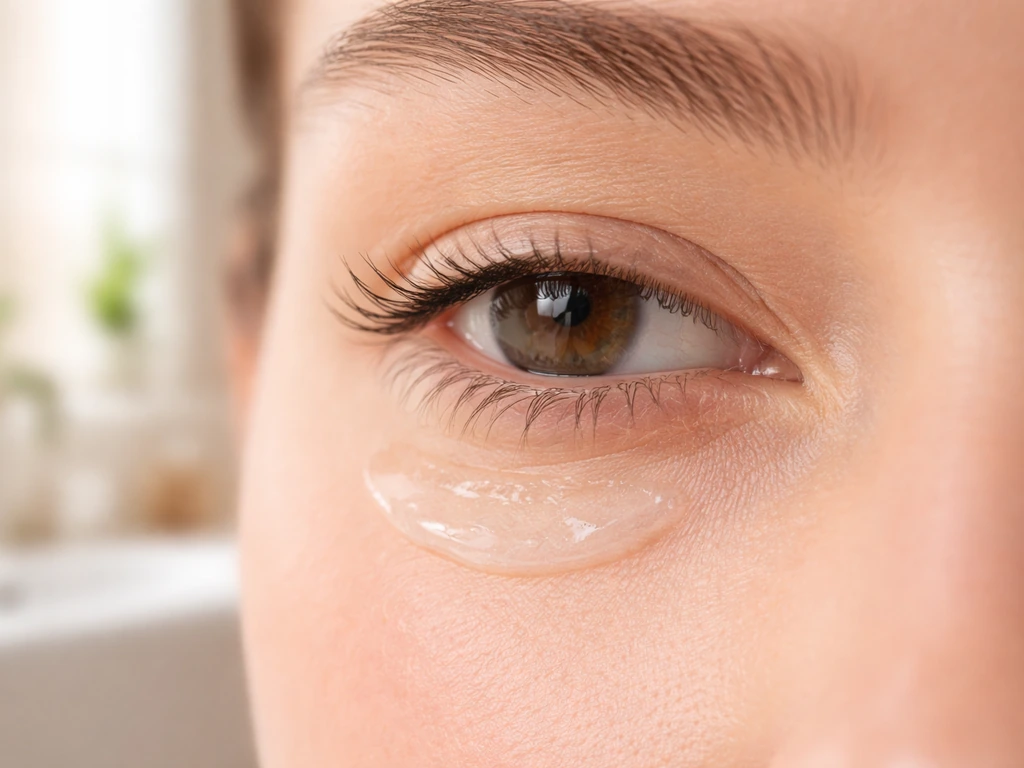
Is eyelash itching normal during regrowth?
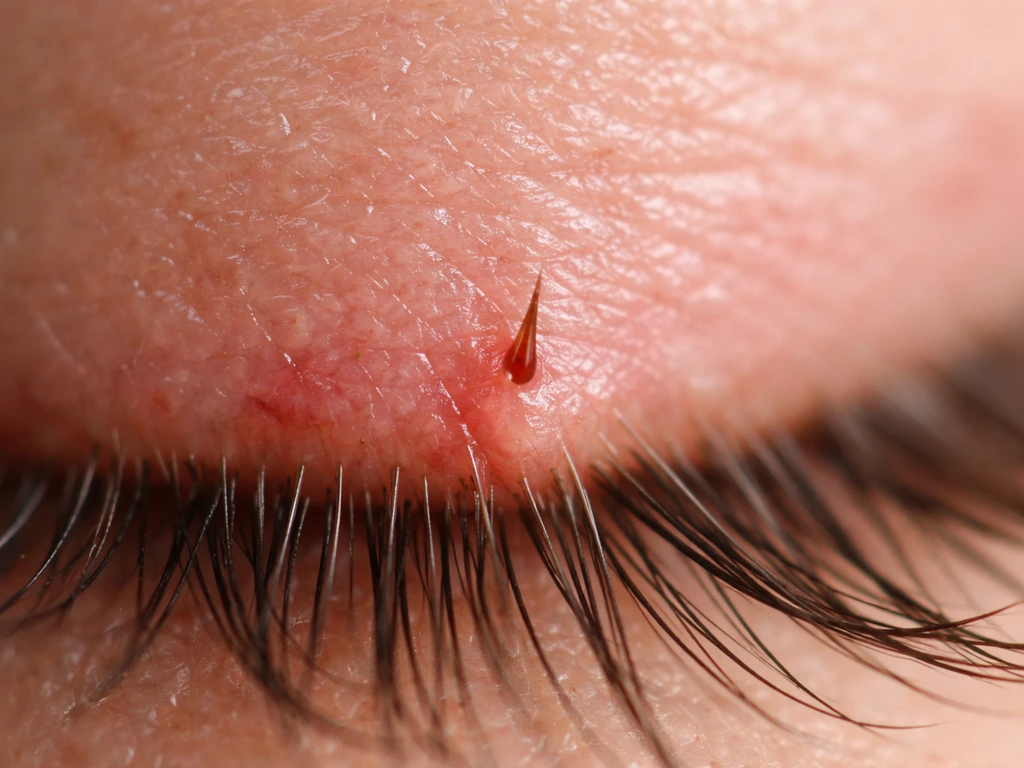
In short: yes. Eyelash follicles are tiny skin structures, and when a new lash enters its anagen (active growth) phase and begins pushing through the skin surface, the surrounding tissue responds. That response can feel like a light itch, tingle, or prickling sensation right at the lash line. It is the same basic biology behind scalp hair regrowth feeling itchy after a close shave or after hair loss.
Lashes grow at roughly 0. 12 to 0. 14 mm per day, which is slower than scalp hair because the anagen phase for lashes is much shorter (around 30 to 45 days versus years for scalp hair). During that brief active phase, some people feel nothing at all and others notice a persistent low-level itch.
Both are within the normal range.
Where it gets complicated is when lashes are growing back after damage, extensions, or a condition like alopecia. The follicle area may already be slightly inflamed or sensitized, which amplifies the sensation. If you have recently had extensions removed or are recovering from rubbing your lashes out, you are more likely to feel that itch more intensely simply because the skin around the follicle is not fully calm yet. If you are wondering will your eyelashes grow with extensions, focus on avoiding adhesive triggers and monitoring how your lash line feels during regrowth.
What causes the itch when lashes grow back
There are several overlapping causes, and honestly more than one can be happening at the same time. Here are the most common ones:
- Normal follicle activity: new lash hairs physically breaking through the skin surface creates mild mechanical stimulation of local nerve endings.
- Blepharitis: this is inflammation of the eyelid margin where lashes attach. It is caused by bacteria at the base of lashes or clogged oil glands, and itching is one of its most consistent symptoms. Anterior blepharitis specifically affects the outside edge of the lid where lashes sit. It is extremely common and often goes undiagnosed.
- Extension adhesive residue: most lash extension glues use cyanoacrylate as their bonding agent. Even after extensions are removed, traces of adhesive can remain at the lash base and trigger allergic or irritant contact dermatitis, which shows up as itching, redness, and swelling along the lash line.
- Makeup and cosmetics: mascara, eyeliner, and eyeshadow are well-documented causes of eyelid dermatitis. The skin around the eye is among the thinnest on the body and absorbs ingredients quickly, making it prone to stinging, burning, and itching even from products you have used for years.
- Lash growth serums: prostaglandin-analog serums (including OTC versions that contain isopropyl cloprostenate or similar compounds) are known to cause periocular irritation. The only FDA-approved prescription option, Latisse (bimatoprost), carries its own warning about periorbital tissue effects. Itching and irritation are among the more commonly reported side effects with these actives.
- Dry eye and contact lens use: contact lenses can reduce tear film stability and increase surface irritation. Dry eyes often manifest as an itch or foreign-body sensation at the lash line rather than pure dryness.
- Allergic conjunctivitis: environmental allergens (pollen, dust mites, pet dander) cause the classic combo of itching, redness, tearing, and swelling. This type of itch usually involves both eyes and worsens with allergen exposure.
- Rubbing and mechanical irritation: rubbing your lashes, especially during regrowth, traumatizes the follicle area and creates a cycle of inflammation and itch.
Itch vs irritation: when to worry
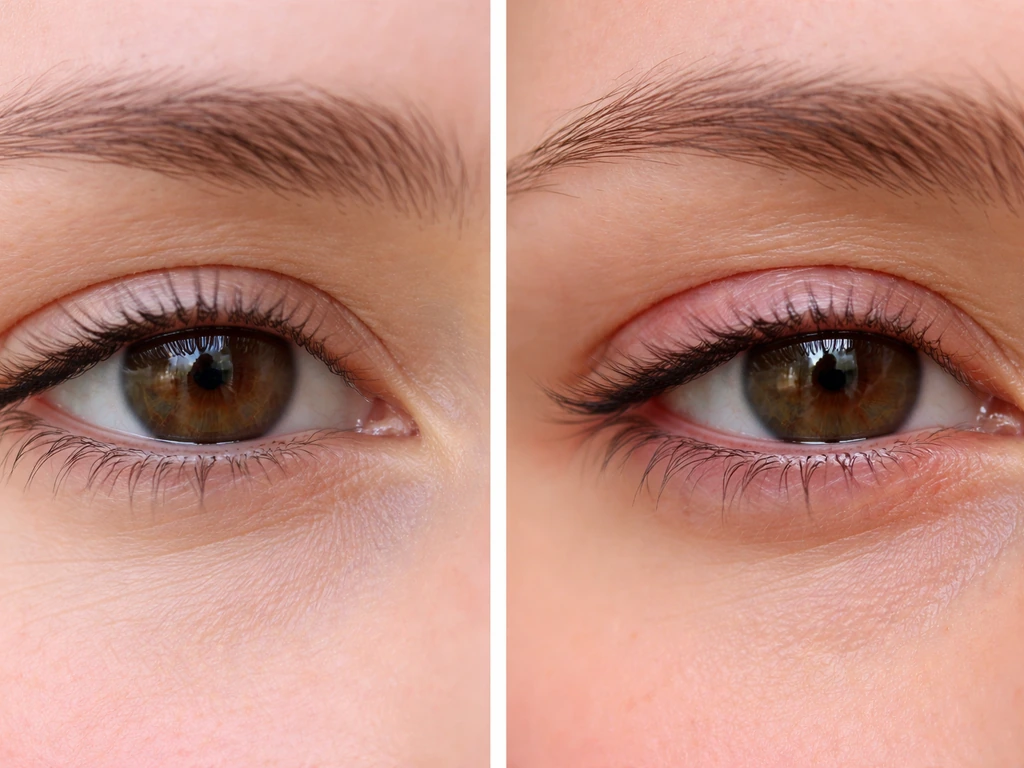
A normal regrowth itch is mild, intermittent, and located right at the lash line. It does not affect your vision, it does not cause pain when you look at a light source, and it is not accompanied by significant swelling or discharge. If your symptoms stay within those boundaries, you are almost certainly dealing with normal regrowth biology or a mild, manageable trigger.
The following symptoms are not normal and warrant a call to an eye doctor or same-day urgent care visit:
- Eye pain, especially pain that feels like it is inside the eye rather than on the surface lid
- Photophobia (true pain or discomfort when light enters the eye, not just mild sensitivity) — this can signal a corneal or uveal issue
- Significant eyelid swelling, particularly if it is asymmetric or worsening over hours
- Thick or stringy discharge from the eye
- Blurred vision or sudden changes in your vision
- Symptoms that are rapidly getting worse rather than staying stable or improving
- Itch or irritation that has lasted more than two to three weeks with no improvement despite removing likely triggers
Persistent itch that does not resolve on its own often points to untreated blepharitis, an active allergic reaction to an adhesive or cosmetic ingredient, or dry eye disease. These are all treatable, but they do not go away just by waiting.
How long the itch should last during the regrowth timeline
If the itch is genuinely tied to new lash growth, it should be most noticeable during the first one to two weeks after a lash enters its active growth phase. By the time a new lash reaches about 2 to 3 mm in length (roughly two to three weeks in), the sensation usually settles.
Full lash regrowth after significant loss typically takes four to six weeks to see clear new growth and up to three to four months to reach full length. If you are wondering how long do eyelashes take to grow back after extensions, focus on the same timeline for regrowth and lash follicle recovery. So you might experience mild intermittent itching on and off throughout that window, but it should never be constant or intense.
If you had extensions and are now letting lashes grow back naturally, the itch timeline overlaps with the extension grow-out period. Because not all lashes are in the same phase at once, you may feel waves of mild itching as different lashes hit their own individual growth phases. That is normal. What is not normal is itch that started the day your extensions were applied and has not stopped since, that pattern suggests adhesive sensitivity rather than regrowth.
At-home relief steps you can do today
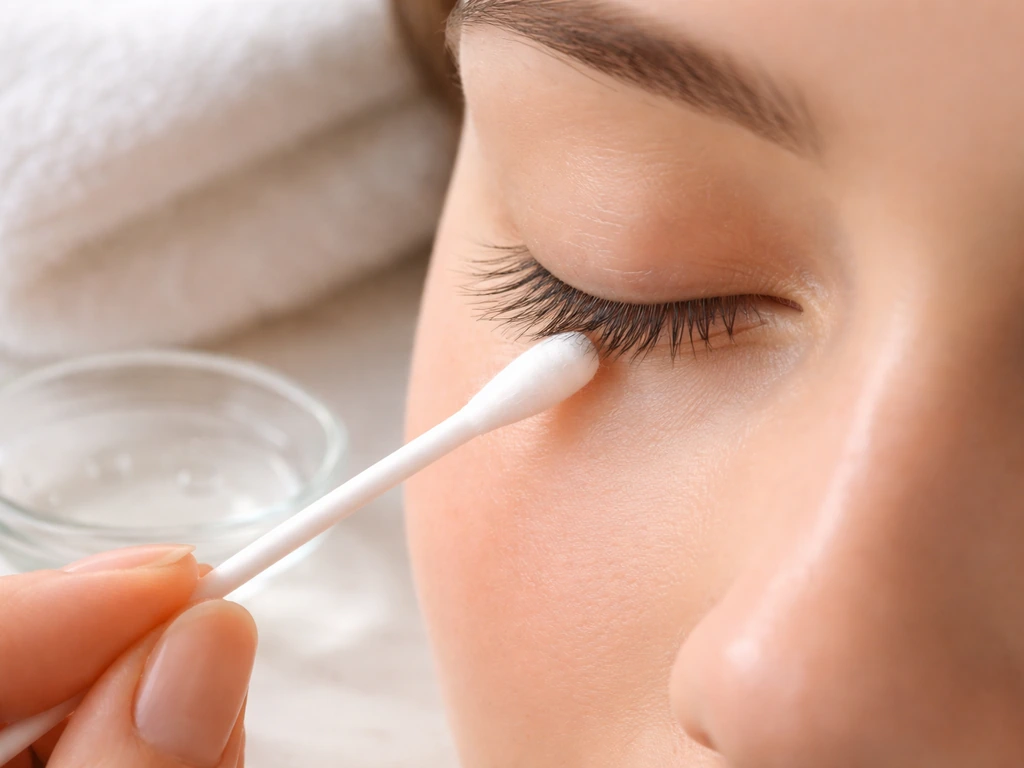
Clean the lash line properly
This is the single most impactful thing you can do. Debris, dead skin cells, oil, and product residue sitting at the lash base are the most common aggravators of lash-line itch. Use a gentle, fragrance-free foaming cleanser or a dedicated lid scrub product. Apply it with a clean fingertip or a soft cotton pad, work from the inner corner outward with light circular motions, then rinse thoroughly with lukewarm water.
Do this once every morning. Harvard Health and the blank" rel="noopener noreferrer">American Academy of Ophthalmology both point to lid hygiene as the cornerstone treatment for blepharitis-driven eyelid symptoms. If you are trying to figure out how to grow eyelashes after extensions, focus on gentle lash-line care and giving your follicles time to settle lid hygiene. The key word is gentle, vigorous scrubbing creates its own mechanical irritation and can actually delay lash regrowth.
EyeWiki (AAO) notes that overly vigorous eyelid scrubbing can mechanically irritate the lid margin, making gentle lid cleaning an important part of lid hygiene gentle, vigorous scrubbing creates its own mechanical irritation.
Use a warm compress
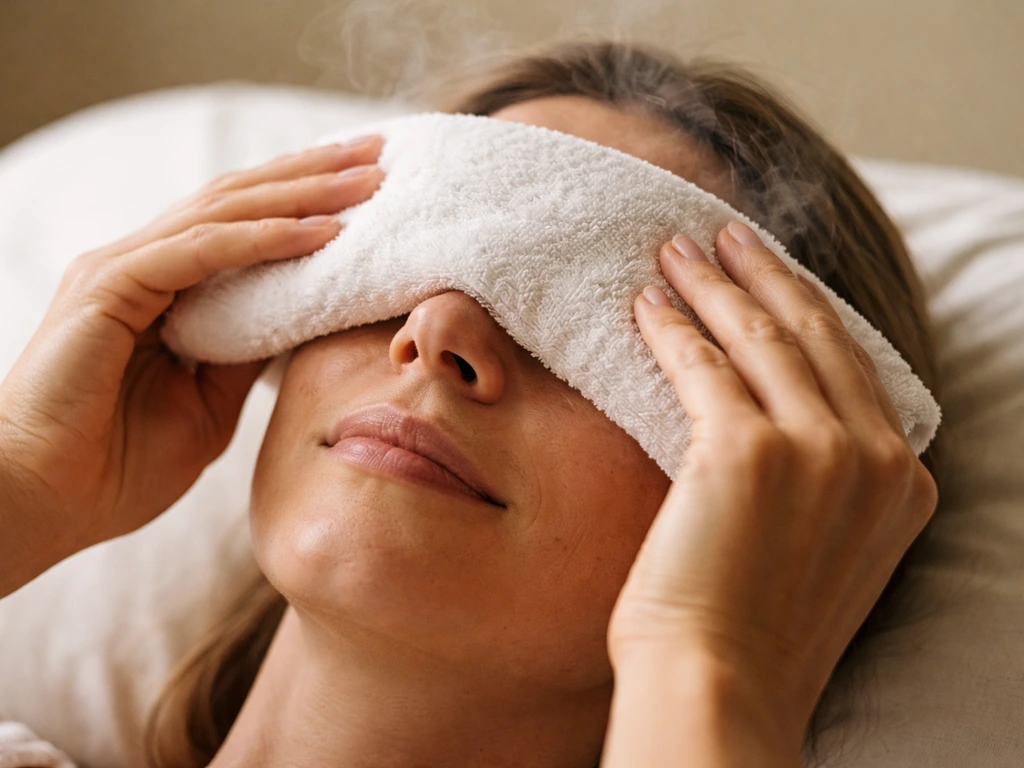
A warm compress held over closed eyes for five to ten minutes helps loosen oil and debris from the lash follicle openings and calms inflammation in the lid margin. Use a clean washcloth soaked in warm (not hot) water, or a reusable eye mask warmed in the microwave. This is particularly effective if the itch feels like it is coming from clogged or blocked follicles rather than the eye surface itself.
Apply preservative-free artificial tears
If the itch feels more like burning or a foreign-body sensation rather than pure skin itch, artificial tears can help. They dilute and flush out irritants, stabilize the tear film, and reduce the surface irritation that feeds lash-line discomfort. Use preservative-free single-dose vials if you are applying them more than four times a day, since multi-dose bottles with preservatives can themselves become an irritant with frequent use.
Pause and identify the trigger
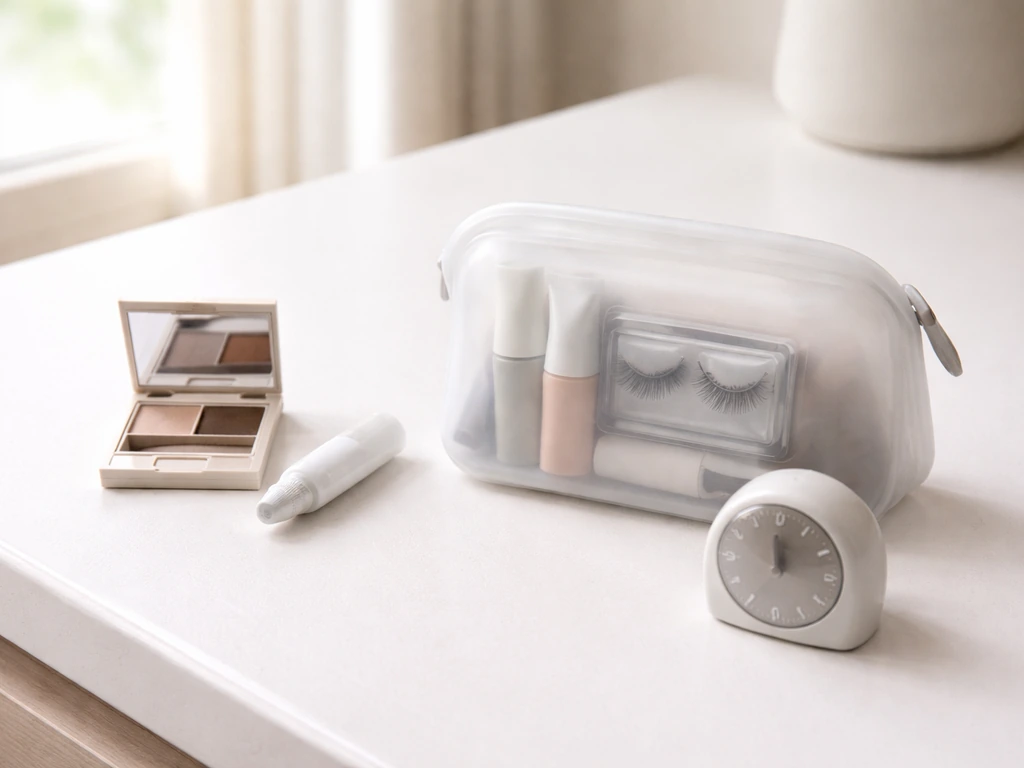
Stop using eye makeup and any lash-specific products for three to five days and see if the itch improves. Stop using eye makeup and any lash-specific products for three to five days because irritant contact dermatitis of the eyelid can be caused by external irritants, including cosmetics. This is a simple elimination approach that tells you a lot quickly. If it clears up, reintroduce products one at a time every three to four days to identify the culprit. Mascara, eyeliner, and certain eye creams are common triggers. If you recently started a new lash serum or had extensions removed, those are your first suspects.
Should you use oils or serums while your lashes itch?
It depends on what is causing the itch. If your lashes are itching because of normal regrowth and you have ruled out active inflammation, gentle natural oils like castor oil are unlikely to make things worse. Castor oil does not have the periocular irritation profile that prostaglandin-based serums do, and many people use it during regrowth without any problems. Apply a tiny amount to the lash line with a clean spoolie before bed, and avoid getting it directly into the eye.
Prostaglandin-analog serums are a different story. These are the actives most likely to be causing or contributing to your itch in the first place. If you started a lash serum around the time the itch began, pause it for at least two weeks and see what happens. The FDA-approved version, blank" rel="noopener noreferrer">Latisse, as well as many OTC serums in this category, lists periorbital irritation as a known side effect. That does not mean you can never use them, but applying them over already-irritated skin is counterproductive. Once the itch has resolved, you can try reintroducing with a smaller application, every other day rather than daily, and patch test first.
RANZCO and other ophthalmology bodies have raised cautions specifically about prostaglandin-analog ingredients in OTC lash serums, noting potential adverse periocular effects with ongoing use. This is worth knowing if you are planning to use a serum long-term as part of your regrowth routine.
Keep lashes healthy and regrowth on track
The fastest path to itch-free regrowth is keeping the follicle environment clean, calm, and unobstructed. Here is what actually makes a difference long-term:
- Cleanse the lash line every morning with a gentle, fragrance-free wash. Make it as habitual as brushing your teeth.
- Remove eye makeup every night without exception. Sleeping in mascara clogs follicle openings and feeds the bacteria linked to blepharitis.
- Use an oil-based makeup remover to break down waterproof formulas, but rinse it off completely — residue sitting at the lash base is an irritant.
- Avoid rubbing your eyes. This is the hardest one, but mechanical trauma to recovering follicles slows regrowth and keeps the itch-inflammation cycle going.
- Switch to hypoallergenic or ophthalmologist-tested eye makeup if you react to conventional formulas.
- If you are using lash extensions during regrowth, ask your technician about medical-grade, low-cyanoacrylate adhesives and keep gaps between refill appointments as long as reasonably possible to let follicles rest.
- Support overall lash health from the inside: adequate protein intake, biotin (there is limited but existing evidence for its role in hair health), and omega-3 fatty acids all contribute to the follicle environment.
- If symptoms point to blepharitis, consistent lid hygiene over several weeks is the treatment. It is not a quick fix, but it works.
Normal regrowth itch vs see an eye professional: a simple decision guide
| What you are experiencing | Most likely cause | What to do |
|---|---|---|
| Mild intermittent itch at lash line, no redness, no swelling | Normal follicle activity during regrowth | Gentle cleansing, warm compress, wait it out |
| Itch plus flaking or crusty debris at lash base | Blepharitis (bacterial or seborrheic) | Daily lid hygiene for 2 to 4 weeks; see a doctor if no improvement |
| Itch that started with a new serum or mascara | Irritant or allergic contact dermatitis | Stop the product immediately, patch test before reintroducing |
| Itch plus redness, swelling, and stringy discharge | Allergic conjunctivitis or adhesive allergy | Remove suspected allergen; see an eye doctor if not improving in 48 hours |
| Itch plus pain inside the eye, light sensitivity, or vision changes | Corneal, uveal, or serious surface issue | See an eye professional same day — do not wait |
| Itch that has lasted over 3 weeks despite removing triggers | Persistent blepharitis, dry eye, or undiagnosed allergy | Book an appointment with an optometrist or ophthalmologist |
Most people reading this are dealing with the first or second row in that table. Clean your lash line today, pause any new products you started recently, and give it a week. That alone resolves the majority of regrowth-related lash itch.
If you are in the extension grow-out phase and wondering whether the itch is related to that process specifically, the pattern around adhesive sensitivity and how extensions interact with your natural lash cycle is worth understanding in more depth, it changes how you approach both the itch and the regrowth strategy.
If you are wondering why your eyelash extensions hurt when they grow out, focus on whether adhesive residue, irritation, or mild blepharitis is triggering the lash-line sensation extensions interact with your natural lash cycle.
FAQ
How long should the itching from lash growth last?
Usually yes, but it should be mild and temporary (often easing within 1 to 2 weeks). If itching is constant, worsening, or you develop redness, swelling, crusting, or discharge, treat it as more than regrowth and get an eye professional to evaluate for blepharitis, allergy, or dry eye.
Is it more likely regrowth itch or a reaction to lash extensions if I feel it during the grow-out phase?
Focus on when it started. If the itch begins right after you got extensions applied, or it never improves even as your lashes grow out, that pattern fits adhesive sensitivity more than normal regrowth. If it starts 1 to 14 days after lashes enter active growth and then gradually settles, it’s more consistent with regrowth.
What’s the safest way to clean my lash line if it’s itching?
Don’t scrub hard. Instead, use gentle lid hygiene once daily and stop any new or lash-specific products for a few days. If you use warm compresses, keep the temperature warm (not hot) and limit to 5 to 10 minutes, then reassess after 2 to 3 days.
What if the itch feels more like burning or something stuck in my eye?
If the sensation feels like burning, grittiness, or a scratchy foreign-body feeling, it can be tear film irritation rather than skin itch. Artificial tears (preferably preservative-free single-dose if you need them many times a day) can help, but persistent symptoms still warrant an eye exam.
When should lash-line itching be treated as an emergency?
An eye infection concern rises if you have significant eyelid swelling, thick yellow or green discharge, rapidly worsening redness, eye pain, or light sensitivity. These are not typical of normal lash regrowth itch, and you should seek same-day care.
Can I keep using a lash serum while my eyelashes itch during regrowth?
If you use a lash serum with prostaglandin-analog ingredients, you may need to pause it when itch starts and only restart after symptoms fully resolve. When you do restart, apply less frequently and use a patch test first, because applying it to already-irritated skin increases the chance of periocular irritation.
How can I tell if my itch is from a product versus normal lash regrowth?
It can. If you stop a trigger (like extensions-related products, mascara, or a new serum) and the itch improves within 3 to 5 days, that suggests an irritant or allergy rather than normal growth. Reintroduce items one at a time every few days so you can identify the specific culprit.
Should I rub or massage my itchy lash line to make it go away?
Yes, avoid rubbing your eyes. Rubbing can worsen lid margin inflammation and can also increase the risk of transferring irritants to the lash follicles. If you need to soothe the area, use a warm compress instead of massaging or picking at the lash line.
Can contacts make regrowth-related eyelid itching worse?
If you are using contact lenses, consider pausing them during the worst days and prioritize lubricating drops. If symptoms are significant, switch to glasses until evaluated, since ocular surface irritation from dry eye or allergy can be harder to tolerate with contacts.
Is it normal if my lash itch started immediately after extensions were applied?
Watch for a mismatch in timing. Normal regrowth-related itch typically shows up in the first 1 to 2 weeks after a growth phase begins and fades as new lashes lengthen. If symptoms start immediately with extensions placement and never ease, it’s more likely adhesive or cosmetic allergy.
Next Article
How to Grow Eyelashes Back After Extensions: Step-by-Step
Step-by-step lash recovery after extensions, timelines, safe serums, and tips to regrow naturally with minimal breakage.