Yes, eyelashes almost always grow back after being cut or trimmed. Cutting a lash only removes the visible hair shaft, it leaves the follicle completely intact underneath your eyelid, and that follicle is what actually produces the lash. As long as the follicle isn't damaged, new growth is just a matter of time. The short answer for most people who snipped their lashes with scissors, caught them in a curler, or trimmed them unevenly: you're going to be fine, and your lashes will look normal again within a few weeks to a few months. will broken eyelashes grow back. do shih tzu eyelashes grow back
Will Eyelashes Grow Back If Cut? Regrowth Timeline and Care

Rachel Nguyen
24 Mar 2026
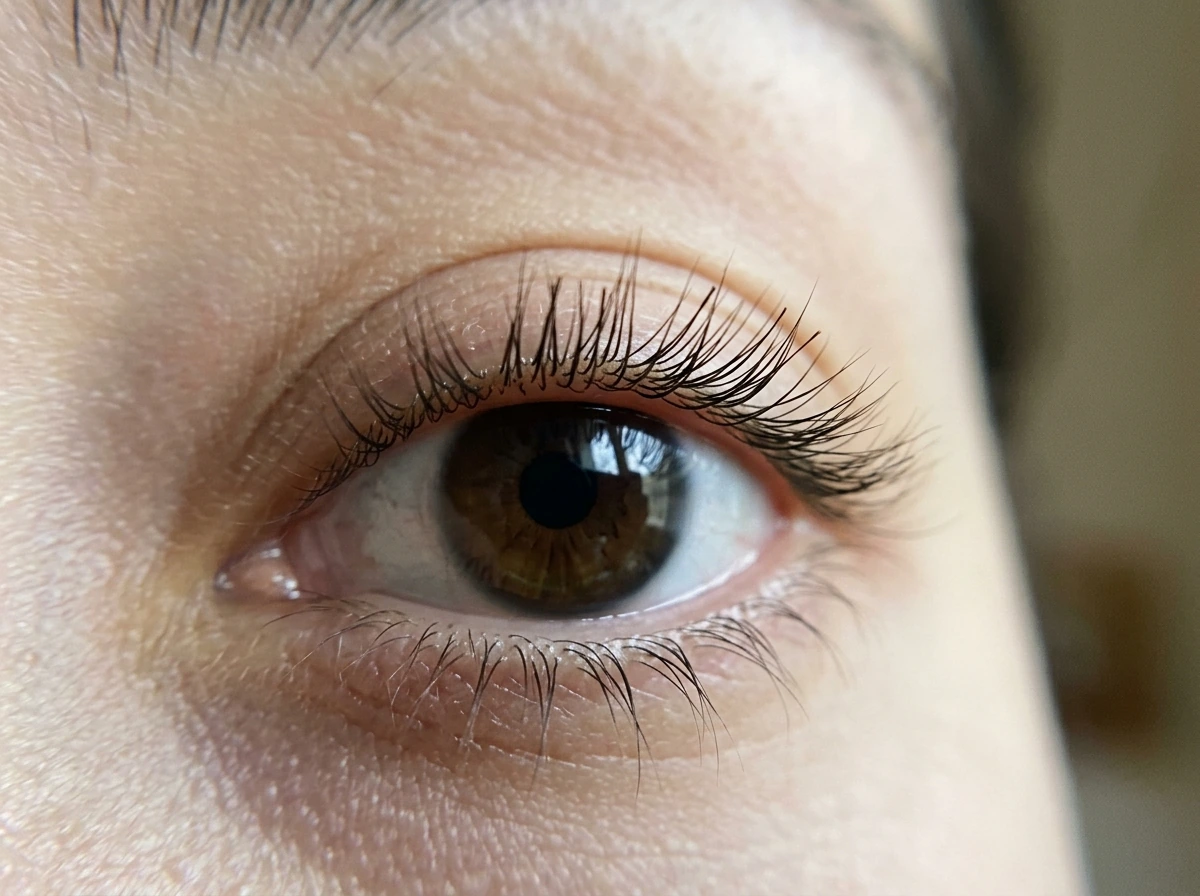
What actually happens to your follicles when you cut a lash
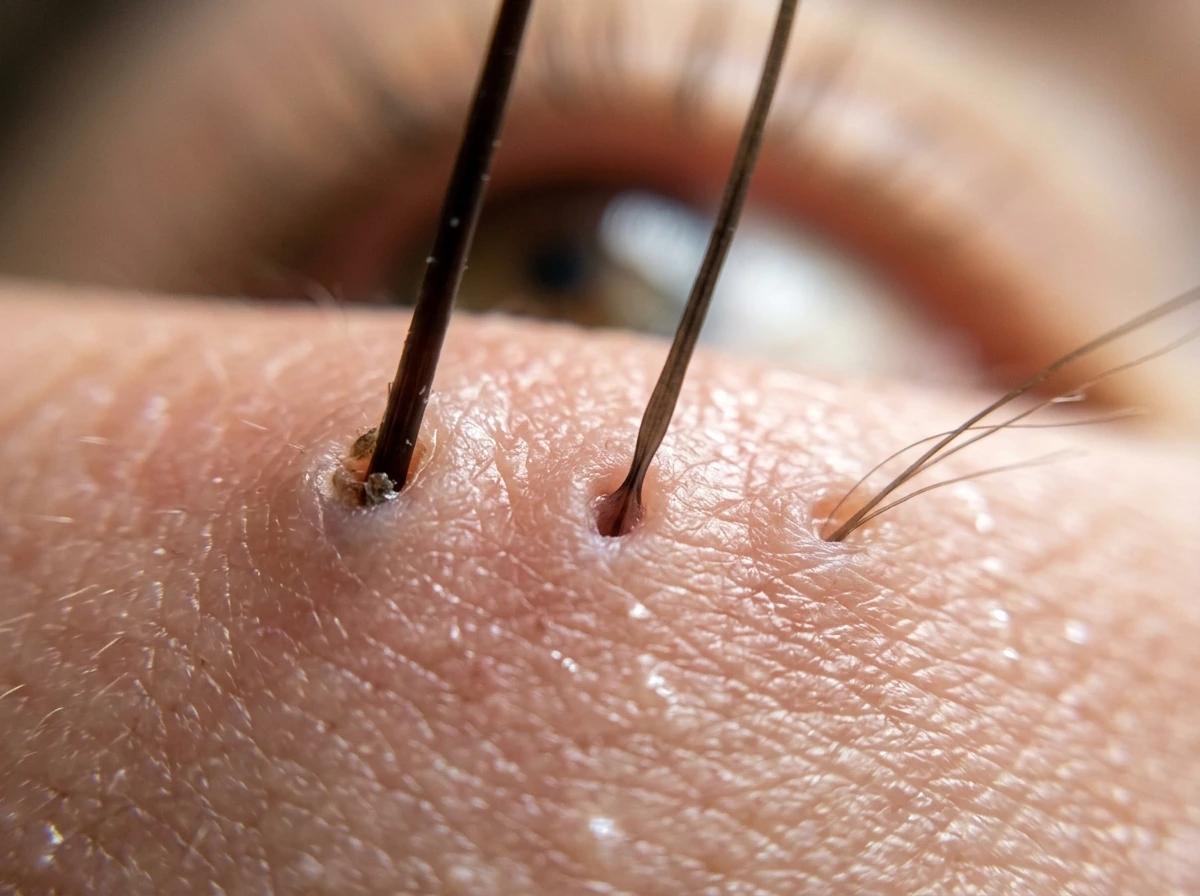
Your eyelashes go through a continuous growth cycle with three main phases: anagen (active growth), catagen (transition and degradation), and telogen (resting). According to StatPearls anatomy data, the telogen phase alone can last four to nine months, which is why eyelash regrowth can feel frustratingly slow compared to scalp hair. After telogen ends, the follicle re-enters anagen and starts pushing out a new lash.
When you cut a lash with scissors, you're only affecting the hair shaft, the dead, visible part of the lash that sticks out from your lid. The follicle, including the root and bulb at the base, stays completely untouched. Think of it like snipping a blade of grass: the root is still in the ground, and it keeps growing. The follicle has its own blood supply (during anagen) and doesn't care what happened to the tip of the hair above the skin.
The only scenario where cutting could theoretically disrupt the cycle is if the lash was already in late catagen, transitioning to a club hair and cutting off from its blood supply. In that case, it was already preparing to shed naturally anyway. Cutting it early doesn't delay the next growth cycle, the new anagen lash still starts on schedule.
How fast lashes grow back after cutting
The regrowth timeline depends on how much was cut and where each lash was in its cycle at the time. Here's a realistic breakdown:
| Scenario | Visible Tip Reappears | Back to Normal Length |
|---|---|---|
| Light trim (just the tips) | Days to 1 week | 2 to 6 weeks |
| Cut to mid-length | 1 to 2 weeks | 6 to 10 weeks |
| Cut very short or nearly flush | 1 to 3 weeks | 2 to 4 months |
| Accidentally snipped a few lashes | 1 to 3 weeks | 4 to 6 weeks for blending in |
These ranges exist because not every lash is in the same growth phase at the same time. Some follicles are actively growing, others are resting. The ones in anagen will show new length quickly. The ones in telogen might not produce visible progress for weeks. This is also why a uniform trim can look uneven during regrowth, different lashes come back at different rates, which can be a bit frustrating to deal with, but it's completely normal.
If you want a deeper look at how long the full regrowth process takes across different situations, including trauma-related loss, there's more detail in our guide on how long it takes for lashes to grow back. If you want the typical timeline after a trim, this guide will walk you through what to expect and when regrowth is most noticeable how long it takes for lashes to grow back.
Will cut lashes grow back longer or thicker? Let's clear this up
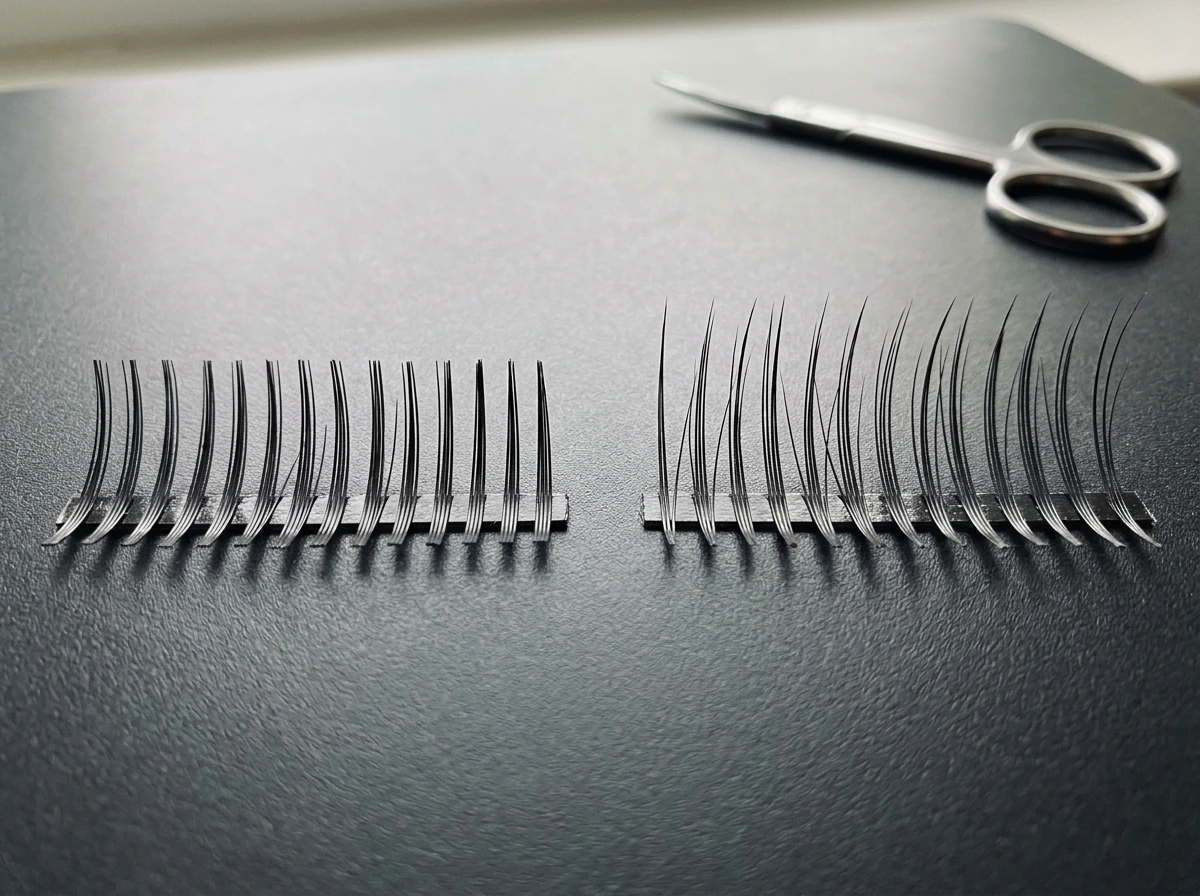
This is one of the most persistent myths around lash trimming. Cutting your eyelashes does not make them grow back longer or thicker. Period. The idea comes from a misunderstanding of how hair works: when a freshly cut hair grows out, the blunt tip feels coarser and looks more prominent than the naturally tapered end that forms over time. That perception of thickness is an illusion. The follicle determines the actual diameter and length of your lash, and scissors don't change the follicle.
Trimming also doesn't extend the anagen (growth) phase. Lash length is genetically programmed and controlled by how long your individual anagen phase lasts, typically shorter than scalp hair, which is why lashes don't grow to your shoulders. Cutting them short resets the visible length but doesn't reset or extend the growth clock. When a cut lash regrows, it will reach roughly the same natural length it had before.
There is one nuance worth mentioning: if your lashes were previously damaged by heat, chemicals, or rough handling, freshly growing lashes that replace them may look different simply because they're healthier. That can feel like the new lashes are better, but it's the absence of damage talking, not a benefit from cutting.
What to do right now after cutting your lashes
The most important thing you can do immediately is nothing aggressive. Resist the urge to try to fix a bad trim by cutting more, and don't pull at uneven lashes. Here's a practical approach for the days and weeks ahead:
- Leave the cut lashes alone. Tugging, picking, or trimming again prolongs the uneven look and risks irritating the follicle area.
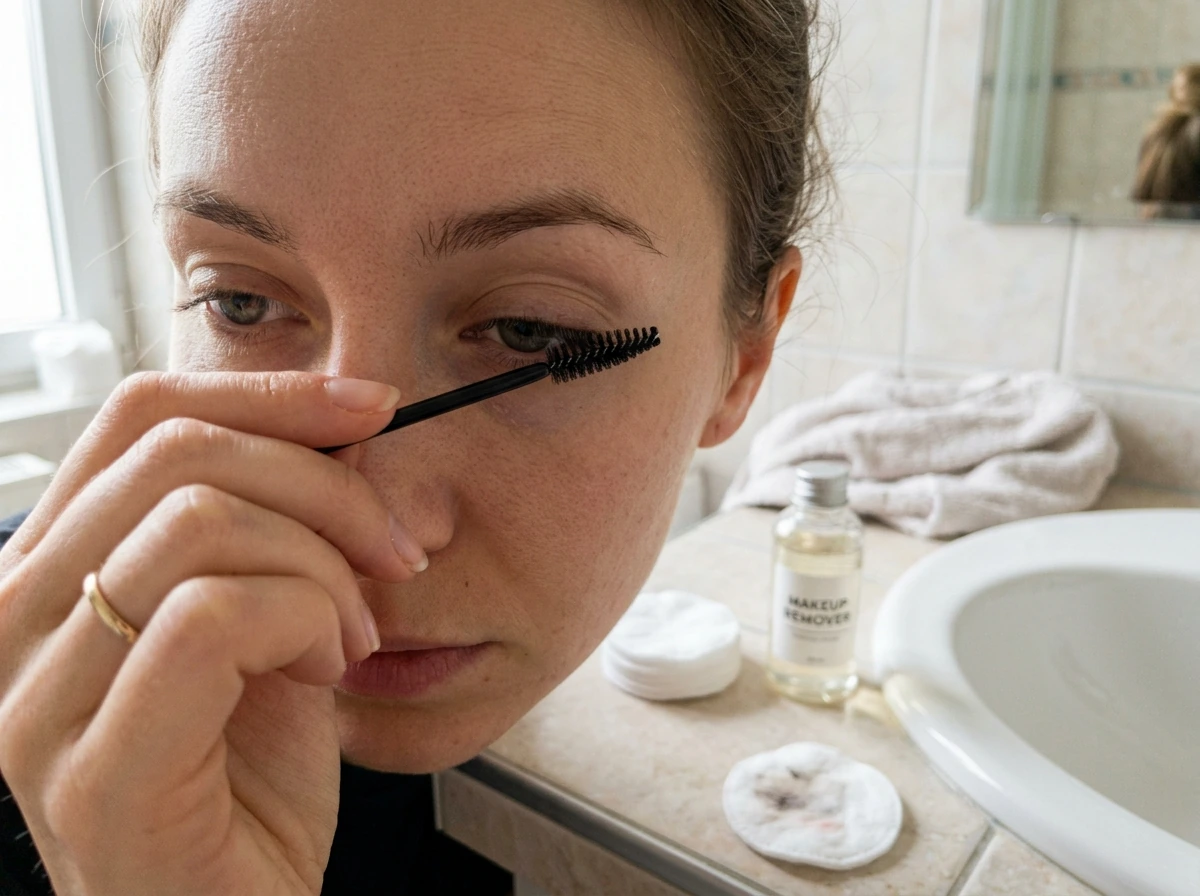
- Be gentle with your eye makeup routine. Heavy waterproof mascara and aggressive removal with wipes or rubbing can stress lashes that are already shorter. Use a gentle oil-based remover and let it dissolve mascara instead of scrubbing.
- Skip the eyelash curler for a few weeks. There's less lash to grip, and the mechanical pressure on very short lashes can cause them to break at the base.
- Consider a conditioning treatment. Castor oil applied lightly to the lash line with a clean spoolie before bed is a common supportive option. It doesn't change the growth timeline, but it can condition lashes and reduce brittleness during the regrowth phase.
- If you want to accelerate growth, look at products with peptides or biotin-based lash serums available over the counter. These won't work miracles, but they support the follicle environment.
- Use a lash-safe mascara or tinted lash serum in the meantime if the uneven appearance bothers you. This is purely cosmetic while you wait.
Patience is genuinely the main active ingredient here. The follicles are intact, the process is already happening, and the best thing you can do is protect what's there while new growth comes in.
What about supporting lash health during regrowth
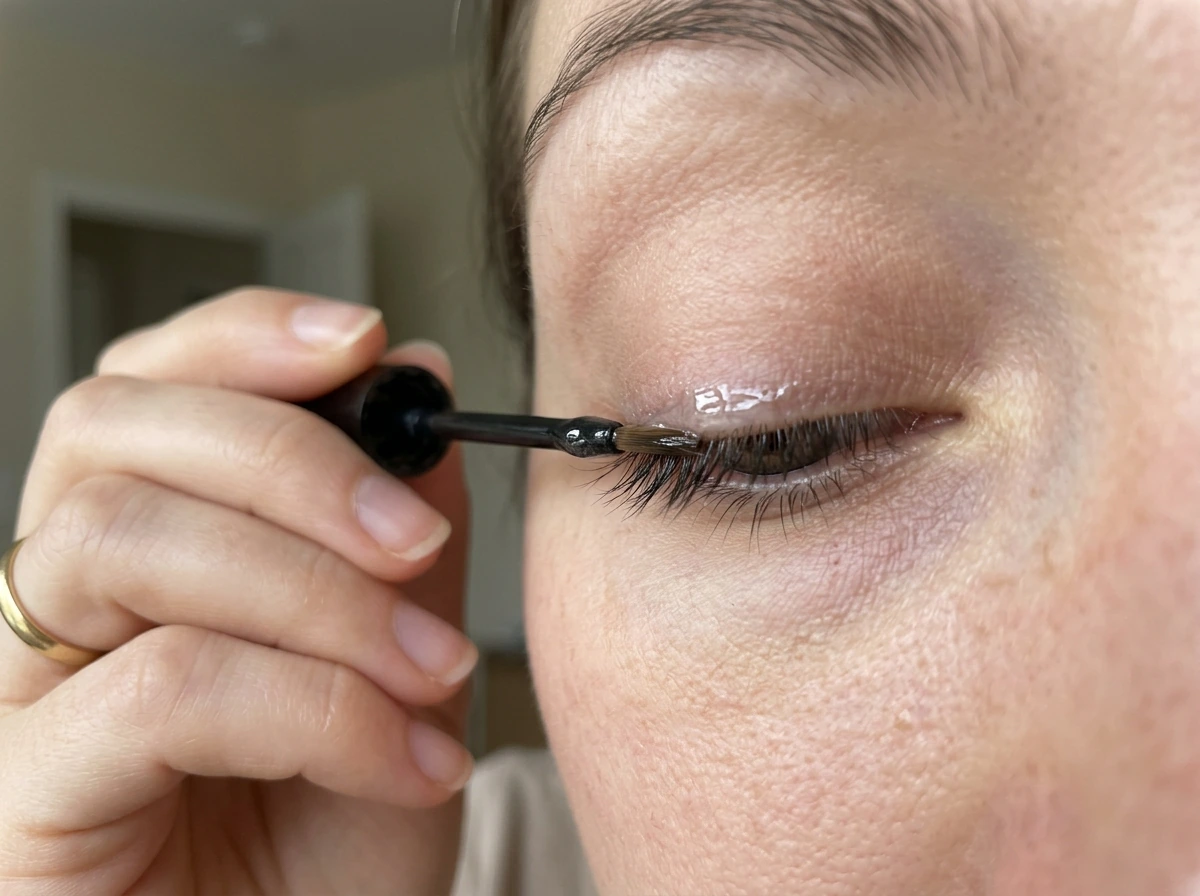
If you want to go beyond basic care, a few approaches are actually backed by evidence. Bimatoprost (the active ingredient in Latisse) is FDA-approved to increase eyelash length, thickness, and darkness in people with hypotrichosis, and clinical data shows statistically significant improvements by month four of use. It works by extending the anagen phase and increasing hair bulb thickness. That said, it's a prescription product, and it's typically recommended for people with diagnosed lash thinning, not for a routine post-trim situation. If cutting was truly minor, it's overkill. If you've had repeated trauma or notice your lashes aren't bouncing back as expected, it's worth talking to a dermatologist.
For a non-prescription approach, castor oil and peptide serums are the most widely used at-home options. They won't dramatically change how fast the growth cycle runs, but they create a better environment for the lashes that are growing. Biotin supplementation is often cited, but its benefits for hair growth are really only meaningful in people with a biotin deficiency, which isn't common. Taking more biotin than you need doesn't speed up lash regrowth.
When lashes might not grow back normally
Most cutting situations are totally recoverable, but there are real scenarios where regrowth is slower, uneven, or in some cases absent. It's worth knowing the signs so you can act early.
Follicle damage from burns or chemicals
If lashes were singed or burned (from a lighter, curling iron, or open flame), the concern isn't just the hair shaft, heat or chemicals can reach the follicle and cause damage that slows or permanently disrupts regrowth. Similarly, chemical burns from extension glues or harsh removers have been documented to cause ocular complications including allergic blepharitis and keratoconjunctivitis, and in significant cases, follicle inflammation that changes how lashes regrow. If you've had a burn near the eye, the immediate priority is irrigation and getting evaluated, not lash care. Regrowth questions come second. For more on this specific situation, there's a detailed guide on whether burnt eyelashes grow back.
Scarring
Significant follicle damage that leads to scarring can make eyelash loss permanent, according to clinical data on madarosis (eyelash hair loss). Scarring replaces the follicle structure with fibrous tissue, which can't produce hair. This is rare from a simple trim or curler accident but is a real risk from deep lacerations, severe burns, or aggressive treatments near the lash line.
Extension-related damage
Lash extensions themselves don't typically stop regrowth, but repeated extension cycles with improper application or removal can cause traction and inflammation that slows regrowth or causes breakage that looks like poor regrowth. The glues used often contain formaldehyde-releasing compounds, which research has flagged as a potential contributor to irritation and ocular disorders. If you've had extensions and your natural lashes seem thinner or slower to return than expected, that's worth addressing with a dermatologist or ophthalmologist, not just another set of extensions.
Signs it's time to see a professional
- Lashes haven't shown any visible regrowth after 8 to 12 weeks post-cut, especially if you cut them very short
- You notice patchy or uneven regrowth where some follicle spots seem completely inactive
- There's persistent redness, swelling, or crusting along the lash line after any cutting or extension incident
- Lashes are growing in the wrong direction (toward the eye) after trauma, which is called trichiasis and can threaten eye health
- You're losing lashes without cutting them and the shedding seems excessive or doesn't slow down
If any of those apply, a dermatologist or ophthalmologist can evaluate whether follicle health is intact, rule out conditions like blepharitis or alopecia areata (which can affect lashes), and discuss whether a prescription treatment like bimatoprost makes sense for your situation. The earlier you flag it, the more options you have, since some follicle conditions are reversible when caught early but harder to address once inflammation becomes chronic.
The bottom line on cut lashes
If you cut, trimmed, or accidentally snipped your eyelashes, the honest, evidence-backed answer is: they will grow back. The follicle is untouched, the growth cycle continues, and within roughly two to four months most people are back to their normal lash look. They won't grow back thicker or longer because you cut them, that's a myth. They'll return to your natural baseline. In the meantime, be gentle, avoid further stress to the lash line, consider a light conditioning routine, and let biology do its job. The only time to genuinely worry is when there's been actual follicle damage from heat, chemicals, scarring, or persistent inflammation, and in those cases, professional evaluation beats waiting and hoping.
FAQ
Will eyelashes grow back thicker or longer if I cut them shorter?
If you cut lashes with scissors, they usually regrow with the same natural thickness and length, it is not possible for a simple cut to make lashes permanently thicker. What can change is how they look while they are regrowing, uneven regrowth can make some lashes appear shorter or patchy for a few weeks.
What should I do if my lashes look uneven after trimming?
You should not pull out uneven lashes or try to “fix” a bad trim by trimming more. If a lash is stuck due to crusting, don’t yank it, gently soften and loosen debris with warm water on a clean cloth instead. Continued tugging can trigger breakage or irritation that delays the look of regrowth.
How long is too long to wait for regrowth after an eyelash cut?
A mild trim typically does not cause any lasting shedding, but visible gaps that persist beyond about 3 to 4 months can suggest something more than cutting, such as chronic irritation, blepharitis, or medication and autoimmune factors. If you are still not seeing meaningful return by that timeframe, get an eye doctor or dermatologist evaluation.
What if I accidentally pinched or caught my lashes in a curler?
If you caught a lash in an eyelash curler, focus on preventing further pulling or pinching. Regrowth is usually normal unless the curler caused noticeable pain, bleeding, or a visible lash-line burn. If there was heat exposure or a blistering injury, treat it like a burn and seek medical advice.
Can cutting or trimming still be “recoverable” if I also used chemicals or heat?
If you used heat, chemicals, or a lash-removal product near the lash line, regrowth may be slower because follicle damage or inflammation can interrupt the cycle. In those cases, stop the triggering product immediately and have an eye professional check if there is irritation, redness, or symptoms like burning, tearing, or light sensitivity.
Do contact lenses or dry-eye symptoms affect eyelash regrowth after a cut?
Contact lens wearers can keep lashes safe by avoiding heavy rubbing around the lid and using gentle cleansing for the eyelid margin. If your eyes feel dry or irritated, address that first, because ongoing inflammation can make regrowth look uneven even if follicles are intact.
Should I use Latisse or bimatoprost just to recover after trimming?
Bimatoprost (for example, Latisse) is meant for diagnosed lash thinning, not as a routine fix for a minor trim. If you are asking because regrowth seems unusually slow or you have noticeable sparse lashes, a dermatologist can determine whether you qualify and monitor for side effects.
Do castor oil or peptide serums actually make lashes grow back faster after I cut them?
At-home oils and serums can condition and reduce breakage, but they typically do not speed up the natural growth cycle dramatically. If you see stinging, redness, or itching, stop using the product, because irritation can worsen the appearance of lash loss.
Why do some lashes grow back while others seem stuck at short length?
A completely normal cycle can look delayed because some follicles are in a resting phase longer than others. If your lashes are “in progress” but not all are matching length yet, the mismatch is usually temporary rather than a sign that cutting prevented regrowth.
When should I stop waiting and see a dermatologist or ophthalmologist?
Yes, there are red flags that warrant prompt evaluation: burning or scarring at the lash line, persistent redness and irritation, crusting or swelling along the lid margin, or patchy loss that is getting worse. These can point to conditions like blepharitis or follicle disorders rather than simple regrowth after a cut.
Next Article
Can Lashes Grow Back? Timeline, Causes, and What to Do
Can lashes grow back? Regrowth timeline, why lashes stop, what to do after pulling out, and when to see a doctor.