
Yes, [broken eyelashes grow back](/eyelash-regrowth-timelines/does-burnt-eyelashes-grow-back) in most cases. The key word is 'most.' Whether your lashes snapped off from overzealous extension removal, got singed, or are just thin and brittle from months of mascara buildup, the follicle underneath is almost certainly still intact. And as long as the follicle is alive, a new lash will grow. The situation where regrowth does not happen is when the follicle itself is permanently destroyed, which is actually pretty rare from everyday damage. So if you are sitting here stressing about sparse, short, or broken lashes, there is a very good chance you are dealing with a temporary problem. do eyelashes grow back thicker
Will Broken Eyelashes Grow Back? Timeline and Fixes

Rachel Nguyen
24 Mar 2026
How eyelash growth actually works
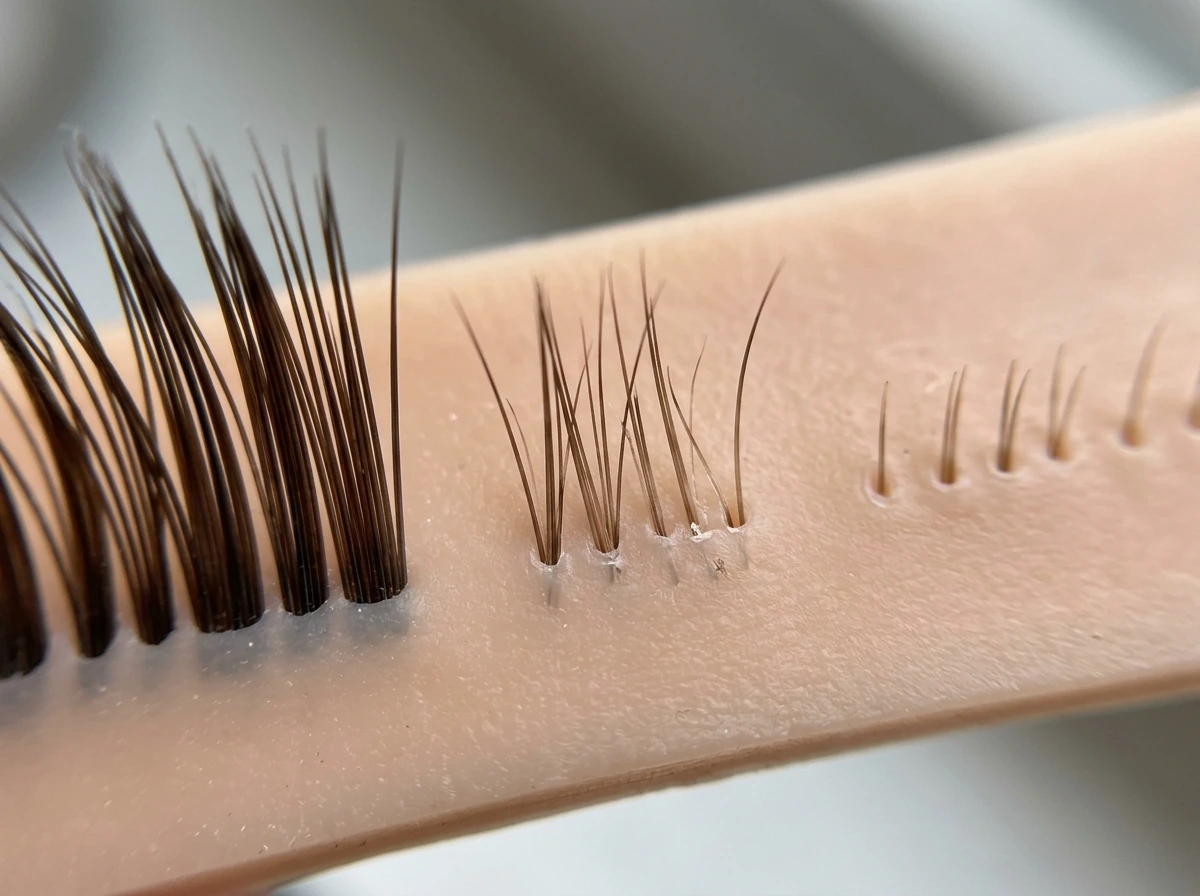
Eyelashes follow a three-phase growth cycle: anagen (active growth), catagen (transition), and telogen (resting). During anagen, the follicle is actively building a new lash, and this phase lasts anywhere from 4 to 10 weeks. Catagen is a short transition phase of about 2 to 3 weeks where the follicle shrinks and growth stops. Telogen is the resting phase, lasting up to 3 months, after which the lash sheds naturally and the whole cycle begins again with a new anagen phase. The full cycle from start to finish runs roughly 4 to 8 months, which is why lash recovery takes longer than most people expect.
Here is what matters when it comes to breakage: when a lash shaft snaps or gets pulled out, what happens next depends entirely on the follicle. If the follicle is healthy and undamaged, it simply re-enters the anagen phase and starts building a new lash. The visible lash is just a dead protein fiber, similar to the hair on your head. Losing or breaking it does not automatically signal any problem below the surface. Follicle damage is a different story. Aggressive traction (like repeated pulling from extensions), scarring from burns, or chronic inflammation can physically compromise the follicle's ability to produce new growth. This distinction, between a broken shaft and a damaged follicle, is the most important thing to understand.
What the regrowth timeline actually looks like
Most people want to know one thing: when will my lashes look normal again? Here is a realistic breakdown. After a lash is broken or shed, the follicle may already be in a resting phase before it starts growing again. That alone can mean 6 to 12 weeks before you see any new growth at the lash line. Once growth begins, a new lash takes another 4 to 10 weeks to reach its full length. Putting that together, you are looking at roughly 3 to 6 months to get back to a full, normal-looking lash line. If your lashes were significantly thinned or damaged across a wide area, expect to be closer to the 6-month end of that range. do shih tzu eyelashes grow back
A few things to watch for along the way: new lashes often come in thinner or lighter than your existing ones at first. That is normal. The first cycle after damage is sometimes a catch-up cycle, and subsequent growth tends to normalize. If you are past the 3-month mark and seeing zero new growth, or if regrowth is patchy rather than uniform, that is a signal worth paying attention to and is covered later in this article.
What slows or stops regrowth
Not all lash loss behaves the same way. Clinically, eyelash loss is categorized into two types: non-scarring madarosis, which is typically reversible once the underlying cause is addressed, and scarring madarosis, which involves permanent follicle destruction. Most everyday causes of lash breakage fall into the non-scarring category, but a few scenarios can cross into scarring territory. Knowing where your situation falls tells you whether you are waiting for regrowth or may need clinical intervention.
Eyelash extensions and traction damage
Extensions are one of the most common culprits for broken and missing lashes. The problem is not the extensions themselves but the weight, the adhesive, and the removal process. Heavy extensions create continuous traction on the follicle. Repeated pulling, especially improper DIY removal, can cause traction-related follicle stress. In mild cases, the lash line recovers fully after a break from extensions. In chronic cases, repeated mechanical trauma can lead to lasting follicle damage. If you have been wearing extensions back-to-back for years and your natural lashes have progressively thinned, take a genuine break of at least 3 to 6 months before concluding whether regrowth is possible.
Rubbing, over-curling, and harsh product removal
Rubbing your eyes forcefully, whether from habit, irritation, or allergy symptoms, physically stresses the lash shaft and follicle. Waterproof mascara that requires aggressive scrubbing to remove, lash curlers that clamp and pull, and eye makeup remover wipes dragged across the lash line all add mechanical stress. These are usually non-scarring causes, but they slow regrowth because they keep the follicle environment disrupted rather than letting it recover.
Inflammation and blepharitis
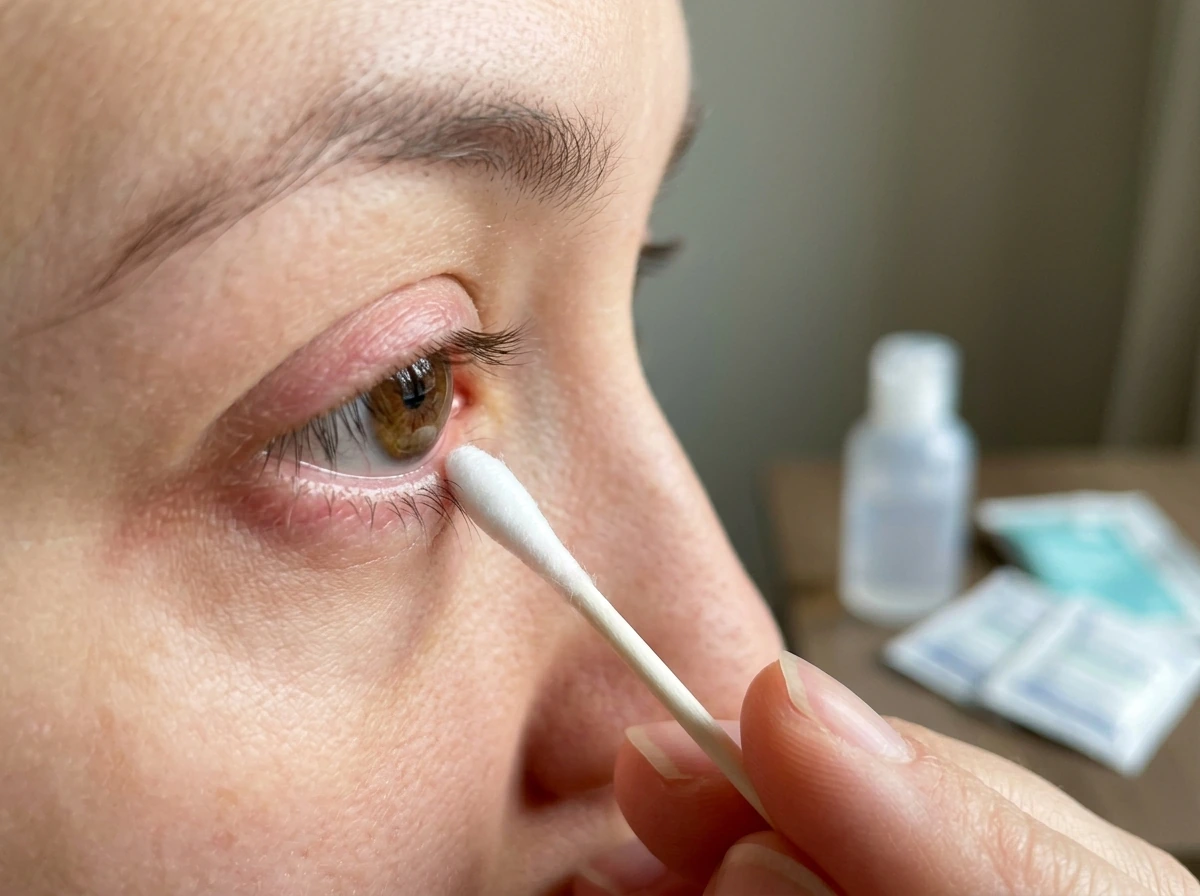
Blepharitis, an inflammation of the eyelid margins, is one of the more underappreciated causes of ongoing lash thinning. It creates a chronically irritated follicle environment, and lashes can break, fall out, or grow in irregular directions. Allergic reactions to mascara, eyeliner, or lash glue can trigger similar inflammation. Until the inflammation is managed, the follicle cannot do its job properly. Treating the root cause almost always restores normal lash cycling over time.
Nutritional deficiencies and medications
Lash growth requires the same nutritional support as any other hair on your body. Deficiencies in iron, zinc, vitamin D, and biotin are linked to diffuse hair thinning that can include lashes. Some medications, including certain chemotherapy drugs, retinoids, and anticoagulants, are known to affect the growth cycle. If you started noticing lash loss around the time you began a new medication or went through a period of dietary restriction, that connection is worth exploring with a doctor.
What to do right now to protect regrowth
While your lashes grow back, the single most important thing you can do is stop adding new stress to the follicles. That sounds obvious, but people often continue the exact habits that caused the problem in the first place because they are trying to make thin lashes look better in the meantime. Here is a practical checklist of what to change starting today.
- Give extensions a full break for at least 3 months, and avoid lash lifts and perms during recovery.
- Switch from waterproof mascara to a regular formula that wipes off gently with a damp cloth or micellar water.
- Apply eye makeup remover by holding a soaked cotton pad against the lash line for 20 to 30 seconds before wiping, rather than scrubbing.
- Retire your lash curler for now, or limit use to occasional gentle curling without gripping and pulling.
- Stop rubbing your eyes. If allergies or dryness are driving the urge, address those with antihistamines, artificial tears, or a warm compress.
- Clean your lash line daily with a diluted baby shampoo or a dedicated lid-cleaning product, especially if you have any signs of blepharitis (crusting, redness, flaking at the lid margin).
- Sleep on a silk or satin pillowcase to reduce friction against your lashes overnight.
- Avoid anything that goes near the eye margin until regrowth is underway, including tightlining with pencil eyeliner, which can block follicle openings.
Science-backed options to support regrowth and fullness
Once you have removed the source of damage, you can shift to actively supporting the regrowth process. The options below range from well-studied clinical solutions to more anecdotal but widely used home remedies. Knowing the evidence level for each helps you set realistic expectations.
Lash growth serums with active ingredients
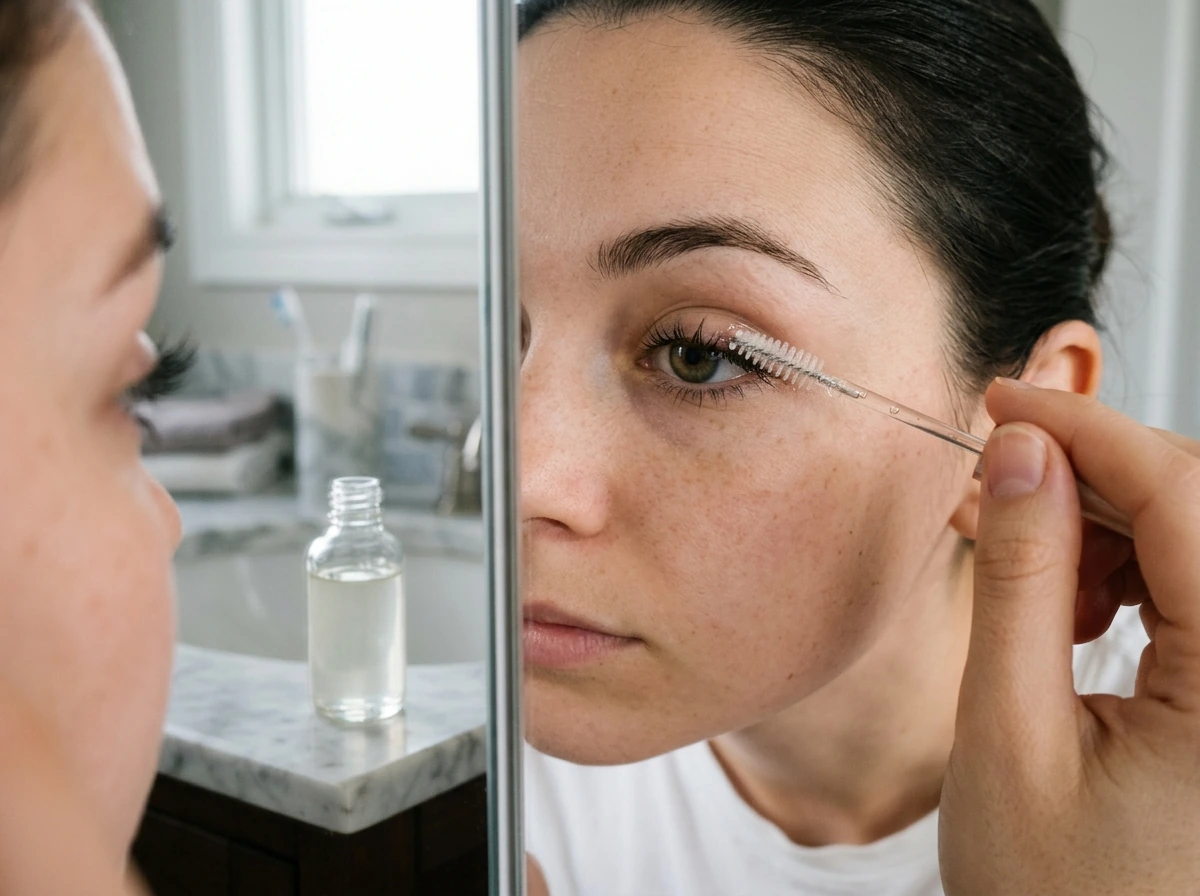
The only FDA-approved treatment for lash growth is bimatoprost (sold as Latisse), a prostaglandin analogue originally developed as a glaucoma medication. Clinical trials consistently show it extends the anagen phase, producing longer, thicker, and darker lashes over 16 weeks of use. It requires a prescription, and side effects can include eyelid pigmentation changes, iris pigmentation changes in some individuals with mixed-color irises, and occasional eye redness or irritation. Over-the-counter serums often use peptide blends, panthenol, biotin, or weaker prostaglandin analogues like isopropyl cloprostenate. These OTC options are not FDA-approved for growth claims, but some peptide-based serums have small studies supporting improvements in lash density. Results are more modest and take longer, typically 8 to 12 weeks. If you go the OTC route, patch test on your inner arm before applying near the eye, apply only to the upper lash line, and stop if you notice persistent redness or irritation.
Castor oil
Castor oil is probably the most popular home remedy for lash regrowth, and the honest answer is that the clinical evidence is thin. There are no large controlled trials proving it accelerates lash growth. What castor oil does well is coat and condition the lash shaft, which can reduce breakage and make existing lashes appear thicker and fuller. Ricinoleic acid, the main fatty acid in castor oil, has some anti-inflammatory properties that may create a slightly better follicle environment. If you use it, apply a tiny amount with a clean spoolie to the lash roots before bed, and wipe away any excess so it does not migrate into the eye and blur vision overnight. Use cold-pressed, hexane-free castor oil and do a patch test first. Expect cosmetic improvement rather than dramatic regrowth.
Biotin
Biotin supplements are everywhere in the lash and hair growth space, but the evidence is very specific: biotin supplementation helps with hair loss only if you are actually deficient in biotin, which is uncommon in people eating a varied diet. If you are not deficient, adding more biotin does nothing extra for lash growth. That said, if your diet has been restricted or you have reason to suspect a nutritional gap, talking to your doctor about checking biotin and related B vitamins is reasonable. Do not assume a supplement is the answer before ruling out a deficiency.
Comparing your options
| Option | Evidence Level | Typical Timeline | Key Risks / Notes |
|---|---|---|---|
| Bimatoprost (Latisse) | Strong (FDA-approved) | 12 to 16 weeks | Prescription required; possible pigmentation changes; eye irritation |
| OTC peptide/prostaglandin serums | Moderate (limited studies) | 8 to 12 weeks | Patch test required; avoid if eye is irritated; quality varies by brand |
| Castor oil | Weak (anecdotal, minimal research) | Cosmetic only; ongoing use needed | Low risk; can blur vision if overused; ensure it stays at lash line |
| Biotin supplements | Weak unless deficient | N/A if not deficient | Generally safe; only useful if dietary deficiency is confirmed |
| Removing the damage source and protective habits | Strong (foundational) | 3 to 6 months | No product risk; the most critical step regardless of other choices |
When to stop waiting and see a clinician
Most broken lash situations resolve on their own with time and better habits. But certain scenarios warrant a visit to a dermatologist or ophthalmologist rather than just waiting it out.
- You have seen zero new growth after 3 to 4 months of no further damage and no known ongoing cause.
- The loss is patchy rather than uniform, especially if patches are distinct and well-defined.
- You have persistent redness, itching, burning, flaking, or crusting along the lash line that does not resolve with basic lid hygiene.
- Lash loss started around the same time as a new medication, illness, or hormonal change (thyroid conditions in particular are worth ruling out).
- You notice skin changes on the eyelid itself, such as scarring, thickening, or texture changes near the follicle area.
- You had a burn injury to the lash line and are not seeing any regrowth by the 3-month mark.
- Lash loss is accompanied by eyebrow thinning or hair loss elsewhere, which can point to systemic causes like alopecia areata or autoimmune conditions.
A dermatologist can biopsy the skin at the lash margin in ambiguous cases to determine whether follicle damage is reversible (non-scarring) or permanent (scarring madarosis). Knowing which you are dealing with changes the conversation entirely. Non-scarring causes often respond well to treating the underlying trigger, whether that is managing blepharitis, adjusting a medication, or correcting a nutritional deficiency. Scarring causes may require referral to an oculoplastic specialist if cosmetic restoration becomes the goal.
The bottom line is straightforward: broken and damaged lashes almost always grow back when the follicle is intact, and the follicle is intact in the vast majority of everyday damage scenarios. Your job for the next 3 to 6 months is to get out of the follicle's way, keep the lash line clean and calm, and consider a science-backed serum if you want to speed things along. Patience is genuinely the most important ingredient here, which is not what anyone wants to hear, but it is what the biology actually requires.
FAQ
How can I tell the difference between lash breakage and lash loss from a damaged follicle?
If you truly have broken shafts, you usually see regrowth first at the lash line as individual new hairs, not as instant length. It is common for the first visible lashes to be lighter and thinner, then gradually blend in over the next cycles (often 2 to 6 months). If you have zero new hairs after about 3 months, or you see worsening patchiness, that is a sign to reassess for follicle stressors or possible scarring.
What is the best way to track whether my lashes are actually growing back?
Do a simple “count test” once a week. Use a mirror and good lighting, then note how many lashes are present along the outer third (and inner third). If the lash line is truly cycling back, you should see new short hairs appear and slowly lengthen week by week. Total counts that stay flat over 8 to 12 weeks suggest the follicle is not reactivating normally.
Can I get eyelash extensions while my lashes are recovering from breakage?
Yes, but timing matters. Lashes can still grow during recovery, but adding another round of traction or irritation can reset the growth cycle. A practical approach is to pause extensions for at least 3 to 6 months, and only restart once you have consistent regrowth across the lash line (not just in small spots). Also insist on a removal process that does not involve pulling off bonds.
Will mascara or lash curlers affect regrowth even if my lashes are still growing?
Be careful with waterproof or long-wear makeup removers. The issue is not the waterproof formula itself, it is the removal technique. If you cannot remove it with gentle, low-friction methods, you can tug the lash line repeatedly and slow regrowth. Switch to a gentler remover, avoid wiping back and forth across the lashes, and stop using clamping lash curlers until your lashes are stable.
Why is my regrowth patchy, with some areas improving and others not?
Patchy regrowth often points to an ongoing localized stressor. Common examples are rubbing from one eye, recurring blepharitis in one area, or previous chemical irritation near the lashes. If one region is repeatedly worse, focus on that area (reduce rubbing, treat inflammation if present), and consider a dermatologist or ophthalmologist if it does not improve by the 3-month mark.
What should I watch for if an eyelash serum is making my eyes feel irritated?
If you are using an OTC lash serum, patch test first and monitor the first 2 to 3 applications for redness, burning, or itchy swelling. Stop immediately if irritation persists, because ongoing irritation can maintain the inflammatory environment that blocks normal cycling. Also avoid applying to the lower lash line if the product migrates easily into the eye.
Could my broken lashes be related to a medication I started recently?
Yes, medications can matter, especially if the lash loss started soon after a change in prescription. Retinoids, chemotherapy agents, and some blood thinners are among the drugs reported to affect hair growth cycles. If you suspect a medication link, do not stop the drug on your own, but discuss the timing and symptoms with your prescriber. You may need supportive care while waiting for the cycle to normalize.
When should I be worried about scarring madarosis instead of normal recovery?
Consider non-scarring causes first if your lash line looks mostly intact but brittle, and scarring if you have shiny or irregular eyelid margin skin, missing lash follicles that never return, or persistent redness and tenderness. If you have true absence of new growth after about 3 months, or changes are spreading, get evaluated rather than waiting indefinitely.
Why do my lashes look better before they fully regrow?
In most cases, cosmetic improvement from conditioning oils or serums can happen sooner, but true length recovery still follows the growth cycle, usually 3 to 6 months for a normal-looking lash line. If your lashes appear fuller within a few weeks, that is often because breakage is reduced (less snapping) rather than because new follicles are producing fully grown lashes.
What timeline should prompt me to see a doctor instead of just waiting?
If regrowth does not start by around 3 months, or it remains zero/piecemeal after 4 to 6 months, make an appointment with a dermatologist or ophthalmologist. You are especially justified in seeking care if you have blepharitis symptoms (itching, crusting), frequent allergies, burns or chemical exposure, or if you suspect scarring. Early evaluation can prevent prolonged waiting.
Next Article
Does Lash Serum Help Eyelashes Grow? Ingredients, Results
Find out if lash serum truly grows lashes, which ingredients work, typical timelines, and safe, realistic results.