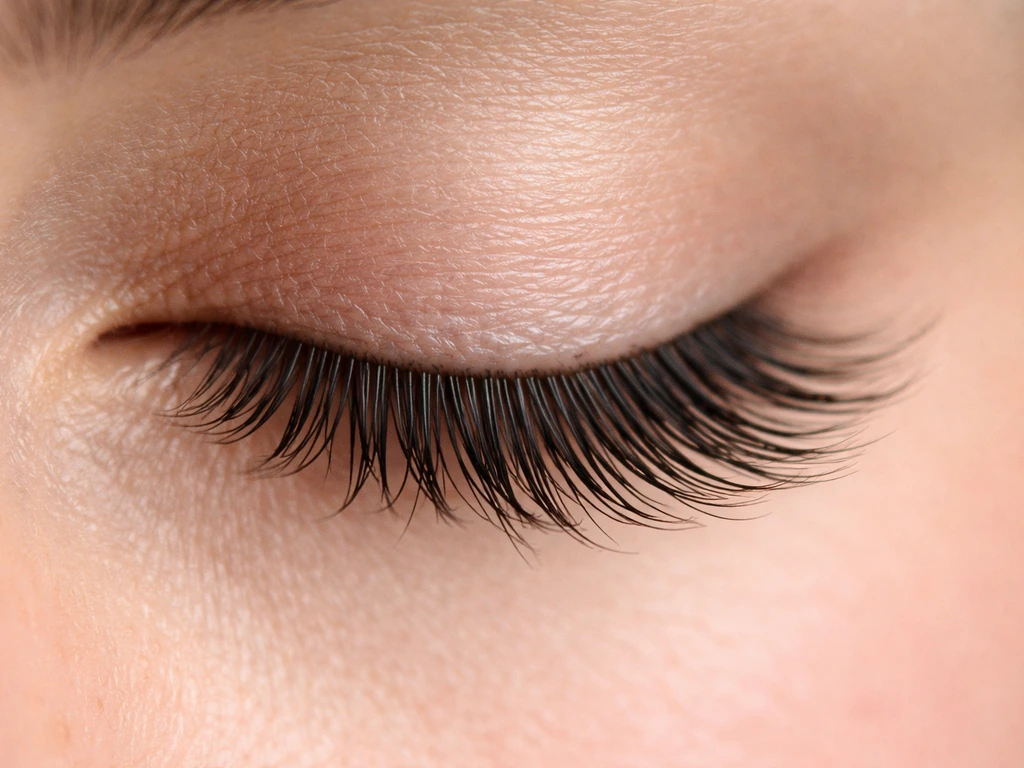
Eyelashes grow in different directions because each lash follicle sits at a slightly different angle in the eyelid, and that angle can shift over time due to friction, inflammation, extension damage, or scarring. For most people, a few lashes pointing sideways or at odd angles is completely normal variation. But when lashes consistently grow inward toward the eye, cause irritation, or changed direction after a specific event like extensions or repeated rubbing, that's worth paying more attention to.
Why Do My Eyelashes Grow in Different Directions?

Rachel Nguyen
5 May 2026
How to tell if it's normal variation vs actual lash damage
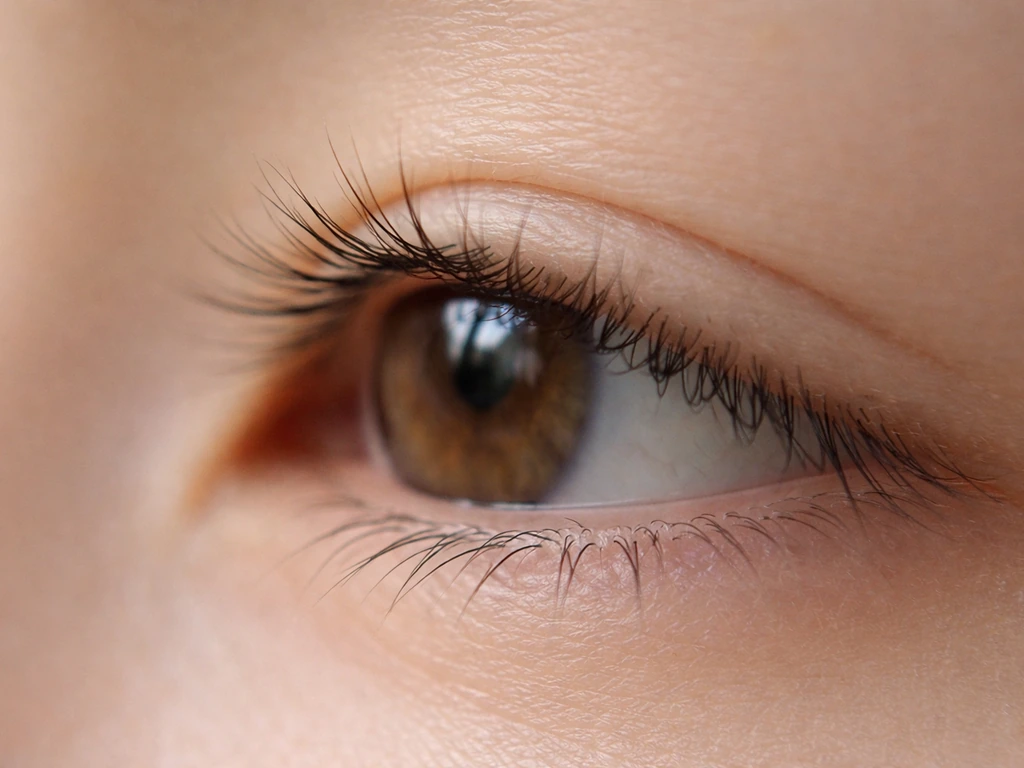
Normal lash variation means a handful of lashes that have always grown at slightly different angles, don't cause discomfort, and aren't accompanied by redness or irritation. Your follicles are not perfectly uniform, and the lash line is curved, so some directional spread is just anatomy. You'll notice this on both eyes roughly symmetrically, and the lashes don't touch your eyeball or make your eyes water.
Damage-related misdirection looks different. It tends to appear after a specific event (extensions, illness, aggressive makeup removal), may affect one eye more than the other, and often comes with other signs: lashes that are shorter or thinner than they used to be, a gap in the lash line, or lashes that visibly curve inward toward the cornea.
EyeWiki notes that in epiblepharon, an eyelid skin fold misdirects lashes toward the ocular surface, often presenting as congenital misdirected lashes epiblepharon misdirects lashes toward the ocular surface. That inward-growing pattern has a clinical name: [trichiasis](/inward-growing-eyelashes/how-to-fix-eyelashes-that-grow-in-different-directions). It means the lash is actually scraping against the eyeball, which causes a persistent foreign-body sensation, tearing, redness, and sometimes light sensitivity.
If you feel like something is always in your eye but can't find anything, a misdirected lash is a real possibility.
A quick self-check: look straight into a well-lit mirror. Are any lashes visibly pointing toward the eye surface rather than outward and slightly upward? Do your eyes water, itch, or feel irritated in a way that started around the same time your lash direction changed? If yes to either, treat this as more than cosmetic and read the doctor section at the end of this article first.
Common causes of sideways, crooked, and wrong-direction lash growth
The follicle angle is everything. Eyelash follicles are embedded in the eyelid margin at a specific orientation, and whatever disrupts that orientation, whether physically or through inflammation, changes where the lash points when it grows out.
- Natural follicle variation: follicles are not perfectly parallel, so some directional spread is built-in anatomy, not a problem.
- Blepharitis (eyelid inflammation): chronic inflammation along the eyelid margin can distort follicle orientation over time. Symptoms include crusting, flaking, redness, itching or burning at the lash line, and sometimes lash loss. Left unmanaged, blepharitis is one of the more common reasons lashes begin growing toward the eye.
- Eye rubbing and friction: repeated rubbing physically stresses the follicle root and the surrounding tissue. Over months or years, this can alter the angle at which new lashes emerge.
- Scarring of the eyelid margin: injury, surgery, or chronic inflammatory conditions can create scar tissue that pulls follicles out of their normal orientation. This is the most persistent cause because scar tissue doesn't reverse on its own.
- Trichiasis: the clinical term for lashes that grow inward toward the eyeball rather than outward. It can develop after blepharitis, injury, or eyelid inflammation and requires professional evaluation if you're experiencing eye irritation.
- Distichiasis: a less common condition where an extra row of lashes grows from the meibomian gland openings along the eyelid margin. These extra lashes often point directly toward the eye surface.
- Epiblepharon: a congenital eyelid fold that pushes lashes inward, more common in certain ethnic groups and often seen in children.
- Rare autoimmune causes: conditions like ocular mucous membrane pemphigoid cause progressive scarring of the conjunctiva and eyelid margin, eventually leading to trichiasis. Early signs include chronic redness, tearing, burning, and light sensitivity. This is rare but serious and requires a specialist.
How extensions, rubbing, curling, and removal habits change lash direction
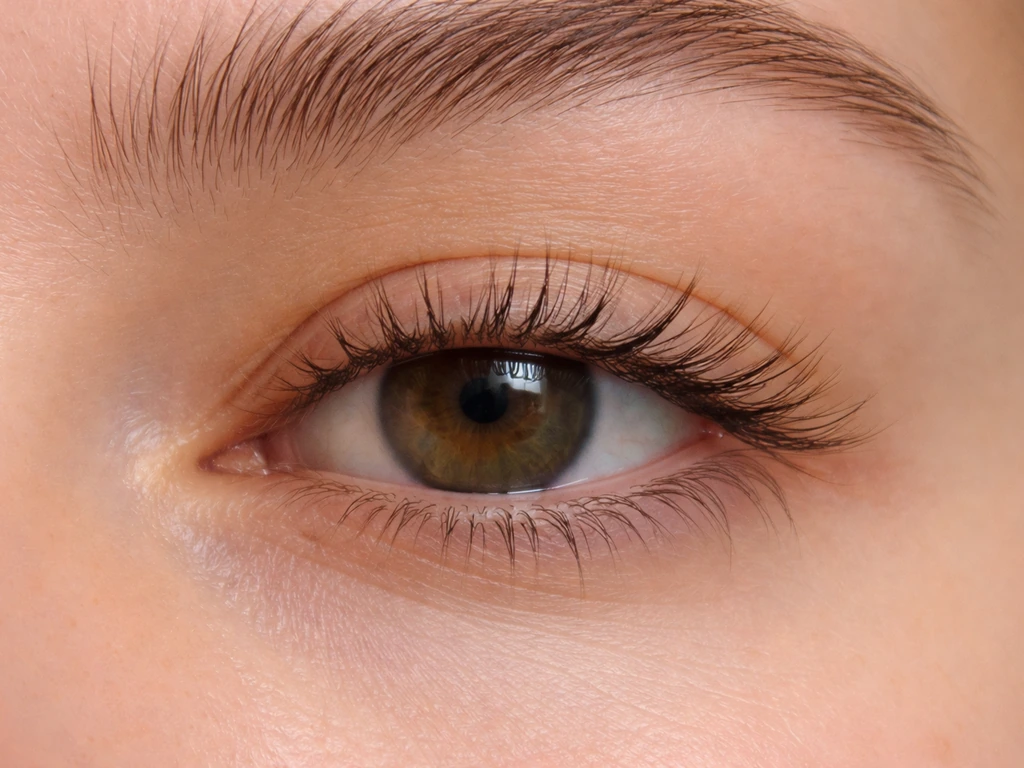
Extensions are one of the most common reasons people notice their natural lashes growing differently afterward. The mechanism is traction: synthetic lashes glued to natural ones add weight and pull the follicle in a direction it wasn't designed to sustain. The American Academy of Ophthalmology's EyeWiki identifies traction alopecia as a documented complication of eyelash extensions, describing it as lash loss caused by that sustained mechanical pull, which can also damage follicles enough to alter how new lashes grow in.
The adhesive chemicals in extension glue add another layer of risk. Formaldehyde-releasing compounds in some glues can trigger blank" rel="noopener noreferrer">allergic blepharitis, presenting as redness, itching, swelling, and tearing, sometimes appearing hours to days after application. Inflamed follicles don't grow lashes on their optimal trajectory. The FDA classifies extensions and their adhesives as cosmetic products and recommends stopping use immediately if irritation develops. If irritation persists after stopping, that's a cue to see a doctor, not just switch glue brands.
Mechanical curlers apply concentrated pressure at the lash root. Used gently and correctly, this is mostly fine. But clamping too hard, curling dry lashes, or catching the lash at an awkward angle can kink the lash shaft and stress the follicle, especially if done daily over years. Heated curlers carry a higher risk of lash breakage, which shortens lashes and can make them look like they're growing in multiple directions as different lengths catch the light differently.
Mascara removal is underestimated as a cause. Rubbing waterproof mascara off with a dry cotton pad (or just not removing it at all and letting it flake) creates significant friction across the lash line every single day. Over time, that cumulative stress adds up. Oil-based removers that dissolve mascara before you wipe are the gentler option, and pressing a soaked pad gently against the lash line for 20 to 30 seconds before wiping downward makes a real difference in reducing friction.
What you can do at home today
You can't change follicle anatomy with a home remedy, but you can remove the things that are actively making directional growth worse and create the best environment for your follicles to grow lashes on their natural trajectory.
Stop the friction and inflammation cycle
- Stop rubbing your eyes. This is the single highest-impact habit change. Use antihistamine eye drops if allergies are the reason you're rubbing, and address the root cause rather than just tolerating the itch.
- Switch to a gentle, oil-based eye makeup remover and let it do the work. No dry rubbing.
- Take a break from extensions and heavy mascara while your lashes recover.
- Don't use eyelash curlers until lash condition improves. If you do use one, use it after mascara on already-formed lashes and never clamp at the very root.
Eyelid hygiene if blepharitis is involved
If you have any crusting, flaking, or consistent redness at the lash line, a warm compress routine is where to start. Johns Hopkins and Cleveland Clinic both describe the same basic approach: apply a warm, moist compress to closed eyelids for about 10 minutes, then gently scrub the lash line with a clean, damp cloth using horizontal strokes. This loosens debris, reduces the bacterial and inflammatory burden on the follicles, and helps unclog the meibomian glands that sit very close to your follicles. Doing this once daily consistently is more effective than doing it aggressively once and stopping.
Grooming lashes in the right direction while they recover
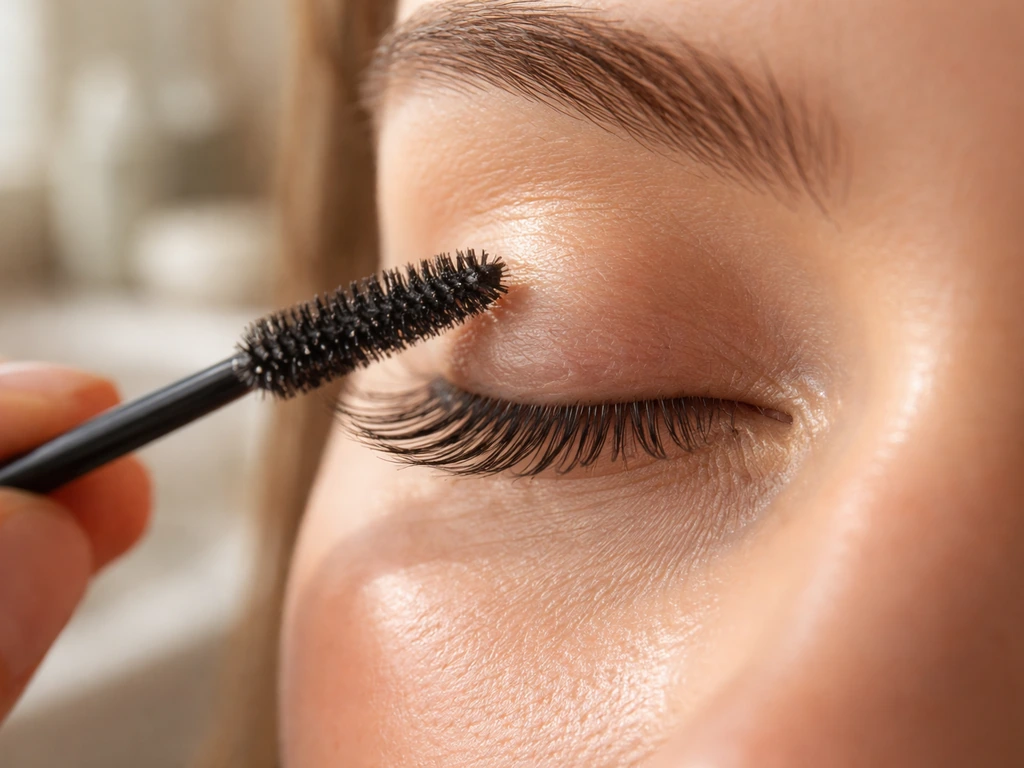
A clean spoolie brush used daily to comb lashes in the correct outward and upward direction won't change where they grow from, but it can train newly emerging lashes while they're still flexible. Think of it like brushing hair while it's wet: the lash shaft, especially early in growth, takes on some shape from how it's positioned. This is a minor assist, not a fix, but it costs nothing and takes five seconds.
Conditioning and growth-support options: serums, oils, and biotin
These options won't change follicle orientation, but they support lash health and density, which matters if misdirected growth is partly the result of weakened, thinning lashes that break unevenly and look chaotic. Thicker, healthier lashes are also easier to groom into alignment.
Bimatoprost (Latisse): the only FDA-approved option
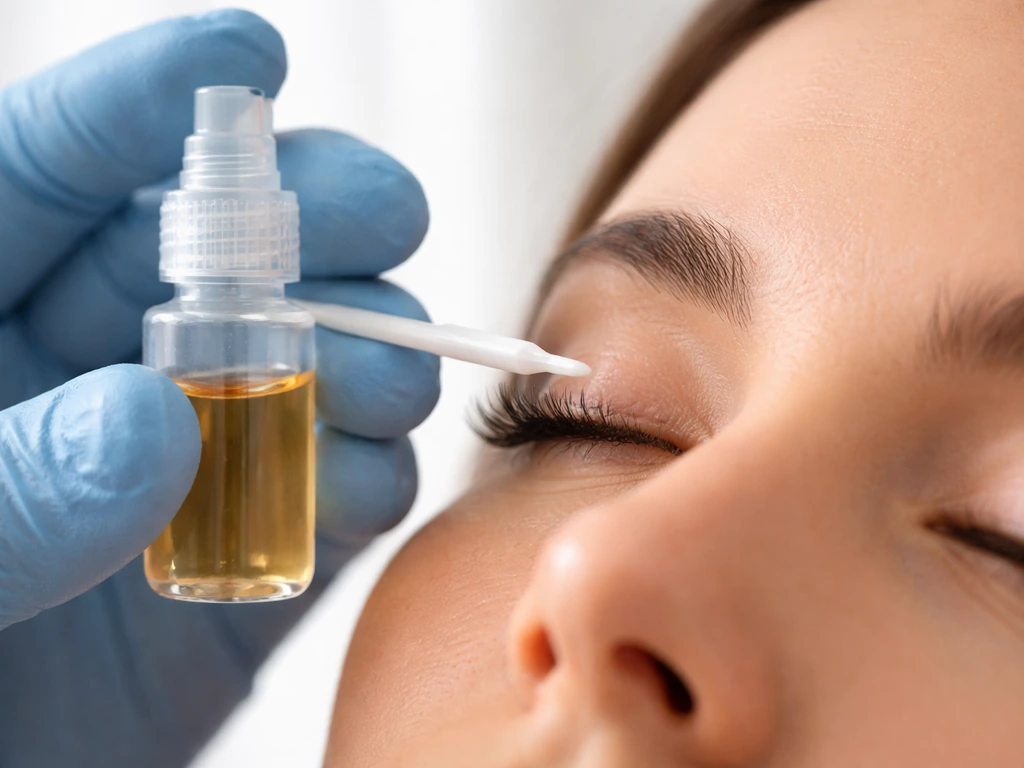
If your lash misdirection is partly about loss of density and thickness after damage, Latisse (bimatoprost 0.03%) is the most evidence-backed option available. It's FDA-indicated specifically for eyelash hypotrichosis (insufficient lashes) and works by extending the anagen (active growth) phase. In a randomized controlled trial, 78.1% of subjects using bimatoprost 0.03% achieved at least a one-grade improvement in a validated eyelash assessment scale by week 16, compared to 18.4% on the vehicle alone. Application is once nightly: one drop on a single-use applicator, applied along the upper lash margin at the roots.
Important trade-offs: Latisse requires a prescription, costs more than OTC options, and its effects are not permanent. Research shows maximum improvement around week 20, with effects maintained during ongoing use through 36 weeks but progressively lost after stopping. The label also lists trichiasis as a reported adverse reaction in a small number of users, which is worth knowing given the topic of this article. Discuss this with a dermatologist or ophthalmologist if you're considering it.
Castor oil
Castor oil is the most popular natural conditioning option, and while it doesn't have the controlled trial data that bimatoprost does, it's a reasonable supportive choice. It's high in ricinoleic acid, which has documented anti-inflammatory properties, and it coats the lash shaft to reduce brittleness and breakage. Apply a small amount to a clean spoolie and comb through lashes at night. The expectation should be improved lash condition and reduced breakage over six to eight weeks, not a change in growth direction. It's inexpensive and low-risk as long as you keep it out of the eye.
OTC lash serums
Many OTC serums contain peptides, panthenol, or biotin to condition the lash shaft and support follicle environment. They won't match Latisse's clinical results, but some people see noticeable improvements in lash thickness and reduced breakage after consistent use over two to three months. The key word is consistent: skipping applications regularly dramatically slows any benefit.
Biotin
Biotin supplements are heavily marketed for lash and hair growth, but the honest answer is that they only help if you have a genuine biotin deficiency, which is uncommon. If your diet is reasonably varied, adding more biotin is unlikely to change your lash growth meaningfully. It's not harmful, but don't count on it as a primary strategy.
| Option | Evidence Level | What It Realistically Does | Timeline | Prescription Needed |
|---|---|---|---|---|
| Bimatoprost (Latisse) | High (FDA-approved, RCT data) | Increases lash length, thickness, and darkness; extends growth phase | Noticeable at 8 weeks, maximum ~20 weeks | Yes |
| Castor oil | Low (anecdotal, anti-inflammatory properties) | Conditions lashes, reduces breakage | 6 to 8 weeks for condition improvement | No |
| OTC peptide/biotin serums | Low to moderate | Supports lash conditioning and reduced breakage | 2 to 3 months | No |
| Biotin supplements | Low (only effective if deficient) | Minimal benefit unless biotin deficiency is present | Varies | No |
Recovery timeline: when should misdirected lashes straighten out?
Eyelashes have a relatively short growth cycle compared to scalp hair. The active growth phase (anagen) lasts roughly four to ten weeks, with a daily growth rate of about 0.12 to 0.14 mm. The full cycle including the resting phase can span around four to eleven months. What this means practically is that a lash damaged by extensions or inflammation will fall out and be replaced by a new one within weeks to a few months, but you won't see the full new lash population until the slower-cycling follicles complete their reset. If you’re trying to help eyelashes grow tips improve their direction, start by reducing triggers like extensions, rubbing, and harsh removal.
If misdirection was caused by a temporary trigger like extensions, inflammation from an allergic reaction, or aggressive rubbing, you can reasonably expect noticeable improvement within six to twelve weeks after you remove that trigger and let the growth cycle do its work. If you are asking, “why do Asian eyelashes grow down,” the same mechanism of follicle angle and post-damage misdirection usually explains it. The improvement isn't instant because not all follicles are in the same phase at the same time.
If the cause was scarring of the eyelid margin, whether from chronic blepharitis, a procedure, or an injury, recovery is slower and may be incomplete without professional intervention. Scar tissue physically redirects where a follicle points, and no serum or oil addresses that. This is the scenario where expecting natural recovery without help is setting yourself up for frustration.
Related to this: if you're curious about why lashes specifically grow downward rather than sideways, or the biology of how lash tips form (which affects how regrowth looks in early stages), those are worth understanding as part of the broader picture of lash direction and recovery.
When to see a doctor instead of waiting it out
Some situations genuinely need professional evaluation, and recognizing them early matters because untreated trichiasis can cause corneal scarring that affects vision.
- You feel like something is always in your eye, especially if that sensation is worse when blinking, and you can't find anything.
- Your eyes are persistently red, watery, or sensitive to light alongside the lash direction change.
- You have pain or a burning sensation at the eyelid margin that isn't resolving.
- Lashes are visibly growing toward the eyeball surface rather than outward.
- You've had chronic blepharitis or an inflammatory eye condition and your lash line has changed.
- Lash misdirection appeared after trauma, surgery, or a significant allergic reaction to extension adhesives.
- You suspect the condition might be bilateral and progressive (both eyes getting worse over time) with increasing eyelid tightness or conjunctival changes, which can be signs of rare autoimmune scarring conditions.
An ophthalmologist or dermatologist can confirm whether you have trichiasis and how severe it is. First-line treatment from an eye doctor is often removal of the misdirected lashes with forceps, which provides immediate relief. If those lashes regrow in the same wrong direction, more permanent options like electrolysis or cryosurgery can be used to disable the specific follicle. These are not dramatic procedures, but they do require professional equipment and judgment. Trying to pull a lash growing into your eye at home risks infection and can worsen follicle damage.
If blepharitis is the underlying driver, a doctor may also prescribe antibiotic or steroid drops, or recommend prescription-strength lid hygiene products, to get the inflammation under control before it does more follicle damage. Getting that part treated is what gives your lashes the best chance of growing back in the right direction on their own.
FAQ
Is it normal if only one eye has lashes growing in different directions?
It can be normal variation, but asymmetry plus symptoms is a clue. If one eye developed inward-pointing lashes, watering, redness, or new gaps after a specific trigger (extensions, illness, rubbing), prioritize evaluation for misdirection or inflammation rather than assuming anatomy.
How can I tell the difference between a misdirected lash and an eyelash that just “stands out” because it’s curled?
A curled lash may look odd but typically stays mostly off the corneal surface and does not create a persistent scratchy sensation. Misdirection (for example, trichiasis) usually comes with ongoing foreign-body feeling, tearing, redness, or light sensitivity even when you are not rubbing.
Can mascara or eyelash glue change lash direction even if I’m not using extensions?
Yes, indirectly. Mascara removal friction and glue-based products can inflame the lash line or change how early-growth lashes are positioned. If you notice changes hours to days after a new product and you also get itching, swelling, or flaking, stop that product and consider a clinician evaluation.
If I comb my lashes outward every day, will that correct the direction permanently?
It may help newly emerging lashes hold a more outward shape temporarily, but it does not correct follicle orientation. If the underlying cause is traction, inflammation, or scarring, persistent inward growth needs trigger removal and sometimes medical treatment.
How long should I wait before expecting improvement after stopping extensions or stopping rubbing?
If the cause was a temporary trigger, noticeable improvement often takes about 6 to 12 weeks, because damaged lashes need to shed and new ones regrow across different growth stages. If inward-pointing lashes and irritation continue beyond that window, get checked.
What’s the safest way to remove a lash that seems to be poking my eye?
Don’t pluck lashes at home if they may be misdirected. Instead, use artificial tears and arrange an appointment with an eye doctor for proper lash removal. At-home pulling can increase follicle injury and infection risk.
Why do my lashes sometimes look worse after they fall out and regrow?
Early regrowth can look chaotic because lashes are shorter, more flexible, and catch light differently while different follicles are at different stages. If the pattern is inward toward the eye and symptoms track the change, that is more concerning than cosmetic “regrowth phase” appearance.
Could I be dealing with trichiasis even if I only have mild irritation?
Yes. Symptoms can range from intermittent tearing to persistent discomfort. Any repeated inward-pointing lash pattern, especially with redness or a constant “something in my eye” feeling, warrants an exam even if irritation feels mild.
What role does blepharitis play, and what if I only do warm compresses once a week?
Blepharitis can maintain inflammation at the lash roots, which can perpetuate abnormal growth direction. Warm compresses are most useful when done consistently (about daily for the routine described in the article). Infrequent use often does not reduce the inflammatory load enough.
Are eyelash growth serums safe if my main issue is lashes pointing inward?
They may improve lash thickness or reduce breakage, but they cannot fix follicle orientation. If you suspect inward-growing lashes causing scraping, treat the misdirection first, because using serums without addressing the cause can delay proper care.
Can scarring really change lash direction permanently?
Yes. If scarring alters the eyelid margin where follicles exit, new lashes can emerge from the redirected tissue and continue pointing the wrong way. In that case, natural recovery is often incomplete, and a clinician can discuss procedures like electrolysis or cryosurgery for specific follicles.
Is Latisse (bimatoprost) a good option if I have trichiasis?
It should not replace evaluation for misdirected lashes. Since trichiasis involves lashes scraping the eye surface, you may still need lash removal or a procedure to stop misdirection. Discuss benefits and risks with an ophthalmologist or dermatologist before starting.
What warning signs mean I should seek urgent eye care rather than trying home treatments?
Seek prompt care if you have worsening pain, significant light sensitivity, reduced vision, heavy tearing that does not settle, or if you suspect the cornea is being scratched. These can signal complications from persistent misdirected lashes.
Next Article
Eyelashes Grow Tips: Step-by-Step Guide for Faster Growth
Learn eyelash growth biology and get step-by-step tips, timelines, and safe options like serums and oils to boost lashes