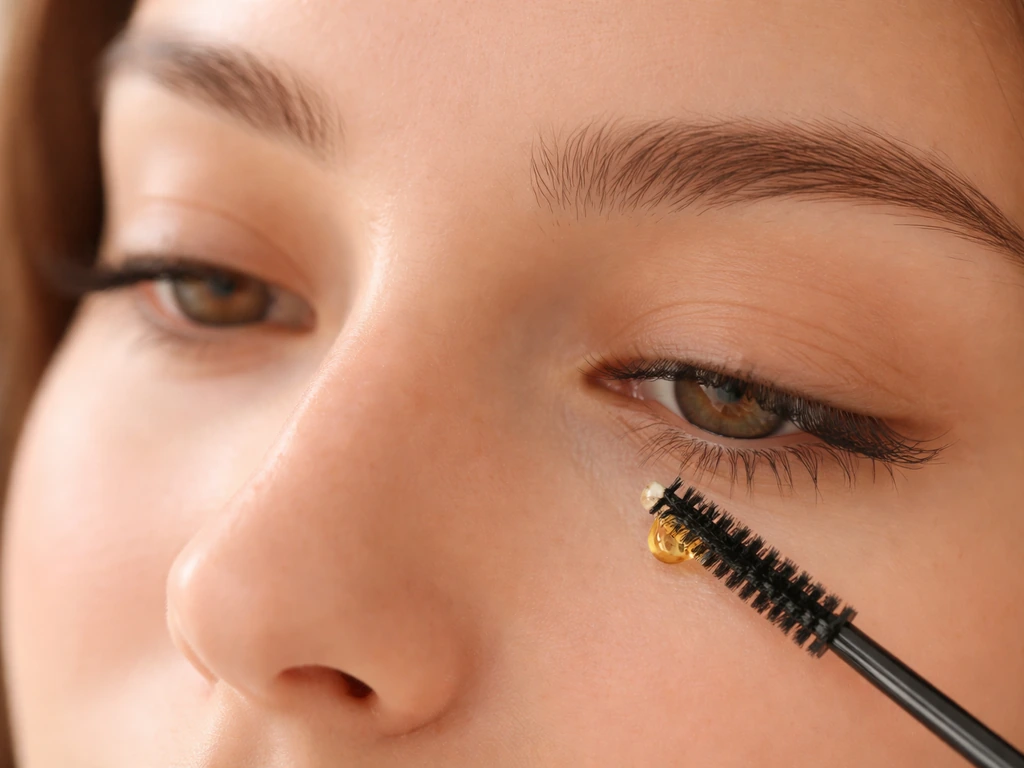
Batana oil can condition and protect your eyelashes, which may reduce breakage and make lashes appear fuller over time, but there is currently no clinical evidence that it stimulates the follicle to produce new or longer lash hairs. Think of it as a nourishing shield for the lash shaft rather than a growth activator. That distinction matters a lot, especially if you're dealing with real lash loss from extensions, damage, or a medical condition.
Can Batana Oil Grow Eyelashes? Benefits, Use, Safety
Rachel Nguyen
20 May 2026
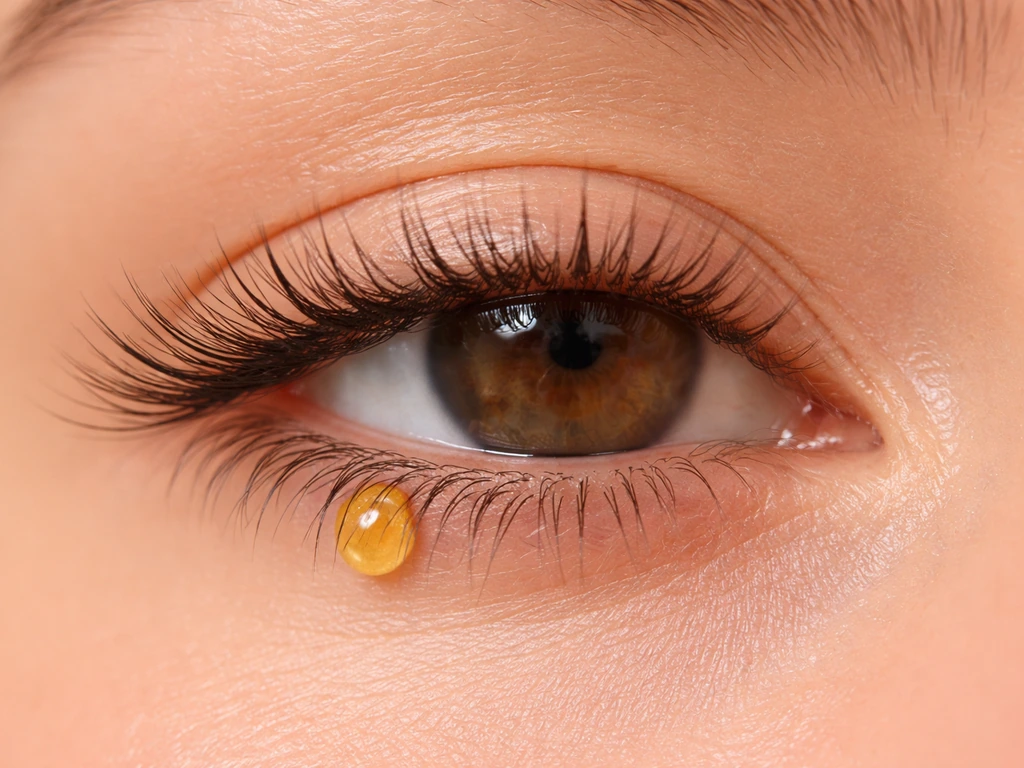
What batana oil is and why people use it for lashes
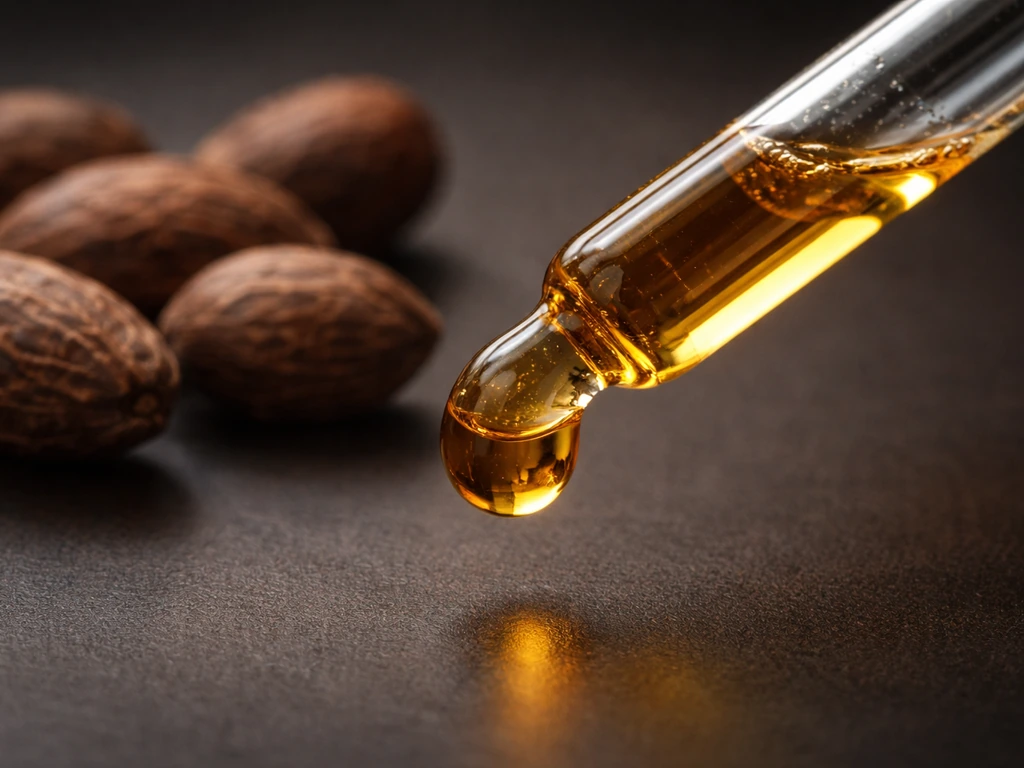
Batana oil is extracted from the nuts of the American palm tree (Elaeis oleifera), and it has deep roots in the hair care traditions of the Miskito people of Honduras and Nicaragua. It's been used for generations as a scalp and hair treatment, and social media has more recently pushed it into the spotlight as a potential remedy for thinning lashes and brows.
The oil's composition is worth knowing because it shapes what it can realistically do. According to WebMD, batana oil contains antioxidants including carotenoids and vitamin E compounds, along with fatty acids such as oleic acid and linoleic acid. Those fatty acids are the same types found in other popular hair oils, and they're known to penetrate the hair shaft, reduce protein loss, and improve moisture retention. The antioxidants help neutralize free radical damage that can stress the follicle environment.
People are drawn to batana oil for lashes because it has a thick, rich texture similar to castor oil, and it smells somewhat nutty and natural. The appeal makes sense: if something worked for scalp hair in traditional practice, the hope is it'll do the same for lashes. Whether that hope holds up is a different question.
How eyelash growth actually works (and what oils can and can't do)
Your eyelashes go through a growth cycle in three phases: anagen (active growth), catagen (transition, which lasts roughly 15 days), and telogen (resting and shedding, which can last anywhere from 4 to 9 months). According to StatPearls, about half of your eyelashes are in the anagen phase at any given time, which is why you don't shed all your lashes at once, and also why it takes so long to see meaningful regrowth after damage.
For an oil to actually grow lashes in the biological sense, it would need to extend the anagen phase or accelerate follicle cycling. The only ingredient with strong clinical evidence for doing that is bimatoprost, a synthetic prostamide analog originally developed for glaucoma, where eyelash growth was observed as a notable side effect. It's now the active ingredient in LATISSE, which is FDA-approved and showed statistically significant improvements in lash length, thickness, and darkness in a phase 3 trial of 278 patients over 16 weeks.
Oils, including batana oil, don't work that way. What they can do is coat the hair shaft to reduce friction and brittleness, potentially slow down breakage, and create a better environment at the lash base. Healthline notes there's no evidence that batana oil can reverse or prevent hair loss. That's consistent with what's known about most plant-based oils on lashes: the effect is cosmetic conditioning, not follicular activation.
Can batana oil actually grow lashes? What to realistically expect
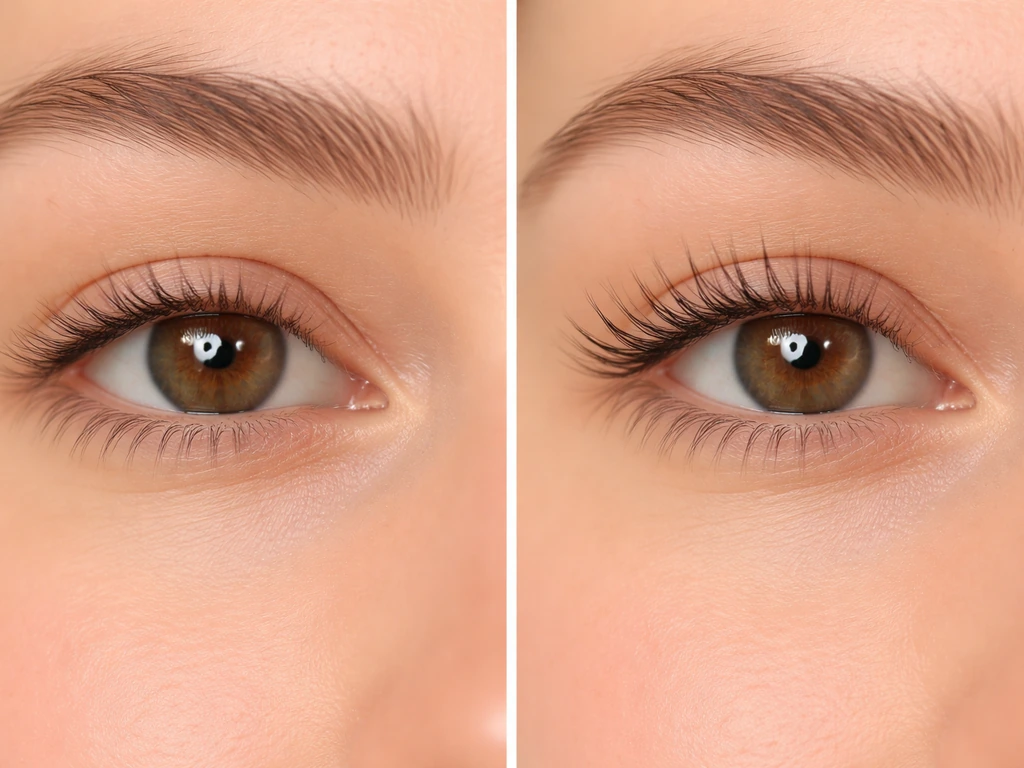
Here's the honest answer: batana oil is unlikely to make your lashes grow longer in the same way a prostaglandin-based serum can. If your lashes are short because your follicles aren't producing long hairs, batana oil probably won't change that. If you want the best oil to grow eyelashes, focus on options that reduce breakage and improve lash appearance, because most oils are cosmetic conditioning rather than true growth boosters batana oil probably won't change that. But if your lashes look sparse or thin because of breakage, damage from extensions, or general brittleness, batana oil could help them look visibly better by keeping existing hairs intact longer. If your goal is specifically to grow eyelashes, look for options with stronger clinical evidence for lengthening rather than relying on oils alone.
That's not nothing. A lash that doesn't snap halfway through its growth cycle has more time to reach its full natural length. If your current lashes are breaking before they mature, improving shaft integrity with a fatty acid-rich oil might genuinely make a visible difference over several weeks. But it's important to frame that as breakage reduction, not new growth stimulation.
The realistic picture is that you might see lashes that look slightly fuller and feel softer after 4 to 8 weeks of consistent use. What you should not expect is a dramatic lengthening effect comparable to what clinical serums produce, or regrowth if follicles are dormant or damaged at the root.
How to use batana oil safely on your lashes
Application technique matters a lot here, both for safety and effectiveness. Batana oil is not formulated for ophthalmic use, meaning it's not designed to go in or near your eye with the kind of sterility and pH control that eye products require. Follow these steps to get the most out of it while keeping your eyes safe.
- Patch test first. Apply a small amount of batana oil to the inside of your wrist or the crook of your elbow and wait 24 to 48 hours. If you see redness, itching, or swelling, don't use it near your eyes.
- Start with clean lashes. Remove all makeup and cleanse your eyelids before applying. Residue on the lash line can trap oil in a way that increases irritation risk.
- Use a clean, thin applicator. A disposable mascara wand or a fine eyeliner brush works well. Dip it into a small amount of oil; you want a very thin coat, not a glob.
- Apply to the lash shaft, not the eyelid margin. Work the oil from the mid-shaft toward the tip of the lash. Specialty Vision specifically advises avoiding the eyelid margin, especially if you're prone to styes, chalazia, or meibomian gland dysfunction, because oil at the lid margin can clog those glands.
- Do this at night before bed. This gives the oil time to absorb without the risk of it migrating into your eye while you're blinking and moving around during the day.
- Use it 3 to 5 times per week. Daily use isn't necessary and may increase your chances of lid irritation. Consistent application 3 to 5 nights per week is enough.
- Rinse your lids gently in the morning. Use a gentle cleanser or micellar water to remove any residue from the lash base.
Timeline for results and how to track progress
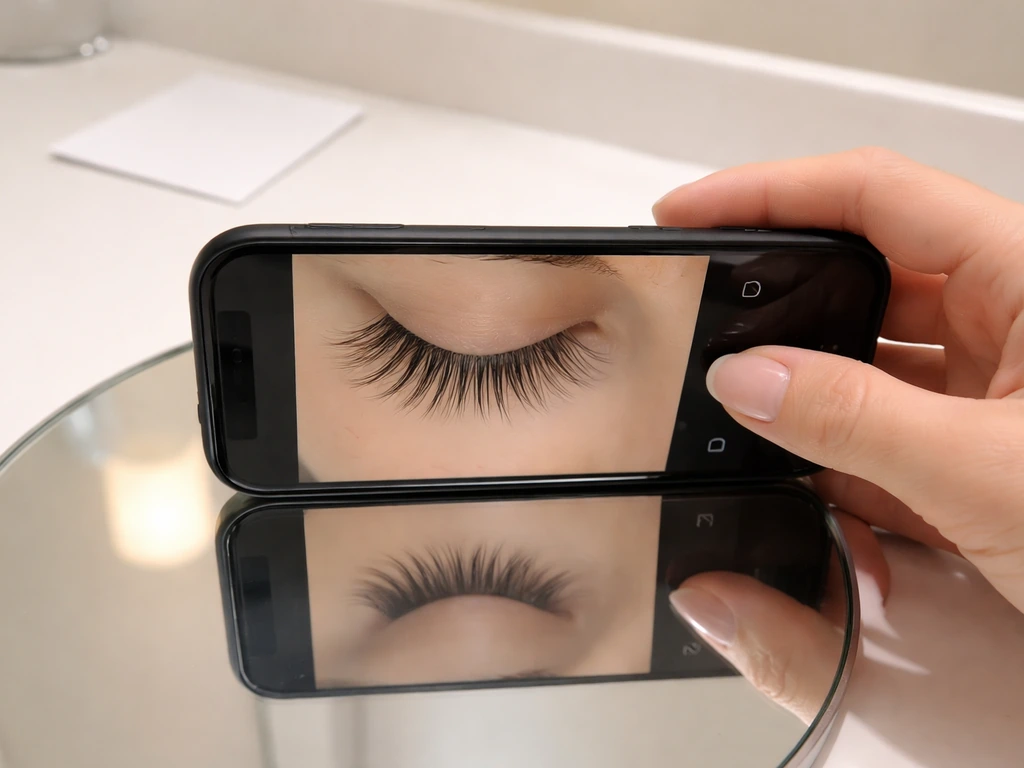
Give batana oil at least 6 to 8 weeks before you form a real opinion. Because the eyelash growth cycle includes a resting phase that can last up to 9 months, changes in lash quality take time to show up, and even conditioning effects aren't immediately obvious. The most visible early sign is usually reduced breakage: lashes that previously fell out as short stubs may start reaching their full natural length.
A useful way to track this is to take a close-up photo of your lashes in the same lighting once a week. This is far more reliable than daily mirror checks, which are affected by lighting and angle. After 8 weeks, compare the photos side by side. You're looking for longer visible lash length, fewer stubs, and possibly a slightly denser appearance along the lash line.
If you're not seeing any change by the 10 to 12 week mark, batana oil is probably not the right tool for what your lashes need. That's a signal to reassess the root cause of your lash concerns, which might be biological, hormonal, or damage-related.
Side effects, irritation, and when to stop
Using any oil near your eyes carries real risks. The most common issues are redness, itching, swelling of the eyelid, and general eye discomfort if oil migrates into the eye. These can happen even with careful application, especially if you use too much product or apply it too close to the lash root.
A more serious concern is allergic contact dermatitis. The Cleveland Clinic distinguishes between irritant contact dermatitis (a direct reaction to a substance) and allergic contact dermatitis (an immune response to an allergen). Batana oil contains multiple compounds, and any of them could be a sensitizer for some people. Symptoms of allergic contact dermatitis on the eyelid include intense itching, redness, scaling, and swelling, and they can appear 24 to 72 hours after exposure. If this happens, stop using the oil immediately.
Stop using batana oil on your lashes and see a doctor if you experience any of the following:
- Persistent redness or swelling of the eyelid that doesn't resolve within 24 hours of stopping use
- Burning, stinging, or watery eyes that started after beginning batana oil application
- A rash, scaling, or crust forming along the lash line or eyelid
- New lash loss or noticeably more lashes shedding than usual
- Any changes to your vision
If you already have blepharitis, an inflammatory condition affecting the eyelid margins, be especially cautious. Mayo Clinic recommends warm compresses and careful eyelid hygiene for blepharitis management, and Johns Hopkins notes that contact dermatitis is one of the possible triggers. Adding a thick oil to an already-inflamed lid margin could make blepharitis significantly worse.
Common blockers of eyelash growth (that batana oil can't fix)
Before you spend months applying batana oil and wondering why nothing is changing, it's worth ruling out the most common reasons lashes aren't growing well. Some of these are things you can address at home; others need a clinician.
- Extension damage and traction: Heavy lash extensions, especially when worn repeatedly without breaks, put mechanical stress on the follicle. If the follicle itself has been damaged by chronic traction, conditioning oils won't revive it.
- Blepharitis or chronic lid inflammation: Inflammation at the lash line interferes with healthy follicle function. No oil will help if your lash margin is inflamed; you need to treat the inflammation first.
- Nutritional deficiencies: Low levels of biotin, iron, zinc, or vitamin D are known to contribute to hair thinning and loss across the body, including lashes. A blood panel can rule this out.
- Hormonal changes: Thyroid dysfunction in particular is a common and often overlooked cause of lash and eyebrow thinning. If your lash loss is sudden or patchy, thyroid testing is worth discussing with a doctor.
- Over-rubbing and mechanical breakage: If you aggressively rub your eyes or remove eye makeup without care, you're physically breaking and pulling lashes out. This is a behavioral fix, not an oil fix.
- Alopecia areata: In some cases, patchy lash loss is an autoimmune issue that requires dermatological treatment, not topical oils.
How batana oil compares to other lash-growth options
Batana oil sits in a crowded field. Castor oil is probably the most popular plant-based lash remedy and has a similar fatty acid profile, but blank" rel="noopener noreferrer">GoodRx notes there are no clinical trials specifically showing castor oil makes lashes grow longer either. Medical News Today also highlights the lack of robust clinical trial evidence for castor oil and notes there is no research establishing which specific castor oil is best for eyelash treatment blank" rel="noopener noreferrer">no clinical trials specifically showing castor oil makes lashes grow longer. Amla oil is often marketed as a lash-growth oil, but the evidence for lengthening is not robust. The evidence base for castor oil and batana oil is roughly equivalent: both are plausibly conditioning, neither is proven to stimulate growth. Argan oil is lighter and better tolerated by sensitive skin, but also offers conditioning rather than follicle activation. Other oils like amla, black seed, and sunflower oil each have their own compositions and advocates, but the honest reality across all of them is the same: none have robust clinical evidence for lash lengthening. If you're wondering whether black seed oil does that kind of lash growth, the evidence still isn’t robust. Sunflower oil is also not backed by strong clinical evidence for making lashes grow longer, either.
| Option | Mechanism | Evidence for lash growth | Best use case |
|---|---|---|---|
| Batana oil | Conditions shaft, antioxidant protection | None (no clinical trials) | Reducing breakage on damaged lashes |
| Castor oil | Conditions shaft, occlusive coating | None (no clinical trials) | General lash conditioning |
| Argan oil | Lightweight shaft conditioning | None (no clinical trials) | Sensitive skin, daily use |
| Bimatoprost (LATISSE) | Extends anagen phase, prostaglandin analog | Strong (FDA-approved, phase 3 trial) | Clinically diagnosed hypotrichosis, significant lash loss |
| Biotin supplementation | Supports keratin production internally | Limited for lashes specifically | Nutritional support alongside topical approach |
If you've tried a consistent oil routine for 10 to 12 weeks without meaningful results, or if your lash loss is significant, patchy, or sudden, a prostaglandin-based serum like bimatoprost is the option with the most clinical backing. It requires a prescription in the US, but the evidence is genuinely in a different category: in the LATISSE phase 3 trial, patients saw significantly fuller, longer, and darker lashes compared to vehicle control at 16 weeks. That's a standard no topical oil has been tested against or met.
What to do next if batana oil isn't cutting it
Start by being honest about what problem you're actually trying to solve. If you just want to protect and slightly improve the appearance of otherwise healthy lashes, batana oil used consistently and carefully is a reasonable, low-risk option. Build the habit: clean lashes, thin application on the shaft, 3 to 5 nights a week, and give it 8 weeks before judging.
If you're dealing with real lash loss, thinning, or damage recovery, layer your approach. Protect lashes mechanically by being gentle with makeup removal, avoiding tugging, and taking breaks from extensions. Address any nutritional gaps with a blood panel. If you suspect blepharitis or chronic lid inflammation, get that treated first, because no topical oil will work well on an inflamed follicle environment.
And if none of that moves the needle, talk to a dermatologist or ophthalmologist. Sudden or patchy lash loss can signal an underlying condition that needs proper diagnosis, not more oil. A dermatologist can also evaluate whether a prescription serum like bimatoprost is appropriate for your situation, which is a legitimate and well-studied path when natural approaches aren't enough.
FAQ
How long should I use batana oil before deciding it is not working for my lashes?
Give it at least 8 weeks (10 to 12 weeks is a better cutoff if you want to be sure), because eyelash shedding and conditioning changes can lag behind. If you see no reduction in breakage and no improvement in lash appearance by then, it is likely not the right approach for your specific cause of lash shortness.
Can batana oil make lashes grow longer, or is it only conditioning?
It is mainly a cosmetic conditioning effect. Batana oil can help reduce friction and brittleness, which may make existing lashes look fuller, but it is not expected to extend the growth phase the way prescription lash-growth medications can.
What is the safest way to apply batana oil near my lash line?
Use a tiny amount, keep it off the waterline and inner corner, and stop at the lash shaft area. Avoid thick layers, re-apply only if needed, and cleanse thoroughly at night if you wear eye makeup, since migration into the eye is a common trigger for irritation.
How should I start if I have sensitive eyes or allergies?
Do a small sensitivity check first, apply less frequently (for example 1 to 3 nights per week), and watch for delayed eyelid symptoms for 24 to 72 hours (itching, redness, scaling, swelling). If you have a strong history of eczema, contact dermatitis, or frequent eye irritation, consider skipping oils and focusing on eyelash care that is less allergen-prone.
Is it safe to use batana oil if I wear contact lenses?
Be cautious. Keep the product away from the lash root and avoid getting any into the eye area. If you experience burning, watering, or blurred vision, discontinue immediately and do not resume until you have resolved the irritation.
Can batana oil worsen blepharitis or eyelid inflammation?
It can. If you already have blepharitis, adding a thick oil near the lid margin may aggravate irritation and inflammation. In that case, treat the underlying eyelid condition first and ask an eye clinician before using any oil near the lash line.
Should I use batana oil if I recently stopped lash extensions?
It may help with breakage and dryness, but do not expect true regrowth of longer lashes. Focus on gentle removal and avoiding tugging while you let your lash cycle recover, and consider taking a break from extensions until you see the shedding pattern stabilize.
What symptoms mean I should stop using batana oil right away?
Stop immediately if you develop redness, itching, eyelid swelling, rash or scaling on the eyelid, worsening discomfort, or any signs of allergic-type reaction that appear hours to a few days later. Seek medical advice if symptoms are intense, persistent, or involve eye pain or vision changes.
What is the difference between irritant irritation and allergic contact dermatitis with lash products?
Irritant reactions often show up quickly as burning, stinging, or redness from the substance itself. Allergic contact dermatitis is an immune response, symptoms can be intense and may appear 24 to 72 hours after exposure, and it often includes itching and swelling. Either way, stop use if eyelid symptoms occur.
If castor oil or other lash oils are just as common, should I switch from batana oil?
Switching usually does not change the fundamental expectation. Most plant oils share conditioning benefits and lack strong evidence for lengthening. Choose based on tolerance (some are lighter, like argan) and on how well you avoid migration into the eye, rather than expecting one oil to act like a true growth serum.
When is it worth moving beyond batana oil to a prescription option?
If you have significant, patchy, sudden, or progressive lash loss, or you fail to see improvement after consistent use for 10 to 12 weeks, it is time to reassess the cause. Prescription options with evidence (like bimatoprost) may be appropriate, but only after a clinician rules out underlying eyelid conditions or other drivers.
Can nutrition or hormones be the real reason my lashes look thin?
Yes. If your lash thinning is diffuse or not clearly linked to breakage, consider evaluating factors like iron deficiency, thyroid issues, or hormonal changes. A clinician may recommend bloodwork, especially if the change is more than cosmetic or accompanied by other hair loss.
How often should I use batana oil for best results?
A practical approach is 3 to 5 nights per week with a very thin application. More is not better, since thicker application increases the chance of oil migration and eyelid irritation. Keep the routine consistent, then reassess at the 8 to 12 week mark.
Next Article
Can Argan Oil Grow Eyelashes? What to Expect and How
Find out if argan or Moroccan oil can grow thicker longer lashes, timelines, safe use tips, and troubleshooting.