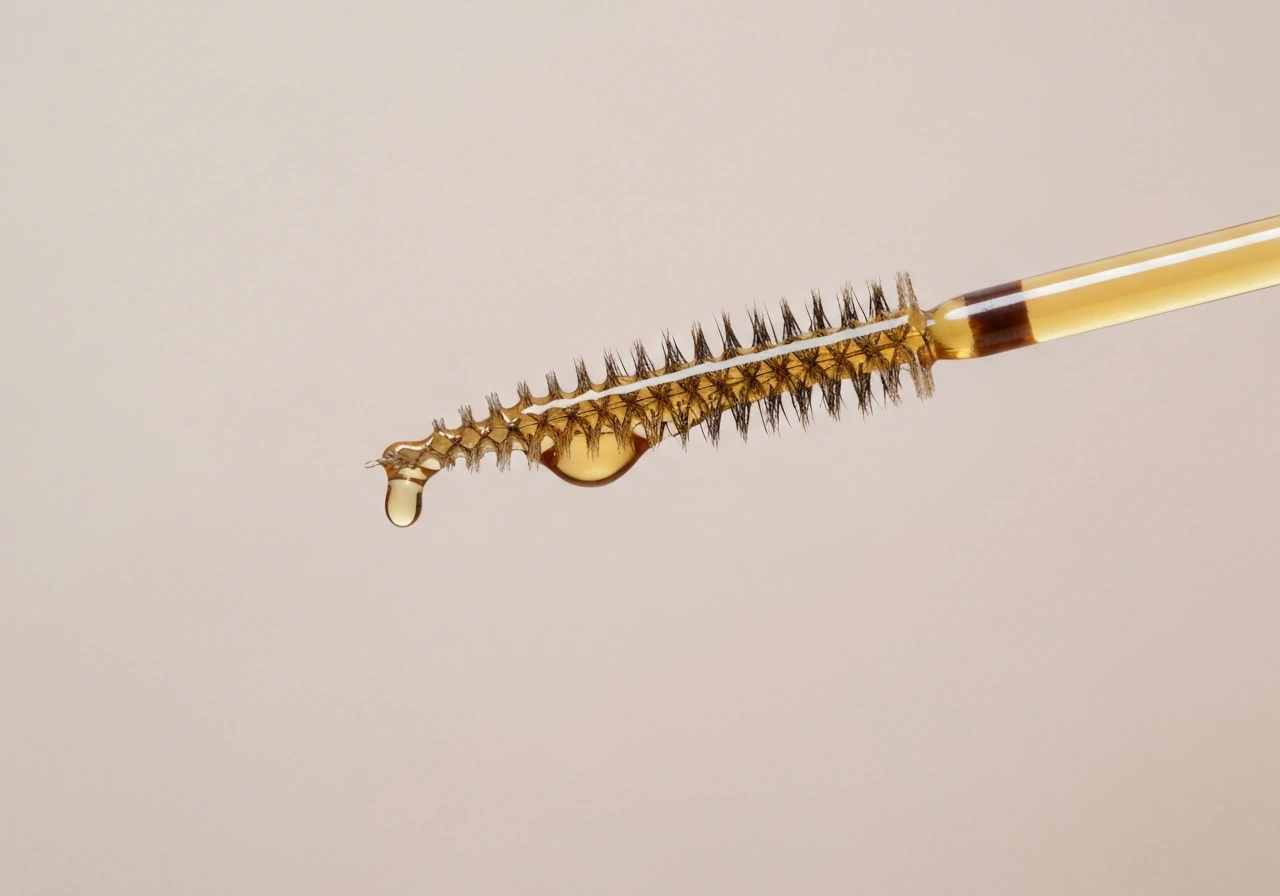
Jamaican black castor oil can support healthier-looking eyelashes and eyebrows, but it does not directly stimulate follicles to grow new hair the way a prescription treatment like Latisse does.
Can Jamaican Black Castor Oil Grow Eyelashes and Brows?

Rachel Nguyen
4 May 2026
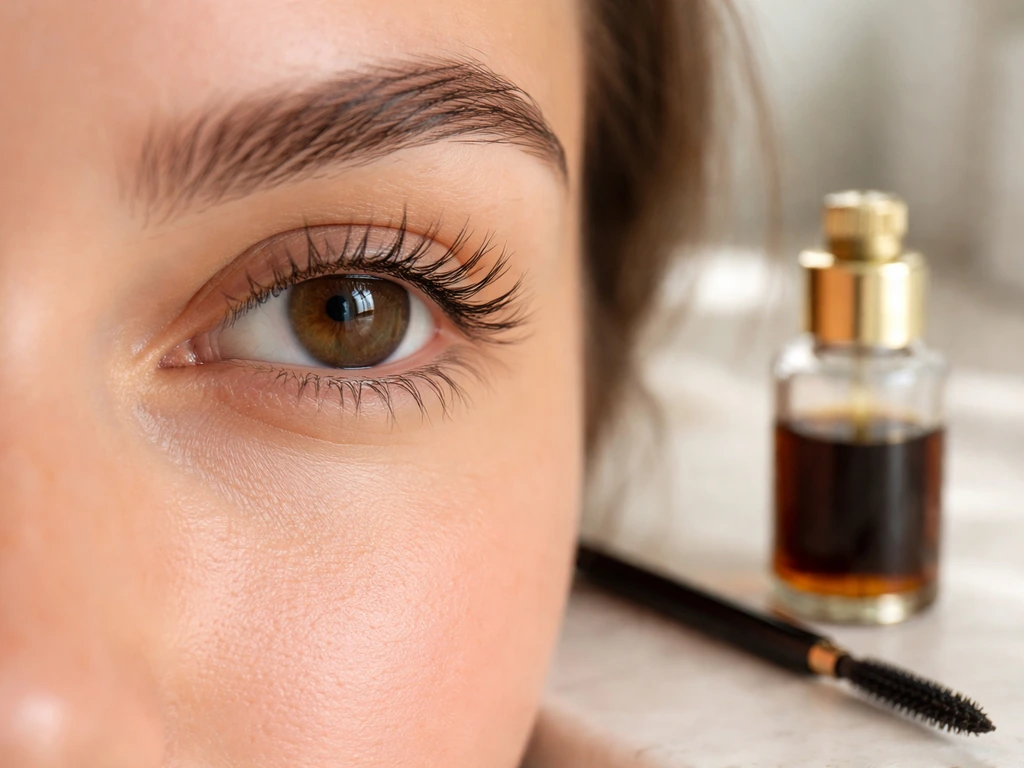
Jamaican black castor oil can support healthier-looking eyelashes and eyebrows, but it does not directly stimulate follicles to grow new hair the way a prescription treatment like Latisse does, so if you want a closer look at whether can castor oil grow eyelashes, compare that follicle-level mechanism to what conditioning can realistically achieve. What it can do is condition and strengthen the lashes you already have, reduce breakage, and create a better environment around the follicle.
For many people, that alone produces a noticeable difference in fullness and density over 4 to 8 weeks. If your lashes are sparse because of breakage, damage, or over-tweezing, castor oil is a genuinely useful tool. If you're dealing with follicle-level loss from a medical condition, you'll likely need something stronger.
What actually makes eyelashes and eyebrows grow
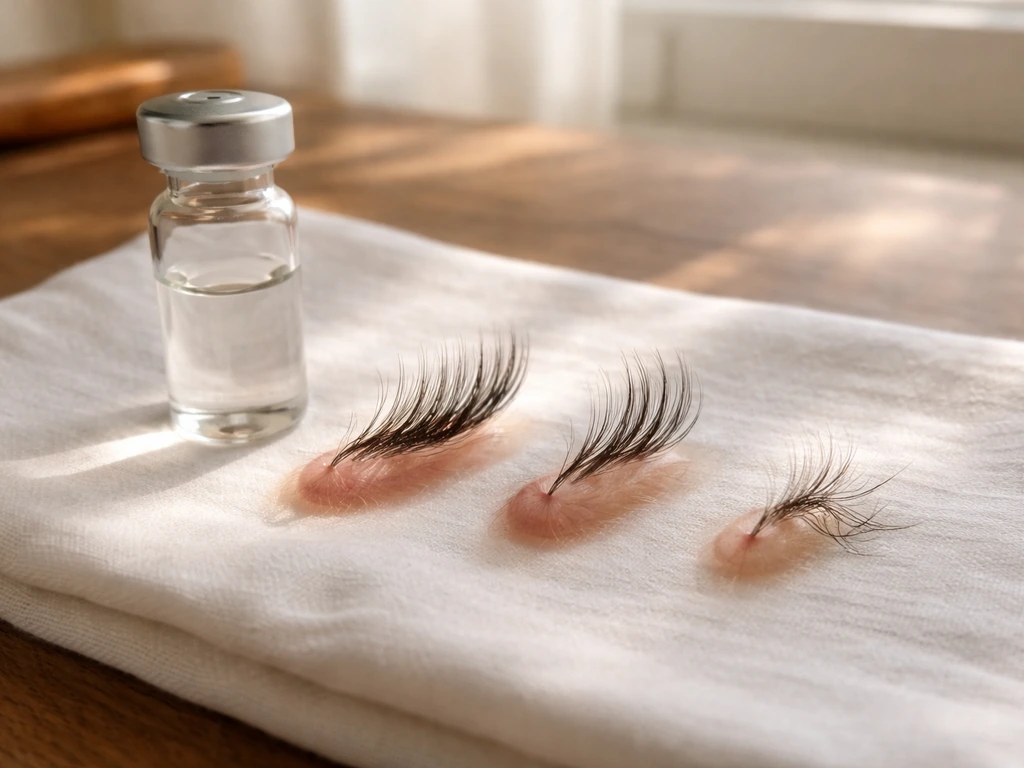
Every lash and brow hair follows a three-phase growth cycle: anagen (active growth), catagen (transition), and telogen (rest and shedding). During anagen, the follicle is actively producing a new hair shaft. In catagen, growth stops and the follicle begins to shrink over roughly 15 days. In telogen, the follicle is dormant, the old hair sits as a club hair, and no shaft growth occurs until the cycle restarts. The hair you see shed naturally is almost always a telogen hair making room for the next anagen phase.
Here's the critical detail for lash and brow length: eyelashes have an anagen phase of only about 4 to 10 weeks, and eyebrows have an anagen phase of roughly 2 to 3 months. Scalp hair, by comparison, can stay in anagen for 2 to 7 years. That short active growth window is why your lashes and brows have a hard ceiling on how long they'll ever get.
Any product that only coats the hair shaft can improve appearance and reduce breakage, but it cannot push a follicle back into anagen earlier or extend how long that anagen phase lasts. True length gains require either a longer anagen phase or more follicles actively cycling at once, which is exactly what prostaglandin analogs like bimatoprost (Latisse) are designed to do at the follicle level.
The difference between thickness and length matters here too. Thickness (or fullness) can improve when existing hairs retain more moisture and break less. Length is determined almost entirely by how long the anagen phase runs. Castor oil primarily addresses the conditioning side of that equation.
What the evidence actually says about castor oil for lashes and brows
Let's be direct: there are no published clinical trials demonstrating that castor oil, Jamaican black or otherwise, grows eyelashes or eyebrows by stimulating follicles. Castor oil can help condition and reduce breakage, but it has not been shown to directly grow lashes the way proven follicle-targeted treatments do grows eyelashes or eyebrows. The research that exists focuses on its benefits for the eyelid margin, specifically for blepharitis, meibomian gland dysfunction, and dry eye. blank" rel="noopener noreferrer">A randomized trial of topical castor oil emulsion for blepharitis showed meaningful clinical improvements after about four weeks of twice-daily application, confirming real periocular benefits. But those studies measure eyelid inflammation and tear quality, not lash length or follicle activity.
What castor oil does have going for it is its unusually high ricinoleic acid content, roughly 84 to 87 percent of its fatty acid profile. Ricinoleic acid is a hydroxyl fatty acid with demonstrated anti-inflammatory and moisturizing properties. Applied to the lash line, it can coat the hair shaft, reduce moisture loss, and help prevent the mechanical breakage that makes lashes look sparse. That's a real, practical benefit. It's just not the same thing as follicle stimulation.
Jamaican black castor oil (JBCO) is made by roasting castor beans before pressing, which gives it its dark color and adds wood ash. The roasting process raises the pH slightly and some proponents argue this creates a more scalp-stimulating product. There's no published data directly comparing JBCO to regular cold-pressed castor oil for lash growth specifically. Anecdotally, users report both work similarly for conditioning, and regular castor oil is often gentler on sensitive skin around the eye area because it has fewer added components.
Compare that to Latisse, which is FDA-approved bimatoprost 0.03%. Clinical data shows it delivers measurably longer, fuller, and darker lashes at 16 weeks by targeting prostaglandin receptors in the inner root sheath of the follicle during anagen. That's a mechanistic pathway castor oil simply doesn't have. If you need fast, documented, follicle-level results, castor oil is not a substitute. But if you're willing to be consistent over several weeks and your primary issue is breakage or dryness, it's a low-cost option worth trying.
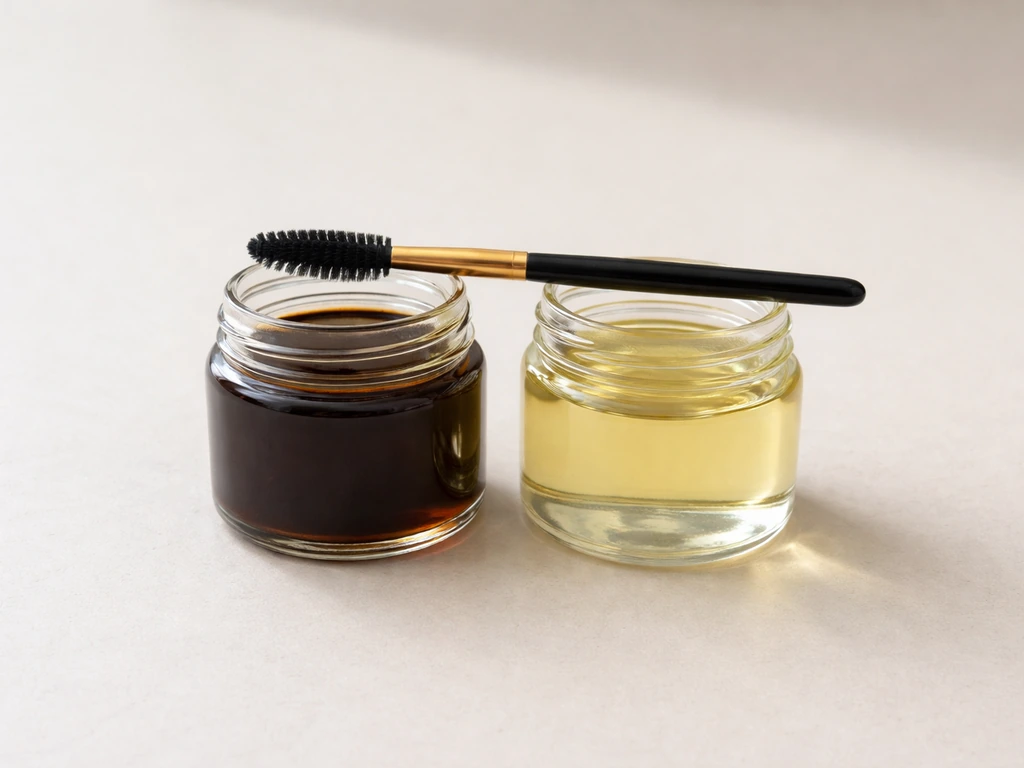
Jamaican black castor oil vs. regular castor oil: which should you use on lashes?
| Feature | Jamaican Black Castor Oil | Regular (Cold-Pressed) Castor Oil |
|---|---|---|
| Color | Dark brown to black | Pale yellow |
| Processing | Roasted beans, wood ash added | Cold-pressed, minimal processing |
| pH | Slightly alkaline (ash raises pH) | Slightly acidic to neutral |
| Ricinoleic acid content | ~84-87% | ~84-87% |
| Added components | Wood ash residue | None (in pure form) |
| Texture | Thicker, heavier | Thick but slightly lighter |
| Best for | Hair conditioning, scalp use | Sensitive skin, eye-adjacent use |
| Evidence for lash growth | None specific | None specific |
| Irritation risk near eyes | Slightly higher (ash) | Lower (pure form) |
If your skin around the eyes is sensitive or reactive, plain cold-pressed castor oil is the safer starting point. JBCO is excellent for brows if you tolerate it, and many people do. For the lash line specifically, where product is closer to the eye itself, cold-pressed castor oil is a more conservative choice.
How to apply castor oil to lashes and brows safely
The application method matters as much as the oil itself, especially because you're working a few millimeters from your eyes. Here's the routine I'd recommend:
- Start with completely clean, dry lashes and brows. Remove all makeup with a gentle remover and let the area dry fully. Oil applied over residue can introduce bacteria or irritants.
- Use a clean mascara wand (a disposable spoolie works perfectly) or a fine eyeliner brush. Never use your fingers directly on the lash line because finger oils and bacteria increase contamination risk.
- Dip the spoolie or brush into a small amount of castor oil. You need far less than you think. One light dip is plenty for both eyes.
- For lashes: apply along the base of the upper lash line, just as you would an eyeliner, from the inner to outer corner. Work the spoolie through the lashes in an upward stroke. Do the lower lashes the same way if you want to include them.
- For brows: use the spoolie or a brow brush to apply the oil in short strokes following the natural direction of hair growth. Focus on any sparse patches.
- Do this at night only, not in the morning. Castor oil is thick and will blur vision if any migrates into the eye during the day. Nighttime application also gives it hours of contact time.
- Leave it on overnight. There's no need to rinse it off before bed. In the morning, your regular face wash will remove any residue.
- Repeat every night or every other night. Consistency over at least 4 to 8 weeks is what produces visible results.
Store your castor oil in a cool, dark place and check the expiration date. Rancid oil can irritate skin. If you're decanting into a smaller applicator bottle, clean it between refills. Product contamination around the eye area is a real concern that most people underestimate.
When to expect results and how to track progress

The honest timeline for castor oil is slower than most social media content suggests. Because lash growth depends on your natural anagen cycle, a realistic timeline for noticeable results is often measured in weeks, not days timeline for castor oil is slower. Because lash anagen phases last about 4 to 10 weeks, you're essentially waiting for at least one full growth cycle to see whether your existing lashes are retaining more length and looking fuller.
If you want to estimate your own timeline, focus on the full growth-cycle window rather than expecting instant changes how long does castor oil take to grow eyelashes. Most people notice a difference in lash texture and reduced brittleness within 2 to 4 weeks. Visible fullness improvements typically take 6 to 8 weeks of consistent nightly use. Don't expect dramatic length gains, but reduced breakage can make lashes look noticeably longer even without actual follicle-driven growth.
For eyebrows, the timeline is similar. Brow anagen phases run 2 to 3 months, so if you've over-tweezed or have sparse patches, it can take the full 8 to 12 weeks before you see meaningful regrowth in areas where follicles are still intact. Castor oil can support the conditioning of those re-emerging hairs, but it won't revive follicles that are truly gone or scarred.
The most reliable way to track progress is to take a close-up photo in the same lighting before you start, then again at 4 weeks and 8 weeks. Changes in lash density are subtle and easy to dismiss in daily observation but often obvious in side-by-side photos. Look for reduced gaps, less shedding on your pillow or after removing mascara, and whether individual lashes seem less brittle when you run your fingers through them gently.
If you've been consistent for 8 weeks and see no change at all, castor oil is likely not going to be sufficient for your situation. At that point it's worth exploring whether something else is driving the loss, or considering a clinically supported option. Regular castor oil and Jamaican black castor oil share similar timelines, and the how-to-grow-with-castor-oil approach is essentially the same regardless of which version you use. If you want a simple, step-by-step routine, follow these tips on how to grow lashes with castor oil safely and consistently how-to-grow-with-castor-oil approach.
Risks, side effects, and who should skip it
Castor oil is generally well-tolerated on skin. The Cosmetic Ingredient Review safety assessment found it is not a significant skin irritant or sensitizer in most human clinical tests. But the eye area is different from the rest of your face. The proximity to the eye itself means any product migration carries real risk.
Getting castor oil directly in the eye can cause burning, pain, blurred vision, redness, and reduced tear film quality. Ophthalmologists are clear that castor oil does not belong inside the eye, and the Cleveland Clinic specifically notes that eye contact can lead to eye damage in serious cases. This isn't a reason to avoid it entirely, but it is a reason to apply carefully, use very small amounts, and always apply at night when you're not blinking repeatedly.
Allergic contact dermatitis from castor oil is uncommon but documented. Ricinoleic acid is the primary sensitizing component identified in published case reports, and the risk appears higher with non-hydrogenated castor oil (which is the type typically used for lash and brow application). If you've ever reacted to castor oil in a product before, skip this entirely. If you're trying it for the first time, do a patch test on the inner arm for 24 to 48 hours before applying it anywhere near your eyes.
Who should avoid castor oil near the eyes
- Anyone with a known allergy to castor oil, ricinoleic acid, or related fatty acid compounds
- People with active eye conditions such as conjunctivitis, styes, or open wounds on the eyelid
- Contact lens wearers (oil residue can coat lenses and cause serious irritation; remove lenses before application and don't reinsert until the next morning)
- Anyone currently using prescription eye drops or lash serums, since mixing products near the eye without medical guidance is not advisable
- People with sensitive skin prone to periocular eczema or dermatitis who haven't patch-tested first
- Anyone who finds even trace amounts of oil cause visual disturbance or eye irritation during application
One practical note on contamination: if you're using a shared bottle with a brush applicator, bacteria can build up quickly. Use a separate dedicated applicator, clean it weekly with isopropyl alcohol, and let it dry fully before use. This is especially important around the eye area where the risk of introducing bacteria is higher than anywhere else you'd apply an oil.
The bottom line on castor oil for lash and brow growth
Jamaican black castor oil and regular castor oil are legitimate conditioning tools for eyelashes and eyebrows. They won't trigger follicles to produce more growth the way a prostaglandin-based treatment does, but they can meaningfully reduce breakage, improve lash appearance, and support a healthier lash line environment. Used correctly at night with a clean spoolie, consistently for 6 to 8 weeks, many people do see a real improvement in how full and healthy their lashes look. Just go in with clear expectations, apply it safely, and track your progress with photos so you can objectively assess whether it's working for you.
FAQ
If my lashes are shedding, will Jamaican black castor oil stop it completely?
No. Castor oil may help reduce dryness and breakage, which can make lashes look fuller, but it does not reliably increase follicle activity. If your lashes are missing because of scarring, severe dermatitis, thyroid disease, or blepharitis that is still uncontrolled, conditioning alone often cannot recreate lost length.
Can castor oil make my lashes look thicker, not just longer?
It can improve the look of thickness over time, mainly by making existing lashes less brittle and better hydrated. For true regrowth, you need hairs that are already cycling in anagen. If you see sudden shedding over a few weeks, consider a trigger such as eye irritation, a new cosmetic, medication changes, or an untreated eyelid condition.
Is Jamaican black castor oil safer than regular castor oil for the eye area?
Yes, but your tolerance matters. Start with regular, cold-pressed castor oil first if you are sensitive, because JBCO has a higher likelihood of irritation for some people due to its processing differences. If you try JBCO, use a smaller amount and discontinue if you notice stinging, redness that lasts, or worsening eye irritation the next day.
What if I have dry eye or blepharitis symptoms, should I use castor oil anyway?
Do not use castor oil as a replacement for treating active eyelid disease. If you have blepharitis symptoms, meibomian gland dysfunction, or dry eye with burning and gritty eyes, discuss treatment with an eye professional, then use castor oil only as a supplemental lash conditioner after you confirm it is appropriate.
How close to the eye should I apply Jamaican black castor oil, and how much should I use?
Use a tiny amount at the lash line, avoid getting product into the eye, and stop at the lid margin rather than trying to saturate the lash roots. If you are prone to clogged pores or milia around the eyes, less is usually better, and applying only at night can reduce migration while you sleep.
Can I use castor oil on lashes if I wear contact lenses?
If you wear contact lenses, it is safest to apply after lenses are removed and keep the area clean before reinserting lenses. Also avoid getting oil on the lower lash line if it tends to migrate, because it can increase discomfort or blur risk when it travels toward the eye.
Can I mix Jamaican black castor oil with other oils or growth serums?
Choose products that are specifically formulated for cosmetic periocular use, and avoid adding essential oils or other “growth boosters.” Essential oils can irritate the eye area and increase the chance of contact dermatitis. Stick to straight castor oil and keep everything fragrance-free.
How long should I try castor oil before deciding it is not working for me?
You should expect early changes in 2 to 4 weeks, but visible fullness usually takes 6 to 8 weeks because you are letting existing lashes shed and re-grow through your natural cycle. If you see no difference by 8 weeks, it is usually unlikely to work for your specific cause of sparse lashes.
What are the warning signs that I should stop using castor oil?
Yes. If the oil is migrating or you notice redness, itching, watery eyes, or worsening stinging after application, discontinue and rinse the area. A patch test helps, but periocular skin reactions can still happen, and getting it in the eye is not something to “push through.”
How do I patch test castor oil before using it near my eyes?
For a patch test, apply a small amount to the inner arm and wait 24 to 48 hours, but also do a micro-test near the eyebrow or upper cheek first if it passes. Do not apply near the lashes until you have no reaction around nearby skin, because lash-line sensitivity can differ.
Why did castor oil work for others but irritate my eyes or seem to stop working?
If you are using a shared bottle or a brush applicator, contamination is a common failure point because bacteria can accumulate and irritate the eye area. Dedicate an applicator per person when possible, clean it weekly, and store with a clean cap. If your bottle has been repeatedly dipped into, switch to a pour-and-wipe approach or a new container.
If castor oil is not follicle stimulation, what results are realistic for length versus just appearance?
Do not expect it to lengthen lashes beyond what your anagen window allows. If you want a faster, follicle-level effect, that is where prostaglandin analogs come in. Castor oil is best viewed as a conditioning tool, not a growth medicine, especially for dramatic length goals.
Next Article
How Long Does Castor Oil Take to Grow Eyelashes? Timeline
Timeline for castor oil eyelash growth: when to see changes, what affects speed, and safe how-to use tips.