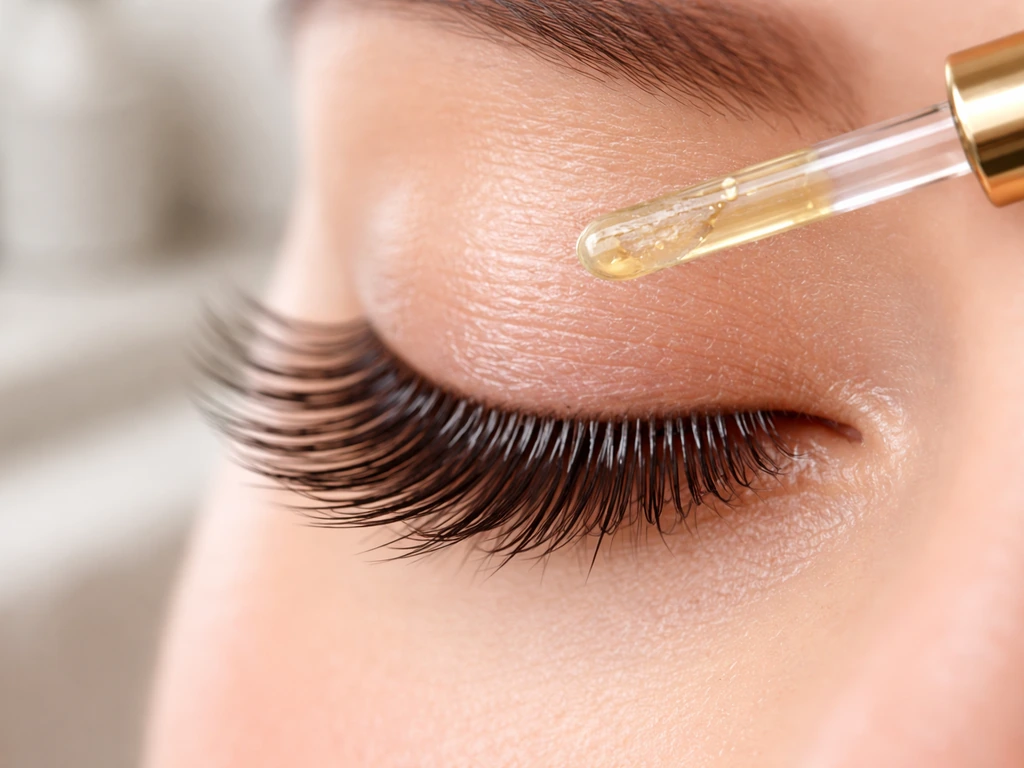
Shea butter won't make your eyelashes grow longer or thicker the way a clinically proven serum does. It has no known mechanism for stimulating hair follicles or extending the anagen (active growth) phase of the lash cycle. What it can do is condition your lashes, reduce breakage from dryness and friction, and keep the delicate eyelid skin barrier healthy. That's genuinely useful, but it's maintenance work, not growth work. If you're expecting visible length gains from shea butter alone, you'll be disappointed.
Does Shea Butter Grow Eyelashes? What to Expect and How to Use It
Rachel Nguyen
20 May 2026
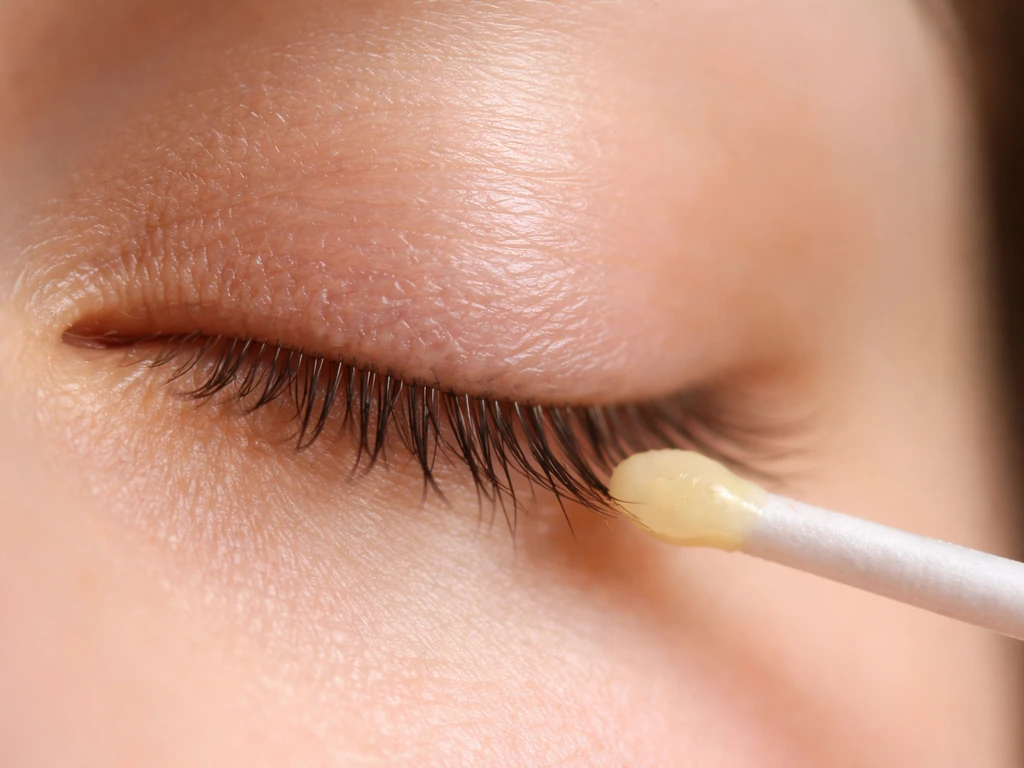
Shea butter vs. real lash growth: what's actually possible
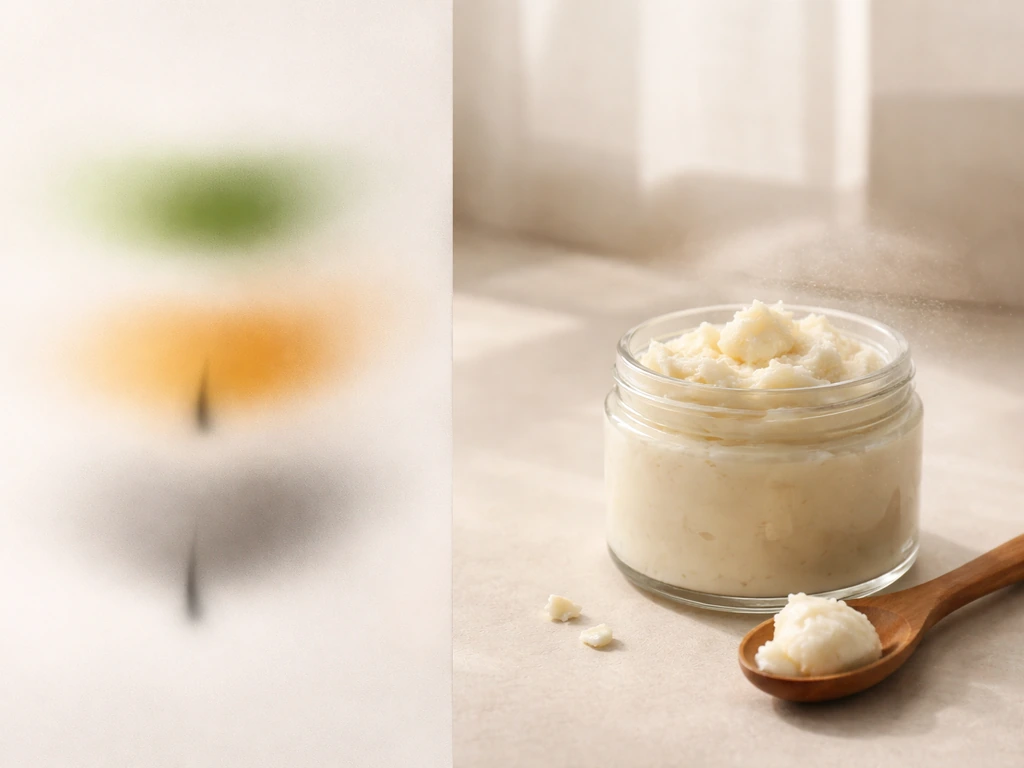
Eyelash growth is controlled by the hair follicle cycle, which has three phases: anagen (active growth, blank" rel="noopener noreferrer">lasting roughly 4 to 10 weeks for lashes), catagen (transition), and telogen (resting and shedding, which can last 4 to 9 months). The length your lashes can reach is biologically capped, typically under 12 mm, and no amount of topical conditioning can override that ceiling. For something to actually grow your lashes, it needs to interact with the follicle itself, ideally by prolonging the anagen phase or stimulating dormant follicles.
Shea butter doesn't do that. It's classified as an occlusive emollient, meaning it works by forming a physical barrier on the skin and hair surface to lock in moisture and reduce transepidermal water loss. That's a skin function, not a follicle function. There are no peer-reviewed studies showing shea butter stimulates lash follicles, extends the growth phase, or increases lash density. If you are wondering whether does mustard oil grow eyelashes, the same problem applies: evidence for follicle stimulation is limited shea butter stimulates lash follicles. Claims to the contrary are based on anecdote, not evidence.
The confusion usually comes from people noticing their lashes look better after using shea butter, which is real. Conditioned lashes are less brittle, less prone to snapping mid-shaft, and appear darker and glossier. If your lashes were breaking regularly before, reducing that breakage can make them appear longer over time because they're surviving to their full grown length instead of snapping off early. That's a meaningful improvement, just not the same thing as growing new length.
Conditioning benefits: moisture, softness, and reduced breakage
Here's where shea butter actually earns its place in a lash routine. Eyelashes, like scalp hair, are protein and lipid structures that can dry out, become brittle, and break under repeated stress. If you're removing eye makeup roughly, sleeping without removing mascara, or recovering from extensions, your lashes are taking mechanical damage every day. Shea butter's fatty acid profile (mainly oleic and stearic acids) helps smooth the hair cuticle and replenish surface lipids that hold the shaft together.
The occlusive barrier shea butter creates also benefits the eyelid skin around the follicle opening. Dry, flaky eyelid skin can clog or irritate the follicle base over time, potentially disrupting healthy cycling. Keeping that skin moisturized and intact is a legitimate maintenance goal, especially in dry climates or during winter. Think of it as creating a clean, healthy environment for lashes to grow into rather than actively pushing growth.
- Reduces lash brittleness and mid-shaft breakage from dryness
- Smooths the hair cuticle, making lashes appear glossier and slightly thicker visually
- Supports the eyelid skin barrier around follicle openings
- Softens and conditions without the harsh stripping effect of some cleansers
- May reduce friction damage from rubbing or mascara removal
How to use shea butter on eyelashes safely (step-by-step)
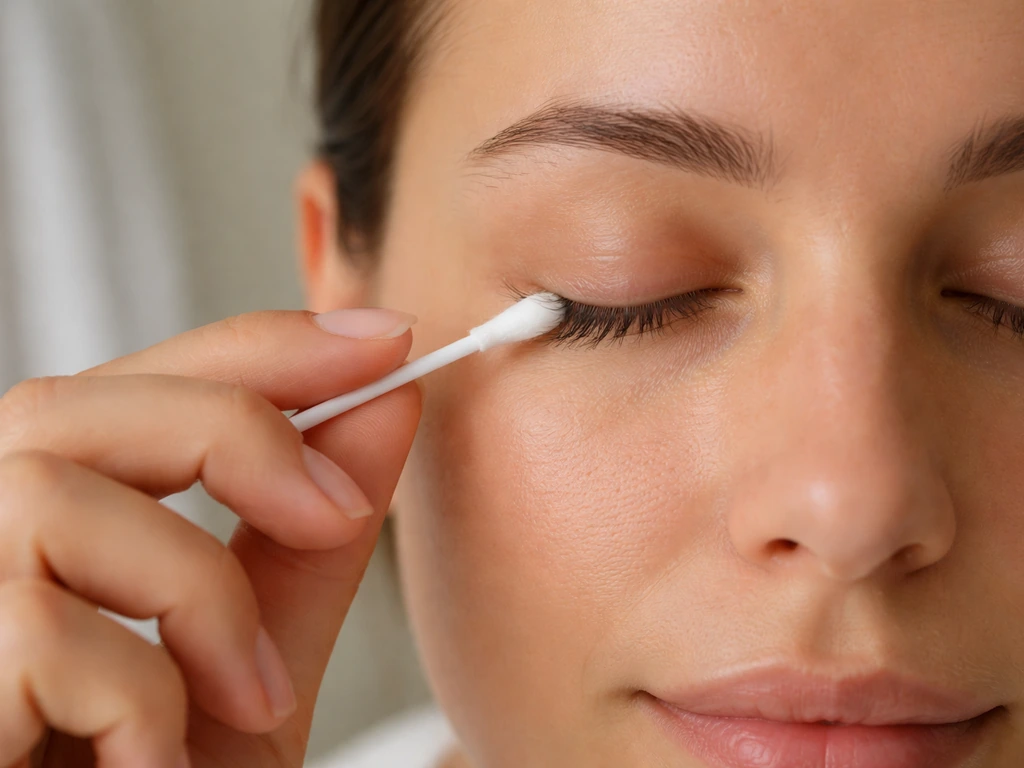
The eye area is sensitive and close to the mucous membranes of your eye, so application technique matters. Raw, unrefined shea butter is your best option here since it's free of added preservatives or fragrances that could irritate. Always do a small patch test on your inner wrist or behind your ear before applying anything new near your eyes.
- Remove all eye makeup completely and wash your face before application.
- Warm a very small amount of shea butter (about the size of a grain of rice) between clean fingertips until it melts into a thin oil.
- Using a clean mascara wand, a fine eyeliner brush, or your ring fingertip, apply a thin layer along the base of the lashes and through the lash line.
- Avoid getting the product directly into your eye. A thin, controlled application is key.
- Do this at night before bed so the butter has time to absorb and so excess product doesn't interfere with daytime activities.
- In the morning, rinse the area gently with a mild cleanser to remove residue before applying any other eye products or makeup.
- Repeat nightly or every other night, not multiple times a day.
One thing to watch: shea butter is thick, and layering too much around the lash line can theoretically clog follicles or the tiny meibomian glands along your lid margin. Less is always more here. If you notice milia (small white bumps) forming near the lash line, reduce frequency or stop entirely.
How long it takes to see results and what to expect
Because shea butter works through conditioning rather than follicle stimulation, the timeline for noticing changes is tied to the lash growth cycle, not to any active ingredient kicking in. An individual lash takes 4 to 10 weeks to grow through its anagen phase, and most of the visible lash population is in different phases at any given time. That means you're looking at roughly 6 to 12 weeks of consistent nightly application before you can fairly evaluate whether reduced breakage is translating into visibly healthier, longer-surviving lashes.
What you should realistically expect after 8 to 12 weeks of consistent use: lashes that feel softer, look slightly glossier, and may appear a little fuller if breakage was your main issue previously. You should not expect dramatic length gains, new lash sprouting in sparse areas, or changes comparable to a growth serum. If your lashes are already healthy and break infrequently, the visible difference will be minimal.
When shea butter won't be enough
If your lash thinning or shortness is coming from anything beyond routine dryness, shea butter is not going to address the root cause. There are three situations where conditioning alone falls short.
Lash damage from extensions or over-removal is one of the most common reasons people land on this question. Extensions that are applied too heavy or removed improperly put mechanical stress directly on the follicle. Once a follicle is damaged or a lash is pulled out at the root, no topical conditioner can speed up regrowth, that's determined entirely by how quickly your follicle re-enters anagen, which takes weeks to months regardless of what you apply.
Medical causes of lash loss (madarosis from thyroid conditions, alopecia areata, chemotherapy, or chronic blepharitis) require medical evaluation, not a kitchen remedy. Shea butter used alongside medical treatment can support the skin environment, but it should never be the primary strategy if there's an underlying cause to address.
Finally, if you simply have naturally thin or short lashes and want meaningful length or density gains, conditioning isn't the tool for that job either. If you're also wondering can cuticle oil grow your eyelashes, the same issue applies: conditioning may improve how lashes look, but true growth requires follicle interaction rather than surface occlusion. You need something that interacts with follicle biology.
Better options for length and thickness
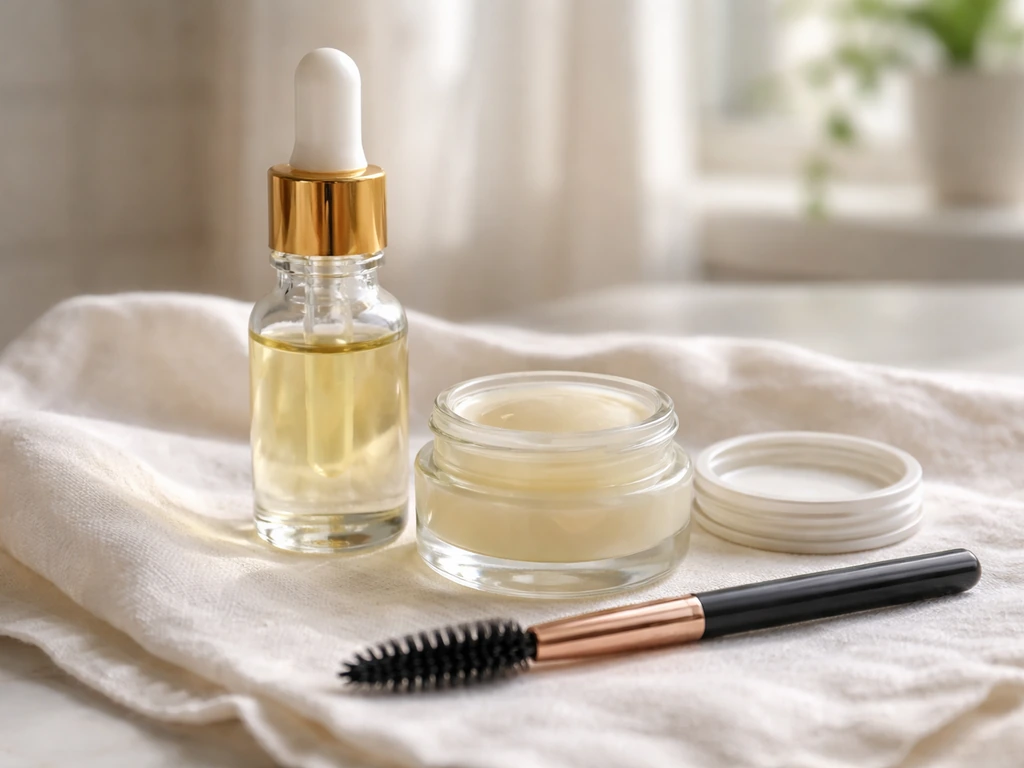
If actual growth is your goal, here's how the main options compare. Bimatoprost (sold as Latisse at 0.03%) is the only FDA-approved treatment for eyelash hypotrichosis and has the most robust clinical evidence. In a multicenter randomized controlled trial, 78.1% of bimatoprost-treated subjects achieved a meaningful improvement in global lash assessment at 16 weeks versus 18.4% in the vehicle group. It works by prolonging the anagen phase, which is the growth mechanism shea butter simply doesn't have. Results include increases in length, thickness, and darkness, but it requires a prescription and lashes gradually return toward baseline if you stop using it.
| Option | Mechanism | Evidence for Growth | Timeline | Best For |
|---|---|---|---|---|
| Shea butter | Occlusive conditioning, barrier support | None for follicle stimulation | 6-12 weeks (breakage reduction only) | Maintenance, brittle/dry lashes |
| Castor oil | Conditioning, possible ricinoleic acid effects | Anecdotal, limited clinical data | 8-12 weeks | General conditioning, mild improvement |
| Jojoba oil | Sebum-mimicking conditioning | Anecdotal, no clinical trials | 8-12 weeks | Scalp/lash moisture balance |
| Biotin (oral) | Supports keratin production systemically | Primarily effective if deficient | 3-6 months | Deficiency-related thinning |
| Bimatoprost (Latisse) | Prolongs anagen phase, follicle stimulation | Strong clinical trial evidence (FDA-approved) | 16 weeks for significant results | Clinically meaningful length/thickness gains |
Castor oil is probably shea butter's closest competitor in the natural remedy category, and while it has a more enthusiastic following for lash growth, the evidence is still largely anecdotal. Jojoba oil similarly works through conditioning rather than follicle stimulation. Biotin supplementation is genuinely useful if you're deficient, but most people aren't, and taking more won't push lashes beyond their biological limits. For maximum conditioning support alongside a growth strategy, you can absolutely layer shea butter or castor oil with a prescription serum, just apply the serum first and let it absorb before adding any occlusive.
Safety checklist: irritation, allergies, and when to stop
Shea butter is generally well-tolerated, but the eye area is not the same as your cheek or arm. Before you commit to a nightly routine, run through this checklist.
- Patch test first: apply a small amount to your inner wrist and wait 24 hours before using near your eyes.
- Use raw, unrefined shea butter with no added fragrances, preservatives, or essential oils.
- If you have a tree nut allergy (shea comes from the shea tree), consult a doctor before use.
- Apply only to clean, makeup-free skin. Never apply over mascara or liner.
- Never apply in a moving vehicle or with unsteady hands near your eye.
- Stop immediately if you notice redness, itching, swelling, or increased eye watering.
- Watch for milia or small bumps forming at the lash line, a sign of follicle occlusion.
- If you wear contact lenses, remove them before application and wait at least 15 minutes before reinserting.
- If symptoms persist after stopping, see a doctor. Eyelid skin reactions can escalate quickly.
The bottom line is that shea butter is a safe, low-cost addition to a lash care routine for conditioning purposes, but it belongs in the maintenance column, not the growth column. Use it to protect and soften what you have, and if you genuinely need more length or fullness, pair it with an evidence-backed growth strategy. That combination, healthy lash environment plus follicle stimulation, is where you'll see the most meaningful results.
FAQ
If shea butter doesn’t grow lashes, why do some people say they got longer lashes?
No. Shea butter can make lashes feel softer and look glossier, but it does not extend the follicle’s active growth phase. If you see more “length,” it’s usually because less breakage lets lashes reach their natural maximum without snapping off early.
Where exactly should I apply shea butter for lashes, and what parts should I avoid?
Target the lash shaft and the area just above the lash line, use a very small amount, and keep it off the inner eye and tight against the lash roots. Over-application increases the chance of clogged follicles or milia around the lid margin.
How can I tell if shea butter is likely to irritate my eyes or eyelids?
Patch test is especially important near the eyes. Apply a thin layer behind the ear or on the inner wrist, wait 24 hours, then if there’s no burning, redness, or bumps, proceed with a test on one eye for a few nights before making it a daily routine.
Can I use shea butter on top of mascara or after makeup removal, and does timing matter?
If you wear mascara or do nighttime removal, apply shea butter only after your lashes are fully clean and dry. Adding it on top of residue can increase irritation and buildup.
When will I actually notice any results from shea butter, and how long should I try it?
Give it time in the context of lash cycling. For conditioning improvements, evaluate at about 8 to 12 weeks, because lashes that break less have to grow through their normal 4 to 10 week anagen to show a visible difference.
Can I combine shea butter with an evidence-based eyelash growth treatment?
Yes, but only as a maintenance companion. If you use a growth serum or prescription product first, let it absorb fully before adding shea butter. Thick occlusives can interfere with absorption if applied immediately on top.
What should I do if I develop milia or irritation near the lash line?
If milia (small white bumps) or itchy redness appears, stop shea butter and scale back to a lighter, less frequent amount once symptoms fully resolve. If the reaction recurs, avoid it for the eye area.
What if my lashes are thinning due to extensions or over-removal, will shea butter help?
If your shortness is mainly from lashes being pulled out at the root (improper extension removal) or from chronic rubbing and over-removal, no topical conditioner can speed regrowth from damaged follicles. You may need to pause damaging practices and, if shedding is significant, get medical advice.
When should I stop experimenting with shea butter and get checked for a medical cause?
In many medical causes of lash loss, shea butter cannot address the underlying driver. If you have patchy loss, eyebrow or scalp hair changes, symptoms of inflammation, or rapid worsening, consult a clinician rather than relying on conditioning.
I have naturally thin lashes, can shea butter improve density or do I need something else?
If your lashes are naturally sparse or you want a measurable density increase, shea butter alone usually won’t deliver that. Pairing conditioning (to reduce breakage) with an actual follicle-targeting option is the more direct path.
Next Article
Does Jojoba Oil Grow Eyelashes? Evidence, How to Use
Evidence on whether jojoba oil can grow lashes, how it helps, safe application steps, timelines, and what works better