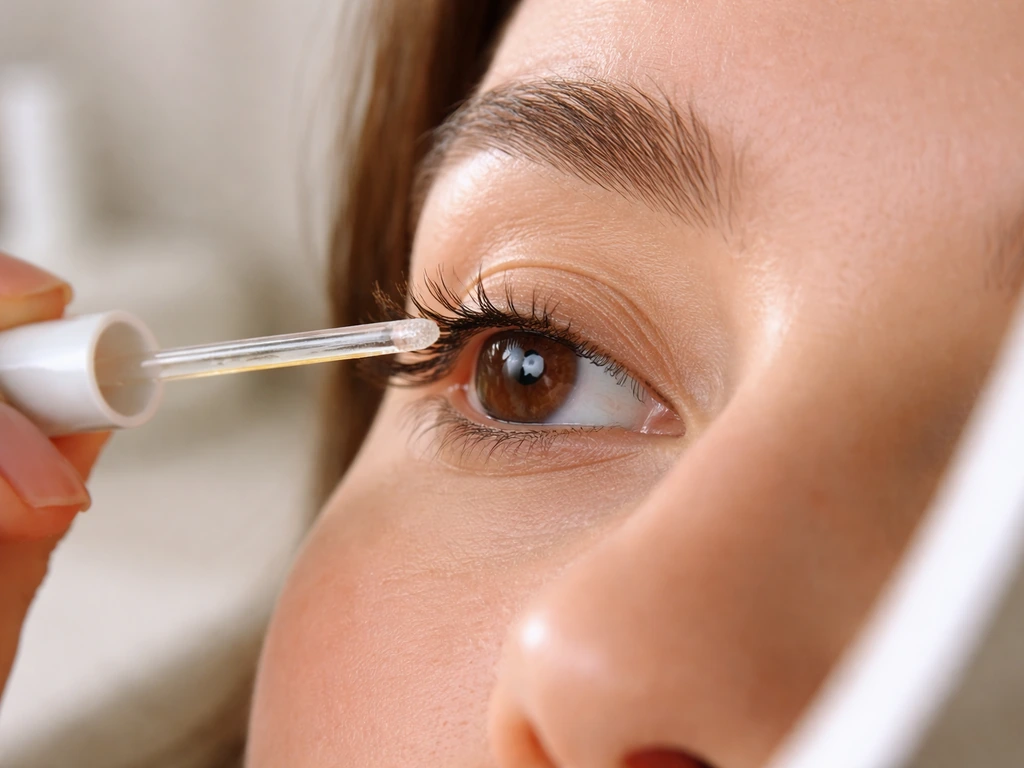
Water does not make your eyelashes grow. It cannot push a follicle into anagen (the active growth phase) or make lashes longer or thicker on its own. What it can do is hydrate the lash shaft, reduce brittleness, and help prevent the kind of mechanical breakage that makes lashes look shorter than they actually are. That distinction matters a lot, because fixing breakage and stimulating new growth require completely different approaches.
Does Water Make Your Eyelashes Grow? Evidence and Tips

Rachel Nguyen
21 May 2026
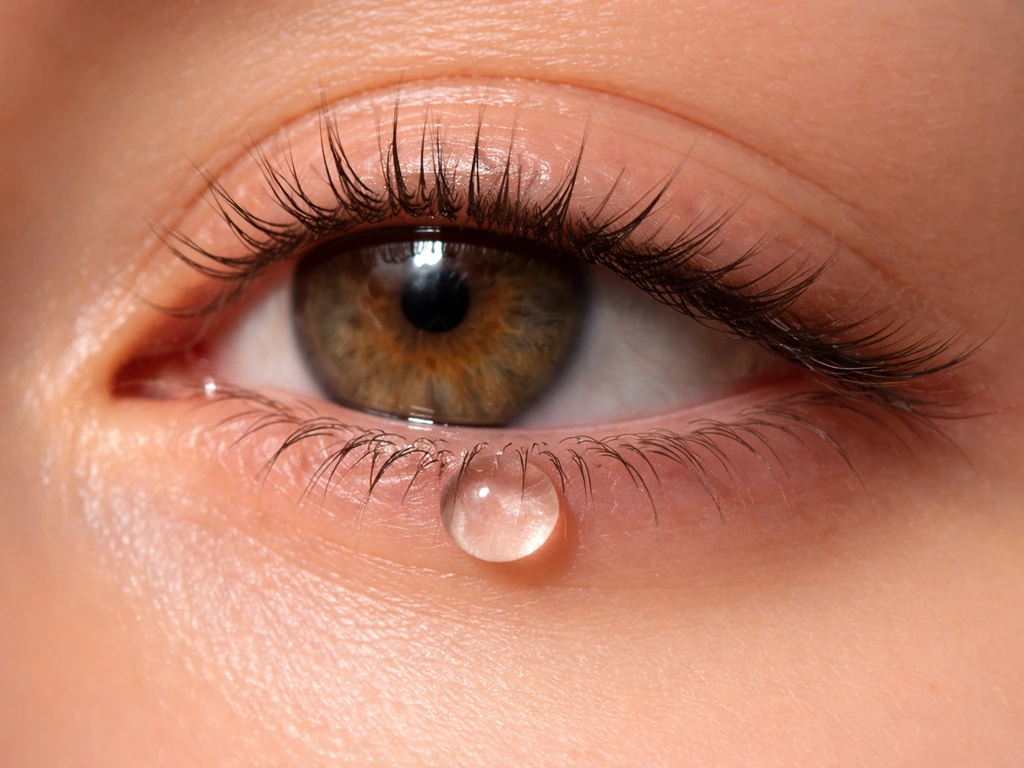
How eyelash growth actually works
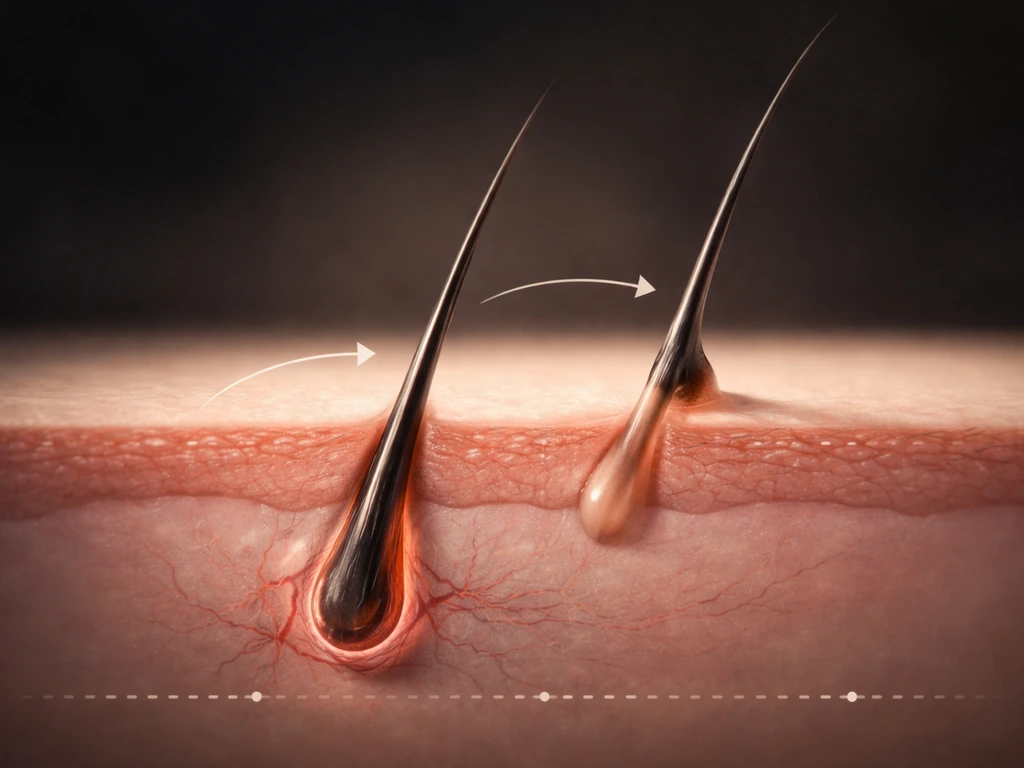
Each eyelash follicle runs through a continuous three-phase cycle: anagen (active growth), catagen (regression), and telogen (resting). Research puts the anagen phase at around 34 days on average, with catagen lasting roughly 15 days before the lash enters telogen and eventually sheds. The full cycle from new growth to shedding takes about 90 days. During anagen, lashes grow at approximately 0.12 to 0.14 mm per day. Once catagen kicks in, growth stops completely, and nothing topical you apply to the lash shaft itself changes that timeline.
What controls whether a follicle is in anagen, how long it stays there, and how thick the resulting lash becomes are largely biological signals, including prostaglandin pathways, growth factors, and androgen sensitivity. This is why prescription bimatoprost (Latisse) works: it shifts more follicles into anagen simultaneously and extends how long they stay there. Plain water has no mechanism to do any of that.
What water actually changes: hydration, brittleness, and breakage
Lash shafts are made of keratin, and keratin's physical properties genuinely change depending on its moisture content. A well-hydrated lash shaft is more pliable and less prone to snapping under mechanical stress. A dry, dehydrated lash breaks more easily when you rub your eyes, sleep face-down, or scrub off mascara aggressively. So if your lashes look short and sparse, breakage from dryness may actually be part of the problem, even if your follicles are cycling normally.
Rinsing lashes with clean water as part of a gentle cleansing routine also removes debris, residual makeup, and inflammatory buildup at the lash line. Gentle eyelid washing or lid-scrub products can be used to help treat blepharitis and support overall lid margin health lid margin inflammation. Blepharitis (lid margin inflammation) is a real and common cause of lash thinning, and the American Optometric Association specifically recommends gentle eyelid washing, using diluted baby shampoo or a commercial lid cleanser, as a first-line treatment. Controlling that inflammation protects your follicles. In that sense, water plays a supporting role, but it is the cleansing and anti-inflammatory benefit doing the work, not water as a growth stimulant.
At-home hydration and lash-care routine
The goal here is to stop the damage that's artificially shortening your lashes, so whatever new growth is happening has a chance to reach its full potential. Here is what actually works and what to skip.
Safe daily steps
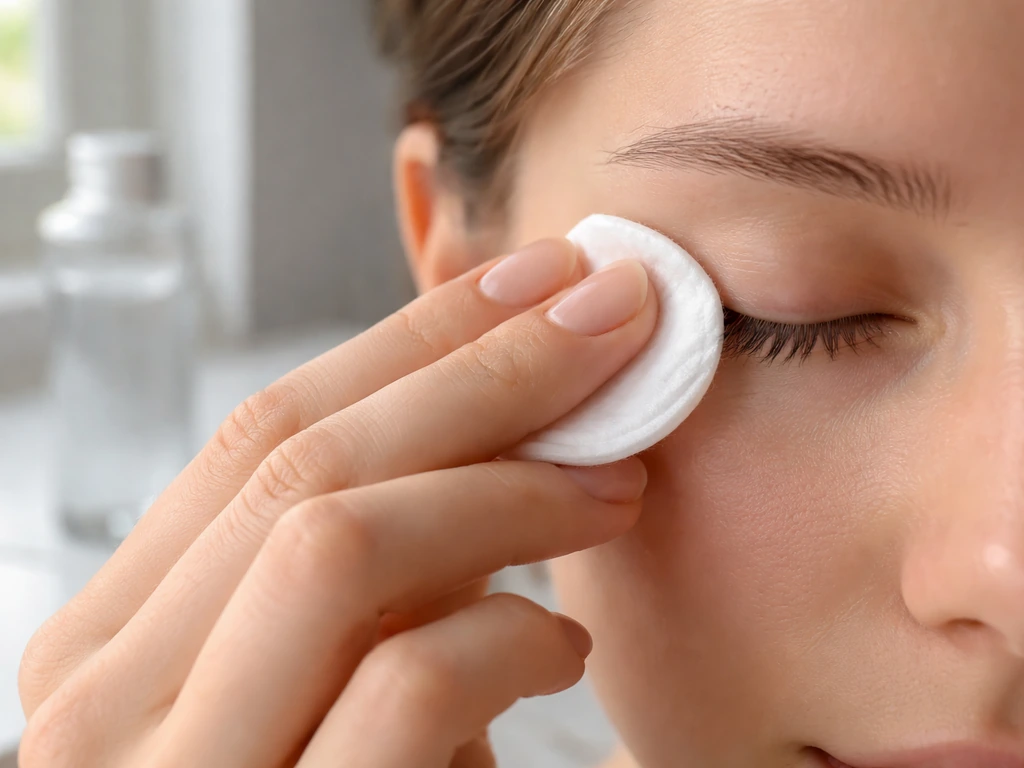
- Cleanse the lash line nightly with a gentle, oil-free micellar water or diluted tear-free baby shampoo on a lint-free pad. Wipe across the lash base with the eyes closed, about 10 gentle strokes, rather than rubbing.
- Remove mascara with a dedicated eye makeup remover before washing. Hold a soaked pad against closed lids for 20 to 30 seconds to dissolve mascara instead of scrubbing.
- Apply a conditioning lash serum or a small amount of castor oil to the lash base after cleansing if your lashes feel dry or brittle. This adds a layer of moisture and occlusion that slows dehydration.
- Sleep on a silk or satin pillowcase if you are a side or stomach sleeper. Cotton creates friction that snaps dry lash shafts over time.
- Avoid lash curlers on dry lashes, and never curl immediately after applying a conditioning oil, as both scenarios increase breakage risk.
What to avoid
- Waterproof mascara daily: it requires heavier removal pressure and strips moisture from the lash shaft.
- Rubbing your eyes habitually, especially when lashes are dry or you are wearing extensions.
- Leaving mascara on overnight: it dehydrates lashes and increases breakage by morning.
- Using harsh oil-based removers directly on the lash line without wiping direction control, which can push product into the eye.
- Applying any liquid, including plain water, in a way that saturates the lash base repeatedly throughout the day, since this can actually disrupt the skin barrier around the follicle openings.
Evidence-based options that actually promote growth
If you want longer, thicker lashes rather than just healthier ones, you need something that acts on follicle biology. Here is how the main options compare.
| Option | Mechanism | Evidence Level | Timeline | Key Consideration |
|---|---|---|---|---|
| Bimatoprost (Latisse) | Prostaglandin analog: extends anagen, increases bulb thickness, shifts telogen follicles to anagen | FDA-approved, randomized clinical trials | Full results at 16 weeks; some change by 8 weeks | Prescription only; side effects include eyelid darkening, dry eye, and potential IOP changes |
| OTC prostaglandin-analog serums | Similar mechanism to bimatoprost at lower concentrations | Mixed; less regulatory oversight | Variable, often 8-12 weeks | RANZCO and the European Commission have flagged safety concerns; apply only at lash base |
| Castor oil | Occlusive conditioner; reduces breakage; no proven follicle-stimulation mechanism | Anecdotal and community evidence; no controlled clinical trials for lash growth | Noticeable reduction in breakage in 4-6 weeks | Safe for most people; avoid getting oil into the eye |
| Biotin (oral) | Supports keratin infrastructure; useful if deficient | Evidence supports benefit in biotin deficiency; limited data for normal levels | 3-6 months for systemic effect | Biotin deficiency is less common than assumed; check levels before supplementing |
| Hydration / water | Hydrates keratin shaft; reduces brittleness | Mechanistic research on keratin hydration; no clinical growth trials | Reduces breakage almost immediately | Does not stimulate follicle growth; supportive only |
If your lashes are breaking, start with the hydration and cleansing routine above plus a nightly application of castor oil or a peptide-based conditioning serum. If you want a measurable increase in length and density, bimatoprost is the only option with FDA approval and solid clinical backing. Talk to a dermatologist or ophthalmologist before starting it, especially if you have a history of eye pressure issues or are already using prostaglandin eye drops.
It's also worth noting that other natural remedies commonly discussed alongside water, like green tea applied topically or hyaluronic acid serums, share a similar story: they may support lash health and reduce shedding from dryness or inflammation, but none have the same follicle-cycling evidence that prescription prostaglandins do.
Recovery timelines after damage or extensions
The 90-day full lash cycle is your baseline for realistic expectations. If your lashes were cut, burned, or broke off at the shaft but the follicle is intact, regrowth takes around 6 weeks to be visible. If you pulled a lash out by the root (including traction from heavy extensions), the follicle needs to restart from scratch, which means the full cycle plays out before you see meaningful regrowth, so closer to 3 months.
Eyelash extensions specifically carry a traction alopecia risk when worn repeatedly or with poor application, meaning the follicle itself can be damaged by the constant mechanical pull. The American Academy of Ophthalmology's EyeWiki lists traction alopecia, allergic blepharitis, and conjunctival erosion as documented complications. If lashes have not returned to their pre-extension density within 3 to 4 months after removing extensions, the follicles may need more than just time.
Here is a practical way to track progress without obsessing over a mirror daily. Take a close-up photo of each eye in the same lighting once every two weeks. Compare photos at weeks 4, 8, and 12. You are looking for changes in lash count in a specific zone (outer corner, center, inner corner) rather than overall vibe, which is too subjective to be useful.
When lash loss needs a clinician's attention
Most lash thinning responds to better lash care and patience. But there are specific signs that point to something beyond normal shedding or breakage, and in those cases, a dermatologist or ophthalmologist should be your next step, not another serum.
- Sudden patchy lash loss that appears in a defined area and was not preceded by any mechanical cause: this pattern is consistent with alopecia areata, which can affect lashes and brows in addition to scalp hair, and needs a proper diagnosis before treatment.
- Persistent eyelid redness, scaling, crusting at the lash base, or itching that does not resolve with two weeks of consistent lid hygiene: this suggests active blepharitis or meibomian gland dysfunction that needs targeted treatment.
- Lash loss that began or accelerated after starting a new medication (especially chemotherapy, beta-blockers, retinoids, or anticoagulants): medication-related lash loss is real and your prescribing doctor needs to know.
- Any lash loss accompanied by changes in eyelid skin texture, swelling, or a lump near the lash line: these warrant prompt ophthalmology evaluation to rule out lid lesions.
- No visible regrowth after 4 months of consistent care following extension removal or known mechanical trauma: at this point, a clinician can assess whether the follicle itself is damaged and whether prescription treatment is appropriate.
The bottom line is that water is genuinely useful as part of a lash-care routine, mostly through gentle cleansing, hydration, and keeping the lash line healthy. But calling it a growth trigger overstates what it can do. This is especially important if you’re wondering, does contact solution make your eyelashes grow growth trigger. Some people wonder whether green tea can make eyelashes grow, but the evidence is not strong enough to treat it as a true growth option does green tea make your eyelashes grow. Salt water is not a reliable growth trigger for eyelashes either, and it can be more irritating than helpful. No food has strong evidence for making eyelashes grow, though nutrition can support overall hair and skin health growth trigger. If you want longer, thicker lashes, pair good daily hygiene with a conditioning oil or peptide serum for maintenance, and talk to a dermatologist about bimatoprost if you want clinically meaningful growth. A review in Clinical and Cosmetic Investigation and Dermatology explains that bimatoprost is believed to work by prolonging anagen duration, increasing hair bulb thickness and melanogenesis, and shifting follicles from telogen to anagen while delaying exogen bimatoprost if you want clinically meaningful growth. Give any approach at least 8 to 12 weeks before deciding it is not working, because that is simply how follicle biology moves.
FAQ
If water does not grow eyelashes, why do my lashes look better after rinsing or a shower?
Often it is not new growth, it is less breakage and better alignment. Warm water and steam can soften the lash shaft, then gentle cleansing removes residue that otherwise makes lashes more brittle and prone to snapping during rubbing.
Does rinsing with saline or salt water make lashes grow faster?
No. Salt water is not a reliable growth trigger and can irritate the eye area. If you try anything saline-like, use products meant for eye or eyelid use, and stop if you notice burning, redness, or increased shedding.
Will using water-rich sprays, micellar water, or face toner around my eyes help lashes grow?
They may help temporarily by improving comfort and removing buildup, but they do not change the follicle growth cycle. Be cautious with toners that sting, include alcohol or strong fragrance, or leave residue that can worsen eyelid inflammation.
Can contact solution or eye drops make eyelashes grow?
Only certain medicines that affect follicle biology, like prescription prostaglandin analogs, have credible evidence. Most contact solutions and lubricating drops are designed to protect the eye surface, not the eyelash follicle, and they are not proven lash-growth treatments.
How do I tell whether my lashes are breaking versus shedding?
Breaking usually shows uneven, shorter-looking lashes and sometimes frayed tips. Shedding feels more like a temporary loss of overall lash presence, with regrowth taking weeks. A consistent, zone-by-zone photo update every 2 weeks can help you distinguish patterns.
Is it safe to use water cleansing and then apply castor oil right away?
In most cases, yes, as long as the lashes and lid margin are dry enough that oil does not run into the eye. Apply lightly at the lash line, avoid the waterline and inner corner, and discontinue if you get redness, itching, or stinging.
Why do my lashes take so long to look fuller, even with better care?
Because the visible change depends on how far along the follicle cycle is. If breakage happened at the shaft, regrowth generally becomes clearly visible after about 6 weeks, but meaningful density recovery often takes closer to 3 months.
Can eyelash growth serums work faster than 8 to 12 weeks?
Be cautious. Anything that acts on follicles typically shows gradual changes as more lashes enter active growth. If you see no improvement by 8 to 12 weeks, it is reasonable to reassess technique and ingredients with a clinician rather than switching every few days.
What are red flags that I should not just keep moisturizing and waiting?
Seek an ophthalmologist or dermatologist if you have burning pain, significant redness, crusting that suggests infection, rapidly increasing thinning, or lashes not returning to prior density after the expected regrowth window, especially after extensions or prostaglandin exposure.
After removing eyelash extensions, how long should I wait before assuming follicles were damaged?
If lashes do not return to their pre-extension density within 3 to 4 months, follicles may need more than time. Consider evaluation for traction-related injury or underlying eyelid inflammation, especially if thinning is patchy or worsening.
Next Article
What Food Makes Your Eyelashes Grow Faster: Best Nutrients
Foods with protein, iron, zinc, vitamins A C E, biotin and omega-3s help support faster, fuller eyelash growth.