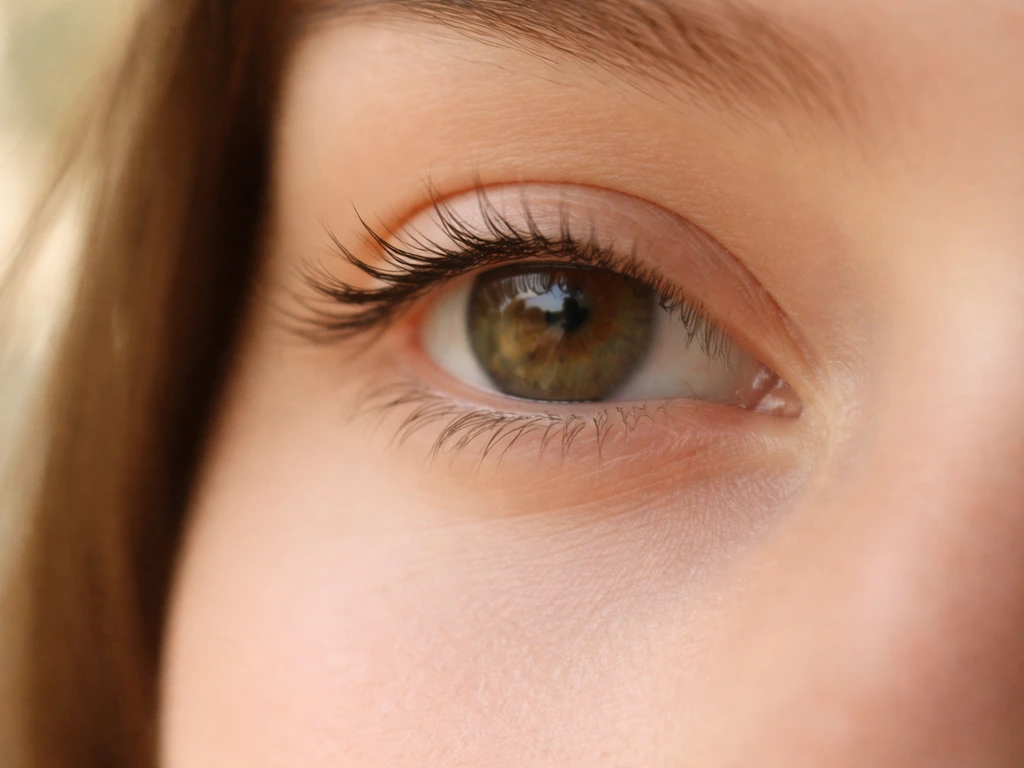
Mascara cannot make your eyelashes grow. No mascara formula, including clear mascara, stimulates the hair follicle, extends the growth phase, or adds a single millimeter of real lash length over time. What mascara does do is coat, separate, and build up on the lash shaft to create the appearance of length and thickness. That's a cosmetic effect, not a biological one, and the moment you remove it, your lashes go back to exactly what they were before.
Can Mascara Help Eyelashes Grow Longer or Thicker?
Rachel Nguyen
4 May 2026
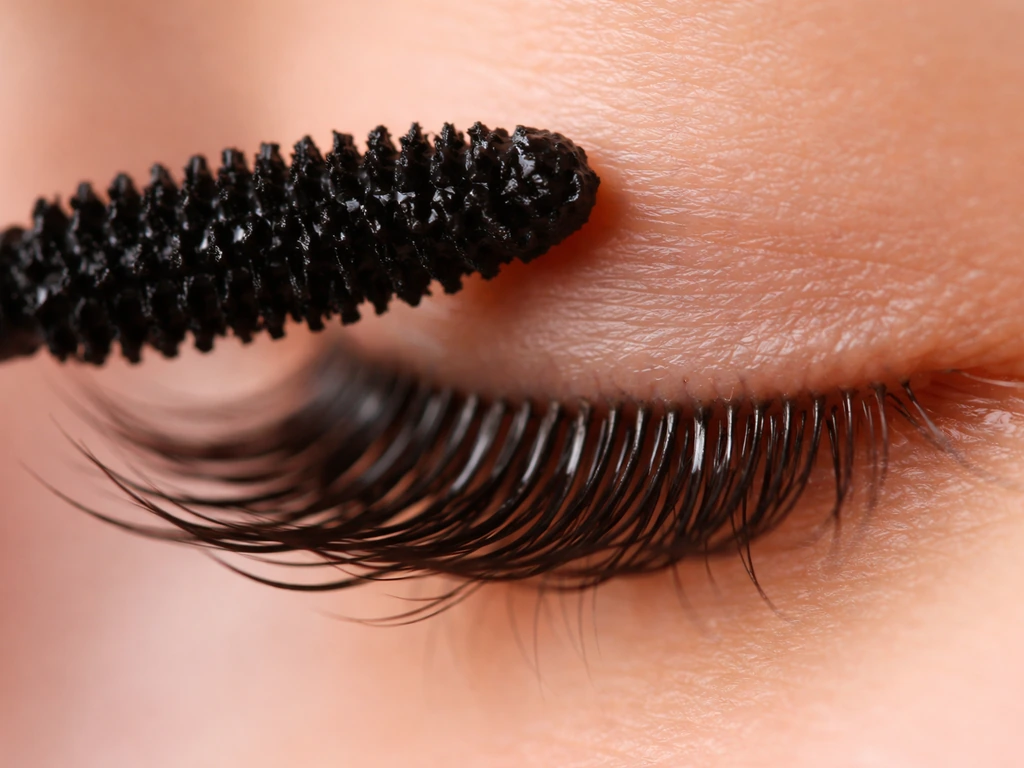
Why mascara can't make lashes grow (and why it sometimes feels like it does)
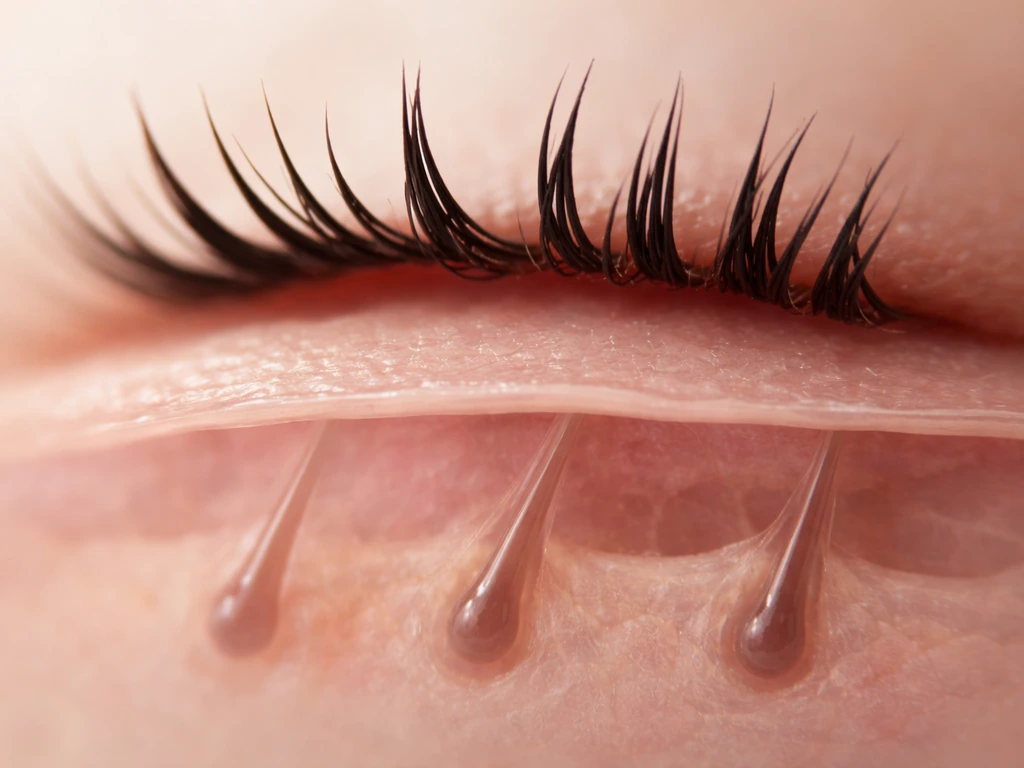
Eyelash growth happens at the follicle, a tiny pocket of tissue beneath the skin at the lid margin. Mascara sits entirely on the outside of the lash shaft. It has no pathway to reach the follicle, no active ingredients proven to signal the papilla to extend the anagen (active growth) phase, and no mechanism to thicken the hair fiber from the inside. The EPA-reviewed breakdown of how mascara works confirms this plainly: lengthening effects are the result of physical coating and buildup that extends beyond the natural lash tip, not biological growth.
That said, there are a few reasons people genuinely believe their lashes have improved after starting a mascara routine. First, mascara makes individual lashes far more visible, so you notice them more. Second, if you previously rubbed your eyes to remove mascara and then switched to a gentler routine with a proper remover, you've reduced mechanical breakage. Fewer broken lashes can absolutely look like growth, because your lashes are finally reaching their natural full length without snapping off.
Third, the act of combing through lashes with a wand can train them to grow outward rather than crossing or curling inward, making the fringe look fuller. None of that is growth stimulation. It's damage reduction and optical illusion, both of which are genuinely useful but shouldn't be confused with actual follicle activity.
Clear mascara vs regular mascara: what actually changes
Clear mascara has developed a reputation in some communities as a more "natural" or even growth-supporting alternative to regular formulas. The reality is that clear mascara does not contain any ingredient that pigmented mascara lacks which could stimulate lash growth. The difference between clear and regular mascara is purely cosmetic: clear formulas lack pigment (usually carbon black or iron oxides), tend to have lighter film-forming polymer matrices, and are often marketed as conditioning or brow-setting products.
Where clear mascara can be a smarter daily choice is in reducing potential irritation. Pigments and preservatives in conventional formulas are common triggers for contact dermatitis around the eye area. If you're dealing with sensitive eyes or recovering lashes, a fragrance-free, pigment-free clear formula is a lower-irritant option. Some clear formulas also include panthenol or vitamin E for a light conditioning effect on the lash fiber, which can reduce brittleness and breakage at the tip.
That supports length retention, but again, that's not the same as stimulating new growth. Does thrive mascara make your lashes grow? The bottom line is that it cannot stimulate new follicle growth like clinically proven options can. If you're researching specific products like growth-marketed mascaras, the same logic applies: the mascara ingredient list, whether clear or tinted, is simply not the right tool for genuine follicle stimulation.
| Feature | Regular Mascara | Clear Mascara |
|---|---|---|
| Stimulates follicle growth | No | No |
| Cosmetic lengthening effect | Yes (coating + pigment) | Minimal (light coating only) |
| Reduces visible breakage | Possible with gentle use | Possible with gentle use |
| Irritation risk | Moderate (pigments, preservatives) | Lower (no pigment) |
| Conditioning ingredients | Sometimes | More common |
| Best for | Visible enhancement | Sensitive eyes, damage recovery, natural look |
What actually helps lashes grow: evidence-based options
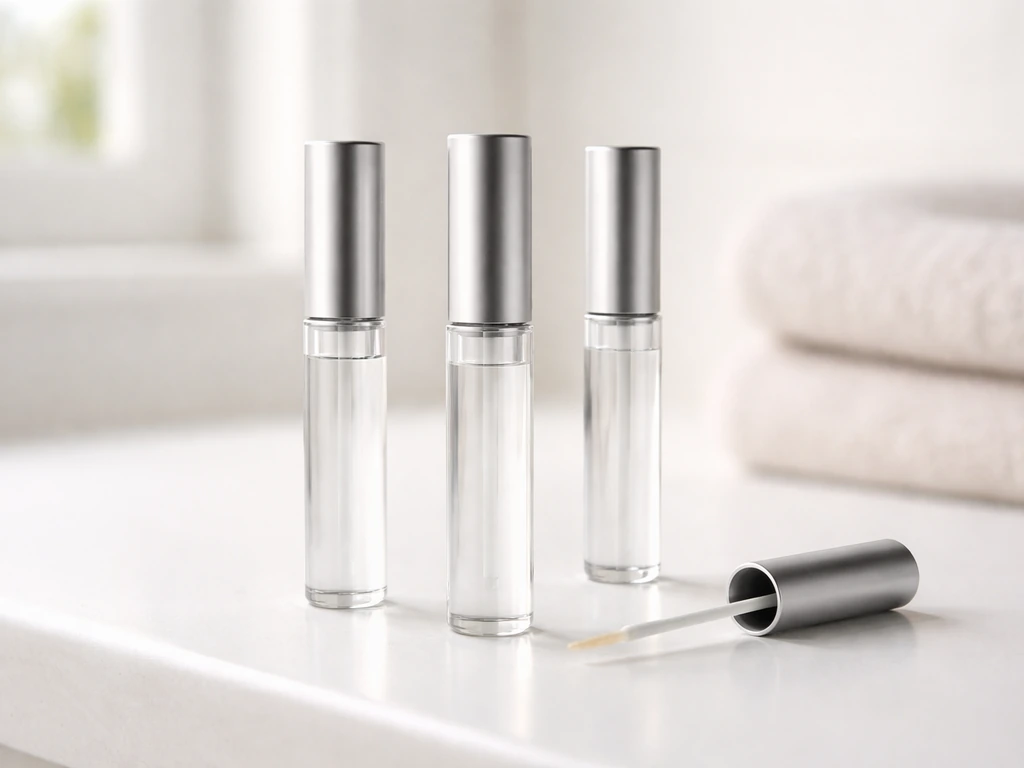
If you want real growth, you need something that reaches the follicle. Here's what the research actually supports, ranked from strongest clinical evidence to reasonable at-home support.
Bimatoprost (Latisse): the only FDA-approved option
Bimatoprost ophthalmic solution 0. 03% (brand name Latisse) is the gold standard. In a multicenter randomized vehicle-controlled trial, patients using bimatoprost saw a mean lash length increase of approximately 1. In a 16-week randomized vehicle-controlled trial, the prescribing information reports a mean eyelash length increase of about 1.
4 mm with Latisse, versus about 0. 1 mm with the control [mean lash length increase of approximately 1. 4 mm after 16 weeks compared to just 0. 1 mm](https://dailymed.
nlm. nih. gov/dailymed/fda/fdaDrugXsl. cfm?
setid=34f83d9d-2c64-463e-8a90-9a460fedfead). 4 mm after 16 weeks compared to just 0. 1 mm in the control group. Improvements in eyelash prominence were statistically significant at weeks 8, 12, and 16.
Long-term trial data also confirmed increased thickness and darker pigmentation. It works by prolonging the anagen (growth) phase of the lash cycle. It requires a prescription in the US and comes with potential side effects including iris pigmentation changes with prolonged use, so this is a clinician-supervised option, not a DIY product.
Over-the-counter lash serums with peptides and prostaglandin analogs
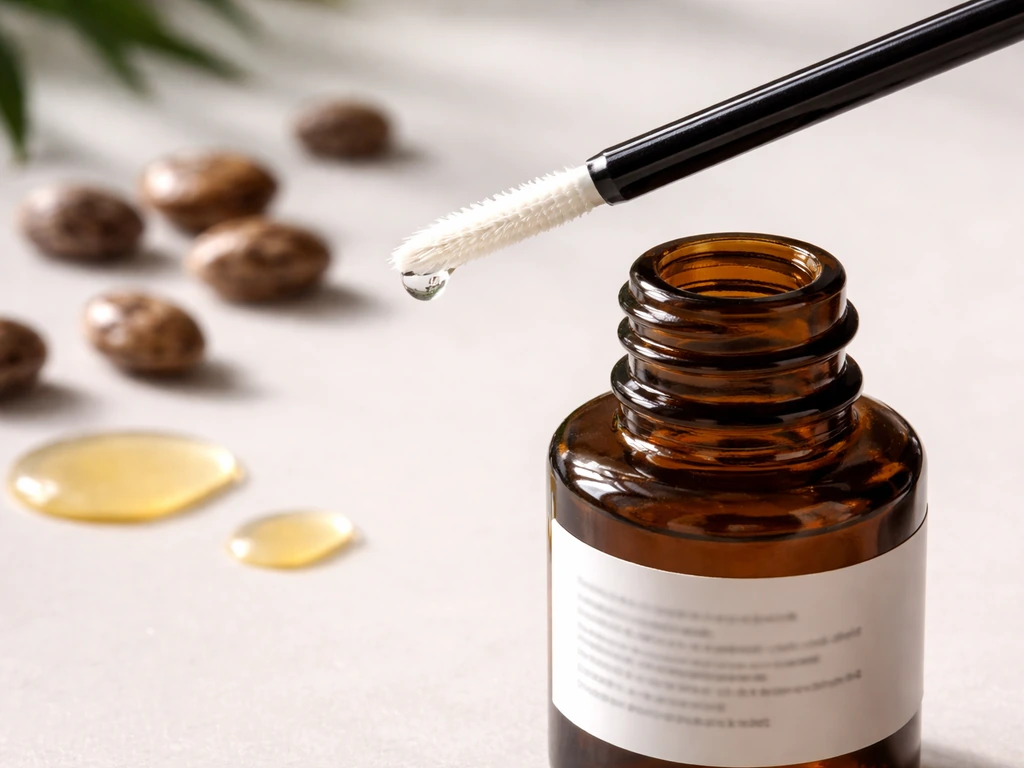
Many OTC serums contain prostaglandin analogs (like isopropyl cloprostenate or dechloro dihydroxy difluoro ethylcloprostenolamide) that work through a similar mechanism to bimatoprost but at lower concentrations. Results are more modest and slower, typically 8 to 12 weeks for noticeable change. Peptide-based serums (look for ingredients like myristoyl pentapeptide-17) aim to signal keratin production in the follicle. The evidence here is less robust than for bimatoprost, but user-reported outcomes and some small studies are reasonably promising. The key is consistency: apply nightly to the upper lash line, like eyeliner, and don't skip weeks.
Castor oil and natural oils
Castor oil is the most popular at-home lash remedy and there's a reasonable case for it, though the evidence is indirect. Castor oil is rich in ricinoleic acid, a fatty acid with demonstrated anti-inflammatory properties, and it coats the lash shaft to reduce protein loss and breakage. There are no large clinical trials specifically on castor oil and eyelash regrowth, but reducing breakage means your lashes reach their full natural length, which reads as growth. Apply a small amount with a clean spoolie or cotton swab to the lash line at night. Other oils like argan oil and vitamin E oil offer similar moisture and breakage-reduction benefits at a lower cost per use.
Biotin and nutritional support
Biotin (vitamin B7) supplements are frequently marketed for hair and lash growth. The honest picture: biotin supplementation helps if you have a biotin deficiency, which is genuinely rare in people eating a balanced diet. If you're not deficient, extra biotin is unlikely to produce dramatic lash changes. That said, overall nutritional status does matter for lash health. Iron deficiency, low protein intake, and vitamin D deficiency are all associated with hair shedding. If your lash loss is diffuse or has accelerated recently, a basic blood panel to rule out deficiencies is worth more than any supplement stack.
Building a practical at-home lash routine
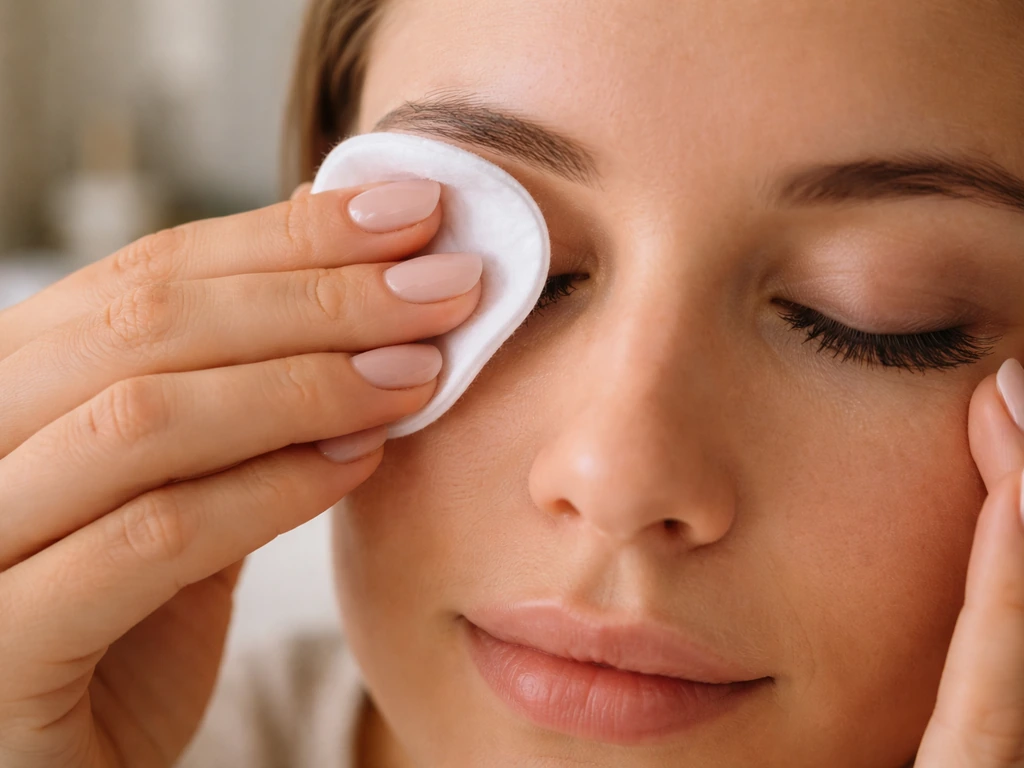
You don't need an expensive stack of products. A focused, consistent routine will outperform throwing multiple serums at the problem. Here's what actually works day to day:
- Remove mascara gently every single night: use a dedicated eye makeup remover (micellar water or an oil-based remover) and press a soaked pad against the lashes for 10 to 15 seconds before wiping. Never rub or tug.
- Apply your growth serum or castor oil at night after cleansing: the lash line is clean, and there's no competing product. Consistency matters more than quantity.
- Use a clean spoolie every morning to comb lashes into position before mascara. This prevents them from growing crossed or downward.
- Take at least two to three mascara-free days per week if possible to give the lash fiber a break from coating and the lid skin a break from residue.
- If you're using a prostaglandin-based OTC serum, apply it to the upper lash line only and avoid the waterline or lower lashes to minimize irritation risk.
Recovery timelines: what to expect based on your situation
The honest answer on timelines is that it depends heavily on what caused your lash thinning in the first place. The eyelash growth cycle runs roughly 4 to 6 weeks in the anagen phase, followed by a transition phase and then a resting/shedding phase. A full cycle from shed to full-length replacement lash takes about 3 to 6 months in most people.
| Cause of Lash Loss | Expected Recovery Time | Best Approach |
|---|---|---|
| Extensions damage / breakage | 6 to 12 weeks for visible improvement | Stop extensions, minimize all manipulation, apply castor oil or serum nightly |
| Overplucking or trichotillomania | 3 to 6 months if follicle is not scarred | Allow full rest period, consider OTC serum after 4 weeks of no plucking |
| Rubbing from allergies or irritation | 4 to 8 weeks once irritant is removed | Identify and remove allergen, treat underlying allergy, use gentle lid hygiene |
| Medication-related shedding (chemo, thyroid, etc.) | 3 to 6 months post-treatment | Bimatoprost is clinically validated in this population; discuss with physician |
| General thinning without clear cause | Variable | Rule out nutritional deficiency or dermatologic condition before trying serums |
If you've had lash extensions removed and are waiting on recovery, the single most important thing is to stop anything that adds mechanical stress: no extensions, no lash curler, no rubbing, and no waterproof mascara that requires aggressive removal. Related to this, many people wondering whether stopping mascara altogether will help their lashes recover are asking exactly the right question. Stopping mascara can help reduce further mechanical stress and irritation, but it doesn't biologically “activate” lash growth Stopping mascara altogether. Reduced manipulation is almost always part of the answer.
Safe mascara use: avoiding the habits that set you back
Mascara itself isn't the enemy, but how most people use it creates real problems for lash health. The American Academy of Ophthalmology and Mayo Clinic guidance on eye cosmetics consistently emphasizes safety and irritation prevention over any cosmetic benefit, and for good reason. The FDA also warns that cosmetics applied around the eye area can cause infections and recommends using a Safety Checklist to keep eye cosmetics clean.
- Replace mascara every 3 months. Mascara tubes are warm, dark, and moist, which makes them ideal bacterial culture environments. Old mascara is a genuine infection risk.
- Never share mascara. Cross-contamination with bacteria or viruses (including those causing conjunctivitis) is well documented.
- Don't pump the wand in and out of the tube. This pushes air in, dries out the formula faster, and introduces more bacteria.
- Avoid applying mascara to the inner waterline or very base of the lash root. This can block meibomian glands and cause chronic lid inflammation that directly stresses follicles.
- If you experience redness, itching, swelling, or crusting after mascara use, stop using it immediately and see an ophthalmologist. Allergic contact dermatitis from mascara ingredients (especially preservatives like thimerosal or pigments) is more common than most people realize.
- Waterproof mascara is harder to remove, and the extra effort needed to get it off is a leading cause of mechanical lash breakage and follicle stress. Reserve it for specific occasions rather than daily use.
- Never sleep in mascara. Beyond the infection risk, the dried coating makes lashes brittle overnight and the rubbing against a pillow amplifies breakage.
When to see a dermatologist or ophthalmologist
If your lash thinning is significant, asymmetric, or accompanied by lid swelling, scaling, or redness, that's a dermatologist or ophthalmologist visit, not a serum situation. Conditions like blepharitis, alopecia areata affecting the lash line, thyroid disorders, or trichotillomania all require proper diagnosis before any topical treatment will be effective. The AAO specifically advises seeing an ophthalmologist for any infection or allergic reaction in the eye area. Bimatoprost is also a prescription product, so if you want the most clinically validated growth option, that conversation starts with your doctor, not a beauty retailer.
Your clearest next steps
If you want longer, thicker lashes: mascara is the wrong tool for the job, and clear mascara is not meaningfully different from regular mascara in terms of growth potential. If you want the best mascara to grow eyelashes, the key is to choose a safer formula that avoids irritation and breakage. Start with the basics: gentle nightly removal, a clean spoolie, castor oil or a peptide serum applied consistently to the lash line.
If you want stronger clinical results, talk to your doctor about bimatoprost. If you're in recovery from extensions, damage, or a medical cause, set a realistic 3 to 6 month horizon and focus on reducing mechanical stress above everything else. Real growth is slower than a mascara wand can fake, but it's lasting.
FAQ
Can mascara make my lashes look longer, even if it cannot make them grow?
Yes. Mascara can create the length-and-thickness illusion by coating lashes past their natural tip, making individual lashes more visible, and reducing the appearance of gaps. The effect stops when you remove it, so if you want lasting change, focus on reducing breakage or using a follicle-targeting option.
Does using a lash primer or “growth” mascara help if it says it will grow lashes?
Usually no. If the product is still a mascara or primer that sits only on the outer lash shaft, it cannot reach the follicle or prolong anagen the way proven treatments do. “Growth” claims in mascara products are typically marketing for cosmetic thickening, film-forming polymers, or better clump separation.
Will clear mascara be better for lash growth than regular black mascara?
Clear mascara is not more growth-supportive. The difference is mainly cosmetic, pigment-free versus pigmented, with possible variations in preservatives and irritant potential. Clear can be a smarter choice if your eyes react to certain pigments or preservatives, but it will not stimulate new lash growth.
Is it safe to leave mascara on overnight to avoid breakage from removal?
Not a good tradeoff. Overnight wear increases irritation and can make removal harder, both of which can lead to more rubbing and lash loss during the next clean-off. If you want to minimize breakage, use a gentle remover and avoid scrubbing, rather than skipping removal.
How can I tell if my “lash shedding” is breakage versus actual follicle shedding?
Breakage often looks like shorter, jagged tips or lashes that look uneven, especially after rubbing, extensions, or waterproof mascara. Follicle shedding tends to show more overall thinning and reduced density over weeks. If thinning is sudden, patchy, or paired with redness or lid changes, get checked promptly.
What removal method prevents the most lash damage?
Use an oil-based or gentle ophthalmic makeup remover designed for eye area and apply it with minimal friction. Let remover sit briefly to dissolve mascara, then wipe downward gently. Avoid pulling or repeatedly “scrubbing” along the lash line.
Can I curl my lashes if I’m trying to grow them longer?
You can, but curling adds mechanical stress, especially on brittle lashes or if you press too hard. If you are in a recovery phase after extensions or irritation, consider skipping the curler and focusing on low-friction conditioning and careful mascara removal instead.
Does castor oil actually regrow lashes or only prevent them from breaking?
It is mainly a breakage-reduction and lash-conditioning approach, not a proven follicle regrowth treatment. By coating and moisturizing the lash fiber, it may help lashes retain their natural length by reducing protein loss and tip brittleness, which can look like growth over time.
If I start a lash serum, do I still need mascara?
You do not need mascara for results, and frequent mascara application can add irritation risk or breakage if removal is rough. If you use mascara, keep it occasional and prioritize a safer removal routine. For measurable change, give the serum enough time and apply consistently to the upper lash line.
How long should I try a growth treatment before deciding it is not working?
A realistic minimum is about 8 to 12 weeks for many OTC options, while a full lash cycle replacement often takes around 3 to 6 months. If you see improvement in prominence earlier but no lasting density change by then, reassess the cause and your routine.
When is lash thinning a medical issue rather than a mascara routine problem?
Get evaluated if thinning is significant, asymmetric, patchy, or comes with lid swelling, scaling, redness, discharge, or itch. Conditions such as blepharitis, alopecia areata, thyroid-related issues, or compulsive lash pulling can mimic “lash growth” problems and require diagnosis before topical strategies help.
Next Article
If I Stop Wearing Mascara, Will My Eyelashes Grow?
Learn if stopping mascara helps lashes look longer, realistic timelines, safe care steps, serums and oil options, and re