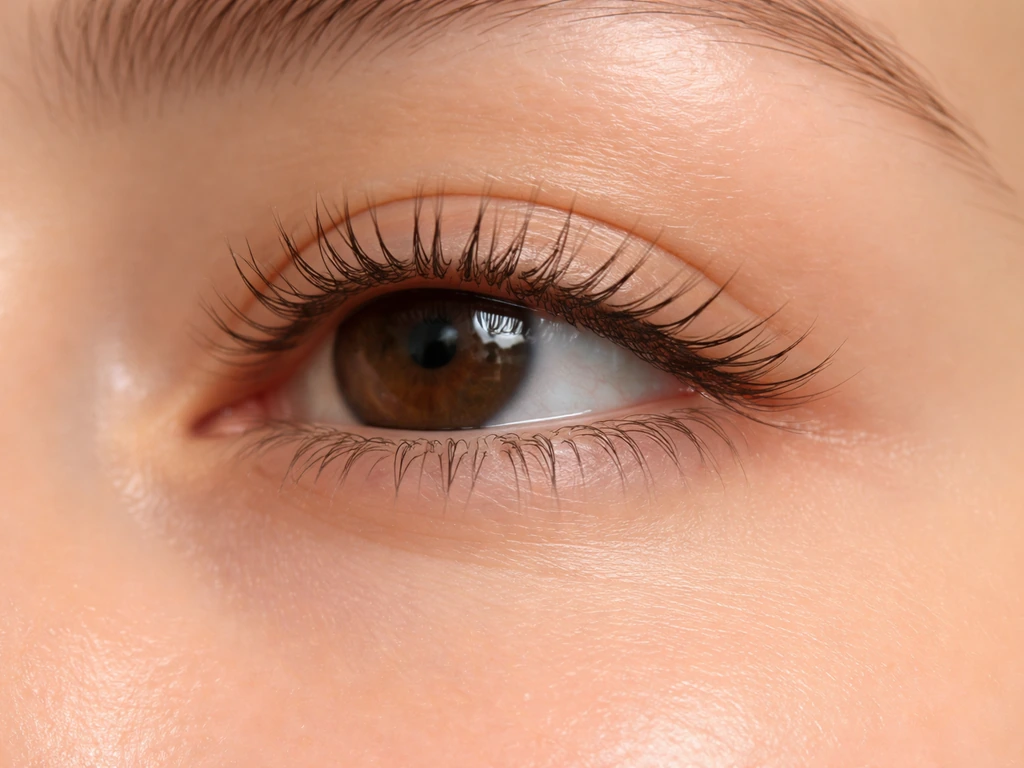
You can support eyelash growth starting today by protecting existing lashes from breakage, applying a proven active ingredient (like a bimatoprost-based serum) or a conditioning oil nightly, and giving your follicles the time they biologically need. Most people see meaningful change in 8 to 16 weeks, not days. The exact approach depends on why your lashes are short or thin in the first place, so the first step is figuring out your likely cause.
How to Get Your Lashes to Grow Longer: A Step-by-Step Guide
Rachel Nguyen
6 May 2026
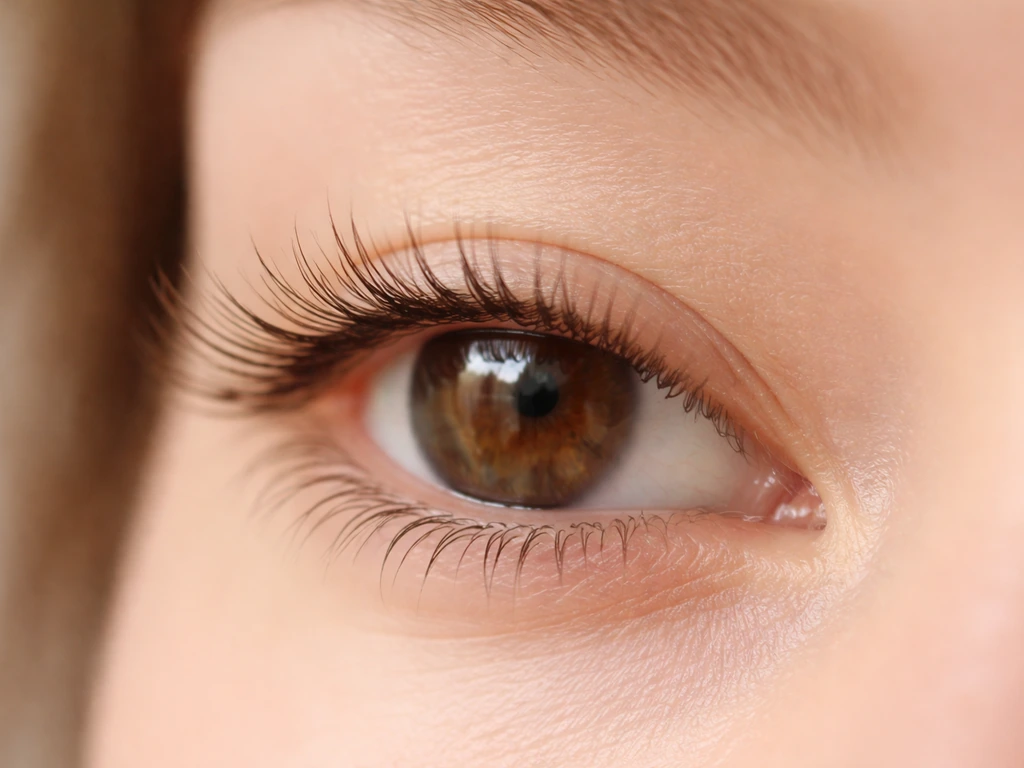
How eyelash growth works (and why length takes time)
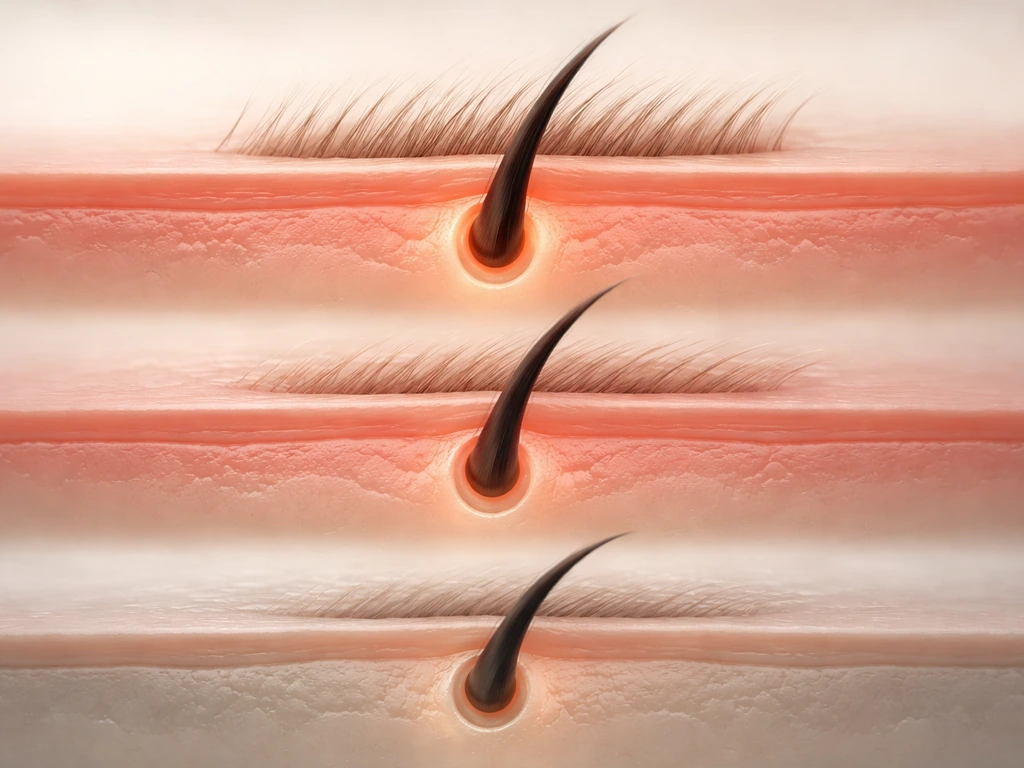
Every lash follicle cycles through three phases: anagen (active growth), catagen (transition), and telogen (rest and shedding). The critical detail for anyone trying to grow longer lashes is that the anagen phase for eyelashes lasts only about one to two months. That short window is the main reason lashes don't grow as long as scalp hair, which stays in anagen for years. After anagen, each follicle spends roughly 3 to 4 weeks in catagen, then sits in telogen for anywhere from 4 to 9 months before the cycle restarts.
Because every follicle is on its own schedule, your lash line is always a mix of lashes at different stages. That asynchronous cycling is why visible change is gradual rather than dramatic. It also explains why you lose roughly 1 to 5 lashes per day and why, if your growth was disrupted, the recovery looks patchy before it looks full. Anything that extends the anagen phase or shortens the telogen phase will produce longer, denser lashes over time. That's the exact mechanism behind prescription bimatoprost, and it's the biological target for every growth strategy in this guide.
Figure out your likely cause first
Not all short or thin lashes have the same fix. Before you buy anything, it's worth thinking honestly about what's actually happening at your lash line. The cause shapes both the timeline and the solution.
- Extensions and glue damage: Lash extension adhesives contain cyanoacrylate, which can cause allergic or irritant contact dermatitis at the follicle base. If you've had repeated extension sets, the glue application and removal process may have traumatized follicles. In mild cases, lashes grow back within weeks once you stop; in cases of repeated follicle damage, regrowth can be slower and thinner.
- Breakage from habits: Eyelash curlers, waterproof mascara (especially when removed roughly), rubbing your eyes, and sleeping face-down all cause shaft breakage rather than true lash loss. The follicle is intact, but the visible lash snaps mid-shaft. This is the easiest cause to fix because the follicle doesn't need to regrow from scratch.
- Inflammation at the lid margin: Blepharitis (chronic inflammation of the eyelid margin) creates a hostile environment for follicles. Scaling, debris, and bacterial overgrowth sit right at the lash base and can cause premature shedding. If your lash line looks crusty in the morning or your lids are chronically red, this is likely a contributing factor.
- Systemic or medical causes: Thyroid disorders, iron deficiency, alopecia areata, and certain medications can all push follicles into telogen prematurely. If your lashes are thinning without an obvious physical cause and your eyebrows are also affected, it's worth ruling out a systemic issue before investing in topical treatments.
If lash loss is sudden, patchy, and not explained by any physical habit or product, see a doctor before trying growth serums. Topical treatments won't fix a hormone imbalance or autoimmune trigger, and delaying diagnosis costs you time.
At-home habits that stop breakage and protect the follicle
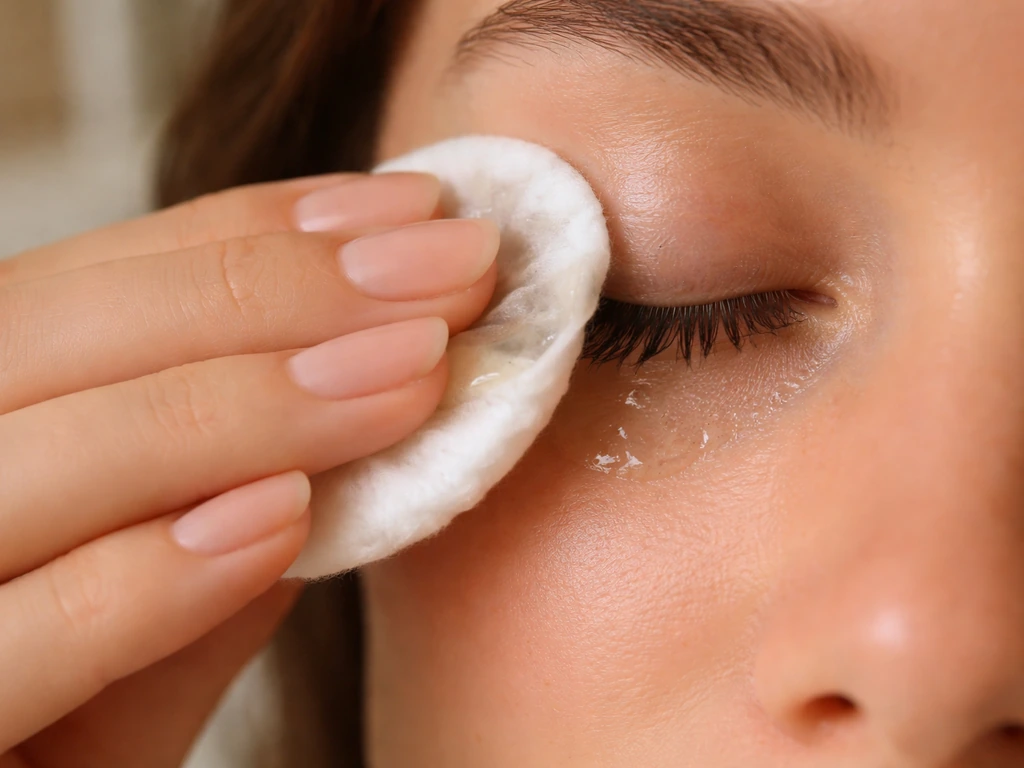
The most underrated lash-growth strategy is stopping the damage that's happening right now. You can apply every serum and oil available, but if you're still stripping mascara with a rough cotton pad every night, you're undoing the work. If your lashes feel thin or broken, you can use the same approach and focus on preventing mechanical damage while you support growth how to grow damaged lashes. These habits cost nothing and protect both the lash shaft and the follicle beneath it.
- Remove eye makeup gently. Use a micellar water or oil-based remover on a soft pad, hold it against closed lids for 20 to 30 seconds to dissolve mascara, then wipe down (never side to side or scrubbing). Mechanical friction is a direct cause of shaft breakage and follicle irritation.
- Retire the daily eyelash curler habit. Curlers bend and stress the lash shaft, especially when lashes are coated in mascara. If you use one, do it on bare lashes before mascara and skip it a few days per week.
- Switch from waterproof mascara for everyday wear. Waterproof formulas require more pressure and harsher removers to get off. Save them for specific occasions.
- Sleep on your back or use a silk pillowcase. Face-down sleeping creates direct friction at the lash line for hours each night. Silk reduces that friction compared to cotton.
- Add a nightly eyelid hygiene routine. If you have any blepharitis symptoms, a warm compress (wet cloth, comfortably hot, over closed lids for 5 to 10 minutes) followed by a gentle lid margin cleanse with diluted baby shampoo removes the debris and inflammation that choke follicles. This is the clinical standard of care for blepharitis, and it's something you can do every night at home.
These habits create the foundation. Growth serums and oils work on top of a healthy baseline. They don't compensate for ongoing mechanical damage.
Serums and proven ingredients: what to look for and how to use them safely
Eyelash serums on the market generally fall into two categories: prostaglandin-analog formulas and non-prostaglandin formulas. The distinction matters because the evidence base and the risk profile are very different.
Prostaglandin-analog serums (including bimatoprost)
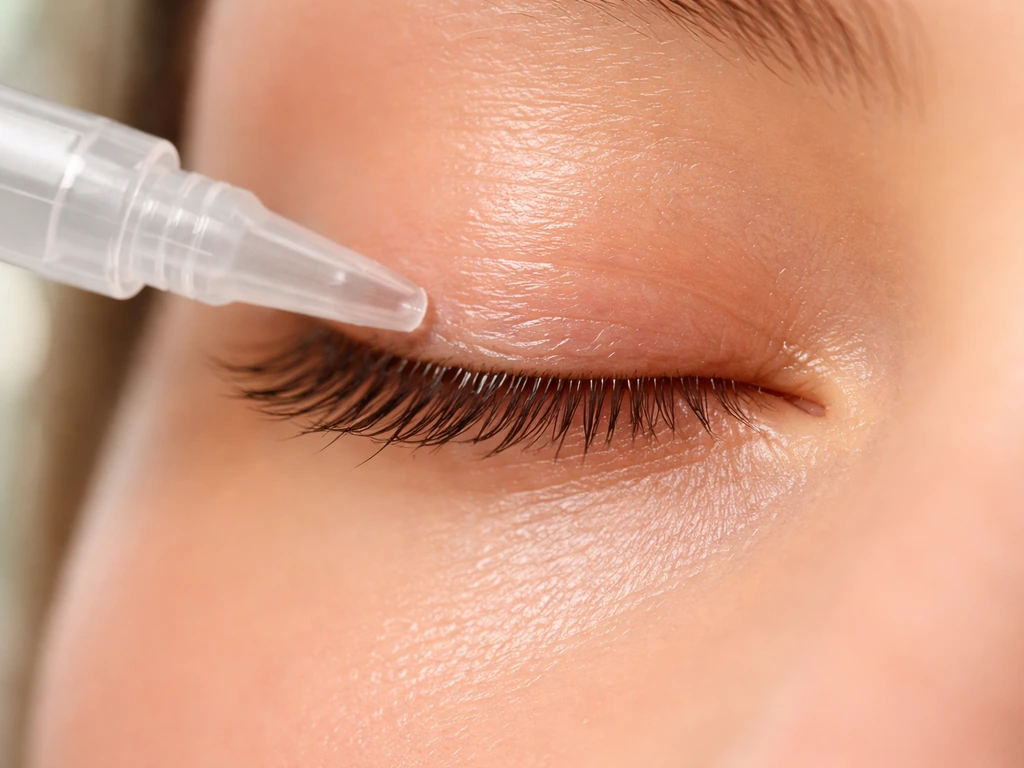
Bimatoprost 0.03% (sold as Latisse) is the only FDA-approved treatment for eyelash hypotrichosis. It works by stimulating the shift from telogen to anagen and prolonging the active growth phase, which directly addresses the biological bottleneck. Clinical trial data from a phase 3 study (278 participants) showed significantly fuller, longer, and darker lashes at 16 weeks, with measurable improvement over vehicle starting at week 8. Across multiple studies, eyelash growth increases have ranged from about 12.6% to 35.7%. These are real, measurable outcomes.
The application is once nightly: one drop placed on the sterile applicator that comes with it, then drawn along the upper eyelid margin at the base of the lashes. You do not apply it to the lower lash line. Getting the product into your eyes or beyond the eyelid margin increases absorption and risk. The known side effects at a 3% to 4% incidence include eye itching, conjunctival redness, and periocular skin hyperpigmentation (darkening of the eyelid skin). There's also a documented risk of iris color change with sustained use. One important point: results are not permanent. A pooled long-term safety analysis also summarizes the phase III program using once-daily upper eyelid margin application and follow-up after a treatment-free period bimatoprost with once-daily application and follow-up after a treatment-free period. When you stop using bimatoprost, lashes return to pre-treatment baseline over time.
Because this is a prescription product in the US, you need a clinician to prescribe it. Some over-the-counter serums contain isopropyl cloprostenate or other prostaglandin analogs not approved by the FDA, which carries its own safety questions and less regulatory oversight. If you're considering a prostaglandin serum, Latisse with a prescription is the evidence-backed route.
Non-prostaglandin serums
This category includes peptide-based serums, growth factor serums, and conditioning formulas. The evidence is thinner but not zero. A 90-day open-label study of a polygrowth factor serum applied once daily to eyelid margins reported improvements in eyelash length, luster, thickness, volume, and curl. The safety profile of peptide-based serums is generally more favorable than prostaglandin products, with a lower risk of pigmentation changes and ocular effects. They're a reasonable starting point if you want to avoid prescription costs or if you have risk factors that make prostaglandin use inadvisable (history of eye inflammation, uveitis, or certain post-surgical eye conditions). Just go in with calibrated expectations: the results will typically be more modest than bimatoprost.
How to apply any serum safely
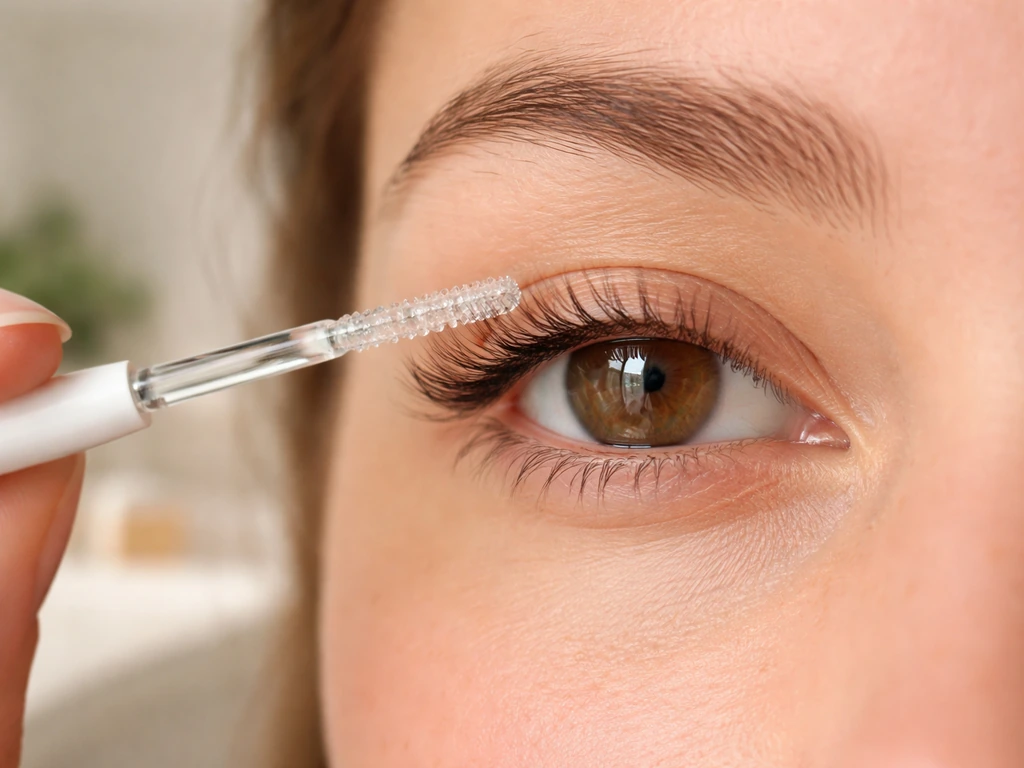
- Apply to clean, dry lids only. Remove all makeup first.
- Use only the upper lash line unless directed otherwise by a prescriber.
- Never apply with your fingertip directly; use the included applicator or a clean brush.
- Patch test on the inner wrist or behind the ear for 24 hours before applying near your eyes, especially with OTC serums that contain preservatives or fragrance.
- Stop use immediately if you develop persistent redness, itching, or swelling and consult a doctor.
Oils and DIY options: realistic results and how to apply them properly
Castor oil is by far the most popular DIY lash treatment, and I want to be straight with you about what it can and can't do. There are no clinical trials specifically examining castor oil and eyelash growth. The comprehensive evidence on eyelash serums confirms that castor oil lacks robust scientific backing for stimulating actual follicle growth. If you want the most evidence-backed option for making eyelashes grow longer, look at proven eyelash serums and how to use them safely castor oil lacks robust scientific backing for stimulating actual follicle growth. What it does have going for it is its ricinoleic acid content, which may have anti-inflammatory properties at the follicle level, and its thick consistency, which coats and conditions the lash shaft, potentially reducing brittleness and breakage.
In practice, castor oil may help your lashes look and feel healthier, which can indirectly reduce breakage and let your existing growth cycle play out longer. That's a meaningful benefit, even if it's not the same as biologically extending anagen. Coconut oil works similarly as a conditioning agent. Olive oil has even less support for lash claims specifically.
If you want to use castor oil, here's how to do it without causing problems. Use cold-pressed, hexane-free castor oil. Apply a tiny amount (a toothpick-tip's worth) to a clean spoolie or cotton swab and brush along the upper lash line at night before bed. Do not glob it on. Too much oil near the eye can migrate into the tear film, cause blurry vision overnight, and potentially worsen any existing lid margin inflammation. Also note that castor oil can cause allergic contact dermatitis in some people. Always patch test before regular use.
For those interested in DIY routines more broadly, natural growth methods are covered in more depth in the context of growing lashes without a serum and building a full at-home lash growth routine.
Do supplements like biotin actually help your lashes?
Biotin (vitamin B7) supplements are marketed heavily for hair and lash growth, but the evidence is more nuanced than the marketing suggests. Biotin supplementation has shown benefit in people with documented biotin deficiency, which is associated with hair loss and brittle nails. In people with adequate biotin levels (which is most adults eating a reasonably varied diet), supplementing beyond sufficiency does not appear to produce meaningful additional hair or lash growth.
That said, if your diet is poor, if you've been on a very restrictive eating plan, or if you've recently had bariatric surgery, nutrient deficiencies (including biotin, iron, zinc, and vitamin D) can contribute to lash thinning. In those cases, correcting the deficiency through diet or supplementation can restore normal growth. The supplement isn't a growth booster; it's a correction of a deficit.
If you want to take a multi-ingredient hair supplement, look for ones that include iron, zinc, and B vitamins rather than just loading up on biotin alone. And before spending money on supplements, it's worth getting basic bloodwork done to see if you're actually deficient in anything.
Realistic timeline: what to expect week by week

This is where most lash growth articles let readers down by being vague. Here's what the biology and the clinical data actually support.
| Timeframe | What you can realistically expect |
|---|---|
| Days 1–14 | No visible growth change. The benefit of stopping damage (gentler removal, no curler, eyelid hygiene) starts protecting follicles, but follicles cycle on their own timeline. |
| Weeks 3–6 | If a lash was cut or broken and the follicle is intact, regrowth of that shaft begins. Healthline cites roughly 6 weeks for a lash to regrow after a cut (intact follicle). With bimatoprost, you're still in the early phase. |
| Weeks 7–8 | With prescription bimatoprost, clinical data shows measurable improvement in fullness beginning around week 8. Non-prostaglandin serums applied consistently may show early conditioning improvements. |
| Weeks 12–16 | The clearest window for serum results. Phase 3 Latisse trial data shows significantly fuller, longer, and darker lashes at 16 weeks. For natural recovery after extensions or damage, lashes that were in telogen when you started are now cycling back into anagen. |
| Months 4–6+ | For systemic causes (thyroid, nutrition deficiency corrected), recovery timelines extend further because telogen can last up to 9 months. Full restoration of a naturally thin lash line takes this long even with optimal support. |
If you've been consistent with your routine for 16 weeks and see no improvement at all, that's a signal to dig deeper. Consider whether a systemic cause has been ruled out, whether you're applying your serum correctly and consistently, and whether ongoing damage (a habit you haven't changed) is neutralizing the regrowth. If you want to grow lashes without serum, focus on preventing breakage and supporting your natural growth cycle with safe, consistent at-home habits serums. At this point, a conversation with a dermatologist or ophthalmologist is the right next step rather than switching to yet another product.
Safety, irritation risks, and when to see a professional
The eye area is one of the most sensitive on your body, and products applied near the lash line can migrate into the eye or onto the delicate periocular skin. Taking shortcuts here is not worth it.
Risks worth knowing before you start
- Prostaglandin serums (including bimatoprost): risk of periocular skin darkening, iris pigmentation changes, conjunctival redness, and eye itching. Contraindicated or requiring extra caution in people with active eye inflammation (uveitis), aphakia, or scheduled eye surgery. These are not scare tactics; they're documented in FDA prescribing information.
- OTC prostaglandin-analog serums (isopropyl cloprostenate): carry similar risks without the clinical oversight of a prescription. They're legal to sell but not FDA-approved for lash use.
- Castor oil and other oils: can cause allergic contact dermatitis. Risk is low but real, and the eyelid skin is particularly susceptible. Always patch test first.
- Eyelash extension glue: documented cause of contact dermatitis and ocular inflammation in case reports. If you've had a reaction to extensions, your lash base may already be sensitized.
- Eyelash curler materials: rubber components have been linked to eyelid contact dermatitis in case reports. If your lids react to your curler, the rubber pad may be the culprit.
Stop use and see a doctor if you notice these
- Persistent redness, swelling, or pain in or around the eye
- A noticeable change in iris color
- Increased sensitivity to light
- Worsening lash loss rather than improvement
- Skin rash or blistering on the eyelid
Beyond reaction management, see a dermatologist or ophthalmologist if your lash loss is diffuse (affecting both eyes symmetrically and also your eyebrows), if it came on suddenly without a clear physical cause, or if over-the-counter strategies have genuinely failed after a consistent 3 to 4 months. A clinician can assess for alopecia areata, thyroid dysfunction, or other systemic causes that no topical product will address, and can prescribe bimatoprost if it's appropriate for your situation.
Your starting plan: what to do today
Here's how to put this all together into something you can act on immediately, based on your most likely situation.
| Your situation | Start here | Add at week 4 if needed |
|---|---|---|
| Breakage from habits (curler, rough removal) | Stop daily curler use, switch to oil-based makeup remover, gentle downward removal strokes | Castor oil nightly on spoolie after cleaning; add a peptide serum |
| Post-extension recovery (no active reaction) | Stop extensions for at least 8 to 12 weeks, gentle cleansing routine, no mascara if possible | OTC non-prostaglandin serum once nightly on clean lids |
| Chronic lid margin inflammation (blepharitis) | Warm compress 5 to 10 min nightly, gentle baby shampoo lid scrub, reduce eye makeup frequency | See an eye doctor if no improvement in 4 weeks; bimatoprost may be appropriate once inflammation is controlled |
| Wanting longer lashes with no specific damage history | Protective habits + castor oil or peptide serum nightly | Consult dermatologist or prescriber for bimatoprost if you want faster, clinically proven results |
| Suspected systemic cause (diffuse thinning, eyebrows also affected) | Book bloodwork (thyroid, iron, ferritin, vitamin D) before spending on topical products | Address root cause first; topical support after |
Growing longer lashes is genuinely possible, but it rewards patience and consistency more than it rewards spending money on more products. Pick the approach that matches your cause, protect what you already have, and give it the full biological timeline to work. Eight to sixteen weeks of honest consistency will tell you everything you need to know about whether a given approach is working for you.
FAQ
How long should I wait before I decide a lash-growth serum is not working?
Use a full 8 to 16 week trial with correct nightly application, because lashes cycle asynchronously. If you get no visible improvement by 12 to 16 weeks, revisit technique (amount, exact lash-base placement, no lower-lid application) and whether ongoing damage is still happening, then consider clinician evaluation.
Can I use lash serum on my lower lash line?
Most growth serums, including prescription bimatoprost, are intended for the upper lash line only. Putting product below the eyelid margin increases the chance it migrates into the eye or beyond the intended area, which can raise irritation and side-effect risk.
What if my lashes grow, but I still look patchy or uneven?
That can be normal because different follicles are at different phases of the growth cycle at any given time. Patchiness that improves gradually over weeks suggests cycle recovery, but if shedding accelerates or you see sudden, unexplained gaps, get checked for non-topical causes.
How do I apply bimatoprost or a prostaglandin-analog serum without getting it in my eye?
Use a small amount, place it at the lash-base along the upper eyelid margin, and avoid dragging it onto the waterline or lower lashes. If you frequently get redness or stinging, stop and reassess your placement, since repeated exposure beyond the lash line can worsen irritation.
Is it safe to combine a lash conditioner (like castor oil) with a prescription or prostaglandin-analog serum?
You can, but spacing matters. Avoid layering multiple products directly on top of each other at the same time if you have irritation, because extra migration can increase eye or eyelid skin exposure. If you do combine, keep it simple, apply the growth product as directed, and use conditioning on a separate schedule or only when your eyes tolerate it well.
Will using a lash growth serum make my lashes permanently longer?
Not permanently. When you stop bimatoprost, lashes generally return toward their prior baseline over time, because the treatment mainly shifts and prolongs the growth phase rather than permanently rewriting follicle biology.
What are the most important side effects to watch for with prostaglandin-analog serums?
Look for persistent eye itching, conjunctival redness, and darkening of the eyelid skin. Also be aware of the possibility of iris color change with sustained use, especially if you have light-colored eyes, and discontinue and seek medical advice if symptoms worsen or do not settle.
Can I use biotin to grow longer lashes if my diet is already decent?
If your biotin levels are adequate, extra biotin usually does not add meaningful lash or hair growth. It is more helpful as a corrective step in true deficiency, so if you suspect deficiency from a restrictive diet or recent surgery, consider targeted bloodwork before supplementing heavily.
Why do my lashes shed even when I’m trying to grow them longer?
Shedding can be part of the normal telogen phase, with typical daily loss still possible. What changes over time is the balance between shedding and the proportion of lashes entering the active growth phase, which is why consistency over months is key.
What should I do if my lash loss is sudden or affects both eyes and my eyebrows?
That pattern needs medical assessment rather than more products. Diffuse or rapidly progressive loss can signal conditions that topicals cannot fix, and a clinician can evaluate for causes like autoimmune triggers or thyroid issues and determine whether prescription treatment is appropriate.
Is castor oil enough to grow longer lashes?
Castor oil may improve how lashes look and feel by reducing breakage, but it lacks strong evidence that it truly stimulates follicle growth. If your goal is length changes, treat castor oil as a conditioning support, not the main growth driver, and do not expect the same results as evidence-backed growth treatments.
What’s the safest way to use castor oil near the eyes?
Use cold-pressed, hexane-free castor oil, apply a very small amount to a clean spoolie or cotton swab, and brush only along the upper lash line at night. Avoid globbing, patch test first, and stop if you notice irritation, blurry vision, or worsening lid margin inflammation.
Next Article
How to Grow Lashes Without Serum: A Step-by-Step Plan
Step-by-step plan to grow longer lashes without serum, using safe routines and oils, timelines, and breakage vs shedding