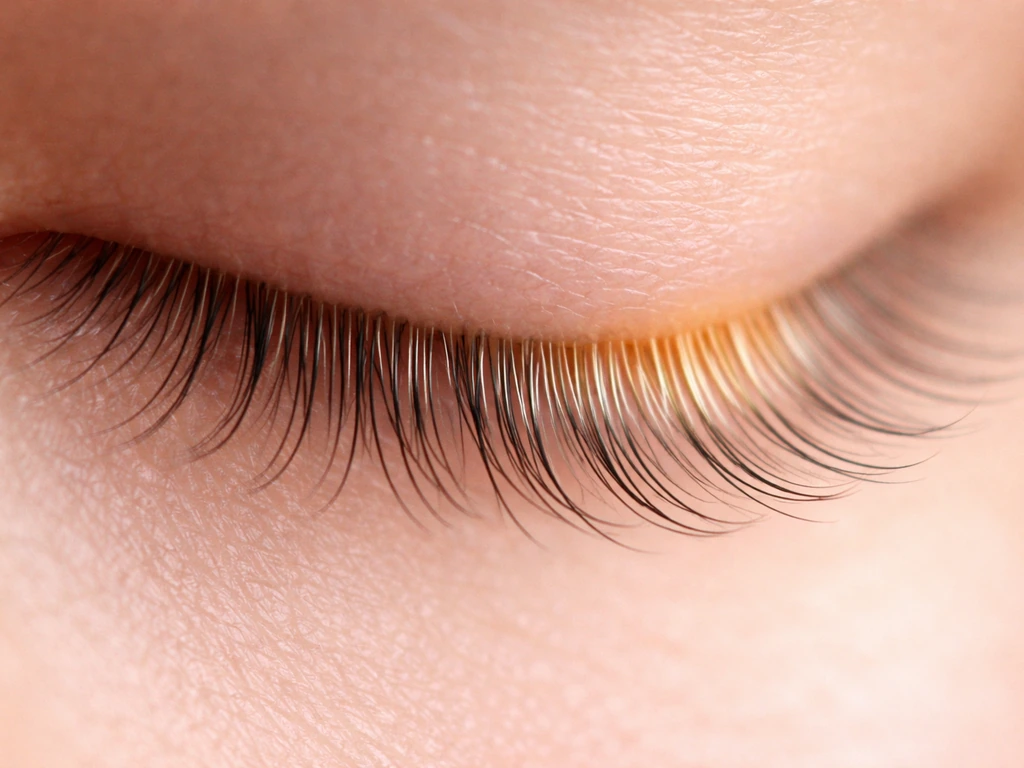
Your eyelashes grow continuously, but each individual lash is on its own schedule. At any given moment, roughly half of your upper lash follicles are actively growing, while the other half are resting or shedding. A single lash completes its full cycle somewhere between 3 and 12 months, which means you're always growing new lashes, you just can't always tell, because the process is gradual and staggered across all your follicles.
How Often Do Your Eyelashes Grow and How Long to Regrow

Rachel Nguyen
25 Apr 2026
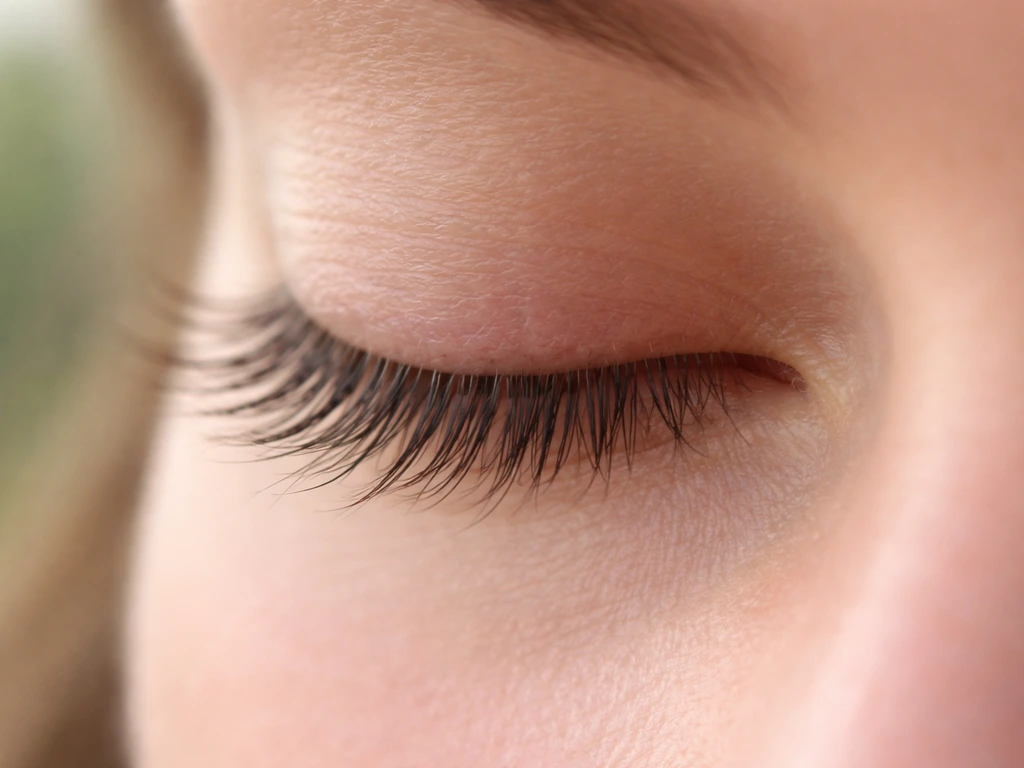
The eyelash growth cycle: anagen, catagen, and telogen
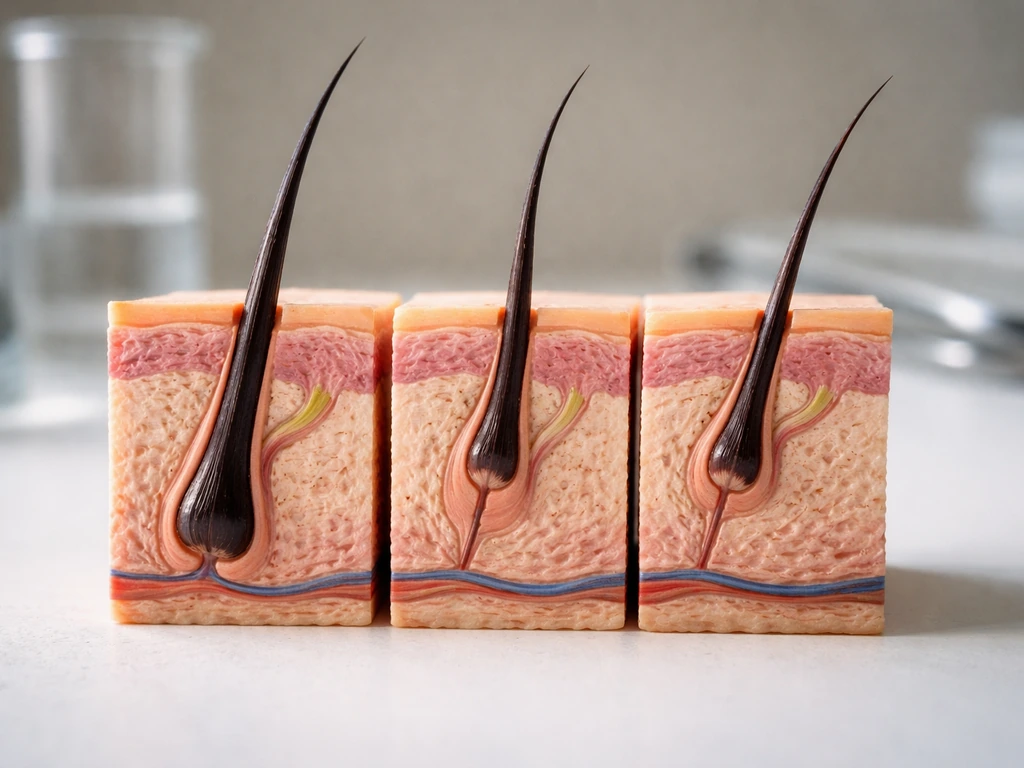
Every eyelash goes through three distinct phases, and understanding them makes all the timing questions much easier to answer.
- Anagen (growth phase): This is when the follicle is actively producing a new lash. For eyelashes, anagen is relatively short compared to scalp hair — typically around 30 to 45 days. That short window is the main reason lashes don't grow to shoulder length; the follicle simply stops growing the hair before it gets very long.
- Catagen (transition/degradation phase): Growth stops and the follicle begins to shrink. This phase lasts roughly 15 days to 3–4 weeks depending on the source.
- Telogen (resting phase): The lash sits in the follicle without growing, then eventually sheds. This is the longest phase — it can last anywhere from 4 to 9 months, sometimes up to the full 9-month end of that range.
After telogen ends and the old lash sheds, the follicle re-enters anagen and a fresh lash starts growing. The entire cycle repeats on its own, continuously, for as long as the follicle remains healthy. Because roughly 50% of upper eyelash follicles are in telogen at any given time (compared to only about 10–15% of scalp follicles), eyelashes naturally have a much higher proportion of resting hairs than the hair on your head, that's a completely normal feature of periocular hair biology.
How often eyelashes grow and shed
Because your lashes cycle independently rather than all at once, you're shedding and regrowing lashes almost constantly. On any given day, one or two lashes falling out is perfectly normal. You don't notice a visible gap because the follicles are at different stages, while one lash sheds, others nearby are in mid-growth or late anagen.
The full cycle, from the start of one anagen phase to the start of the next, typically spans 3 to 12 months, with the wide range reflecting individual variation in telogen length. Most people land somewhere in the middle, so thinking of each lash as turning over roughly every 4 to 6 months is a practical working estimate.
How long eyelashes actually grow
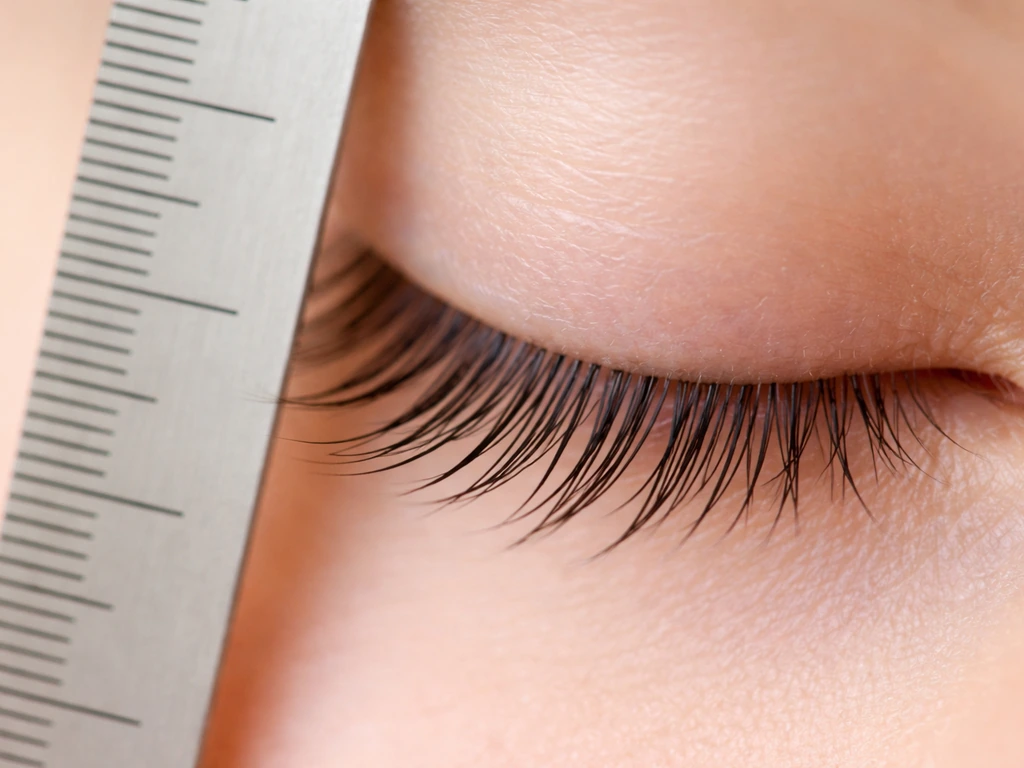
The average upper eyelash grows to about 7–10 mm. Clinical research confirms that eyelash length rarely exceeds 10 mm, and that ceiling exists because of the short anagen phase. Lashes grow at roughly 0. 12–0.
14 mm per day, so in a 30–45 day anagen window, the math lands you right in that 7–10 mm range. On average, you can use this growth-cycle timing to estimate monthly changes in lash length how much do eyelashes grow in a month. If you are wondering how fast eyelashes grow, the most useful way to think about it is by the length gain during the active growth phase.
Genetics, age, and health status can nudge that number slightly, but the biology sets a firm upper limit for most people.
How often lashes grow back after plucking, extensions, rubbing, or damage
This is where the cycle timing really matters in a practical sense. The answer depends heavily on what caused the loss and whether the follicle itself was harmed.
Plucking a single lash
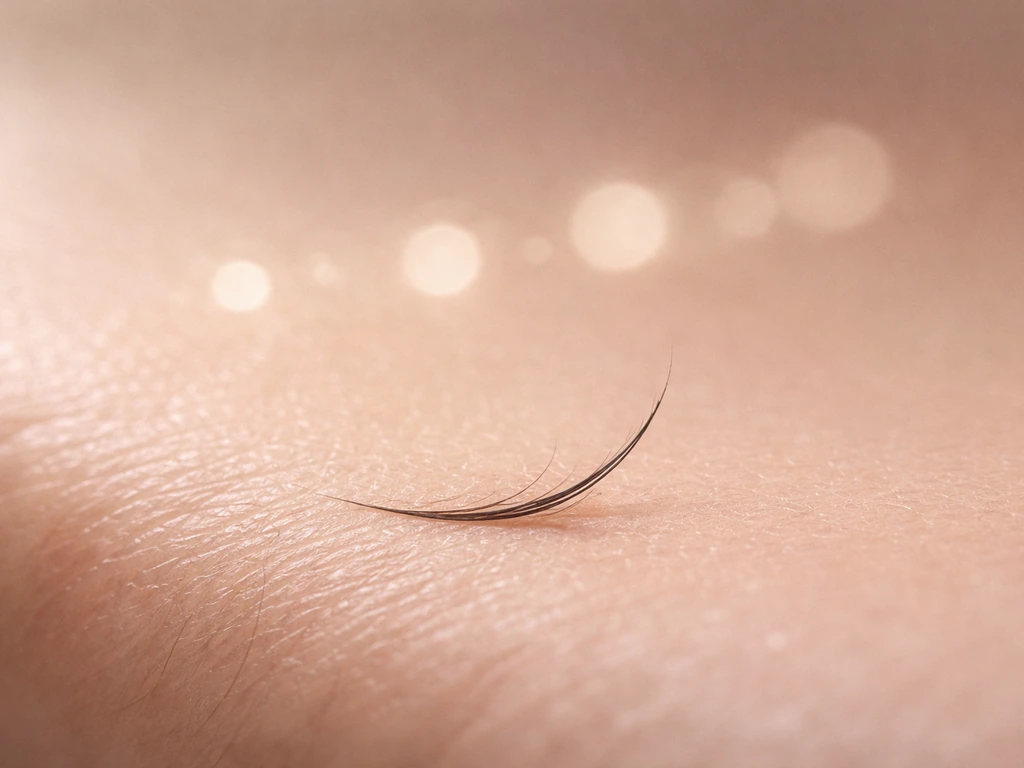
When you pluck a lash, you remove it from whatever phase it was in and force the follicle to restart. Regrowth typically begins within a few weeks as the follicle enters a new anagen phase, and you'll usually see a visible new lash within 6–8 weeks. If you're asking, “when do newborn eyelashes grow,” that same hair-cycle timing is what determines when lashes become noticeable after birth. Full length is restored in about 3 months under normal circumstances. Repeated plucking from the same follicle over time can cause trauma that slows or disrupts regrowth, so habitual pulling (trichotillomania) is a separate conversation from the occasional accidental yank.
Lash extensions and adhesive damage
Extensions themselves don't prevent regrowth as long as the follicle is unharmed. The problem is usually mechanical: the weight of extensions can accelerate shedding of lashes that were already in late telogen, and improper removal can pull out lashes that weren't ready to shed. After a round of extensions, many people see a temporarily sparser look as those prematurely shed lashes work through their cycle. Expect 6–12 weeks for the visible density to normalize, and up to 3–4 months for full recovery if there was significant loss.
Rubbing, breakage, and general damage
Lashes broken mid-shaft (rather than shed from the root) will grow back only as the existing lash continues through its cycle, there's no restart involved, just normal growth from the break point. For lashes shed through chronic rubbing, the follicle is usually intact and the timeline mirrors normal regrowth: new growth visible in 6–8 weeks, full length in around 3 months. If rubbing has been chronic and aggressive enough to cause follicle irritation, regrowth may be slower until the irritation is resolved.
Medical or chemical damage
Chemotherapy, radiation near the eye, severe burns, or certain medications can temporarily halt lash growth or cause widespread shedding. In most cases, lashes do regrow after the treatment ends, but the timeline can stretch to 3–6 months or longer, and in cases of follicle scarring, regrowth may be partial or absent. This is a situation where a dermatologist's input matters.
What affects how often and how fast lashes grow

Several factors can speed up or slow down the cycle, or compress the anagen phase so lashes don't grow as long or as densely.
| Factor | Effect on Lash Growth |
|---|---|
| Age | Growth slows with age; anagen shortens and follicle density decreases gradually after middle age |
| Hormones | Thyroid imbalances (both hypo- and hyperthyroidism) are well-documented causes of lash thinning; estrogen fluctuations also play a role |
| Nutrition | Deficiencies in biotin, iron, zinc, and protein can shorten anagen and reduce lash thickness |
| Genetics | Determines baseline lash length, density, and cycle duration |
| Chronic eye irritation | Blepharitis, allergies, and persistent rubbing disrupt follicle health and can slow regrowth |
| Medications | Beta-blockers, anticoagulants, retinoids, and chemotherapy agents are among the drugs linked to lash loss |
Stress also deserves a mention. Like scalp hair, eyelashes can shift into telogen prematurely under significant physiological stress (illness, surgery, rapid weight loss), a phenomenon sometimes called telogen effluvium. The shedding typically shows up 6–12 weeks after the stressor, which can make it confusing to connect the two.
How to support faster, healthier lash regrowth
There's no way to dramatically override the biology of the cycle, you can't compress a 9-month telogen phase into 2 weeks. The catagen phase lasts about 15 days, and the telogen phase is around 9 months before the cycle restarts with anagen catagen lasts about 15 days and telogen is around 9 months. But you can create better conditions for the follicle during anagen, reduce breakage, and avoid things that prematurely trigger shedding. Here's what actually helps.
Clinically proven: lash serums with bimatoprost or peptides
Bimatoprost (the active ingredient in Latisse) is blank" rel="noopener noreferrer">the only FDA-approved topical treatment for lash hypotrichosis. It works by extending the anagen phase and increasing the proportion of follicles in active growth. Results typically show up at 8–12 weeks, with full results at 16 weeks. Prescription only, and it comes with potential side effects including iris pigmentation changes, so it's worth a conversation with a dermatologist or ophthalmologist before using it. Over-the-counter serums containing prostaglandin analogs or growth-factor peptides (like myristoyl pentapeptide-17) have more modest evidence but are a reasonable lower-risk option for general conditioning and mild density improvement.
Castor oil and conditioning oils
Castor oil is one of the most popular at-home lash treatments, and while it doesn't have the same level of clinical trial support as bimatoprost, it has a plausible mechanism: the ricinoleic acid in castor oil has anti-inflammatory properties that may support a healthier follicle environment, and it's an excellent conditioning agent that reduces lash breakage. Apply a small amount to clean lashes with a clean mascara wand or cotton swab before bed. Argan oil, vitamin E oil, and coconut oil work similarly as conditioning agents, they won't accelerate the cycle, but they protect the lash you already have.
Nutrition: biotin, iron, and protein
If your lash thinning has a nutritional root, fixing the deficiency is the most direct intervention. Biotin (vitamin B7) is frequently marketed for lash and hair growth; the honest answer is that biotin supplementation helps if you're deficient, but doesn't add much if your levels are already normal. Iron deficiency is a surprisingly common and underdiagnosed cause of hair loss, including lashes, if you're also fatigued or experiencing scalp hair loss, it's worth getting a ferritin level checked. Protein (specifically the amino acid cysteine, which is the building block of keratin) matters too. A diet consistently low in protein will compromise lash growth over time.
Protective habits that preserve what you've got
- Remove eye makeup gently every night — oil-based removers are easier on lashes than aggressive rubbing with dry cotton pads
- Avoid waterproof mascara as an everyday product; it requires harder removal and is more drying to lash fibers
- Don't use an eyelash curler on already fragile or sparse lashes — crimping a weakened lash shaft increases breakage risk
- Give your lashes regular breaks from extensions, especially back-to-back applications
- Treat any underlying blepharitis or allergic conjunctivitis, as chronic inflammation around the follicle base disrupts the growth cycle
When regrowth isn't happening on schedule: time to see a clinician
Most lash shedding is normal and cyclical. But there are situations where waiting it out isn't the right call. See a dermatologist or your primary care doctor if you notice any of the following.
- Lashes are thinning progressively over several months without an obvious cause like extensions or rubbing
- You're losing lashes from both eyes symmetrically and also noticing scalp hair loss, fatigue, or weight changes (possible thyroid or autoimmune issue)
- There are bare patches where lashes have stopped growing back entirely — this can indicate alopecia areata affecting the lash line
- The lash line is accompanied by chronic redness, flaking, or crusting around the lid margin (blepharitis needs active treatment)
- You've had cancer treatment and your lashes haven't started recovering 3–4 months after treatment ended
- You've noticed significant lash loss after starting a new medication
Lash loss is sometimes the first visible sign of a systemic condition, so it's worth taking seriously rather than dismissing as cosmetic. A clinician can run a basic panel, thyroid function, ferritin, complete blood count, and sometimes hormone levels, to rule out common systemic causes before you spend months on serums that won't fix an underlying deficiency.
The bottom line: your lashes are constantly renewing themselves. The cycle is slower than scalp hair, and about half your follicles are resting at any given time, but normal regrowth after plucking or minor damage typically shows up within 6–8 weeks and reaches full length by the 3-month mark. Supporting that regrowth means keeping the follicle environment healthy, protecting existing lashes from breakage, and addressing any nutritional or medical factors that might be shortening the growth phase.
FAQ
If eyelashes grow continuously, why do I feel like I’m shedding more than I’m growing?
Not exactly. You may shed one lash or see new ones starting at the same time because different follicles are in different phases. If you track by length, a more useful check is whether the average lash length is increasing over 4 to 8 weeks, which lines up with the active growth period.
How long after a single lash pluck will I notice regrowth?
If the lash was removed by plucking and the follicle is healthy, regrowth usually becomes visible in about 6 to 8 weeks. The lash often won’t look “fully back” until around 3 months, because that’s tied to completing the full growth length, not just the first visible nub.
Does eyelash thinning follow the same timing as lash regrowth?
Lash thickness can be reduced if shedding is widespread or if a follicle is irritated chronically, but overall growth timing usually stays similar. A “same timeline, fewer lashes” pattern is common after mechanical triggers like rubbing, but if density does not start improving by 10 to 12 weeks, it’s worth checking the cause.
What happens if I keep plucking from the same eyelash area?
You can lose a lash temporarily from normal shedding, but you should not lose the same follicle over and over indefinitely. If you repeatedly pull from the same spot, scarring or chronic irritation can slow regrowth, which is why habitual pulling can keep you looking sparser beyond the usual 3-month recovery window.
Can lash extensions actually prevent regrowth, or is it mostly temporary shedding?
Not necessarily. Extensions can make lashes look lighter because late telogen lashes are more likely to shed around the time of removal, and improper removal can pull lashes that were not ready. If your density is still not trending back after about 3 to 4 months, something beyond normal extension shedding may be happening (like friction or follicle irritation).
If my lash is broken mid-shaft, will it regrow on the same schedule as a shed lash?
Broken lashes can grow back only from the remaining root segment, so you’ll see gradual length improvement but no “reset” to a full-length start. If the break is mid-shaft, the timeline you see is basically normal growth from that point, not the regrowth timeline used for shed-from-root lashes.
Why do I see eyelash shedding weeks after an illness or stressful event?
The most common delay is from delayed connection between a trigger and visible shedding. After stressors like illness or surgery, shedding often becomes noticeable 6 to 12 weeks later, because the follicles need time to shift into the resting phase.
If I started a new medication, could it change how often my eyelashes grow and shed?
Yes, especially if the medication causes shedding or directly affects rapidly cycling hair follicles. The usual pattern is temporary shedding that improves after the drug is stopped, but the recovery can take 3 to 6 months, and in rare cases follicle damage or scarring can limit regrowth.
What can I do to speed up lash regrowth without prescription treatments?
The safest at-home approach is conditioning plus gentle hygiene. Oils and serums mainly help by reducing breakage, not by forcing a faster cycle, so they are unlikely to change the biology enough to make dramatic speed-ups. If you want a faster, evidence-based effect, discuss prescription options with an ophthalmologist or dermatologist.
When should I stop waiting and see a dermatologist for eyelash loss?
You should consider medical evaluation sooner if loss is patchy, very rapid, associated with redness or pain, or if you also notice scalp hair loss, fatigue, or other systemic symptoms. Waiting months can be the wrong move if there’s a nutritional deficiency or thyroid issue that should be treated directly.
Next Article
How Fast Does Eyelashes Grow Back? Timeline and Tips
Eyelash regrowth timeline, growth cycle, and tips to speed recovery after shedding, damage, or extensions.