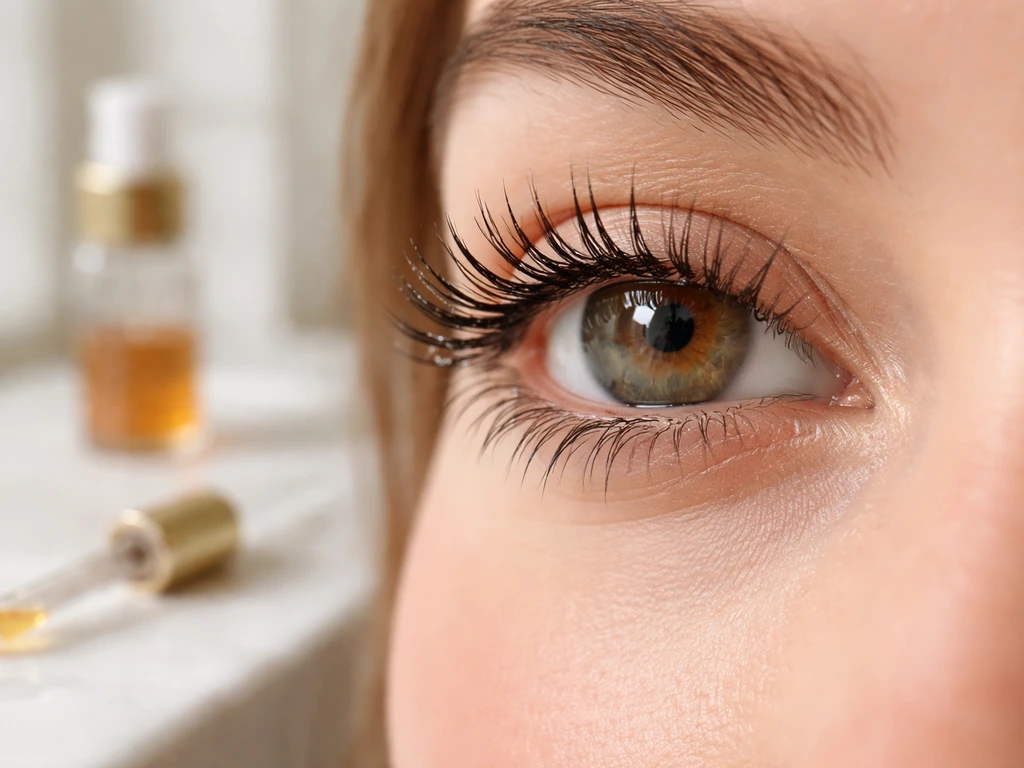
Vitamin E oil can support lash health by conditioning the follicle area and reducing breakage, but it has not been shown in clinical trials to actually stimulate eyelash growth the way prescription serums do. Think of it as a protective oil rather than a growth activator. If your lashes are dry, brittle, or recovering from damage, it may help them look and feel better and break less often. But if you are expecting measurably longer, thicker lashes from vitamin E alone, the evidence just is not there to back that up.
Will Vitamin E Help Eyelashes Grow? How to Use Safely
Rachel Nguyen
1 May 2026
Does Vitamin E (and Vitamin E Oil) Actually Help Eyelashes Grow?
Vitamin E is a fat-soluble antioxidant that shows up in a huge number of skincare and hair products, and for good reason: it helps protect cells from oxidative stress, supports the skin barrier, and has documented photoprotective properties. Dermatology reviews confirm these cosmetic and clinical roles. What those same reviews do not show is any eyelash-specific growth benefit from applying vitamin E topically. There are no controlled eyelash trials for vitamin E the way there are for bimatoprost (the active ingredient in prescription lash serums), which has a multicenter randomized double-masked trial showing real increases in lash length, thickness, and darkness versus a placebo vehicle.
So where does that leave vitamin E oil? The honest answer is that it sits in the same general category as castor oil: plausible conditioning benefits, largely anecdotal lash-growth claims, and no eyelash-specific clinical trials to confirm it extends the growth phase. If your lashes are damaged, dry, or prone to snapping off, a nourishing oil applied carefully to the lash line could reduce mechanical breakage, which would make lashes appear fuller over time. That is a real and useful effect, just not the same thing as triggering new growth from dormant follicles.
How Eyelash Growth Actually Works
Eyelash follicles go through the same basic cycle as scalp hair, just on a much shorter timeline. The anagen phase (active growth) for eyelashes lasts roughly 34 days on average, compared to years for scalp hair. After that comes catagen (regression, about 2 to 3 weeks) and then telogen (resting), before the lash sheds and the cycle resets. The full cycle from start to finish takes around 90 days. Lashes grow at approximately 0.16 mm per day, which means visible length changes take weeks, and full regrowth after significant loss can take 3 to 6 months.
This biology matters a lot when you are evaluating any lash product. Because the anagen phase is so short by nature, the only interventions that have been shown to produce real, measurable length increases are those that extend anagen or increase the proportion of follicles in the active growth phase, which is exactly how prostaglandin analogs like bimatoprost work. Anything that does not act on that mechanism, including most oils and vitamins, is working with the existing cycle rather than amplifying it. Losing 1 to 5 lashes a day is completely normal, so if you are seeing shedding in that range, that is just the cycle running as expected.
What the Evidence Actually Says About Vitamin E and Lash Growth
Vitamin E's well-documented roles in dermatology are antioxidant protection, reducing oxidative damage at the skin surface, and supporting barrier function. These properties could theoretically create a healthier environment around the follicle opening at the lash line. A healthier follicle environment might mean less inflammation and less physical breakage of existing lashes, which would let lashes reach their natural maximum length rather than snapping off early.
That indirect benefit is where the realistic case for vitamin E oil stops. There are no published eyelash-specific growth trials for vitamin E, and dermatology reviews do not cite evidence of follicle activation from topical tocopherol. If you are wondering what vitamin helps eyelashes grow, the evidence most consistently supports focusing on stronger, follicle-targeting options rather than relying on vitamin E alone no published eyelash-specific growth trials for vitamin E.
Compare that to bimatoprost, which has level-one trial data showing statistically significant improvements in lash length, thickness, and darkness over a 16-week period. A phase III multicenter, randomized, double-masked, vehicle-controlled trial evaluated bimatoprost versus vehicle in eyelash hypotrichosis and reported improvements in lash length, thickness, and darkness [bimatoprost, which has level-one trial data showing statistically significant improvements in lash length, thickness, and darkness over a 16-week period. ](https://www. sciencedirect.
com/science/article/pii/S0190962211006323). The mechanism for that drug is a confirmed extension of the anagen phase. Vitamin E has no equivalent mechanism or supporting trial data for lashes.
The other thing worth flagging: vitamin E is not universally gentle near the eye area. Tocopherol and tocopherol acetate (the two most common forms in cosmetic products) are documented contact allergens. The North American Contact Dermatitis Group's patch-testing data collected from 2001 to 2016 confirms that a meaningful subset of people react to these ingredients, and there are published case reports of widespread contact dermatitis from tocopherol acetate specifically. CIR safety assessments also note that ocular irritation from tocopherol acetate in testing has ranged from minimal to moderate depending on the test conditions. This does not mean vitamin E is dangerous for everyone, but it does mean you should not assume it is automatically safe just because it is natural.
How to Use Vitamin E Oil on Your Lashes Safely

If you want to try vitamin E oil on your lash line, the most important rules are: keep it off the eye surface itself, test for sensitivity first, and be consistent for long enough to judge results fairly. Here is how to do it without causing irritation.
Patch Test First
Before applying anything to your lash line, apply a small amount of the vitamin E oil to the inside of your wrist or elbow and wait 24 to 48 hours. If you see redness, itching, swelling, or any skin reaction, do not use it near your eyes. Mayo Clinic also advises that bimatoprost eye or eyelid irritation such as redness or itching can occur, and to wipe off any excess redness, itching, swelling, or any skin reaction. Given the documented allergenicity of tocopherol and tocopherol acetate, skipping this step is not worth the risk.
Application Steps
- Remove all eye makeup and cleanse your face thoroughly before applying anything to the lash line.
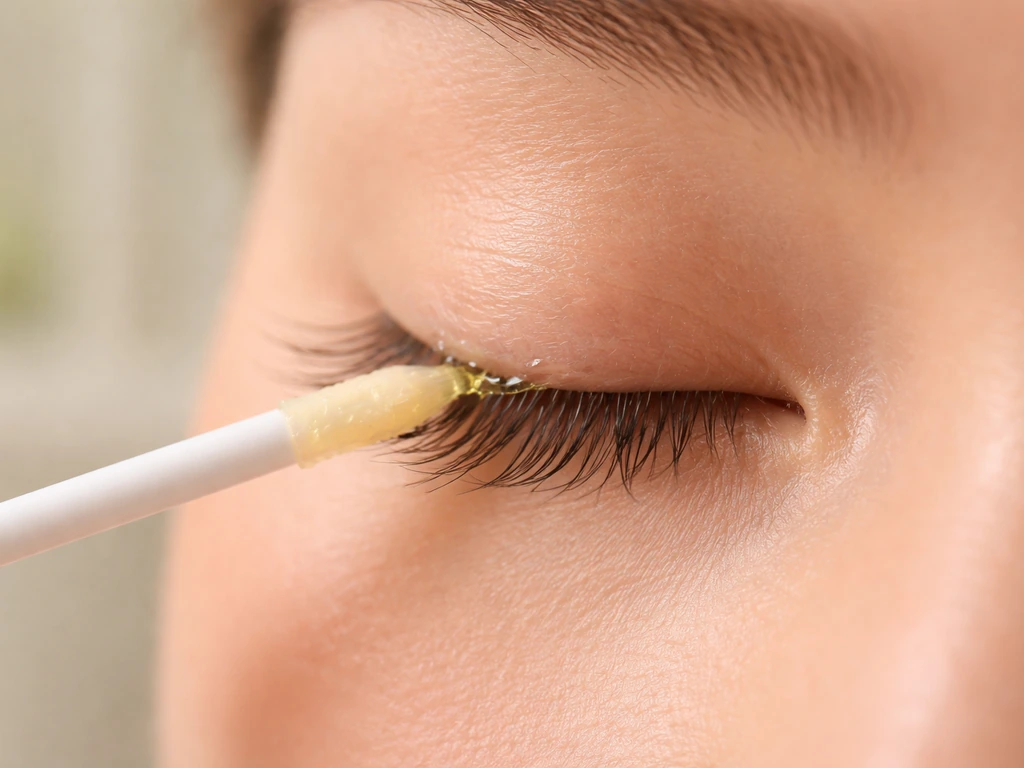
- Use a clean, disposable mascara wand or a fine-tipped cotton swab to apply the oil. Fingers introduce too much product and increase the chance of it running into the eye.
- Apply a thin layer to the base of your upper lashes, moving from the inner corner outward. Less is more here: you want just enough to coat the lash line, not so much that it pools.
- Avoid the lower lash line unless the product migrates naturally; the lower lid is closer to the eye surface and contact with the eye itself is more likely.
- Apply at night before bed so the oil has time to absorb and is not running into your eye throughout the day. Blinking spreads product, and nighttime minimizes that risk.
- If any oil enters your eye, rinse thoroughly with clean water immediately.
Frequency and How Long to Give It
Apply nightly, or at minimum 4 to 5 nights per week. Give it a genuine 8 to 12 weeks before deciding whether it is doing anything for you. That window covers at least one full lash cycle (roughly 90 days), which is the minimum time frame needed to see whether conditioning the lash line is making any visible difference in breakage or appearance. If after 12 weeks you see no change and you want actual growth, it is time to look at options with stronger evidence.
When to Stop
- Any redness, itching, or swelling at the application site
- Eye irritation, burning, or redness of the conjunctiva (the white of the eye)
- Skin darkening or changes in the eyelid skin around the lash line
- Increased lash shedding compared to your baseline
Growing Eyelashes Back After Loss or Damage
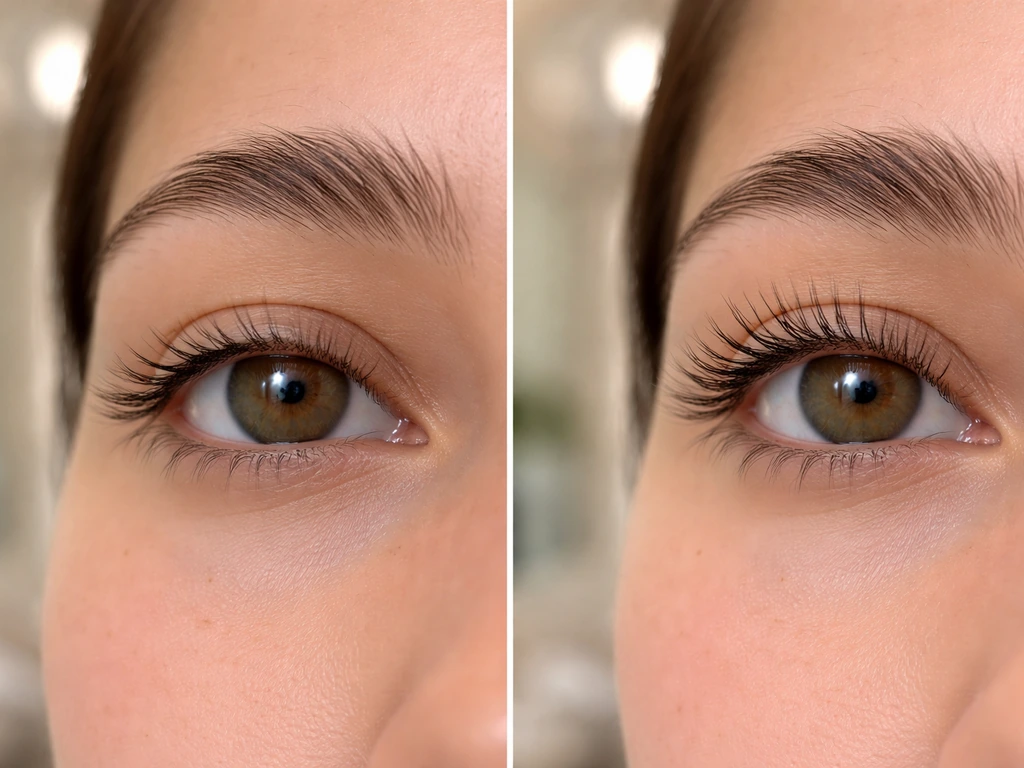
If you are looking at vitamin E oil specifically because your lashes are damaged or sparse, the first step is identifying the cause, because the recovery timeline and approach depend heavily on it.
| Cause of Lash Loss | Typical Recovery Timeline | Key Action |
|---|---|---|
| Extension damage or over-gluing | 2 to 4 months for most lashes to cycle back | Stop extensions, avoid further mechanical stress, support natural cycling |
| Rubbing or mechanical breakage | 6 to 10 weeks once rubbing stops | Identify and address the rubbing habit or underlying irritation driving it |
| Chemical irritation (lash serums, adhesives) | 6 to 12 weeks after removing the irritant | Patch test all products, use fragrance-free formulations during recovery |
| Medical causes (alopecia, thyroid, deficiency) | Variable, may need treatment first | See a dermatologist; topical oils will not address the root cause |
| Natural aging or general thinning | Ongoing gradual process | Clinical serums or bimatoprost are more likely to help than oils alone |
In most damage-related cases, the follicles are still intact and lashes will grow back on their own once the cause is removed. The full eyelash lifespan from growth to shed is roughly 3 to 6 months, so patience is genuinely required. Applying a conditioning oil like vitamin E during the recovery phase is a reasonable supportive measure to reduce breakage on the lashes that are actively regrowing. It will not speed up the cycle, but it may help the new lashes survive long enough to reach their full length.
What Works Better Than Vitamin E (and What to Expect)
If you want a clear-eyed comparison of vitamin E against the alternatives people commonly reach for, here it is. Each option has a different evidence level and a different realistic outcome.
| Option | Evidence Level | Mechanism | Realistic Outcome | Time to See Results |
|---|---|---|---|---|
| Vitamin E oil | Low (no eyelash trials) | Antioxidant conditioning, barrier support | Reduced breakage, healthier-looking lashes | 8 to 12 weeks |
| Castor oil | Low (anecdotal only) | Conditioning, no confirmed growth mechanism | Similar to vitamin E: conditioning, not growth | 8 to 12 weeks |
| Biotin (oral) | Low to moderate (deficiency-dependent) | Supports keratin production if deficient | Helpful only if you are actually deficient | 3 to 6 months |
| OTC lash serums (peptide-based) | Moderate (variable formulations) | Peptides may condition follicle; some contain prostaglandin analogs | Modest to moderate improvement in density | 6 to 16 weeks |
| Bimatoprost (prescription) | High (RCT data) | Extends anagen phase, increases follicles in active growth | Clinically significant increase in length, thickness, darkness | 8 to 16 weeks |
Bimatoprost (sold as Latisse) is the only option with randomized controlled trial data demonstrating real, measurable lash growth. It works by extending the anagen phase and increasing the number of follicles actively growing at any given time. The trade-off is that it requires a prescription, it costs more, and it carries real side effects including conjunctival redness, ocular itching, and potential skin pigmentation changes around the lash line. It is not a casual decision, but if you have significant lash loss or want clinically meaningful results, it is the only option currently proven to deliver them.
Castor oil sits in the same general territory as vitamin E: a popular, plausible option with no eyelash-specific clinical trial data confirming it triggers new growth. The evidence for castor oil stimulating lash growth is largely anecdotal, the same way the evidence for vitamin E is. Biotin is worth considering only if you have reason to believe you are deficient.
Biotin is sometimes discussed for lash growth, but it mainly helps if you are actually deficient biotin is worth considering. A genuine biotin deficiency can cause hair and lash loss, and supplementing to correct that deficiency can help restore what was lost. But taking biotin when you are not deficient is unlikely to produce noticeable lash changes, which is relevant context covered in more detail when you look at whether biotin specifically helps eyelash growth.
Peptide-based OTC lash serums land somewhere in the middle. Formulations vary enormously, and some contain prostaglandin analog ingredients (separate from bimatoprost) that may have modest growth effects. A 2025 risk assessment from Danish authorities flagged that lash serum formulations and their ingredients can carry irritation and safety concerns worth checking before committing to a product. Reading ingredient lists carefully and sticking to patch-tested formulations matters here too.
Is Vitamin E Worth Trying?
Yes, with realistic expectations. If your lashes are brittle, damaged from extensions, or recovering from irritation, adding a nightly vitamin E oil application to a clean lash line is a low-cost, low-risk supportive habit that may reduce breakage and improve the appearance of existing lashes. Patch test first, apply carefully to the lash base only, and give it a full 8 to 12 weeks.
If you want actual growth in length or thickness rather than better lash condition, combine it with (or replace it with) an option that has stronger evidence, whether that is an OTC peptide serum or a conversation with a dermatologist about prescription bimatoprost.
If you want actual growth in length or thickness rather than better lash condition, combine it with (or replace it with) an option that has stronger evidence, whether that is an OTC peptide serum or a conversation with a dermatologist about prescription bimatoprost does nutrafol help eyelashes grow. Vitamin E is a reasonable part of a lash care routine. It is just not the star of it.
FAQ
How long should I wait before I can tell whether vitamin E is helping my eyelashes?
Give it at least 8 to 12 weeks. That time frame covers roughly one full eyelash cycle (about 90 days), so you can judge whether breakage is actually decreasing or whether you are just seeing normal lash variation day to day.
Can I use vitamin E on the lash tips instead of the lash line?
For conditioning benefits, aim for the lash base and the lash line area only. Putting oil closer to the eye surface increases the chance of irritation and blurred vision, and it is unlikely to influence the growth mechanism because follicles are deeper than where the tips sit.
Is vitamin E better than castor oil for lash growth?
Neither has strong eyelash-specific growth trial evidence. Vitamin E is more likely to act as a conditioner around the follicle opening (helping reduce snapping), while castor oil is similar in that it is plausible but largely anecdotal for actual growth.
What form of vitamin E is safest to try near the eyes, tocopherol or tocopherol acetate?
Both are common, and both can be contact allergens. If you react to one, you may still react to the other, so the practical step is patch testing first. Also avoid products that are heavily fragranced or formulated to be easily absorbed near mucous membranes.
What should I do if my eyes sting or get red after applying vitamin E?
Stop using it immediately and avoid getting it on the eye surface. If redness, itching, or swelling persists beyond a short period, or if you notice light sensitivity, discharge, or worsening irritation, switch to gentle lubrication and contact an eye care professional.
Will vitamin E help if I’m losing lashes from extensions, mascara, or rubbing?
It may help reduce breakage, which can make lashes look fuller while they regrow, but it will not reverse the cause of shedding. The biggest improvement typically comes from removing the trigger (gentler cleansing, avoiding mechanical pulling, taking a break from extensions or waterproof mascara).
I’m seeing more than 5 lashes fall per day, should I keep trying vitamin E?
Extra shedding beyond the normal range can indicate irritation, infection, blepharitis, or an underlying deficiency. If shedding is sudden, patchy, itchy, or associated with lid scaling or burning, pause vitamin E and consider an evaluation rather than waiting out a 12 week trial.
Can biotin plus vitamin E help my eyelashes grow if I am not deficient?
Biotin is most useful when a deficiency is present. If you are not deficient, biotin is less likely to create noticeable lash changes, and adding vitamin E will still be mainly conditioning rather than true growth activation.
Do eyelash peptide serums work better than vitamin E?
Some peptide or lash serums contain ingredients that may modestly improve lash appearance, but results depend heavily on the exact formulation. If you choose an OTC serum, look for patch-tested, lower-irritation formulas and give it an adequate trial, since some products can cause lid irritation even if they claim growth.
Is it realistic to expect vitamin E to make lashes longer and thicker like prescription treatments?
Not realistically. Vitamin E is not proven to stimulate new eyelash growth in clinical trials, so the expectation should be improved conditioning and less snapping off. For measurable length and thickness changes, the evidence-supported option discussed in the article is prescription bimatoprost.
Next Article
Can Biotin Help Eyelashes Grow? What to Expect and How
See if biotin helps eyelash growth, who may benefit, safe use tips, timelines, and better evidence-based options.