Yes, you can grow your eyelashes back or grow them longer in most situations. Whether your lashes broke off from extensions, thinned out from rubbing, or fell out from a medical condition, regrowth is possible as long as the hair follicle itself isn't permanently scarred. The catch is patience: eyelash growth is slow, results from any approach take weeks to months, and the right strategy depends entirely on why your lashes are struggling in the first place.
Can You Grow Your Eyelashes Back or Make Them Longer

Rachel Nguyen
28 Apr 2026
Can eyelashes actually grow back or grow more
In the vast majority of cases, yes. Cleveland Clinic notes that once the underlying cause of eyelash loss is treated, lashes should return to their usual thickness. That's genuinely encouraging news for people dealing with thinning from blepharitis, over-rubbing, heavy extensions, or nutritional issues. The body wants to grow lashes. Your job is mostly to stop whatever is interfering and then give it time.
The important exception is scarring madarosis. DermNet NZ distinguishes between non-scarring and scarring forms of eyelash loss, and the scarring type is more likely to result in permanent loss because deeper inflammation or fibrosis damages the follicle structure itself. If a follicle is destroyed, it cannot regenerate. But true scarring madarosis is relatively uncommon compared to the everyday causes most people face, like mechanical damage or chronic lid inflammation.
So the first question to ask yourself is: what caused the loss? Breakage from extensions or a lash curler, thinning from blepharitis, rubbing from allergies, chemotherapy-related loss, or over-tweezing all fall into the recoverable category when the cause is addressed. Persistent deep inflammation from certain skin conditions is where things get more complicated, which is why identifying the root issue matters before you start trying every serum on the market.
How eyelash growth actually works
Eyelashes follow the same three-phase growth cycle as all body hair: anagen (active growth), catagen (transition and shrinking), and telogen (resting before shedding). Understanding the timing of each phase explains why regrowth feels so slow.
The anagen phase for eyelashes lasts only 30 to 45 days, which is dramatically shorter than the years-long anagen phase of scalp hair. That short window is why eyelashes stay short compared to the hair on your head. After anagen, the follicle enters catagen for a few weeks, then settles into telogen, which can last 4 to 9 months. During telogen the lash sits in the follicle before eventually shedding and being replaced by a new anagen lash.
What this means practically: if a lash breaks off mid-shaft, it won't regrow from that break point. The follicle needs to cycle through to produce a new lash from the root. If a lash falls out naturally or gets pulled, the follicle will eventually re-enter anagen, but it may be sitting in a long telogen phase before that happens. And if chronic inflammation from blepharitis or constant rubbing is disrupting the cycle, the follicle may keep resetting before it can produce a full lash. StatPearls confirms that superficial inflammation from any cause can contribute to eyelash loss through exactly this mechanism.
How long regrowth actually takes

Here is an honest timeline breakdown based on the most common scenarios:
| Cause of loss | Expected regrowth start | Full recovery estimate |
|---|---|---|
| Broken lashes (extensions, curler, rubbing) | 2 to 4 weeks for new lash emergence | 6 to 8 weeks to visible length |
| Pulled or fallen lashes (natural cycle) | 4 to 8 weeks depending on cycle phase | Up to 3 to 4 months for full lash |
| Blepharitis or chronic inflammation | Weeks after condition is treated | 3 to 6 months for noticeable recovery |
| Chemotherapy-related loss | Starts within weeks of treatment ending | 3 to 6 months for fuller appearance |
| Extension-related traction alopecia | Variable; depends on follicle damage | Several months; may be incomplete if follicle stressed |
Bimatoprost clinical trials give a useful benchmark: in a multicenter randomized controlled study, subjects applying bimatoprost 0.03% once nightly showed statistically significant increases in lash length, thickness, and darkness at 16 weeks. That's the gold standard clinical intervention and it still takes four months. For at-home approaches using oils or serums, expect similar or longer timeframes before you can meaningfully assess whether something is working. Don't give up at three weeks.
What you can do at home to encourage growth
A good at-home routine has two goals: protect the follicles you have and create the conditions for healthy regrowth. Here's what actually moves the needle.
Remove mechanical damage first
If you're wearing heavy extensions, using a lash curler aggressively, or rubbing your eyes from allergies, stop. The American Academy of Ophthalmology's EyeWiki notes that eyelash extensions carry real risks including traction alopecia, where persistent pulling stress damages follicles over time. Take a full break from extensions for at least two to three months while trying to recover. No serum will overcome ongoing mechanical trauma.
Keep the lash line clean
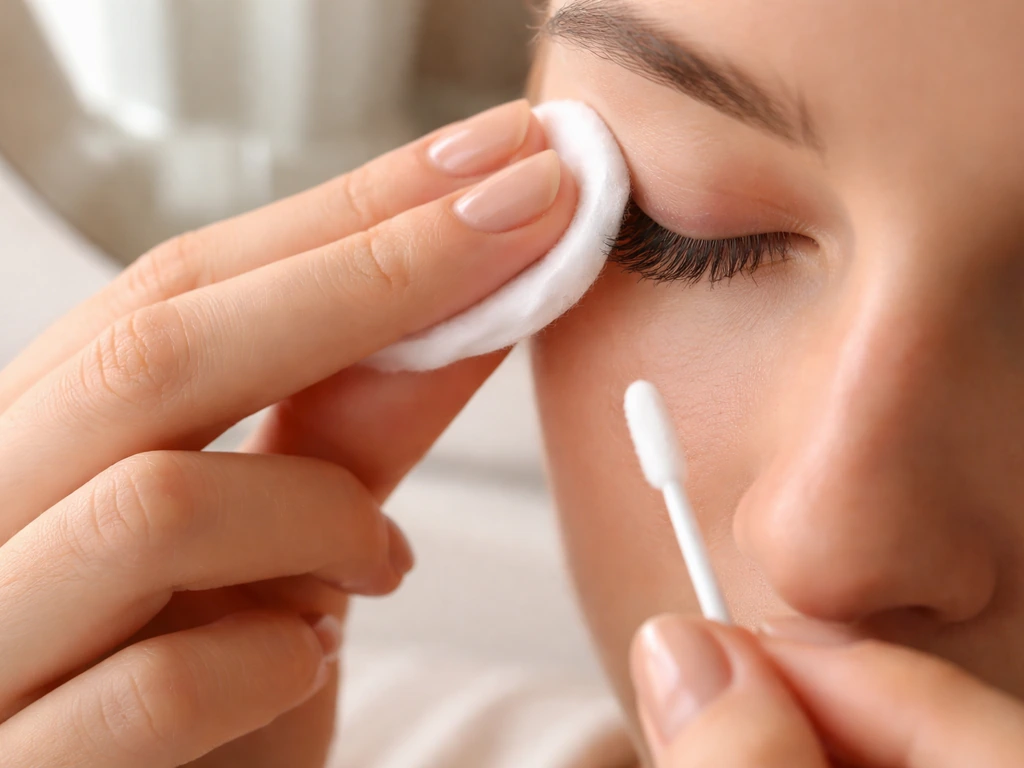
Gentle daily cleansing of the lash line removes debris, old makeup residue, and the kind of buildup that contributes to lid inflammation. Use a gentle, fragrance-free cleanser or a diluted baby shampoo on a soft cotton pad. This is especially important if blepharitis is a factor, since controlling lid inflammation is literally the prerequisite for regrowth in that case.
Apply a nourishing oil or conditioner at the base
Using a clean mascara wand or cotton swab, apply a small amount of oil to the lash line at night, focusing on the base rather than the lash shaft. This protects existing lashes from breakage and may help create a better follicle environment. Apply once nightly, wipe off any excess that drifts toward the eye, and be consistent for at least 6 to 8 weeks before assessing.
Protect lashes from daily wear and tear
- Remove eye makeup gently every night with an oil-based remover, pressing rather than rubbing
- Avoid waterproof mascara during recovery periods since it requires harsher removal
- Don't sleep in mascara, ever; it dries out lashes and promotes breakage
- Use a silk or satin pillowcase to reduce friction on lashes while you sleep
- If you have seasonal allergies causing eye rubbing, treat the allergy to stop the rubbing
Serums, castor oil, biotin: separating what works from the marketing
Bimatoprost serums (prescription)
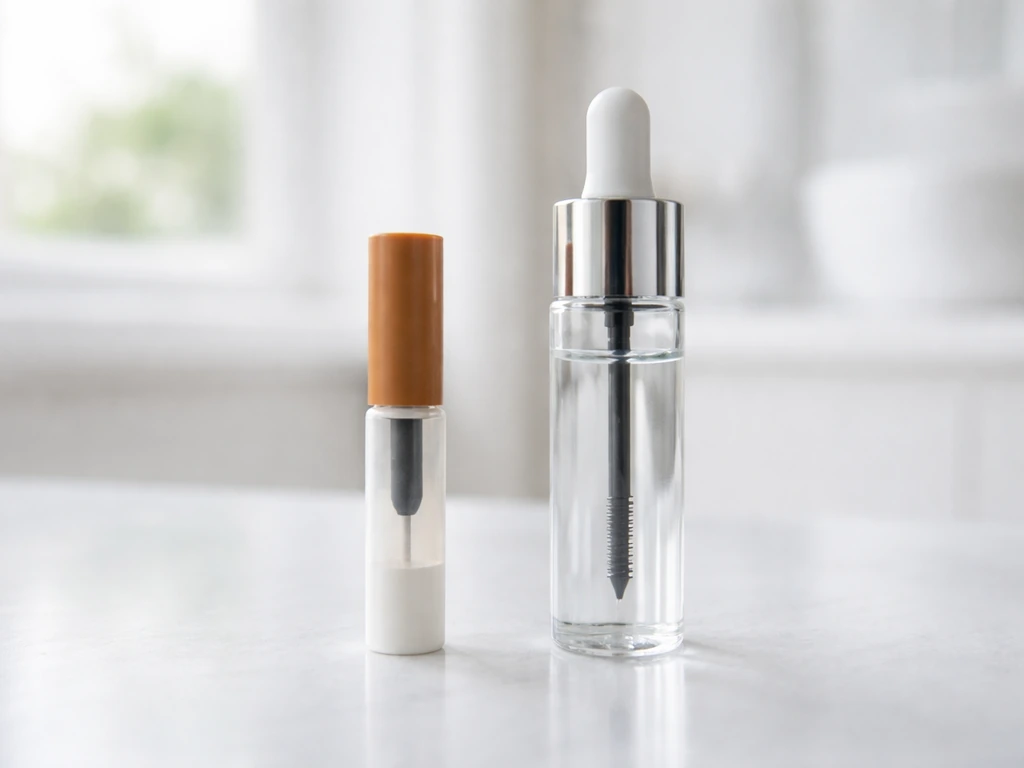
Bimatoprost 0.03% (sold as Latisse in the US) is the only FDA-approved treatment specifically for eyelash hypotrichosis, meaning inadequate lashes. The clinical evidence is clear: multiple randomized controlled trials show significant gains in lash length, fullness, and darkness compared to vehicle-only controls, with effects measurable at 16 weeks of nightly application to the upper eyelid margin. Known side effects include eye itching, conjunctival redness, skin darkening around the eye, and eyelid irritation. It requires a prescription and the risks are real, so this is a clinician conversation, not a drugstore impulse buy.
Over-the-counter lash serums
Most OTC lash serums marketed as growth serums contain peptides, panthenol, or biotin in a conditioning base. They primarily reduce breakage and improve lash appearance rather than stimulating the follicle the way bimatoprost does. Some contain prostaglandin-like compounds (isopropyl cloprostenate) that are structurally similar to bimatoprost but lack the same clinical evidence base. These can cause eye irritation and periocular pigmentation just like the prescription version, without the same proven payoff. Look for serums with transparent ingredient lists, avoid anything that causes itching or redness, and don't expect the same magnitude of results as a prescription treatment.
Castor oil
Castor oil is a thick, ricinoleic-acid-rich oil that has a strong community following for lash growth. The honest picture: there is no robust clinical trial evidence that castor oil directly stimulates lash follicles. What it does well is coat the lash shaft, reduce moisture loss, and protect against breakage. If your problem is brittle, breaking lashes rather than actual follicle-level hair loss, castor oil applied nightly at the lash line can make a real visible difference over 6 to 8 weeks by keeping existing lashes intact long enough to grow. Use cold-pressed, hexane-free castor oil and keep it away from your eyes, because it can cause blurred vision and irritation if it drifts in.
Biotin and supplements
Biotin supplements are widely promoted for lash and hair growth, but the evidence only supports biotin supplementation if you are actually biotin-deficient, which is uncommon in people eating a varied diet. If your lash thinning is driven by broader nutritional gaps (low iron, low protein, restrictive eating), correcting those deficiencies genuinely helps hair growth across the board including lashes. A general-purpose approach: prioritize protein intake (lashes are made of keratin), check your iron and ferritin levels if you're dealing with widespread thinning, and only supplement where there's an actual gap to fill. Spending money on high-dose biotin when you're already replete won't grow you extra lashes.
| Option | Evidence level | Best for | Realistic timeline | Main risk |
|---|---|---|---|---|
| Bimatoprost 0.03% (Rx) | Strong (multiple RCTs) | Medically indicated hypotrichosis, chemo recovery | 16 weeks | Periocular pigmentation, eye irritation |
| OTC lash serums (peptide/panthenol) | Moderate for conditioning; weak for growth | Breakage-related thinning | 8 to 12 weeks | Irritation if prostaglandin-like ingredients used |
| Castor oil | Anecdotal; no clinical RCTs for growth | Breakage prevention, conditioning | 6 to 8 weeks | Eye irritation if it enters the eye |
| Biotin supplement | Only if deficient | Deficiency-driven diffuse hair loss | 3+ months | Interferes with some lab tests at high doses |
| Iron/nutrition correction | Strong if deficiency is cause | Diet-related or postpartum lash loss | 3 to 6 months | Low risk; lab testing recommended first |
How to do this safely and avoid making things worse
The most common mistake people make when trying to grow lashes is adding too many products at once, which makes it impossible to identify what's helping or causing irritation. Start with one product, use it consistently for six to eight weeks, and assess before layering anything else.
The FDA warns that if you develop an eye infection or notice inflammation around the eye, you should stop using eye cosmetics and applied products until it resolves. That applies to lash serums too. A discussion on r/SkincareAddiction also includes a first-hand account where recurring styes or chalazions were attributed to lash serum use and ingredient or contamination concerns blank" rel="noopener noreferrer">serums. Any redness, swelling, itching, or burning that persists more than a day or two after starting a new product is a signal to stop using it, not push through. The lash line is close to the ocular surface, and reactions there can escalate quickly.
For people recovering from eyelash extensions specifically: AAO EyeWiki notes that extensions can cause allergic blepharitis from the adhesive, as well as traction alopecia from the mechanical weight. After removing extensions, give your lashes a minimum 6 to 8 week bare-lash recovery period before applying anything new. Clean the lash line daily, use a light conditioning oil if the lashes feel brittle, and resist going back to extensions before the natural lashes have visibly recovered.
- Introduce only one new product at a time and track any changes in skin or eye comfort
- Apply lash serums or oils only to the base of the upper lash line, not the lower lid or the eye itself
- Always patch test a new product on your inner arm for 24 hours before applying near your eyes
- Keep all applicators and wands clean to avoid introducing bacteria to the lash line
- Stop any product immediately if you notice persistent redness, itching, or lid swelling
- Avoid sharing eye makeup or applicators, particularly during any active recovery period
When at-home efforts aren't enough: time to see a doctor
Most lash thinning from mechanical causes or mild inflammation responds to time and better habits. But there are situations where self-treatment won't cut it and continuing to wait wastes months you could have spent on effective treatment.
See a dermatologist or ophthalmologist if any of the following apply. Lash loss is spreading (including to eyebrows or scalp), which may point to alopecia areata, thyroid dysfunction, or another systemic issue. The eyelid margin looks chronically red, scaly, or crusted, which suggests blepharitis needs formal management. You've had no visible regrowth after four to six months of consistent at-home care. There's visible scarring, skin changes, or loss of normal lid texture around the lash line. You're currently on or recently completed chemotherapy and want access to prescription-level options like bimatoprost.
Scarring alopecias, as research notes, are diagnosed through clinical pattern recognition and in some cases biopsy. If a clinician suspects scarring madarosis, early evaluation matters because once the follicle is destroyed the window for intervention has closed. You don't need to assume the worst, but you do need an actual diagnosis before investing more months in at-home products for a condition that requires medical treatment.
For men dealing with lash thinning, the causes and treatments are largely the same, though the social context and product familiarity are different. And for anyone looking for even more specific guidance based on their particular situation, whether that's recovery after extensions, ingredient-by-ingredient breakdowns, or what the community experience looks like in practice, the other guides in this series go deeper on those specific angles.
If you want more practical, real-world tips and what people recommend for lash regrowth, search how to grow eyelashes on Reddit and compare advice to the factors in this guide how to grow eyelashes reddit. For men wondering how to grow eyelashes, the key is the same: identify the cause, stop the irritation or breakage, and give the follicle time to cycle how to grow eyelashes on Reddit. The biology is the same for everyone.
The strategy just needs to match the cause.
FAQ
If my lashes break off, can they regrow from the break point?
Usually yes, but it depends on whether the follicle was intact. If lashes broke mid-shaft, they will not “heal” into longer lashes from that same point, you must wait for a fresh anagen lash to grow in. Track progress by lash count and overall look at the lash line, not by hoping a broken lash lengthens on its own.
Why do my lashes seem to be shedding more while I’m trying to regrow them?
There can be a short-term “false start” where you see shedding because the follicle is cycling through telogen. That is different from treatment failure. If irritation is present (itching, burning, persistent redness), stop the product and reassess the cause, because ongoing inflammation can keep resetting the growth cycle.
Can lash growth still work if I keep curling or wearing extensions?
If the cause is mechanical stress, the timeline can extend. Extensions, aggressive curling, and frequent rubbing can keep breaking lashes faster than they can be replaced, even if follicles are healthy. A practical rule is to remove the trigger (like extensions) first, then start one conservative routine and reassess after 6 to 8 weeks.
Is prescription lash treatment an option if my lashes thin due to allergies or rubbing?
Yes, but it should be treated as a targeted, medically guided option when appropriate. Prescription bimatoprost requires consistent nightly use and a clinician review because it can cause eye irritation and can lead to darkening of skin around the eyes. If you have a history of eye inflammation, ask a clinician before starting rather than self-experimenting.
What should I do if a lash serum irritates my eyes?
If you develop symptoms right after starting (itching, swelling, persistent redness, burning), discontinue immediately and avoid eye makeup and lash products until it settles. Patch testing is not practical around the lash line, so the safety approach is to add one product at a time and stop on early warning signs.
Can you grow your eyelashes during pregnancy or while breastfeeding?
Be cautious with pregnancy plans and breastfeeding. Because the main prescription option is a hormone pathway medication and has known local side effects, you should check with your prescriber before using it, even if systemic absorption seems low. For non-prescription options, prioritize gentle cleansing and breakage prevention over “growth” claims.
What if my eyelid area is chronically red and my lashes won’t come back?
In some cases you can, but only if the underlying driver is addressed. For eyelid conditions like blepharitis, controlling lid inflammation is the prerequisite for follicles to cycle normally. If the eyelid margin is persistently red, scaly, or crusted, home routines alone may delay the right treatment.
Can castor oil or other oils truly make lashes longer, or are they mostly for preventing breakage?
Yes, but the goal is to reduce breakage and improve appearance, not to expect the same follicle stimulation as the prescription medication. Oils are most helpful when lashes are brittle and snapping, and visible improvement usually depends on keeping lashes intact long enough for natural replacement.
How long should I try one lash product before deciding it isn’t working?
Not always. If you keep switching products, your results become impossible to interpret and irritation can compound. A more reliable strategy is one product at a time for 6 to 8 weeks, then adjust based on whether you see less breakage, less irritation, and gradual fullness.
Could medications or an underlying condition affect whether my lashes can regrow?
Yes, certain medications and conditions can contribute to lash loss, but the response varies by the cause. Examples include chemotherapy-related loss and thyroid or autoimmune issues. If you are on a new medication or suspect a systemic cause, talk with a clinician rather than only treating the lash line.
When should I stop trying at-home methods and see a doctor for eyelash loss?
A clinician evaluation is especially important if loss is sudden, spreading beyond lashes (eyebrows or scalp), or accompanied by skin changes along the lash line, because scarring and systemic causes require earlier intervention. Another practical trigger is no meaningful improvement after 4 to 6 months of consistent, cause-focused at-home care.
Next Article
What Grow Eyelashes: What Works, What’s Hype, Timelines
Discover what truly grows longer thicker lashes, evidence-based serums and oils, timelines, and steps to fix damaged gro