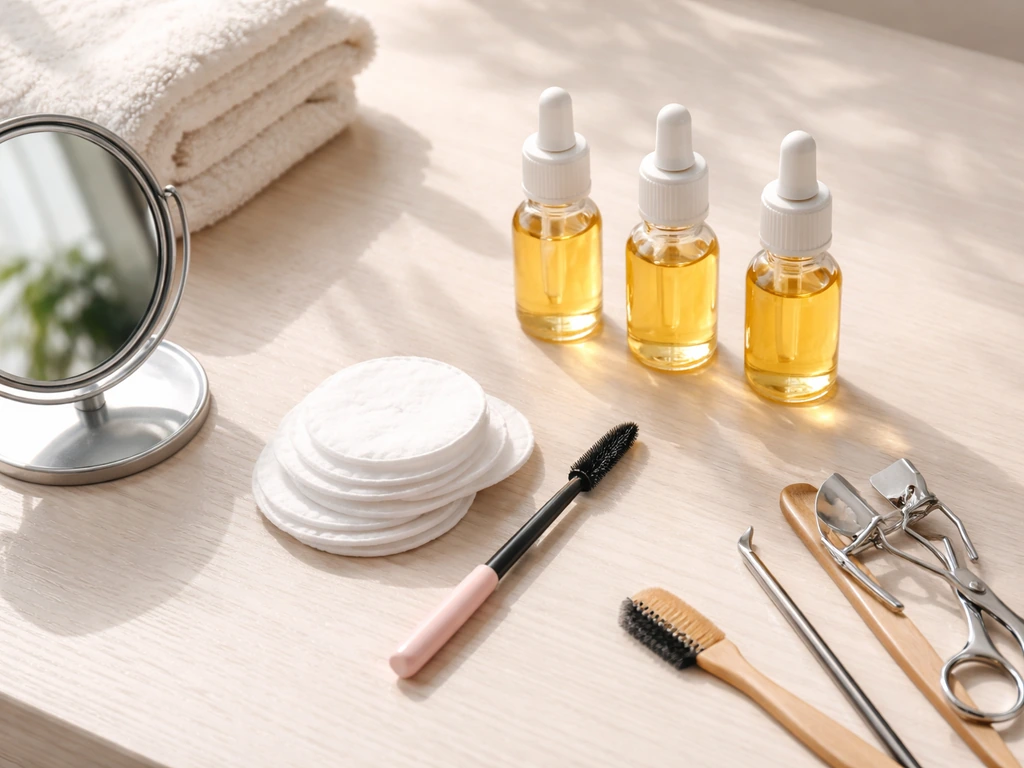
You cannot grow eyelashes overnight in any biological sense. At a growth rate of roughly 0.12 to 0.14 mm per day, one night of sleep moves the needle by less than 0.007 mm. What you can do tonight is condition your lashes, reduce breakage, boost hydration, and temporarily thicken their appearance so they look noticeably fuller and longer by morning. If your lashes are damaged, thinning, or recovering from extensions, one good overnight routine sets the stage for real regrowth over the coming weeks. That distinction matters because it changes what you actually do tonight versus what you commit to for the next month.
How to Grow Eyelashes Naturally at Home Overnight

Rachel Nguyen
26 Apr 2026
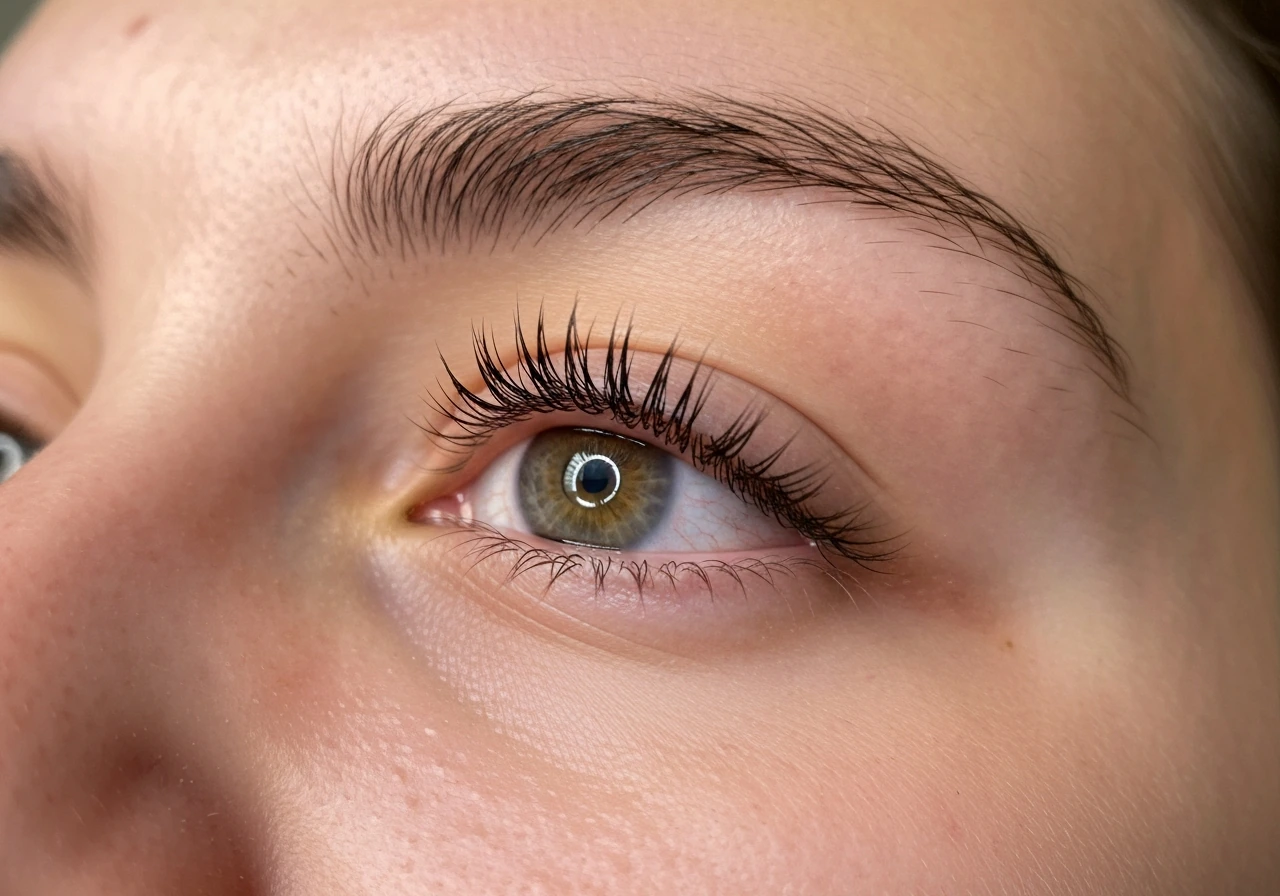
Why overnight growth is biologically impossible (but overnight appearance change is real)
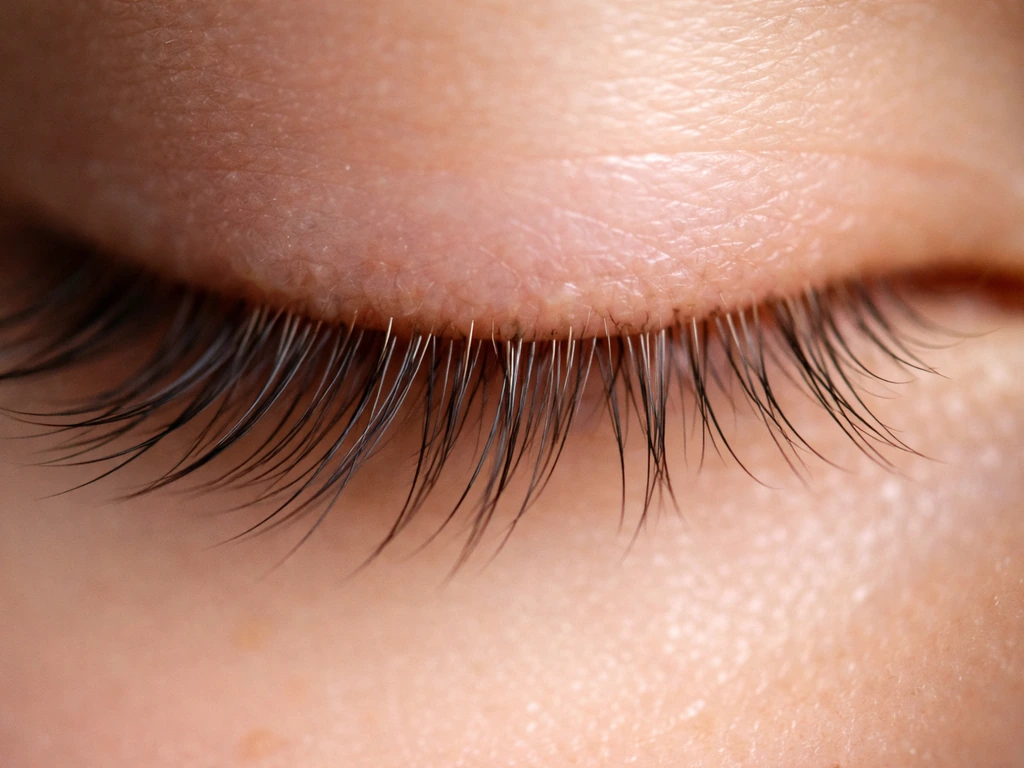
Each eyelash follicle runs through a growth cycle with two main phases: anagen (active growth) and telogen (resting and shedding). According to peer-reviewed research, the anagen phase for eyelashes lasts only about 30 days, and the telogen phase stretches anywhere from 4 to 9 months. That extremely short growth window combined with a long resting phase is exactly why lashes grow slowly and why losing them feels so permanent. During a single night, follicles in the anagen phase add a fraction of a millimeter. That is not visible to the human eye.
What is visible overnight is the condition and integrity of the lashes you already have. Dry, brittle lashes curl downward, break at the tips, and clump together, all of which make them look shorter and thinner than they actually are. Hydrating and coating those same lashes with the right ingredient lifts them, separates them, and reflects light better. The lash looks longer because it is behaving better, not because it grew. This is the honest core of every "grow lashes overnight" claim you have seen online.
What you can actually change in one night
One night gives you four realistic wins: better hydration of the lash shaft, reduced friction and breakage while you sleep, improved follicle-area circulation from gentle massage, and a conditioning coat that makes lashes appear thicker and darker by morning. None of these are magic, but all of them are real and cumulative. Do this consistently and you also protect the lashes currently in anagen from breaking off early, which means more of your natural growth cycle survives to full length.
Tonight's routine: the overnight conditioning steps that actually work
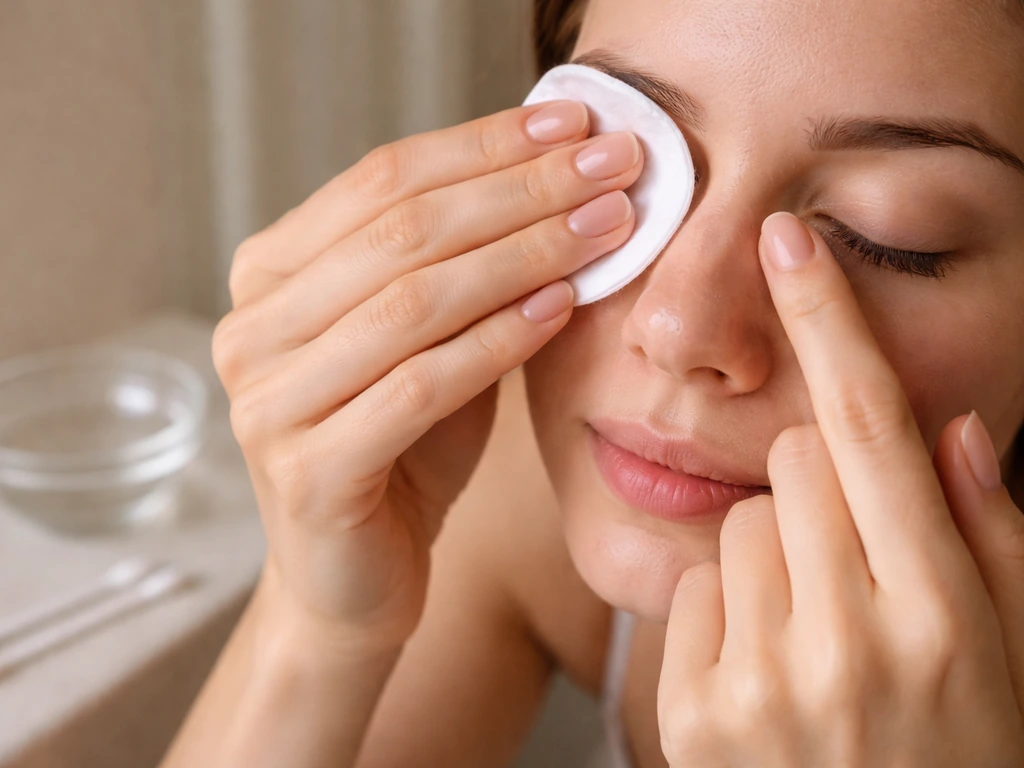
Before anything touches your lash line, remove all eye makeup completely. Mascara left on overnight is one of the fastest routes to lash breakage because it dries and stiffens the shaft, then snaps at the root when you rub your eyes in your sleep. Use a gentle, oil-based micellar water or a dedicated eye makeup remover. Press the pad gently against your lashes for 10 seconds rather than rubbing, then wipe downward.
Next, cleanse the eyelid margin. Debris and oil buildup at the lash line block follicles and contribute to blepharitis, a condition that actively slows or disrupts lash growth. A gentle foam cleanser or diluted baby shampoo on a clean spoolie or cotton swab along the lash line, rinsed thoroughly, takes about 60 seconds and makes a real difference over time.
After cleansing, apply your chosen conditioning oil or serum to the lash line using a clean spoolie or a disposable mascara wand. Coat from root to tip. Then, using the pad of one clean finger, very gently press along the upper eyelid margin for 30 to 60 seconds. This light massage improves local circulation, which supports follicle health. Finish by switching to a silk or satin pillowcase if you have one. Cotton creates friction against your lashes throughout the night, and that friction adds up to breakage.
Natural home remedies for overnight lash conditioning
Castor oil
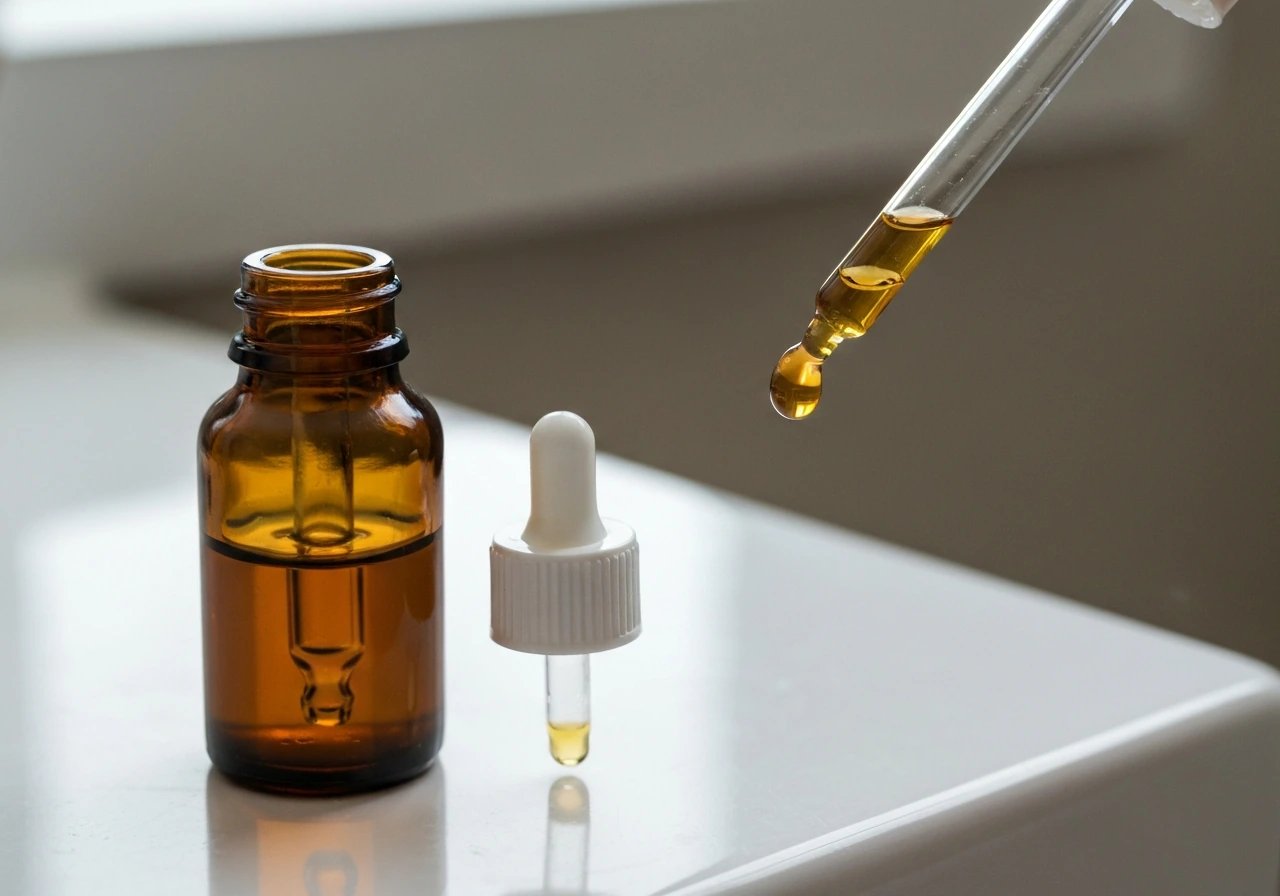
Castor oil is the most consistently recommended home remedy for lash conditioning, and for good reason. It is rich in ricinoleic acid, which has anti-inflammatory properties and coats the lash shaft with a thick, occlusive layer that locks in moisture and reduces friction. Applied nightly with a clean spoolie, it makes lashes appear darker and thicker by morning. Formal clinical evidence for castor oil growing lashes is limited, but its conditioning effect is real and the overnight appearance change is noticeable within a few applications. Use cold-pressed, hexane-free castor oil and apply only a tiny amount. A little goes a long way and excess can migrate into the eye.
Argan oil
Argan oil is lighter than castor oil and absorbs more readily, making it a good choice if castor oil feels too heavy or causes milia around the eye area. It is high in vitamin E and oleic acid, both of which condition the lash shaft and support the skin around the follicle. Apply in the same way: a clean spoolie, root to tip, before bed.
Vitamin E oil
Vitamin E oil (tocopherol) can be applied directly from a capsule or purchased as a cosmetic oil. It is an antioxidant that protects the follicle environment from oxidative stress, and it also works as a standalone overnight lash conditioner. Some people mix a drop of vitamin E with castor oil to thin it slightly. This combo gives you the occlusive benefit of castor oil with the antioxidant benefit of vitamin E.
Aloe vera gel
Pure aloe vera gel (not the scented lotion variety) is another solid overnight option. It contains proteolytic enzymes that can support scalp and follicle health, and it adds hydration without the heaviness of oil. It is also one of the gentler choices for people with sensitive eyes. Apply a thin layer to the lash line with a clean spoolie or fingertip and leave overnight. It will not provide the same visual thickening effect as castor oil, but it is less likely to cause irritation.
What to avoid in DIY recipes
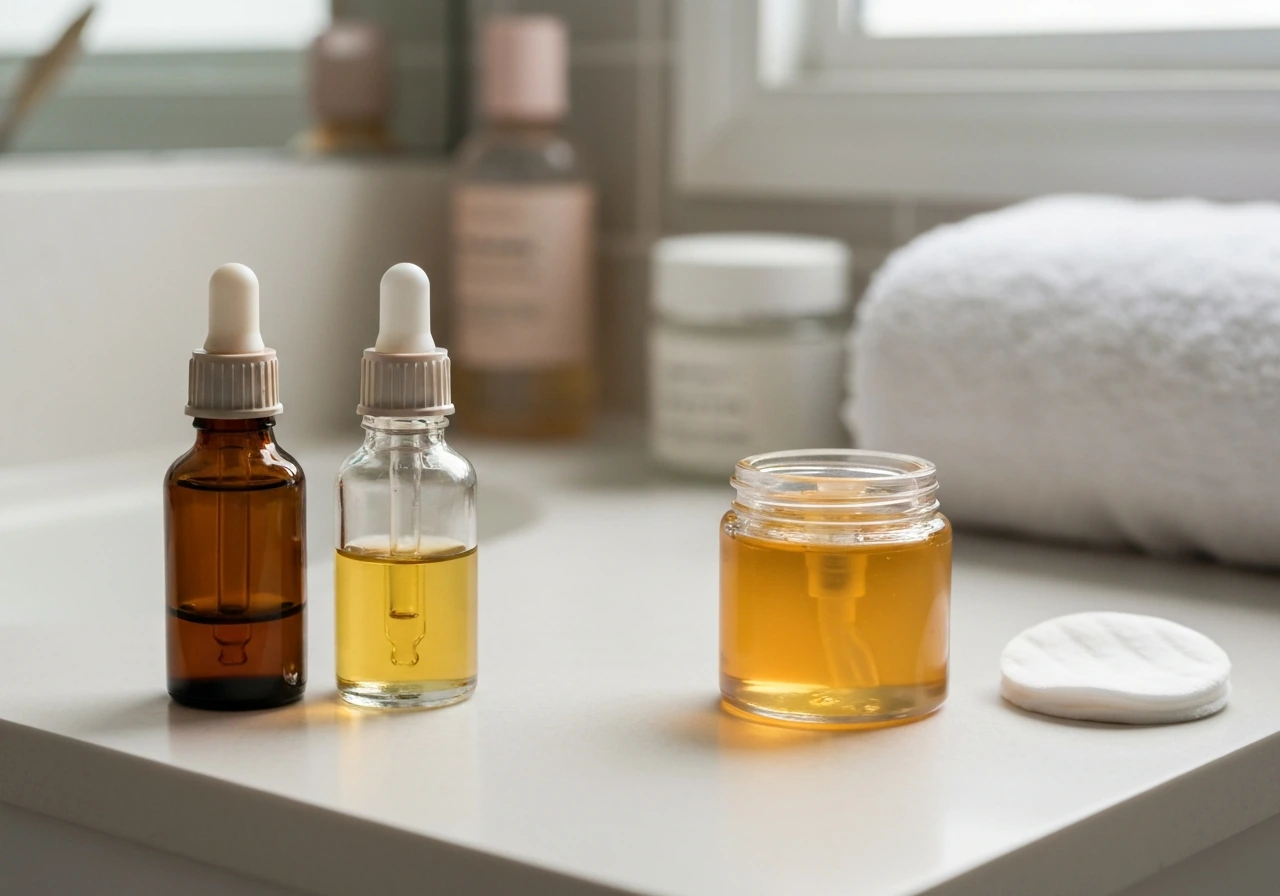
- Essential oils (tea tree, lavender, peppermint) applied near the eye. Even diluted, these are irritants and potential allergens at the lash line.
- Lemon juice or apple cider vinegar. Both are acidic and can cause chemical irritation on eyelid skin.
- Coconut oil if you wear contacts or are prone to styes. It can be comedogenic around the follicle.
- Anything with fragrance, alcohol, or preservatives like parabens. Eye tissue is thin and absorbs irritants quickly.
- Homemade mixtures involving egg white or onion juice. These are popular online but carry infection risk and are strongly irritating near the eye.
Overnight naturally vs. biotin, serums, and castor oil: what each one actually does and when
These approaches work on completely different timescales and mechanisms, so it helps to be clear about what you are choosing and why. Here is an honest comparison:
| Approach | Overnight Effect | Realistic Timeline for Growth | Notes |
|---|---|---|---|
| Castor oil (topical) | Conditions, temporarily darkens/thickens lash appearance | 4–8 weeks of nightly use for visible length improvement | Best evidence is for conditioning, not regrowth; widely used and low risk |
| Argan or vitamin E oil | Light conditioning, minor appearance improvement | 4–8 weeks consistent use | Lighter than castor oil; good for sensitive skin |
| Biotin (oral supplement) | None overnight | 12–16 weeks, primarily helps if you have a deficiency | Evidence for biotin and lash growth is thin unless you are genuinely deficient |
| Over-the-counter lash serums (peptide-based) | Minor hydration effect if applied correctly | 6–12 weeks for measurable appearance change | Quality varies enormously; look for peptides, panax ginseng, or myristoyl pentapeptide-17 |
| Prescription bimatoprost (Latisse) | None overnight | Clinically measured improvements at weeks 8, 12, and 16 in controlled trials | Most evidence-backed option; requires prescription; not a home remedy |
| Eyelid hygiene + conditioning routine | Yes, noticeably better lash condition by morning | Ongoing; prevents breakage immediately | Most underrated overnight step; supports everything else you do |
If you are comparing purely on overnight appearance change, a clean conditioning oil applied to well-cleansed lashes beats every supplement and serum because the effect is immediate. If you are comparing on actual regrowth over time, prescription bimatoprost has the strongest clinical backing, with clinical trials running 16 weeks and measuring length, fullness, and darkness at regular intervals. LATISSE is clinically proven to deliver fuller, longer, and darker lashes at 16 weeks, and it also directs readers to prescribing information prescription bimatoprost has the strongest clinical backing. Natural oils land somewhere in the middle: real conditioning benefits, slower timeline, but genuinely useful as a nightly habit.
Growing lashes back after damage or extensions: what recovery actually looks like
If you are dealing with blank" rel="noopener noreferrer">lash loss from extensions, traction, over-rubbing, or a skin condition like blepharitis, the biology is the same but the expectations need adjusting. Lashes do not grow back overnight from follicle damage. What matters first is removing the cause of the damage. If extensions caused the loss, stop getting them refilled and let your natural lashes rest. If you have been using a harsh eye makeup remover or rubbing aggressively, change that habit tonight.
Once you remove the cause, the recovery timeline follows the follicle cycle. The anagen (growth) phase lasts about 30 days, meaning a follicle that begins regrowing now will produce a visibly emerging lash within about 4 weeks. A full lash typically reaches its natural length in 4 to 8 weeks from the point it starts growing. But here is the complicating factor: the telogen (resting) phase can last 4 to 9 months. If a follicle is currently in telogen, it is not going to start regrowing until that resting phase ends. That is why damaged lashes can feel like they are taking forever to come back. Most of your follicles are simply waiting, not broken.
The overnight routine described in this article still matters during recovery. Conditioning and protecting the lashes you do have prevents further loss, and maintaining good eyelid hygiene keeps follicles healthy so the ones coming out of telogen can produce strong new growth. Think of it as creating the best possible environment while you wait.
For more detail on what to do when lashes are growing back from zero, including specific recovery timelines and what to expect week by week, there is deeper coverage in guides specifically focused on how to grow eyelashes naturally at home and the broader question of how to naturally grow eyelashes after damage. If you want a longer-term plan in Hindi, this guide explains how to grow eyelashes naturally at home step by step, including what to do when you have damage how to grow eyelashes naturally at home in hindi. If you want the longer-term approach, focus on how to naturally grow eyelashes after damage by protecting the follicle environment and sticking with the routine consistently how to naturally grow eyelashes naturally at home.
How to do this without Vaseline (and what to use instead)
Vaseline (petroleum jelly) is commonly suggested for overnight lash conditioning because it is thick, occlusive, and cheap. It does condition the lash shaft in the same mechanical way that castor oil does: coating the shaft to reduce moisture loss and friction. However, it has real drawbacks for the eye area. It can blur vision if it migrates into the eye during sleep.
MedlinePlus Medical Encyclopedia also cautions that petroleum jelly can be harmful if it gets in the eyes, so avoid eye exposure during use it can blur vision if it migrates into the eye during sleep. It can block follicles if applied too close to the lash root.
And for contact lens wearers, petroleum-based products are genuinely problematic. These are not hypothetical risks.
Fortunately, you do not need it. Cold-pressed castor oil provides the same occlusive, conditioning, and temporary thickening effect without the follicle-blocking concern when applied carefully. Argan oil and vitamin E oil work for people who want something lighter. If you prefer a zero-oil option, pure aloe vera gel is the safest choice for sensitive or reactive eyes. Any of these are better alternatives to petroleum jelly for regular overnight lash use.
Eye area safety checklist before you apply anything tonight
The skin around your eyes is some of the thinnest on your body and it absorbs products quickly. Running through this checklist before applying any new oil or remedy takes two minutes and can prevent a week of irritation.
- Patch test first. Apply a small amount of any new oil to the inside of your wrist and wait 24 hours before using it near your eyes. Castor oil, despite its popularity, is a contact allergen for some people.
- Use clean tools every time. A reused spoolie or applicator brush can harbor bacteria. Use disposable spoolies or wash your applicator with soap before each use.
- Apply only to the lash line, not the waterline. The waterline connects directly to the eye surface. Oils applied there migrate into the eye film and can cause blurred vision and irritation.
- Use the minimum effective amount. One small dip of oil on a spoolie is enough. Excess product pools at the base of lashes and increases the risk of migration.
- Avoid any remedy that stings immediately. Mild warmth is normal with castor oil. Stinging, burning, or immediate redness means remove it with water right away.
- Skip DIY essential oil recipes. No essential oil belongs undiluted near the eye. Even properly diluted, the risk-to-benefit ratio for lash growth is poor.
- If you have a history of styes, chalazia, or blepharitis, check with a doctor before adding oils to the eyelid margin. Occlusive products can aggravate these conditions.
- Remove the product in the morning. Do not leave heavy oils on the lash line throughout the day. Rinse gently with warm water and a soft cloth.
What to do after tonight: a simple 4-week plan
One night of this routine will leave your lashes looking better tomorrow. Four weeks of it will produce measurably healthier, less-broken, longer-appearing lashes. Here is what a consistent short-term plan looks like:
| Week | Focus | What You Will Notice |
|---|---|---|
| Week 1 | Nightly cleanse + castor or argan oil, silk pillowcase | Lashes feel softer, less brittle, look slightly fuller in the morning |
| Week 2 | Same routine, add gentle eyelid massage (60 seconds) | Reduced fallout when removing makeup; lash line looks cleaner |
| Week 3 | Evaluate for irritation; consider adding a peptide-based OTC serum if budget allows | Some people notice new short lashes emerging at the lash line |
| Week 4 | Consistent nightly routine established; review diet for biotin and protein intake | Measurable improvement in lash condition; any new anagen-phase lashes now 4+ weeks into growth |
If you reach week 4 and want to accelerate results further, that is the point where clinical options like bimatoprost or a dermatologist consultation become worth discussing. Natural methods are genuinely effective for conditioning and breakage prevention, but they cannot speed up the biological growth cycle. If significant lash thinning or loss is the issue rather than cosmetic length, a clinical evaluation rules out underlying causes like thyroid conditions, nutritional deficiencies, or alopecia, all of which need targeted treatment rather than topical oils.
Start tonight with what you have: clean lashes, a drop of castor oil on a clean spoolie, and a commitment to consistency. If you also mean your eyelids and the delicate skin along the lash line, focus on gentle eyelid-friendly conditioning and avoid anything that irritates. That is the honest, effective answer to growing your eyelashes naturally at home overnight.
FAQ
Can I really grow eyelashes naturally overnight at home, or is it just an illusion?
If you mean “overnight growth,” the answer is no. What can look better by morning is reduced breakage plus a coating that makes lashes lie flatter and reflect light differently. To maximize that effect, focus on thorough removal of mascara, then a thin root-to-tip layer of a single oil or gel, and sleep without rubbing (use a silk or satin pillowcase and avoid sleeping face-down).
Where exactly should I apply castor oil or argan oil for overnight results?
Do not apply it to the waterline or inside the eye. Use a clean spoolie and apply only a very small amount to the lash line, then coat the lashes themselves from root to tip. If you feel any stinging, stop and switch to a gentler option like pure aloe vera gel.
How long will it take before I notice a real difference, not just overnight fullness?
Expect a visible improvement in appearance within a few applications (less brittleness, less clumping, darker-looking lashes). For real change in how many lashes remain long, give it about 4 weeks, and keep the routine consistent nightly. If you see worsening irritation or more fallout, stop and reassess the product and your cleansing method.
What should I do overnight if my lashes are thinning because of lash extensions or over-rubbing?
Yes, but the priority is fixing irritation and traction, not adding more products. If your lashes were lost due to extensions, stop extensions and refills first, then switch to a simple plan: cleanse gently, condition nightly with one ingredient, and avoid aggressive rubbing. New lashes often start to emerge around 4 weeks after growth resumes, but a full catch-up can take 4 to 8 weeks.
Why do my lashes seem like they are not growing back even when I use oils consistently?
If your lashes are in the shedding (telogen) phase, they can look slow to come back even with perfect conditioning. Telogen can last months, so overnight routines are still helpful to protect existing lashes, but they cannot force follicles to start growing sooner. The practical next step is removing the cause and sticking with hygiene and gentle conditioning for weeks.
Is it safe to do an overnight lash oil routine if I wear contact lenses?
If you wear contact lenses, avoid petroleum jelly, and be extra cautious with any oil-based product because it can migrate. Choose aloe vera gel as the lowest-risk option for sensitive eyes, or use castor oil sparingly and keep it off the skin that would contact the lens. If you get redness or blurry vision, discontinue immediately.
What daytime habits affect whether my overnight lash routine actually works?
You can do an overnight routine, but your day habits matter. Avoid waterproof mascara or heavy removers if they make you rub, and use a gentle cleanser at night. If you must wear mascara, remove it fully before bed, because residue is one of the fastest ways to trigger stiffness and breakage overnight.
Can I use Vaseline instead of castor oil for overnight conditioning?
Vaseline can migrate and can also clog follicles if it is too close to the lash root, and it may blur vision if it gets into the eye during sleep. If you insist on a petroleum option, keep it extremely minimal and away from the root, but for most people castor oil or aloe is safer for regular overnight use.
What should I do if my eyes get irritated or I notice bumps after using lash oils?
If you get milia, eyelid bumps, or itching, the issue is usually either too much product, application too close to the lash root, or an oil that is too occlusive for you. Switch to a lighter or gentler option (argon oil or aloe vera gel), use a smaller amount, and stop any product that causes burning or swelling.
Is it better to layer multiple oils and serums, or keep one product?
For best results, keep it simple: one cleanser, one conditioning product, and one nightly application method. Start with a tiny amount of cold-pressed, hexane-free castor oil or aloe, then reassess after 1 to 2 weeks before adding vitamin E or mixing oils.
Can I rub or massage my eyelids to help lash growth overnight?
Yes, but only for people with healthy eyelids and a non-irritating product. Massage should be gentle, using the pad of one clean finger along the upper lid margin for under a minute. If your eyelids are already irritated or you suspect blepharitis, focus on cleansing and stop massage until things calm down.
Next Article
How to Grow Eyelashes Naturally at Home: Step by Step
Step-by-step natural eyelash growth plan: safe home care, growth-cycle biology, timelines, remedies, and when to see a d