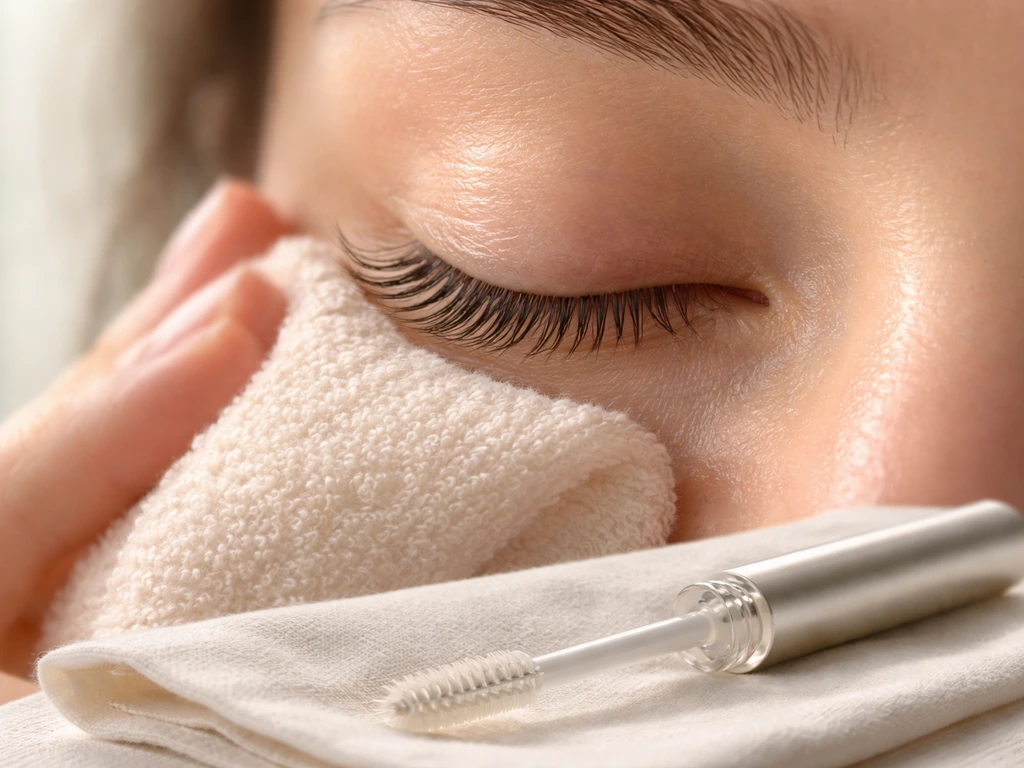
You can start making your lashes look better within a week, but you won't grow new lashes from scratch in 7 days. If you are specifically wondering how to make your eyelashes grow in 5 minutes, the short answer is that you cannot create true new growth that fast, but you can improve appearance quickly. What you can realistically do is condition existing lashes so they break less, shed less, and look noticeably fuller and longer by day 7.
How to Grow Eyelashes Naturally in a Week: Guide
Rachel Nguyen
3 May 2026
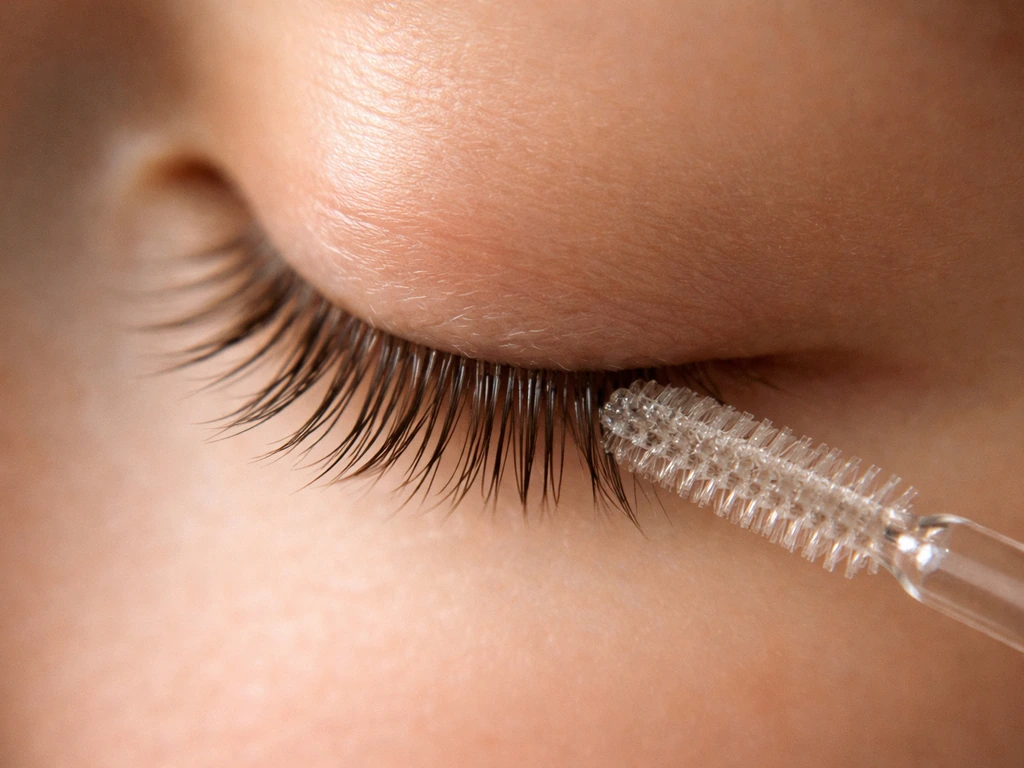
If you want a practical plan, focus on conditioning, reducing breakage, and using safe nightly oils to maximize what’s possible in 1 week how to grow eyelashes in 1 week. True new growth from a follicle takes weeks to months. The fastest wins in a week come from reducing breakage, adding moisture, and being gentle with your lashes starting today.
Reality check: what can actually happen to your lashes in 7 days (or 1 day)?
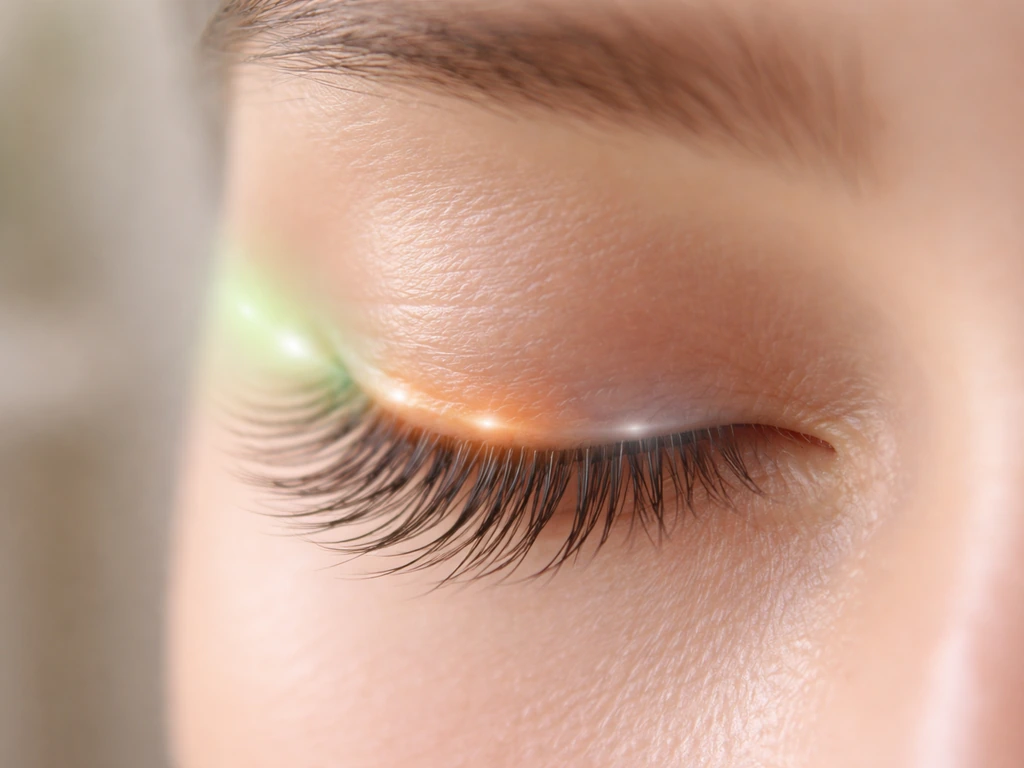
Here's the honest biology: the eyelash hair cycle runs through anagen (active growth), catagen (transition), and telogen (resting), and the telogen phase alone can last 4 to 9 months. That means a significant portion of your lashes at any given moment are simply resting, not actively growing. The full lash cycle from start to finish spans roughly 4 to 11 months. You cannot biologically speed that up with oils or serums in a single week.
In one day, the realistic ceiling is purely cosmetic: lashes look shinier, more defined, and slightly more conditioned if you apply a nourishing oil overnight. In practice, you can’t truly grow new lashes from scratch in 1 day, but you can make them look better quickly with the right conditioning In one day, the realistic ceiling is purely cosmetic. In three days, you can reduce acute breakage and notice lashes are less brittle.
By day seven, if you're consistent with the right habits, lashes look visibly fuller because fewer are snapping off prematurely and the ones you have are in better shape. That's a genuinely useful improvement, even if it isn't the same as sprouting 2mm of new growth.
Lash growth biology: what changes fast vs. what takes time
Understanding this split is key to getting the most out of a week. There are two separate things happening when lashes look better: actual structural growth from the follicle (slow) and appearance changes driven by conditioning, reduced shedding, and reduced breakage (fast). Most of what you'll achieve naturally in a week falls in the second category, and that's not a consolation prize. Lashes that aren't breaking or prematurely shedding look dramatically thicker and longer because you're retaining what your follicles already produced.
True anagen-phase growth happens at roughly 0.12 to 0.14 mm per day for eyelashes, which is slower than scalp hair. At that rate, a week of active growth nets less than 1mm of new length at the tip. You won't see that with the naked eye. What you will see is the cumulative effect of protecting the lashes you already have. That's where the practical work lives.
What to start doing today: your 7-day natural lash plan
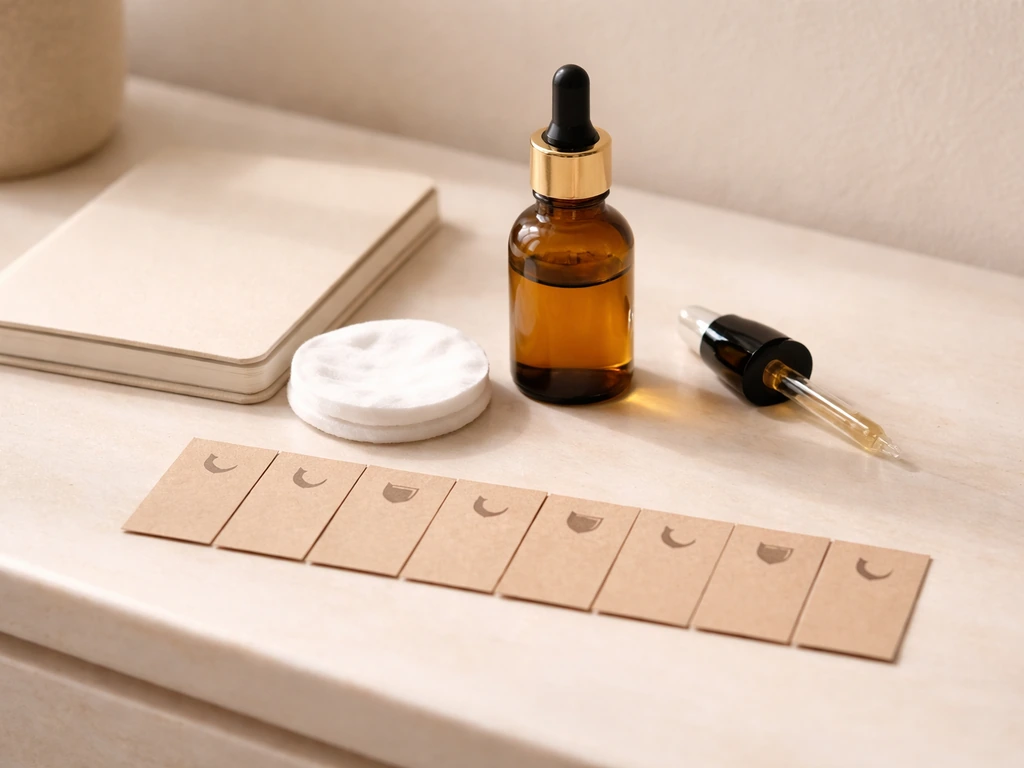
The fastest meaningful improvements come from combining oil conditioning at night with protective habits during the day. Here's how to structure the week:
Day 1 to 3: stop the damage and start conditioning
- Apply a thin coat of castor oil or another nourishing oil to your lashes before bed each night (more on application below)
- Remove makeup gently, using a cotton pad soaked in micellar water or an oil-based remover, pressing lightly rather than rubbing
- Stop curling your lashes with a mechanical curler for this week, since repeated clamping is a top cause of breakage
- Avoid waterproof mascara, which requires aggressive removal and pulls lashes during the process
- Sleep on a silk or satin pillowcase if you can, or just avoid pressing your face directly into a cotton pillow
Day 4 to 7: add brushing and support habits
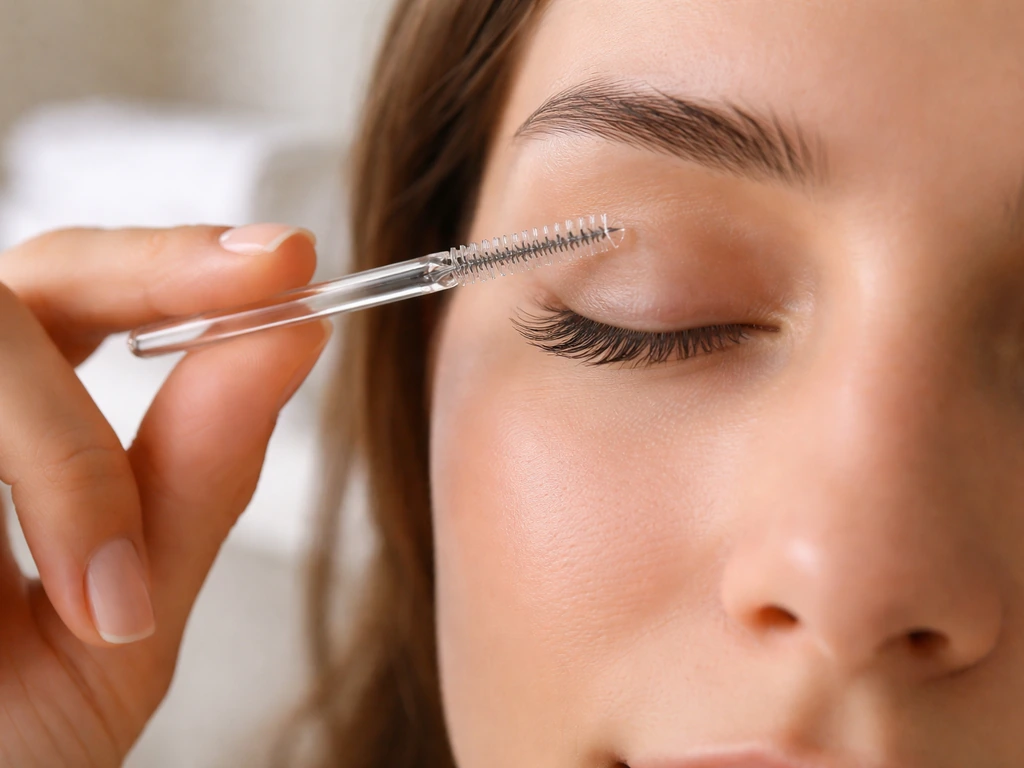
- Use a clean spoolie (mascara brush) to gently brush lashes from base to tip each morning, which distributes natural oils and detangles
- Continue nightly oil application, making sure you're coating the lash line and the length of the lash, not just the tips
- Drink enough water and add a biotin-rich food (eggs, almonds, sweet potatoes) or consider a biotin supplement if your diet is limited
- Avoid touching, rubbing, or pulling your lashes throughout the day, even absentmindedly
By day 7, people who stick to this consistently almost always notice their lashes look cleaner, less wispy, and noticeably fuller. Some notice visible new growth at the base if their follicles were already in early anagen when they started. If you're hoping for results in 3 days or even faster, the core moves are the same but the gains are subtler and mostly about conditioning rather than volume.
Castor oil and other natural oils: how to use them safely
Castor oil is the most popular natural lash treatment for a reason. It's rich in ricinoleic acid, a fatty acid with anti-inflammatory properties that may support follicle health and reduce shedding caused by scalp inflammation. It also coats the lash shaft, reducing moisture loss and making lashes more resistant to breakage. The clinical evidence for castor oil directly growing new lashes is limited, but the conditioning and protective effects are real and the safety profile is good when used correctly.
How to apply castor oil to your lashes
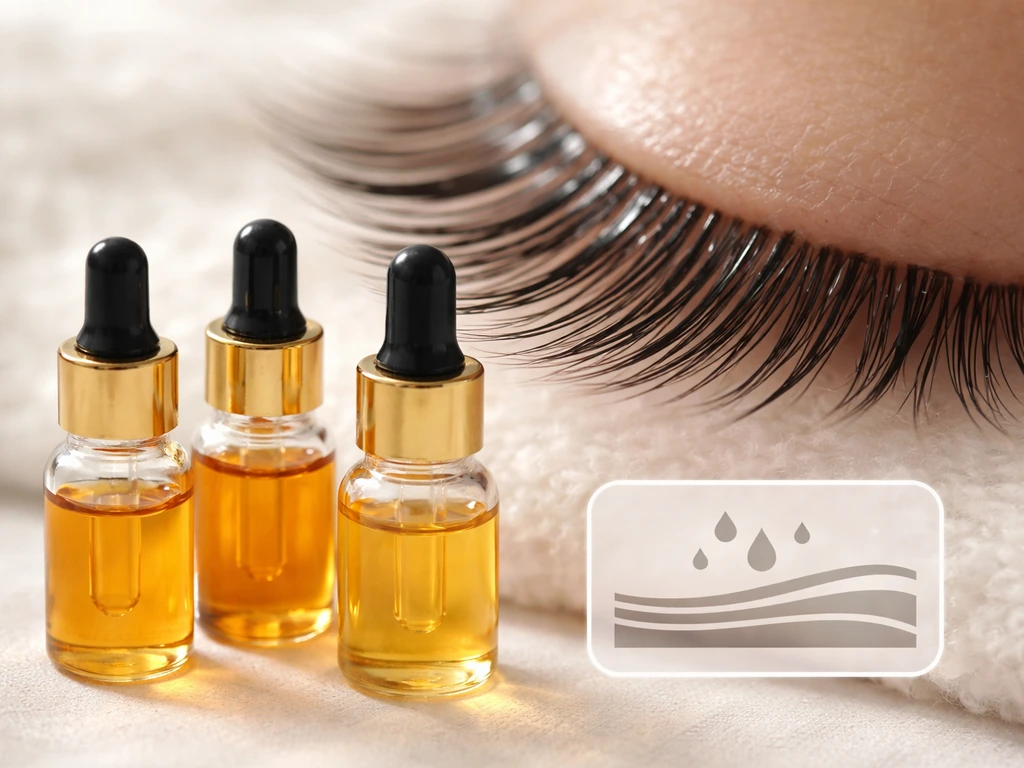
- Remove all eye makeup and wash your face first. Castor oil applied over residue can trap irritants near the eye.
- Use a clean, dry spoolie or a disposable mascara wand. Never use a dropper or your fingers directly near the eye.
- Dip the spoolie lightly into the oil. You want a very thin coat, not a glob. Too much oil runs into the eye and causes blurred vision or irritation.
- Brush from the base of your upper lashes toward the tips in one smooth stroke. Repeat two to three times.
- Do the same for lower lashes if desired, but be even more conservative with the amount.
- Leave it on overnight and rinse with your regular face wash in the morning.
- Use this routine once daily, at night only. Daytime application makes wearing contact lenses uncomfortable and can blur vision.
Other oils worth using
| Oil | Key benefit | Best for | Safety note |
|---|---|---|---|
| Castor oil | Anti-inflammatory, heavy coating, reduces shedding | General conditioning and breakage reduction | Use sparingly; too much causes eye irritation |
| Coconut oil | Deep moisture, antimicrobial, strengthens shaft | Brittle or dry lashes | Liquid form easier to apply; can clog sensitive skin |
| Argan oil | Lightweight, rich in vitamin E, antioxidant | Fine or sparse lashes, sensitive eyes | Very gentle; good for daytime use on lash line |
| Vitamin E oil | Antioxidant, supports follicle environment | Lashes recovering from damage or breakage | Pierce a capsule and use the tip; avoid getting liquid in eye |
| Olive oil | Moisturizing, easy to source, contains oleuropein | Budget option for conditioning | Heavier; use a minimal amount |
If you have sensitive eyes or wear contact lenses, argan oil is the gentlest starting point. Stick to one oil at a time for at least a week before switching so you can tell what's actually helping. And if you notice redness, itching, or increased watering of the eye, stop immediately and rinse well with water.
How to make lashes look thicker and longer right now
Beyond oil treatments, a few supportive habits make a measurable difference in how full your lashes look, both immediately and over the week.
Brushing and cleansing
Brushing your lashes daily with a clean spoolie lifts and separates them, which instantly makes sparse lashes look fuller. It also stimulates circulation at the lash line, which some lash specialists believe supports follicle activity (the evidence is mostly anecdotal, but the grooming benefit is real). Cleansing matters just as much. Debris, old makeup, and sebum buildup at the lash base can block follicles and contribute to premature shedding.
Use a gentle micellar cleanser or diluted baby shampoo on a cotton swab to clean your lash line two to three times a week. Micellar water can be used as a gentle cleanser for the eye area, with a common tip being to press it on the skin around the eyes without rubbing, while avoiding getting it in the eye micellar cleanser.
Nutrition and biotin
Biotin (vitamin B7) is frequently recommended for lash and hair growth, and while the evidence is strongest for people who are actually biotin-deficient, getting adequate levels through food or supplementation is a reasonable baseline. Eggs, salmon, almonds, sunflower seeds, and sweet potatoes are good dietary sources. If you want to supplement, most lash-focused formulas use 2,500 to 5,000 mcg daily, which is well within the tolerated range for most adults.
Don't expect biotin to show results in a single week, but it's a useful long-term support habit to start now. Beyond biotin, protein intake matters because hair is primarily keratin, and lashes thin under protein deficiency. Iron and vitamin D deficiency are also linked to hair loss broadly, so if you're seeing unexplained shedding, a basic blood panel is worth considering.
Protective habits that prevent loss
- Never sleep in mascara. It dries and stiffens lashes, causing them to break on the pillow overnight.
- Don't rub your eyes. Friction is one of the most common causes of lash loss, especially for people with allergies.
- Take breaks from lash extensions. Extended wear weakens the natural lash at the attachment point.
- Avoid heavy, fiber mascaras that require hard scrubbing to remove.
- If you use an eyelash curler, use it before mascara only, never after, and replace the rubber pad regularly to avoid pinching.
Regrowing lashes after damage, extensions, or picking
If your lashes fell out or broke off from extensions, aggressive removal, rubbing, or picking, the regrowth timeline is longer than a week and you need to know that upfront. If you want a true regrowth-focused plan, see our guide on how to grow eyelashes back in 2 days for what to expect and what can actually change quickly. When a lash is pulled from the follicle, the follicle goes into a resting phase before restarting anagen. Depending on where that follicle is in its cycle, visible regrowth can take anywhere from 6 weeks to 3 months. For lashes that were shed naturally versus yanked out, recovery is faster because the follicle wasn't traumatized.
In the meantime, the same nightly oil routine applies and is especially important here because you're trying to keep the follicle environment healthy while it repairs. Be extremely gentle with whatever lashes remain, and absolutely avoid extensions or strip lashes until regrowth is visible. Give the follicles a clear path to recover without extra weight or adhesive trauma.
When natural approaches aren't enough
If you've been consistent with natural care for 8 to 12 weeks and you're still seeing significant shedding, patchy bald spots, or no visible regrowth, that's a signal to go beyond home remedies. Prescription bimatoprost (the active ingredient in Latisse) is FDA-approved for lash growth and clinically proven to increase length, thickness, and darkness over 16 weeks. It works by extending the anagen phase, which is something no oil can do.
More importantly, see a dermatologist or your GP if you notice widespread lash loss, lash loss paired with eyebrow thinning, or lash loss alongside other symptoms. Conditions like alopecia areata, thyroid dysfunction, trichotillomania, blepharitis, or nutritional deficiencies all cause lash loss and require treatment beyond topical oils. A simple blood test can rule out several of the most common culprits quickly. Don't wait six months experimenting naturally if there's an underlying issue that a doctor could identify and treat much sooner.
What to expect by day 3 and day 7
| Timeline | Realistic outcome | What's driving it |
|---|---|---|
| Day 1 | Lashes look shinier and more defined after overnight oil treatment | Conditioning and moisture coating the lash shaft |
| Day 3 | Less shedding on your pillow or makeup remover pad; lashes feel softer | Reduced breakage from nightly conditioning and gentler removal habits |
| Day 7 | Noticeably fuller-looking lashes; some may see faint new growth at the base | Cumulative conditioning, retained lashes, and early follicle stimulation |
| Week 2 to 4 | More visible length and thickness; early regrowth becomes visible if follicles were damaged | Continued conditioning plus beginning of new anagen cycles |
| Week 6 to 12 | Measurable new growth; regrowth after loss fully underway | New anagen-phase lashes emerging from healthy follicles |
The clearest next step is this: tonight, clean off your makeup properly, apply a thin coat of castor oil or argan oil with a clean spoolie, and get a silk pillowcase or make sure you're not crushing your lashes while you sleep. Do that consistently for 7 days alongside the protective daytime habits above and you will see a difference. It won't be new 3mm lashes, but it will be fuller, healthier lashes that are better positioned to grow. And if you're starting from a place of damage or significant lash loss, give yourself the honest 8 to 12 week timeline and keep the nightly routine running that whole time.
FAQ
What results can I realistically expect from “how to grow eyelashes naturally in a week”?
You may notice less shedding and fewer break-offs within 3 to 7 days, but true “new” lashes from the follicle are not realistic in a week. If you see improvement by day 7, it usually comes from better conditioning, reduced friction, and keeping existing lashes from snapping.
Is it normal to get irritation when using castor or argan oil on eyelashes?
Stop using the oil if you get persistent redness, itching, burning, increased tearing, or eyelid swelling. Rinse thoroughly with clean water, and avoid applying anything else near the lash line until symptoms settle. If symptoms keep returning, talk to an eye doctor.
How do I apply nighttime oil without getting it in my eyes?
Avoid applying oil so close to the eye that it drips onto the waterline. Use a small amount, coat the lash lengths lightly, and remove excess before bed if you tend to get morning oiliness. People with oily lids usually do better with a thinner application.
Should I mix castor oil and argan oil or switch between them?
Do not “double up” oils. Use one oil (castor or argan) consistently for at least a week, then switch only if tolerated and needed. Switching too often makes it hard to identify what caused irritation or helped breakage.
What’s the safest way to cleanse my lash line during a 7-day lash-improvement plan?
Keep the lash line clean but avoid over-scrubbing. Two to three times per week is usually enough, and gentle cleansing with a cotton swab is safer than rubbing hard. If your lashes are already brittle, reduce cleaning frequency and focus on removing makeup at night.
How often should I brush my eyelashes, and can it cause more shedding?
Brushing helps appearance and reduces tangling breakage, but it should be light and consistent. Brush once daily with a clean spoolie, and never while lashes are wet if you tend to pull or bend them.
Why aren’t my lashes improving in a week if they fell out after extensions?
If you used extensions, strip lash glue, or aggressive removal, the follicle may be recovering, so a 1-week plan is mostly about protecting what remains. Visible regrowth often takes weeks to months depending on how long extensions were worn and how the lashes were removed.
Will biotin make my eyelashes noticeably fuller within 7 days?
Biotin can support growth if you are low in it, but it typically will not make a noticeable difference within 7 days. If you supplement, stick to recommended doses and give it longer than a week, while prioritizing protein intake and correcting any broader nutrient gaps.
How can I tell if I’m dealing with breakage versus true lash loss?
A simple clue is when lashes look “thinner” because they snap, not because there are fewer follicles. If you see frayed ends or lots of short broken pieces, focus on reducing friction and improving conditioning. If you see patchy gaps or ongoing shedding from the base, consider an underlying cause and get medical advice.
Are there any common mistakes that make natural lash routines backfire?
Some lash serums and “natural” products can irritate the eye area or cause contact dermatitis even if they claim to be gentle. Patch-test on the upper outer eyelid (not the lash line) and stop if you get itching or swelling. For persistent symptoms, consult an eye professional.
How should I track progress over the week so I can tell if it’s working?
Yes, photos can help, but use consistent lighting, angle, and timing. Take one photo at the start and one at day 7, and avoid judging based on mascara thickness alone by either using the same mascara each time or going unmasked for photos.
Next Article
How to Grow Eyelashes Back in 2 Days: Safe Steps
Learn why lashes can’t fully regrow in 48 hours, plus safe AM PM steps to reduce breakage and boost recovery fast.