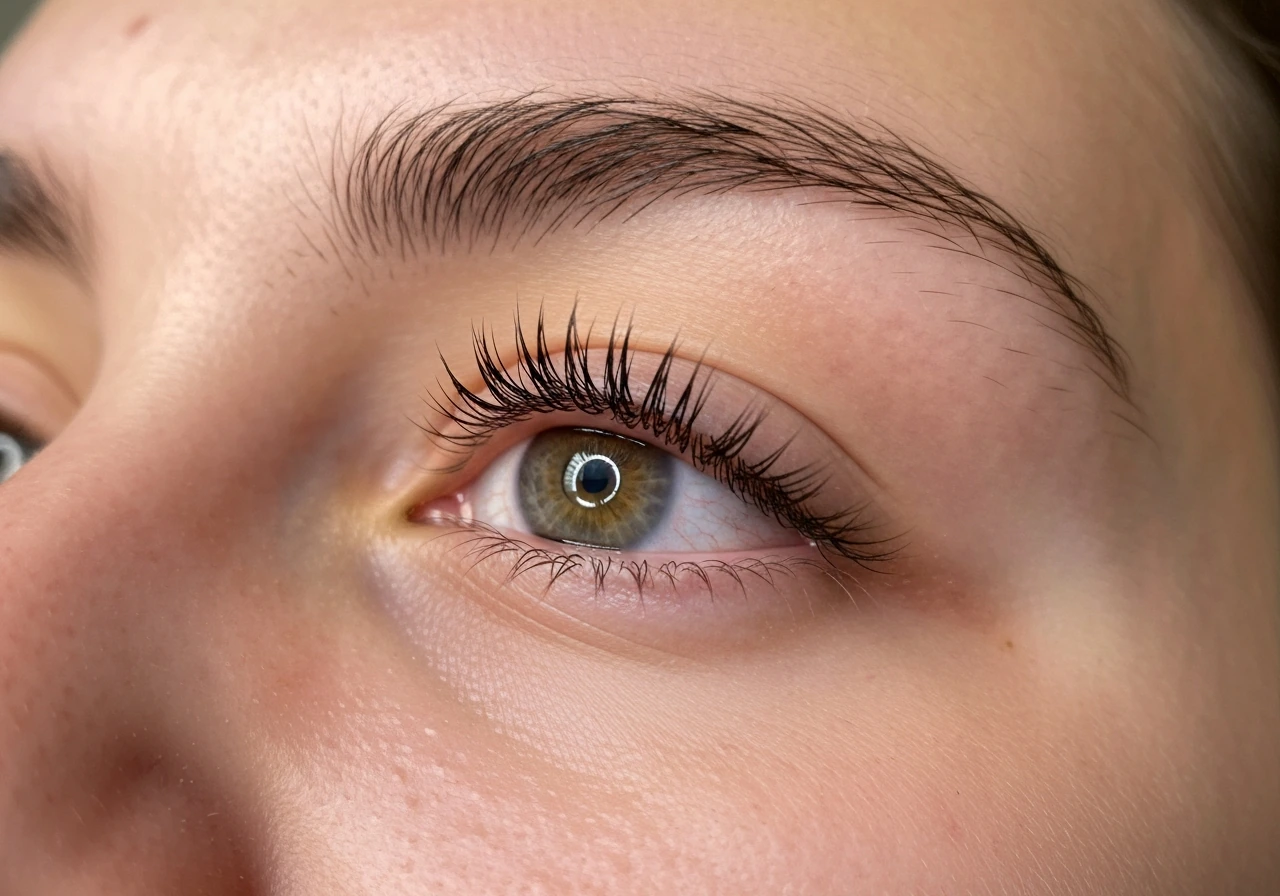
If you searched 'how to grow eyelids naturally,' you almost certainly mean you want to regrow or improve the eyelashes that grow along your eyelid margin, not change the eyelid skin itself. Eyelids don't grow like hair, but eyelashes absolutely can be supported, restored, and thickened through a consistent natural routine. The core plan: keep your eyelids clean, stop breaking lashes with friction or extensions, apply a nourishing oil like castor oil to the lash line a few nights per week, eat enough protein and B vitamins, and give it a full 2 to 3 months before expecting visible change. That's the honest short version. Here's the full picture. If you want a more step-by-step plan for how to naturally grow eyelashes, the next sections walk through the safest routine from morning to night.
How to Grow Eyelids Naturally: Regrow Eyelashes Safely
Eyelids vs. eyelashes: what you're actually trying to grow
The eyelid itself is skin, and skin doesn't grow in the way hair grows. It can look fuller, puffier, or thinner based on hydration, allergies, and age, but you can't 'grow' it in any meaningful hair-like sense. What you can genuinely influence is the eyelashes that emerge from the follicles along the eyelid margin. Those follicles respond to nutrition, inflammation levels, trauma history, and topical care. So the entire focus of a 'natural growth' approach is really about the lash follicles: protecting them, nourishing them, and removing whatever is suppressing them.
There is one exception worth mentioning. If your eyelid skin itself looks different, maybe drooping, scarred, or the lash line looks patchy and the follicles appear absent rather than just dormant, that's a different conversation that belongs with an eye care specialist. For the vast majority of people asking this question, though, the issue is lashes that are sparse, short, brittle, or thinning, and that's very much addressable at home.
How eyelash growth actually works
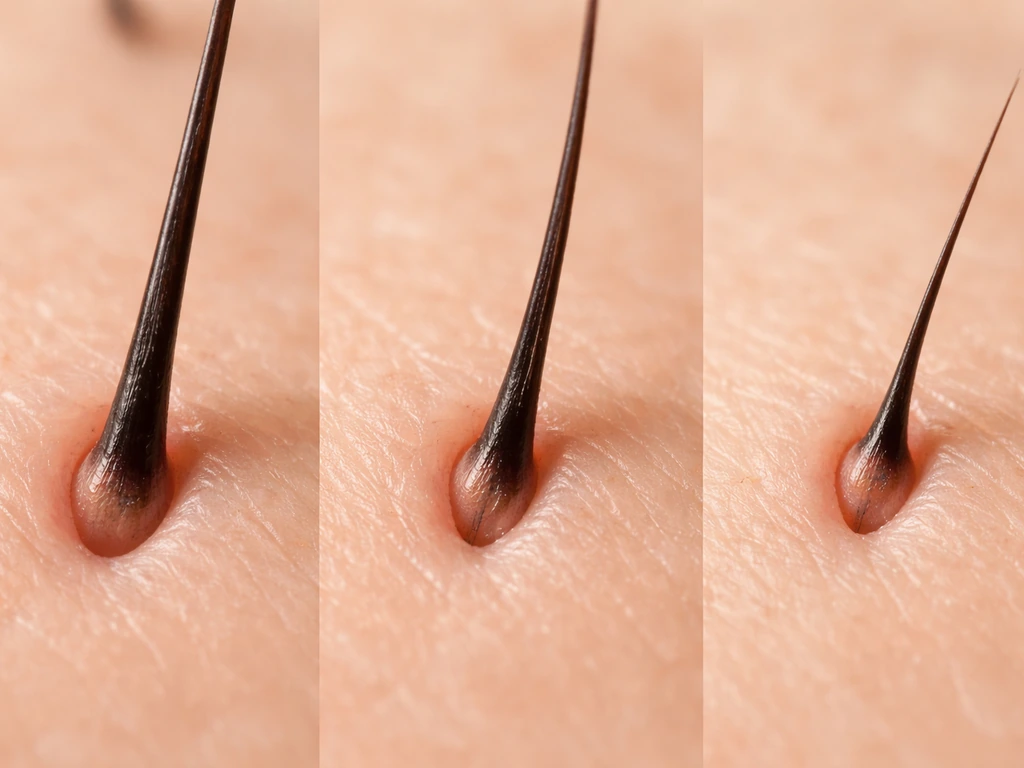
Eyelashes follow the same three-phase hair cycle as every other hair on your body: anagen (active growth), catagen (transition), and telogen (rest and shedding). The big difference from scalp hair is that the anagen phase for lashes is extremely short, only about 4 to 10 weeks compared to years for scalp hair. That short window is exactly why lashes don't grow as long as head hair, no matter what you do. The growth rate during anagen is roughly 0.12 to 0.14 mm per day, and a full lash life cycle from birth to shedding spans approximately 4 to 11 months.
What causes lashes to thin or fall out? The list is broader than most people realize. Common causes include traction from extensions or false lashes pulling on the follicle, blepharitis (an inflammatory condition of the eyelid margin that clogs follicle openings), allergic reactions to lash glue or cosmetics, heat and chemical damage from lash lifts, and chronic rubbing. Medical causes include thyroid dysfunction, alopecia areata, nutritional deficiencies, certain medications, and, less commonly, a compulsive hair-pulling condition called trichotillomania. Most everyday cases of sparse or thinning lashes are mechanical or inflammatory, which means they're reversible once you address the cause.
Your daily and nightly at-home routine
The foundation of any natural lash growth approach isn't an oil or a supplement; it's removing the things that are actively damaging your follicles. If you are looking for how to grow eyelashes naturally at home, start by removing what is damaging your follicles, then follow a simple nightly oil routine natural lash growth approach. Think of it as clearing the path before trying to accelerate growth.
Morning: clean the lash line properly
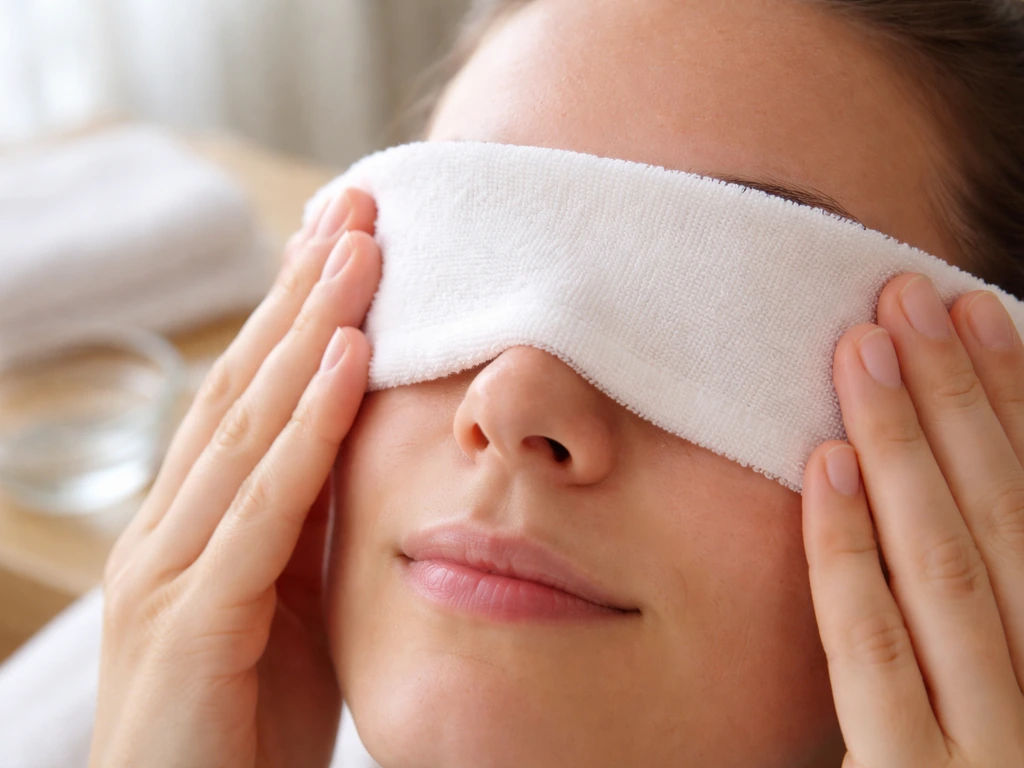
Blepharitis is one of the most underdiagnosed reasons for sparse lashes, and it responds well to consistent eyelid hygiene. Each morning, apply a warm compress (a clean cloth soaked in warm water, or a reusable warm compress pad) to your closed eyelids for about 5 minutes. This softens any waxy debris blocking the meibomian glands along your lash line. Then use a diluted gentle baby shampoo or a purpose-made eyelid cleanser on a cotton pad to wipe gently along the lash margin. This isn't a step you do once and forget. It needs to become a daily habit, and many people see noticeable lash improvement within 6 to 8 weeks just from this alone.
Throughout the day: reduce mechanical damage
Stop rubbing your eyes. It's the single most common mechanical cause of lash breakage and follicle trauma. If you wear mascara, switch to a gentle, non-waterproof formula and remove it at night with a no-rub oil-based cleanser. Waterproof mascara requires friction to remove, and that friction breaks lashes over time. If you've been wearing lash extensions, giving them a break is essential. Extensions cause traction alopecia, where the constant pull weakens follicles, and you genuinely need to let the lash line rest before you'll see recovery.
At night: apply your nourishing oil
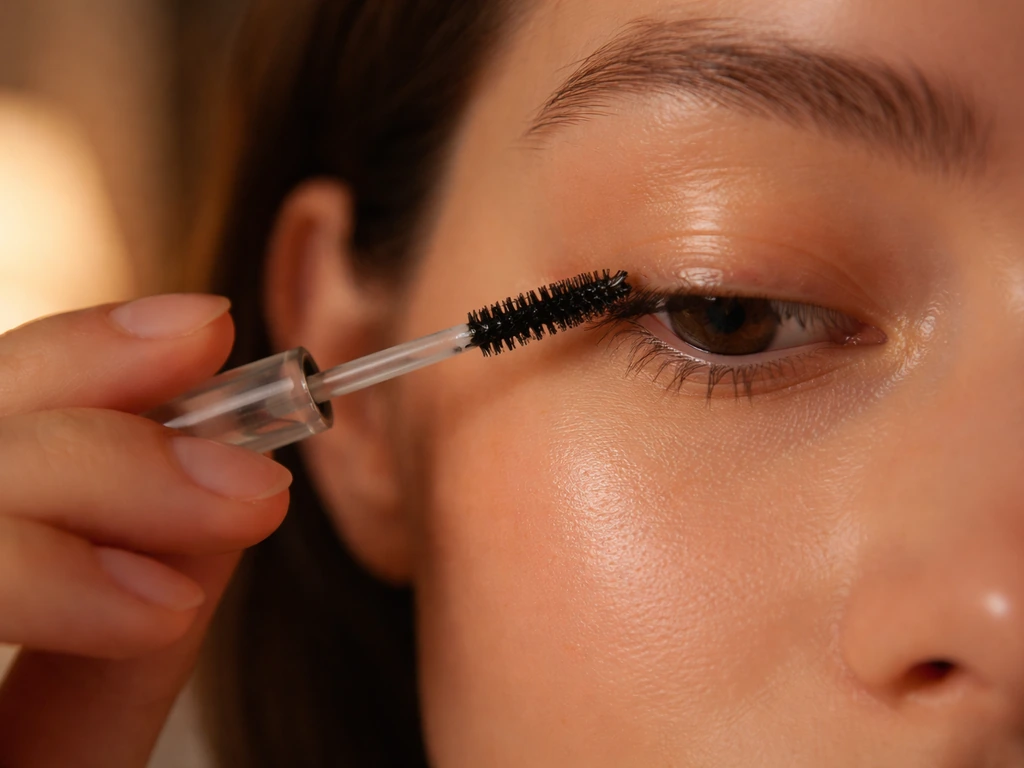
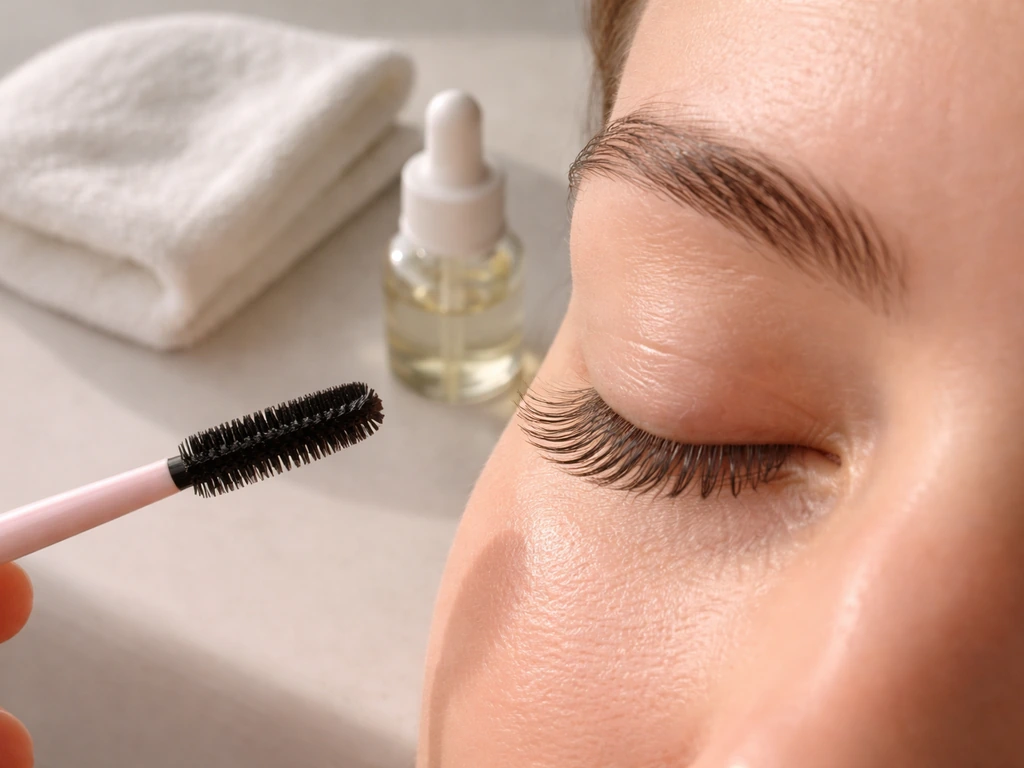
After removing makeup and cleansing your face, apply your chosen oil (see the next section) to the upper lash line using a clean disposable mascara wand or a small eyeliner brush. Use the lightest possible amount, work from the root of the lashes outward, and avoid getting product into your eye. A gentle fingertip massage along the lash line for 30 to 60 seconds improves local circulation to the follicles. Then leave it overnight. If you want the closest thing to an overnight boost, focus on gentle nighttime care like cleansing properly and applying a nourishing oil to the lash line how to grow eyelashes naturally at home overnight. Wash it off in the morning as part of your cleansing routine.
The best natural ingredients for lash growth (and how to use them safely)
Let's be direct about the evidence: no purely natural ingredient has clinical trial data anything close to prescription prostaglandin analogs like bimatoprost, which in controlled trials produced around 1.62 mm of new length and measurable thickness increases over 4 months. But that doesn't mean natural options are useless. They work through different mechanisms, mostly conditioning, reducing brittleness, and creating a healthy follicle environment rather than directly extending the anagen phase.
| Ingredient | What it does | Evidence level | Application method |
|---|---|---|---|
| Castor oil (ricinoleic acid) | Conditions lashes, reduces protein loss, anti-inflammatory properties | Anecdotal/limited; no RCT data for lash growth specifically | Tiny amount on lash line nightly with clean wand |
| Coconut oil | Penetrates hair shaft, reduces protein loss, antimicrobial | Some hair shaft studies; no lash-specific RCTs | Tiny amount on lash line nightly; may feel heavier |
| Vitamin E oil | Antioxidant, supports scalp/follicle environment | Limited; mostly supportive evidence from scalp studies | One drop mixed with castor oil as a carrier |
| Argan oil | Rich in fatty acids and vitamin E; conditions and softens | Anecdotal for lashes; some hair fiber data | Tiny amount on lash tips to reduce breakage |
| Aloe vera gel | Anti-inflammatory, soothing for eyelid skin | Very limited for lash growth; better for blepharitis irritation | Thin layer on lash line; rinse in morning |
Castor oil is the most popular option and has the most community-reported feedback behind it. The ricinoleic acid in castor oil has documented anti-inflammatory properties, and inflammation around the follicle is a real barrier to lash growth. That said, Healthline and most dermatology reviewers correctly note that direct clinical evidence for castor oil regrowing lashes is limited. Use it as a conditioning and follicle-environment tool, not a guaranteed regrowth serum. The key safety rule with any oil near the eyes: use a minimal amount, apply only to the upper lash line, and stop immediately if you experience redness, itching, or swelling.
A quick note on lash serums sold as 'natural': many over-the-counter serums contain prostaglandin analogs or prostaglandin-like molecules (peptides that mimic the effect). These are not truly natural in the same sense as castor oil and carry their own risk profile including potential iris pigmentation changes and skin darkening. If you're choosing between a castor oil approach and an OTC lash serum, understand you're choosing between a conditioner with anecdotal backing and a cosmetic active with more mechanism but also more risk. Prescription bimatoprost (Latisse) sits in a different category entirely, with strong clinical trial evidence, but it requires a prescription and medical supervision for good reason.
Nutrition and supplements: where biotin fits in
Nutrition matters for lash health, but it's most impactful when you actually have a deficiency. Protein is the structural building block of hair, including lashes, and inadequate protein intake will slow growth across your whole body. Iron deficiency is a well-documented cause of hair loss. Zinc and B vitamins (including biotin) support the follicle cell turnover process. If your diet is poor or you've been through a period of caloric restriction, addressing those gaps will help.
Biotin specifically deserves an honest assessment. The NIH notes that biotin deficiency does include hair thinning and loss, and correcting a deficiency clearly helps. But Mayo Clinic, Cleveland Clinic, and a dedicated PMC review all agree that for people without a deficiency, biotin supplements have not been proven to improve hair growth. The supplement industry has overclaimed this heavily. If you're eating a reasonably balanced diet, taking extra biotin is unlikely to make a visible difference to your lashes. It's also worth knowing that the FDA has flagged biotin supplements as capable of interfering with certain lab tests, including cardiac troponin assays, so tell your doctor if you're supplementing.
What's actually worth focusing on nutritionally: adequate protein (0.8 to 1g per kg of body weight daily as a baseline), iron-rich foods or an iron supplement if bloodwork shows deficiency, omega-3 fatty acids from fish or flaxseed for follicle health, and a diet broad enough in vegetables and legumes to cover zinc and B vitamins. That's less exciting than a single 'lash growth vitamin,' but it's what the evidence supports.
Realistic timeline: what to track and when to expect change

Given that a lash anagen phase lasts only 4 to 10 weeks, and a complete cycle runs 4 to 11 months, meaningful visible regrowth typically shows up between 6 and 16 weeks of consistent effort. Here's what a realistic timeline looks like:
- Weeks 1 to 2: No visible change. You're establishing the routine and removing damaging habits. The lash line may feel less inflamed if blepharitis was a factor.
- Weeks 3 to 6: Some people notice less shedding and reduced brittleness. New baby lashes (telogen effluvium recovery) may begin emerging at the follicle.
- Weeks 6 to 12: The most noticeable improvement window if a consistent routine has been followed. Lashes that were in anagen when you started should now be longer; new lashes from previously resting follicles may be visible.
- Months 3 to 6: If traction damage from extensions or severe blepharitis was the cause, this is when more complete recovery becomes visible. Damaged follicles need multiple full cycles to recover.
- Beyond 6 months: If you've seen no improvement despite consistent effort and eliminating known causes, this is the point to seek professional evaluation.
The most practical way to track progress is to photograph your lash line in the same lighting and angle every two weeks. Subjective assessment day-to-day is unreliable because lash density changes are gradual. A phone photo with natural light and no makeup gives you an honest comparison point.
If you're exploring additional methods alongside this routine, the topics of growing eyelashes naturally at home and overnight approaches for eyelash conditioning cover some complementary techniques worth looking into.
When to stop DIY and see a doctor
Most everyday lash thinning responds to the routine above. But some situations genuinely need medical evaluation, and delaying it makes outcomes worse. See an eye care specialist or dermatologist if you notice any of the following:
- Sudden or rapid lash loss that isn't explained by a recent extension treatment, lash lift, or new cosmetic product
- Complete absence of lashes in a defined patch (could indicate alopecia areata, which has specific treatments)
- Persistent redness, swelling, scaling, or crusting along the eyelid margin that doesn't improve with 2 weeks of good eyelid hygiene
- Eyelid skin changes: scarring, thickening, or texture changes at the lash line that suggest follicle destruction rather than dormancy
- Loss of both lashes and eyebrows simultaneously, which can signal a systemic condition like thyroid disease
- Eye irritation, discharge, or vision changes alongside lash loss, which may point to ocular surface inflammation or infection
- Any suspicion of compulsive hair pulling (trichotillomania), which responds best to behavioral and psychological support, not topical treatments
Cleveland Clinic notes that madarosis (eyelash and eyebrow loss) is often reversible when the underlying cause is identified and treated. The key word there is 'identified.' A skin biopsy is sometimes needed to distinguish between causes, and that's not something you can do at home. If you've been consistent with a natural routine for 3 months and seen no improvement, or if any of the red flags above apply, a visit to an ophthalmologist or dermatologist specializing in hair loss is the right next step. It's not giving up on the natural approach; it's making sure you know what you're actually dealing with before committing to more months of effort in the wrong direction.
FAQ
How long does it actually take to see thicker, healthier lashes if I follow a natural routine?
Expect the first noticeable changes around 6 to 16 weeks, but plan for 2 to 3 months to know whether the routine is working. If you track with the same lighting and angle every two weeks, you can spot gradual improvement without being misled by day-to-day variation.
Will eyelid massage alone help my lashes grow naturally?
Massage can support the routine because gentle fingertip rubbing may improve local circulation, but it is not a standalone growth method. Combine it with daily eyelid hygiene to address inflammation, otherwise you can massage around an actively irritated lash line.
Is castor oil safe to use if I wear contact lenses or have sensitive eyes?
Use the smallest amount possible, apply only to the upper lash line, and avoid the inner corners where product can travel. If you have a history of irritation or allergic reactions, patch-test on the eyelid margin area and stop at the first sign of redness, itching, or swelling.
Can I use lash oil on my lower lash line too?
Most people only need to apply oil to the upper lash line, where lashes commonly thin and where eyelid hygiene is most relevant. Lower lashes are more likely to migrate into the eye with blinking, so if you try it, keep the application very light and discontinue if you feel irritation.
What should I do if my lashes get patchy after lash extensions or a lash lift?
Treat it as traction or damage, not as a skin-growth issue. Give extensions a full break, focus on eliminating rubbing and friction, and keep the cleansing and oil routine consistent for at least 8 to 12 weeks before changing products, since regrowth is gradual.
Do I need to stop mascara or can I use it while trying to grow lashes naturally?
You can use mascara if you choose a gentle, non-waterproof formula and remove it carefully without rubbing. Waterproof mascara usually increases friction during removal, which can keep lashes from stabilizing even if your oil and hygiene routine is perfect.
I used an “all-natural” lash serum, and my eyes turned red. Should I keep using it?
No. Redness or irritation is a safety signal, stop immediately, and switch back to the lower-risk foundation steps: warm compress, gentle lash line cleansing, and a minimal oil routine. If symptoms persist beyond a day or two, get advice from an eye care professional.
Can “natural” lash serums still contain prostaglandin-like ingredients?
Yes, some OTC products marketed as natural use peptides or prostaglandin-like molecules that act differently than castor oil. If the product claims fast growth, check the ingredient list and be aware that these actives can carry higher risk, including possible skin darkening or other pigmentation effects.
What if I’m doing everything for 3 months but I still see no improvement?
Reassess the cause. Make sure you truly stop friction (rubbing, extensions, aggressive makeup removal) and maintain daily eyelid hygiene. If there is still no improvement after about three months, it is time to see an eye care specialist to evaluate issues like blepharitis, medication effects, thyroid-related causes, or less common hair-loss conditions.
How should I photograph my lashes to track progress accurately?
Take photos every two weeks using natural light, the same distance from your phone camera, and the same angle, ideally with no makeup. Avoid “one-off” snapshots, because small daily shedding and blinking can make density seem worse even when it is improving.
Does biotin help if my diet is already decent?
Usually, extra biotin does not produce visible lash growth unless you are deficient. If your diet is balanced, focus on adequate protein and iron status instead, and remember that high-dose biotin can interfere with certain lab tests, so tell your clinician if you supplement.
What nutrition checks matter most for lash health?
If you do one targeted step, consider checking iron status (for example, ferritin) if you suspect deficiency. Beyond that, prioritize enough protein, omega-3 intake for follicle-supportive inflammation balance, and a diet that covers zinc and B vitamins through foods rather than relying on a single “lash vitamin”.
How to Grow Eyelashes Naturally at Home Overnight
Know what’s possible overnight for lash growth, plus safe at-home natural steps to condition, hydrate, and reduce breaka