The fastest route to longer, thicker lashes is keeping your existing follicles healthy and in their active growth phase for as long as possible, then adding the right targeted ingredients to push results further. If you want the deeper, step-by-step biology of this process, see how to eyelashes grow for a full overview of the growth cycle and what changes it.
What Makes Lashes Grow Fast: Safe Growth Plan
Rachel Nguyen
24 Apr 2026
For most people, that means stopping the habits that cause breakage and shedding first, then layering in a proven serum or a conditioning oil depending on how fast you need results. Clinical-grade bimatoprost (the active ingredient in Latisse) is the most evidence-backed option, showing about 1. 4 mm of new length in 16 weeks. Natural approaches like castor oil work more slowly and indirectly, but they do have a role.
The full picture is below.
How eyelash growth actually works
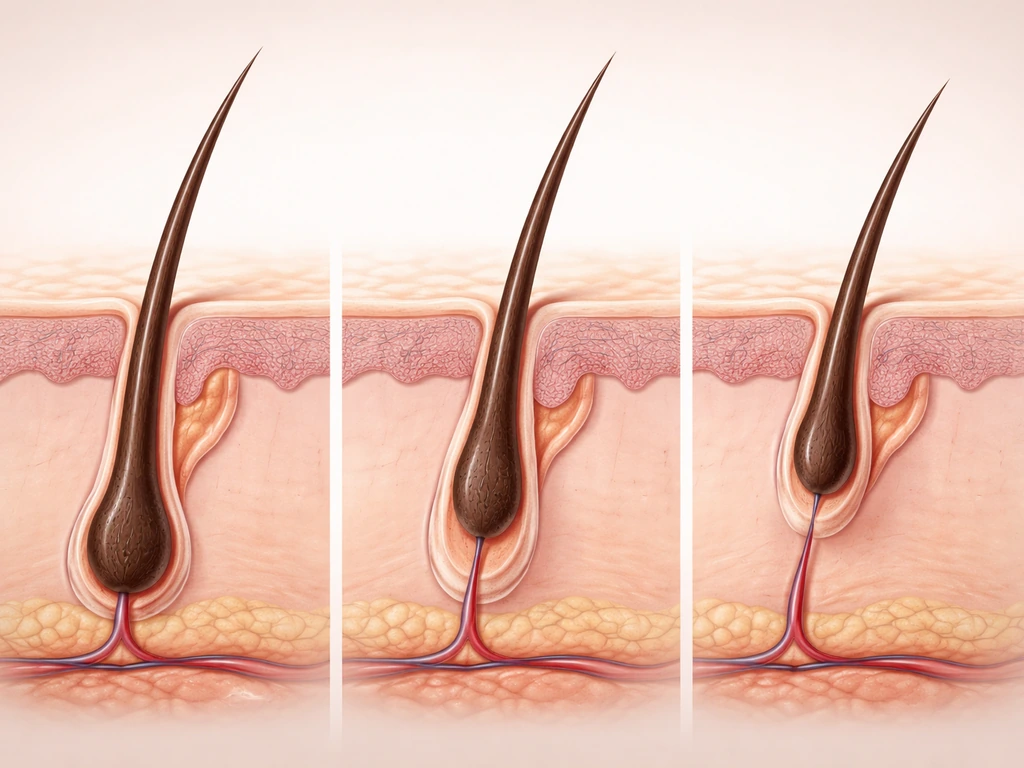
Your lashes grow in a three-phase cycle: anagen (active growth), catagen (a transition phase where the lash detaches from its blood supply, lasting about 15 days), and telogen (resting, after which the lash sheds and a new one starts forming). The anagen phase for lashes is much shorter than for scalp hair, which is why you can't grow lashes down to your chin. Each follicle runs its own independent timer, so you always have lashes at different stages simultaneously.
When people ask what makes lashes grow fast, the real biology question is: how do you extend the anagen phase and keep follicles cycling efficiently? If you want the most effective way to extend that growth phase, prostaglandin-based options are the best studied what makes lashes grow fast. Prostaglandin-based ingredients like bimatoprost work largely by doing exactly that, prolonging active growth. Meanwhile, when lashes appear to stop growing, it's often not that growth has slowed at the follicle level. It's that lashes are breaking off before they reach their full length, or shedding faster than they're replaced. Those are two very different problems with different fixes.
"Fast" is a relative term here. Under ideal conditions, lashes grow roughly 0.12 to 0.14 mm per day. Even bimatoprost in a 16-week clinical trial added about 1.4 mm of visible length compared to 0.1 mm in the control group. That's meaningful and noticeable, but it's not overnight. Anyone promising dramatic results in two weeks is selling you something that doesn't align with follicle biology.
Why your lashes aren't growing quickly right now
Before adding any serum or oil, it's worth diagnosing what's actually slowing things down. Clinicians evaluating lash loss look at broken hairs, lid inflammation, and shaft integrity because what looks like slow growth is frequently ongoing damage or abnormal shedding. Here are the most common culprits.
- Rubbing your eyes: mechanical trauma breaks lashes mid-shaft and can disturb follicles at the lid margin over time.
- Eyelash extensions: these are associated with traction alopecia, allergic blepharitis, and keratoconjunctivitis, all of which can thin lashes significantly if repeated.
- Harsh makeup removal: dragging a cotton pad across your lash line, especially with a dry or oil-free remover, pulls lashes out prematurely.
- Blepharitis and lid inflammation: chronic eyelid inflammation is a well-documented contributor to madarosis (lash thinning and loss). If your lids are itchy, crusty, or red, this is likely part of your problem.
- Nutritional gaps: low iron, protein deficiency, or very low calorie intake can push hair follicles into telogen prematurely.
- Thyroid dysfunction: both hypothyroidism and hyperthyroidism can trigger lash thinning. If you're losing lashes across the board and also feel fatigued or have other symptoms, worth getting bloodwork.
- Mascara habits: sleeping in mascara, using a very dry or clumping formula, or curling lashes aggressively causes breakage that mimics slow growth.
The scarring versus non-scarring distinction matters here too. Non-scarring madarosis (from inflammation, extensions, or temporary trauma) is much more likely to fully reverse once the cause is removed. Scarring follicle damage, from severe chemical burns or chronic untreated inflammation, can be permanent. This is why identifying and removing the cause matters before layering on products.
At-home habits that move the needle without causing damage
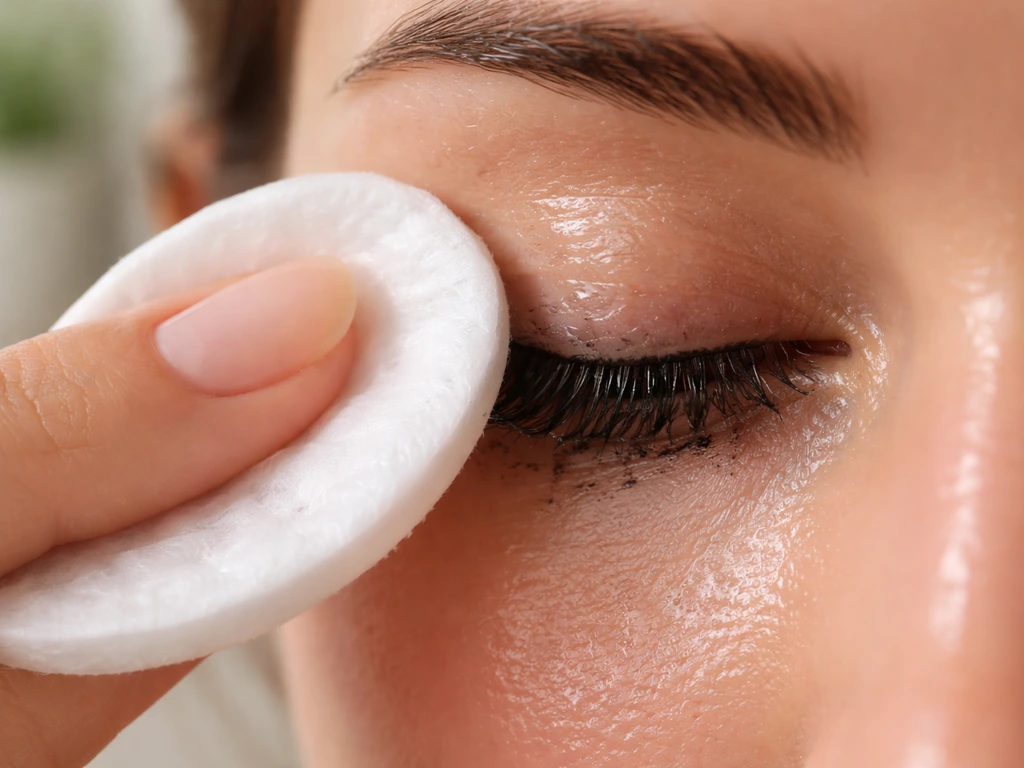
The foundation of faster lash growth is simply protecting what you already have. These habits don't cost anything and start working immediately because they eliminate the damage cycle.
- Switch to an oil-based makeup remover and let it dissolve mascara before gently wiping. Zero tugging.
- Stop sleeping in mascara. Overnight, mascara dries and stiffens lashes, making them brittle and more prone to snapping.
- Be gentle at the lash line when cleansing. Use a soft fingertip or a lint-free pad, never a rough cotton ball dragged across closed lids.
- Clean your eyelid margins regularly. If you have any oiliness, crusting, or itching at the lash roots, a daily gentle lid scrub removes debris and reduces the inflammation that slows growth. Hypochlorous acid sprays and purpose-made lid scrub pads are well-tolerated options backed by clinical research on blepharitis management.
- Avoid the lash curler on brittle or recovering lashes, or at minimum crimp gently and never heat-curl.
- Take a break from extensions if you've been wearing them continuously. Your follicles need recovery time.
- Sleep on a silk or satin pillowcase to reduce overnight friction if you're a face-down sleeper.
These aren't glamorous, but they're genuinely the fastest way to see improvement if breakage is your main issue. A lot of people start a serum without doing any of this and wonder why they're not getting results. The serum can't outpace ongoing mechanical damage.
Serums and proven lash-growth ingredients
Bimatoprost (the gold standard)
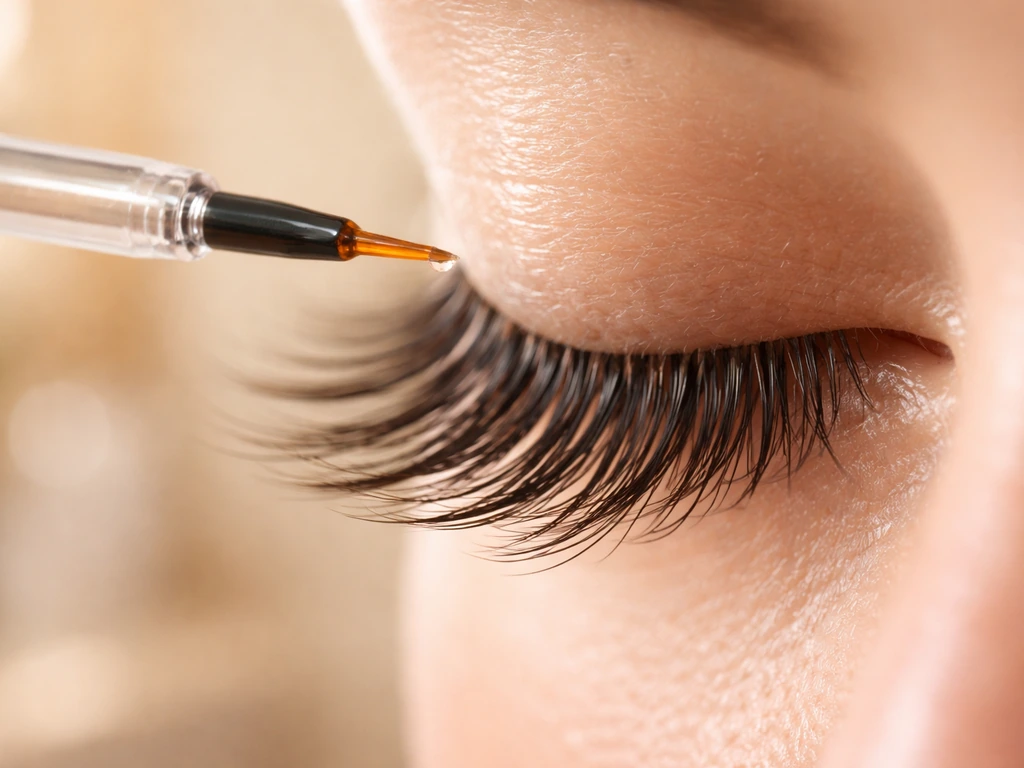
Bimatoprost 0.03% (sold as Latisse in the US) is the most evidence-backed ingredient available for lash growth. It's a prostaglandin analog that works by interacting with prostaglandin receptors in the hair follicle to extend the anagen phase and increase the number of hairs in active growth. The pivotal trial protocol was once-nightly application for 16 weeks, with one drop applied to the upper eyelid margin at the base of the lashes using a sterile single-use applicator. Results in that trial showed about 25% increase in lash length (roughly 1.4 mm) compared to 2% in the control group.
Some users notice early changes in thickness and darkness within 1 to 3 months. Full results are visible by 16 weeks. The correct method: clean face, makeup and contact lenses removed, one drop on the applicator, applied to the upper lash line only (not the lower lid). Contacts can go back in after 15 minutes.
The side effects are real and worth knowing before you start. Common ones include eye itching, conjunctival redness, skin darkening at the application site, ocular irritation, dry eye, and eyelid redness. In the LATISSE (bimatoprost) prescribing information, common adverse reactions include eye pruritus, conjunctival hyperemia, and skin hyperpigmentation (with an incidence around 3% to 4%) [Common adverse reactions listed include eye pruritus, conjunctival hyperemia, and skin hyperpigmentation](https://dailymed. nlm.
nih. gov/dailymed/fda/fdaDrugXsl. cfm? setid=34f83d9d-2c64-463e-8a90-9a460fedfead).
The skin pigmentation typically reverses when you stop using it. Less common but more serious effects reported with prostaglandin-related agents include deepening of the eyelid sulcus and periorbital fat changes. These are more associated with glaucoma drop use (where the drug gets into the eye), but they're worth discussing with a prescriber, which is required since bimatoprost is prescription-only in the US.
OTC lash serums with peptides and conditioning agents
Over-the-counter serums containing peptides, panthenol, biotin, and growth-stimulating compounds are widely marketed but have far less clinical evidence than bimatoprost. Some contain prostaglandin-adjacent compounds (like isopropyl cloprostenate) that aren't FDA-approved for lash growth and carry similar side effect risks without the same safety data. If you're going OTC, look for formulas with transparent ingredient lists, and be skeptical of dramatic claims. These can help condition the lash shaft and reduce breakage, which does translate to longer-appearing lashes over time, but they're not in the same category as bimatoprost for driving actual follicle-level growth.
| Option | Mechanism | Evidence Level | Timeline | Notable Risks |
|---|---|---|---|---|
| Bimatoprost 0.03% (Latisse) | Extends anagen phase via prostaglandin receptors | Strong (RCT data) | Noticeable change in 4-8 weeks, full results at 16 weeks | Skin pigmentation, eye irritation, periorbital changes (rare) |
| OTC peptide serums | Conditions shaft, may support follicle environment | Weak (mostly brand-funded) | Subtle over 2-3 months | Usually mild; check for unlisted prostaglandin compounds |
| Castor oil | Reduces lid inflammation, conditions shaft | Limited (no RCTs for growth) | Several weeks for conditioning benefits | Generally safe; rarely causes allergic blepharitis |
| Biotin supplements | Supports keratin synthesis (if deficient) | Weak for non-deficient users | Months, and only if you're actually deficient | Interferes with some lab tests at high doses |
Castor oil and natural remedies: what they can and can't do
Castor oil is the most popular natural remedy for lashes and the one I get asked about most. Here's an honest assessment: there are no clinical studies showing that castor oil directly stimulates new lash growth by acting on hair follicles. However, a randomized paired-eye trial found that topical periocular castor oil over 4 weeks improved blepharitis signs, including lash matting and madarosis-related findings. That's meaningful because if your lash thinning is partly driven by eyelid inflammation, castor oil's anti-inflammatory and conditioning properties may genuinely help, just not by the mechanism most people assume.
What castor oil does well: it coats and conditions the lash shaft, reducing brittleness and breakage. It also has some anti-inflammatory properties that may calm a mildly irritated lid margin. What it doesn't do: directly push follicles into growth phase or increase the rate of cellular proliferation in the follicle the way bimatoprost does. The application method that makes the most sense given this evidence is a small amount worked gently along the lash line at night with a clean spoolie or fingertip, then removed in the morning with your regular cleanser.
Other commonly mentioned natural options like vitamin E oil and olive oil function similarly: they condition the shaft and may reduce oxidative stress at the follicle environment, but they're conditioning treatments, not growth triggers. Realistic expectations here are softer, less brittle lashes within 3 to 6 weeks, and modestly reduced shedding if inflammation was a contributing factor. If you want actual new growth on a faster timeline, you'll need something with prostaglandin activity.
Biotin and nutrition for lash growth
Biotin is marketed heavily for hair and lash growth, but the science doesn't support supplementing it unless you actually have a deficiency. Multiple reviews have concluded there's not strong evidence that biotin supplementation promotes hair growth in people without a documented deficiency. Biotin deficiency itself is rare in people eating a reasonably varied diet. If you're considering biotin, it's worth getting a baseline serum level checked before spending money on it.
High-dose biotin supplements (common in hair/nail products at 5,000-10,000 mcg) can also interfere with thyroid and cardiac biomarker lab tests, which is genuinely clinically important to know if you're getting bloodwork done.
What nutrition does matter for lash growth? Protein intake is the most important macronutrient because hair is mostly keratin, a structural protein. Low iron (especially ferritin below 30 ng/mL) is a well-established contributor to telogen effluvium, the type of diffuse shedding that thins lashes along with scalp hair. Zinc, vitamin D, and omega-3 fatty acids all support follicle health in ways that are more evidence-supported than biotin for non-deficient people. None of these are a substitute for a bimatoprost-level intervention, but getting your nutrition right removes a hidden brake on growth.
- Prioritize protein: aim for adequate intake (roughly 0.8g per kg of body weight daily at minimum, more if you're active).
- Check ferritin if you're also losing scalp hair or feeling fatigued.
- Omega-3s from fatty fish, flaxseed, or a fish oil supplement support the anti-inflammatory environment that lash follicles need.
- Vitamin D deficiency is common and worth checking if you live at a northern latitude or work indoors.
- Skip the mega-dose biotin unless a blood test confirms you're deficient.
Recovering after extensions or lash damage
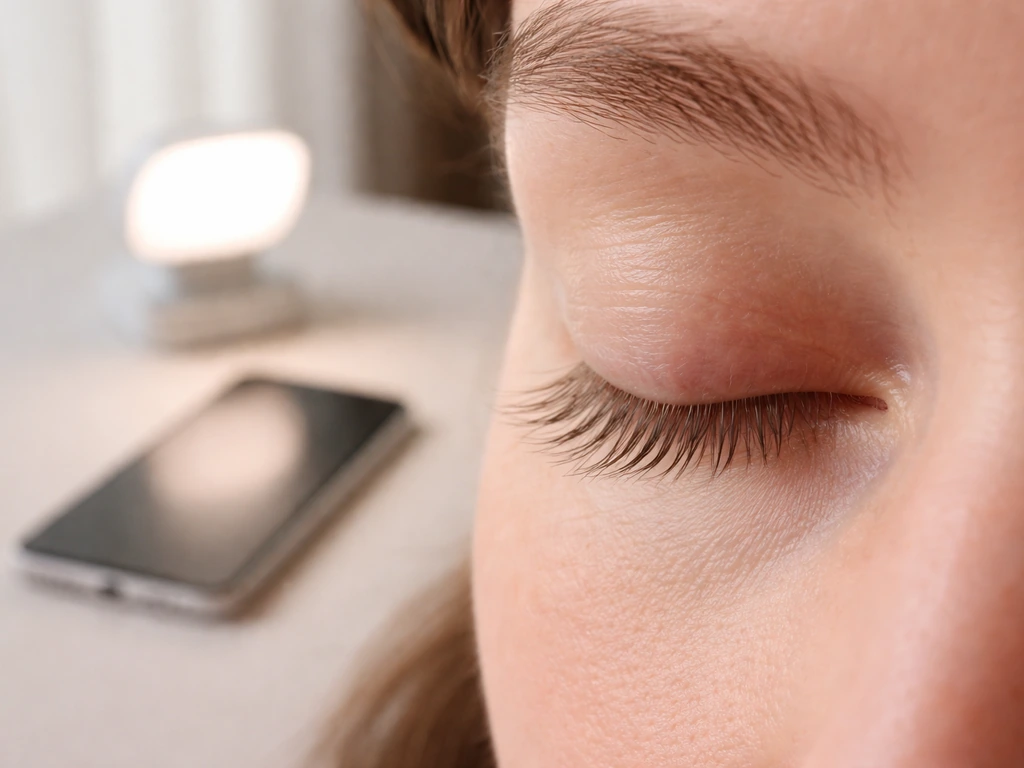
Eyelash extensions are one of the most common causes of lash thinning I hear about, and the damage mechanism is well-documented. Extensions add significant weight to each lash, which creates traction on the follicle over time. The adhesives used can cause allergic blepharitis and keratoconjunctivitis. Removal solvents have been associated with chemical conjunctivitis and contact dermatitis in case reports. All of these can disrupt the follicle environment and accelerate shedding.
The good news is that extension-related thinning is usually non-scarring madarosis, meaning the follicles are still intact and capable of regrowth once the traction and inflammation are removed. Realistic recovery timeline after stopping extensions: most people see noticeable regrowth within 6 to 8 weeks, with lashes reaching their full natural length by 3 to 6 months depending on the severity of thinning and whether any inflammation persists.
To support recovery: stop extensions entirely and let the cycle run. Gently clean the lash line daily to address any residual adhesive-related inflammation. Add a conditioning oil like castor oil at night to support shaft health on the regrowing lashes. If regrowth is noticeably slow at 8 weeks, consider adding a serum. If you're also experiencing eyelid soreness, redness, or discharge, address the inflammation first, because active blepharitis will continue to impair regrowth even without extensions.
For lash damage from over-tweezing or mechanical trauma (like aggressive rubbing during allergy season), the same framework applies: remove the ongoing cause, reduce lid inflammation, and give the cycle 6 to 8 weeks to show early progress. If you've had a chemical incident near the eye, like a solvent splash during extension removal, see an eye doctor before doing anything else.
When to stop DIY and get professional help
Most lash thinning responds to the strategies above within a few months. But some causes of lash loss genuinely require medical evaluation, and pushing forward with home remedies when there's an underlying condition wastes time and sometimes makes things worse.
See a doctor if any of the following apply to your situation.
- No regrowth after 3 months of consistent protective care and no obvious ongoing damage source.
- Lash loss is patchy or asymmetric (can indicate alopecia areata or other localized conditions).
- You're also losing eyebrow hairs, scalp hair, or body hair at the same time.
- Your eyelids are persistently red, itchy, flaky, or sore. This suggests active blepharitis or another inflammatory condition that needs treatment before lash recovery is possible.
- You've had any eye injury, chemical exposure, or severe allergic reaction near the eye.
- You have other systemic symptoms like fatigue, weight changes, or cold intolerance (possible thyroid involvement).
- You're considering a prescription serum and want to use it safely: a dermatologist or ophthalmologist can prescribe bimatoprost and monitor for side effects.
A safety checklist before starting any growth routine
- Remove all makeup and contacts before applying any lash product.
- Never apply serums or oils directly to the eyeball or lower waterline.
- Do a patch test with any new oil or serum on your inner arm before applying near the eye.
- Use single-use applicators or a clean spoolie each time to avoid bacterial contamination.
- If you're using bimatoprost, apply it to the upper lid margin only and keep the volume minimal.
- Stop any product immediately if you develop redness, itching, or eye pain, and see a doctor if symptoms persist.
- Don't use prescription-grade prostaglandin analogs without a prescriber who knows your full eye and health history.
Your starting routine right now
Here's a practical week-one plan based on everything above. The goal is to stop damage, start conditioning, and set up tracking so you can actually measure progress.
- Take a close-up photo of both eyes in natural light today. Keep it as your baseline. Repeat every 4 weeks.
- Switch to an oil-based makeup remover tonight and commit to the no-rubbing rule.
- Start a nightly lid hygiene routine: gentle cleanser or lid scrub at the lash base, rinse, pat dry.
- Apply a small amount of cold-pressed castor oil along the upper lash line before bed using a clean spoolie. Rinse off in the morning.
- Review your diet for protein and iron intake. Add a high-quality omega-3 if you're not eating fatty fish regularly.
- At week 4, review your baseline photo. If you're seeing improvement, continue. If there's no visible change and no inflammatory signs, book an appointment with a dermatologist to discuss bimatoprost.
- At week 8, reassess again. Solid regrowth after extensions or breakage should be visible by now. If not, escalate to medical evaluation.
The biology of what makes lashes grow faster points to a clear priority order: protect existing lashes from breakage and inflammation, support the follicle environment with nutrition and conditioning, and add a clinically proven ingredient if you need to accelerate the timeline. That sequence works because it addresses each layer of the problem instead of jumping straight to products while the underlying damage continues.
FAQ
How long does it actually take to see “fast” lash growth?
Expect visible changes in about 1 to 3 months with conditioning and lash-protecting habits, and closer to 16 weeks if you use a prostaglandin option. If you do not see any reduction in shedding or breakage by 8 weeks, the issue is often still ongoing damage (rubbing, extensions, lid inflammation) rather than slow follicle growth.
Can I use multiple lash serums at the same time (for example, peptide serum plus bimatoprost)?
It is usually smarter to choose one growth-driver and keep the rest supportive. Layering products can increase irritation, which can worsen inflammation and make lashes shed more. If you want to add a non-irritating conditioner, keep it separate by timing (for example, conditioner at night, prescription at its prescribed schedule) and stop any product that stings or causes redness.
Should I apply lash-growth products to the lower lash line too?
For bimatoprost-style protocols, the evidence-based method focuses on the upper lash line only. Applying to the lower lid can raise the risk of irritation and eyelid-area side effects. If your goal is cosmetic fullness at the lower lashes, ask a clinician about a safer approach instead of expanding placement on your own.
What’s the difference between lashes “not growing” and lashes “shedding” or “breaking”?
Not growing usually refers to a slower growth cycle, while shedding or breakage means the lash is failing early. A quick clue is whether you see short new-looking hairs (shedding) versus intact but brittle hairs that snap mid-shaft (breakage). Your fixes should match the pattern: breakage points to mechanical protection, shedding points to inflammation or telogen-style causes.
Do lash extensions prevent fast regrowth even if I stop wearing them?
They can. Even after removal, residual eyelid inflammation and lingering adhesive irritation can keep the cycle from normalizing. Many people still see regrowth start within 6 to 8 weeks, but full recovery often takes 3 to 6 months, especially if irritation was severe or prolonged.
Is castor oil worth using if it doesn’t directly stimulate follicles?
Yes, as a conditioning tool, not as a growth trigger. If your main problem is brittleness, matting, or mild lid irritation, castor oil may reduce breakage and help the lashes look fuller. For best effect, apply sparingly along the lash line at night and cleanse it off in the morning to reduce residue and irritation.
Can eyelid inflammation or blepharitis make lashes grow slower?
Yes. Inflammation can disrupt the follicle environment and increase shedding or abnormal lash formation, making it look like growth is stalled. If you have redness, soreness, discharge, or crusting, prioritize treating the eyelid issue first, because a growth serum cannot overcome an actively inflamed lid margin.
What should I do if my lashes are growing but they look uneven or patchy?
Patchiness often reflects localized causes, such as prior extensions traction in one eye area, contact irritation, or over-tweezing at specific spots. Take photos from the same distance and lighting weekly, and if patchiness worsens or is accompanied by skin changes, consider an eye or dermatology evaluation rather than repeatedly switching products.
Are there “too fast” or risky expectations I should avoid?
Yes. Anything promising dramatic doubling in a couple of weeks is unlikely to match lash-cycle biology. Lashes grow on a timeline measured in weeks to months, and the most noticeable early changes with prostaglandins are often thickness and darkness first, followed by measurable length closer to the 3 to 4 month range.
Can nutrition supplements speed up lash growth if I’m not deficient?
Usually not in a large, direct way. Biotin, in particular, generally helps only when deficiency exists, and high-dose biotin can interfere with thyroid and cardiac lab tests. If you suspect telogen-type shedding, ask about iron status (ferritin) and consider evidence-supported nutrients like vitamin D or zinc rather than relying on biotin alone.
When should I stop self-treatment and see a clinician?
Do not push through if you have persistent pain, worsening redness, significant discharge, light sensitivity, sudden vision changes, or signs of chemical injury near the eye. Also seek care for scarring-suggestive changes (for example, loss of lash openings or shiny skin where lashes were) because that can be permanent and needs a different plan.
Next Article
How Eyelashes Grow Faster: Timeline and Safe Steps
How eyelashes grow faster: biology, safe at-home tips, castor oil vs serums, regrowth timeline, and when to see a doctor