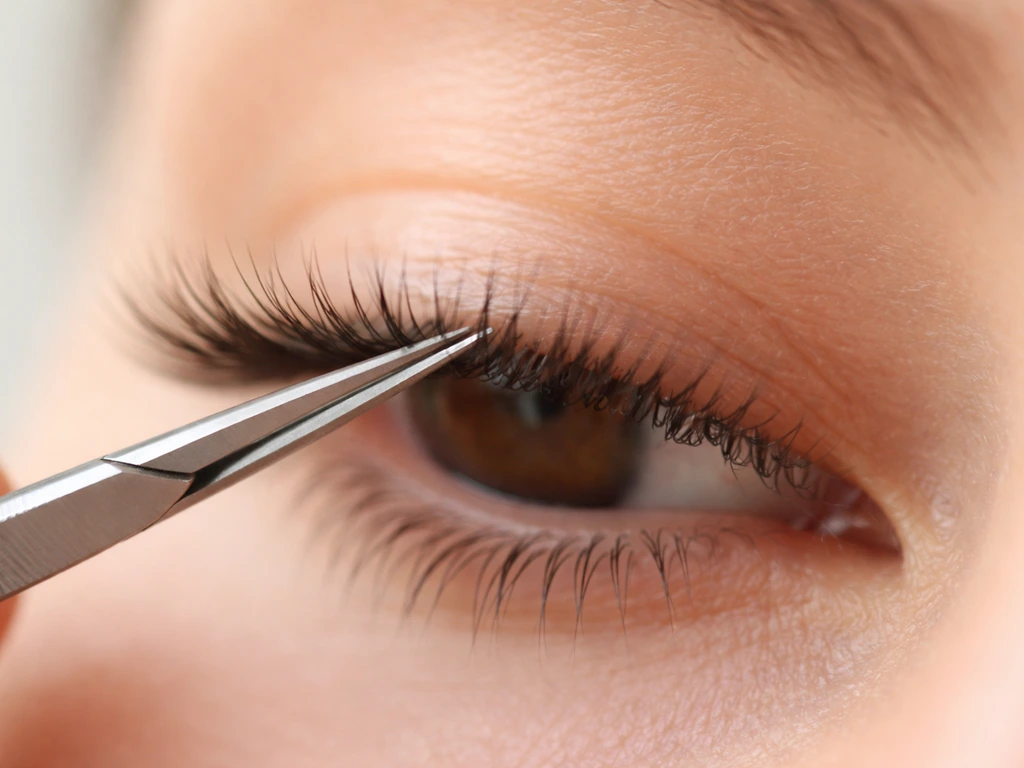
Scalp hair grows longer than eyelashes because of one fundamental difference: the active growth phase (anagen) lasts years on your scalp but only about 30 to 70 days on your eyelids. That short window caps how long each lash can get before the follicle shuts down growth, rests, and eventually sheds the hair. No amount of serums or supplements changes that biological ceiling entirely, but understanding exactly why the limit exists is what lets you figure out what you can realistically improve and how. If you trim your eyelashes, they will not grow longer because the growth cycle timing sets a fixed ceiling for lash length serums or supplements.
What Makes Scalp Hair Grow Longer Than Eyelashes

Rachel Nguyen
12 May 2026
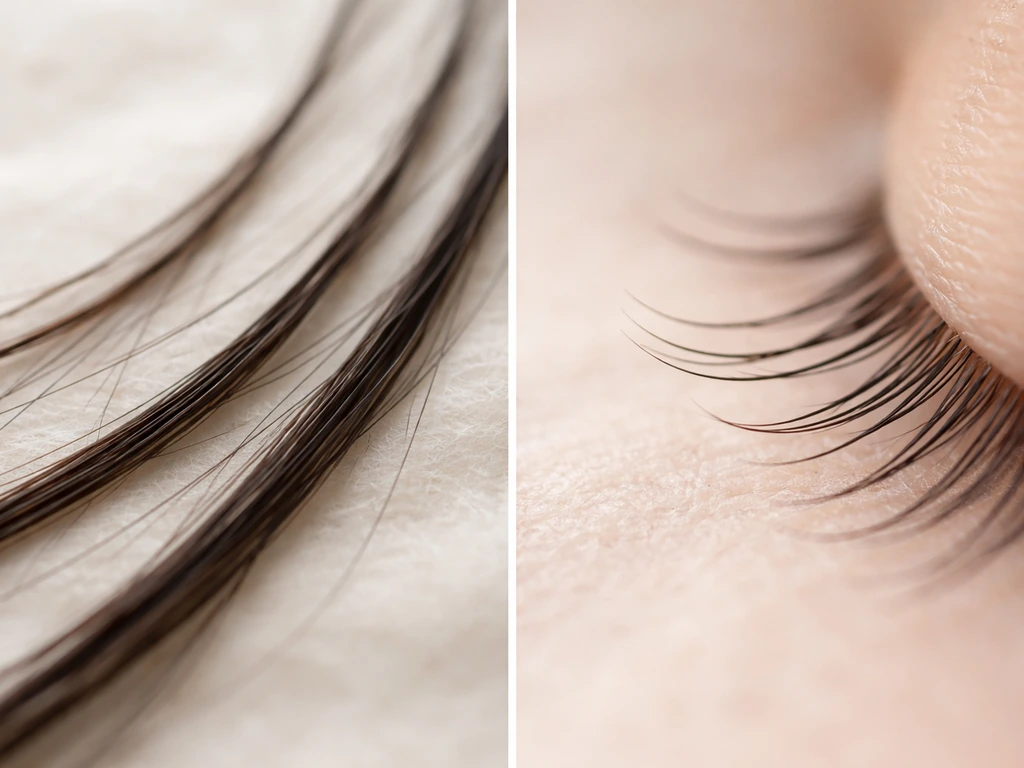
Why hair grows differently: the growth cycle behind the length gap
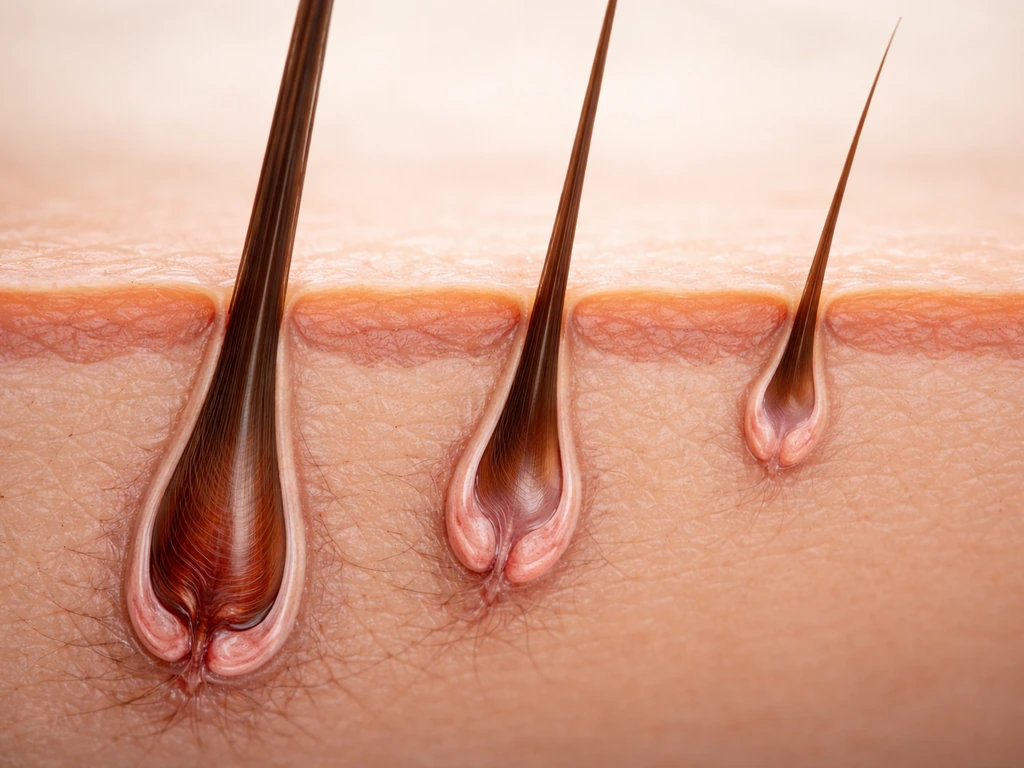
Every hair follicle on your body cycles through three phases: anagen (active growth), catagen (a brief transition where growth stops), and telogen (a resting phase before the hair sheds and the cycle restarts). If you are wondering why do eyelashes only grow to a certain length, it comes down to how long the lash follicle stays in anagen. The length a hair can reach is almost entirely determined by how long it spends in anagen, because hair only grows during that phase.
Scalp hair has a remarkably long anagen phase, typically lasting two to six years. Catagen lasts only a few days, and telogen runs roughly two to four months. That multi-year growth window is why scalp hair can reach your waist if you let it. At any given moment, around 85 to 90 percent of your scalp follicles are in anagen simultaneously, which also explains why scalp shedding is barely noticeable day to day.
Eyelash follicles operate on a completely different schedule. The anagen phase for lashes is estimated at roughly 30 days on the short end and up to about 70 days on the longer end, depending on the source. The full eyelash life cycle spans approximately 4 to 11 months total, but most of that time is spent in the resting telogen phase, which can last 4 to 9 months.
Only around 50 percent of your eyelash follicles are in active growth at any one time, compared to that 85 to 90 percent figure for scalp hair. Fewer follicles growing at once, and for a much shorter period, means fewer and shorter lashes overall. What makes your eyelashes grow longer comes down to prolonging the lash growth phase and protecting the follicles from damage and inflammation.
This is the core biological reason, and it is not really something you can override completely.
Follicle size, structure, and what they mean for lash length potential
Beyond the growth-phase timing, eyelash follicles are structurally smaller than scalp follicles. Follicle size directly influences the diameter and length of the hair it produces. Scalp follicles are larger in bulb volume, have a bigger dermal papilla (the cell cluster that drives growth), and produce a thicker, longer hair shaft. Eyelash follicles are shallower and smaller, which limits both the caliber of the lash and its maximum achievable length.
Because lash follicles sit closer to the surface and are smaller, they are also more vulnerable to physical damage, inflammation, and scarring than scalp follicles. That vulnerability matters practically: anything that chronically irritates the eyelid margin can impair follicle function and push follicles out of anagen early or permanently damage them if the irritation goes on long enough.
| Feature | Scalp Hair | Eyelashes |
|---|---|---|
| Anagen (growth) phase | 2 to 6 years | 30 to 70 days |
| Telogen (resting) phase | 2 to 4 months | 4 to 9 months |
| Full cycle length | ~2 to 7 years | ~4 to 11 months |
| % of follicles in anagen | ~85 to 90% | ~50% |
| Follicle depth/size | Deep, larger bulb | Shallow, smaller bulb |
| Maximum length potential | Very long (years of growth) | Short (weeks of growth) |
Why your lashes might look even shorter than they should
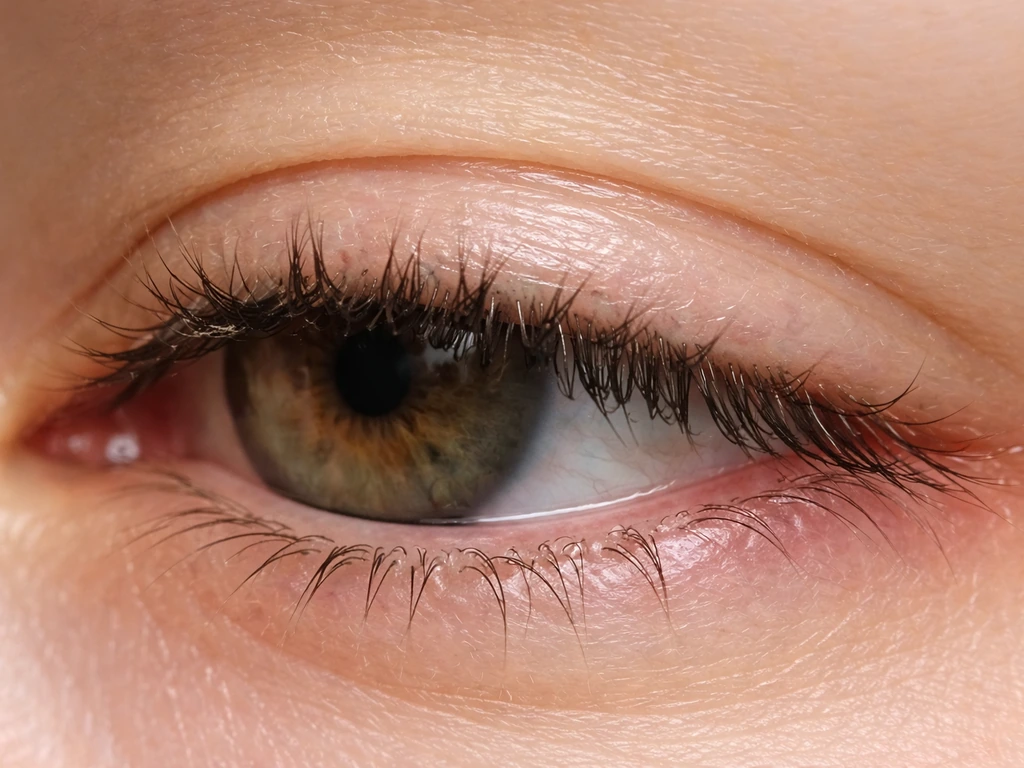
Even within the biological ceiling, most people's lashes are not reaching their personal maximum. A lot of common habits and conditions cut lash length well before the follicle would naturally shed the hair. If your lashes look noticeably short or sparse, one of the following is often the real culprit.
- Rubbing your eyes repeatedly, especially when removing makeup, causes mechanical breakage and can pull lashes out before they finish their anagen phase.
- Harsh makeup removers and waterproof mascaras that require heavy scrubbing to remove increase traction and breakage along the lash shaft.
- Eyelash extensions and the adhesive removers used with them create traction alopecia at the lash line if applied too heavily or removed improperly.
- Blepharitis (chronic inflammation at the eyelid margin) disrupts follicle function, causes crusting that sticks to lash bases, and if untreated can cause permanent follicle scarring.
- Nutritional deficiencies, particularly in biotin, iron, zinc, and protein, reduce the quality of hair produced across the body, including lashes.
- Certain medications and chemotherapy regimens cause diffuse hair loss that affects lashes as well as scalp hair.
- Habitual lash curling with an eyelash curler, especially if done on dry lashes, creates a stress point that leads to mid-shaft breakage.
The practical takeaway here is that addressing damage and inflammation often produces visible improvement in lash appearance before you ever need to think about serums or prescriptions. Stopping the breakage cycle is step one.
What actually helps lashes grow longer: your at-home routine
The foundation of a lash growth routine is protecting what you already have. Gentle handling makes a measurable difference because it keeps lashes in anagen longer instead of prematurely breaking or pulling them out.
- Switch to a gentle, oil-based or micellar makeup remover and use a soaked cotton pad pressed against the lash line rather than rubbing side to side.
- Avoid tugging on lashes when removing mascara. If mascara is difficult to remove, it is a signal to switch formulas, not to scrub harder.
- If you use an eyelash curler, do it before mascara application, not after, and replace the rubber pad regularly to avoid a sharp edge that snaps lashes.
- Wash the eyelid margin daily if you have any tendency toward blepharitis. A diluted baby shampoo scrub or a dedicated lid cleanser removes debris and sebum that clog follicles.
- Avoid sleeping face-down on a pillow, which creates consistent friction against the lash line overnight.
On the ingredient side, look for lash serums that include peptides (such as myristoyl pentapeptide-17 or similar), panthenol (pro-vitamin B5), and fatty acids. Peptides have been studied in the context of hair follicle signaling and keratin synthesis. Panthenol is a conditioning agent that reduces brittleness and breakage of the lash shaft. These are not miracle ingredients but they address the structural integrity of the lash and the follicle environment, which is exactly what the biology says matters for reaching your personal anagen-phase length ceiling.
Do castor oil and biotin actually work for lashes
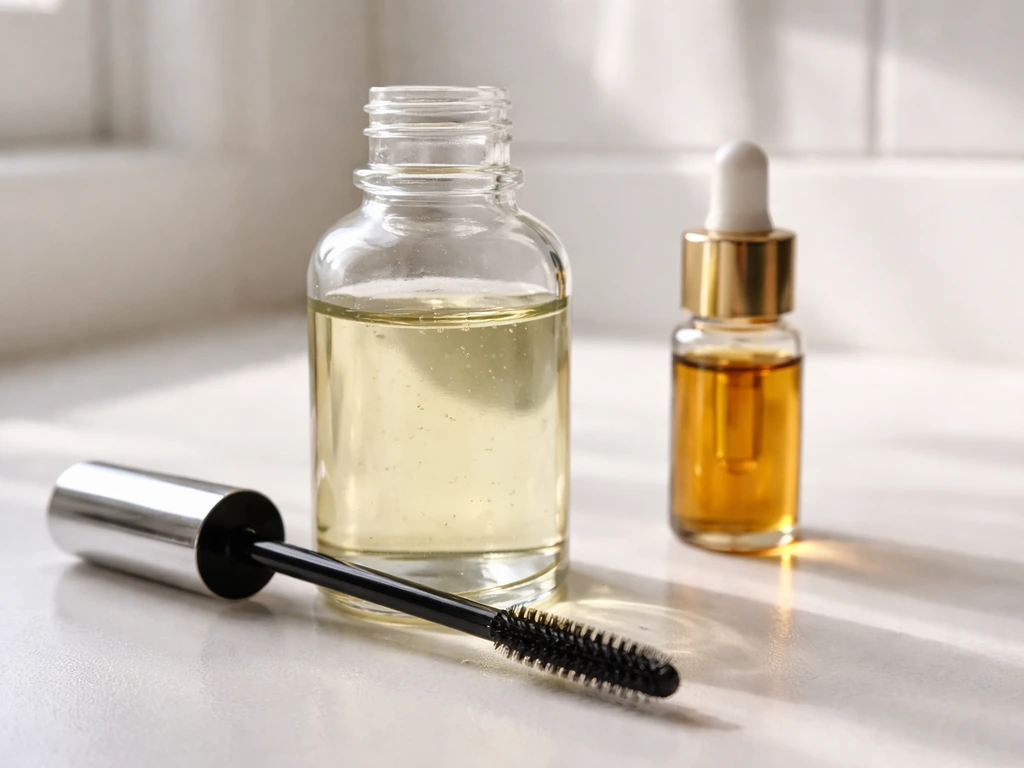
Castor oil is the most frequently recommended home remedy for lash growth, and the honest answer is that there are no clinical trials specifically proving it increases eyelash length. The evidence base is anecdotal. What does exist is a randomized trial showing that topical castor oil applied to the eyelid improved blepharitis symptoms and lid margin health, which could indirectly improve the follicle environment and lash appearance. The ricinoleic acid in castor oil also has known anti-inflammatory and potential antimicrobial properties that might benefit a chronically irritated lid margin.
If you want to try castor oil, use cold-pressed, hexane-free castor oil applied sparingly to the lash line with a clean spoolie or cotton swab at night. The main risks are irritation, allergic contact dermatitis, and getting oil into the eye, which can cause temporary blurred vision. Do a patch test first, use a minimal amount, and stop if you develop any redness or itching at the lid margin. It is a low-cost, low-risk experiment, but go in with realistic expectations.
Biotin is a similar story. Biotin deficiency does cause hair thinning and loss across the body, so correcting a genuine deficiency will improve lash quality. But if you are not deficient (and most people eating a reasonably balanced diet are not), taking additional biotin supplements has not been shown in good clinical evidence to grow longer or thicker lashes. High-dose biotin supplementation also interferes with certain thyroid and cardiac blood tests, which is worth knowing before you start taking it. If you suspect a nutritional deficiency is affecting your lashes, a basic blood panel checking ferritin, zinc, and thyroid function alongside biotin is more useful than just supplementing blindly.
Medical and prescription options: when to consider them
The only FDA-approved prescription treatment for eyelash growth is bimatoprost 0.03% ophthalmic solution, sold under the brand name Latisse. Bimatoprost is a prostaglandin analog originally developed as a glaucoma medication. It is thought to work by prolonging the eyelash anagen phase, which directly addresses the biological limitation discussed above. In the pivotal clinical trials, participants using Latisse once daily at the upper eyelid margin showed a mean increase of about 1.4 mm (roughly 25 percent) in lash length at 16 weeks, along with significant increases in lash fullness and darkness compared to a vehicle control. That is a real, measurable effect.
The side effect profile is important to understand before you start. The most commonly reported issues are itching, redness, and skin darkening at the application site. There is also a risk of iris pigmentation changes (darkening of the colored part of the eye) with ongoing use, particularly in people with hazel or blue-green eyes.
Prostaglandin analogs applied near the eye are associated with a condition called prostaglandin-associated periorbitopathy (PAP), which can include deepening of the eyelid sulcus (a sunken appearance around the eye) due to periocular fat atrophy. These periocular changes are generally reported to be reversible after discontinuing the medication, but they can take months to reverse. There is also a noted risk of cystoid macular edema in patients who have had cataract surgery or other intraocular procedures.
The practical guidance here: Latisse is worth a conversation with a dermatologist or ophthalmologist if your lash loss is significant, if it is affecting your confidence meaningfully, or if it stems from a medical cause like chemotherapy or alopecia. It is not a casual over-the-counter experiment, because the periocular risks are real. Application technique matters: it goes on the upper lash line only (not the lower lid), once at night, with a sterile applicator. Using it more frequently does not improve results and increases side effect risk.
Some over-the-counter lash serums contain synthetic prostaglandin-analog-like ingredients at lower concentrations, such as dechloro ethylcloprostenolamide. These blank" rel="noopener noreferrer">have been studied in randomized controlled trials showing lash enhancement effects, and they sit in a middle ground between home remedies and prescription treatment. OTC eyelash serums with prostaglandin-analog-type ingredients, including blank" rel="noopener noreferrer">dechloro ethylcloprostenolamide, have reported statistically significant eyelash length increases after daily topical use for several weeks in clinical trials, alongside side effects such as transient irritation. They carry a lower (but not zero) risk profile compared to full-strength bimatoprost. If you want a step between castor oil and a prescription, a well-formulated OTC serum with a prostaglandin-analog ingredient is a reasonable choice, particularly if your lash concerns are cosmetic rather than medical.
Realistic timelines and how to know if what you're doing is working
Patience is genuinely required here, and it helps to understand why. Even if you start doing everything right today, you are working within a growth cycle that takes months to complete. A lash that was just shed will not be fully grown back for at least two to three months, and often longer. If a follicle was stressed or damaged, it may stay in telogen longer before restarting.
For an at-home routine focusing on gentler handling and a quality serum, expect to need at least six to eight weeks before you notice any meaningful change, and a full three to four months before you can fairly evaluate results. For Latisse, the clinical trial results showed measurable length improvement starting around month two, with the primary endpoint at week 16 (four months). If you stop using Latisse, lashes gradually return to their pre-treatment appearance over weeks to months as follicles revert to their natural cycle timing.
The best way to track progress is to take a standardized close-up photo of your lashes in the same lighting, from the same angle (straight on, eyes open), every four weeks. Subjective day-to-day assessment is unreliable because you see your face constantly and small changes are hard to notice. A photo comparison at 8 and 16 weeks is far more informative.
If you have been consistent with a solid routine for three to four months and see no change, or if you notice patchy lash loss, inflammation at the lid margin, or lashes falling out in larger-than-usual numbers, that is the signal to see a dermatologist. Persistent lash loss can have underlying causes including thyroid disease, alopecia areata, or chronic blepharitis that need diagnosis rather than just a better serum. The biology of why lashes are shorter than scalp hair is fixed, but how close you get to your personal length ceiling is very much something you can influence with the right approach and enough time.
FAQ
If I trim my eyelashes, will they grow longer?
Yes. Trimming cannot extend lashes because lash length is limited by how long the follicle stays in anagen, and trimming only changes the visible tip length. The only way to increase maximum length is to protect the follicles from inflammation, breakage, and damage so more lashes can reach their natural growth endpoint.
My lashes are shedding more after I start a serum or oil. Is that normal?
If you notice increased lash shedding after starting a new routine, it is often breakage or normal cycle turnover rather than true follicle failure. However, if you develop persistent burning, swelling, or marked lid-margin redness, stop the product and get evaluated for contact dermatitis or blepharitis, because continued irritation can shorten the anagen period and sometimes cause permanent thinning.
Where exactly should I apply lash oil or serum, and what mistakes are common?
Yes, product placement matters. Oils and active ingredients should be applied to the upper lash line with minimal contact to the eye itself. If you apply too close to the eyeball, you can trigger irritation that worsens inflammation at the lid margin, which can undermine lash growth.
How long before lash growth products show results?
Don’t expect a sudden change. Lashes cycle slowly, so newly grown lashes will take time to appear and lengthen from the lash base. A reasonable expectation is noticeable improvement around 8 weeks, with a fair evaluation after about 12 to 16 weeks, and longer if you were previously damaging follicles (for example, chronic rubbing or lid inflammation).
Should I patch test castor oil or lash serums before using them?
A patch test is especially important for castor oil and many cosmetic lash serums because allergic contact dermatitis can look like “lash shedding” and itching. Test behind the ear or on a small area of the lid-margin skin (not the eye), wait 24 to 48 hours, and stop immediately if you get itching, redness, or swelling.
Will lash extensions or mascara affect how long my lashes can grow?
If you wear lash extensions, removal products and mechanical stress can accelerate lash breakage and pull out lashes before they fully shed naturally. Consider pausing extensions while you address irritation, and use a careful removal process (no harsh tugging). If you have recurrent lid inflammation, focus first on blepharitis control rather than chasing length.
My lashes look thin but I don’t see breakage. Could inflammation be the real issue?
Lashes can be reduced by eyelid inflammation, not just genetics or growth timing. If you have chronic itching, crusting, oily eyelids, or symptoms consistent with blepharitis, improving the lid margin environment often yields more visible change than trying to boost growth directly.
Can biotin make my eyelashes longer if I’m not deficient?
Possibly. Biotin supplements can help only if you have a true deficiency, which is uncommon in people who eat adequately. If lashes are changing alongside other hair loss, fatigue, or skin changes, it is more useful to ask a clinician for targeted labs (often including ferritin, zinc, and thyroid testing) than to increase biotin dose blindly.
How should Latisse be applied, and does using it more frequently work better?
Latisse (bimatoprost) is typically applied to the upper lash line only, once nightly. Using it more often is not a better-growth strategy and can increase side effects like skin irritation or periocular changes. Also do not use it on the lower lid, and follow the applicator technique to avoid getting it into the eye.
Are there eye conditions or surgical histories that make Latisse risky?
Yes. If you have had cataract surgery or other intraocular procedures, you should discuss risk of cystoid macular edema with an ophthalmologist before using prostaglandin analogs. People with certain eye conditions, or a history of eye inflammation, may need extra screening before starting.
When should I stop self-treating and see a dermatologist for lash loss?
If you have patchy or rapidly progressive loss, pain, significant redness, or lashes falling out in large numbers, that is a reason to see a dermatologist rather than just adjusting products. These patterns can suggest causes like alopecia areata, thyroid disease, or persistent blepharitis that require specific treatment.
What’s the best way to track lash progress at home?
One key reason photos beat daily judgments is that you can’t accurately compare over time due to natural daily variation in lash position, lighting, and eyelid angle. Use the same camera distance, the same lighting, straight-on with eyes open, and repeat every four weeks so changes reflect growth rather than appearance shifts.
Next Article
If You Trim Your Eyelashes, Will They Grow Longer?
Learn if trimming makes lashes longer, how growth cycles work, what it changes, and how to regrow safely.