You can redirect lashes that grow down or sideways starting today with a lash spoolie, a light conditioning product, and a few minutes of consistent grooming. For most people, daily brushing and the right serum or oil routine will produce noticeable improvement within 4 to 6 weeks and meaningful change by the 8 to 12 week mark. The key is separating what you can fix cosmetically right now from what takes time to repair at the follicle level, and knowing when a misdirected lash has crossed from annoying to actually dangerous.
How to Fix Eyelashes Growing in Different Directions

Rachel Nguyen
7 May 2026
Why your lashes grow in the wrong direction in the first place
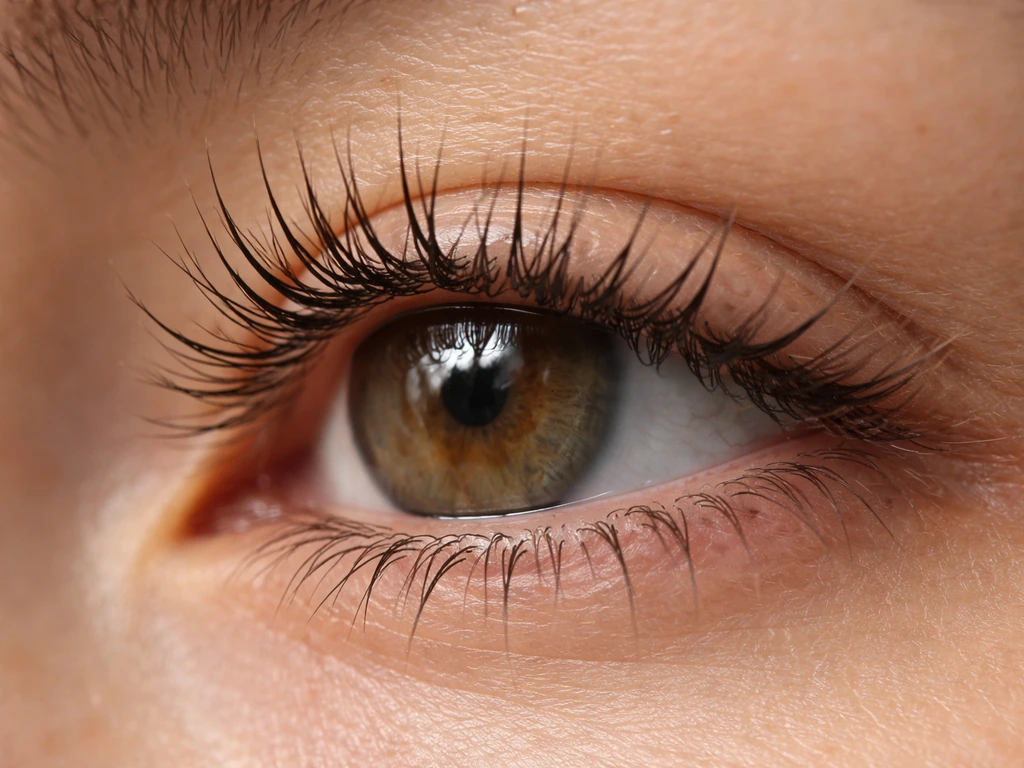
Lash direction is set by the angle and orientation of the hair follicle, specifically the dermal papilla and the germinal hair matrix at the root. If that follicle sits at an angle pointing inward or sideways, the lash growing out of it will follow that path regardless of what you do on the surface. This is why some people have lashes that naturally trend downward (especially common in certain eye shapes and ethnicities where follicle angle differs), while others have a few rogue lashes that shoot sideways no matter how many times they brush them up.
Beyond natural follicle geometry, the most common triggers for lashes suddenly growing in new directions are: repeated rubbing or tugging of the lash line, poor removal of extensions or strip lashes, and inflammation or scarring around the eyelid margin. Eyelash extensions in particular are associated with allergic blepharitis and other irritation that can distort the tissue around the lash root over time. When that tissue gets inflamed or scarred, the follicle can shift angle and the lash starts growing abnormally.
Chronic blepharitis (eyelid inflammation) is another well-documented cause. The lash growth cycle itself plays a role too: each lash goes through [an anagen (growth) phase lasting roughly 4 to 10 weeks](https://www. journalofoptometry. org/index.
php? p=revista&pii=S1888429618300487&r=310&tipo=pdf-simple), a short catagen (transition) phase of about 15 days, and then a telogen (resting/shedding) phase before the whole thing restarts. A follicle disrupted by trauma or inflammation can restart its cycle in a slightly different orientation.
A more serious version of this problem is called trichiasis, a condition where lashes grow toward the eye rather than away from it. This isn't just a cosmetic annoyance because lashes rubbing the cornea and conjunctiva can cause abrasions, ulcers, and real corneal damage over time. If your misdirected lashes are actually touching your eyeball, that warrants professional attention, not just a better grooming routine.
What you can do right now to make lashes look better today
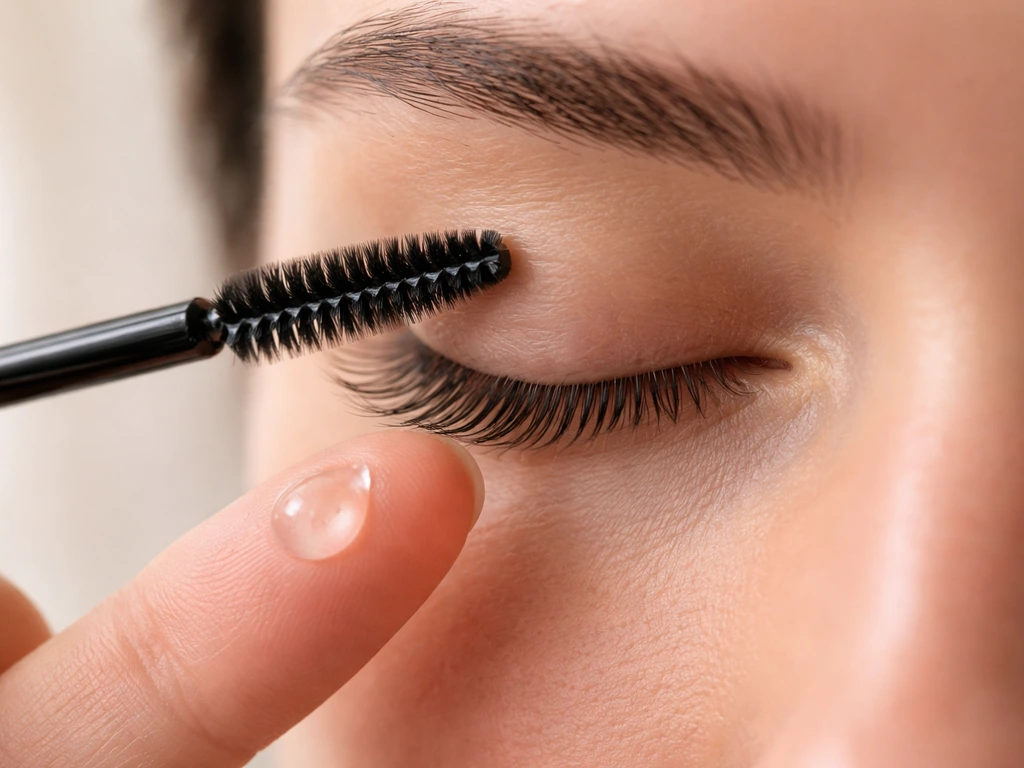
The fastest fix is mechanical: a clean spoolie brush and a light conditioning product can redirect most lashes within minutes. Here's how to approach it step by step.
- Start with a clean, dry lash line. Remove any existing mascara or residue completely, since product buildup weighs lashes down and locks them into odd positions.
- Warm a clean spoolie between your palms or use a slightly warm (not hot) spoolie. Warmth makes the lash shaft more pliable.
- Brush from root to tip in the direction you want the lashes to go. For downward-growing lashes, brush upward and outward. For sideways lashes, redirect toward center or toward the outer corner depending on where they're straying.
- Hold the spoolie in place at the tip for 5 to 10 seconds after each stroke. This isn't permanent reshaping, but it trains the lash position long enough to apply product.
- Apply a thin coat of clear lash gel or a fiber mascara while holding the lashes in their redirected position. Clear lash gel is the most low-intervention option and won't add weight that drags lashes back down.
- For guys or anyone avoiding makeup entirely, a tiny amount of aloe vera gel or a diluted castor oil blend applied with a spoolie creates a light hold without any visible product.
A heated lash curler can help with downward-growing lashes specifically. Apply gentle heat at the root, hold for 10 to 15 seconds, and release. This temporarily reshapes the lash shaft, though it won't change the follicle direction. Avoid clamping hard or pulling, especially if your lashes are already weakened from extensions or previous damage.
Lashes that grow down vs. lashes that grow sideways: the approach is different
These two problems feel similar but respond to slightly different strategies, and mixing them up leads to frustration.
Downward-growing lashes
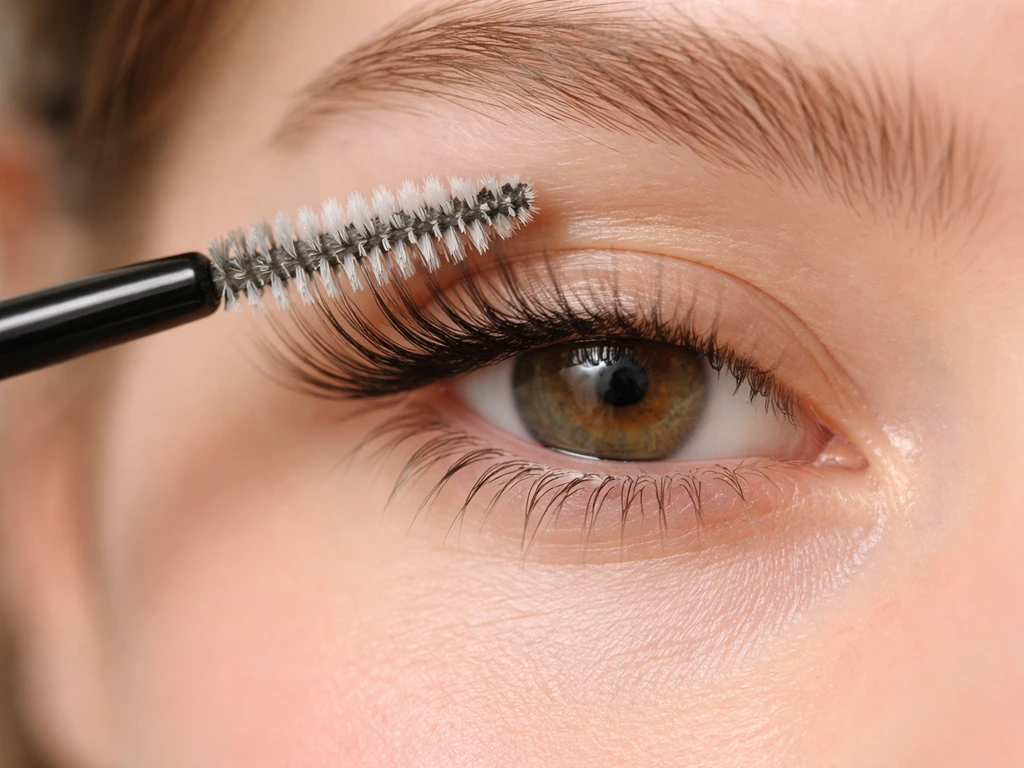
Downward-growing lashes are often a follicle-angle issue, especially in people whose natural lid anatomy positions follicles angled toward the cheek. Grooming helps cosmetically, but the underlying direction won't change without addressing the follicle itself. Your best daily strategy: use an upward-curling motion with a spoolie every morning, apply a conditioning serum at the root at night (more on that below), and choose a lengthening or lifting mascara with a curved wand if you wear makeup.
Downward-growing lashes are more common with certain natural lid and follicle angles, so your starting anatomy matters. Avoid heavy mascaras that add weight, since they pull downward-growing lashes even further down. The article on why lashes grow downward goes deeper into the follicle anatomy behind this pattern if you want the biology.
Sideways-growing lashes
Sideways lashes are more often caused by localized damage, a past stye, a healed blepharitis flare, or trauma from rubbing. They tend to be isolated: one or two lashes on one part of the lid rather than all lashes trending in one direction. For these, daily spoolie redirecting helps, but be realistic: if the follicle itself has been knocked off axis by scarring, consistent redirecting only manages the appearance, it doesn't fix the root.
What you want to avoid is trimming rogue sideways lashes unless they're long enough to poke your eye, because a blunt-cut lash end is sharper and more irritating than a tapered natural tip. If the lash is genuinely causing irritation or poking the eye, clean removal (either by your own careful tweezing or by a professional) is safer than trimming.
What to avoid with both
- Aggressive rubbing or pulling to force lashes into position — this stresses the follicle and can worsen the direction on regrowth
- Applying extensions over already-misdirected lashes, which masks the problem while potentially making the underlying irritation worse
- Heavy waterproof mascara if your lashes are already weakened — removal requires more rubbing, which creates a damaging cycle
- Using a lash curler on lashes that are very short or fragile, since clamping can break them at the root
At-home conditioning and recovery to support healthier regrowth
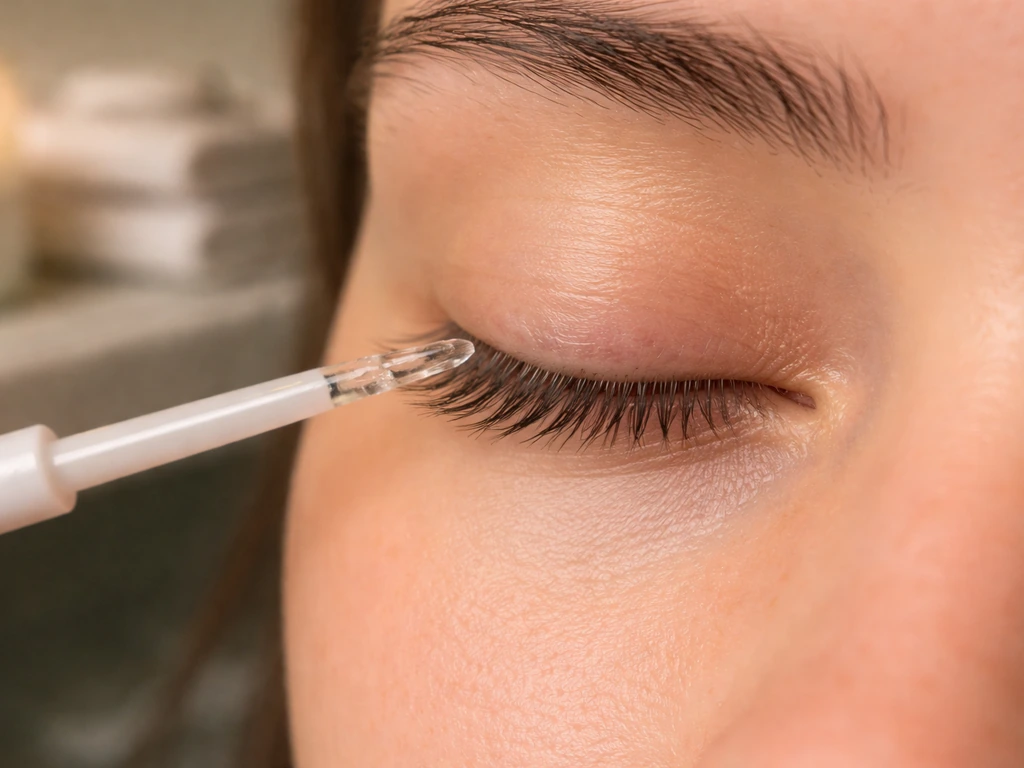
Grooming redirects how lashes look right now. A consistent conditioning routine supports the follicle so the next lash cycle produces a stronger, better-oriented lash. These aren't the same goal, and it's worth being clear about that. You're working on two timelines simultaneously: the cosmetic fix (days to weeks) and the biological recovery (one to three full lash cycles, which can run 8 to 16 weeks total).
A simple nightly routine that actually works: after removing all eye makeup, use a clean spoolie to brush lashes gently from root to tip. Apply your chosen conditioning oil or serum along the upper lash line using a clean applicator. Don't apply to the waterline or inside the lid margin, just along the skin at the base of the lashes. Let it absorb while you sleep. Consistency matters more than the exact product, but the product you choose does matter.
Which ingredients actually help: castor oil, biotin, and serums
Let's be honest about what the evidence supports and what's mostly anecdotal, because the lash product space is full of marketing claims that outrun the science.
| Ingredient | What it does | Evidence level | Best use |
|---|---|---|---|
| Castor oil | Coats and conditions the lash shaft; ricinoleic acid may support scalp/follicle environment | Anecdotal and indirect; no large RCTs for lashes specifically | Nightly conditioning, protective coating during recovery |
| Biotin (topical) | Limited absorption through skin; dietary biotin deficiency correction can support hair health systemically | Weak for topical; stronger case for oral supplementation in deficiency states | Oral supplement if dietary intake is low; topical effect is minimal |
| Peptide serums (OTC) | Amino acid sequences that may signal follicle activity and improve lash thickness over time | Moderate; some studies show improvement in lash density | Daily use at lash line, consistent 8–12 week trial |
| Bimatoprost (Rx: Latisse) | Prostaglandin analog that extends the anagen (growth) phase; clinically proven for lash growth | Strong; FDA-approved | Once daily at upper lash margin with supplied applicator — never on surrounding skin |
| Prostaglandin analogs (OTC) | Similar mechanism to Rx versions but lower concentration; effect is real but weaker | Moderate; works slower than Rx | Use with caution — can cause eyelid pigmentation and irritation |
Castor oil is the most accessible starting point and has virtually no downside if applied carefully to the lash line. It won't change your follicle's direction, but it protects lashes during the recovery period, reduces breakage, and keeps lashes conditioned while the growth cycle does its work. Apply a small amount with a clean spoolie or cotton swab each night.
Prescription bimatoprost (Latisse) is the only FDA-approved topical treatment proven to extend lash growth. It works by prolonging the anagen phase. One important caution: apply it only to the upper eyelid margin using the sterile applicator it comes with. If the solution touches surrounding skin repeatedly, you can get unexpected hair growth in those areas. It can also cause eyelid skin darkening and, in rare cases, changes to iris pigmentation. These aren't reasons to avoid it if your doctor recommends it, but they're reasons to use it exactly as directed.
OTC serums with prostaglandin analogs carry similar but milder risks. They do work for some people, but they're worth reading the ingredient list on. If you see isopropyl cloprostenate or a similar prostaglandin analog in an OTC serum, treat it with the same care as a prescription product in terms of where you apply it.
How long this actually takes: a realistic timeline
Here's the honest version of the timeline most people need to hear before they give up or keep switching products:
| Timeframe | What to expect |
|---|---|
| Day 1–7 | Cosmetic improvement from daily grooming and brushing; lashes look more uniform with product |
| Weeks 2–4 | Lash line feels more conditioned; oil or serum routine is established; some early strengthening of existing lashes |
| Weeks 4–6 | Many people notice subtle improvement in lash fullness or direction with consistent serum use; first reassessment point |
| Weeks 8–12 | Meaningful change is visible if a serum or oil routine is working; this is the standard benchmark experts use for evaluating results |
| Beyond 12 weeks | If there's no improvement and lashes are still misdirected or still causing irritation, reassess the cause — a deeper issue like follicle scarring or blepharitis may need professional treatment |
The reason improvement takes this long is the lash growth cycle itself. The anagen phase for eyelashes runs roughly 4 to 10 weeks. That means a lash you're treating today might not even be in its active growth phase right now. You're essentially conditioning the scalp environment and waiting for the next generation of lashes to grow through it. This is genuinely how hair biology works, not a product disclaimer. Patience here is biological necessity, not just marketing language.
If you want to track progress, take a close-up photo of your lash line in natural light at the start and again at weeks 4, 8, and 12. Side-by-side comparisons are far more reliable than daily observation, which makes it hard to see gradual change.
When to stop DIY and see an eye professional
Most cases of lashes growing in different directions are cosmetic and manageable at home. But some situations cross into clinical territory, and knowing when you're in one of those situations matters.
See an eye doctor (ophthalmologist or optometrist) if you're experiencing any of the following:
- Persistent foreign body sensation in your eye — the feeling that something is scratching your eyeball even when nothing visible is there
- Redness, tearing, or light sensitivity that doesn't go away after a day or two
- A lash or lashes that are visibly touching your cornea or conjunctiva and can't be kept away with grooming
- Significant eyelid swelling, crusting, or discharge, which may signal blepharitis or infection
- Eye pain — this is never normal in a simple grooming situation
- Lash loss in patches or significant thinning that coincides with the misdirection (this may indicate an underlying condition rather than just follicle angle)
- Misdirection that appeared suddenly after trauma, a procedure, or an injury, especially if accompanied by scarring on the eyelid
The clinical diagnosis for lashes growing toward the eye is trichiasis. When a professional evaluates it, they may use a slit-lamp exam and fluorescein staining to check for corneal abrasion. Treatment options include removing the offending lashes, electrolysis to destroy the follicle so it doesn't regrow in the wrong direction, or more involved procedures for structural causes like epiblepharon. None of these are things to attempt at home.
If you've been using eyelash extensions and developed misdirected lashes alongside irritation or swelling, that combination is worth getting checked professionally, not just groomed away. Recurrent ulcerative blepharitis can lead to eyelid scarring and loss or misdirection (trichiasis) of eyelashes relevant irritation or swelling. Extensions are associated with allergic blepharitis and lid margin changes that can alter lash direction over time. An eye professional can evaluate whether there's ongoing inflammation that needs treatment before your DIY recovery routine can actually work.
The bottom line: use the grooming steps and conditioning routine to manage the cosmetic side of this today. Give a consistent serum or oil routine 8 to 12 weeks of honest effort. But if lashes are touching your eye, causing real pain, or the problem worsened after extensions or trauma, get professional eyes on it, the corneal abrasion risk from untreated trichiasis is not worth skipping the appointment.
FAQ
How can I tell if my “different direction” lashes are cosmetic or trichiasis?
You can only redirect lashes that are growing from a follicle angle that is merely misdirected cosmetically. If a lash is truly pointing inward enough to rub, or you have repeated irritation in the same spot, that suggests trichiasis or scarring, and grooming alone is not a fix. A slit-lamp exam is the right way to confirm what you are dealing with.
Is it safe to use a heated lash curler every day, even if some lashes grow sideways or inward?
If you use a heated lash curler, avoid applying heat when your lashes are wet, brittle, or recently irritated. Pressing for longer than 10 to 15 seconds increases breakage risk, and pulling or clamping hard can worsen a sideways or inward-growing rogue lash. Stop if you feel pinching, tenderness, or see lash snapping.
Where exactly should I apply eyelash serum or oil, and what mistakes cause irritation?
For the nightly serum or oil, keep it on the skin at the base of the lashes only. Waterline application increases migration into the eye and can trigger irritation or, in the case of prostaglandin-based products, unwanted hair growth. If you notice stinging or increased redness after a product, stop and reassess placement.
Should I trim rogue lashes that shoot sideways, or is removal better?
If the lash is long enough to poke the eye or you feel a scratch that does not go away, trimming can leave a blunt edge that can be more irritating than a tapered natural tip. Safer options are careful removal if you can do it gently and cleanly, or professional removal if you cannot verify the lash is not touching the cornea.
What should I do differently if the problem started after eyelash extensions?
With extensions, the most common issue is inflammation of the lid margin that can shift lash growth. Don’t rely on brushing alone until the irritation is controlled. If you have swelling, itching, or lashes that started changing direction after a new set, an eye professional should evaluate for blepharitis before you restart a home routine.
How should I track progress, and what makes progress photos misleading?
Photos should be taken with the same distance, same natural light direction, and the same makeup state (ideally none). Use a fixed point in your frame, like the outer corner of your eye, and compare week 4, 8, and 12. Daily variation in blinking and angle makes short-term changes misleading.
How much brushing is too much when redirecting lashes?
Brush gently at the root to tip once daily, and don’t scrub hard against resistance. Over-rubbing can trigger lash shedding or worsen sideways growth in localized areas, especially after irritation or past styes. If a lash feels stuck to inflamed tissue, pause and focus on calming the lid before redirecting.
Can mascara or lash lifts permanently fix lashes growing in different directions?
Yes, but only as a temporary cosmetic aid. A lash curler can help lashes hold a shape within minutes, while conditioning supports breakage reduction and a stronger next lash cycle. If you do not see change by 8 to 12 weeks, the follicle direction may be limited to cosmetic improvement only.
Is it okay to wear extensions, lash glue, or a lash lift while I’m trying to correct misdirected lashes?
You usually should not. Clearing irritation first matters, because active blepharitis, allergy, or skin inflammation can alter lash orientation over time. If you are currently swollen, itchy, or have crusting at the lid margin, address that trigger with a clinician rather than adding adhesive-based styling.
What are the main safety precautions for using Latisse or prostaglandin-based lash serums?
Bimatoprost can help extend the growth phase, but it must stay on the upper eyelid margin and use the sterile applicator as directed. If it touches nearby skin repeatedly, you may get extra hair growth outside the lash line and eyelid skin darkening. For any swelling, severe redness, or new visual symptoms, stop and contact your prescriber.
Why are only one or two lashes affected, and does that change what I should expect?
If sideways or downward lashes are limited to a small area, that often points to localized trauma, a prior stye, or a healed blepharitis flare rather than a uniform follicle pattern. Those cases frequently improve in appearance with grooming, but the follicle may not fully realign. Pay attention to whether the change is spreading to more lashes over time.
Next Article
Why Do My Eyelashes Grow in Different Directions?
Learn why lashes grow sideways, crooked, or straight out and how to reduce friction and regrow safely.