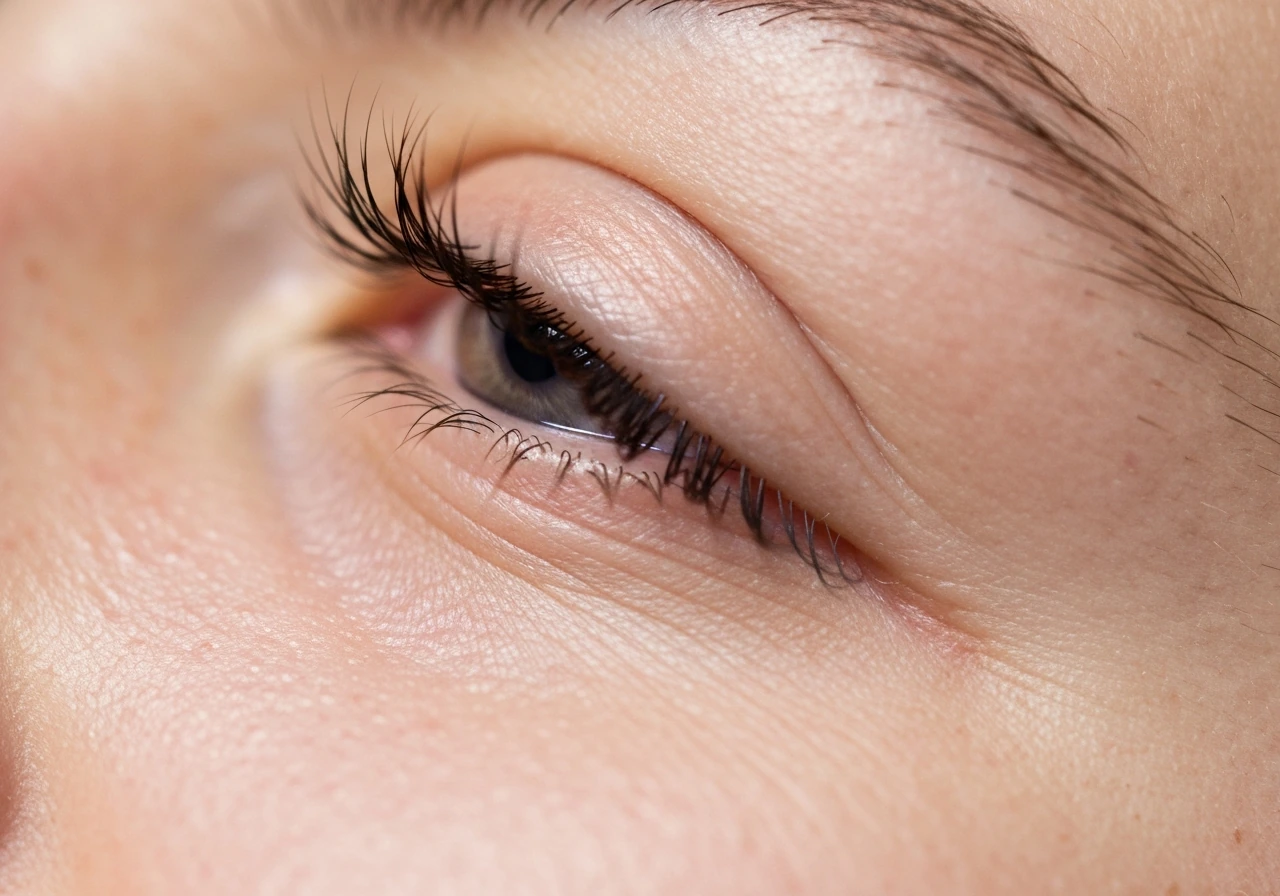
If you've pulled your eyelashes due to trichotillomania and want them to grow back, the honest answer is: most lashes can regrow in roughly 4 to 8 weeks per individual lash, but seeing a full, even lash line again typically takes 3 to 6 months, and that timeline only holds if you stop the pulling and protect the follicles underneath. The good news is that intermittent pulling usually doesn't permanently destroy follicles.
How to Make Eyelashes Grow Faster After Trichotillomania

Rachel Nguyen
19 Jun 2026
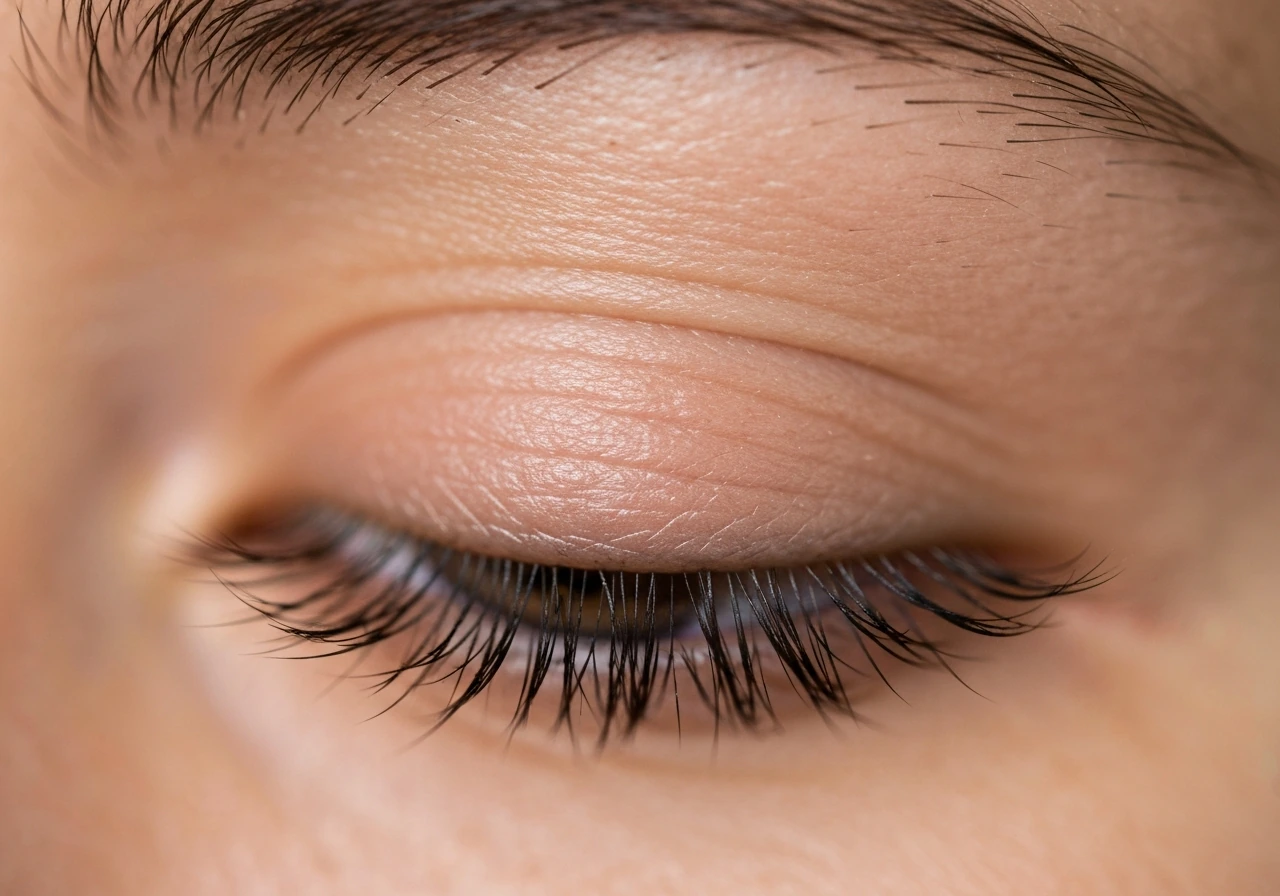
The risk comes from repeated trauma and scarring over time, which can close follicle openings for good. Starting a protection and regrowth routine today makes a real difference. This can also happen when lashes grow in an upward direction or set above the lash line, and it may look like they are misaligned rather than truly absent why do my eyelashes grow above my lash line.
Why trichotillomania damages lash follicles (and what that means for growing them back)
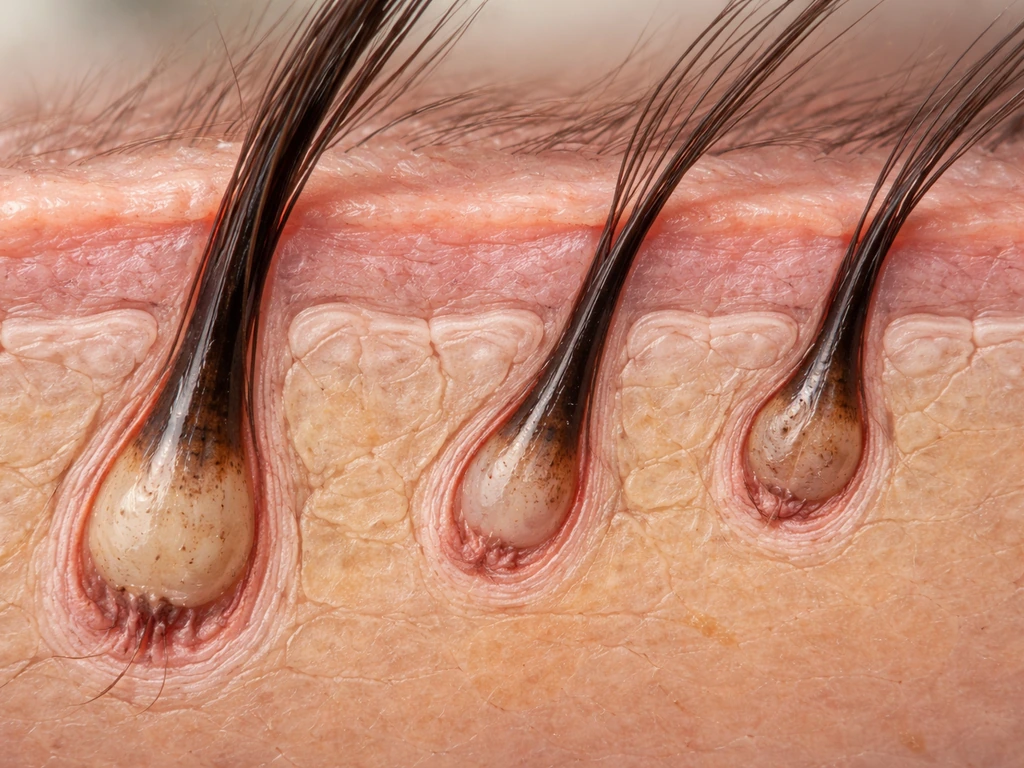
Eyelash hairs grow from tiny pockets in the eyelid skin called follicles. Each follicle cycles through three phases: anagen (active growth, about 30 to 45 days for lashes), catagen (a brief 2 to 3 week transition), and telogen (a resting phase of roughly 100 days). The full cycle runs about 4 to 11 months. Because the anagen phase for eyelashes is so much shorter than for scalp hair, lashes stay short by design, and any disruption to the cycle shows up faster and more visibly.
When you pull a lash out, you interrupt that cycle and physically stress the follicle. Clinical reviews on trichotillomania note that histopathology shows distorted follicle anatomy after mechanical pulling, but that doesn't automatically mean permanent loss. A key detail from eyelash-loss research is that trichotillomania-related pulling is often incomplete: some follicles still produce short or broken hairs alongside bare areas, which suggests many follicles remain alive even when the lash line looks sparse.
The real danger is repeated pulling over time, especially when it involves picking at the skin around the follicle opening. That creates inflammation, and chronic inflammation can produce scar tissue that physically covers the follicle opening. Once that happens, the follicle can't produce a new hair, and regrowth becomes limited or absent in that spot. This is why acting now, rather than waiting, genuinely matters for your outcome.
What to realistically expect from regrowth (and when you'll actually see it)
Here's a practical timeline breakdown. Each lash that's been pulled enters a recovery and regrowth sequence, not an instant restart. An individual new lash takes roughly 4 to 8 weeks to emerge and become visible, and closer to 3 to 4 months to reach something close to its full length. Getting a full, even lash line back after significant pulling typically takes 3 to 6 months of consistent non-pulling. If you're using topical growth-support products, research suggests you need at least 12 to 16 weeks to fairly evaluate whether they're helping.
| Stage | Timeframe | What to expect |
|---|---|---|
| First new lash tip visible | 4 to 6 weeks | Tiny, fine hairs emerging from previously bare areas |
| Noticeable lash coverage | 8 to 12 weeks | Lashes returning but shorter and sometimes finer than before |
| Close to full lash line | 3 to 6 months | Length and density approaching baseline, assuming no new pulling |
| Fair assessment of topical products | 12 to 16 weeks | Enough time for serum or oil to show measurable effect on growth cycle |
A few things influence whether regrowth leans toward the faster or slower end: how long you've been pulling, whether there's visible skin irritation or thickening at the lash line, your age (follicle cycling slows slightly with age), and overall nutritional status. If areas of your lash line have been repeatedly traumatized over years, expect those spots to take longer or to show incomplete regrowth compared to recently affected areas.
Stopping the damage now: practical steps to protect your follicles
Before any serum or oil can do its job, the pulling has to stop, or at least decrease significantly. This is harder than it sounds because trichotillomania involves automatic, often unconscious behavior. The most evidence-backed behavioral approach is habit reversal training (HRT), which works by training you to substitute a competing response (like making a fist, pressing your fingertips together, or touching a textured object) every time you notice the urge to pull. Multiple meta-analyses confirm HRT produces large, clinically meaningful reductions in pulling behavior. You don't need a therapist to start the basics today, though a therapist speeds the process significantly.
Alongside behavioral strategies, there are physical barriers that reduce how easily you can reach your lashes. These aren't cures, but they interrupt the automatic pull cycle while you build HRT habits.
- Wear glasses instead of contacts when possible: the frame creates a subtle physical barrier
- Apply a small amount of petroleum jelly or a gentle lash conditioner to the lash line at night: it makes the area feel different under fingers and can interrupt the tactile trigger
- Keep fingernails short or wear thin gloves during high-risk times (watching TV, reading, falling asleep)
- Place a small mirror with strong lighting near where you tend to pull: awareness of the action as it starts is a core HRT principle
- Keep your hands occupied during trigger situations with a fidget tool, stress ball, or textured item
These physical interventions work best as bridges, not permanent solutions. The goal is to reduce the frequency and force of pulling while the behavioral work takes hold and your follicles get time to recover.
Evidence-based ways to support lash regrowth
Prescription bimatoprost: the strongest option
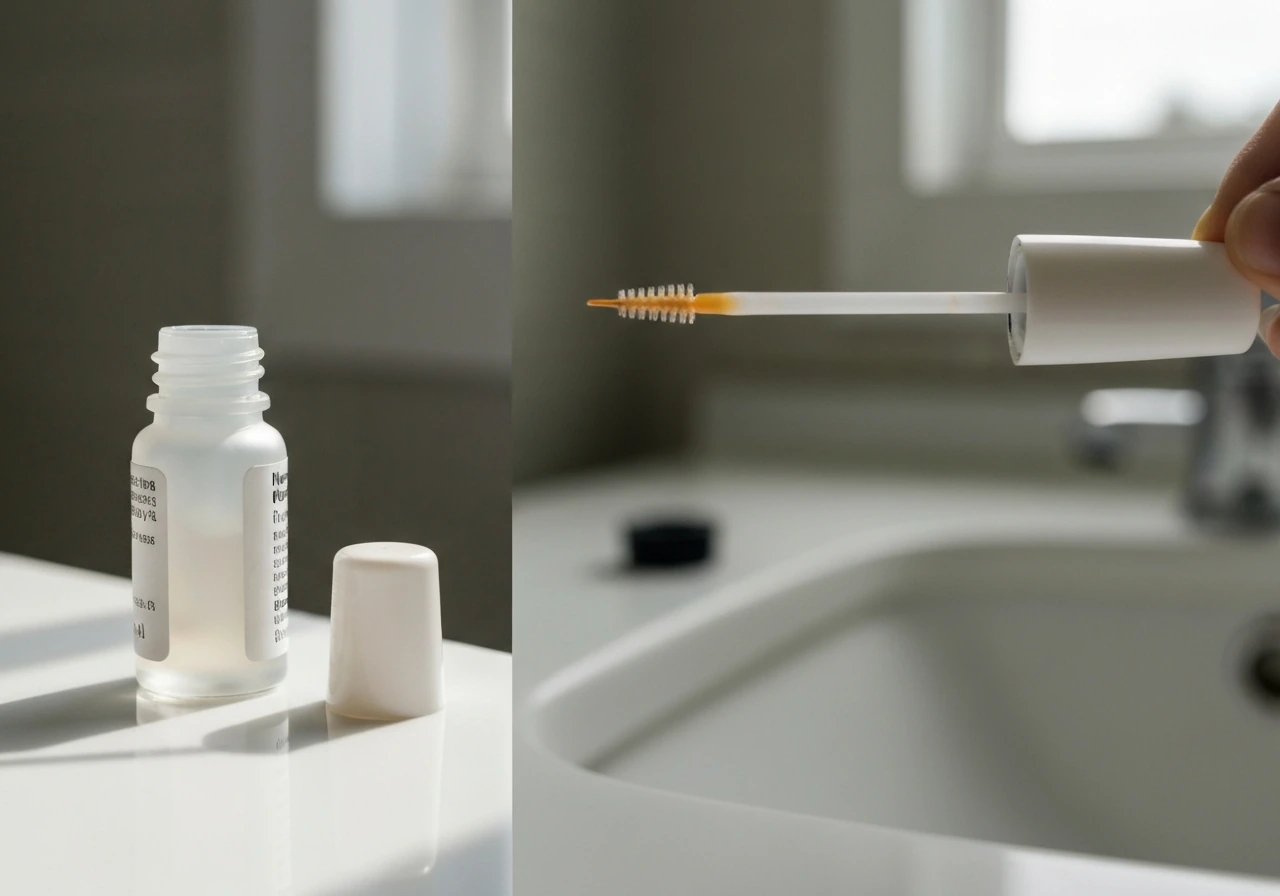
The most evidence-supported topical treatment for eyelash regrowth is bimatoprost 0.03% (sold as Latisse in the US), a prostaglandin analog originally developed as a glaucoma medication. It works by prolonging the anagen growth phase of the eyelash follicle, which results in longer, thicker, and darker lashes with consistent use. It's FDA-approved for eyelash hypotrichosis and requires a prescription. Studies show results across multiple months of application, which aligns with the natural eyelash growth cycle rather than offering quick regrowth.
It's genuinely effective, but it has a real side-effect profile. Common adverse reactions include eye itching, redness of the conjunctiva, and skin darkening along the lash line. With prolonged use, periorbital fat atrophy (subtle hollowing around the eye area) is a documented risk. If you stop using it, the lash-lengthening effects gradually reverse. It's worth discussing with a dermatologist or ophthalmologist, especially if your lash line has significant bare patches.
OTC lash serums: what the ingredient list tells you
Over-the-counter lash serums vary enormously in what they actually do. The ones to be cautious about are products containing prostaglandin analogs like isopropyl cloprostenate or ethyl tafluprostamide. These mimic bimatoprost's mechanism and can deliver similar growth effects, but EU health authorities have flagged safety concerns about prostaglandin analog use in cosmetics at low concentrations near the eye, including the same periorbital fat atrophy risks seen with prescription versions.
EU public health guidance also highlights safety concerns with prostaglandin analogues in cosmetics near the eye, noting advice against or prohibitions for certain uses because of potential effects even at low concentrations safety concerns about prostaglandin analog use in cosmetics near the eye at low concentrations.
Some of these ingredients have been restricted or prohibited in certain markets. If a cosmetic serum claims dramatic prescription-like growth results, check the ingredient list for these PGA compounds.
Safer OTC serums typically use peptides, panthenol, biotin (topical), hyaluronic acid, and conditioning agents. These won't produce the same dramatic growth as bimatoprost, but they support follicle health, reduce brittleness, and help existing lashes reach their natural potential. They're a reasonable daily-use option with a much lower risk profile.
Biotin supplements: useful only if you're deficient
Biotin is heavily marketed for hair and lash growth, and the reality is much more nuanced. NIH research and StatPearls both confirm there are no clinical trials supporting biotin supplementation for hair growth in people who aren't actually biotin deficient. Biotin deficiency does cause hair thinning and loss, but true deficiency is rare in the US in people eating a normal diet. If you're not deficient, taking biotin supplements is unlikely to accelerate your lash regrowth in any meaningful way.
There's also a practical safety issue: high-dose biotin (anything above 5,000 mcg) can interfere with certain lab tests that use immunoassay methods, including thyroid tests and cardiac markers, which can produce false results. If you want to try biotin, a standard 1,000 mcg dose carries less interference risk, but get your levels tested first if you can.
How to actually use castor oil and lash serums correctly
Castor oil: application method matters
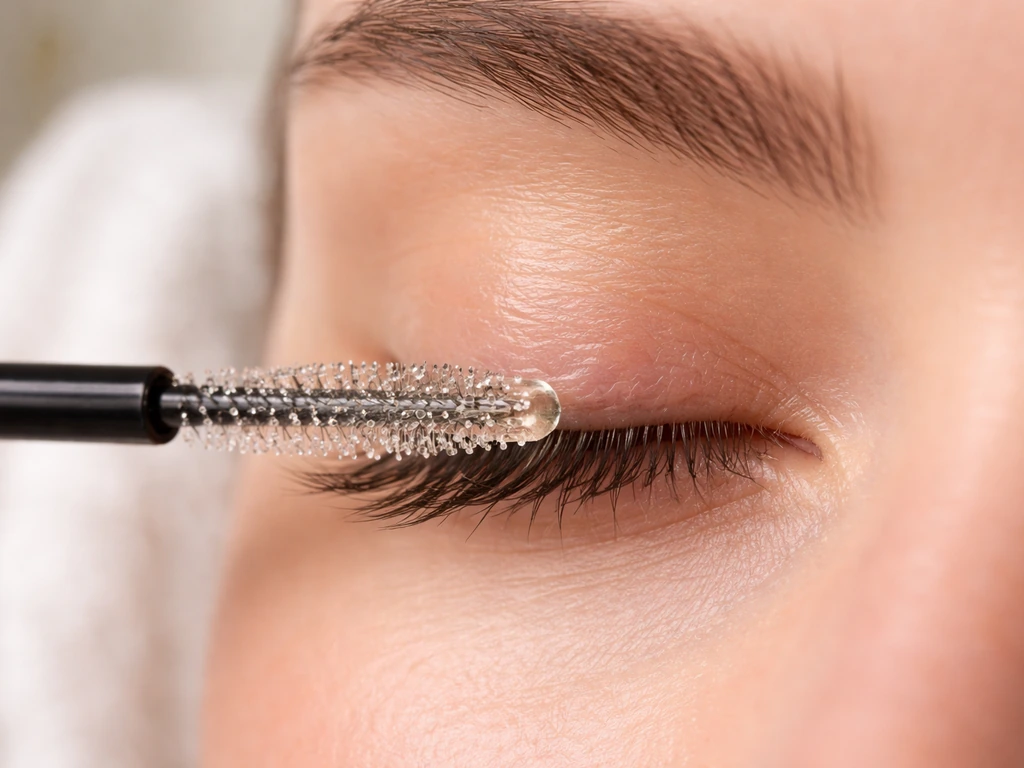
Castor oil is one of the most popular at-home lash remedies, and while it's not a proven lash-growth treatment (no clinical trials support it for regrowth specifically), it functions as a conditioning agent that can reduce lash brittleness and moisture loss, which may help existing lashes survive to full length rather than snapping off. The study context that exists involves periocular castor oil for eyelid conditions, not lash regrowth per se. Still, it's cheap, accessible, and low-risk when used carefully.
The right approach is to use 100% pure, cold-pressed castor oil and apply a very small amount to a clean spoolie or a cotton swab. Sweep it along the base of your upper lash line at night, after washing your face. Avoid getting oil into your eyes directly. The main real risk with castor oil is contact dermatitis: the ricinoleic acid component can cause allergic reactions in some people, particularly on sensitive eyelid skin. Do a patch test on your inner wrist first, and stop if you notice redness, swelling, or itching at the lash line. Start with every other night rather than daily if your skin is reactive.
Lash serums: consistency is everything
Whether you're using a prescription product or an OTC peptide serum, the application rules are similar. Apply once daily, at night, to clean, dry skin. Use the applicator wand or a clean liner brush along the upper lash line only, not on lower lashes or directly on the lash itself. Less is more: excess product migrates into the eye, causing irritation.
If your main goal is to make eyelashes grow upwards, focus on good application technique and patient, consistent use alongside stopping the pulling that keeps interrupting growth lashes only. Most serums tell you to apply to upper lashes only because application to lower lashes increases eye contact. Give it the full 12 to 16 weeks before deciding it's not working. Inconsistent use is the main reason people report seeing no results.
Daily habits that protect regrowth
- Remove eye makeup gently with a non-oil-based micellar water or a dedicated eye makeup remover: rubbing hard at the lash line is a mechanical trauma source
- Avoid eyelash curlers until your lashes are at a length where curling doesn't put mechanical stress on new, short growth
- Skip waterproof mascara during regrowth: it requires more aggressive removal and adds friction stress to fragile new lashes
- If you use mascara, apply from mid-lash to tip rather than from root, to avoid pulling on new growth at the follicle
- Sleep on a silk or satin pillowcase if you tend to rub your face during sleep
When to get professional help (and the red flags that mean act now)
There are two separate clinical lanes here: one is dermatology for your lash line and eyelid skin, and the other is mental health for the trichotillomania itself. You may need both, and neither is optional if things aren't improving.
See a dermatologist or ophthalmologist if you notice any of these
- Bare patches that haven't shown any new growth after 3 to 4 months of not pulling: this can indicate follicle scarring that needs professional assessment
- Persistent redness, crusting, or scaling along the eyelid margin: this points to blepharitis or a secondary infection that needs treatment before follicles can recover
- Swelling, pain, or a feeling of grit in the eye: signs of active inflammation or possible follicle infection
- Thickened, hardened skin at the lash line where you've repeatedly pulled: this may be scar tissue that a dermatologist needs to evaluate
- Any pigmentation changes, unusual growth, or a persistent sore at the lid margin that doesn't resolve: while rare, chronic eyelid irritation warrants ruling out other diagnoses
A dermatologist can assess whether follicles are scarred closed or simply dormant, evaluate for blank" rel="noopener noreferrer">secondary blepharitis or skin infection, and discuss prescription bimatoprost if appropriate. If your lash direction change feels related to growth patterns (for example, why do my eyelashes grow towards my nose), it can be a separate factor to discuss along with follicle recovery. Ophthalmologists can assess anterior segment involvement if you have eye-surface symptoms.
See a mental health professional for the trichotillomania itself
Trichotillomania is a body-focused repetitive behavior (BFRB) disorder, and the physical strategies in this guide will only take you so far without addressing the underlying compulsion. Cognitive behavioral therapy with habit reversal training is the first-line treatment supported by multiple meta-analyses and systematic reviews. A therapist trained in BFRBs can help you identify your specific triggers (tactile, emotional, situational), develop personalized competing responses, and build a behavioral plan that goes well beyond the surface-level tips in any article.
When therapy alone isn't sufficient, psychiatrists and physicians may add pharmacologic options. Mayo Clinic and the MSD Manual list several medication approaches including clomipramine, SSRIs, and glutamate modulators like N-acetylcysteine (NAC), with NAC showing some promising RCT evidence specifically for trichotillomania symptom reduction. These are clinical decisions, not something to self-prescribe, but worth knowing they exist if behavioral therapy alone hasn't moved the needle.
If you're looking for a starting point today: search specifically for a therapist with experience in BFRBs or OCD-spectrum disorders, as not all CBT therapists are trained in HRT. The TLC Foundation for Body-Focused Repetitive Behaviors maintains a therapist directory that filters for BFRB experience. Getting that referral in motion now runs parallel to the physical regrowth work, and both timelines improve faster when they move together.
Your starting plan for today
You don't need to do everything at once. Start with three things: identify one or two physical barriers to pulling (a spoolie on your nightstand, gloves during high-risk times, short nails), begin applying a gentle conditioning agent like plain castor oil or a peptide-based OTC serum to your lash line nightly, and look up one BFRB-trained therapist today even if you don't book immediately. The lash growth itself is slow by biology, not by failure.
Protecting the follicles you have, keeping inflammation down, and reducing pulling frequency are the levers that actually move the timeline forward. If you are specifically trying to get eyelashes to grow straight, focus on protecting the follicles from further trauma and using a consistent regrowth plan over several months.
FAQ
If I stop pulling now, will every lash grow back evenly, or are some spots likely to stay thin longer?
Not every segment responds the same way. Lashes that were repeatedly traumatized for years are more likely to regrow more slowly or look patchy because inflammation can lead to scar-like closure of follicle openings. If one portion of the lash line stays bare after 3 to 6 months of no pulling, it is worth asking a dermatologist to check for scarring or secondary eyelid irritation.
How can I tell the difference between “my lashes are growing back but misdirected” versus true lash loss?
When follicles are still active, you may see short, broken, or angled hairs that gradually become more uniform. True follicle shut-down tends to look like a flat bare band without any emerging stubble. A careful monthly look with the same lighting and a quick phone photo can help you track whether hairs are emerging at the base versus only shifting direction.
Is it ever okay to use lash serums while I’m still pulling sometimes?
Serums can condition lashes and support follicle cycling, but they cannot overcome ongoing mechanical trauma. If pulling is still happening, use products as a supporting layer, not the main solution, and prioritize barriers and habit reversal steps to reduce frequency and force. The most useful rule of thumb is to judge any growth product only after consistent non-pulling for at least 12 to 16 weeks.
Why do my lashes look worse right after I stop pulling, and how long does that “catch-up” period last?
Right after stopping, existing lashes may still shed or break, and the lash line may look uneven before new hairs become visible. New emergence usually starts within about 4 to 8 weeks per lash, but the visible fullness of the entire lash line typically takes several months. If you see no improvement by the 3 month mark, reassess pulling triggers and application consistency rather than assuming the product is failing.
Can I damage my eyes if a growth serum migrates into them?
Yes, eye irritation can happen if too much product is used or if it gets into the eye surface. Apply once nightly to the upper lash line only, use less product than you think, and avoid placing it on the lower lashes or directly on the lash shaft. If you develop persistent burning, redness, or swelling, stop and get an ophthalmology or dermatology opinion.
Are over-the-counter prostaglandin analog serums safe alternatives to prescription bimatoprost for someone with trichotillomania?
They may carry similar risks as prescription prostaglandin analogs, including eyelid skin irritation and the potential for periorbital fat atrophy, and some ingredients have been restricted in certain markets. If you want a prostaglandin-like approach, it is safer to discuss it with a clinician who can confirm your risk factors and monitor you, especially if you already have bare patches or sensitive eyelid skin.
If biotin is marketed everywhere, should I still take it to speed up eyelash regrowth?
If you are not truly biotin deficient, supplementing is unlikely to speed eyelash regrowth in a meaningful way. High-dose biotin can also interfere with some lab tests, including thyroid and cardiac markers, which can complicate medical care. If you want to try it, talk with your clinician and consider checking levels first, especially if you take other supplements or plan lab work.
How do I use castor oil without causing irritation or allergic contact dermatitis?
Use a very small amount on a clean applicator and keep it on the upper lash line base, not in the eye. Patch test first (inner wrist is a common spot), start every other night if your eyelid skin is sensitive, and stop immediately if you notice itching, redness, or swelling. Never apply more than necessary, because excess increases the chance of contact with the eye.
What “non-pulling” barrier strategies actually work day to day for trichotillomania?
The most effective barriers are the ones tailored to your high-risk moments, for example gloves or textured protective coverings during times you typically pick, short nails to reduce trauma, and keeping tools like a spoolie or moisturizer visible while the pulling triggers are less accessible. Pair barriers with habit reversal, meaning you do a competing response as soon as you notice the urge, not after you already started pulling.
When should I involve a specialist, and which one first, dermatologist or ophthalmologist?
If the main concern is eyelid skin, lash line scarring, blepharitis, or deciding whether prescription bimatoprost is appropriate, start with a dermatologist. If you have symptoms involving the eye surface, such as persistent irritation, dryness, or pain, an ophthalmologist is important. If trichotillomania is active, parallel mental health treatment should start as well because regrowth depends heavily on stopping the behavior.
Could pulling upward versus inward (or growing direction changes) affect my regrowth timeline?
It can, because growth direction changes can be related to follicle cycling patterns and also make lashes appear “missing” even when hairs are emerging in an odd orientation. If your lashes angle upward, toward the nose, or off-pattern, take it as a cue to protect the follicle and discuss growth direction and application technique with a clinician, rather than assuming the follicle is dead.
Next Article
Why Do My Eyelashes Grow Above the Lash Line? Causes
Explore why lashes grow above the lash line, from misdirection to damage, plus safe steps for calmer, healthier regrowth