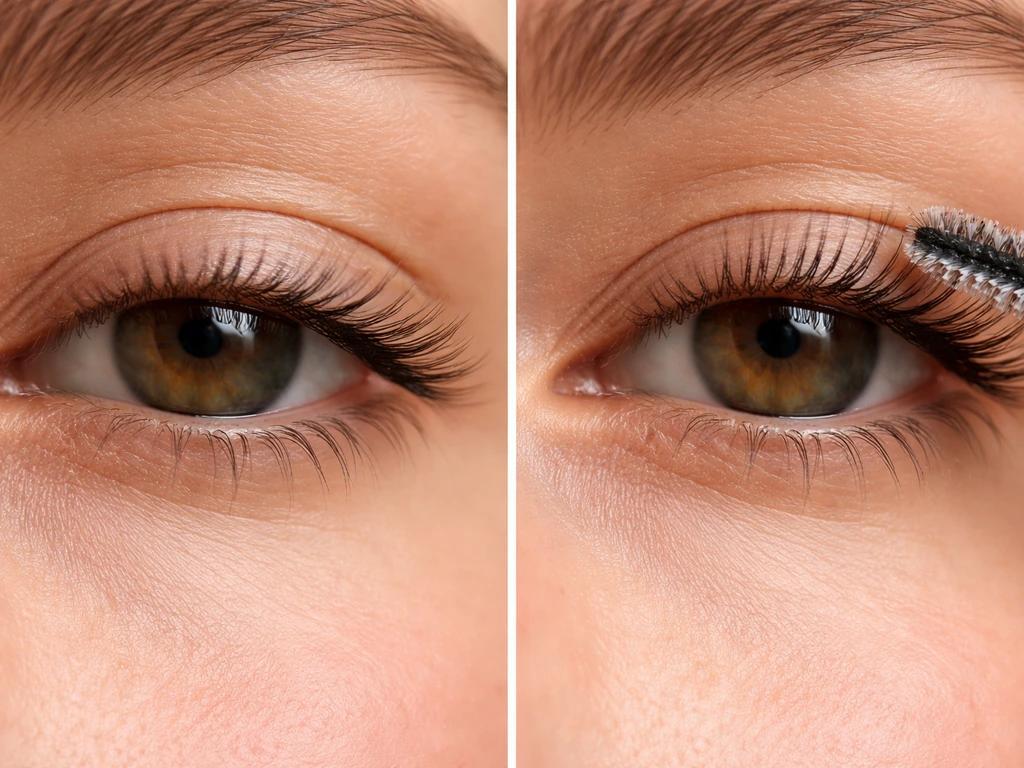
Eyelashes growing toward your nose are almost always being pulled or redirected by something physical: chronic rubbing, eyelid inflammation like blepharitis, scarring from lash extensions or adhesives, or simply misdirected regrowth after damage. In rarer cases, the follicle itself is growing in the wrong direction, which is a clinical condition called trichiasis. Most of the time, once you identify and stop the trigger, lashes can correct themselves over one full growth cycle (roughly 4 to 16 weeks), but a few scenarios genuinely need an eye doctor rather than a home fix.
Why Do My Eyelashes Grow Toward My Nose? Causes and Fixes

Rachel Nguyen
27 May 2026
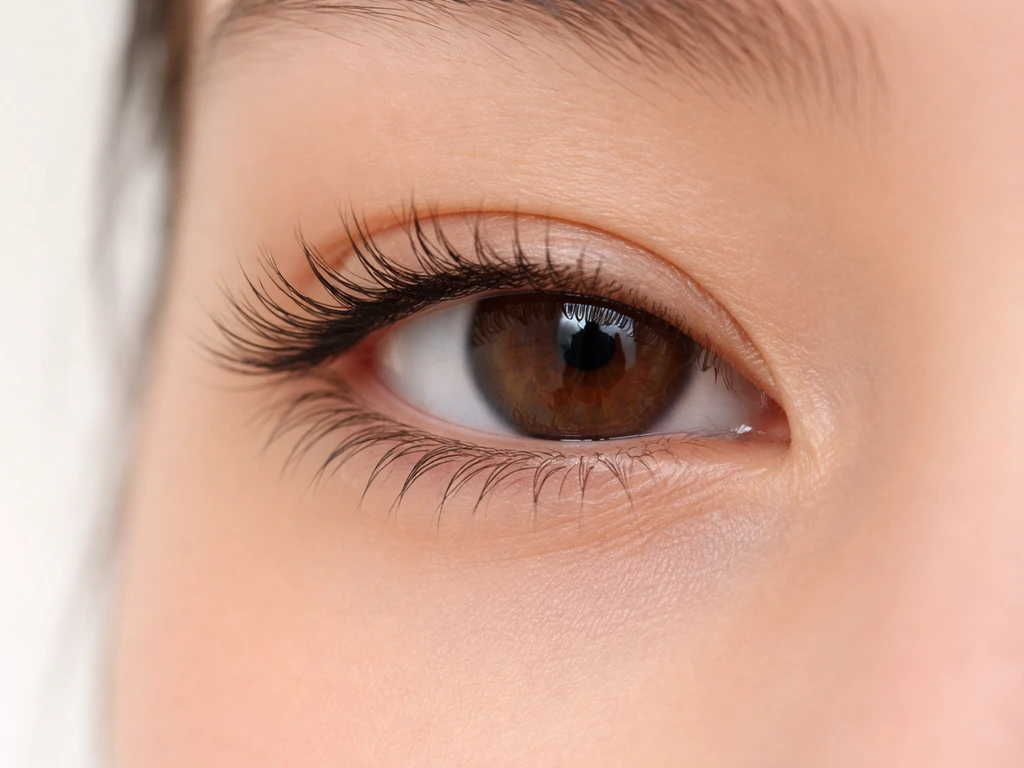
How lash direction normally works
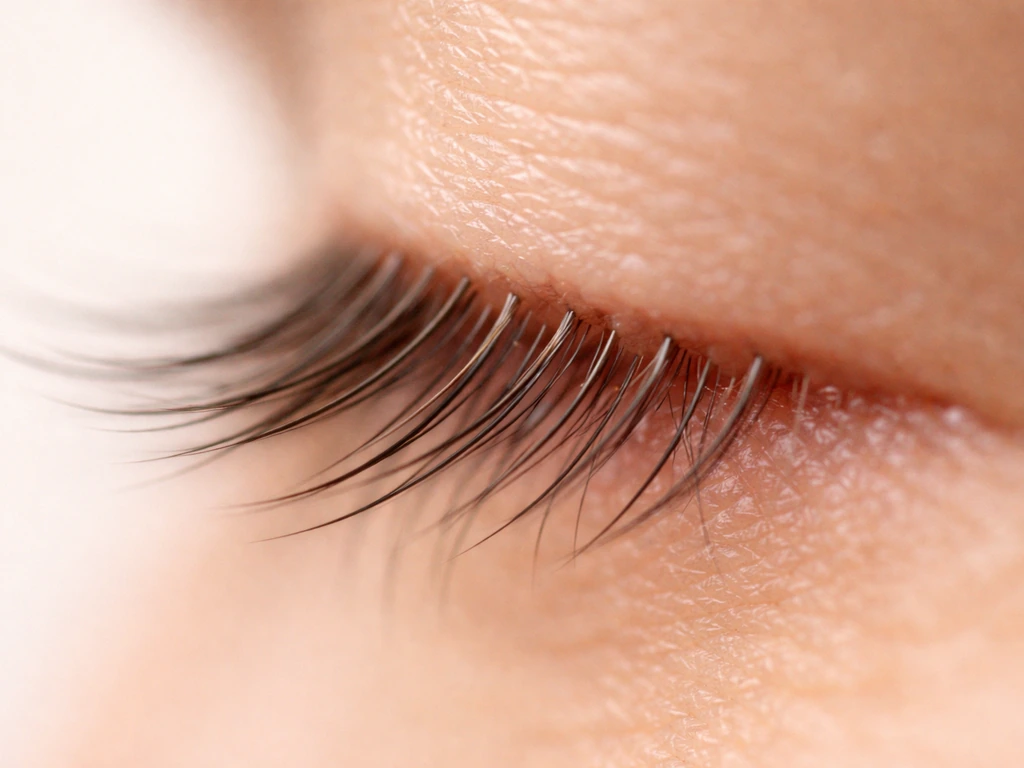
Each eyelash grows out of a follicle embedded in the eyelid margin. The follicle, with its dermal papilla and hair matrix bulb, determines the angle at which the lash shaft exits the skin. On healthy lids, follicles are angled so that lashes point slightly outward and away from the eye, forming a gentle curve that fans away from the cornea. The lashes run along the full lash line except for a small stretch near the inner corner (the lacrimal part of the lid margin), which is naturally lash-free. When everything is working normally, the lash tip never makes contact with the eyeball.
Direction is not just about the follicle angle, though. The eyelid margin itself acts as a structural guide. If the lid margin changes shape due to inflammation, scarring, or age-related lid laxity, the physical path the lash takes as it emerges shifts too. That's why conditions affecting the lid, not just the hair follicle, can send lashes in the wrong direction.
Common reasons lashes curve or grow toward the nose
The most frequent culprit is chronic low-grade inflammation of the eyelid margin, specifically blepharitis. Blepharitis inflames the eyelid borders, gradually distorting the tissue around follicles. Over time, that tissue changes the angle at which lashes emerge. You'll usually also notice redness, burning, crusting along the lash line, and a gritty foreign-body sensation. It's genuinely one of the more underdiagnosed reasons people notice their lashes behaving strangely.
- Blepharitis and meibomian gland dysfunction: Chronic eyelid margin inflammation distorts follicle orientation and is one of the most common drivers of misdirected lash growth.
- Chronic rubbing: Repeatedly pressing and dragging across the lash line physically bends lashes toward the nose and can gradually remodel the follicle angle over time.
- Lash extension damage: Adhesives, improper removal, and the weight of extensions can traumatize follicles and cause regrowth at an abnormal angle.
- Over-plucking or over-trimming: Repeated mechanical trauma to the lash base changes how the follicle regrows, sometimes at a flatter or inward angle.
- Cosmetic irritation: Certain lash glues, waterproof mascaras, and poorly formulated serums irritate or scar the lid margin, redirecting new lash growth.
- Scarring from injury or surgery: Posttraumatic or postsurgical eyelid changes can misdirect lashes even when the overall eyelid position looks normal.
- Epiblepharon: A condition where a fold of redundant skin near the lid pushes lashes to point vertically or inward rather than outward, more common in children.
It's also worth noting that lashes naturally grow at a slightly different angle at the inner (nasal) corner of the eye compared to the outer corner. If you're only noticing the inward lean on the inner few lashes, that can simply be normal anatomy rather than a problem at all.
When it's a sign of an eyelid or eye problem
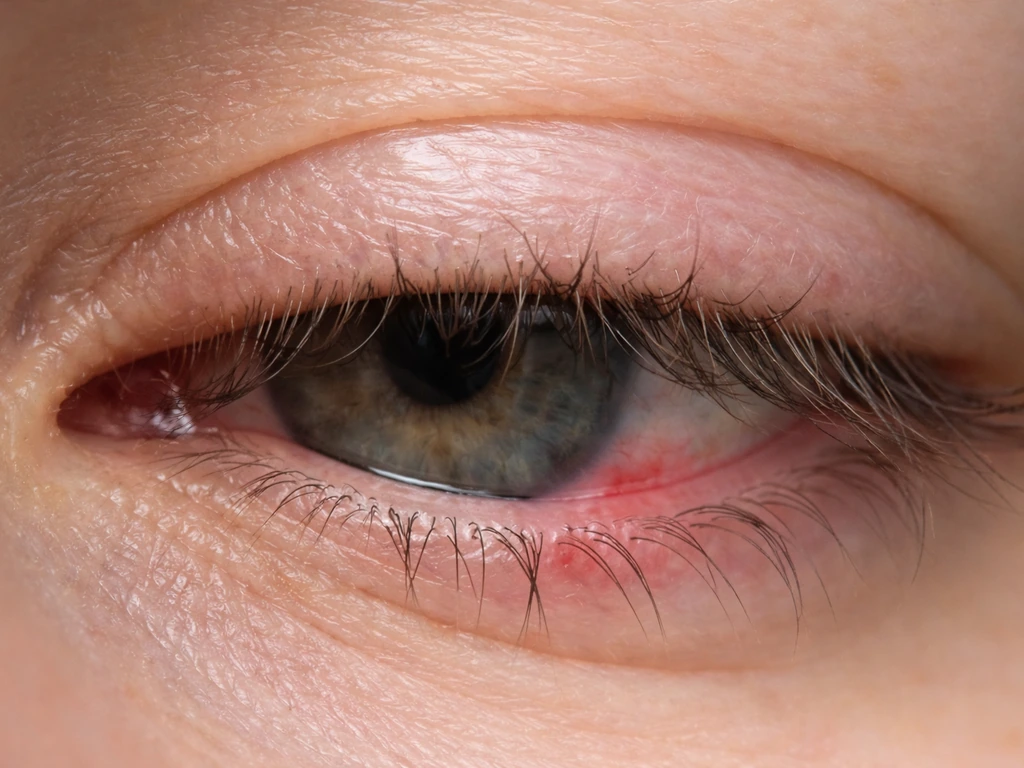
Trichiasis is the clinical term for misdirected lashes that grow toward the globe, rubbing against the conjunctiva or cornea with every blink. What separates trichiasis from general lash direction issues is that in true trichiasis, the lash is continuously scraping the eye surface, and that creates real risk: corneal abrasions, ulcers, and potentially vision-threatening infection if left untreated. The eyelid itself sits in a normal position, which is the key difference from entropion, where the actual lid margin turns inward and sends normal lashes into the eye.
The red flags that mean you should see an ophthalmologist rather than try to manage this at home are fairly specific. Stop self-treating and book an appointment if you notice:
- Persistent eye pain or a feeling that something is constantly scratching your eye
- Light sensitivity (photophobia) that doesn't go away
- Excessive tearing not explained by allergies or dry air
- Visible redness on the white of the eye that doesn't clear up
- Blurred vision at any point
- A visible lash or lashes that are clearly touching the eyeball surface
- A lash growing from an unusual spot, like a second row (this is distichiasis, a separate condition)
These symptoms suggest the lash is already causing corneal damage. A corneal abrasion from a misdirected lash can produce a characteristic vertical-scratch pattern visible under examination. Ophthalmologists can detect these abrasions with a blank" rel="noopener noreferrer">biomicroscope and fluorescein staining, and they'll typically want to re-evaluate within 24 hours after treatment. This is not the situation for castor oil and patience. If you want lashes to grow upwards instead of turning inward, the key is addressing the underlying misdirection and irritation.
How to safely manage lashes day-to-day
If your lashes are angling toward your nose but you're not having the red-flag symptoms above, the immediate priority is reducing any ongoing irritation so the lid margin can settle and regrowth can happen without new trauma. Here's what to actually do right now:
- Stop whatever is irritating the lid: If you're currently using lash extensions, lash glue, or a serum that stings, stop using it. Continued exposure to an irritant will keep inflaming the follicle environment.
- Clean your lash line twice daily: Use warm water and a diluted baby shampoo (roughly 2 to 3 drops in half a cup of warm water) or a commercially available eyelid wipe. Wet a clean cotton pad or cloth and gently wipe along the lid margin at the base of the lashes. This is the clinical recommendation for blepharitis management and it removes crust, biofilm, and debris that keep inflammation active.
- Apply a warm compress first: Before cleaning, press a clean warm damp cloth over closed eyelids for 5 to 10 minutes. This softens debris, dilates the meibomian glands, and makes cleaning more effective.
- Use a clean spoolie to gently reposition lashes: After cleaning, a dry, clean spoolie brush can nudge lashes back toward their natural outward curve. Don't force anything, but consistent gentle training helps cosmetically while you address the root cause.
- Avoid rubbing your eyes: This is the hardest habit to break and also one of the biggest mechanical contributors to misdirected growth. If dryness or itching is driving the rubbing, address that with lubricating eye drops.
- Skip mascara and lash products temporarily: Give the lid margin 2 to 4 weeks clear of product while you're actively treating inflammation.
Home and at-home strategies to improve lash alignment and health
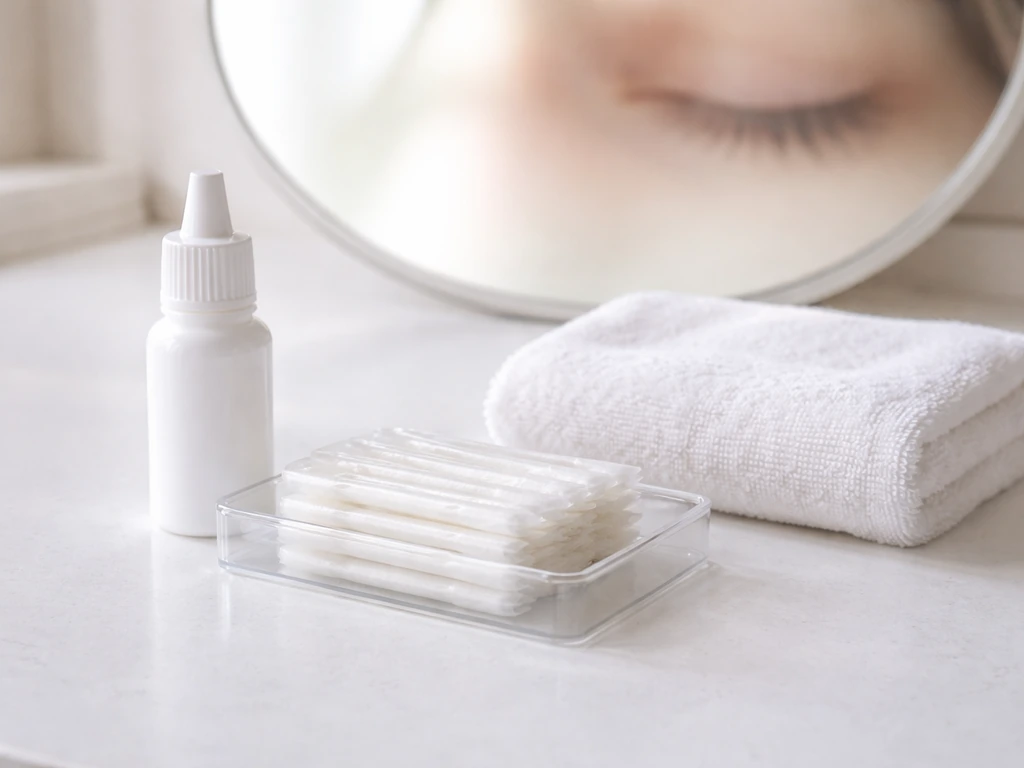
Eyelid hygiene is genuinely the most evidence-backed at-home intervention you can do, and it does double duty: it reduces the inflammation that misdirects lashes and creates the healthiest possible follicle environment for regrowth. The warm compress plus lid scrub routine, done consistently twice a day, is the cornerstone of blepharitis treatment in clinical practice.
Beyond hygiene, there's the question of lash growth support. Castor oil is by far the most popular home remedy, and it has real conditioning benefits for the lash shaft. It makes existing lashes appear thicker, reduces breakage, and keeps the lash line moisturized. That said, there's no strong clinical evidence that castor oil actually stimulates new follicle growth or corrects lash direction. It's worth using as a supportive measure, not as the core treatment. Apply a very small amount to a clean spoolie or cotton swab along the upper lash line at night and wipe off any excess before it migrates toward the eye.
Lash growth serums are a more loaded topic here. Eyelash growth after trichotillomania often improves when you stop pulling and focus on eyelid hygiene and preventing further irritation. Over-the-counter serums that contain peptide complexes or biotin can support lash health moderately, but they are not going to redirect a misdirected follicle. Serums containing prostaglandin analogs like isopropyl cloprostenate do produce measurable lash changes, but they carry real risk: lid pigmentation changes, eye irritation, and potential for making things worse if applied incorrectly near an already-irritated lash line. If you want to try a serum, patch test first, follow the directions exactly, and keep product away from the eye itself.
Biotin supplements are widely marketed for lash and hair growth. The honest position: biotin helps correct lash thinning caused by biotin deficiency, which is relatively rare. If your diet is reasonably varied, extra biotin is unlikely to produce dramatic changes in lash direction or density. It won't hurt, but don't count on it as a primary fix.
Professional options and what to ask for
If home management isn't producing improvement after 8 to 12 weeks, or if you have any of the red-flag symptoms at any point, seeing an ophthalmologist or an oculoplastic specialist is the right call. Here's what professionals can actually offer:
| Treatment | What it does | Best for | Notes |
|---|---|---|---|
| Epilation (manual removal) | Removes the misdirected lash at the follicle | Isolated trichiasis with a few lashes involved | Lashes regrow in 4 to 6 weeks, so this is often repeated |
| Electrolysis / electrodesiccation | Destroys the follicle with an electric current to prevent regrowth | Recurrent or persistent misdirected lashes | More permanent but requires skill to avoid lid scarring |
| Laser ablation | Uses laser energy to destroy misdirected follicles | Multiple misdirected lashes, suitable follicle depth | High precision, good outcomes in experienced hands |
| Eyelid surgery (entropion repair or margin revision) | Corrects lid margin position or scarring causing misdirection | Entropion, significant scarring, or epiblepharon | Reserved for structural problems, not cosmetic direction issues |
| Topical antibiotic or steroid ointment | Reduces infection and inflammation at the lid margin | Blepharitis not responding to hygiene alone | Typically short-term, prescribed by a clinician |
When you see a specialist, ask specifically: are these lashes touching my cornea, and do I have any corneal abrasion? Ask whether the misdirection is coming from the follicle angle itself (true trichiasis) or from lid margin inflammation or structural changes. That distinction shapes the treatment path significantly. If the issue is blepharitis-driven, treating the underlying condition is the priority. If it's true follicular misdirection, epilation or follicle destruction is the practical fix.
For readers specifically dealing with lash alignment issues connected to extension damage or regrowth patterns, the related questions of how to get lashes to grow straight and how to make eyelashes grow upwards touch on overlapping territory worth exploring, since the mechanical and follicle-level principles are similar.
Growth timeline, recovery, and when to seek help
A full eyelash growth cycle runs roughly 4 to 16 weeks depending on the individual, with the active growth phase (anagen) lasting around 30 to 45 days. Practically, this means that if you remove the irritant today, you won't see fully healthy regrowth for at least 6 to 12 weeks. Here's a realistic week-by-week framework:
| Timeframe | What you're doing | What to expect |
|---|---|---|
| Weeks 1 to 2 | Stop irritant, start twice-daily lid hygiene routine, warm compresses, no lash products | Redness and irritation should start decreasing; existing lash direction unchanged |
| Weeks 3 to 4 | Continue hygiene; add castor oil at night if desired; use spoolie gently daily | Lash line debris clearing; some shorter new lashes may start appearing |
| Weeks 6 to 8 | Maintain routine; cautiously reintroduce minimal eye makeup if no irritation | New growth visible; assess whether direction is improving with reduced inflammation |
| Weeks 10 to 12 | Evaluate overall improvement honestly | If underlying blepharitis is controlled, lash direction often improves significantly; if not, book a professional evaluation |
| Beyond 12 weeks with no improvement | See an ophthalmologist | Persistent misdirection despite resolved inflammation suggests follicular trichiasis needing clinical correction |
Signs that things are improving: reduced eyelid redness and crusting, less eye irritation, new lash growth with a more outward-angled curve, and no sensation of scratching. Signs that warrant immediate medical attention rather than waiting out the timeline: any eye pain, photophobia, tearing, visible lash on the cornea, or blurred vision. Typical corneal abrasion symptoms can include tearing and sensitivity to light (photophobia), so those signs should not be ignored. These mean the lash is already causing damage and waiting is genuinely risky.
The realistic takeaway is that most people whose lashes are drifting toward the nose due to inflammation, extensions, or rubbing will see meaningful improvement within 8 to 12 weeks of consistent lid hygiene and removing the trigger. If the problem started after significant eyelid trauma, surgery, or has always been present (suggesting epiblepharon or another structural cause), professional evaluation rather than waiting is the smarter first move.
FAQ
How can I tell if my inward-leaning lashes are normal at the inner corner (nasal side) versus a true problem?
If the inner corner lashes are the only ones leaning inward and they are not causing burning, redness, or a “scratch” sensation, it can be normal anatomy. Measure progress by watching for reduced irritation and less inward lean over one growth cycle, rather than expecting instant realignment.
What should I stop doing right away if my lashes are turning toward my nose?
Stop mascara, lash curlers, and any lash glue or extension adhesives until the irritation settles. Even small amounts of glue residue can keep the lid margin inflamed, which delays correction for the next regrowth cycle (about 4 to 16 weeks).
How do I do eyelid hygiene correctly if my lashes point toward my nose without irritating my eyes more?
Use warm compresses and lid scrubs gently, do not over-scrub, and avoid getting oils or serums into the eye. The goal is calming blepharitis-related lid margin inflammation, because ongoing rubbing during cleaning can worsen misdirection.
Will castor oil fix the direction of misdirected lashes, or is it mainly cosmetic?
Castor oil may make lashes look fuller by conditioning the lash shaft and reducing breakage, but it will not correct a misdirected follicle. If you use it, apply a tiny amount to a clean tool at night and remove excess so it does not migrate toward the eye.
Are lash growth serums safe to try when my lashes are rubbing toward my nose?
Yes, prostaglandin-analog lash serums can change lash characteristics, but they also raise the risk of eyelid and eye irritation. If you already have an irritated lid margin, starting a medicated serum can make symptoms worse, so consider avoiding them and ask an ophthalmologist first.
When should I stop home treatment and go to an eye doctor immediately?
If lashes are contacting the cornea or you have any pain, light sensitivity, tearing, blurred vision, or a visible scratchy sensation with blinking, do not wait. Those symptoms suggest corneal involvement, and you need an exam soon rather than trying more home remedies.
Does extension damage usually correct on its own, and how long should I wait before seeing a specialist?
If the misdirection began after extensions, adhesives, or significant lash pulling, it may be more about regrowth pattern and lid irritation than a permanent follicle angle. That said, persistent inward misdirection beyond an 8 to 12 week hygiene-focused window still warrants professional evaluation.
Could using an eyelash curler make lashes grow toward my nose or delay improvement?
Be careful with eyelash curlers, especially if lashes are already rubbing. Mechanical pressing can increase contact with the eye surface and prolong inflammation, so switch to avoiding curling until symptoms improve.
What’s the safest way to test a lash serum or oil if my eyelids are already inflamed?
Patch testing matters for any topical product used on the lash line, especially if you have blepharitis or sensitive skin. Apply a small amount to a limited area away from the eye edge first, watch for redness or worsening irritation, and stop if it flares.
If I take biotin, will it change how my lashes grow toward my nose?
Dietary biotin helps mainly when someone is truly deficient, which is uncommon if your intake is balanced. Supplements are unlikely to redirect a follicle angle, so use them only as a general nutritional measure, not as a fix for misdirected lash growth.
What specific questions should I ask an ophthalmologist to get the right diagnosis and treatment?
If you see a specialist, ask them to confirm whether lashes are actually touching the cornea and whether there is any abrasion, and ask if the cause looks follicular (trichiasis) or lid-margin related (often blepharitis or scarring). The treatment differs, for example epilation or follicle destruction for persistent follicular misdirection.
Next Article
How to Make Eyelashes Grow Upwards: Safe Steps That Work
Steps to encourage upward eyelash growth, from gentle grooming to longer-term regrowth, timelines, and safety tips.