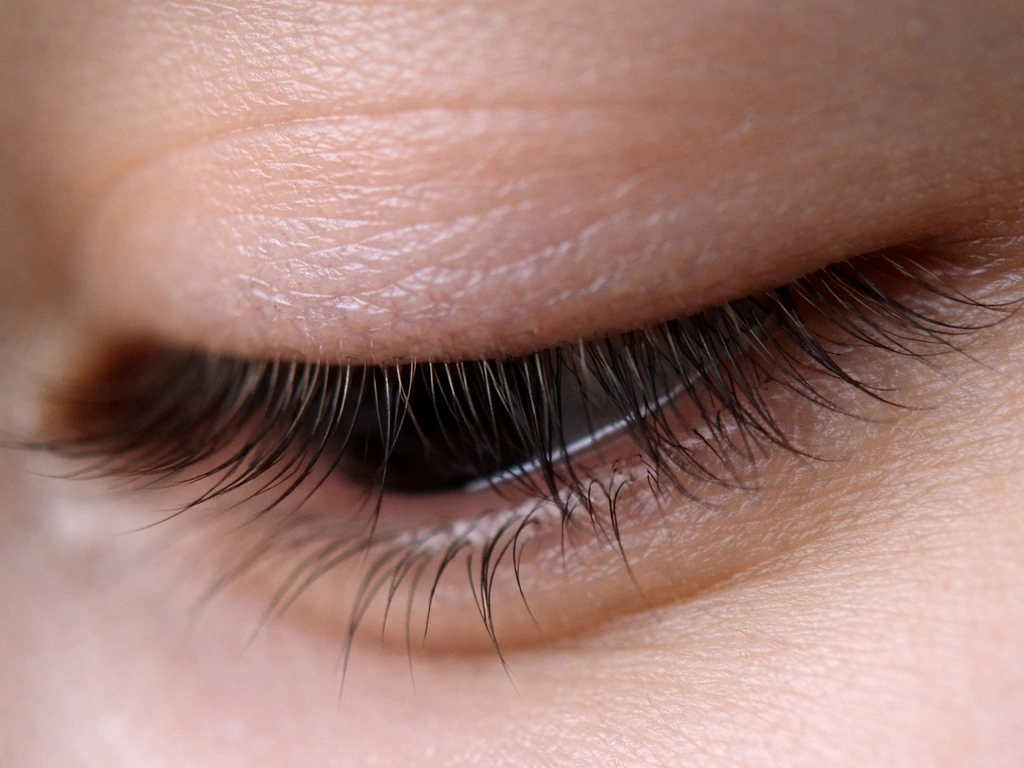
Eyelashes grow from tiny hair follicles embedded in the eyelid margin, the very edge of your upper and lower eyelids. These follicles sit just in front of the meibomian glands (the oil-secreting glands inside your lid), anchored in the firm connective tissue called the tarsus. The eyelid contains meibomian glands within the tarsus, arranged in a row parallel to the lid margin, posterior to the lash line, and eyelash follicles with associated glands of Zeis and Moll meibomian glands within the tarsus and eyelash follicles with glands of Zeis and Moll. That precise location, right at the skin-to-conjunctiva transition zone of your eyelid, determines everything: how fast lashes regrow, why damage there is so disruptive, and what products can actually reach the follicle to make a difference.
Where Do Eyelashes Grow From? Lash Follicle Origin & Fixes

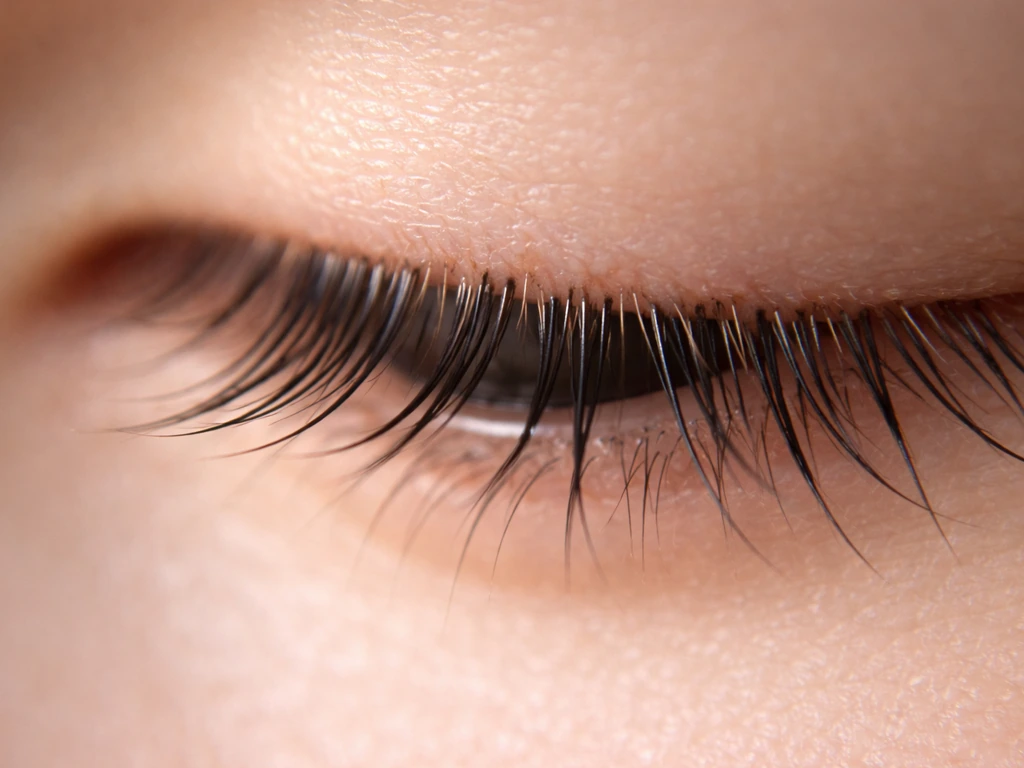
Exactly where eyelashes come from: the lash line anatomy
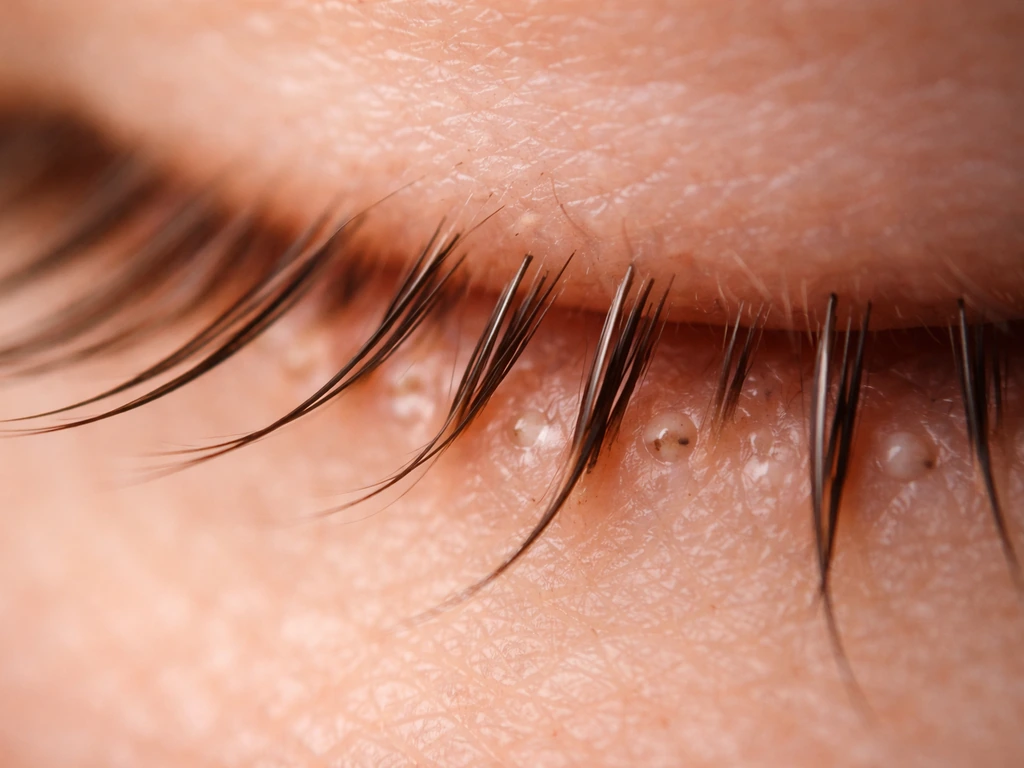
The lash line isn't just a cosmetic landmark. It's a precise anatomical boundary called the eyelid margin, and it contains a lot of structure in a very small space. Your eyelash follicles are positioned along this margin in front of the meibomian gland openings, which themselves lie just anterior to the mucocutaneous junction (MCJ), the point where the keratinized skin of your outer eyelid meets the non-keratinized conjunctival tissue on the inner surface. Each follicle sits embedded in the tarsal tissue, anchored deep enough that you can't see or feel the actual root.
Each lash follicle also has two small accessory glands attached to it: the glands of Zeis (sebaceous, producing oil directly into the follicle) and the glands of Moll (modified sweat glands). These keep the follicle environment lubricated and healthy. When that microenvironment gets disrupted, whether from inflammation, clogged meibomian glands, or chronic irritation, it directly affects the quality of what grows out of the follicle.
In practical terms: your lashes grow from a strip of tissue roughly 1 to 2 mm wide at the very edge of your lid. That's it. No product applied to your cheek or brow area is getting anywhere near these follicles. The entire surface area you're working with when trying to influence lash growth is the lash line itself.
How eyelashes actually grow: the three-phase cycle
Every eyelash goes through a predictable cycle, and understanding it will save you a lot of anxiety about shedding. The three phases are anagen (active growth), catagen (transition), and telogen (rest and shed). Each lash is independently cycling, which is why you don't lose all your lashes at once.
| Phase | What's happening | Duration |
|---|---|---|
| Anagen (growth) | The follicle is actively producing a new lash shaft; the lash gets longer | 4 to 10 weeks |
| Catagen (transition) | Growth stops; the lash becomes a 'club hair' that detaches from the dermal papilla | About 15 days |
| Telogen (rest/shed) | The old lash is held in the follicle while a new one begins forming underneath, then sheds | 2 to 4 months |
The daily growth rate during anagen is roughly 0.12 to 0.16 mm per day, which sounds slow but adds up over the 4 to 10 week growth window. A full eyelash lifespan, from first emergence to natural shedding, runs somewhere between 4 and 11 months depending on the individual. This is why it takes several months to notice meaningful change, whether you're recovering from damage or using a growth serum.
One thing worth knowing: if you see a lash fall out and it has a white bulb at the root end, that's a telogen hair shedding naturally. That's normal. A lash that breaks off mid-shaft without a root bulb has been mechanically damaged, not naturally shed, and that's a different problem.
When lashes seem to grow from the wrong place
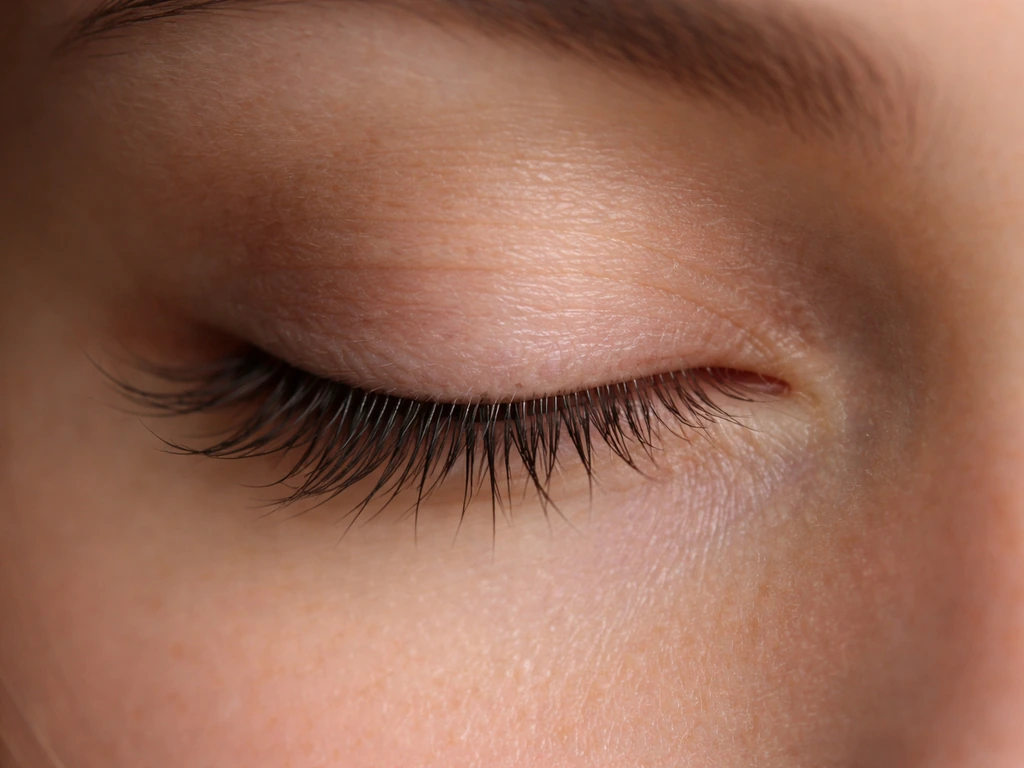
If you've ever noticed lashes that seem to emerge from an unusual position on your lid, or that grow inward toward the eye instead of outward, that's not your imagination. A condition called acquired distichiasis can cause lashes to develop from the meibomian gland openings themselves rather than the normal follicle row. A common crossword clue for this is the place where lashes grow place where lashes grow crossword clue. This happens when chronic inflammation or trauma causes those gland cells to undergo a type of tissue change (metaplasia), essentially converting a gland opening into a hair-producing follicle. The result is a lash in an abnormal location.
This is distinct from trichiasis, which is the term for lashes that grow inward from their normal position due to scarring or lid distortion. Both conditions can cause significant eye irritation because the lashes contact the cornea or conjunctiva. If you're dealing with lashes that consistently scratch your eye or appear to originate from the inner lid margin, that warrants an eye doctor visit, not a home remedy. There's more detail on related misdirection conditions like why lashes sometimes grow in the corner of the eye, or what it means when they grow inward, in related topics on this site. If you are wondering why eyelashes grow in the corner of the eye, the explanation usually comes back to where the follicles are positioned along the eyelid margin why lashes sometimes grow in the corner of the eye.
How damage actually affects your lash follicles
The follicle sits deep in tarsal tissue, which gives it some protection. But the lash line is also one of the most inflammation-prone areas on your face, and the follicles are not immune to cumulative damage.
Eyelash extensions
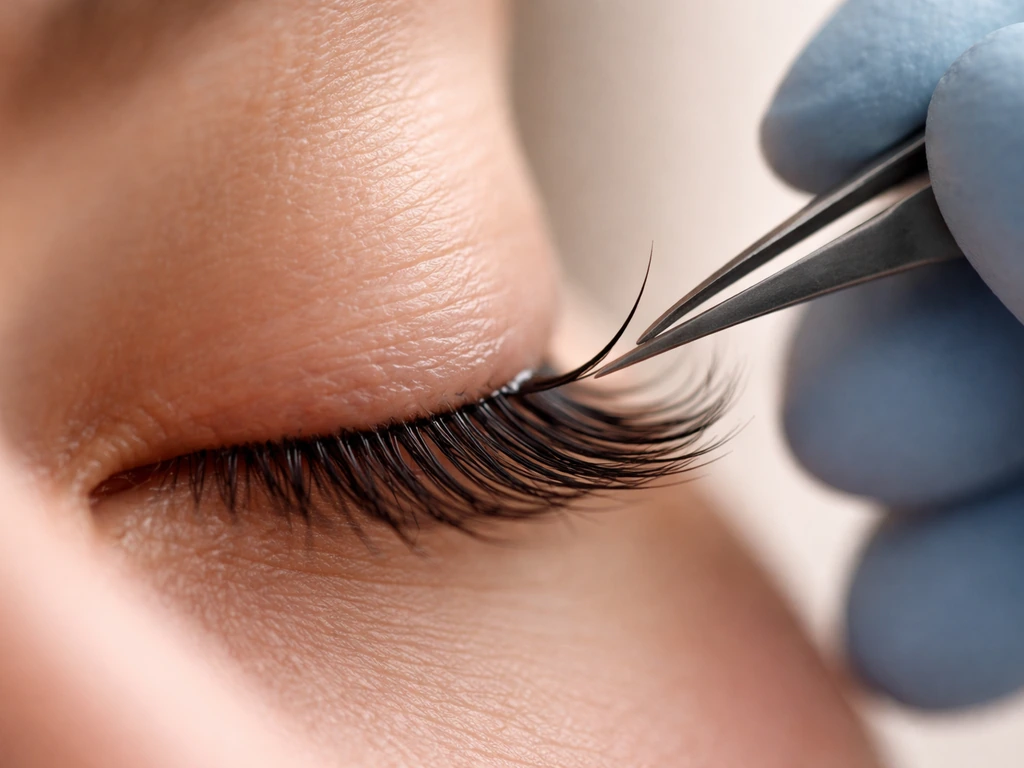
Extensions themselves don't directly damage follicles if applied correctly, but the adhesives do. Clinical data found that among patients developing complications from eyelash extensions, 64 developed keratoconjunctivitis from glue or removing agents, and 42 developed allergic blepharitis from glue components. The cyanoacrylate adhesive used in most extension glues releases formaldehyde as it dissolves during removal, which can cause chemical conjunctivitis and corneal epithelial defects. Allergic blepharitis, which showed up in roughly 79% of adverse event cases in one review, creates chronic lid-margin inflammation that directly disrupts the follicle microenvironment. Repeated cycles of extension application and removal essentially put your lash line through repeated low-grade inflammatory stress.
Rubbing and mechanical traction
Rubbing your eyes habitually or pulling at lashes (including rough mascara removal) causes traction alopecia at the lash line. This is the same mechanism that damages scalp follicles from tight hairstyles: repeated mechanical tension damages the dermal papilla, which is the structure at the base of the follicle that signals hair to grow. Once the dermal papilla is impaired, the follicle produces thinner, weaker lashes, and with severe or chronic traction, it can stop producing lashes entirely.
Blepharitis and meibomian gland dysfunction
Blepharitis is inflammation of the eyelid margin, and it comes in two forms: anterior blepharitis affects the skin and lash follicles directly, while posterior blepharitis affects the meibomian glands behind the lash line. Because the lash follicles and meibomian glands share the same narrow stretch of tissue, dysfunction in one affects the other. Meibomian gland dysfunction (MGD) disrupts the oil layer that protects both the ocular surface and the follicle environment. Left untreated, MGD can cause permanent gland damage. If your lids feel crusty, itchy, or oily, and your lashes are thinning, blepharitis is worth ruling out with a doctor before assuming a growth serum will fix things.
Autoimmune and systemic causes
Alopecia areata can cause sudden, patchy lash and eyebrow loss alongside scalp hair loss. It's an autoimmune condition, meaning the immune system is attacking the follicles. No topical oil or serum is going to reverse that. If your lash loss is sudden, patchy, and accompanied by loss elsewhere, see a dermatologist.
What to do right now to support regrowth safely
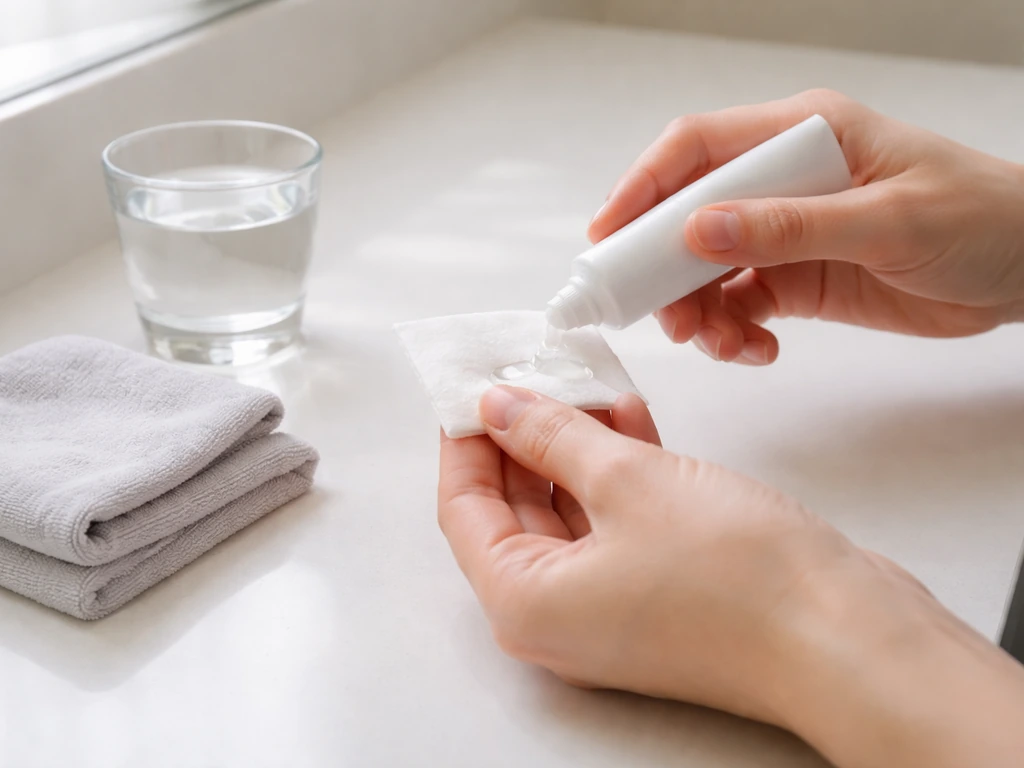
If your lashes are thinning, sparse after extensions, or recovering from irritation, here's a practical starting protocol. The goal is to reduce inflammation at the lash line, protect the follicle microenvironment, and stop any ongoing mechanical damage.
- Stop mechanical stress immediately. No rubbing, no lash curlers on fragile lashes, no waterproof mascara that requires hard removal. Use an oil-based makeup remover applied gently with a cotton pad and let it dissolve mascara rather than wiping.
- Clean your lash line daily. A diluted baby shampoo or a dedicated lid-hygiene product (like commercially available lid wipes) removes debris, bacteria, and dead skin that accumulate at follicle openings and contribute to anterior blepharitis.
- Apply a warm compress for 5 to 10 minutes nightly. This softens meibomian gland secretions, helps expressed oils reach the follicle base, and reduces the low-grade inflammation that slows lash regrowth.
- Don't reapply extensions until the lash line has fully recovered. That typically means waiting until you can see healthy new lash regrowth along the full lash line, not just sparse, fine baby lashes.
- Check your diet for deficiencies. Extreme calorie restriction and deficiencies in protein, iron, or zinc are all linked to hair loss across the body including lashes. A full blood panel is worth doing if you've had any dietary changes or stress alongside lash thinning.
- Give it at least 6 to 8 weeks before judging results. Because of the telogen phase length, you won't see visible density improvement in under two months even if the follicles are completely healthy and actively cycling.
Red flags that mean you should skip home care and see a doctor: persistent burning, swelling, or redness at the lash line; lashes growing visibly inward and scratching the eye; sudden patchy loss not tied to extension removal; or any vision changes. If you are wondering whether an eyelash can grow inside your eyelid, inward-growing lashes are usually linked to trichiasis or distichiasis rather than a true eyelash growing “inside” the lid lashes growing visibly inward and scratching the eye. These are not normal shedding patterns.
Serums and oils: what genuinely helps vs. what won't
There's a real difference between prescription-strength options and over-the-counter products, and being honest about that gap saves money and time.
What has strong clinical evidence
Bimatoprost 0.03% (sold as LATISSE) is the most evidence-backed option available. In a US phase 3 study of 278 participants, it produced significantly fuller, longer, and darker lashes by week 16 (about four months). If you mean whether can wild growth grow eyelashes, the research-backed option to look at is bimatoprost, since it directly targets the lash growth cycle fuller, longer, and darker lashes. It works by extending the anagen (active growth) phase of the lash cycle and increasing the number of follicles in that phase simultaneously. The most common side effects are eye itching, conjunctival redness, and skin darkening at the application site, each occurring at around 3 to 4% incidence. It requires a prescription, and if you stop using it, lashes gradually return to their pre-treatment state. It's applied along the upper lash line once nightly with the provided applicator.
What has moderate or preliminary evidence
Peptide-based over-the-counter lash serums have been studied in open clinical trials measuring outcomes like lash number, length, width, and volume. Some show real improvements, but the evidence base is thinner than for prostaglandin analogs like bimatoprost, and results vary more between products and individuals. If you're going the OTC route, look for serums with published ingredient data, not just marketing claims, and expect to wait at least 8 to 12 weeks for visible change.
Oils: castor, coconut, argan
Oils applied to the lash line don't directly stimulate follicle activity the way bimatoprost does, but they're not useless either. The main mechanism is conditioning: oils reduce mechanical breakage of the lash shaft, help maintain the moisture balance at the follicle opening, and in the case of castor oil specifically, its high ricinoleic acid content may have mild anti-inflammatory properties at the skin surface. The practical benefit is that lashes retained on the shaft appear fuller. Think of oils as a protective, breakage-reducing step rather than a growth accelerator.
Biotin: temper your expectations
Biotin supplementation for lash and hair growth is widely marketed but has weak supporting evidence for people without a biotin deficiency. The honest summary is that biotin supplementation is more likely to prevent further loss in someone who is genuinely deficient than to add visible density to lashes in someone with normal levels. If you're considering biotin, check your baseline levels before spending money on high-dose supplements.
| Option | Mechanism | Evidence level | Timeline to results | Notes |
|---|---|---|---|---|
| Bimatoprost (LATISSE) | Extends anagen phase, increases active follicles | Strong (phase 3 RCT) | ~16 weeks | Prescription only; effects reverse on discontinuation |
| Peptide-based OTC serums | May stimulate follicle activity and lash matrix proteins | Moderate (open trials) | 8 to 12 weeks | Quality and evidence vary by brand |
| Castor / conditioning oils | Reduces shaft breakage; mild anti-inflammatory surface effect | Low (anecdotal + indirect) | Ongoing use | Best as a protective step, not a growth driver |
| Biotin supplements | Supports keratin production if deficient | Weak for non-deficient users | Months | Only meaningful if you have confirmed deficiency |
| Lid hygiene + warm compresses | Reduces follicle inflammation, supports meibomian gland health | Moderate (standard clinical care) | 4 to 8 weeks | Foundational step; pairs with any other approach |
The bottom line on products: if your follicles are inflamed or mechanically stressed, no serum is going to work well until you address the underlying issue. Clean lash line, reduced inflammation, and zero mechanical trauma are the foundation. From there, a peptide serum is a reasonable OTC starting point, and bimatoprost is the option with the most reliable clinical evidence if you want prescription-level results. The growth biology starts at those tiny follicles embedded in your eyelid margin, which means anything that keeps that tissue healthy is genuinely moving the needle, and anything that doesn't reach that location isn't.
FAQ
Do eyelashes grow from the skin of the eyelid, or from deeper tissue?
They originate from follicles embedded in the tarsal connective tissue at the eyelid margin (the lash line area), not from the superficial skin. That depth is why products that only moisturize the outer skin often cannot directly change follicle activity.
Can eyelashes grow from the inner (conjunctival) side of the eyelid?
True “inside the eyelid” growth is uncommon and usually reflects misdirected lashes such as trichiasis or distichiasis, where lashes emerge from an abnormal structure or angle and can scrape the eye. If a lash consistently touches the eyeball or the discomfort is repeated, it is not a wait-and-see situation.
Why do my lashes seem to come in different directions?
Direction changes often happen when the lash line is irritated or the lid margin is distorted, which can lead to inward or irregular trajectories. Persistent scratching, watering, or light sensitivity can indicate trichiasis, and that typically needs evaluation rather than further serum use.
Is shed shedding always normal, even if I notice more than usual?
A white bulb at the root end generally points to telogen shedding (a normal cycle), but sudden patchy loss, especially after extensions or removal, suggests mechanical or inflammatory injury. If shedding is dramatic or occurs in distinct patches, get assessed to rule out conditions like blepharitis or alopecia areata.
How long should I wait before deciding a lash serum is not working?
Even when a serum targets the right biology, visible change usually takes 8 to 12 weeks or more because lashes cycle independently. If there is no improvement after that window and irritation is present, the bigger issue is likely ongoing inflammation or mechanical stress at the lid margin.
Can lash extensions cause permanent lash thinning?
Extensions can, if repeated cycles of glue exposure and removal trigger chronic lid-margin inflammation (and possibly allergic blepharitis), the follicle microenvironment can be disrupted long term. Also consider traction from rubbing or forceful removal, which can impair follicle signaling.
If I stop using bimatoprost, will my lashes stay improved?
Improvements gradually trend back toward the pre-treatment state when you stop. This is because the medication is extending the growth phase while you use it, so results are not usually permanent without ongoing treatment under medical guidance.
Are there times when I should not use lash growth products at all?
Yes. If you have burning, swelling, persistent redness at the lash line, new inward-growing lashes, or any vision changes, pause self-treatment and seek care. Growth products can sometimes worsen irritation when the underlying cause is active inflammation.
Do oils and castor oil actually regrow lashes?
They are more likely to help retain existing lashes by reducing breakage and improving surface conditioning, rather than switching follicles into an active growth state. If your main problem is follicle inflammation or gland dysfunction, oil alone is usually not enough.
Could eyelash loss be autoimmune or allergy related even if I look fine?
Yes. Alopecia areata can cause sudden, patchy lash loss and may occur alongside scalp hair loss, and allergic blepharitis can be driven by reactions to adhesives or products. When loss is abrupt or patchy, evaluation is more effective than trying multiple serums sequentially.
What is the best first step if my lash line feels itchy or crusty?
Treat it as possible blepharitis or meibomian gland dysfunction rather than assuming you just need more growth. A clinician can help identify whether the priority is reducing lid-margin inflammation, improving oil flow, and stopping mechanical irritation before adding serums.
Can Eyelashes Grow Into Your Eye? Causes and What to Do Now
Why lashes seem to grow inward, how to self-check safely, and when to see an eye doctor for relief.