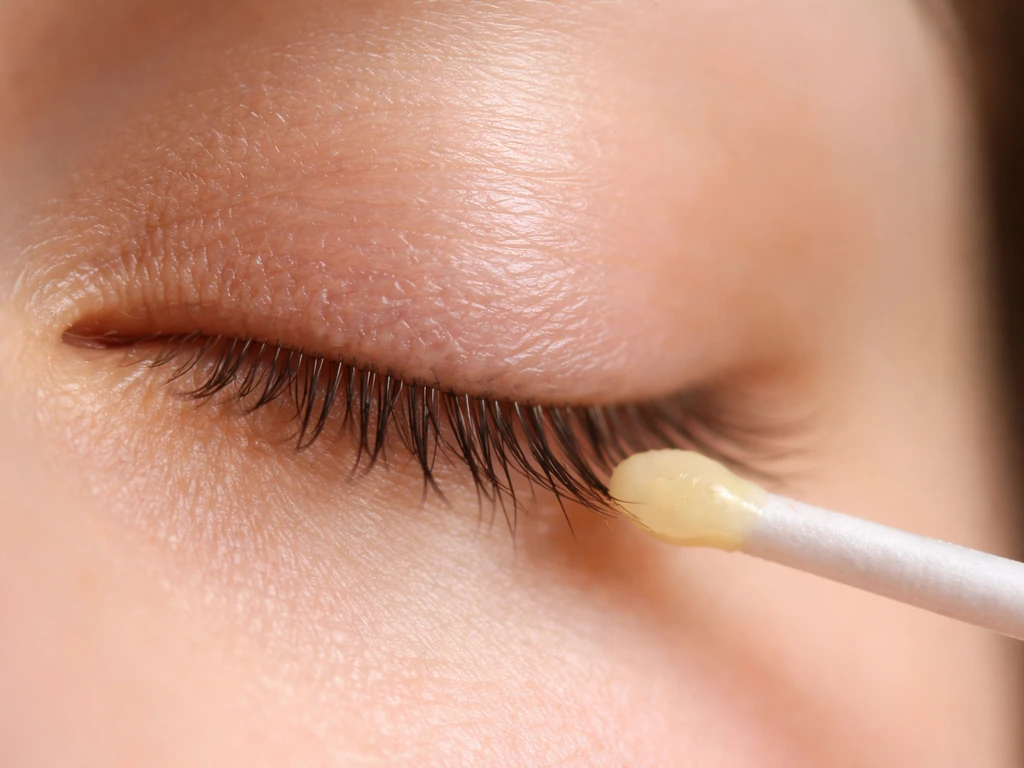
Cuticle oil is not going to grow your eyelashes. It can condition the lash hairs you already have and keep the skin along your lash line moisturized, but nothing in a standard cuticle oil formula has been shown to stimulate the follicles responsible for actual lash growth. If longer, thicker lashes are your goal, especially after damage from extensions or rubbing, you need something that works at the follicle level, and most cuticle oils simply don't.
Can Cuticle Oil Grow Your Eyelashes? Evidence-Based Answer
Rachel Nguyen
10 Jun 2026
What 'growing' your lashes actually means
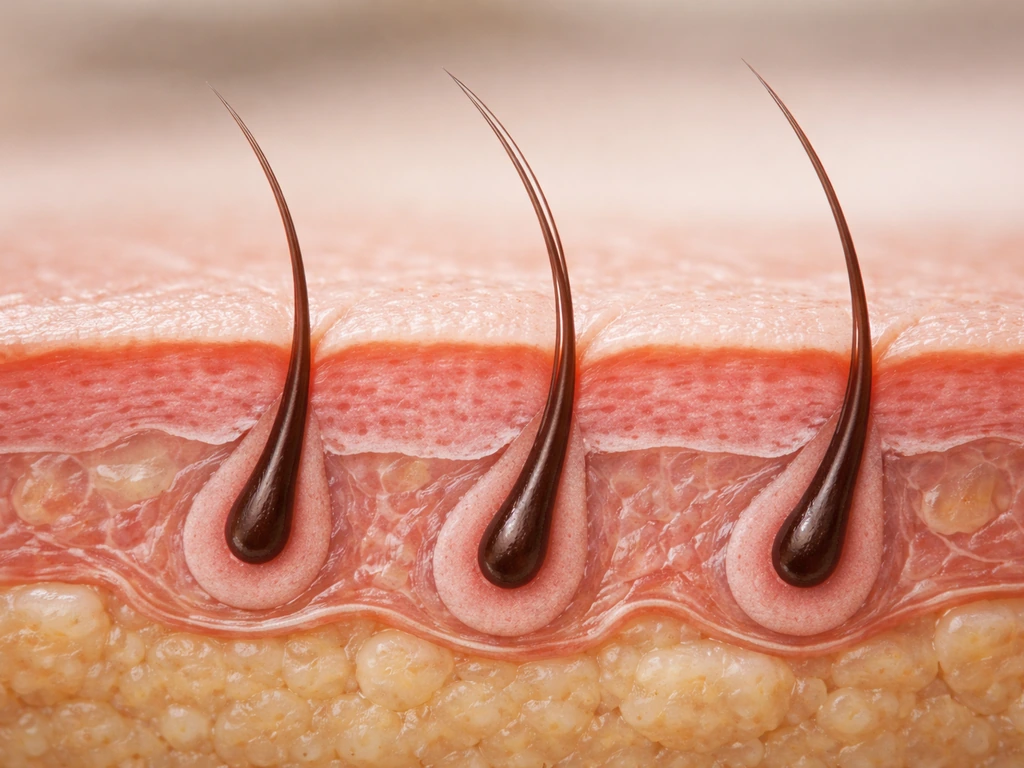
Before we get into what cuticle oil can and can't do, it helps to understand what lash growth actually requires. Each eyelash grows from a follicle embedded in your eyelid. Like all hair follicles, lash follicles cycle through three phases: anagen (active growth), catagen (transition and involution), and telogen (resting, after which the hair sheds and the cycle restarts). Eyelash anagen phases are shorter than scalp hair, lasting roughly 30 to 45 days, and the telogen phase can stretch to around 100 days. That's why lashes grow slowly and why recovery after damage takes months, not weeks.
For something to truly 'grow' your lashes, it needs to interact with the follicle itself, either by prolonging the anagen phase, shortening the resting phase, or recruiting dormant follicles back into the growth cycle. Coating the surface of the lash shaft with an oil, however rich and nourishing, doesn't accomplish any of that. It can reduce breakage and brittleness, which makes lashes appear thicker and longer over time, but that's a cosmetic effect, not biological growth.
What's actually in cuticle oil
Cuticle oils vary by brand, but most share a similar core formula: a blend of emollient and occlusive oils (like jojoba, sweet almond, or vitamin E) plus fragrance and sometimes a humectant. Some include panthenol (vitamin B5) or biotin. A few specialty versions add peptides or plant extracts. Here's how each category holds up when you consider lash growth specifically.
| Ingredient Type | Common Examples | What It Does | Lash Growth Evidence |
|---|---|---|---|
| Emollient oils | Jojoba, sweet almond, sunflower | Softens and conditions lash hairs, reduces breakage | None for follicle stimulation |
| Occlusives | Mineral oil, petrolatum derivatives | Creates a barrier, locks in moisture | None; may clog follicle openings if overused |
| Vitamin E (tocopherol) | Tocopherol, tocopheryl acetate | Antioxidant, skin conditioning | Very limited; antioxidant benefit is general |
| Panthenol (B5) | Panthenol, dexpanthenol | Humectant, improves hair flexibility | No direct lash follicle data |
| Biotin | Biotin, vitamin B7 | Supports keratin synthesis | Oral biotin has weak evidence; topical absorption is poor |
| Fragrance / parfum | Various synthetics or natural extracts | Scent only | No benefit; potential irritant near eyes |
| Peptides / plant extracts | Occasional in premium versions | Vary widely | Generally unstudied for lash follicles |
The honest read here: most cuticle oil ingredients are designed for skin and nail hydration, not for hair follicle biology. Jojoba oil is a decent conditioning agent that some people also use on lashes, and there's some overlap with ingredients you'd find in general hair oils. But none of these ingredients have been tested in controlled trials on eyelash follicles. The formula exists to soften dry cuticles, full stop.
Can it at least help if your lashes are damaged?
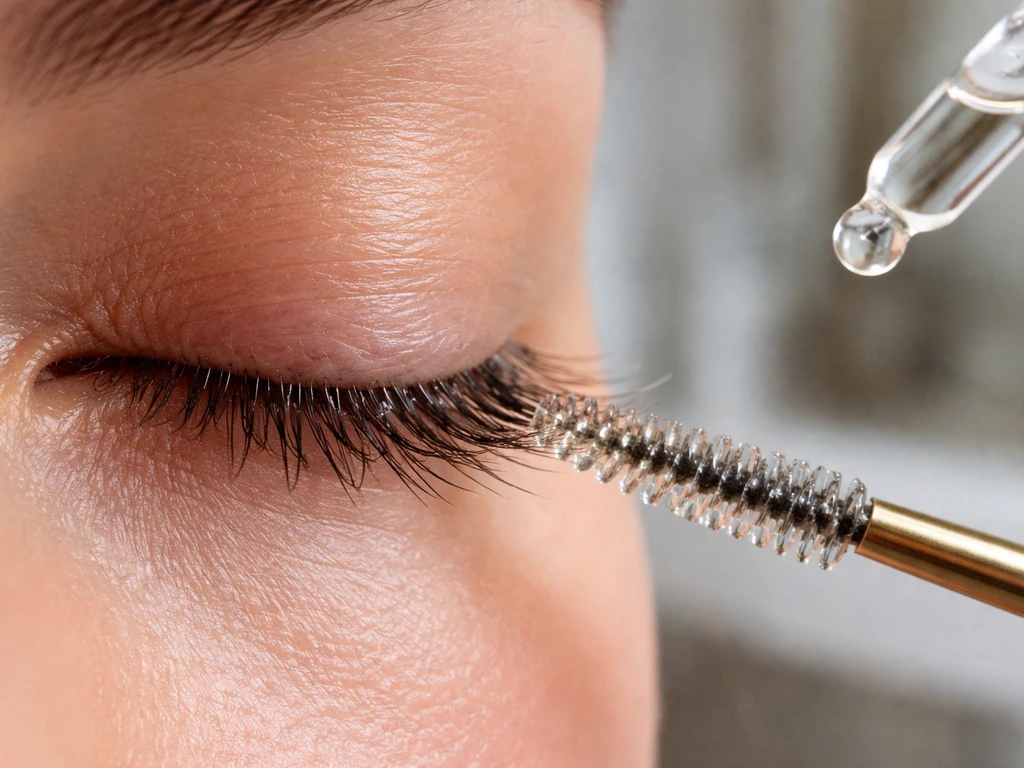
If your lashes are dry, brittle, or breaking off at the tips after extensions or heavy makeup use, a light conditioning oil applied carefully to the lash hairs can reduce further mechanical breakage. In that narrow sense, you might see lashes that look a bit healthier and fuller over several weeks, not because new growth was stimulated, but because the hairs you have are snapping off less. That's a real and legitimate benefit, it's just not the same as growing new lashes.
Safety risks you need to know before applying anything near your eyes
The eye area is one of the most sensitive on the body. The eyelid skin is thinner than almost anywhere else, and the lash follicle area sits directly adjacent to the eye itself. That creates real risks when you start experimenting with products not designed for this location.
- Irritant and allergic contact dermatitis: Fragrances, preservatives, and even some plant-derived oils in cuticle products are common allergens and irritants. Eyelid contact dermatitis can develop either from direct application or from residue transferred by your fingers. Symptoms include redness, swelling, itching, and scaling along the lash line.
- Eye entry risk: Any oil applied at the lash base can migrate into the eye during sleep or with blinking. Most cuticle oils are not formulated or tested for ocular contact. Even products like petrolatum are generally considered safe around the eye but should only be used inside the eye if specifically designed for that purpose.
- Folliculitis and blocked follicles: Heavier occlusives applied repeatedly to the lash line can clog follicle openings, potentially contributing to anterior blepharitis, a condition affecting the eyelid skin and lash follicle bases. This is exactly the area you'd be targeting.
- Post-procedure and medical contraindications: If you've recently had LASIK, blepharoplasty, or are managing a condition like dry eye syndrome, applying unevaluated products to your lash line adds unnecessary risk. The same applies if you're already dealing with any eyelid inflammation.
- Fragrance is a real concern: Many cuticle oils contain fragrance, which serves no purpose on lashes and is one of the most common sources of eyelid irritation. If you're going to try any oil near your eyes, choose an unscented, fragrance-free option.
Before applying anything to your lash line, patch test it on the inside of your wrist or elbow for 24 to 48 hours. If there's any redness, itching, or swelling, skip it entirely around your eyes. And if you develop any eye irritation after starting an application routine, stop immediately and see a doctor if symptoms persist.
How to use cuticle oil on lashes if you want to try it anyway
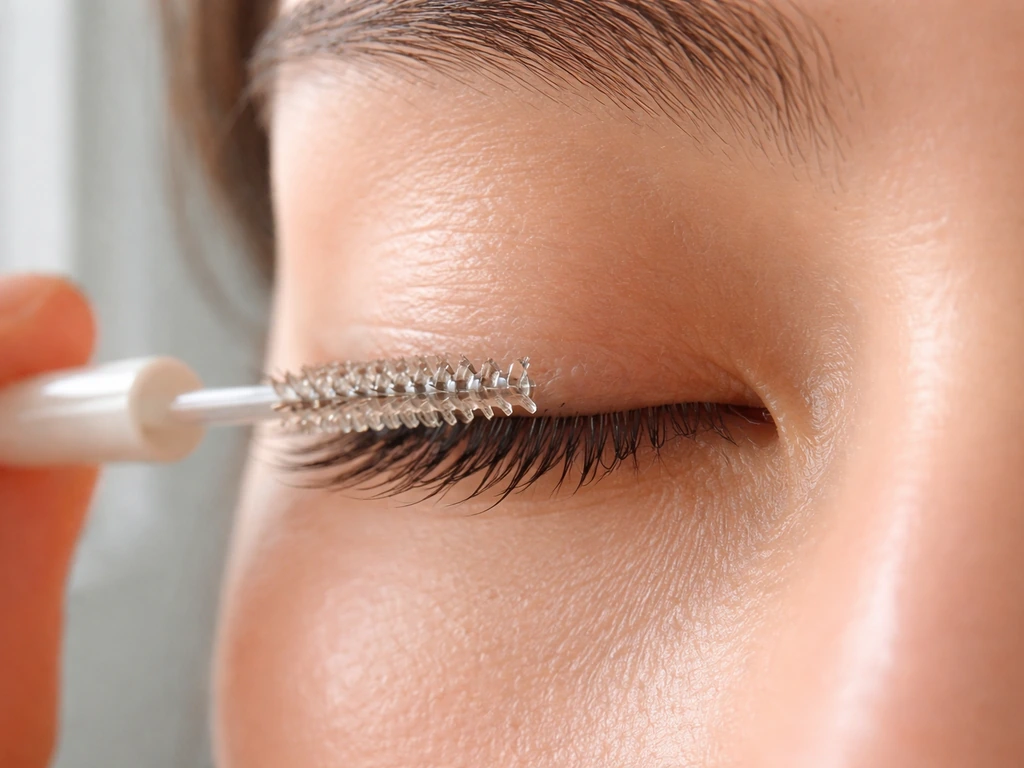
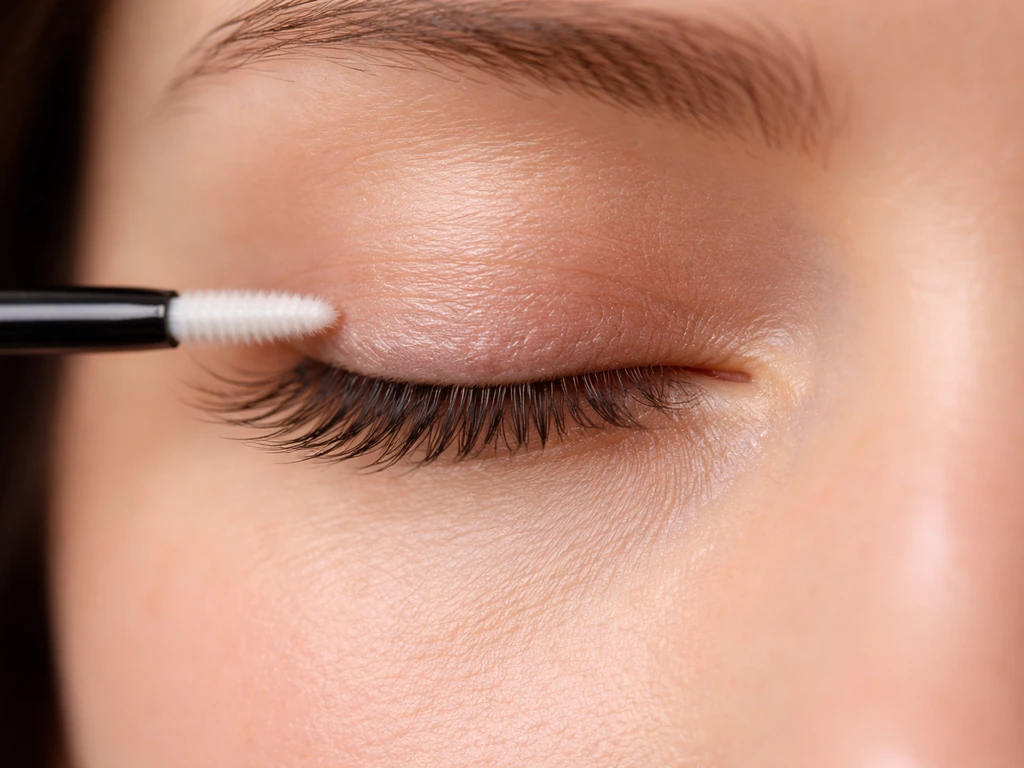
If your cuticle oil is fragrance-free and you've passed a patch test, here's how to minimize risk. Use a clean spoolie or a very fine-tipped cotton swab, not your fingers. Apply a tiny amount to the lash hairs themselves rather than directly onto the skin of the lash line. Once nightly is enough; applying more often won't accelerate anything and increases the chance of product migrating into the eye. Less is genuinely more here. Blot any excess immediately so nothing pools near the eye margin. And never apply to the lower lash line, where product is more likely to contact the eye directly.
What actually works for lash growth
If you're serious about regrowing lashes after damage or just want meaningfully longer and thicker ones, the evidence points pretty clearly toward a few options.
Bimatoprost (Latisse)
This is the only FDA-approved treatment for eyelash hypotrichosis (inadequate lashes), and the clinical evidence is genuinely strong. Multiple randomized controlled trials have shown bimatoprost 0.03% applied once daily to the upper eyelid margin significantly increases lash length, thickness, and darkness compared to placebo. An AAO Journal randomized controlled trial reported mean eyelash growth differences between bimatoprost and placebo when applied at the base of the eyelashes over the trial period bimatoprost 0.03% applied once daily to the upper eyelid margin significantly increases lash length, thickness, and darkness compared to placebo01190-7/abstract). It works by extending the anagen growth phase at the follicle level. The catch: it requires a prescription, it costs more than a drugstore oil, and side effects are real, including eye itching, redness, and skin hyperpigmentation in roughly 3 to 4 percent of users. Application matters too; it's applied only to the upper lash line using single-use applicators, and excess should be blotted immediately to avoid unwanted pigmentation on surrounding skin.
Castor oil
Castor oil is probably the most popular natural remedy for lashes, and it has a better conditioning profile than cuticle oil due to its high ricinoleic acid content. That said, there are no controlled studies proving castor oil stimulates lash follicle growth. The evidence is anecdotal. It may reduce breakage, but it shares the same limitation as every other conditioning oil: it works on the hair shaft, not the follicle. It also needs a careful patch test and careful application since it can cause eye irritation if it migrates in. Still, if you want a natural oil option with a longer track record specifically on lashes than cuticle oil has, castor oil is a more logical choice.
Over-the-counter lash serums with peptides or prostaglandin analogs
The lash serum market has expanded a lot, and some OTC products now include prostaglandin analogs (weaker than bimatoprost but with a similar mechanism) or growth-supporting peptides. These sit between a conditioning oil and a prescription drug in terms of potency and evidence. They're not as well-studied as bimatoprost, but they're a more targeted tool than any general-purpose oil, including cuticle oil.
Other natural oils like jojoba and olive oil get a lot of attention for lash conditioning, and each has a slightly different fatty acid profile that affects how it absorbs and coats the hair. If you are wondering, "will olive oil grow eyelashes," the key point is that it may help condition lashes but it has not been shown to stimulate lash follicles for real growth. The biology of what oils can and can't do at the follicle level is consistent across all of them: conditioning, yes; follicle stimulation, not demonstrated.
Realistic timelines and how to tell if anything is working
With bimatoprost, clinical trials typically show measurable improvement in lash length and darkness within 8 to 16 weeks of nightly application. With conditioning oils, you're not going to see true growth timeline results because you're not triggering growth. What you might notice after 4 to 6 weeks of consistent use is that your lashes look a bit healthier and less frayed at the tips, which can create a subtle appearance improvement.
Here's a practical way to assess what's happening. Take a close-up photo of your lashes under good light before you start anything. Take another at 8 weeks. If you're using a conditioning oil and see no difference in lash appearance after 8 weeks, it's not working for you. If you're seeing irritation, redness, or any eye discomfort within the first couple of weeks, stop and let things settle before reassessing. Growth-promoting treatments should show measurable progress within two full lash cycles, roughly 3 to 4 months. If you're past that window with no change, it's time to escalate to a clinically proven option.
The bottom line: cuticle oil is a nail and skin product being repurposed for something it wasn't designed for. It won't hurt your lashes if you use a fragrance-free formula carefully, but it's not a lash growth solution. So, does shea butter grow eyelashes? Mustard oil is often discussed as a lash remedy, but the same issue applies: it conditions lashes without proven follicle stimulation. Based on what we know about follicle biology, it’s unlikely to create real lash growth the way targeted treatments can cuticle oil. If your goal is genuinely longer and thicker lashes, especially after damage, start with castor oil or a targeted lash serum if you want to stay natural, and talk to a dermatologist about bimatoprost if you want results that are actually backed by clinical evidence.
FAQ
If cuticle oil cannot grow follicles, why do some people say it made their lashes longer?
Yes, it can look like “growth” because conditioning reduces breakage and tip fraying, which changes how full lashes appear. A useful check is to compare length at the same spot on the lash with repeat photos under the same lighting, if you see no new length by about 8 weeks, it is likely only improving the lashes you already have.
Can I combine cuticle oil with mascara, makeup remover, or other lash products?
Avoid layering oils with other eyelid products in the first few weeks, especially lash adhesives, heavy makeup removers, or waterproof mascara. If you use an oil routine, keep cleansing gentle and remove completely, leftover oil can increase irritation or blurry product transfer near the eye.
Is it safe to use cuticle oil for lashes if I wear contact lenses?
If you wear contact lenses, be extra cautious about migration into the eye. Many people find it safest to apply at least several hours before putting contacts in (or avoid contacts that day) and to blot off any excess, since even small amounts that reach the eye can be more noticeable with lenses.
What should I do if my eyelids get red, itchy, or I keep getting styes after using cuticle oil?
If you are getting styes, eyelid swelling, or ongoing redness, stop using oils and get evaluated. Oils can trap debris or worsen irritation for some people, and repeated symptoms can signal blepharitis or an allergy rather than “dry lashes.”
Will cuticle oil make my lashes thicker over time, or only less likely to break?
Oil can sometimes make lashes look darker and more glossy, but “true thickness” from new hair growth is not expected. If your lashes are thinning from shedding, look for causes like chronic rubbing, dermatitis, or recent lash removal damage, since oils will not reverse follicle-related shedding.
How long should I watch for a reaction, and does patch testing guarantee safety?
Patch testing on the inside arm is a start, but lash-line sensitivity can still develop later. If you tolerate it at first, reassess after 1 to 2 weeks, and stop immediately if you notice burning, gritty eyes, or changes in eyelid skin.
What is the best way to test whether a lash oil or serum is actually helping me?
If you are considering switching to castor oil or a “lash growth” serum, change only one variable at a time and keep the application method consistent. This makes it easier to tell whether the improvement is from reduced breakage (conditioning) or something more potent that affects the growth cycle.
What are the most common application mistakes that cause irritation when using lash oils?
Do not apply on the lower lash line, and do not get product into the waterline. Also avoid using multi-use applicators that touch the eyelid, since contamination risk is higher in the eye area and can lead to irritation or infection.
What if my lashes are thinning in clumps or only in certain areas, should I still try cuticle oil?
If you have eyelashes that are missing in patches or your lash loss is sudden, oils are unlikely to help and you should see a clinician. Conditions like traction injury, alopecia, or inflammatory eyelid disorders may need targeted treatment rather than conditioning.
If I want real lash growth, how do I decide between a conditioning approach and bimatoprost?
If you want evidence-based “growth” and you are considering prescription options, discuss bimatoprost with a dermatologist or eye doctor. Make sure you understand the difference between upper versus lower lash application, because side effects and pigmentation risk are closely tied to where and how it is used.
Next Article
Does Shea Butter Grow Eyelashes? What to Expect and How to Use It
Does shea butter grow eyelashes? It mainly conditions and reduces breakage, not true lash follicle growth.