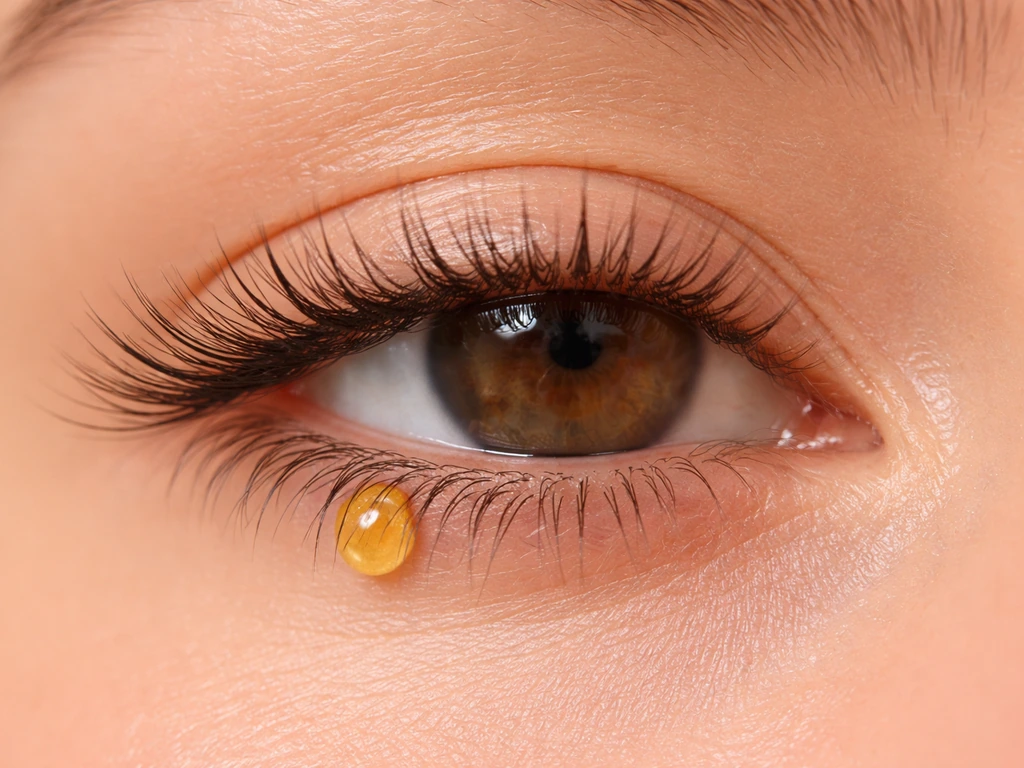
Sunflower oil can condition and protect your eyelashes, but there is no clinical evidence that it directly stimulates lash follicles or makes lashes grow longer. What it can realistically do is reduce brittleness, lock in moisture, and help lashes that are already growing look healthier and less prone to breakage. That is genuinely useful, but it is a different thing from actual growth stimulation, and mixing those two ideas up leads to a lot of disappointment. If you are trying to answer does canola oil grow eyelashes, the same idea applies: oils may condition and reduce breakage, but they do not reliably restart growth from resting follicles. Flaxseed gel is another popular eyelash product, but evidence that it can directly grow eyelashes is also limited.
Can Sunflower Oil Grow Eyelashes? What to Know and Do
How eyelash growth works (and why oil growth is tricky)

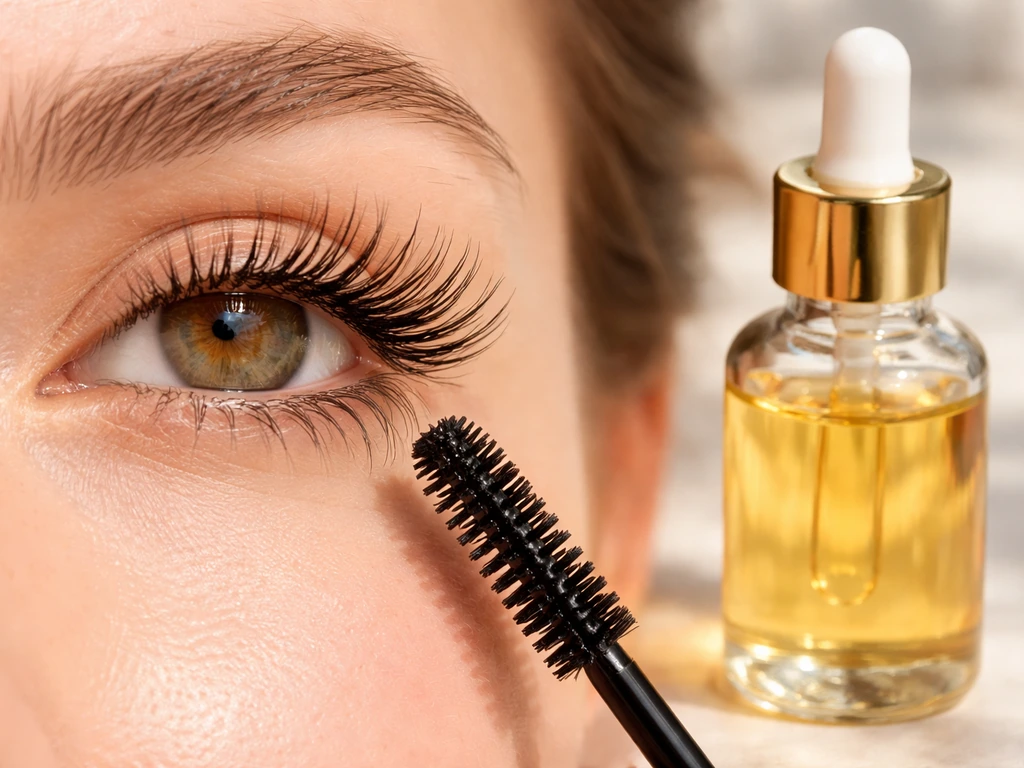
Eyelashes grow in a three-phase cycle: anagen (active growth), catagen (transition and degradation), and telogen (resting before shedding). For eyelashes, the anagen phase lasts only about 1 to 2 months, which is dramatically shorter than scalp hair. That short active phase is exactly why lashes rarely exceed about 12 mm in length, no matter what you put on them. Once a lash follicle is in its resting phase, nothing sitting on the surface of the hair shaft can push it back into active growth. That distinction matters a lot when evaluating any topical product.
When lashes look sparse, it is usually one of two things: the follicles are not producing hair robustly, or the lashes that are growing are breaking, shedding, or falling out faster than they are replaced. Inflammation and irritation around the eyelid margin, as well as damage from extensions, rubbing, or harsh makeup removal, can all accelerate shedding. So the question of whether an oil helps is really two separate questions: does it stimulate follicles, and does it reduce the damage that prematurely ends a lash's lifespan?
Does sunflower oil help eyelashes grow? What it can and can't do
Sunflower oil is primarily composed of linoleic acid (a polyunsaturated omega-6 fatty acid) and oleic acid (a monounsaturated fat), along with vitamin E in the form of tocopherols. These components make it a solid emollient and skin-conditioning agent. Vitamin E in particular has antioxidant properties, and linoleic acid is known to help support the skin barrier. On eyelid skin, which is some of the thinnest and most sensitive on the body, these properties have real value.
What sunflower oil does not contain is any compound with demonstrated ability to activate the anagen phase in hair follicles. True follicle stimulation, the kind that actually makes lashes longer and denser, works through mechanisms like prostaglandin receptor activation. That is the pathway that bimatoprost (the active ingredient in prescription lash serums) exploits, with clinical trial data showing statistically significant improvements in lash length, fullness, thickness, and darkness by around 8 weeks, with continued gains through week 16 to 20. No botanical oil, including sunflower, has evidence at that level.
Where sunflower oil might make a visible difference is in the second scenario above: reducing breakage and shedding caused by dryness and brittleness. If your lashes are snapping off because they are dry and fragile, keeping them conditioned could mean more lashes reach their full natural length before falling out. That can look like growth, even though what is actually happening is preservation. It is still worth something, just not the same thing.
Sunflower oil vs. other lash-growth ingredients
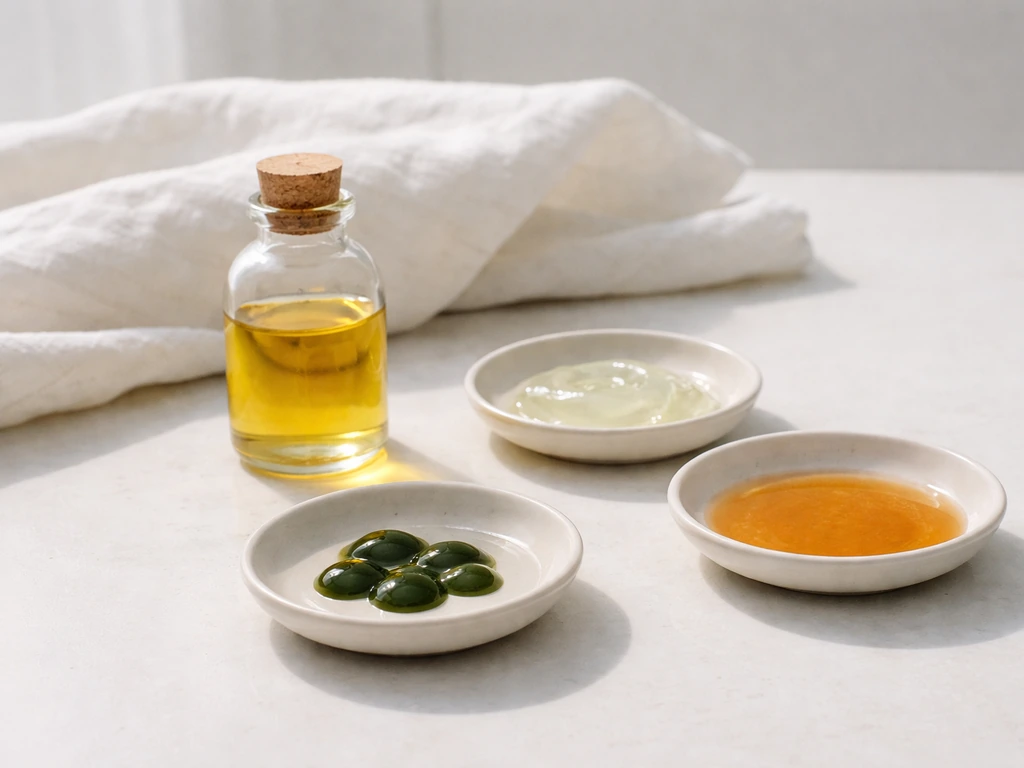
It helps to see sunflower oil stacked against the alternatives, because the evidence gaps are significant and the practical differences matter when you are deciding what to actually try.
| Ingredient | Mechanism | Evidence for lash growth | Best use case |
|---|---|---|---|
| Sunflower oil | Emollient, antioxidant (vitamin E), linoleic acid | None for follicle stimulation; conditioning only | Dry, brittle, or damage-prone lashes needing moisture |
| Castor oil | Emollient, ricinoleic acid (some anti-inflammatory claims) | No clinical trial evidence for growth; conditioning only | Similar to sunflower oil; often overhyped for growth |
| Argan oil | Emollient, vitamin E, polyphenols | No follicle-stimulation evidence; conditions hair shaft | Softening and reducing frizz/brittleness on lashes |
| Bimatoprost serum (Rx) | Prostaglandin analog activates follicle anagen phase | Multiple RCTs; significant improvement by 8–16 weeks | Diagnosed hypotrichosis or significant lash loss |
| OTC lash serums (peptide-based) | Varies; often peptides or biotin + conditioning agents | Limited; generally weaker than Rx but stronger than oils alone | Mild thinning or maintenance between treatments |
If I had to give a direct recommendation: if your lashes are thinning noticeably or you have a medical reason for lash loss, oils are not going to cut it. If you are wondering can argan oil grow eyelashes, the honest answer is that oils may help lashes look healthier by reducing breakage, but they are not proven to activate new follicle growth. Castor oil is often cited as the go-to natural option, but the evidence for castor oil stimulating lash growth is just as thin as it is for sunflower oil. Both are conditioning agents that can reduce breakage, not follicle activators. If you want real growth stimulation, a prescription prostaglandin serum or an OTC peptide serum is a better starting point. Sunflower oil works well as a companion product or for people who just want to protect lashes that are already healthy. Black seed oil is often marketed for eyelash growth, but the evidence for true follicle stimulation is just as limited as it is for sunflower oil.
How to try sunflower oil safely on your lashes
The eye area has some specific risks that make safe application non-negotiable, not optional. Eyelid skin is extremely thin and reactive. Oils applied near the lash line can migrate into the eye, cause eyelid contact dermatitis (both irritant and allergic), and potentially clog the meibomian glands that produce the oil layer of your tear film. Blepharitis, an inflammation of the eyelid margin, can be worsened by oily buildup near the lash line. These are not reasons to never try it, but they are reasons to go slowly.
Patch test first, always
Before applying anything near your eyes, do a patch test on a less sensitive area, like the inside of your wrist or the crook of your elbow, for 24 to 48 hours. This catches immediate irritant reactions. It does not guarantee you will not develop a sensitization reaction later with repeated exposure, since allergic contact dermatitis can develop after prior safe exposures, but it is a basic and important step. There are documented cases of sunflower-related hypersensitivity, so if you have known sensitivities to sunflower seeds or related plants, be extra cautious.
Application method
- Use a clean, dedicated disposable mascara wand or a clean cotton swab, never a product you share or reuse without cleaning.
- Dip the wand lightly into a small amount of pure, cold-pressed sunflower oil. Less is more: you want a thin coating, not a saturated brush.
- Apply in a light sweeping motion from the base of the lashes toward the tips, the same way you would apply mascara. Avoid pressing directly onto the eyelid margin or waterline.
- Do this at night, not before applying makeup, since oil-based products interfere with eye makeup and increase the chance of product migrating into the eye.
- Gently blot any excess oil away from the eyelid with a clean tissue. Do not leave pooled oil sitting at the lash root.
- Keep the bottle capped, stored away from humidity, and replaced regularly. Oxidized oils can irritate skin more than fresh ones.
Frequency-wise, a nightly application is what most people try, but every other night is perfectly fine if your skin is sensitive. Stop immediately if you notice redness, itching, swelling, or a feeling of grittiness in the eye. Those are signs of irritation or early contact dermatitis and should not be pushed through.
Realistic timelines and what results actually look like
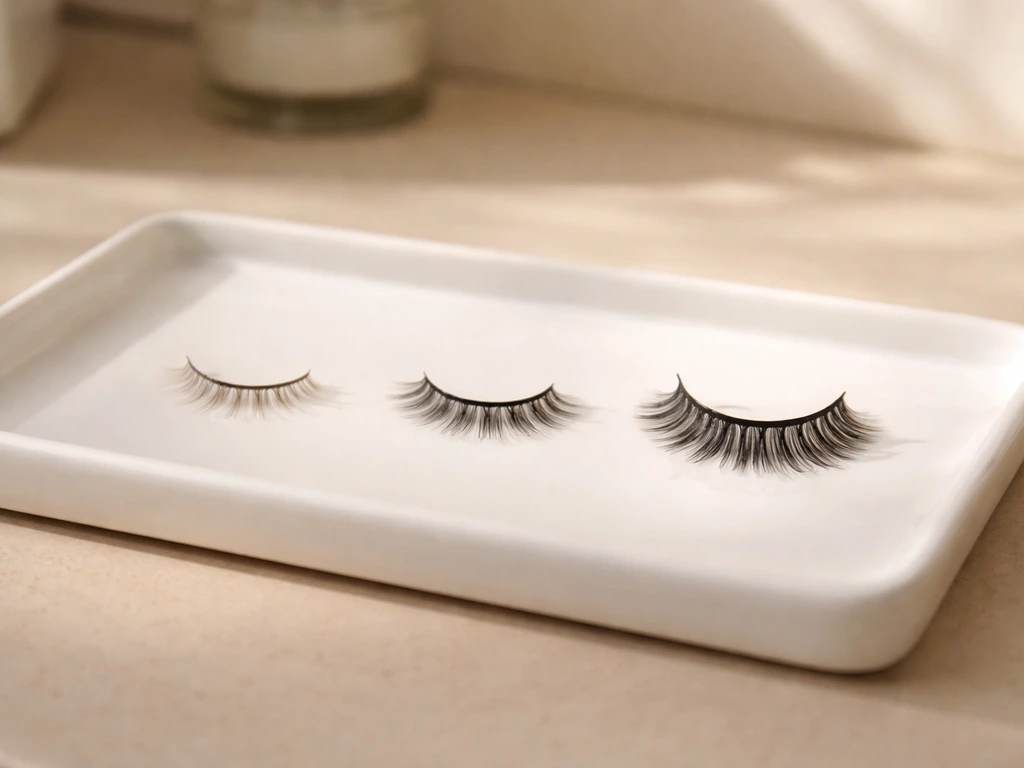
Here is where I want to be really honest with you. Because the anagen phase for lashes is only 1 to 2 months, even if an ingredient were genuinely stimulating follicle activity, you would not see the full result until a complete new lash cycle had run its course. Clinical trials of bimatoprost, the most evidence-backed lash growth agent, show measurable improvements starting around week 8, with continued gains through weeks 16 to 20. That is the timeline for a drug-level intervention.
For a conditioning oil like sunflower oil, the realistic expectation is that within 4 to 8 weeks of consistent nightly use, lashes may look shinier, feel less brittle, and shed slightly less from breakage. You are not going to see new lashes sprouting that were not there before. If your lashes currently look damaged, dry, or crunchy from heavy mascara or extensions, the improvement in appearance can actually be noticeable because you are restoring what was there, not creating something new. That is a legitimate result, just a humble one.
If your lashes are not growing: common causes and when to see a professional
If you have been consistent with care and your lashes are still sparse, thin, or falling out, an oil is not going to solve the underlying problem. Eyelash loss, medically called madarosis, has a long list of potential causes, and many of them have nothing to do with what you are or are not putting on your lashes.
- Chronic irritation or rubbing, including from makeup, contact lenses, or allergens
- Traction damage from eyelash extensions, lash lifts, or forceful makeup removal
- Blepharitis or seborrheic dermatitis causing inflammation at the lash root
- Allergic contact dermatitis triggered by mascara, glue, or other eye products
- Thyroid disorders, alopecia areata, or other systemic conditions that disrupt hair cycles
- Nutritional deficiencies, particularly in iron, biotin, or protein
- Trichotillomania (hair-pulling) or other behavioral factors
- Certain medications as a side effect
Eyelash loss is often reversible once the underlying cause is identified and treated. But that last part is the key: you need to know what is causing it. A conditioning oil applied on top of an unresolved cause is not a treatment. If your lash loss is noticeable, came on suddenly, or is accompanied by other symptoms like eyebrow thinning, skin changes, or eye irritation, it is worth seeing an ophthalmologist or dermatologist. They can diagnose whether something like blepharitis, contact dermatitis, or a systemic issue is driving the problem, and from there, treatments like prescription serums, medicated lid scrubs, or targeted therapies are far more effective than any DIY oil approach.
If your lashes are just mildly thinner than you would like, without clear loss or damage, sunflower oil is a low-risk thing to try alongside a peptide-based OTC serum while you give the situation a few months. When you compare the best oil to grow eyelashes, it helps to understand that peptides and prescription serums tend to have more direct evidence for actual growth than oils alone peptide-based OTC serum. But go in with clear eyes about what you are actually hoping it will do. If you are wondering whether can batana oil grow eyelashes, it is also important to look at evidence for follicle stimulation versus just reducing breakage and dryness.
FAQ
Will sunflower oil make my eyelashes grow longer, or just look better?
If your goal is actual lash lengthening, sunflower oil is unlikely to deliver it. If your lashes look brittle, rough, or snap easily, sunflower oil may make a cosmetic difference by reducing breakage, so you may see lashes appear fuller but not because new follicles restarted.
How long does it take to notice a difference from sunflower oil on eyelashes?
Yes, you can see results in appearance without “new” lashes, usually as less snapping and slightly reduced shedding from dryness over about 4 to 8 weeks. A change in curl, softness, or shine can happen before you would ever expect any follicle-related change.
What should I do if sunflower oil irritates my eyes or eyelids?
If you irritate your eyelids, stop right away, even if symptoms are mild. Irritation can be a sign of contact dermatitis, and repeated exposure can make allergies develop over time. If you get burning, grittiness, swelling, or persistent redness, switch strategies and consider seeing an eye professional.
Where exactly should sunflower oil be applied for lashes, and where should I avoid it?
Apply it to the lashes themselves, not the lash line or inner eye area, to lower the risk of migration and eyelid inflammation. Use a tiny amount and wipe off excess, because oily residue closer to the waterline is more likely to cause problems like blepharitis flares or meibomian gland clogging.
Do I really need to patch test sunflower oil before using it on my eyelids?
Patch testing on the wrist or elbow helps catch immediate irritation, but it does not guarantee you will tolerate it around the eye. Because allergic sensitization can develop after prior exposure, start with every-other-night use and reassess after several applications.
Can I use sunflower oil every night, and should I layer it with other eyelash products?
Avoid daily heavy layers and avoid putting it on top of waterproof or very gritty residue. If you already use a lash serum or medicated product, check with the product instructions first, because layering can increase irritation or unwanted effects near the lid margin.
When would sunflower oil be a poor choice for thinning or lash loss?
Do not rely on it if your lashes are falling out quickly, coming out in clumps, or you have sudden changes. Rapid or patchy loss can signal issues like blepharitis, eyelid dermatitis, traction from extensions, or even systemic causes, which need identification and targeted treatment.
Is sunflower oil safe for people with food or plant allergies related to sunflower?
If you have known allergies to sunflower or related plants, avoid it or proceed with extra caution, since hypersensitivity to sunflower-related products has been reported. When in doubt, ask a dermatologist or ophthalmologist, especially if you have a history of eczema or contact allergy.
Can I use sunflower oil on my eyelashes if I wear contact lenses?
If you wear contact lenses, be especially cautious because oily products can increase eye surface irritation and discomfort. Many people find it easier to apply at night and remove any residue completely, and you should stop if your lenses feel less comfortable.
How do I tell whether my lashes are sparse due to breakage versus poor growth?
If your lashes are sparse because they are breaking, sunflower oil can reduce the “premature exit” from the cycle by preventing damage and dryness. If your follicles are truly not producing hair well, conditioning alone may not restore density, so addressing inflammation, irritation, and traction matters more.
Can Batana Oil Grow Eyelashes? Benefits, Use, Safety
Can batana oil grow eyelashes? Learn how it may nourish lashes, safe at-home use, timelines, risks, and alternatives.