Cucumber does not grow eyelashes. There is no clinical evidence that applying cucumber slices, cucumber juice, or any cucumber-based mixture near your lash line stimulates follicle activity, extends the anagen (growth) phase, or makes lashes measurably longer or thicker. Healthline similarly notes that there are no credible clinical trials showing cucumber on the eyes increases eyelash length or thickness no credible clinical trials showing cucumber increases eyelash length. What cucumber can do is temporarily soothe puffiness, cool irritated eyelid skin, and offer mild anti-inflammatory relief to the periocular area. That is genuinely useful for comfort, but it is a completely different thing from lash growth biology.
Does Cucumber Grow Eyelashes? What Actually Works

Rachel Nguyen
27 May 2026
How eyelash growth actually works
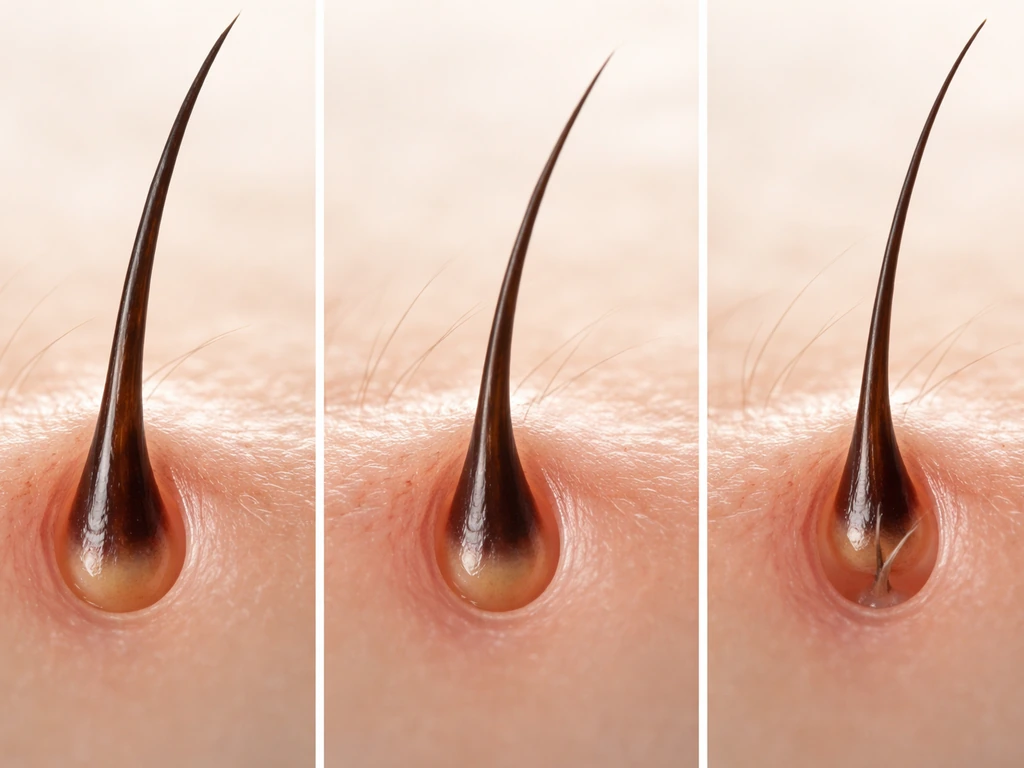
Each eyelash follicle cycles through three phases: anagen (active growth), catagen (degradation), and telogen (resting). At the end of telogen, the lash sheds and the cycle restarts. The reason lashes stay short compared to scalp hair is that their anagen phase is significantly shorter, so growth stops earlier. Lashes grow at roughly 0.12 to 0.14 millimeters per day, and the maximum length rarely exceeds about 12 mm because the follicle simply stops producing fiber before it gets longer.
This is important context because it explains what 'growing eyelashes' actually requires. To make lashes genuinely longer or thicker, you need to either extend the anagen phase, push more follicles into anagen at the same time, or increase the diameter of the hair bulb. A cucumber slice sitting on your eyelid cannot do any of those things. Rose water lacks clinical evidence that it can stimulate eyelash follicles or extend the lash growth cycle cucumber slice. It has no known mechanism to interact with your lash follicles at that level.
What cucumber can realistically do near your eyes
Cucumber does have real, documented properties: it is anti-inflammatory, mildly analgesic, and high in water content. When combined with other actives in skincare formulations, cucumber extract has shown moisturizing and barrier-supporting effects on periocular skin. So placing cold cucumber slices over closed eyes can reduce puffiness by vasoconstriction (the cold does most of the work), deliver a small amount of soothing hydration to the eyelid skin, and feel calming if your eyes are tired or irritated.
What it cannot do is penetrate the follicular structure of your eyelashes, alter the hormonal or prostaglandin-driven signals that control your lash cycle, or deposit any growth-stimulating compounds at the hair bulb level. Think of it this way: cucumber is a reasonable skin comfort tool, not a follicle treatment. Confusing those two things is where the internet gets this wrong.
Is it safe to put cucumber near your lashes?
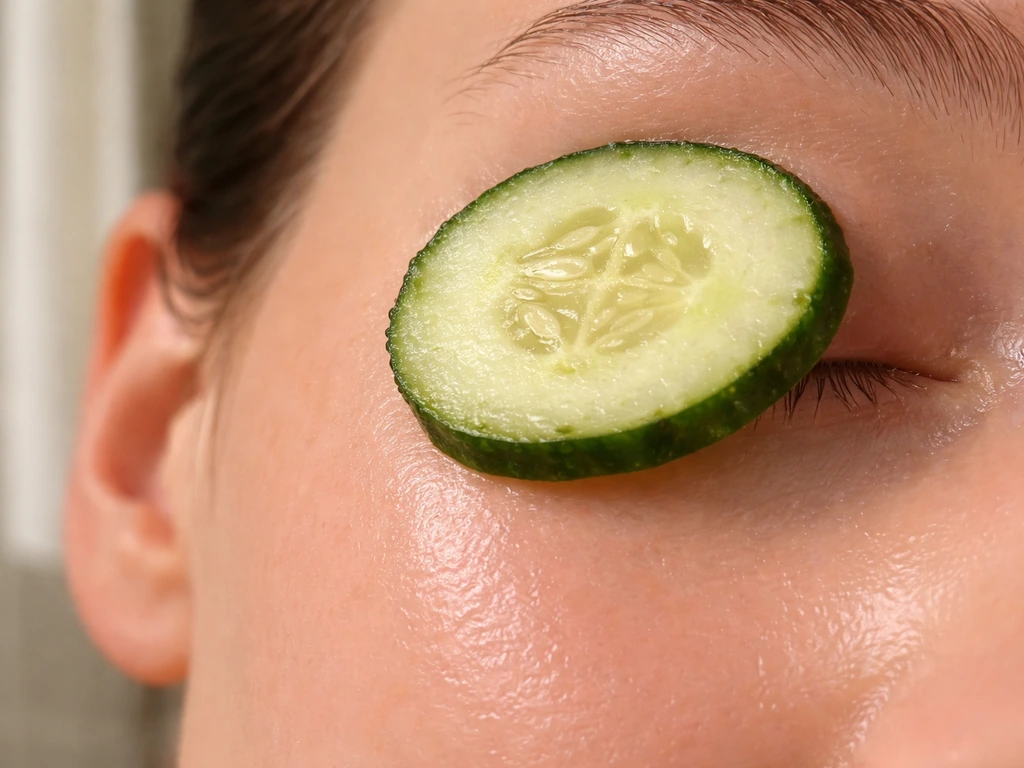
Cucumber slices placed over closed eyelids are generally low-risk for most people, but there are real caveats worth knowing before you start rubbing cucumber juice directly on your lash margin. The eyelid skin is among the thinnest on the body and is particularly reactive to contact allergens and irritants. Cucumber, like any plant matter, can cause contact dermatitis in sensitized individuals, and the eyelash margin is not a place you want an inflammatory reaction.
- Cucumber juice applied directly to the lash line or eyelid margin can seep into the eye, increasing infection or irritation risk. The FDA specifically advises against applying cosmetics or DIY ingredients near the eyes unless the product is formulated for eye-area use.
- Any DIY preparation (cucumber mixed with oils, honey, or other ingredients) introduces contamination risk. If a mixture enters the eye, it can disrupt the ocular surface.
- If you have blepharitis, periocular dermatitis, or any active eyelid condition, cucumber application could worsen inflammation rather than help it. Blepharitis management requires specific eyelid hygiene protocols, not home botanicals.
- Patch testing matters: if you have a history of allergic reactions near your eyes, contact dermatitis from skincare products, or sensitive skin, test cucumber on your inner arm first and wait 24 hours before going near the eye area.
- If you experience redness, burning, itching, or rash after any application near the eyes, stop immediately and consult a dermatologist or ophthalmologist. The FDA recommends reporting unexpected eye-area cosmetic reactions.
The safest version of 'cucumber for eyes' is: cold, fresh, unmodified slices resting gently on closed lids for 10 to 15 minutes. Even then, manage your expectations. You are getting a spa moment, not a lash treatment.
What to actually try today if you want to grow your lashes
If your goal is genuinely longer, thicker lashes, you need to work with the follicle cycle, not just moisturize the eyelid skin. Here is what the evidence actually supports, ranked roughly from most to least proven.
Bimatoprost (prescription, strongest evidence)

Bimatoprost 0.03% (sold as Latisse) is the only FDA-approved topical treatment for eyelash hypotrichosis, meaning inadequate or insufficient lashes. Multiple randomized, double-masked clinical trials confirm it increases eyelash length, thickness, and darkness versus vehicle (placebo). The mechanism involves pushing more follicles into anagen and keeping them there longer. It is applied once nightly to the upper eyelid margin at the base of the lashes using sterile applicators. Side effects are real and include eye itching, conjunctival redness, and with long-term use, potential iris pigmentation changes, so it requires a prescription and medical oversight. If your lashes are visibly thinning, this is the conversation to have with a dermatologist or ophthalmologist.
Castor oil and other conditioning oils
Castor oil, argan oil, and similar fatty-acid-rich oils do not have clinical trial evidence for increasing lash length. What they do is coat and condition the lash fiber, reducing breakage and making existing lashes look fuller and healthier. That is not nothing, especially if your lashes are brittle after extensions, harsh makeup removal, or rubbing. Applied carefully with a clean spoolie to the lash line (not inside the eye), castor oil is low-risk and can help protect lashes while you focus on actual growth support.
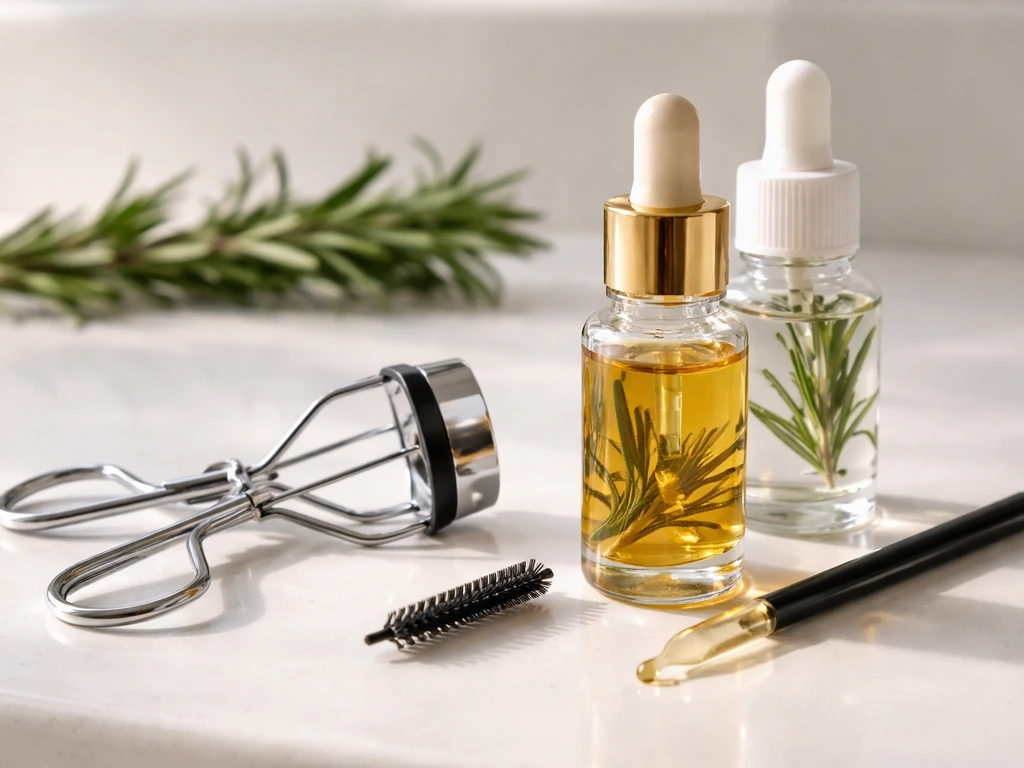
Rosemary oil
Rosemary oil has been studied in the context of scalp hair growth (one randomized trial showed comparable results to minoxidil 2% for androgenetic alopecia at six months), which is why it comes up in lash conversations too. Rosemary oil is often discussed for lash growth, and the available evidence for lashes is limited compared with more proven options.
The direct evidence for lash follicles specifically is limited, but its mechanism (improved circulation, potential DHT inhibition) is more biologically plausible than cucumber. It is worth exploring as part of a broader at-home routine, though patience is essential. If you want to use rosemary oil for eyelashes, you will still need to plan for a slow regrowth timeline because follicles cycle gradually.
Nutrition and biotin
Biotin deficiency is genuinely associated with hair loss, but supplementing biotin when you are not deficient has limited evidence for hair growth benefit. If your diet is restricted or you have recently gone through a period of significant stress, illness, or nutritional gaps, addressing those systemic factors matters more than any topical remedy. Protein intake, iron levels, and thyroid function all influence the hair cycle, including lashes.
Daily habits that protect what you have
- Remove eye makeup gently every night with a formula designed for the eye area. Tugging and rubbing at the lash line accelerates shedding.
- Avoid sleeping in eye makeup, which can cause follicular inflammation and blepharitis over time.
- If you wear lash extensions, give your natural lashes recovery time between sets. Extensions applied too frequently or too heavily physically stress the follicle.
- Do not rub your eyes. Repeated mechanical friction is a direct cause of lash loss and eyelid dermatitis.
- Use a clean, dedicated spoolie to brush and detangle lashes gently rather than pulling.
How long regrowth takes and when to see a professional
A single eyelash takes roughly four to eight weeks to complete its growth cycle, but full visible regrowth after significant loss can take three to six months because follicles are not all synchronized. If you lost lashes due to extensions, aggressive rubbing, or a skin flare, expect a wait of at least two to three months before the improvement becomes obvious, even with the right support routine.
There is also a lag effect worth knowing about: after a stressful event (illness, surgery, nutritional crash), lashes may continue to shed for weeks after the trigger is gone because follicles that entered telogen early are only now releasing. This is similar to the telogen effluvium pattern seen in scalp hair, where visible shedding peaks two to four months after the original trigger.
See a dermatologist or ophthalmologist if: your lash loss is ongoing and not explained by an obvious cause, you have eyelid redness, scaling, or crusting (blepharitis signs), your lashes are thinning symmetrically across both eyes (which can signal thyroid disease, alopecia areata, or medication effects), or if DIY approaches have not moved the needle after three to four months. StatPearls recommends gentle cleansing of the eyelid margins in blepharitis, such as using a cotton applicator with diluted baby shampoo, along with adjunct therapies rather than DIY ingredients blepharitis signs. These scenarios call for diagnosis, not more home remedies.
| Approach | Evidence for lash growth | Safety near eye area | Realistic timeline |
|---|---|---|---|
| Cucumber slices/juice | None for growth; mild anti-inflammatory for skin | Low-moderate (allergy/irritation risk at lash margin) | No growth effect |
| Bimatoprost (Latisse) | Strong: multiple RCTs, FDA-approved | Requires prescription and medical oversight; known side effects | 4–8 weeks for visible improvement |
| Castor/argan oil | No clinical growth evidence; reduces breakage | Generally low-risk with clean application tools | Conditioning benefit within days; no growth timeline |
| Rosemary oil | Indirect/limited for lashes; better scalp evidence | Low-risk diluted; avoid direct eye contact | 3–6 months for potential growth support |
| Addressing nutrition/deficiency | Relevant when deficiency is the cause | No local risk | Months; depends on correcting the underlying issue |
Other natural ingredients that come up in this space, including rice water and rose water, follow a similar pattern to cucumber: potentially soothing and conditioning for the eyelid skin and lash fiber, but without clinical evidence for actual follicle stimulation. The pattern is consistent across most plant-based remedies: comfort and conditioning are achievable, but influencing the biological growth cycle requires either addressing a specific deficiency or using a pharmacologically active compound like bimatoprost. Knowing that distinction saves a lot of time and effort.
FAQ
If cucumber can cool and calm eyelids, why does it not also make lashes grow?
No. Cucumber can only act on the surface tissues it touches, so it cannot reach the follicle depth enough to extend the growth (anagen) phase or increase follicle activity.
What is the safest way to use cucumber for tired or puffy eyes if I still want to try it?
If you want to try it for comfort, use cold, fresh slices on closed lids for 10 to 15 minutes, avoid rubbing the lash line, and stop if you feel burning, itching, or new redness. Also avoid any “homemade” mixtures with added oils or fragrances near the eye area.
Can cucumber slices cause an eye or eyelid rash even if they seem gentle?
Not specifically. Plant ingredients can trigger contact dermatitis, and the eyelid and lash margin are more reactive than most skin. People with known allergies to plants, or who have reacted to skincare before, should be extra cautious and consider skipping cucumber entirely.
If my lashes look better after cucumber, does that mean they actually grew?
Yes, but it is usually temporary comfort, not growth. You might notice less puffiness or irritation, and your lashes could look slightly better because the lash fiber is less dry from surrounding soothing moisture, but measured length and thickness should not change.
Can I combine cucumber with bimatoprost or other lash-growth products?
If you already use growth treatments like bimatoprost, cucumber is not a substitute and could interfere with how neatly you apply products if it causes skin irritation. Keep any soothing steps separate, avoid applying cucumber ingredients within the same window as your prescription dosing unless your clinician says it is fine, and never put anything inside the eye.
Will cucumber help if my eyelids are inflamed or I have blepharitis symptoms?
Cold cucumber can reduce swelling by local vasoconstriction, but it does not treat infections or chronic eyelid inflammation. If you have blepharitis signs like itching, crusting, or recurring redness, you should get evaluated rather than relying on cucumber.
How long should I wait to see any real lash changes if I’m trying a routine?
Most noticeable lash improvements from true growth support require time because follicles cycle gradually. Even with effective options, expect a lag, and avoid judging too early, since changes typically become more obvious after multiple weeks rather than days.
When should lash thinning be checked by a doctor instead of trying more home remedies?
If lash loss is patchy, symmetric across both eyes, or accompanied by eyelid skin changes, it can point to conditions that need diagnosis (for example, thyroid disease, alopecia areata, or medication effects). Continued self-treatment may delay proper care.
What should I do if my main goal is length and thickness, not just conditioning?
If the goal is longer and thicker lashes, focus on options with evidence, like prescription bimatoprost, or discuss a plan with an ophthalmologist or dermatologist. Oils and conditioners can reduce breakage and improve how lashes look, but they generally do not increase true length.
What are the most common mistakes people make when trying DIY lash or eyelid remedies?
Cucumber can irritate sensitive eyelids, and many “natural” lash hacks increase risk if they involve rubbing the lash margin or using unclean tools. Use a clean approach, avoid entering the eye, and do not apply anything that stings.
Next Article
Does Rosemary Oil Grow Eyelashes? Safe At-Home Guide
Learn if rosemary oil or water can grow eyelashes, safe DIY use steps, timelines, and evidence-based alternatives.