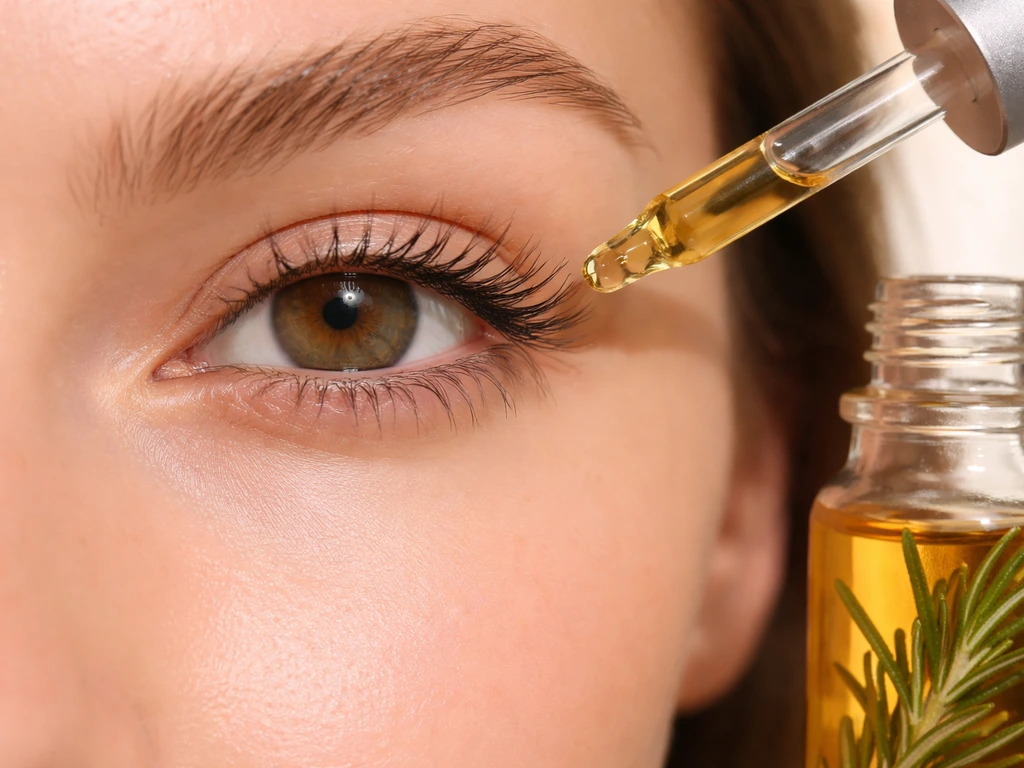
Rose water does not have credible evidence to make eyelashes grow longer or thicker. There are no clinical trials showing that rose water, rose hydrosol, or rose extract stimulates lash follicles, extends the growth phase, or measurably increases lash length or density in humans. It can soothe the eyelid skin and may help with dryness around the lash line, but that is a far cry from growth. If your goal is actually longer, fuller lashes, rose water is not the tool for that job.
Does Rose Water Make Your Eyelashes Grow? Evidence and How to Use It
Rachel Nguyen
9 Jun 2026
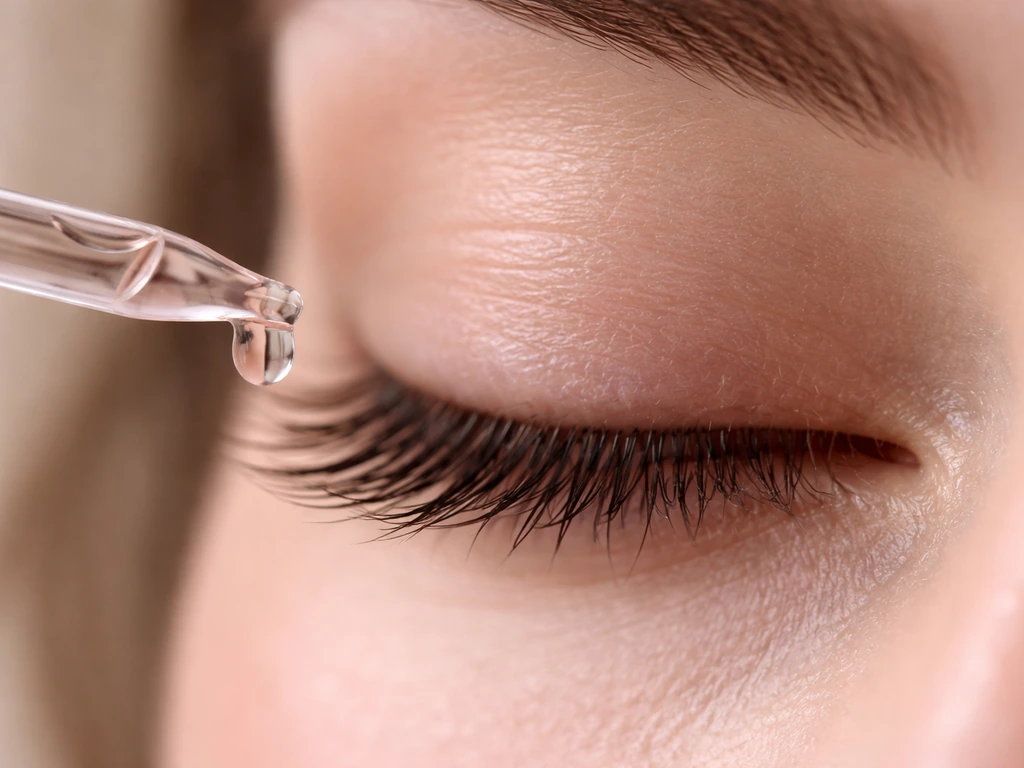
What the evidence actually says about rose water and lash growth
Searching the clinical literature turns up nothing. Not a single randomized controlled trial, pilot study, or even a well-designed observational study has tested rose water or rose hydrosol on eyelash growth in humans. Research on rose-derived products mostly covers things like antimicrobial properties, cytotoxicity testing, and skin hydration endpoints. None of that is about lash follicle cycling or growth phase extension.
The claims you see online typically conflate two very different things: conditioning the lash surface (which rose water might do to a minor degree) and stimulating the follicle to grow more or longer lashes (which requires actual follicle-level activity). Rose water is water plus rose-derived constituents, sometimes with preservatives or fragrance. It does not contain any ingredient with a known mechanism for pushing a follicle into or through the anagen (active growth) phase. Saying rose water grows lashes is like saying rinse water moisturizes your scalp, therefore it grows hair. There's a jump in logic that the science just does not support.
What rose water can actually do around your lash line
To be fair to rose water, it is not useless in the eye area. Here is what it can plausibly offer, staying strictly within what is supported:
- Mild soothing of irritated eyelid skin: Rose water has a slightly acidic pH and trace anti-inflammatory constituents that may temporarily calm eyelid redness or puffiness from environmental exposure or fatigue.
- Surface moisture for dry eyelid skin: Applying a hydrating product to dry, flaky skin around the lash line can make the lashes look slightly healthier by improving the appearance of the skin they sit on. This is a cosmetic improvement, not a growth effect.
- Makeup removal support: Rose water is gentle enough to assist in removing light eye makeup when used carefully, which reduces friction and tugging on lashes, indirectly protecting them from breakage.
- Refreshing sensation: Chilled rose water on a cotton pad can reduce the sensation of tired or itchy eyes temporarily, though this is comfort, not treatment.
What it cannot do: stimulate a dormant follicle, lengthen the anagen phase, thicken the lash shaft, or reverse lash loss from blepharitis, traction, or hormonal causes. Those outcomes require a different level of intervention entirely.
How to use rose water safely near the eyes if you want to try it
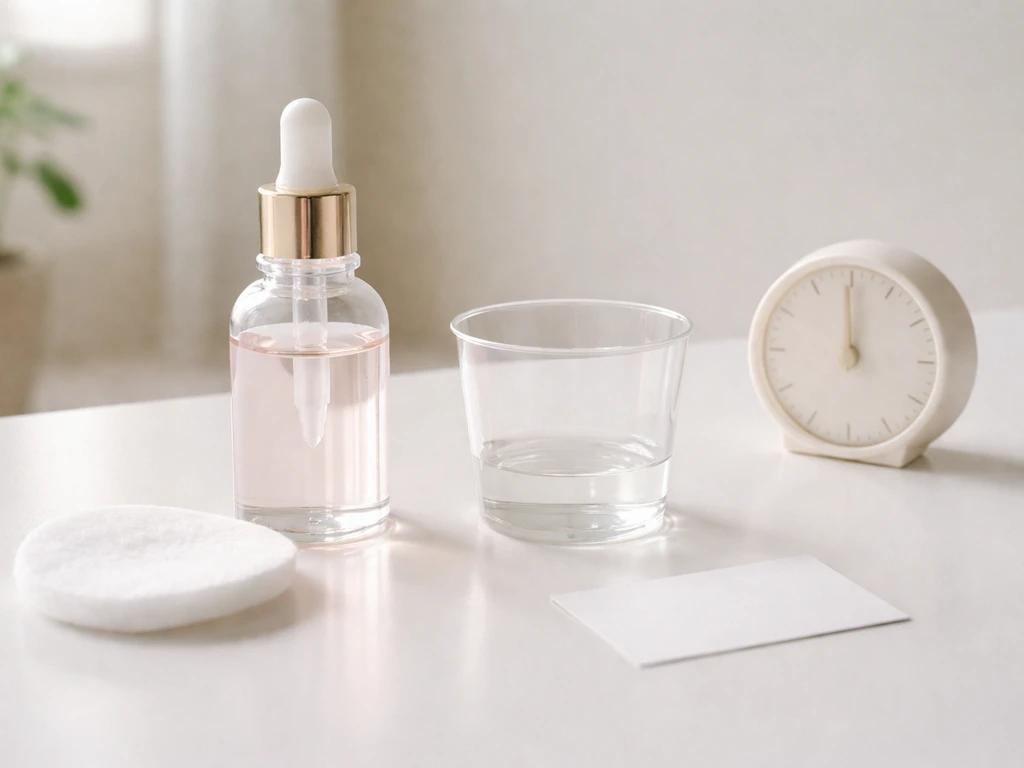
The eye area is one of the highest-risk zones on the body for cosmetic contamination and infection. Water-based botanical products like rose water can carry microbial contamination depending on how they were sourced, preserved, and stored. A 2021 study specifically flagged microbial contamination risk in rose water samples from Rosa damascena. The FDA also notes that even new eye cosmetics can carry contamination risk. Given that, if you decide to use rose water near your lash line, do it carefully.
- Patch test first: Apply a small amount to the inside of your wrist or behind your ear for 24 hours before using it near your eyes. Look for redness, itching, or swelling.
- Choose a preserved, cosmetic-grade rose water: Look for a product with a clear preservative system listed in the ingredients. Unpreserved or improperly stored rose waters are a contamination risk.
- Use a clean cotton pad, not your fingers: Dip a fresh cotton pad and apply gently along the eyelid, not directly onto the eyeball. Never double-dip.
- Do not apply inside the lash line or onto the ocular surface: Rose hydrosol safety data sheets list eye irritation as a risk. Staying on the eyelid skin reduces this risk.
- Frequency: Once daily maximum, ideally in the evening after makeup removal. There is no benefit to applying it more often, and more frequent use increases irritation and contamination exposure.
- Stop immediately if you notice redness, stinging, increased tearing, or swollen eyelids: These are signs of irritation or allergic reaction and continuing is not worth it.
Realistic lash growth timelines and what actually affects them
Understanding the lash growth cycle matters here, because it reframes what any topical product can realistically do. Lashes grow in three phases: anagen (active growth, roughly 4 to 10 weeks), catagen (transition, 2 to 3 weeks), and telogen (resting/shedding, which can last approximately 4 to 9 months according to StatPearls). At any given time, most of your lashes are NOT in the growth phase. This is why lash recovery after damage feels agonizingly slow.
After lash loss from extensions, aggressive rubbing, or inflammation, full regrowth can take anywhere from 6 weeks on the short end (if loss was minimal and the follicle is healthy) to 4 to 6 months for noticeable density if multiple follicles were disrupted. Traction alopecia from years of heavy extensions or consistent rubbing can cause follicle damage that permanently reduces regrowth, which is why catching and stopping the cause early matters. Conditions like blepharitis, where chronic eyelid margin inflammation interrupts the follicle environment, add another layer of delay because the inflammation itself has to be resolved before healthy growth resumes.
No topical product including rose water, castor oil, or even most OTC serums changes the baseline telogen duration in any proven way. The clinically validated exception is prescription bimatoprost (Latisse), which has RCT data specifically showing extended anagen phase and measurable increases in lash length, thickness, and darkness. In pooled safety analysis of six randomized, double-masked trials of bimatoprost 0.03% for eyelash hypotrichosis, subjects applied it once daily to the upper eyelid margins using sterile, single-use-per-eye applicators.
Rose water vs. options with stronger evidence for lash growth
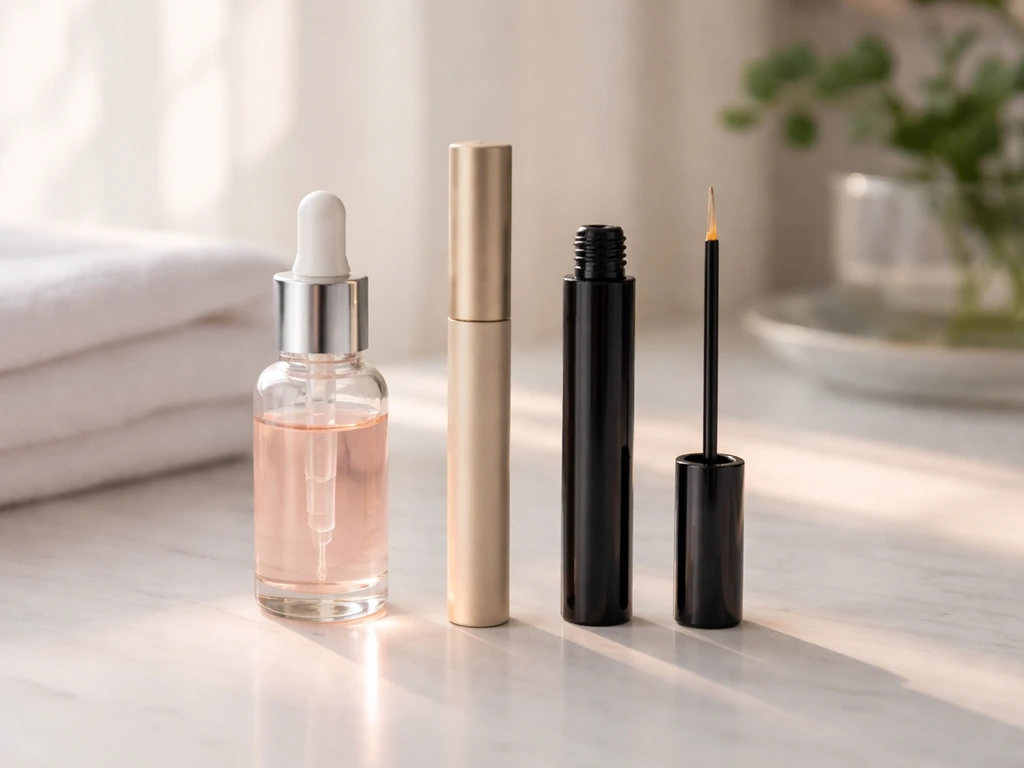
Here is a direct comparison of the most commonly discussed lash growth options, so you can make an informed decision about where to put your time and money.
| Option | Evidence for Growth | What It Actually Does | Risk Level Near Eyes |
|---|---|---|---|
| Rose water | None (no RCTs for lash growth) | Mild soothing, surface moisture, cosmetic conditioning | Moderate (contamination risk, possible irritation) |
| Castor oil | None (no clinical evidence for growth) | Emollient coating on lash shaft, may reduce breakage appearance | Moderate (can cause eye irritation if it enters the eye) |
| Biotin supplements | Weak unless you are deficient (NIH: little evidence without deficiency) | Supports general keratin production systemically | Low (oral supplement, no eye risk) |
| OTC lash serums (peptide/conditioning) | Limited or mixed; mostly conditioning claims | May reduce breakage, improve lash appearance short-term | Low to moderate depending on formulation |
| Bimatoprost (Latisse, prescription) | Strong: multiple RCTs showing measurable growth in length, thickness, darkness | Extends anagen phase, stimulates follicle activity | Low when applied correctly; risks if applied onto ocular surface |
Rosemary oil is another option that comes up in this space, particularly given interest in it for scalp hair growth. If you are asking how long does rosemary oil take to grow eyelashes, the key point is that the lash-specific evidence is still very limited. There is currently no strong clinical evidence that rosemary oil grow eyelashes. The evidence for lash-specific growth is similarly thin, though some scalp hair data exists.
Rice water is another popular remedy in this category, conditioning the hair shaft rather than stimulating the follicle. If you are comparing supportive naturals to each other, the differences in actual growth evidence are minimal. If you want a real shot at measurably longer lashes, a conversation with a dermatologist about bimatoprost is the most evidence-supported path available.
Why lashes sometimes stop growing back and when to get help
Sometimes the reason lashes are not regrowing is not about which serum you are using. It is about an underlying cause that no topical product can fix. Common causes of persistent lash loss include:
- Blepharitis: Chronic inflammation of the eyelid margins disrupts follicle health. The National Eye Institute recommends treating it with daily lid hygiene using a gentle cleanser to remove crusts, not with botanicals or oils. Blepharitis is linked to skin conditions like rosacea and dandruff.
- Traction alopecia from extensions or rubbing: Repetitive mechanical pulling damages or scars follicles over time. If this has been going on for years, some follicles may not recover.
- Trichotillomania: Compulsive pulling of lashes, which requires behavioral support rather than topical treatment.
- Thyroid disorders: Both hypo- and hyperthyroidism can cause diffuse lash thinning; this resolves with medical management of the thyroid condition itself.
- Alopecia areata: An autoimmune condition that can affect lash follicles specifically, often requiring dermatology-level treatment.
- Chemotherapy-related lash loss: Generally temporary, but recovery timelines vary.
See a dermatologist or ophthalmologist if: your lash loss came on suddenly in a patch pattern, if you have persistent eyelid inflammation that does not improve with basic hygiene, if you have been off extensions and avoiding rubbing for more than 6 months with no regrowth, or if lash loss is accompanied by eyebrow or scalp hair loss. These are signs of a systemic or autoimmune cause that needs diagnosis, not a new serum.
A practical at-home lash routine you can start today
Here is what an evidence-grounded daily routine looks like for someone trying to protect and maximize their lash growth right now.
What to do
- Clean your eyelid margins daily: Use a gentle, fragrance-free cleanser or a commercial eyelid scrub (the type recommended for blepharitis management) on a cotton pad. This removes debris, oil buildup, and any early inflammation at the lash line. This is the single most evidence-aligned thing you can do topically near your lashes.
- Remove eye makeup gently: Use a micellar water or oil-based remover formulated for eyes. Hold the pad on the lashes for 10 to 15 seconds before wiping to dissolve product instead of scrubbing. Scrubbing is a major mechanical cause of lash breakage.
- Protect during sleep: If you sleep face-down or your lashes are rubbing a pillowcase aggressively, switch to a silk pillowcase. Less friction means less breakage and less disruption to resting follicles.
- Eat enough protein and iron: Lash hair is keratin. Protein deficiency and iron deficiency anemia are both associated with hair shedding. A balanced diet covers this for most people, but if you have been eating at a significant caloric deficit or avoid animal products, it is worth checking.
- If you want a topical growth-support option, consider a prescription route: Talk to a dermatologist about bimatoprost if lash thinning is significant. This is the only topical with actual RCT data behind lash growth.
What to avoid
- Rubbing your eyes, especially when removing makeup or when they itch
- Lash extensions if your natural lashes are already thin or damaged, until they have recovered for at least a full growth cycle (roughly 3 to 4 months)
- Curling lashes with a mechanical curler if lashes are fragile, as this causes breakage at the crimp point
- Applying castor oil or any thick oil directly onto the eyeball or waterline, where it can blur vision and irritate the ocular surface
- Unsupported botanical products applied inside the lash line or to the ocular surface, including unpreserved or non-cosmetic-grade rose water
- Biotin mega-dosing if you are not deficient, as it will not speed up lash growth and can interfere with certain lab tests
The honest summary: rose water is safe to use on the outer eyelid if you choose a clean, preserved product and apply it carefully, but do not expect it to grow your lashes. Treat it as a mild conditioning add-on at best, not the centerpiece of a growth strategy. For actual lash growth, the combination of removing mechanical damage, managing any inflammatory eyelid condition, protecting lashes during sleep, and talking to a doctor about prescription options if needed gives you the best realistic shot. Prostaglandin analogs like bimatoprost can cause side effects if administered improperly onto the ocular surface due to the close proximity to the eye blank" rel="noopener noreferrer">talking to a doctor about prescription options if needed.
FAQ
If rose water cannot grow lashes, how can I tell whether it is helping at all?
Look for changes limited to comfort and surface quality, like less dryness, reduced flaking at the lash line, or fewer itchy, irritated eyelids. You should not expect measurable length or thickness gains, if you do not see any improvement in these comfort signs after a few weeks, stop using it.
How long would it take to see lash growth from rose water if it worked?
True lash regrowth would require follicle activity through the anagen phase. Since most lashes are not actively growing at any moment and lash recovery typically takes weeks to months depending on the cause, any realistic growth claim would still show changes over at least 2 to 3 months, not days. If there is no visible change after that window, it is not driving growth.
Is it safe to use rose water directly on the lash line or inside the eye?
Use it only on the outer eyelid margin area and avoid getting it into the eye. Water-based products can irritate sensitive tissue or introduce contaminants, especially if the bottle is stored warm, repeatedly opened with dirty hands, or the product is not specifically preserved for eye-area use.
Can rose water replace eyelid hygiene if I have blepharitis?
No. Blepharitis involves chronic inflammation of the eyelid margin, and rose water does not have proven effects on that disease process. If you have persistent redness, crusting, or itching, use an evidence-based eyelid hygiene routine and consider an ophthalmologist if it does not improve.
Does rose water work better than castor oil or other natural remedies for lash growth?
For measurable growth, none of the common naturals have solid eyelash-specific clinical evidence comparable to prescription options. Differences among them are mainly about tolerability and surface conditioning, not follicle stimulation, so the practical choice is usually based on whether you tolerate the product without irritation.
What are common mistakes that make lash products fail, even if the product is harmless?
Not removing makeup and buildup at night, continuing the behavior that damaged lashes (rubbing, traction from tight styles, harsh removers), and not giving enough time for recovery. Also, applying products to damaged or inflamed eyelids can worsen shedding rather than help.
If my lashes shed after stopping extensions, how can I distinguish normal recovery from a problem?
Normal shedding after extensions can take months, but you should be concerned if there is ongoing eyelid margin inflammation, increasing patchy loss, or loss beyond the lashes (eyebrows or scalp hair). If avoidance of rubbing and extension use has been consistent for about 6 months with little regrowth, get evaluated.
Could rose water cause infection or allergic reactions around the eyes?
Yes. Eye-area contamination risk exists with water-based botanicals if sourcing, preservation, and storage are inadequate. Allergic contact dermatitis or irritation is also possible, especially with fragranced products, so discontinue immediately if you notice burning, swelling, worsening redness, or discharge.
What is the safer way to try rose water if I still want to use it?
Choose a product that is cleanly produced, properly preserved, and intended for facial or eye-area use. Patch-test away from the lash margin first, apply sparingly at the outer lash line (not the eyeball), and stop if there is irritation. Do not share or reuse applicators, and discard it if the smell or appearance changes.
What is the most evidence-supported next step if my main goal is longer, fuller lashes?
Discuss prescription bimatoprost with a dermatologist or ophthalmologist. It is the only lash-growth option with robust randomized controlled trial evidence for extending the growth phase and increasing lash length, thickness, and darkness. Before starting, disclose eye conditions and inform them if you have had prior eyelid inflammation.
Next Article
How Long Does Rosemary Oil Take to Grow Eyelashes?
Learn how long rosemary oil takes for eyelash growth, what to expect by week, and safe, step-by-step use timelines.