Rice water is not a proven eyelash growth treatment. There are no controlled clinical trials showing it makes lashes longer, thicker, or fuller, and the broader hair-growth evidence for rice water is thin at best. That said, rice water contains minerals, vitamins, and compounds that have shown some plausibility in lab work on hair follicle signaling, so it's not completely implausible as a supportive conditioning agent. The honest answer is: it probably won't grow your lashes, but if you use it safely it's unlikely to cause serious harm, and here's everything you need to know to make that call.
Does Rice Water Grow Eyelashes? Evidence, Safety, Timelines

Rachel Nguyen
12 Jun 2026
Does rice water actually work for eyelash growth
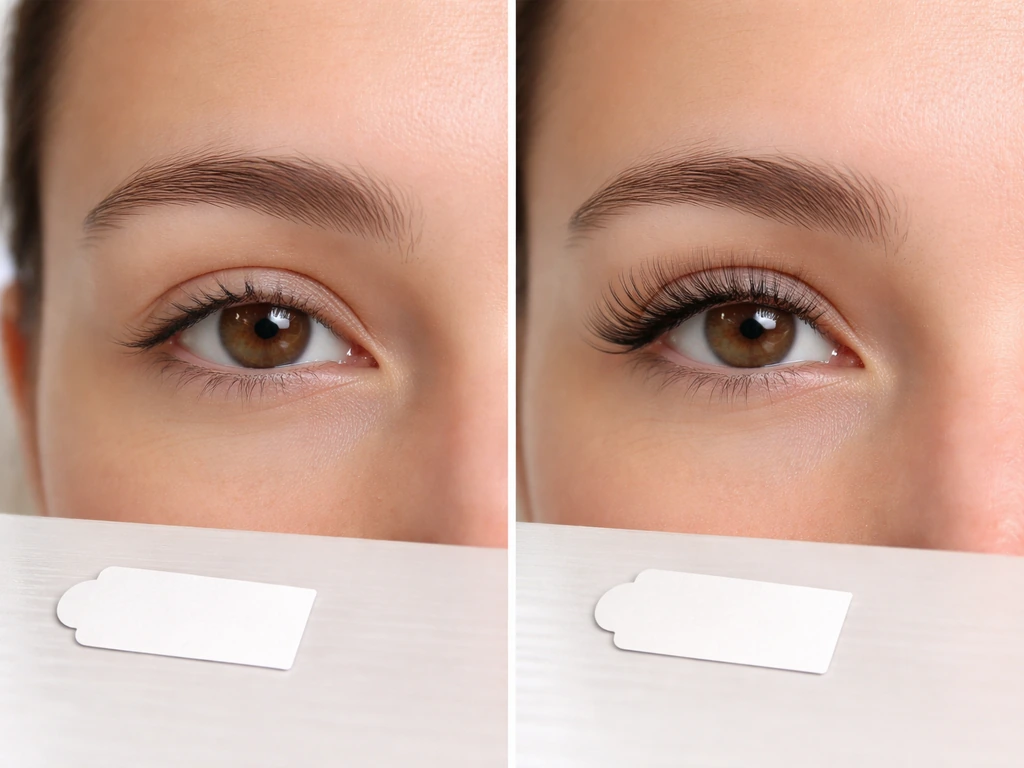
The short version: probably not in any meaningful way. WebMD is direct about this, stating there is no scientific evidence supporting rice water for hair growth. An evidence review looking specifically at rice water for hair concluded that no relevant clinical studies have been conducted, and the few trials that do exist focus on rice bran extracts rather than plain rice-washed water. That gap matters, because the composition of homemade rice water varies significantly depending on rice variety, soaking time, and preparation method, so what you make at home is nothing like a standardized extract used in a study.
What about anecdotal reports? Plenty of people on social media claim rice water made their lashes noticeably longer. Some of that is likely real, but it's difficult to separate a conditioning effect (lashes that look slightly thicker because they're moisturized and less brittle) from actual follicle-driven growth. Rice water does contain proteins, B vitamins, vitamin E, and minerals including zinc, magnesium, and iron. Some of those ingredients overlap with what healthy hair follicles need. But applying them topically in an uncontrolled rinse near your eyelids is a very different situation from a targeted, formulated serum tested in a clinical setting.
What the science says about hair follicles and rice-based remedies
Your eyelashes go through three phases: anagen (active growth), catagen (degradation), and telogen (rest). What makes lash biology different from scalp hair is that the anagen phase is extremely short, around 30 days, while the telogen phase lasts roughly 4 to 9 months. That means each lash is actively growing for only about a month, then resting for up to nine. The total cycle runs about 5 to 6 months. This biology matters because even a product that genuinely stimulates follicles would need to either extend that short anagen window or shorten the telogen phase to produce visible results, and doing that topically is hard.
There is one mildly interesting piece of lab research worth acknowledging: a study found that rice bran mineral extract increased the expression of anagen-related molecules in human dermal papilla cells through the Wnt/beta-catenin signaling pathway. That pathway is genuinely involved in hair cycle regulation. However, this was conducted on scalp hair dermal papilla cells in a lab setting, not on eyelash follicles on a living person using homemade rice water. A 2022 systematic review of rice products and hair growth reached similar conclusions: there's a biological thread worth exploring, but nothing that translates into a clinical recommendation for eyelash growth specifically. The case for rice water improving lashes remains speculative.
Safety checklist for using rice water near the eyes
This is where I'd urge the most caution. The eyes are not forgiving when it comes to DIY liquids. The FDA is explicit that products used in or near the eyes must be sterile to reduce infection risk, and that consumers should not add water to cosmetic products like mascara precisely because of contamination concerns. Homemade rice water is not sterile. It sits at room temperature and can harbor bacterial growth, especially after 24 to 48 hours. The eyelid skin is also among the thinnest and most sensitive skin on your body, and the American Academy of Ophthalmology recognizes eyelid dermatitis and cosmetic-related blepharoconjunctivitis as real, documented reactions to poorly tolerated products applied in this area.
Before you try anything near your lash line, run through this checklist:
- Make a fresh batch each time. Don't store rice water at room temperature for more than 24 hours, and refrigerate it if you plan to use it the next day.
- Do a patch test first on your inner wrist or behind the ear for 24 hours before applying it anywhere near your eyes.
- Never apply directly into the eye. Rice water is not an eye drop. Apply only to the lash line and upper lid margin, not the waterline or conjunctiva.
- Avoid broken or irritated skin. If you have any active eyelid dermatitis, styes, or pink eye, skip it entirely.
- Check your rice. If you're using conventionally farmed rice, there can be pesticide residue in the wash water. Use organic rice if you're applying this near your eyes.
- Stop immediately at the first sign of redness, itching, swelling, or increased tearing. These are early warning signs of an allergic or irritant reaction.
- Don't mix with other actives. Applying rice water on top of retinol or exfoliating eye creams increases irritation risk.
How to try it safely (if you choose to) and what to monitor
If you've done the patch test and want to give rice water a fair trial, here's a practical approach. Rinse about half a cup of plain white or brown rice with water once to remove surface dust, then soak it in one cup of room-temperature water for 30 minutes. Strain the water into a clean container. This first soak is milder and less fermented than some methods you'll see online, which makes it safer for the delicate eye area.
Use a clean cotton swab or a sterile disposable mascara wand to apply a thin layer to your lash line, from the base of the lashes outward. Do this once daily, at night, so you're not going out with a wet-feeling eyelid margin. Rinse gently with water after 10 to 15 minutes.
What to monitor over the first two weeks: any redness or swelling at the lid margin, increased sensitivity or itching, and whether your eyes feel more irritated in the morning. If you're past two weeks with no adverse reaction, you can continue for a full 8 to 12 weeks, which is the minimum window needed to see whether any effect on the lash growth cycle is occurring, given that the anagen phase alone is about 30 days. Take a close-up photo in consistent lighting every two weeks so you have a real comparison rather than relying on memory. If you see no difference at 12 weeks and experienced any irritation along the way, that's your answer.
Realistic eyelash growth timelines and recovery after damage
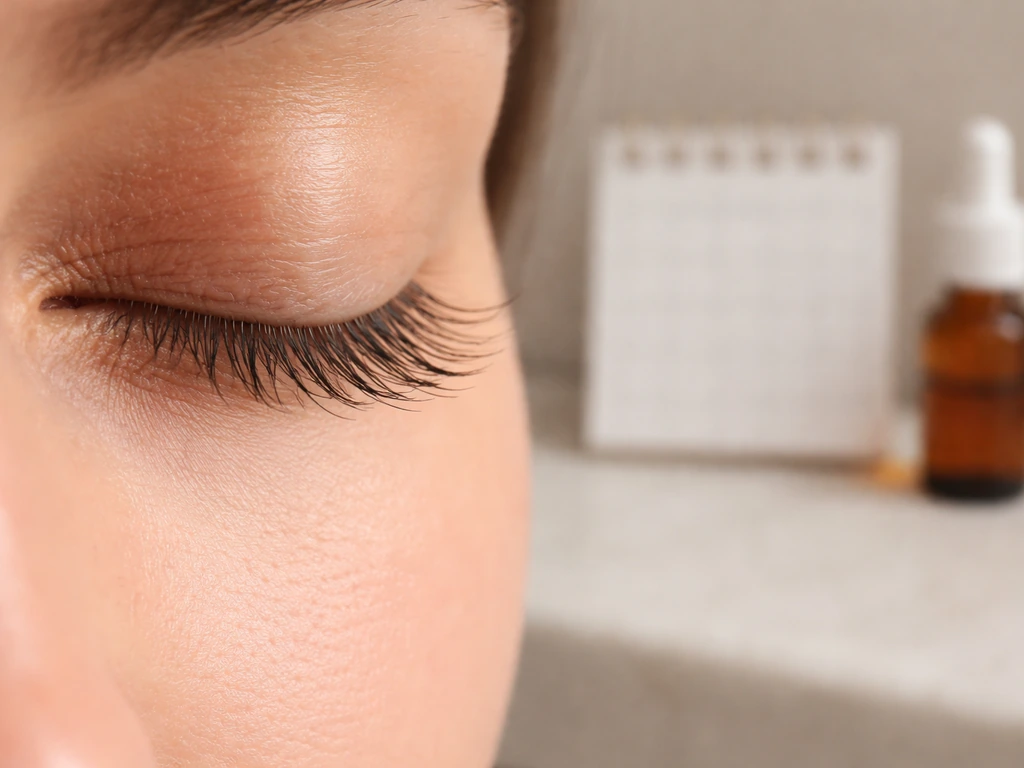
Whether you're using rice water or anything else, your lashes operate on a fixed biological schedule. The anagen phase is about 30 days, catagen is a brief transitional period, and telogen lasts 4 to 9 months. That means a lash shed today might not be replaced by a fully grown new lash for several months. If your lashes are damaged or sparse from extensions, excessive rubbing, or a medical condition, recovery follows the same cycle, it just might take one to two full cycles (6 to 12 months) to see meaningful restoration.
For people recovering from lash damage specifically, the most important things are removing the source of damage, avoiding further mechanical stress (no aggressive eye rubbing, no heavy extensions while recovering), and supporting follicle health nutritionally. Biotin, iron, zinc, and protein deficiencies can all slow lash regrowth. A topical treatment like rice water, castor oil, or a serum can support the process, but it can't override the biology of a follicle that's in telogen. Patience and consistency matter more than which topical you use.
Better-backed alternatives: serums, oils, and evidence-aligned routines
If growing lashes is the actual goal, it's worth knowing where rice water sits relative to other options. Bimatoprost 0. 03% (sold as Latisse by prescription) is the only FDA-approved treatment for eyelash hypotrichosis and has the strongest evidence by a significant margin. In pivotal trials, bimatoprost produced a mean increase in lash length of about 1.
4 mm versus 0. 1 mm with vehicle. A separate controlled trial found an average of 2. 0 mm of new lash growth at 6 weeks in the treatment group versus a 0.
4 mm loss in controls. Measurable improvement typically begins around week 8 and continues through week 16. It does carry real side effects including conjunctival redness, eye irritation, eyelid pigmentation changes, and dry eye, so it's not something to use casually, but it's the gold standard for anyone dealing with genuinely sparse lashes.
Castor oil is one of the most popular natural alternatives and sits somewhere between rice water and bimatoprost in terms of real-world use. The clinical evidence for castor oil as a standalone lash growth agent is limited, and no robust trials support it the way bimatoprost data does. However, many people find it useful as a conditioning treatment that reduces lash brittleness and breakage, which can make lashes appear longer and fuller over time.
It's also cheap, widely available, and relatively safe when applied carefully at the lash line with a clean wand. Other natural remedies like rosemary oil and rose water share a similar evidence gap to rice water, though rosemary oil has slightly more hair-related research behind it at the scalp level. Rose water has a similar evidence gap as rice water for eyelash growth, so treat it as a possible conditioning option rather than something proven to grow new lashes.
If you are wondering how long rosemary oil takes to grow eyelashes, most people should expect a conditioning-style timeline rather than rapid growth. Rosemary oil is another commonly discussed natural option, but its evidence for actually growing eyelashes is limited and largely extrapolated from scalp hair research.
| Option | Evidence level | Typical timeline | Main risks |
|---|---|---|---|
| Bimatoprost 0.03% (Latisse) | FDA-approved, RCT evidence | 8 to 16 weeks for measurable results | Eye irritation, pigmentation changes, requires prescription |
| OTC lash serums (peptide/growth factor) | Some open-label studies, limited RCTs | 8 to 12 weeks | Irritation, variable ingredient quality |
| Castor oil | Anecdotal, no strong RCTs | 12+ weeks | Low risk if applied cleanly, possible irritation |
| Rice water | No clinical eyelash trials | Unknown, likely minimal | Contamination, eyelid irritation, allergic reaction |
| Rosemary oil | Scalp hair trials only, no eyelash RCTs | Unknown for lashes | Possible irritation, needs dilution |
For most people, the practical routine that makes the most sense is: if you have genuine hypotrichosis or significant lash loss, talk to a dermatologist or ophthalmologist about bimatoprost. If you want a low-cost, low-risk supportive habit, castor oil applied nightly with a clean mascara wand is a reasonable starting point. Rice water can be added as a conditioning step if you want, but go in expecting a conditioning effect rather than a growth effect.
When to stop and when to see a professional
Stop using rice water near your eyes immediately if you develop any of the following: redness or swelling at the eyelid margin, increased eye tearing or discharge, itching or burning that doesn't resolve within a few hours of application, or any visible rash on the eyelid skin. These are signs of either irritant contact dermatitis or an allergic response, both of which are documented reactions to cosmetic products applied to the periocular area. Continuing through those symptoms risks more significant inflammation and potential secondary infection.
See a professional, specifically a dermatologist or ophthalmologist, if your lash thinning or loss is significant, progressive, or accompanied by other symptoms like scalp hair loss, itchy or scaly eyelids, or changes in your eyebrows. These can be signs of underlying conditions including alopecia areata, thyroid dysfunction, or blepharitis that a topical home remedy won't address. A professional can also evaluate whether bimatoprost is appropriate for your situation and monitor you for the known side effects. The FDA also encourages consumers to report any adverse reactions to cosmetic products, so if you have a genuine reaction to a DIY preparation used near your eyes, that's worth documenting and reporting.
The bottom line: rice water is a low-cost, low-evidence option that might offer mild conditioning benefits and carries real safety considerations when used near the eyes. If you're wondering does cucumber grow eyelashes, the answer is similar to most DIY ideas: there isn’t strong clinical evidence that cucumbers can meaningfully stimulate eyelash regrowth, and safety near the eyes still matters. If growing lashes is your primary goal, your time and money are better spent on options with actual clinical data behind them. If you're curious and want to experiment safely, the steps above give you a reasonable framework to do that without putting your eye health at risk.
FAQ
If rice water did help a little, does that mean it’s actually growing new lashes?
Yes, it can. Even if rice water seems to “work” for some people, the main risk is contamination and irritation near the lash line. Homemade rice water is not sterile, and bacterial growth can increase the chance of eyelid dermatitis or conjunctivitis, especially if it is kept more than 24 to 48 hours or applied with a non-disposable tool.
How can I tell whether rice water is conditioning my lashes versus truly increasing growth?
You might see less breakage and a different look (lashes look thicker, darker, or more uniform) without true follicle growth. Real lash growth has to overcome the eyelash cycle limits, and visible length changes take time, about a full anagen period (roughly 30 days) at minimum. If results are mostly “cosmetic,” they can fade as soon as the conditioning stops.
Where exactly should rice water be applied, and what parts of the eye should I avoid?
Use a very small amount and avoid the waterline and inner corner. Apply at the base of the lashes from lash roots outward, and stop if any stinging, burning, or watery eyes start. Do not share tools, and consider using a sterile disposable swab or a freshly cleaned disposable mascara applicator each time.
How long can I keep homemade rice water before using it for lashes?
No. The article discusses a prep method, but the key decision is time and hygiene. Rice water should be made fresh, kept at a safe temperature, and discarded after the short window where bacteria can multiply (do not keep it for days). If you are unsure about cleanliness, skip it and choose a more controlled product format.
What symptoms mean I should stop rice water right away, and do I need a doctor?
Stop immediately if you get redness or swelling at the lid margin, increased tearing, discharge, burning that does not settle quickly, or a rash. Do not “push through” irritation. If symptoms are significant or keep worsening, get prompt ophthalmology or urgent care evaluation to rule out infection or significant contact dermatitis.
Can I use rice water for lashes if I wear contact lenses or have lash extensions?
Be cautious if you wear contacts or use lash extensions. Contacts can increase discomfort if something migrates into the eye, and extensions create additional mechanical stress, so the normal lash cycle can make results slow. If you do try it, do it when your eyes are least irritated, avoid getting it into the eye, and consider pausing if lashes are being pulled on during removal or wear.
How do I do a patch test for rice water near the eyes, and is it enough?
A patch test is still helpful, even though the area is near the eyes. Apply a tiny amount to the skin near the lash line on one eye and wait, look for delayed irritation over 24 to 48 hours, then decide. If you have sensitive skin, eczema, or a history of periocular allergic reactions, be extra conservative.
If my lashes are damaged or sparse, how long should I wait before deciding rice water is not working?
Expect longer timelines if you are recovering from lash loss, because shedding today may not be replaced until the next growth window. Many people need 6 to 12 months when damage or stress has been ongoing, even if the topical conditioning is doing its part. Take photos every two weeks to separate real changes from normal day-to-day variation.
Can I mix rice water with castor oil, serums, or essential oils to speed results?
Some people get better appearance from improved moisture, but you should not use multiple periocular growth “experiments” at once. If you combine products, you cannot tell what caused irritation or what did anything. Choose one approach for a set trial window (for example, 8 to 12 weeks as discussed) and keep the routine consistent.
What underlying problems might cause lash thinning that rice water cannot address?
Yes, certain conditions can cause lash thinning that a topical will not fix. If you notice progressive thinning, scalp hair loss, eyebrow changes, itchy or scaly eyelids, or other skin symptoms, a clinician should evaluate you because causes like blepharitis, alopecia areata, or thyroid-related issues can be involved.
When should I stop DIY and consider prescription options instead?
If you are dealing with true hypotrichosis (significant, medically driven sparse lashes), options with stronger evidence include prescription bimatoprost, which has measurable effects but also known side effects. If your goal is real growth, ask a dermatologist or ophthalmologist rather than relying on DIY products that may only condition.
Next Article
Does Rose Water Make Your Eyelashes Grow? Evidence and How to Use It
Find out if rose water grows eyelashes, what it can realistically do, and safe steps versus proven lash serums.