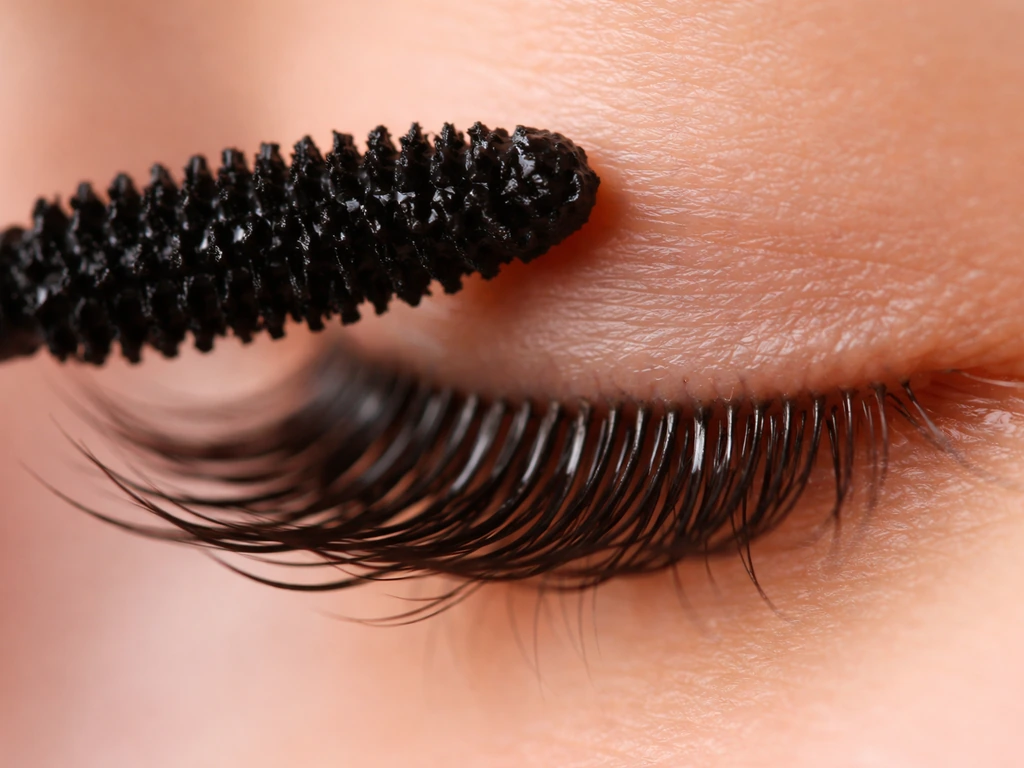
Not wearing mascara won't make your eyelashes grow longer on its own, because mascara doesn't control your follicles' growth cycle. What skipping mascara can do is reduce the mechanical damage, dryness, and irritation that cause lashes to break, shed prematurely, or look sparse. So the real answer is: stopping mascara removes a source of damage, not a blocker of growth. If your lashes have been breaking or falling out faster than they regrow, that difference can look and feel like new growth once the damage stops.
Will Not Wearing Mascara Help Your Eyelashes Grow?
Rachel Nguyen
23 May 2026
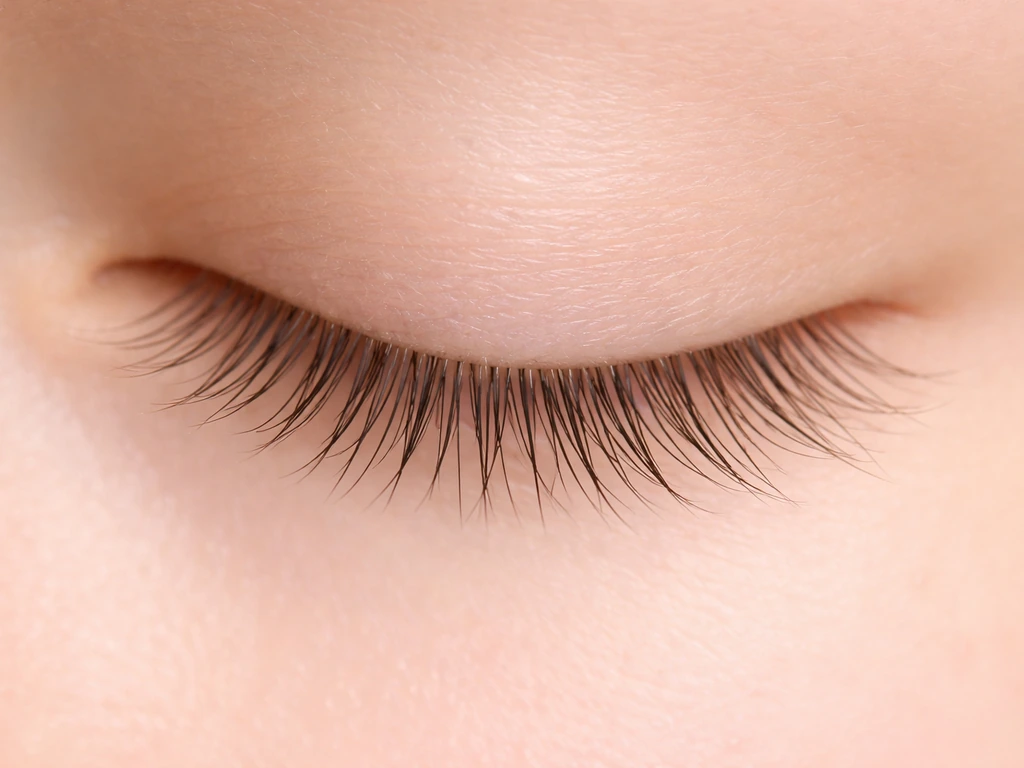
What mascara can and can't affect
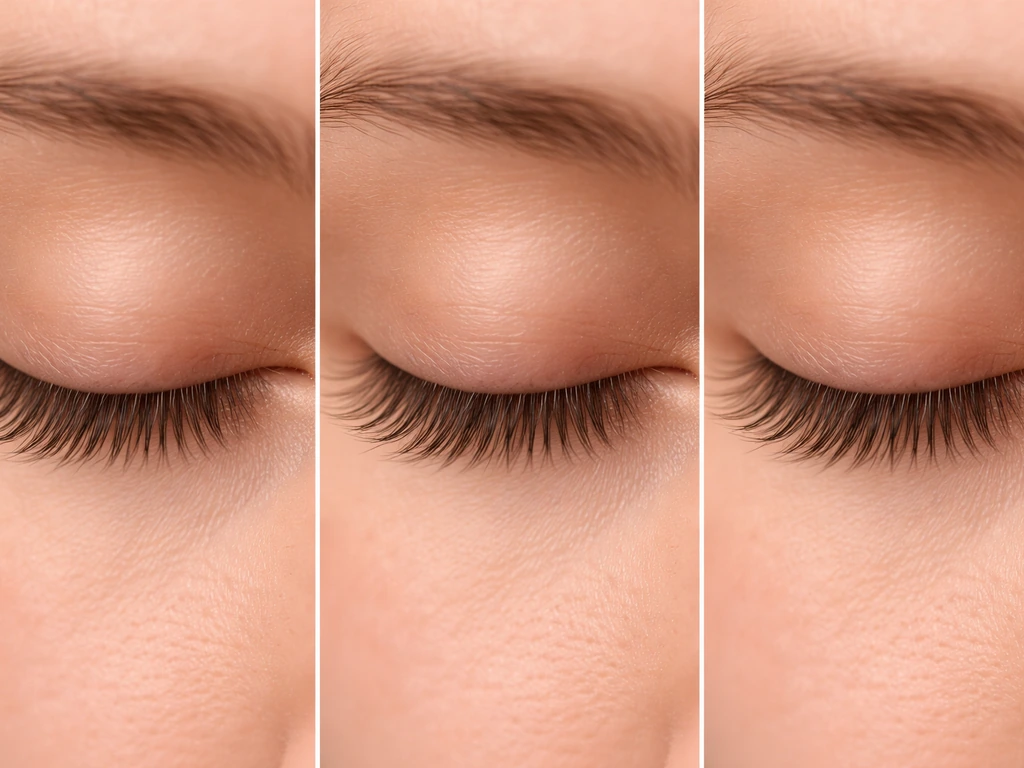
Your eyelashes follow a blank" rel="noopener noreferrer">three-phase cycle: anagen (active growth), catagen (transition), and telogen (resting). blank" rel="noopener noreferrer">The anagen phase for eyelashes is extremely short, roughly 30 days, and the telogen phase can last around 100 days or more. That means at any given moment, a large percentage of your lashes are just sitting there resting, not growing. This is pure biology. No mascara, no serum, no oil changes that fundamental timeline unless it works at the follicle level.
What mascara can affect is the physical condition of the lashes you already have. Waterproof formulas are especially drying. Repeated tugging during removal stresses the follicle opening. Old or contaminated mascara can introduce bacteria and cause lid inflammation. And clumping or heavy coats make lashes more brittle at the tips. None of this stops growth inside the follicle, but it can cut a lash's visible lifespan short by causing breakage before it reaches its natural shed point.
Does skipping mascara actually help lashes grow?
Directly, no. If you're wondering whether does thrive mascara make your lashes grow, the key point is that mascara itself cannot force true lash growth, though it may change how lashes look by reducing breakage from wear and removal. Skipping mascara does not trigger the follicle to produce more growth. Your anagen phase stays roughly 30 days regardless. But indirectly, yes, it helps, because eliminating the damage source lets each lash survive its full growth cycle instead of snapping off halfway through. If you've been losing lashes to breakage, rubbing, or inflammation from mascara removal, your lash line can look noticeably fuller within one to two growth cycles (roughly three to four months) once you stop the damage pattern. That's not new biology, it's existing biology finally getting to complete itself.
This also answers the related question of whether stopping mascara makes lashes grow back. If lashes were falling out due to irritation or traction, removing that cause lets the follicle recover and produce a healthy lash again. If your lashes are simply short by genetics, giving up mascara alone won't change their maximum length.
Why lashes look like they're not growing (when they probably are)
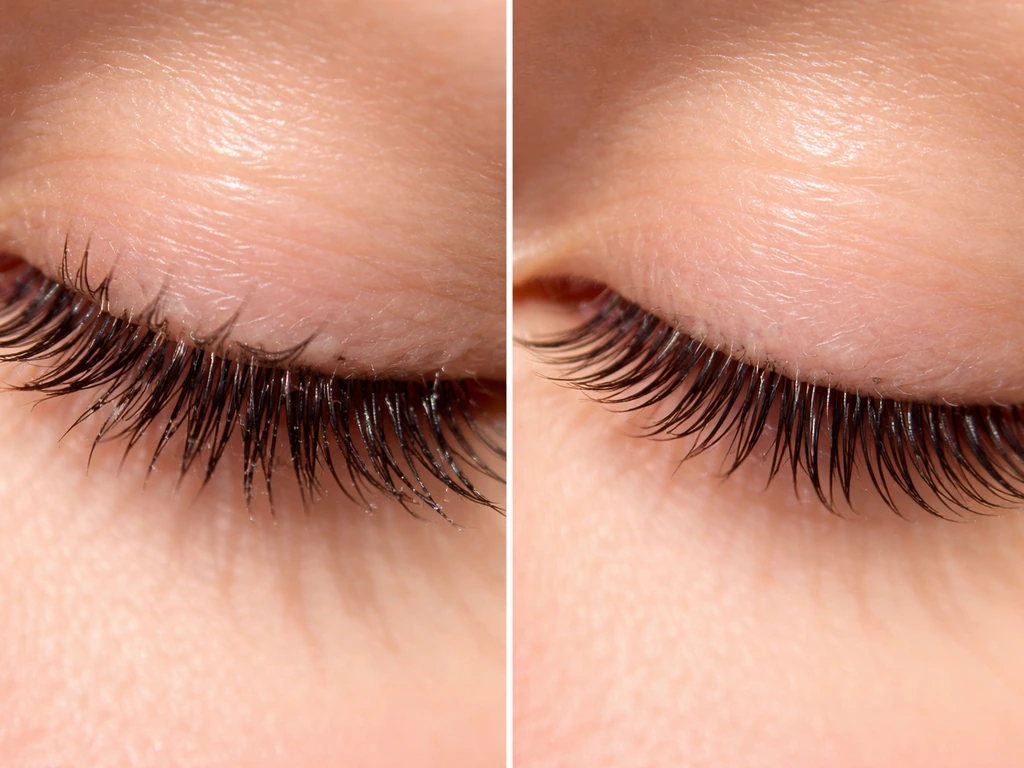
Most people who feel like their lashes stopped growing are actually experiencing one of these problems:
- Breakage at the tips from dry, stiff mascara formulas or crimping with a heated curler after applying mascara
- Premature shedding triggered by rubbing the eye area hard during makeup removal
- Follicle irritation from expired mascara, preservatives, or an undiagnosed contact allergy to a mascara ingredient
- Telogen effluvium-style shedding from stress, nutritional gaps, or hormonal changes, which mascara has nothing to do with
- Blepharitis or lid inflammation from product buildup at the lash line, which disrupts the follicle environment
The way to tell breakage from a true growth problem: look at the tips of the lashes you shed. If they have a tapered, fine tip, the lash completed its cycle and fell out naturally. If the tip looks blunt or chopped, it broke. A lot of blunt ends means the issue is damage, not your growth cycle.
What to do differently starting today
You don't have to quit mascara entirely to see improvement, but you do need to change how you remove it and how often you apply it. Here's what actually moves the needle:
- Switch to an oil-based or micellar makeup remover. Pressing a soaked cotton pad gently against the lashes for 20 to 30 seconds lets the product dissolve mascara without requiring any rubbing or pulling.
- Stop rubbing. Downward strokes and pressure on the lash base are the single biggest mechanical stressor. Use a dabbing or gentle pressing motion only.
- Replace your mascara every three months. Bacterial growth in old formulas is a real source of lid irritation that most people ignore.
- Give lashes at least two or three mascara-free days per week. Less daily removal stress equals less cumulative breakage.
- Avoid waterproof mascara as a daily product. Reserve it for occasions when you need it. Waterproof formulas require more force and harsher solvents to remove.
- Never sleep in mascara. Even one night allows product to migrate into follicle openings and cause microinflammation.
At-home ways to actually support growth and thickness
Once you've stopped the damage, you can actively support the growth environment. These are the options with the most real-world evidence behind them at an at-home level.
Castor oil
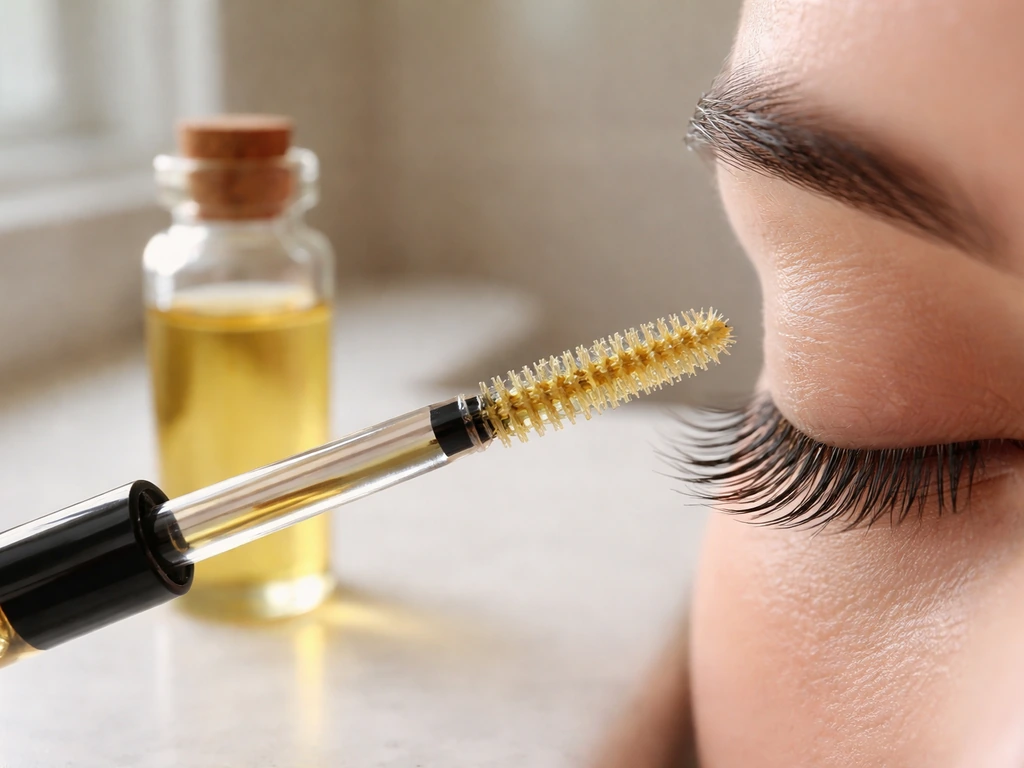
Castor oil is the most widely used at-home lash conditioner, and while large clinical trials are limited, its ricinoleic acid content has demonstrated anti-inflammatory properties that may support a healthier follicle environment. Apply a small amount with a clean mascara wand or cotton swab to the lash line before bed, two to three times per week. Don't overload the lash line, a thin coat is enough. Wipe off any excess in the morning with a gentle cleanser so it doesn't migrate into your eyes.
Other conditioning oils
Argan oil, vitamin E oil, and sweet almond oil are gentler alternatives if castor oil feels too thick. They work primarily as emollients, keeping lash fibers flexible and less prone to snapping. They won't dramatically lengthen lashes but they reduce breakage, which has the same visible result over time.
Lash serums: what the ingredients actually mean
Over-the-counter lash serums fall into two real categories. Serums containing prostaglandin analogs (like bimatoprost, which is the active ingredient in the prescription product Latisse) are the only ingredients with clinical evidence for actually extending the anagen phase and making lashes longer. Bimatoprost is FDA-approved for this use. OTC serums that contain peptides, biotin, and panthenol work as conditioning agents, they improve lash fiber quality and reduce breakage but don't change follicle biology the way prostaglandins do. Both categories can be useful, just for different reasons. If you want clinically measurable growth, you're looking at a prescription-level ingredient. If you want healthier, less brittle lashes, a quality OTC conditioner or serum does the job.
Nutrition and internal support
Biotin deficiency is associated with hair fragility, but if you're not deficient, supplementing won't produce dramatic results. More useful is making sure you're getting adequate protein, iron, and zinc, all of which support hair follicle function generally. If you've noticed significant shedding alongside fatigue or other symptoms, a blood panel is worth the conversation with your doctor before you spend money on supplements.
How long this actually takes

Patience is the hardest part here. The eyelash growth cycle means you're working on a multi-month timeline no matter what you do.
| Phase | Duration | What you notice |
|---|---|---|
| Anagen (active growth) | ~30 days | New lash growing from follicle, invisible at first |
| Catagen (transition) | ~2–3 weeks | Growth stops, follicle shrinks slightly |
| Telogen (resting) | ~100 days | Lash stays in place until pushed out by new growth |
| Full cycle from shed to visible new lash | ~3–5 months total | Noticeable improvement in density and length |
If you stop a damage habit today, you won't see results in two weeks. The lashes currently in telogen still need to complete their rest phase before new ones push through. Realistically, expect to start seeing a difference in density and fullness at around the three-month mark, with more obvious improvement by four to five months. If you're also using a conditioning treatment, that timeline applies to the recovery of lash fiber quality too.
One thing that catches people off guard: when you start a new lash routine, you may notice slightly more shedding in the first few weeks. This can happen as follicles transition out of a disrupted state and restart their cycles. It's temporary. If heavy shedding continues past four to six weeks, that's worth investigating.
When it's time to talk to a professional
Most lash thinning from mascara habits is reversible with a better routine and time. But some situations need a clinical eye. See a dermatologist or ophthalmologist if you notice:
- Patchy or asymmetric lash loss, especially if brows or other hair are also thinning
- Persistent redness, itching, flaking, or crusting along the lash line that doesn't resolve after switching products (this can indicate blepharitis or a contact allergy requiring treatment)
- Lashes that appear to grow in the wrong direction, fall out in clusters, or don't regrow after several months
- Recent changes to a medication (some drugs including certain chemotherapy agents and glaucoma drops are known to affect lash growth cycles dramatically)
- Any sudden or significant lash loss that coincides with a new health symptom, because the lashes can reflect what's happening internally
A dermatologist can assess whether the issue is mechanical damage, an inflammatory condition like blepharitis or alopecia areata, or a systemic cause. If the cause is inflammatory or autoimmune, no amount of castor oil or mascara breaks will fix it, you'll need targeted treatment. Getting that diagnosis early saves months of trying the wrong approach.
The bottom line on mascara and lash growth
Skipping mascara won't unlock a hidden growth mode in your follicles, but it can absolutely stop the cycle of damage that's been cutting your lashes short. Fix your removal routine, give lashes rest days, condition the lash line with a quality oil or serum, and then be patient for three to five months. That combination, not just going mascara-free, is what actually produces a visible difference. If you want the best results, you can pair your routine with the best mascara to grow eyelashes for your lash needs. If you do want to keep wearing mascara, the habits matter far more than the product itself, though the formulation question is worth exploring too if you're curious about whether any mascara ingredients might actually support lash health at the same time.
FAQ
If I stop mascara completely, will I definitely see my lashes get longer?
Not wearing mascara can help if your lashes are being damaged, but it does not “save” every lash overnight. If you keep applying false lashes, using lash curlers, or rubbing your eyes, those can keep breaking lashes, so you may not see the same rebound you would from stopping only mascara-related irritation and tugging.
How can I tell whether my lashes are shedding normally or breaking?
A good rule is to base the decision on whether you are seeing breakage. If you notice lots of lashes with fine, tapered ends, shedding is more likely part of the normal cycle. If the tips look blunt or chopped, breakage from wear or removal is the main culprit, and going mascara-free alone usually helps less than changing removal technique and coats.
Can I still wear mascara and see improvement, or do I need to stop entirely?
Yes, but only up to a point. If you remove mascara less aggressively, avoid tugging, and stop layering heavy coats, you can reduce the damage while still wearing it. The biggest difference often comes from gentler removal and fewer repeat coats, not from eliminating mascara for everyone.
What mascara removal mistake most commonly prevents lashes from recovering?
The first thing to check is whether you are using an appropriate remover and technique. Avoid rubbing with makeup wipes, especially waterproof formulas. Look for a gentle, oil-based or cream-based remover, let it dissolve mascara before you wipe, and use minimal passes along the lash line.
Are lash oils or serums safe to use every night, and how do I prevent irritation?
Conditioners and oils typically help with flexibility and break resistance, but they do not replace the need for a good growth timeline. If you apply an oil daily under heavy makeup without cleaning it off, it can migrate toward the eye and cause irritation, which can worsen shedding. Use a thin layer, clean off excess in the morning, and stop if you get redness or stinging.
My lashes are shedding more after changing my routine. When is it still normal?
Watch for a temporary uptick in shedding in the first few weeks, especially if you recently changed routines. If shedding is heavy and continues beyond about 4 to 6 weeks, or you also develop itching, burning, swelling, crusting at the lid margin, or patchy loss, that points to inflammation or a medical cause rather than simple mascara damage.
When should I stop experimenting at home and see a dermatologist or ophthalmologist?
If you have persistent or patchy lash loss, eyebrow thinning, or symptoms like eyelid redness and scaling, do not assume it is just mascara wear. Conditions such as blepharitis or alopecia areata can mimic “growth stopping,” and they usually require targeted treatment rather than more conditioning.
Could my contact lenses or eye rubbing be the real reason my lashes look thinner?
Yes, contact lenses and eye rubbing can indirectly keep lashes from improving. Rubbing can add traction damage, and lens handling can increase irritation at the lid margin. If you wear contacts, remove mascara before taking lenses out when possible, and avoid rubbing during removal or dry eye flare-ups.
Does using old mascara actually affect lash health, or is it only a hygiene issue?
Old or contaminated mascara is more about inflammation risk than growth. If your mascara has been open for a long time or you notice clumping that requires extra rubbing to remove, replace it and consider switching to a formula that removes easily. This can reduce lid irritation that contributes to lash problems.
If I want true growth, what is the difference between prostaglandin-based serums and conditioning serums?
Bimatoprost-type ingredients can lengthen lashes by changing growth behavior, but they are not the same as “damage prevention.” If you do not want prescription-level ingredients, focus on reducing mechanical stress, improving removal, and using conditioning products to reduce breakage. If you do choose a prostaglandin approach, discuss side effects with a clinician.
Next Article
Can Mascara Help Eyelashes Grow Longer or Thicker?
Can mascara help lashes grow? Learn why it only coats, how clear mascara differs, and what truly boosts lash growth.