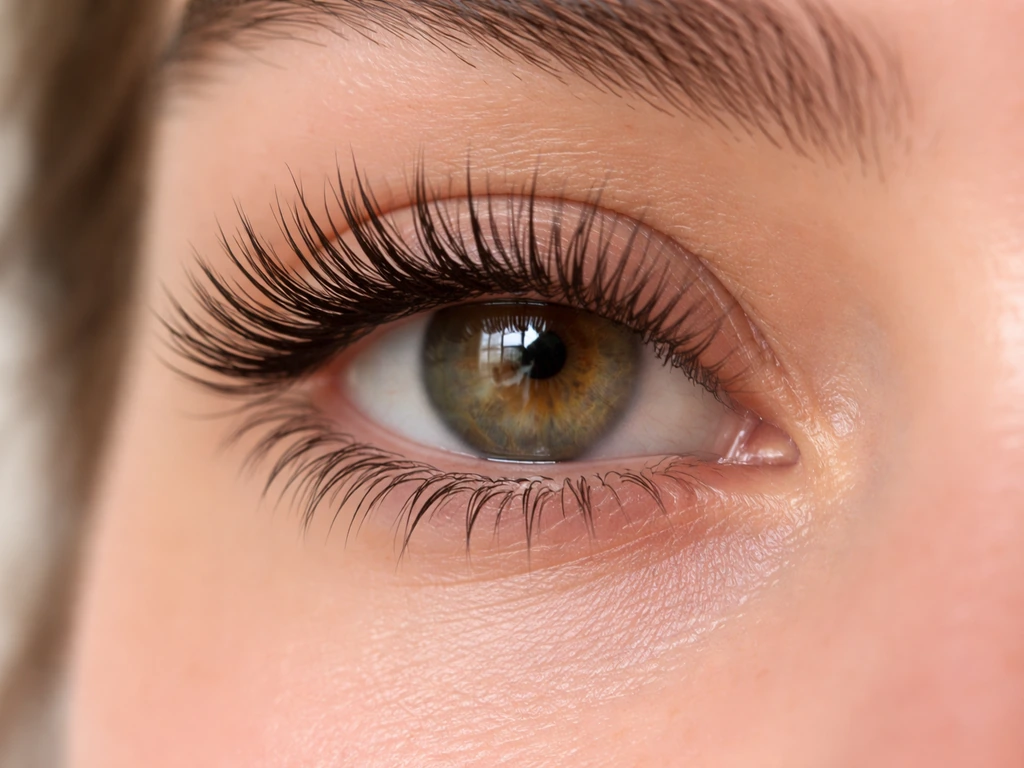
Only one eye drop is FDA-approved to actually grow eyelashes: LATISSE (bimatoprost ophthalmic solution 0.03%). A handful of other prostaglandin-based drops used for glaucoma (like latanoprost and bimatoprost/Lumigan) have the same lash-growing side effect, but they are not approved for that purpose. Standard eye drops you buy at the pharmacy, redness relievers, lubricating drops, Lumify, saline rinses, none of these grow lashes. The active ingredient that drives real lash growth is a prostaglandin analog, and most over-the-counter eye drops simply do not contain one.
What Eye Drops Make Your Eyelashes Grow and What Works
Rachel Nguyen
19 May 2026
Why lashes grow in the first place
Every eyelash sits in a follicle and cycles through three phases: anagen (active growth), catagen (transition), and telogen (resting/shedding). Your lash length is directly determined by how long the anagen phase lasts, while thickness depends on how much the follicle itself is stimulated. Most people are in anagen for only 30 to 45 days on their lashes, compared to years on scalp hair, which is why lashes stay short. Density (how many lashes you have) is about how many follicles are actively cycling at once. For a product to genuinely grow your lashes, it needs to either extend the anagen phase, enlarge the follicle, or both. That is a specific biological action, one that not every ingredient can accomplish.
Eye drops vs lash-growth serums: what is actually different
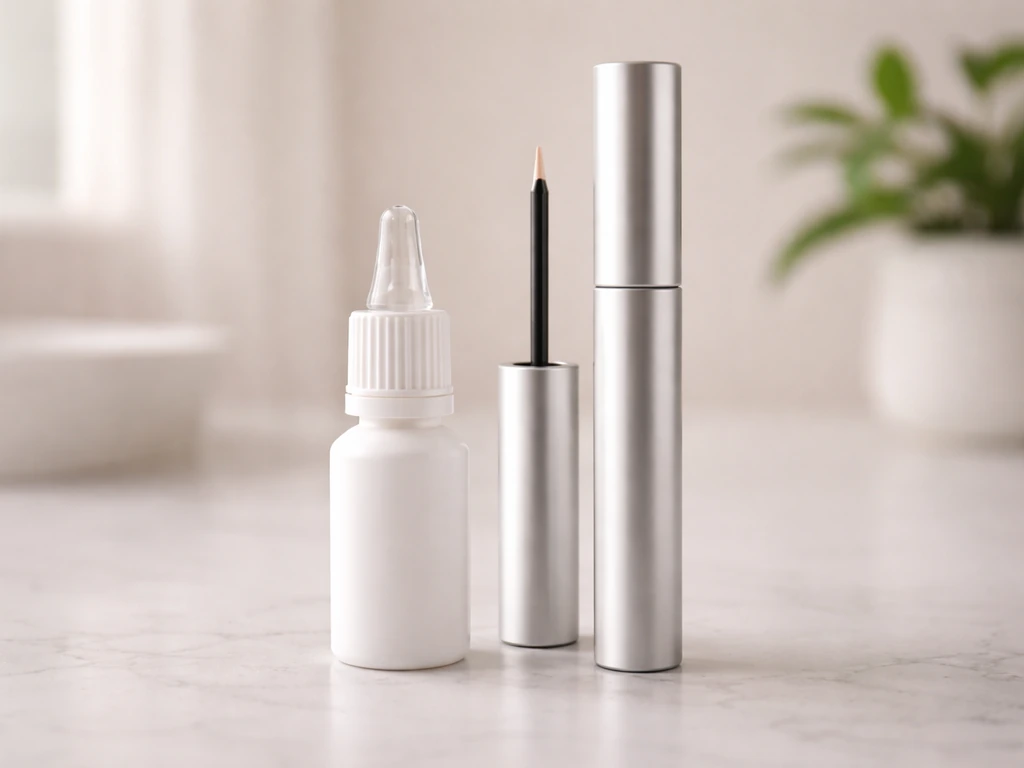
The confusion here is understandable because LATISSE is technically an ophthalmic solution, meaning it is formulated as eye drops. So in a narrow sense, yes, eye drops can grow lashes. But the mechanism is what matters. Eye drops used for dry eyes, redness, or allergies are formulated to treat the surface of the eyeball, not the follicles along the lid margin. If you are specifically asking, what glaucoma drops make eyelashes grow, the key is that only prostaglandin-analog ingredients have meaningful lash-growth evidence. They do not contain prostaglandin analogs, and nothing in them reaches the follicle in a way that changes growth cycles.
Lash-growth serums sold over the counter are a different category. Some contain prostaglandin analogs or prostaglandin-related compounds (like isopropyl cloprostenate or dechloro dihydroxy difluoro ethylcloprostenolamide), often in lower concentrations than prescription products. Others rely on peptides, biotin, panthenol, or plant extracts and are essentially conditioning treatments rather than growth stimulants. The label matters: a serum with a prostaglandin analog has a real shot at extending your anagen phase; a serum with just castor oil and biotin is mostly moisturizing the lash shaft.
The ingredients that can actually promote lash growth
Prostaglandin analogs: the real drivers
Prostaglandin analogs are the only class of ingredients with solid clinical evidence for lash growth. They bind to prostaglandin receptors in the hair follicle and prolong the anagen (growth) phase while also enlarging the follicle itself. The result is longer, thicker, and often darker lashes over time. The main players are:
- Bimatoprost (0.03%): the active in FDA-approved LATISSE, and also in the glaucoma medication Lumigan. Clinically proven to increase lash length, thickness, and pigmentation.
- Latanoprost: a glaucoma drop (brand name Xalatan) that causes the same lash-growth side effect, though it is not approved for cosmetic lash use.
- Travoprost: another prostaglandin analog used in glaucoma therapy with similar lash-growth observations in clinical literature.
- Isopropyl cloprostenate and related analogs: synthetically derived prostaglandin-related compounds found in several over-the-counter lash serums (RapidLash, GrandeLASH-MD, and others). Weaker evidence base than bimatoprost, but some users report real results.
Natural alternatives: what the evidence actually says
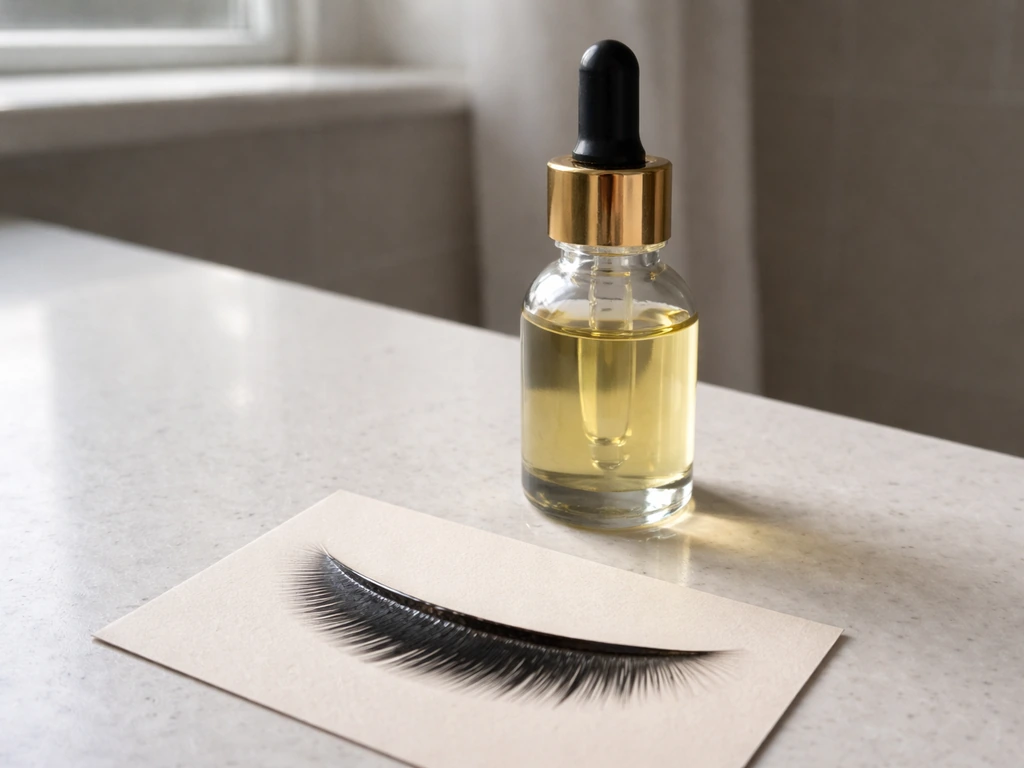
Castor oil is the most popular natural lash remedy and the evidence for it growing lashes is essentially zero, but it does coat and condition the lash shaft, reducing breakage and making lashes appear fuller temporarily. That is not nothing, especially if your lashes are brittle or damaged by extensions. Biotin supplements are widely marketed for lash growth, but clinical studies only show a benefit in people with confirmed biotin deficiency, which is uncommon.
Peptide-based serums can support follicle health and strengthen existing lashes, but they do not reliably extend anagen. For genuine growth, prostaglandin analogs are in a different league from all of these. If you are using does lumify eye drops make your eyelashes grow, it is still important to look at the ingredients, because only specific growth stimulants have evidence for real lash growth.
What to avoid: ineffective drops and risky misuse
Using the wrong drops around your lash line is not just ineffective, it can actively cause harm. Here is what to steer clear of:
- Redness-relieving drops (like Lumify or Visine): Lumify contains brimonidine, a decongestant that constricts blood vessels and reduces eye redness. It has no prostaglandin mechanism and does not grow lashes despite what you may have seen online.
- Applying glaucoma drops off-label without medical supervision: latanoprost and bimatoprost in their glaucoma-concentration formulas are meant to enter the eye and lower intraocular pressure. Using them casually on the lash line without a prescription and guidance carries real risks, including iris pigmentation changes that can be permanent.
- Sharing or repurposing prescription eye drops: contaminated applicators and improper storage can introduce bacteria to the periocular area.
- Homemade lash 'serums' with essential oils: tea tree, lavender, and peppermint oils applied to the lash line can cause chemical irritation and contact dermatitis — and none has evidence for lash growth.
- Stopping and restarting lash growth treatments erratically: lashes grown with prostaglandin analogs depend on continued use; stopping abruptly leads to return to baseline within weeks to months.
Timeline: how long before you actually see results
LATISSE clinical studies show the first visible improvement at around 4 weeks, with more significant changes at 8 weeks, and full results at 16 weeks (about 4 months). This aligns with the biology: you are waiting for a full anagen cycle to complete under the influence of the drug. Thickness and darkness tend to appear before maximum length.
Over-the-counter prostaglandin-analog serums generally follow a similar but slower curve: many users report noticing changes at 6 to 8 weeks, with optimal results closer to 3 to 4 months of consistent nightly use. If you are using Lumigan (bimatoprost), it follows the same prostaglandin-analog timeline for visible lash changes.
If you are recovering from extension damage, trauma, or a medical condition like alopecia or chemotherapy, the timeline shifts. Damaged follicles need to exit a prolonged telogen phase first. In those cases, you may not see meaningful growth response for 3 to 6 months even with an effective treatment, and patience is genuinely important here. The distinction between lengthening and thickening also matters for recovery: thickness (follicle diameter) tends to respond first, while getting full length back can take longer since you are waiting for the full anagen phase to run its course.
| Option | Evidence Level | Typical Onset | Full Results | Prescription Needed |
|---|---|---|---|---|
| LATISSE (bimatoprost 0.03%) | FDA-approved, strong clinical evidence | 4 weeks | 16 weeks | Yes |
| Latanoprost (off-label) | Clinical evidence (glaucoma studies) | 4–8 weeks | 12–16 weeks | Yes |
| OTC serums with prostaglandin analogs | Limited clinical trials, user evidence | 6–8 weeks | 12–16 weeks | No |
| Peptide-based lash serums | Weak/conditioning evidence | Variable | Conditioning only | No |
| Castor oil | No clinical evidence for growth | N/A | Conditioning only | No |
| Biotin supplements | Evidence only in deficiency | N/A | Minimal unless deficient | No |
| Standard eye drops (Lumify, Visine, etc.) | No evidence | None | None | No |
How to use lash-growth options safely starting today
If you have a LATISSE prescription
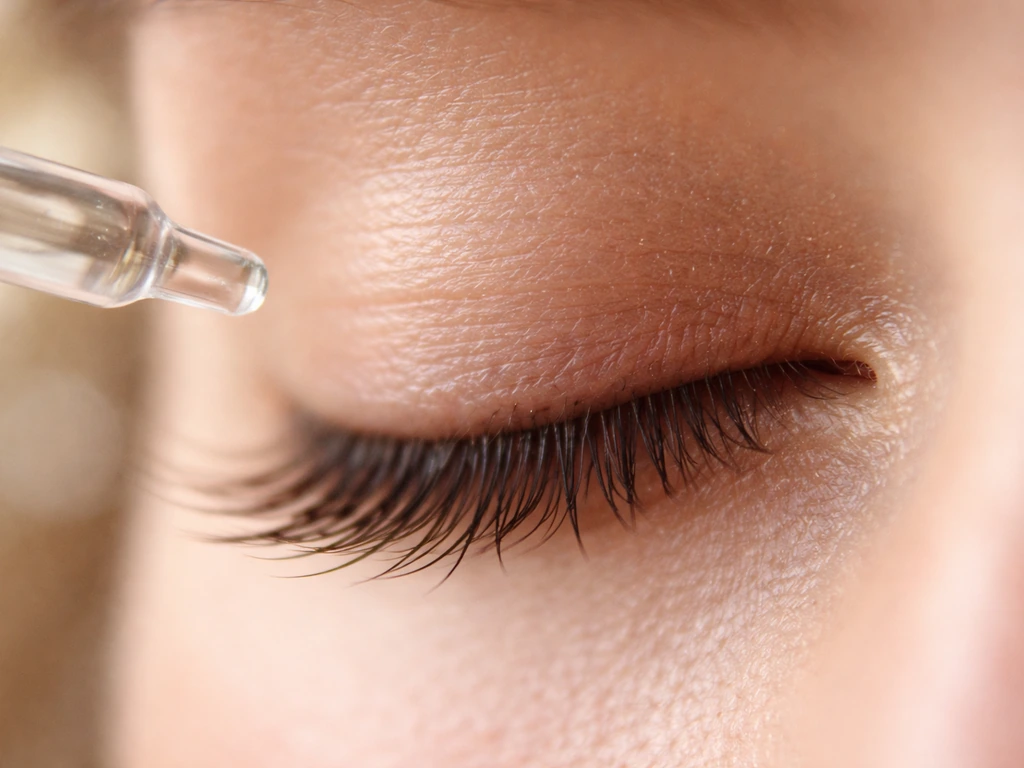
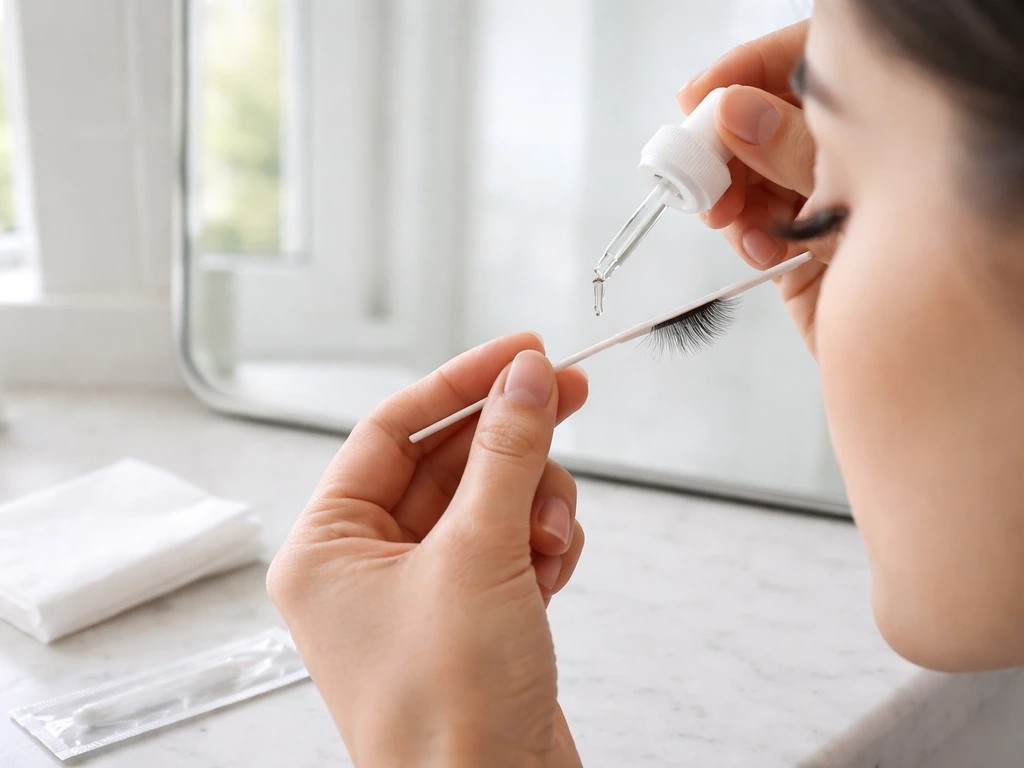
The application method matters and is often done wrong. Per the FDA label: apply one drop of LATISSE to the included sterile disposable applicator, then draw the applicator along the skin of the upper eyelid margin at the base of the lashes, from the inner corner to the outer corner. In the U. S.
, LATISSE (bimatoprost ophthalmic solution) 0. 03% is FDA-indicated to treat hypotrichosis of the eyelashes by increasing their growth, including length, thickness, and darkness [Per the FDA label](https://dailymed. nlm. nih.
gov/dailymed/drugInfo. cfm? setid=34f83d9d-2c64-463e-8a90-9a460fedfead). Upper lids only, the product migrates to the lower lash line on its own.
Use a fresh applicator for each eye to avoid cross-contamination. Do it once nightly before bed. Remove contact lenses before application and wait at least 15 minutes before reinserting them. Blot any excess solution off the lid with a tissue.
If you are starting with an OTC serum
The application approach is the same: upper lash line, once nightly, clean and dry skin. Look for serums that disclose their active ingredients on the label. Isopropyl cloprostenate or a similar prostaglandin-related compound in the ingredients list is a good sign. Avoid products that only list biotin, peptides, and oils without any prostaglandin analog if your goal is actual growth rather than conditioning. If you are wondering specifically whether will Lumigan 0.01 grow eyelashes, the answer depends on the prostaglandin-analog ingredient and how consistently you use it.
Monitoring and troubleshooting side effects
The most commonly reported side effects with bimatoprost-based products are itching around the eye, redness of the conjunctiva, and darkening of the eyelid skin. LATISSE labeling lists commonly reported adverse reactions such as itching around the eye, conjunctival hyperemia (redness), and skin hyperpigmentation or periocular skin darkening [itching around the eye, redness of the conjunctiva, and darkening of the eyelid skin](https://accessdata. fda. gov/drugsatfda_docs/label/2020/022369s012lbl.
pdf). The skin darkening is typically reversible when you stop, but iris (eye color) pigmentation changes from bimatoprost are described as likely permanent, worth knowing before you start, especially if you have light-colored eyes. If you notice persistent redness, swelling, or unusual discharge after starting any lash product, stop use and see an eye doctor. Do not push through irritation assuming it will resolve, because reactions at the lid margin are close to the eye surface.
Start with one eye for the first two weeks if you are concerned about a reaction, this lets you compare and catch asymmetric side effects before they affect both eyes. Set a 4-week photo check-in on your phone so you have a baseline comparison when the subtle early changes start happening. Most people underestimate early progress because they see their lashes daily; the photo comparison is genuinely useful.
Next steps in plain terms
- If you want the most clinically validated result: book a dermatologist or ophthalmologist appointment to discuss a LATISSE prescription. It is a straightforward consultation in most cases.
- If you want to start without a prescription: choose an OTC serum that lists a prostaglandin analog in its ingredients, apply nightly to the upper lash line, and give it a minimum of 12 weeks before judging effectiveness.
- If your lashes are damaged from extensions or trauma: start with a conditioning routine (castor oil or a peptide serum) to reduce breakage while the follicles recover, then introduce a prostaglandin-based option once the lash line is healthy.
- If you have a medical condition causing lash loss (thyroid issues, alopecia, chemotherapy): address the underlying cause with your doctor first. Topical growth aids work better on follicles that are not under systemic stress.
- Take baseline photos in consistent lighting before starting anything. The 4-month mark is when real before/after comparisons become meaningful.
FAQ
If I use prostaglandin-based lash drops, can they make my lower eyelashes grow too?
Most prostaglandin lash products are intended for the upper lash line only. When you apply to the upper lid margin correctly, some migration can occur, but it is less consistent for the lower lashes and increases the chance of irritation. If a product label specifically instructs lower-lid application, follow that guidance, otherwise stick to upper-lid application to reduce side effects.
How do I tell whether an over-the-counter lash serum is actually a growth product, not just a conditioner?
Check the ingredient list for a prostaglandin analog or a prostaglandin-related compound (for example, isopropyl cloprostenate). If the formula only names items like biotin, peptides, panthenol, castor oil, or plant extracts, expect conditioning or breakage-reduction rather than true anagen-lengthening growth.
Can I switch between LATISSE, Lumigan, and an OTC prostaglandin serum if I miss doses or run out?
It is generally better not to mix products on the same timeline without a clear plan, because concentrations and application instructions can differ. If you must bridge, stick to one prostaglandin-based option and maintain the same nightly schedule, then reassess side effects before moving to a different product.
What happens if I apply too close to my eye, or I get product in my eyeball?
Small amounts can cause burning, redness, or watery eyes because the medication reaches the ocular surface rather than staying at the lid margin. Blot excess, avoid the waterline, and stop if you develop persistent pain or discharge. If symptoms do not improve quickly, contact an eye professional.
Do eyelash extensions affect how well lash growth drops work?
Extensions and adhesives can mask early changes, and they can also increase shedding by stressing follicles and the lash shaft. If you are actively using growth drops, consider removing extensions before starting (or pausing them) so you can evaluate true growth and reduce additional breakage that would make lashes seem thinner.
How long should I wait before deciding a prostaglandin lash drop is not working for me?
Visible changes often start around 4 to 8 weeks, but full results typically take about 3 to 4 months. If you see no thickening and no meaningful length change by the 3- to 4-month mark with consistent nightly use, reassess factors like application accuracy, product type (presence of prostaglandin analog), and whether an underlying eyelid condition is limiting follicle response.
If I stop using LATISSE or a prostaglandin serum, will my lashes stay grown?
Growth is maintained only while the prostaglandin effect continues. Once you stop, many people notice gradual reduction in length and thickness over time as follicles return to their prior cycling pattern. If you are concerned about reversibility, plan for maintenance use rather than expecting permanent changes from a short course.
Are contact lenses still okay if I use lash-growth eye drops or serums?
You generally should remove contact lenses before applying and wait at least 15 minutes before reinserting them. This helps reduce irritation and minimizes the chance of contamination from the solution migrating onto the ocular surface.
Can lash-growth drops cause permanent changes to iris color?
Iris pigmentation changes have been described as likely permanent with bimatoprost-based products, particularly in people with light-colored eyes. If you are concerned, discuss risk with an eye doctor before starting, and consider taking baseline photos so you can notice subtle differences early.
What redness or irritation is normal, and when is it a sign to stop and see a doctor?
Mild itching or temporary redness can happen, but persistent swelling, worsening redness, unusual discharge, or pain are not something to push through. If symptoms persist or escalate after starting (or occur asymmetrically and do not improve when you adjust technique), stop use and seek an eye evaluation promptly.
Next Article
What Is in Latisse That Makes Eyelashes Grow?
Discover the active ingredient in Latisse that drives eyelash growth, how it works, and realistic timelines and safe use