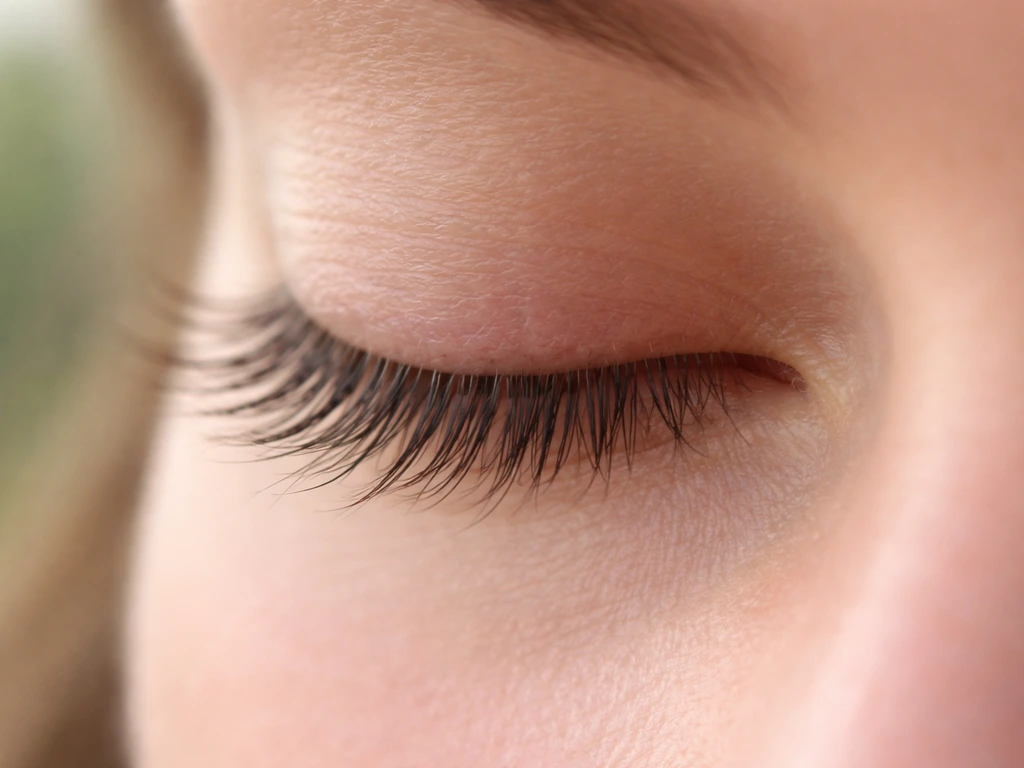
Most newborns already have eyelashes at birth, but they're often so fine and light that they're nearly invisible for the first few weeks. By around 1 to 3 months, lashes typically start looking more defined and fuller. In general, eyelashes grow continuously, but the most noticeable changes happen over the first few months. If your baby's lashes still seem patchy or sparse at 3 to 4 months, that's usually still within normal range, not a sign something is wrong.
When Do Newborn Eyelashes Grow? Timeline and What’s Normal

Rachel Nguyen
2 May 2026
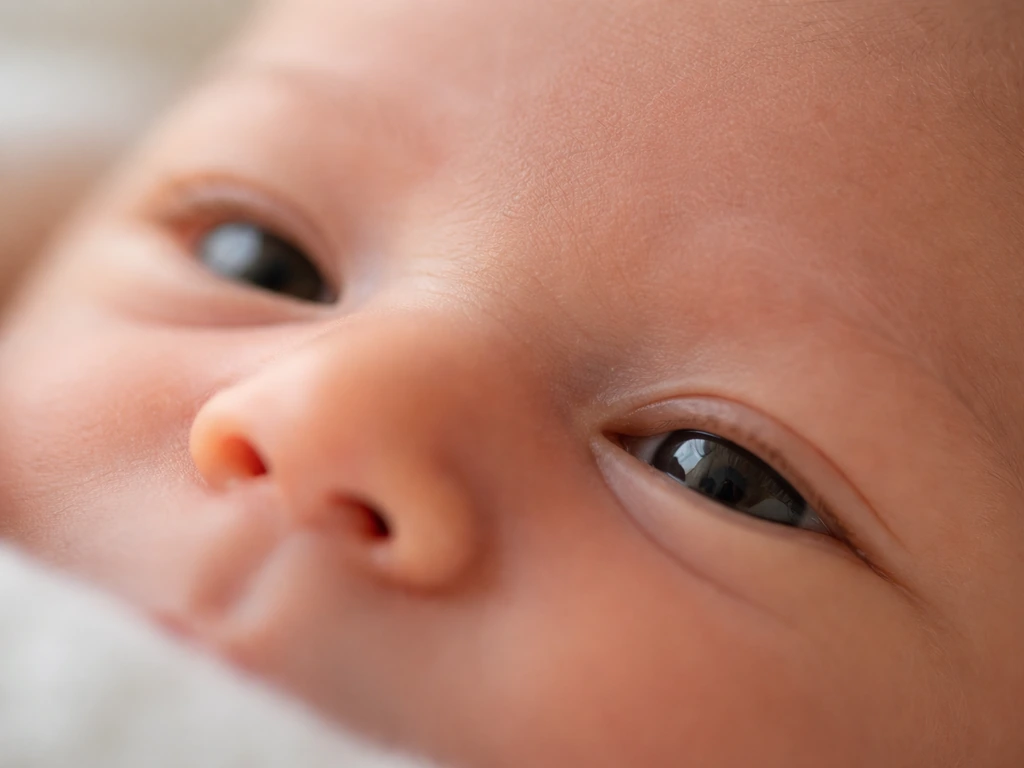
Newborn eyelash growth timeline
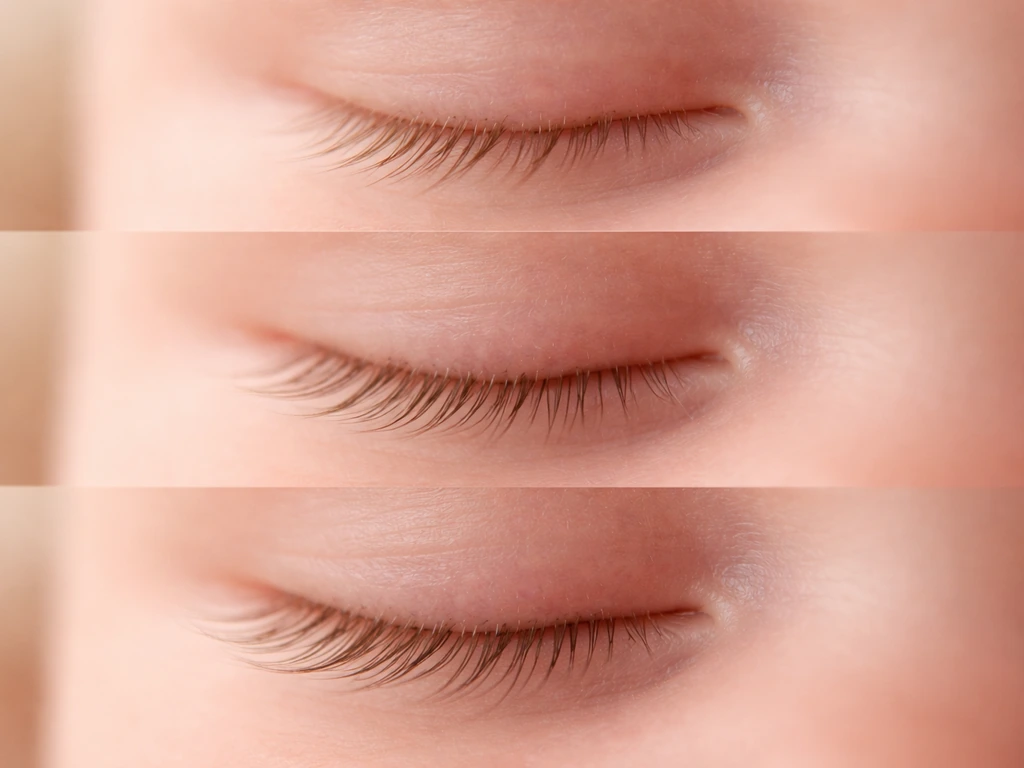
Eyelash follicles actually begin developing in the womb around weeks 7 to 8 of pregnancy, and by birth, most babies have a complete set of lashes already in place. The issue is that newborn lashes are often very fine, unpigmented, or short, which can make them look absent when they're really just hard to see. Here's roughly what to expect month by month:
| Age | What lashes typically look like | What's happening |
|---|---|---|
| Birth to 2 weeks | Very fine, short, possibly translucent; may look almost invisible | Lashes are present but in early growth phase; pigment is minimal |
| 2 to 6 weeks | Slightly more visible; still thin and soft | Follicles cycling through early anagen (growth) phase |
| 6 weeks to 3 months | Lashes begin to look more defined; some darkening starts | Pigment production increases; length becomes more noticeable |
| 3 to 6 months | Fuller, darker appearance; distinct lash line forms | Active growth phase well established; natural shedding and regrowth begins |
| 6 to 12 months | Lashes look much like they will throughout early childhood | Growth cycle matures; individual lash length and density stabilize |
The exact timing varies quite a bit between babies. Some have dramatic, dark lashes from day one. Others look nearly lash-free for the first month or two and then seem to sprout full lashes almost overnight. Both patterns are completely normal.
What's normal vs. delayed by age and appearance
The word 'delayed' gets thrown around a lot, but true lash developmental delay in newborns is rare. More often, what parents interpret as delayed growth is just normal variation in pigmentation, follicle maturity, or natural shedding cycles. Here's how to think about it:
- Fine, barely visible lashes in the first 4 to 6 weeks: normal, especially in fair-haired or premature babies
- Uneven lash distribution where some sections look fuller than others: normal through about 3 months
- One eye appearing to have more lashes than the other temporarily: usually normal as follicles cycle at slightly different rates
- Sparse but present lashes at 3 months: still within normal range for most babies
- Noticeably absent lashes on a full-term baby past 4 to 5 months, especially with other skin or eye symptoms: worth mentioning to your pediatrician
Premature babies often follow a slightly adjusted timeline since their follicles were still maturing at birth. If your baby arrived early, add those extra weeks to the timeline before comparing to a full-term schedule.
Why newborn lashes may look sparse or uneven
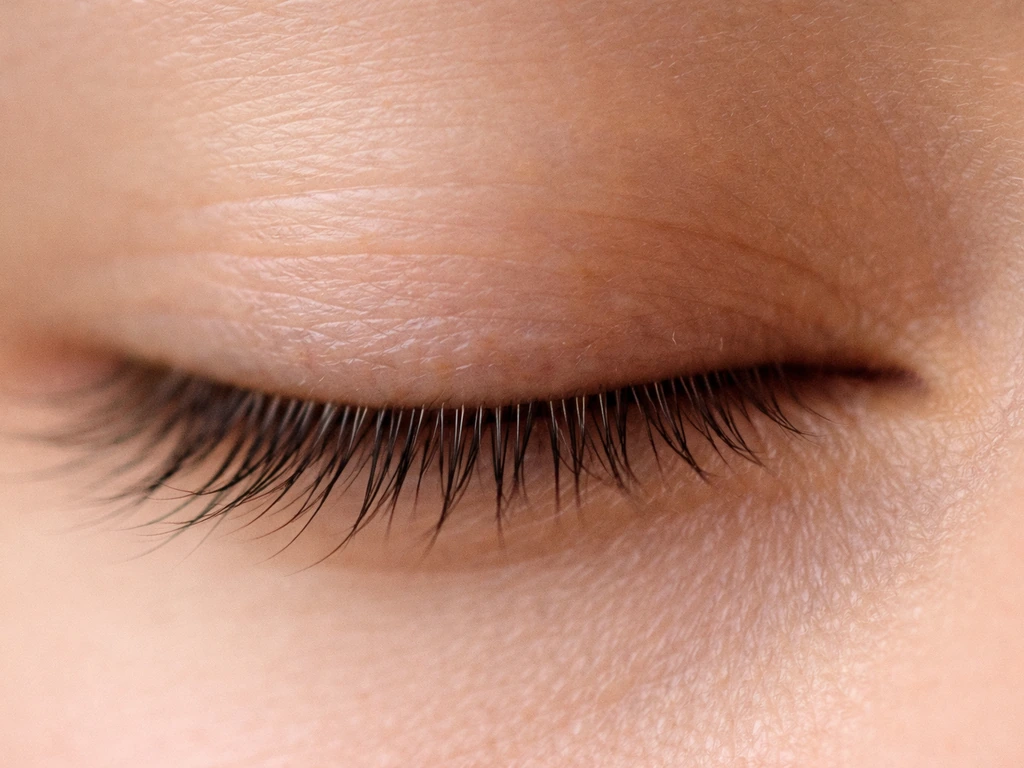
Even when growth is progressing normally, several things can make lashes look thinner or patchier than expected.
Natural shedding and growth cycling
Like all hair, eyelashes cycle through three phases: anagen (active growth), catagen (transition), and telogen (resting and shedding). In newborns, follicles don't all start or finish these phases at the same time, so it's completely normal for lashes to appear uneven or patchy as some follicles are actively growing while others are resting. This cycling is the same biology that explains why adult lashes shed and regrow throughout life.
Pigmentation timing
Lash color depends on melanin production in the follicle. In many newborns, especially those with lighter complexions, melanin production ramps up gradually over the first few months. Lashes that look absent might just be translucent or very pale, not actually missing.
Rubbing and irritation
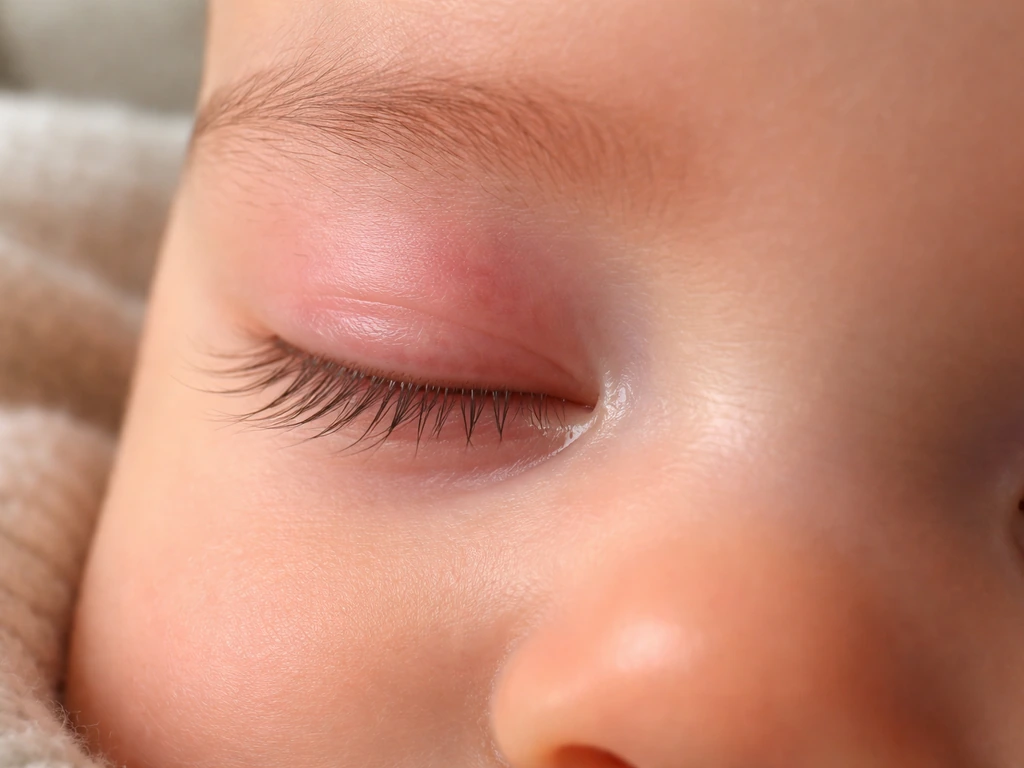
Babies rub their eyes frequently, especially as they become more physically coordinated around weeks 6 to 8. This mechanical friction can temporarily cause lashes to look thinner in certain spots. It's usually not damaging to the follicle itself, but repeated rubbing driven by irritation or itching can sometimes worsen inflammation and contribute to lash loss over time if an underlying condition is present.
Skin conditions
Eczema is relatively common in infants and can affect the eyelid area. Inflammatory skin conditions can interfere with lash follicle health and, in some cases, contribute to lash loss (medically called madarosis). Blepharitis, an inflammation of the eyelid margins involving the lash follicles, can also cause crusting at the lash base, scaling, and eventually lash loss if it's ongoing and untreated. These aren't common in healthy newborns, but they're worth knowing about if the skin around your baby's eyes looks red, flaky, or irritated.
How eyelashes grow: phases from birth to early months
Understanding the eyelash growth cycle helps explain why lashes don't just appear in a straight line of progress. Each individual follicle works on its own schedule, independent of its neighbors.
- Anagen (growth phase): The follicle is actively producing a new lash. In newborns, many follicles enter or are already in this phase shortly after birth. This phase can last anywhere from a few weeks to a few months for eyelashes, which is much shorter than scalp hair.
- Catagen (transition phase): Growth slows and the follicle begins to shrink slightly. The lash has reached its full length and is getting ready to eventually shed. This phase lasts about 2 to 3 weeks.
- Telogen (resting phase): The lash sits at the follicle opening but isn't growing. Eventually, a new anagen lash growing beneath it pushes it out. This is normal shedding.
In the first months of life, babies are essentially running all of these phases simultaneously across different follicles, which is why a 6-week-old can have some long lashes next to some nearly invisible ones on the same eyelid. By 4 to 6 months, the cycling tends to look more uniform and the overall lash line fills in. This staggered cycling is the same mechanism discussed in detail when looking at how fast eyelashes grow or how much growth to expect month to month in adults and older children. In general, eyelash growth varies from person to person, but you can use age-based expectations to understand how much eyelashes grow in a month how much growth to expect month to month. For a general idea of the timeline, see how fast eyelashes grow and what changes you can expect month to month.
When to worry: signs of an eye or skin condition
Most sparse or uneven newborn lashes are not a medical concern. Blocked tear ducts in babies often clear up on their own by around 6 months Most sparse or uneven newborn lashes are not a medical concern.. But there are specific signs that mean it's time to call your pediatrician or a pediatric ophthalmologist rather than waiting it out.
- Persistent eye redness combined with discharge that doesn't clear up: this can indicate a blocked tear duct, infection, or conjunctivitis. Blocked tear ducts often resolve on their own by around 12 months, but if the eye keeps getting infected or symptoms persist beyond expected timelines, an ophthalmologist referral is appropriate.
- Crusting or scaling at the base of the lashes, especially if the eyelid margins look red or thickened: this pattern is consistent with blepharitis, which involves inflammation at the lash follicle base. Left untreated, this can lead to lash loss over time.
- Significant and progressive lash loss (madarosis) rather than the uneven cycling that's normal early on: if lashes are actively falling out in patches or sections aren't filling in past 5 to 6 months, that warrants evaluation to rule out inflammatory skin causes like eczema or blepharitis.
- Swollen, tender, or noticeably puffy eyelids: this is different from mild puffiness in sleepy newborns and can indicate infection or a blocked gland.
- Your baby seems to be in consistent discomfort, rubbing their eyes excessively even when they're not tired or hungry.
Scarring from deeper, untreated eyelid inflammation can result in permanent lash loss, which is why catching conditions like blepharitis or persistent eczema around the eyes early matters. If in doubt, your pediatrician is always the right first call. They can determine whether a referral to a pediatric eye specialist is needed.
Practical next steps to support healthy lash growth safely
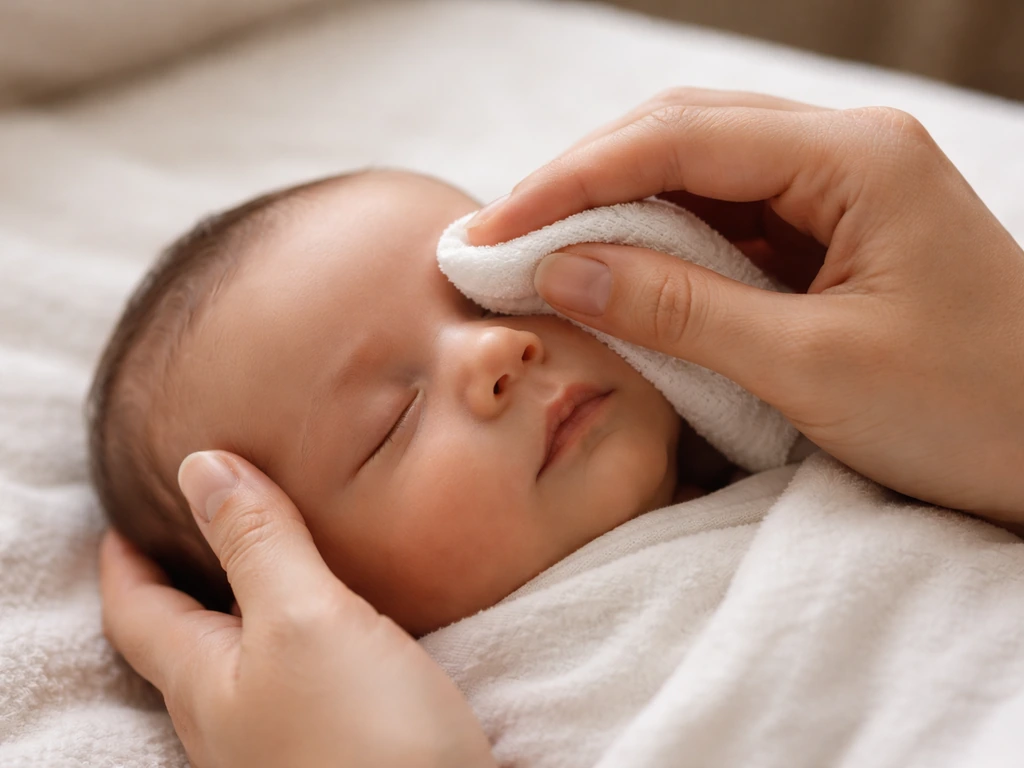
There isn't a lot you need to actively do to support a newborn's lash growth, because healthy follicles will do their job on their own timeline. But there are some practical things that help, and just as importantly, some things to avoid.
What actually helps
- Keep the eye area gently clean: if you notice mild crustiness or discharge around the lash line, a clean, soft cloth dampened with warm water is usually all you need. For any persistent crusting at the lash base, diluted baby shampoo on a cotton pad can gently clear the area, similar to the eyelid hygiene approach used for blepharitis in older patients.
- Minimize rubbing: try to identify and address sources of irritation (dry air, laundry detergent residue on fabric near the face, pet dander) that might be making your baby rub their eyes more than usual.
- Keep skin around the eyes moisturized if eczema is present: ask your pediatrician about appropriate fragrance-free moisturizers for the eyelid area if the skin looks dry or irritated.
- Follow up on blocked tear duct symptoms: if you're doing massage around the tear duct as directed by your doctor, stay consistent. Most cases clear by 12 months without intervention, but keeping up with pediatric visits helps catch cases that need further treatment.
What to avoid
- Lash serums or growth products of any kind: bimatoprost (the active ingredient in prescription lash serums like LATISSE) has not been studied in infants or children under 5, and safety concerns make it entirely off-limits without specialist direction. This applies to over-the-counter growth serums as well.
- Castor oil or any oil applied to newborn eyelids: oils near a newborn's eyes can cause irritation and are not indicated for lash growth in this age group.
- Comparing your baby's lashes to photos or other babies obsessively: natural variation between babies is enormous, and lash appearance at 6 weeks tells you very little about how they'll look at 6 months.
- Waiting too long if you're seeing red flags: sparse lashes alone are almost never a concern, but sparse lashes plus redness, discharge, swelling, or scaling together are worth a prompt call to your doctor, not a wait-and-see approach.
The bottom line is that newborn lash growth follows its own quiet timeline, mostly driven by the same follicle biology that governs lash growth at every other stage of life. By 3 to 6 months, most parents notice the change from barely-there to a real, visible lash line, and by 12 months, lashes typically look very much like they'll look throughout early childhood. If you're in those early weeks and staring at what looks like a lash-free face, give it time. The follicles are there, they're working, and patience is genuinely all that's needed in most cases.
FAQ
Is it normal if my newborn’s eyelashes are one side fuller than the other?
Yes, mild side-to-side differences are usually normal because individual follicles cycle on their own schedules. It becomes more concerning if one eye’s eyelids look consistently red, swollen, scaly, or if lashes keep shedding in a widening patch over several weeks.
When should I worry that it’s not just “pale lashes” but actual lash loss?
Call your pediatrician if lashes are not just light but are visibly missing in a growing pattern, especially when paired with eyelid irritation, crusting at the lash line, persistent redness, or watery eyes. A key clue is whether the lash base looks inflamed rather than simply translucent.
Do premature babies grow eyelashes at the same age as full-term babies?
Generally no. Many caregivers find it helpful to correct for prematurity when comparing appearance to typical timelines, for example adjusting by the number of weeks early. If you are unsure how to correct, ask your baby’s care team what adjusted age they use.
Can rubbing or wiping my baby’s eyes affect eyelash growth?
Occasional wiping is unlikely to cause problems, but frequent rubbing can contribute to lash thinning when there is ongoing irritation. If rubbing seems driven by itchiness (tearing, redness, crusting), address the cause rather than focusing only on the lashes.
Are mascara, oils, or lash serums safe for newborns?
No. Do not apply lash-enhancing products to newborns or young infants. The skin around the eyes is very sensitive, and products can trigger irritation or allergic reactions that worsen eyelid inflammation.
Should I expect lashes to darken at the same rate as they become longer?
Not always. Some babies develop visible length earlier while pigment ramps up more gradually. So you might see lashes first look “there but pale,” then gradually become more noticeable as melanin increases over the first few months.
What eyelid conditions commonly lead to patchy lashes in babies?
The most relevant are eczema involving the eyelids and eyelid margin inflammation such as blepharitis. These are more likely to show other symptoms like flaky skin, crusting at the lash base, or recurrent redness, not just lighter lashes.
Is it normal for lashes to shed briefly after looking fuller?
Yes. Eyelashes cycle through active growth and resting phases, so temporary unevenness can happen, and some lashes may fall out as others grow. What matters is the overall trend over months and whether there are inflammatory signs.
At what age should I get a specialist opinion if lashes still look very sparse?
If lashes are still notably sparse around 3 to 4 months, that can still be within normal variation, especially without redness or irritation. Seek an earlier evaluation if you see scarring-like changes, persistent eyelid inflammation, or other eye symptoms, and ask specifically whether a pediatric ophthalmologist is warranted.
Could genetics or family traits explain delayed-looking lashes?
Yes. Lash color and perceived fullness vary widely among families. If parents or siblings had very pale or nearly invisible lashes early in life, that can make the “looks delayed” pattern more likely to be normal variation rather than disease.
Next Article
How Often Do Your Eyelashes Grow and How Long to Regrow
Eyelash growth cycle explained: how often lashes shed and regrow, typical regrowth timeline, and what speeds safe recove