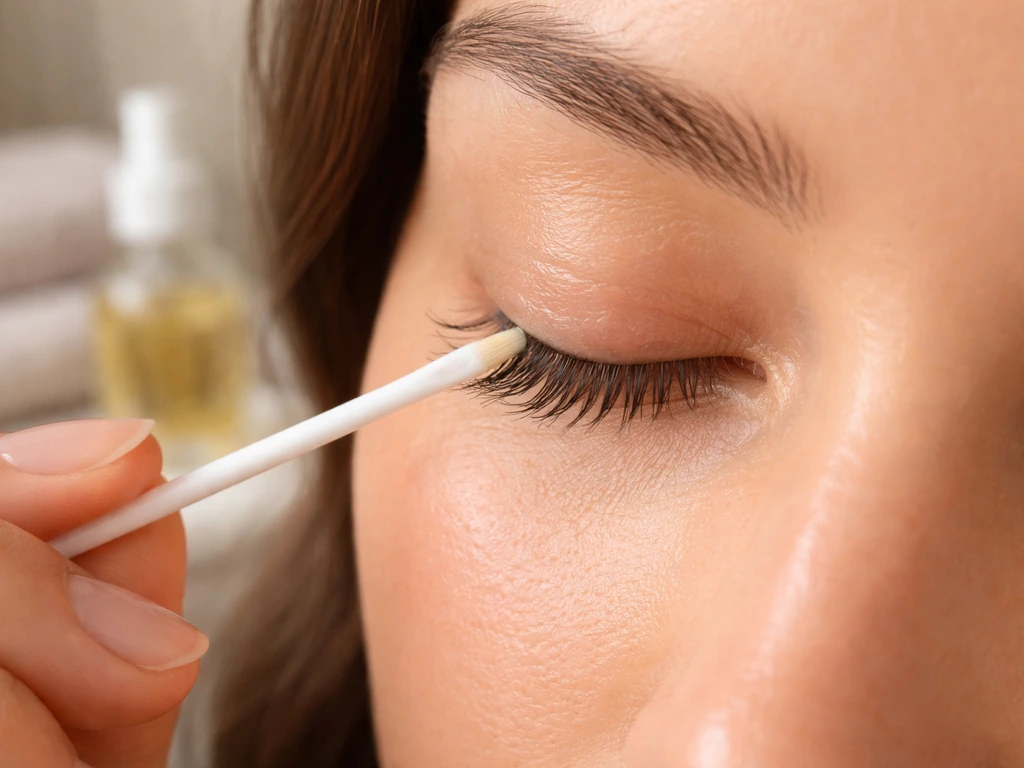
Avocado oil won't make your eyelashes grow in the way a prescription serum does, but it can genuinely help them look longer and fuller over time by conditioning the lash shaft, reducing breakage, and keeping the follicle environment healthier. Think of it as a supportive tool rather than a growth trigger. If you're also considering aloe vera, you may be wondering whether it can help eyelashes grow beyond just improving how they look can aloe vera help eyelashes grow. If your lashes are damaged, brittle, or recovering from extensions, avocado oil is worth trying. If you have real follicle-level hair loss, you'll need something stronger.
Does Avocado Oil Help Eyelashes Grow? What to Expect
Rachel Nguyen
17 May 2026
What 'helps lashes grow' actually means
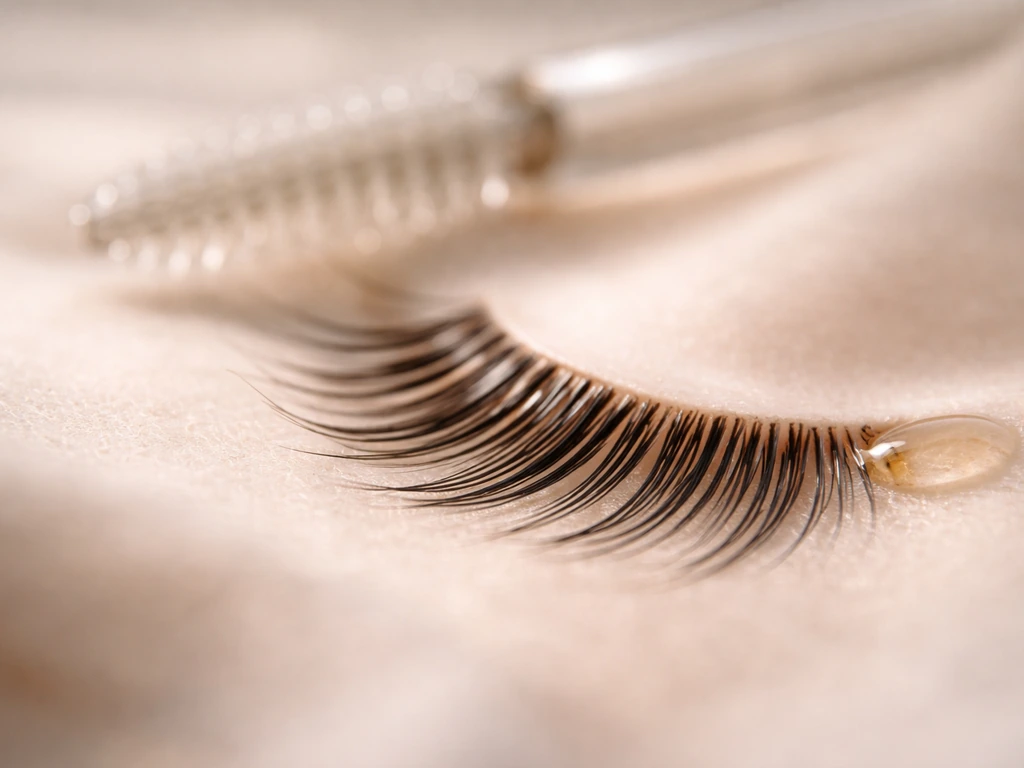
This distinction matters a lot before you start rubbing anything near your eyes. Eyelash growth is controlled by your hair follicles, which cycle through an active growth phase (anagen), a transition phase, and a resting/shedding phase (telogen). Research estimates the anagen phase for eyelashes lasts roughly 34 days on average, with a full lash cycle completing around every 90 days. Your lashes also grow at about 0.12 mm per day, which is relatively slow, and their anagen phase is much shorter than scalp hair, which is why lashes only reach a certain natural length no matter what you put on them.
So when people say something 'helps lashes grow,' it usually falls into one of two very different categories. True growth stimulation means activating or prolonging the anagen phase at the follicle level. Conditioning means protecting and strengthening the lash shaft so fewer lashes break off prematurely, which makes your fringe look fuller and longer without actually changing your biology. Most oils, including avocado oil, work through that second mechanism. The exception is prescription prostaglandin analogs, which actually alter follicle cycling. Knowing which problem you're solving helps you pick the right tool.
Does avocado oil actually support eyelash growth?
There are no controlled clinical trials testing avocado oil directly on eyelash length or thickness, so let's be upfront about that. What we do have is solid nutritional and cosmetic chemistry data on what avocado oil contains, and a reasonable understanding of how those components interact with hair fibers and skin.
What's actually in avocado oil
Avocado oil (particularly from the Hass variety) is rich in oleic acid, which makes up around 60% of its fatty acid profile, along with palmitic acid at roughly 16%, linoleic acid, and linolenic acid. It also contains vitamin E (tocopherols), sterols like campesterol, phenolic compounds, and carotenoids that contribute to its antioxidant activity. That combination of monounsaturated fats and antioxidants is what makes avocado oil genuinely useful for dry, brittle hair fibers, including lashes.
How those ingredients might help your lashes
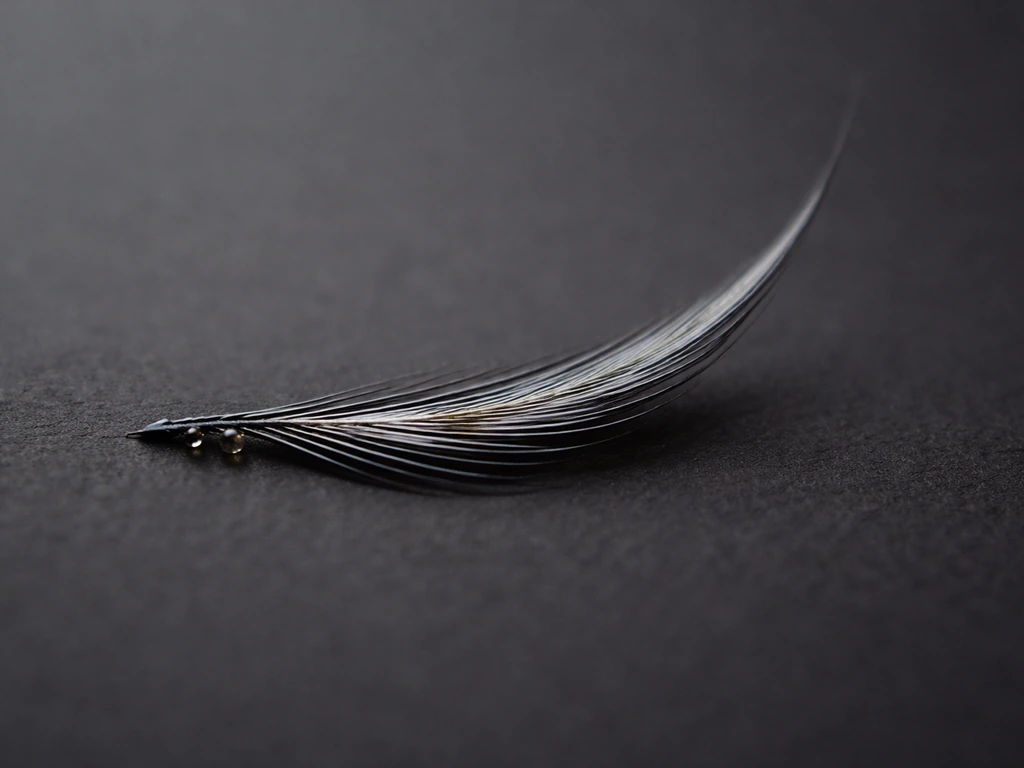
Oleic acid is a penetrating fatty acid, meaning it can pass through the cuticle of the hair shaft rather than just sitting on top. This helps lubricate the lash from the inside, making it more flexible and resistant to snapping. Vitamin E has antioxidant properties that may protect the follicle environment from oxidative stress. The sterols and phenolic compounds may help soothe the eyelid skin around the follicle. None of this directly switches on a growth phase, but it can reduce the lash loss caused by dryness, brittleness, and irritation, which means more of the lashes you do have survive to their full natural length.
The evidence level here is plausible-but-indirect. Avocado oil has strong cosmetic chemistry credentials. What it lacks is a clinical trial specifically measuring lash growth outcomes. Compare that to bimatoprost (LATISSE), which has been tested in randomized controlled trials and showed 78.
1% of users achieving a meaningful improvement in global lash assessment at 16 weeks, versus 18. 4% with a placebo. That's the gap between 'this oil is chemically sensible' and 'this drug has proven it works. ' Avocado oil sits in the same evidence category as castor oil and almond oil: promising ingredients, real conditioning benefits, no direct RCT proof for lash growth.
Almond oil is often discussed for similar conditioning benefits, so it may help lashes look healthier and break less, even though direct growth proof is limited.
Realistic results and timelines
Here's what you can realistically expect, broken down by what's actually going on with your lashes:
| Situation | What avocado oil can do | Realistic timeline |
|---|---|---|
| Lashes broken from rubbing or extensions | Condition remaining lashes; reduce further breakage | Fuller appearance in 4–8 weeks as damaged lashes grow out |
| Lashes shed after extensions or stress | Support follicle environment while regrowth occurs naturally | New lashes visible in ~6 weeks; full regrowth closer to 3 months |
| Sparse lashes from chronic breakage | Reduce brittleness so more lashes survive to full length | Noticeable improvement in 6–12 weeks with consistent use |
| True follicle-level lash loss (medical cause) | Minimal benefit; does not stimulate follicle activation | No meaningful timeline; requires medical evaluation |
The 90-day full lash cycle is your baseline reference point. Even with the best conditioning routine, you're working within biological constraints. If a lash shaft broke off but the follicle is healthy, regrowth can start appearing within a few weeks. If follicles are inflamed, damaged, or dormant, oil alone won't restart the cycle. Manage your expectations around that 6-to-12-week window and look for incremental improvement rather than dramatic transformation.
How to apply avocado oil safely on your lashes
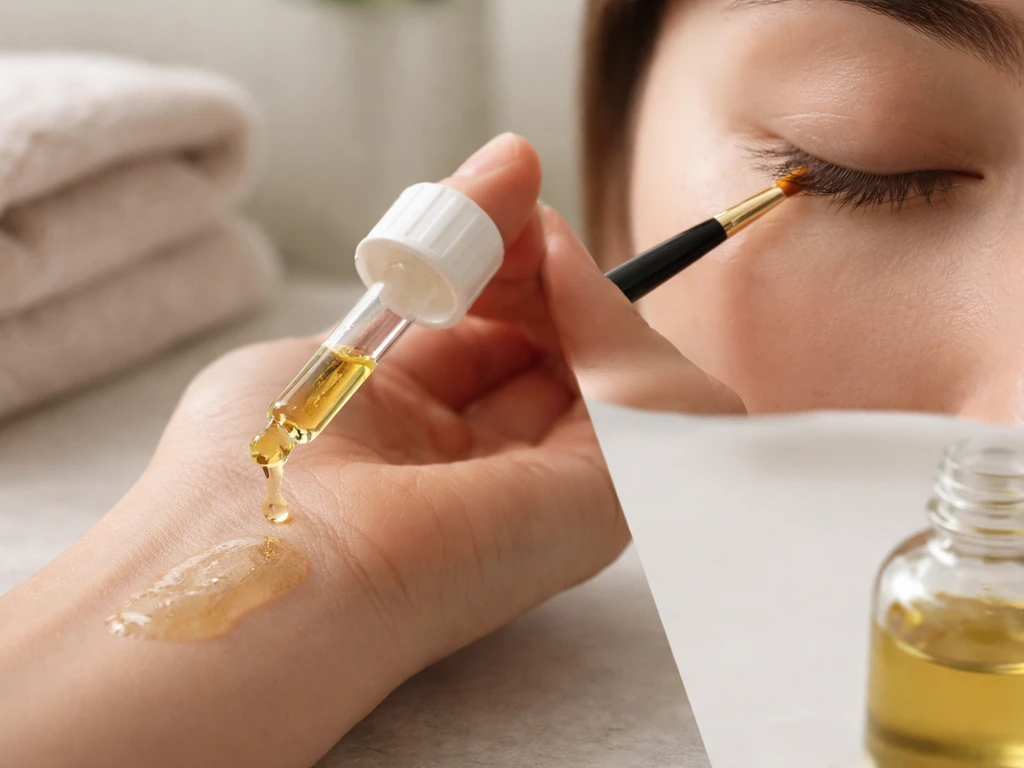
Application method matters here. You want the oil on the lash shaft and lash base, not in your eye. Here's the routine I'd recommend:
- Patch test first. Apply a small amount of avocado oil to the inside of your wrist or elbow and wait 24 hours before using it near your eyes. Avocado allergies are rare but real.
- Start with clean lashes. Remove all makeup and wash your face before applying. Applying oil over mascara residue traps bacteria near the follicle.
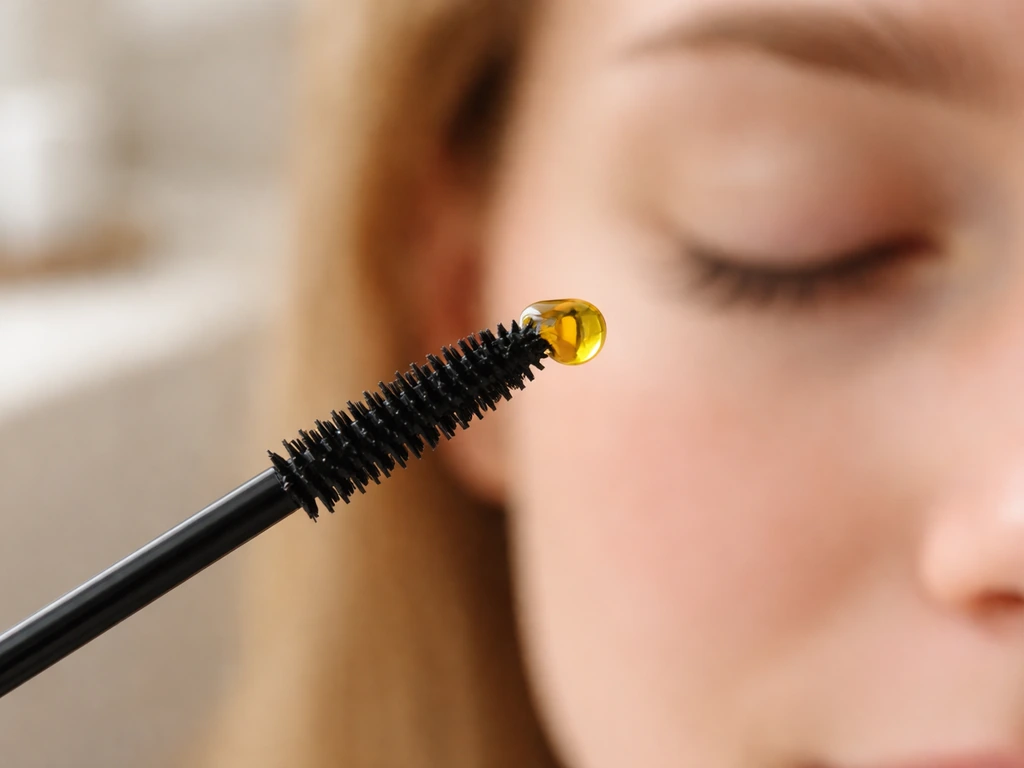
- Use a clean disposable mascara wand or a clean cotton swab. Dip it into a small, fresh amount of oil. Never double-dip the applicator back into the bottle.
- Apply from the lash base to the tip of your upper lashes with light strokes. Do the same for your lower lashes if desired.
- Use only a small amount. You want a thin coat, not a heavy glaze. Excess oil can migrate into the eye and blur vision temporarily.
- Apply at night before bed. This gives the oil time to absorb without interfering with daytime makeup. It also reduces the risk of oil getting into your eyes while you're active.
- Do this 4 to 5 nights per week. Nightly use is fine, but giving your lids a break a couple of nights a week helps you monitor for any irritation.
- Store the oil properly. Keep it in a cool, dark place and check for rancidity (a sour or paint-like smell). Rancid oil is more likely to irritate and does not provide the same antioxidant benefit.
One hygiene note that often gets skipped: anything you use to apply oil near your eye should be single-use or thoroughly cleaned between uses. The warm, moist environment of the eyelid margin is an easy place for bacteria to grow, and a contaminated applicator wand can introduce infection right at the follicle. This is the same caution that applies to any eye cosmetic.
Who should avoid avocado oil near the eyes
Avocado oil is generally mild, but there are specific situations where using it on your lashes could cause more harm than good.
- Blepharitis: If you have chronic eyelid inflammation, adding oil to the lid margin can worsen the condition. Blepharitis involves excess oiliness and bacterial buildup at the lid margin already, and layering additional oil can aggravate flaking, matting, and tear-film instability. Talk to an eye doctor before using any oil if you have an active blepharitis flare.
- Contact lens wearers: Oil near the eye can coat your lenses and affect vision or lens hygiene. Apply only at night when lenses are out.
- Active eye infections or styes: Any open or infected area on the eyelid should be treated medically before adding topical products.
- Known avocado allergy: If you react to avocados in food, you may react to the oil on your skin. Patch test is non-negotiable.
- Eyelid dermatitis: Eyelid skin is among the most sensitive on the body and can react to contact allergens even in 'natural' oils. If you notice redness, swelling, or itching after starting avocado oil, stop immediately.
- Children and very sensitive skin: The eyelid area in children and people with reactive skin conditions warrants extra caution with any topical oil.
Red flags to watch for during use include persistent redness along the lid margin, stinging that doesn't resolve after a few minutes, sudden increased lash shedding, or any swelling around the eye. These are signals to stop using the oil and consult an eye doctor or dermatologist.
What to do if avocado oil isn't working
If you've been consistent for 8 to 12 weeks and aren't seeing a difference, the first question to ask is whether you have a conditioning problem or a growth problem. Avocado oil can fix the first one, not the second. If your lashes feel softer and are breaking less but still look thin, the issue may be follicle-level and needs a more targeted approach.
Evidence-based alternatives to consider
Bimatoprost (LATISSE) is the only FDA-approved topical treatment for eyelash growth and has the strongest clinical evidence. Trials show maximum improvement around the 16-to-20-week mark, with measurable increases in lash length of about 2 mm over placebo. In the pivotal randomized controlled trial, bimatoprost improvements were observed at weeks 8, 12, and 16, with digital image analysis endpoints assessing lash length and fullness or thickness or darkness. It works by extending the anagen phase, something no conditioning oil does. It requires a prescription and has known side effects including eye redness and itching, but it is the benchmark when real growth is the goal.
Over-the-counter lash serums often contain peptides, biotin, or panthenol. The evidence for these ingredients is weaker than for bimatoprost, but stronger in some cases than for oils alone. They're a reasonable middle-ground option if you want something more targeted than oil but aren't ready for a prescription route. Other oils like castor oil are frequently discussed alongside avocado oil, and while castor oil has a longer track record in the beauty community, it shares the same evidence gap: no controlled clinical trials specifically measuring eyelash outcomes.
If your lash loss came on suddenly, is affecting other areas (eyebrows, scalp), or is accompanied by redness, flaking, or changes in the eyelid skin, a dermatologist or ophthalmologist visit is the right next step, not more oil. Blepharitis involves lid margin inflammation and can lead to issues like oily buildup and flakes that aggravate the tear film, worsening dry eye. Conditions like alopecia areata, thyroid dysfunction, blepharitis, and medication side effects can all cause lash loss that no topical product will reverse on its own.
A practical recovery plan
- Weeks 1 to 2: Patch test, then start applying avocado oil 4 to 5 nights per week. Focus on the lash base and shaft. Stop rubbing your eyes and be gentle when removing makeup.
- Weeks 3 to 6: Look for reduced breakage and a slightly fuller fringe as surviving lashes reach their natural length. Take a photo at the start and compare monthly.
- Weeks 6 to 12: If improvement is visible but slow, stay consistent. If there is no change at all, reassess whether the issue is conditioning or true growth.
- Beyond 12 weeks with no results: Consult a dermatologist or ophthalmologist to rule out medical causes. Consider discussing bimatoprost with your doctor if growth stimulation is the goal.
- Ongoing maintenance: Once you reach your goal fullness, you can reduce application to 2 to 3 nights per week to maintain the conditioning benefit.
Avocado oil is a genuinely useful addition to a lash care routine when your expectations match what it can actually do. Lavender oil is sometimes used as a lash-conditioning option, but it is not proven to increase eyelash length in the way prescription treatments do. Tea tree oil is sometimes suggested for lash growth, but it also lacks strong clinical proof and can be irritating near the eyes.
It's not a substitute for a clinically proven growth agent, but it's a low-risk, nourishing option for keeping the lashes you have in better shape while your natural cycle does its work. Pair it with gentle makeup removal habits, avoid lash extensions while recovering, and give it a full 8 to 12 weeks before making a verdict.
FAQ
When should I apply avocado oil to my lashes, and how often should I use it?
Best timing is after cleansing in the evening, when you can keep the lashes dry and avoid rubbing. Apply a very thin layer to the lash line and shafts, then let it absorb before you sleep, you do not want oil to migrate into the eye.
What side effects are red flags that avocado oil is irritating my eyes?
Stop using it if you notice persistent lid margin redness, burning that lasts more than a few minutes, new swelling, or increased watery eyes. Also stop if you see more lash shedding after the first few applications, that can mean irritation rather than normal cycling.
How can I apply avocado oil safely without increasing my risk of an eye infection?
Do not use it if the oil is contaminated or you share applicators. If you use a mascara-style wand, sanitize it between uses or switch to a single-use applicator for each application, because the eyelid margin can harbor bacteria and oil can help spread them.
How will I know if avocado oil is conditioning my lashes versus actually helping them grow longer?
If your lashes look thicker but you are not gaining length, you are probably improving breakage rather than follicle cycling. Take photos from the same distance and lighting every 2 weeks, and evaluate after 8 to 12 weeks, because the lash growth cycle is slow and slow improvements are common.
Can I use avocado oil for eyelashes if I wear contact lenses?
If you wear contact lenses, consider avoiding oil on the inner lash line and never apply right before inserting lenses. A safer approach is applying at night only, then cleansing the morning lash line if any residue transfers.
What situations mean avocado oil is unlikely to help and I should see a doctor?
Do not expect it to replace treatment for medical causes of lash loss. If you have sudden lash loss, eyebrow or scalp hair changes, eyelid scaling, or symptoms like itch and redness, a dermatologist or ophthalmologist should be your first step.
Is avocado oil safe to use if my eyelids are irritated or inflamed?
Avoid putting avocado oil into the eye or using it on broken, infected, or very inflamed eyelids. In those cases it can worsen irritation or make hygiene issues harder, and you may need an anti-inflammatory or antimicrobial plan instead.
Can I use avocado oil blends, or does it need to be plain avocado oil?
Use pure avocado oil, not blends that include essential oils, fragrances, or active ingredients like retinoids. The article-specific caution is about irritation risk, and additional additives raise the chance of stinging near the lash base.
Should I use avocado oil while I’m recovering from eyelash extensions?
If you use lash extensions, do not oil over swollen or irritated extension areas, and avoid starting while your lash line is still compromised. Focus on gentle removal and recovery first, then consider conditioning once the lashes and lid skin feel calm.
What should I do if I used avocado oil consistently for 3 months and nothing changed?
If you have no improvement after 8 to 12 weeks, reassess the root issue. Either the problem is follicle-level (where oil may not help) or the issue is technique, residue, or irritation. Many people do better switching to a targeted OTC serum or discussing prescription options when thinning persists.
Next Article
Can Almond Oil Help Eyelashes Grow? What to Expect
Can almond oil grow eyelashes? Learn real growth vs conditioning, safe use tips, timelines, and better evidence-based op