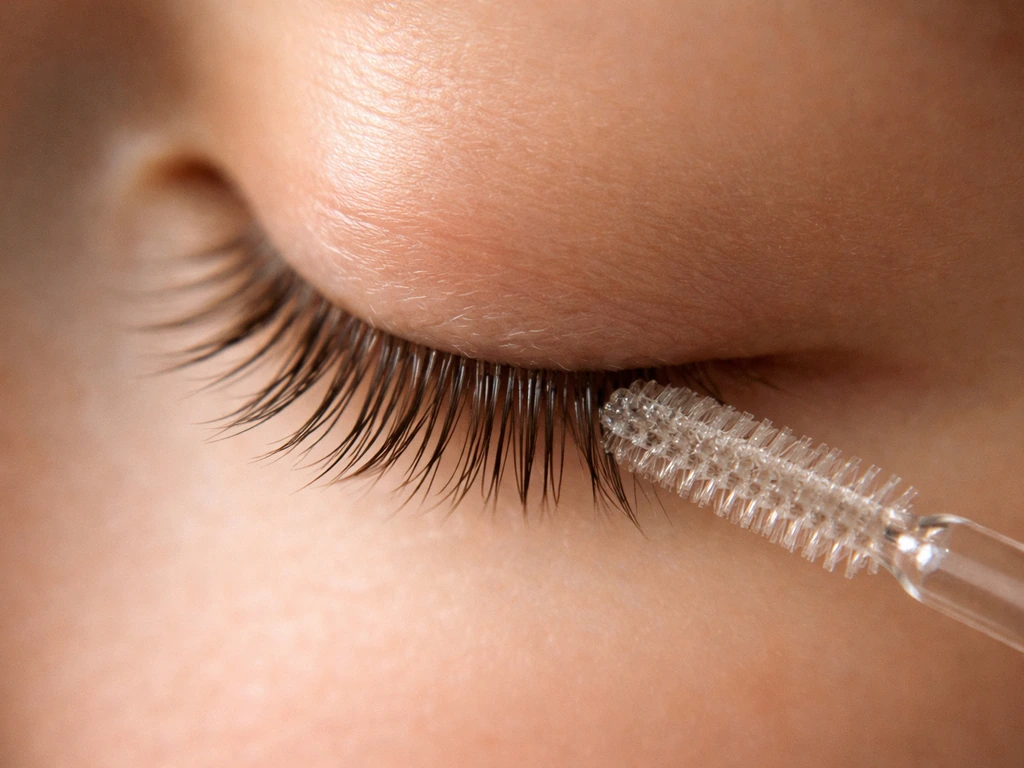
You cannot grow new eyelashes in 1 day. Lashes grow at roughly 0.12 to 0.14 mm per day, and the active growth phase lasts 4 to 10 weeks, so there is no biological mechanism that produces visible new length overnight. What you can do in 24 hours is meaningfully improve how your lashes look and feel: reduce inflammation that causes shedding, condition the lashes you already have, stop habits that are snapping them off, and set up a routine that produces real results over the coming days and weeks.
How to Grow Eyelashes in 1 Day: Safe Steps Today
Rachel Nguyen
14 May 2026
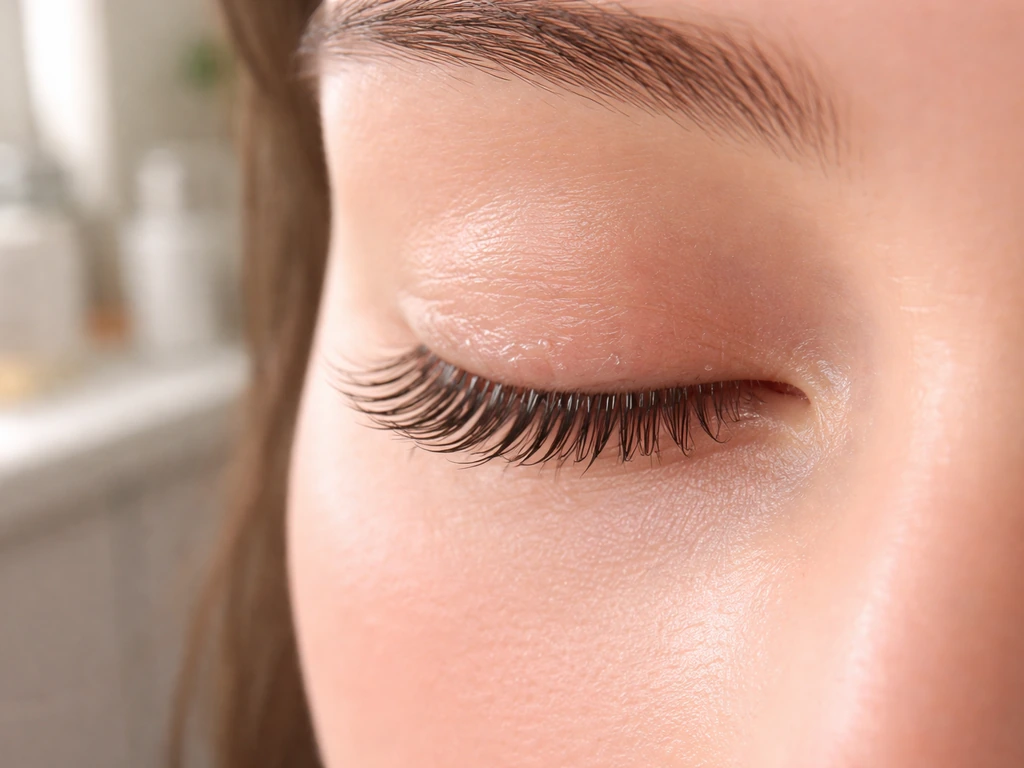
Is 1-day eyelash growth even possible
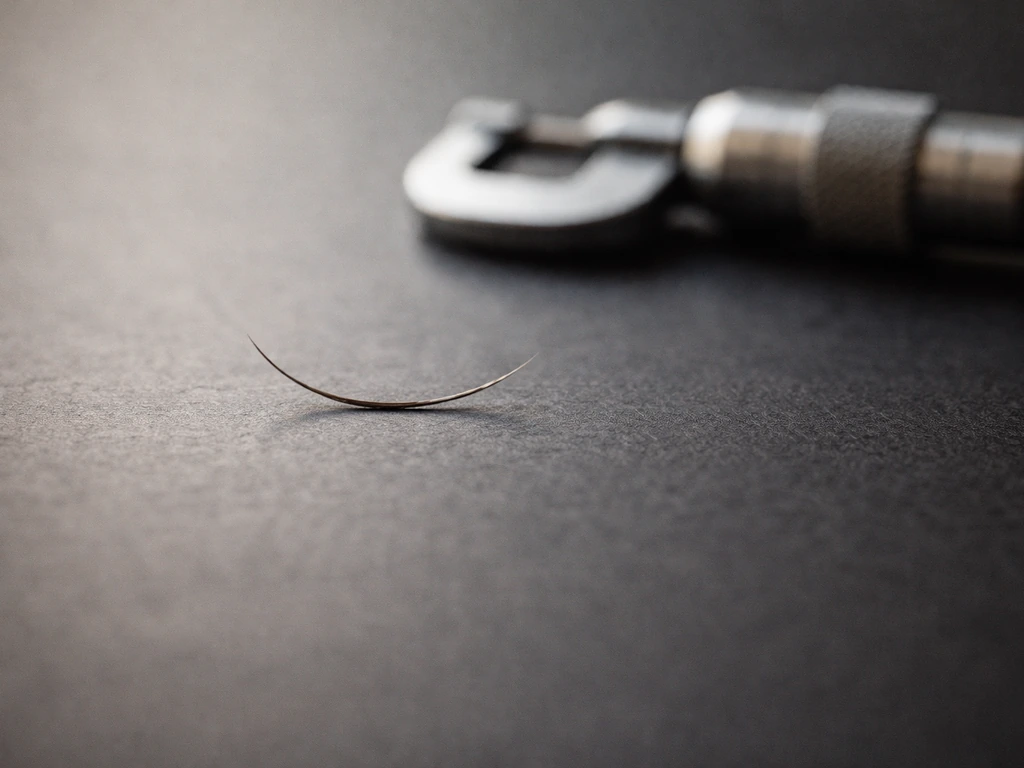
Honest answer: no, and it's worth understanding why so you don't waste time on products that promise otherwise. At 0.12 to 0.14 mm of growth per day, even a lash in its active anagen phase gains less than a millimeter per week. On top of that, only about half of your lashes are in the anagen phase at any given time. The rest are in a transitional or resting phase where no growth is happening at all. The anagen phase for eyelashes is also much shorter than for scalp hair, which is exactly why lashes don't keep growing indefinitely. All of this means that "overnight length" claims are really describing cosmetic effects, not new follicle growth.
That's not a reason to give up on today. If your lashes look sparse or short right now, there's a good chance inflammation, product buildup, mechanical damage, or dehydration at the lash line is making things worse. Fixing those issues today can produce a visible difference within hours, and it lays the foundation for real growth over the next week or two.
If you want to go for that “one-week” window, focus on reducing shedding and conditioning your current lashes so they look better as natural growth catches up how to grow eyelashes in 1 week. This quick, practical approach aligns with what people search for when they ask how to make your eyelashes grow in 5 minutes, but it focuses on the fastest improvements that are actually realistic.
If you want to know how to grow eyelashes in 3 days, focus on reducing shedding triggers and improving lash condition today, since true length gains take longer real growth over the next week or two. If you're also curious about what's realistic over 3 to 7 days, there are longer timelines worth exploring for natural weekly improvement or recovery after damage.
What you can do today for a visible lash boost
The fastest wins come from stopping lash loss, not from stimulating new growth. Here's what to prioritize in the next few hours:
- Remove all eye makeup thoroughly but gently. Use a soft cotton pad soaked in a non-oil-based micellar water and hold it over the lash line for 20 to 30 seconds before wiping. Never rub aggressively. An ophthalmologist-backed tip is to let the product dissolve makeup rather than scrubbing it off.
- Clean the eyelid margin. Product buildup and dead skin cells around lash follicles can clog them and increase inflammation-related shedding. A gentle eyelid scrub at the lash root, as recommended by Wills Eye Hospital for blepharitis management, takes two minutes and makes a real difference.
- Apply a warm moist compress. Close your eyes, apply a clean warm damp cloth for 10 minutes. This reduces eyelid inflammation, the kind that subtly loosens follicles and accelerates shedding. Johns Hopkins and the NHS both list this as a first-line self-care step.
- Stop touching your eyes today. Rubbing is one of the fastest ways to mechanically break lashes. Every time you rub, you risk snapping lashes at or near the root.
- Skip mascara if your lashes are already damaged, irritated, or sparse. Removing mascara always involves some friction and product exposure. Giving your lashes a 24-hour break from it is immediately protective.
Safe at-home methods to lengthen and thicken temporarily
These methods won't add millimeters of new lash overnight, but they address the real reasons lashes look thin, short, or patchy in the short term.
Lash line hygiene
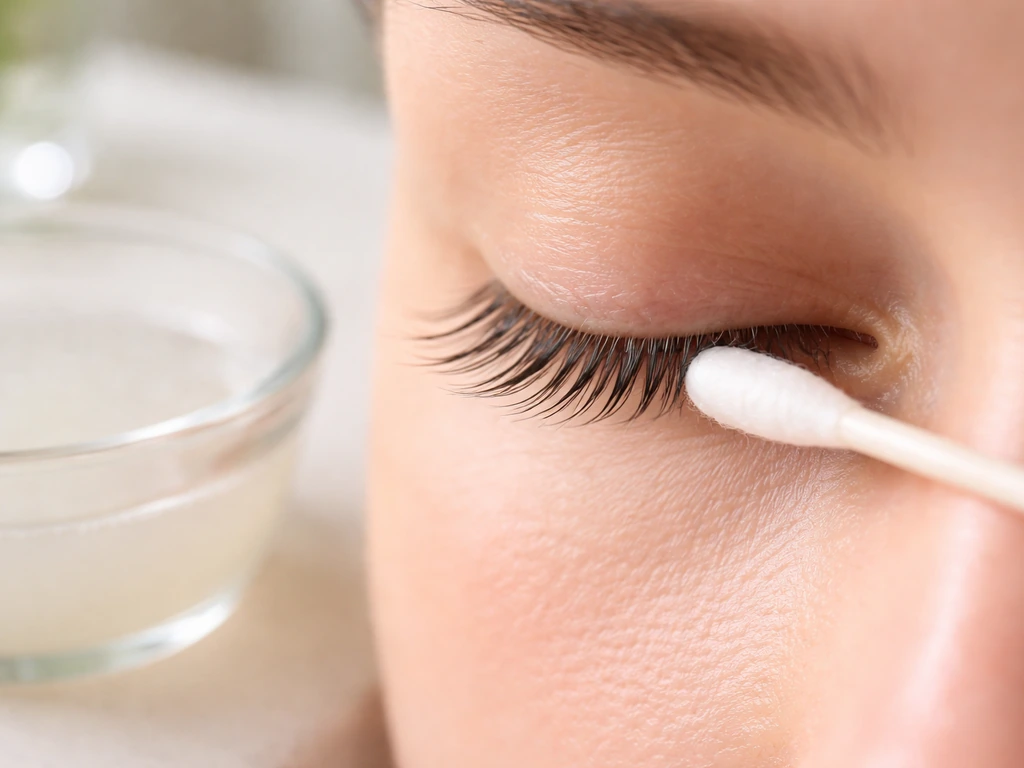
Mix a tiny drop of baby shampoo with warm water, dip a clean cotton swab or soft eyelid brush into it, and gently scrub back and forth at the base of your lashes for about 60 seconds per eye. This is the same technique used for blepharitis management and it directly reduces the low-grade inflammation that causes premature lash fallout. Rinse with warm water and pat dry. Doing this twice a day is standard clinical advice for eyelid hygiene, and starting it today means you're already in a better position by tomorrow morning.
A conditioning application overnight
After cleaning, apply a very small amount of a lash-safe conditioning agent (more on castor oil and similar options below) to the lash line with a clean spoolie or cotton swab before bed. The goal is to coat the lash shaft and reduce brittleness, not to soak the skin around your eye. You should wake up with lashes that look slightly fuller and more defined because conditioned hair lies together better and reflects light more evenly.
Cosmetic options that give instant visual lift
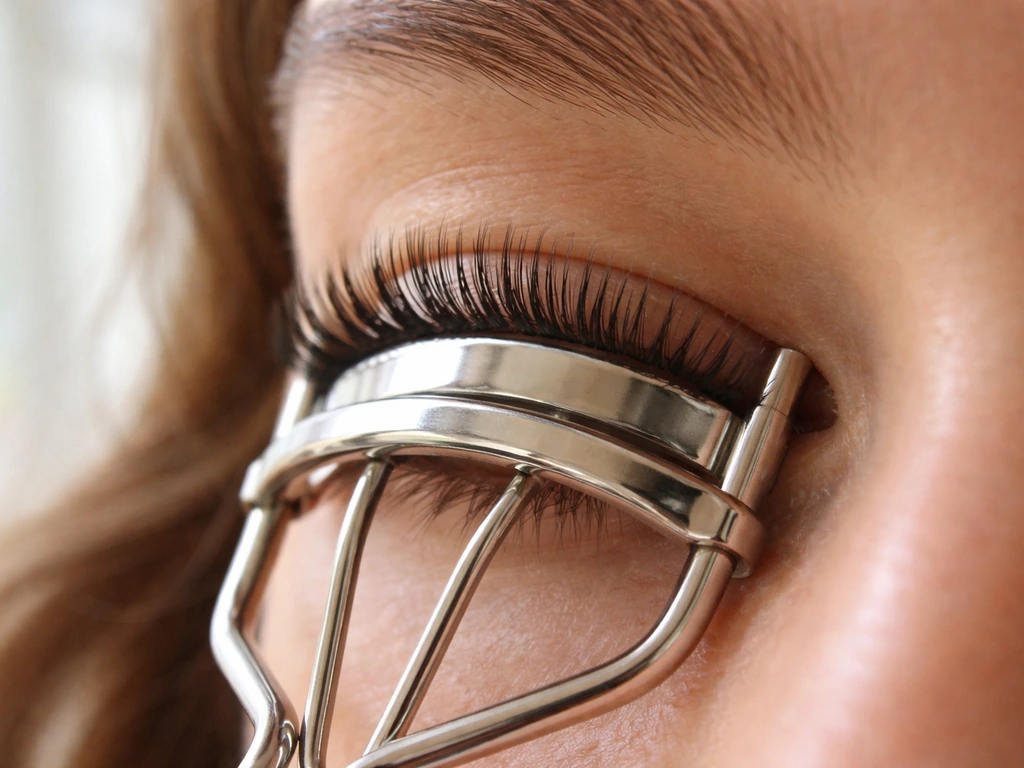
A well-applied curling of lashes with a clean lash curler (never after mascara, always before) opens the eye and makes lashes appear visibly longer. Tinting if done by a professional, or a lengthening mascara if you aren't on a no-mascara day, also delivers immediate optical improvement. These are cosmetic, not biological, but if you need a result today before a meeting or event, they're the honest answer.
Lash serums and ingredients: what actually works fast
Lash serums are one of the most searched solutions for rapid growth, and the ingredient story matters. A 2023 review confirmed that both prescription and OTC eyelash serums can enhance lash appearance through biologically active molecules, but evidence quality varies a lot between products.
The only ingredient with strong clinical backing for actual lash growth is bimatoprost 0.03% (sold as LATISSE in the US). In a randomized 5-month study, 78.1% of bimatoprost users achieved at least a one-grade improvement on a global eyelash assessment score by week 16, compared to 18.4% on placebo. Week 16, not day 1. That tells you everything about realistic timelines even for the most proven option.
Bimatoprost also comes with a real safety profile you need to know before starting it. Reported adverse effects include eye itching, conjunctival redness (in roughly 3 to 4% of users), periorbital skin pigmentation, periorbital fat atrophy, and in rare cases, deepening of the eyelid sulcus. It can also potentially trigger herpetic eye disease in susceptible individuals. This is a prescription medication requiring correct application (along the upper lash line only, not the lower lid), and it's not something to start on impulse for a same-day result.
OTC serums often contain peptides like tetrapeptide-1 and palmitoyl tripeptide-1, which are designed to support follicle health and lash conditioning. Some products market these aggressively, but ingredient presence doesn't equal proven efficacy. They're generally safe to start today and may improve lash condition over weeks, but they won't grow new lashes in 24 hours. If you're choosing a serum to start today as a long-term investment, look for transparent ingredient lists and manage expectations to a 6 to 12 week window for meaningful changes.
| Ingredient / Product | Evidence Level | Realistic Timeline | Key Safety Note |
|---|---|---|---|
| Bimatoprost 0.03% (LATISSE) | Strongest (RCT data) | Weeks 12 to 16 for visible improvement | Prescription only; risk of pigmentation, fat atrophy, ocular irritation |
| Peptide-based OTC serums (tetrapeptide-1, palmitoyl tripeptide) | Limited / mixed | 6 to 12 weeks | Generally low risk; avoid if contact allergy history |
| Conditioning OTC serums (panthenol, hyaluronic acid) | Cosmetic benefit only | Immediate cosmetic effect; no growth | Very low risk; good for hydration and shaft smoothing |
| Castor oil | Anecdotal; no RCTs | Weeks to months if any effect | Avoid getting oil in the eye; use sparingly |
Castor oil, biotin, and other popular remedies: what the evidence actually says
Castor oil
Castor oil is probably the most recommended home remedy for lash growth, and it does have a logical basis: ricinoleic acid, its main fatty acid, has anti-inflammatory properties and may support a healthy scalp environment. However, there are no randomized controlled trials specifically proving castor oil grows eyelashes. The evidence is entirely anecdotal. What it does well is condition the lash shaft, reduce brittleness, and make lashes look shinier and slightly thicker.
For a same-day application: dip a clean, dry spoolie into a small amount of pure cold-pressed castor oil and apply lightly along the upper lash line before bed. Use less than you think you need. Getting castor oil in your eye causes blurry vision and significant irritation, and it can also disrupt lash extension adhesive if applicable.
Biotin
Biotin (vitamin B7) supplements are heavily marketed for hair and lash growth. The reality is that biotin deficiency does cause hair loss, so supplementing corrects that deficiency if you have one. However, most people eating a varied diet are not biotin-deficient, and supplementing beyond what you need doesn't produce extra hair growth. There's no evidence that biotin supplements grow lashes in someone with normal biotin levels. Starting biotin today is fine and harmless, but don't expect it to do anything within 24 hours.
Vitamin E oil
Vitamin E is sometimes applied directly to lashes as a conditioning treatment. Like castor oil, it has antioxidant properties that may support follicle health, but direct evidence for eyelash regrowth is lacking. It's safe to use as a topical conditioner in small amounts. Apply the same way as castor oil, before bed, with a clean spoolie.
Aftercare: stop the damage starting right now
If your lashes are already short, sparse, or recovering from extensions, the most valuable thing you can do today is create conditions that prevent further loss. The following are common aftercare errors that cost people lashes every single day.
- Avoid all oil-based products near the eye area. Oils break down lash extension adhesive and can cause premature lash bond failure. Even if you don't have extensions, oil-heavy eye creams can soften lash follicle attachment and increase fallout risk.
- Do not rub, pull, or pick at your lashes. This is the single fastest way to break lashes and disrupt follicles. If your eyes itch (from irritation, allergy, or contact with product), use a cold compress instead of rubbing.
- Avoid sleeping on your side or stomach with your face pressed into a pillow. Friction from pillowcases against lashes causes mechanical breakage overnight. A silk pillowcase significantly reduces this.
- Don't apply mascara to damaged or compromised lashes for at least 24 hours. Removal always involves friction, and waterproof formulas require more solvent to remove, increasing chemical exposure.
- Stop using an eyelash curler on lashes that are already dry, brittle, or damaged. A curler applies compression that can snap weakened lash shafts, especially near the root where new growth is most fragile.
If you recently had eyelash extensions removed or they fell out, the AAO warns that extensions are associated with blank" rel="noopener noreferrer">keratoconjunctivitis, allergic blepharitis, and traction-related damage. Those first 24 to 48 hours after removal are critical for letting the lash line recover. Keep the area clean, avoid new product application other than a gentle conditioner, and resist the urge to immediately go back in with makeup. Avoid touching or rubbing your lashes for the first 24 hours, and skip oil, lotion, or eye cream during that same 24-hour window avoid oil, lotion, or eye cream for the first 24 hours.
When to see a professional
Most lash thinning responds to better home care. But some situations need professional evaluation and treating them at home can make things worse.
- Your eyelid margin is red, swollen, crusted, or painful. This could be blepharitis, a bacterial or Demodex infection, or contact dermatitis from a product. A dermatologist or ophthalmologist can identify the cause and prescribe targeted treatment, which may include topical antibiotics or antiparasitic agents.
- You notice sudden, patchy lash loss with no obvious cause. Alopecia areata can affect lashes and brows, and it requires dermatologic diagnosis. Self-treating with oils or serums won't address an autoimmune trigger.
- You are on a medication known to affect hair growth, such as chemotherapy agents, some thyroid medications, or retinoids. Lash loss in this context is systemic and needs to be managed in coordination with your prescribing doctor.
- You've had significant eye irritation, redness, or swelling following extension application or product use. The AAO explicitly cautions that people with known allergy or eye disease history should avoid extensions. If you're experiencing these symptoms, see an eye doctor rather than continuing to apply products to an already-irritated eye.
- You're considering starting LATISSE or any bimatoprost product. This is a prescription medication with real side effects and requires application guidance from a licensed provider. Don't source it informally or use it without a proper consultation.
Your next steps beyond day one
What you do in the next 24 hours sets a foundation, but lash recovery and growth unfold over weeks. Eyelashes that are in a resting or transitional phase right now won't enter anagen for some time, and even once they do, you're looking at 4 to 10 weeks of growth before seeing meaningful length. That's not discouraging, it's just honest biology, and it means consistency matters far more than any single-day intervention.
After today: keep up eyelid hygiene twice a day, apply a conditioning treatment every night, and if you want to try a serum, start one with realistic expectations (6 to 12 weeks for OTC peptide serums, or consult a doctor about bimatoprost if you want the most evidence-backed option). If you want to focus on how to grow eyelashes naturally in a week, start with eyelid hygiene and a gentle nightly conditioning routine. Avoid the habits that caused damage in the first place, whether that was aggressive makeup removal, sleeping with mascara on, or extensions applied too close to the follicle. If you're tracking recovery from a specific cause like extensions, medication, or a medical condition, those situations follow slightly different timelines and may benefit from more targeted guidance on the recovery process.
FAQ
What can I do today if I’m asking “how to grow eyelashes in 1 day” for a wedding or event?
If you mean “look longer today,” the fastest option is optical, not growth. Curl clean, dry lashes before mascara, and consider a lengthening mascara or a professional tint. If you’re trying for “new growth,” stop expecting millimeters in 24 hours, because the biological growth phase is limited and not synchronized overnight.
Are eyelid hygiene scrubs safe if my eyes feel irritated or gritty right now?
Be careful with eyelid scrubs if you have active eye irritation. If you have burning, significant redness, crusting that won’t clear, or pain, pause the cleaning routine and get checked, since those can indicate infection or significant blepharitis rather than simple inflammation.
Where exactly should I apply conditioning oil or lash serums for best results and least risk?
Do not apply serums or oils to the lower waterline or soak the skin around your eyes. Stick to the upper lash line only, use a minimal amount, and avoid getting the product into the eye. If you use lash extensions, also be mindful that oils can interfere with the adhesive.
Who should avoid starting bimatoprost for lash growth, even if they want results quickly?
Bimatoprost can cause eye irritation and changes around the eyelid, including pigmentation and fat loss, in some people. It is also prescription-only and requires correct placement. If you have a history of herpetic eye disease, you should discuss it with an eye clinician first.
If my lashes look patchy, will conditioning today make them fuller by tomorrow?
Not necessarily. If your lashes look thin because of shedding, inflammation, or mechanical breakage, improving eyelid hygiene and conditioning can make them look better within hours. But if your sparse areas are true lash loss from trauma, traction, or scarring, the timeline and achievable density may be different.
What should I do in the first 24 to 48 hours after eyelash extensions are removed?
Extensions removal can make the lash line feel worse for a short period because there may be irritation and traction-related damage. For the first 24 to 48 hours, prioritize gentle cleansing and minimal product use, avoid makeup, and do not aggressively tug or rub as the area recovers.
What changes should I expect by day 2 or day 3 after starting an OTC lash serum?
If you’re starting an OTC peptide serum, you usually won’t see meaningful length within a day. What you might notice sooner is that lashes look less brittle or clump more neatly when conditioned. For performance, give it the planned window (often 6 to 12 weeks) before deciding it doesn’t work.
Can I use a lash serum and castor oil together to speed things up in 1 day?
Don’t stack multiple active products at once. If you use a conditioning treatment at night, keep the daytime routine simple (cleanse gently, avoid rubbing) and avoid applying several serums plus oils in the same place. More product increases irritation risk without guaranteeing faster results.
What are the most common reasons people fail at “fast lash growth” routines?
Skipping the basics is a common mistake. The most frequent reason people see no improvement is continued mechanical damage, like rubbing, sleeping face-down, aggressive makeup removal, or curling lashes over mascara. Another mistake is over-applying oil or getting it into the eye, which can worsen irritation.
Is it safe to do these 1-day lash steps if I wear contact lenses?
If you have contact lens wear, follow a conservative approach. Avoid applying anything right before putting lenses in, and remove lenses as needed if there is irritation. If a product migrates into the eye, it can cause blurry vision and discomfort, so stop and reassess.
Next Article
How to Grow Eyelashes Naturally in a Week: Guide
Realistic 7-day natural eyelash growth plan: oils like castor, gentle care, less breakage, and day-by-day expectations.