Essence Lash & Brow Gel does not grow eyelashes or eyebrows in any clinically meaningful sense. Its ingredient list is a conditioning and film-forming formula: water, glycerin, panthenol, propylene glycol, and a polymer base. There are no prostaglandin analogs, no peptide growth actives, and no FDA-recognized lash-growth compounds in it. What it can do is coat, condition, and tame hairs you already have, which may make lashes and brows look a little healthier and reduce friction-related breakage.
Does Essence Lash and Brow Gel Grow Lashes? Truth
Rachel Nguyen
14 Jun 2026
That is genuinely useful, but it is not the same as growing new hair. If your goal is true lash growth, the key point is that this kind of conditioning gel does not have growth actives, so you will need a product designed for follicle stimulation does lancome cils booster xl grow lashes? .
What your lash follicles are actually doing right now
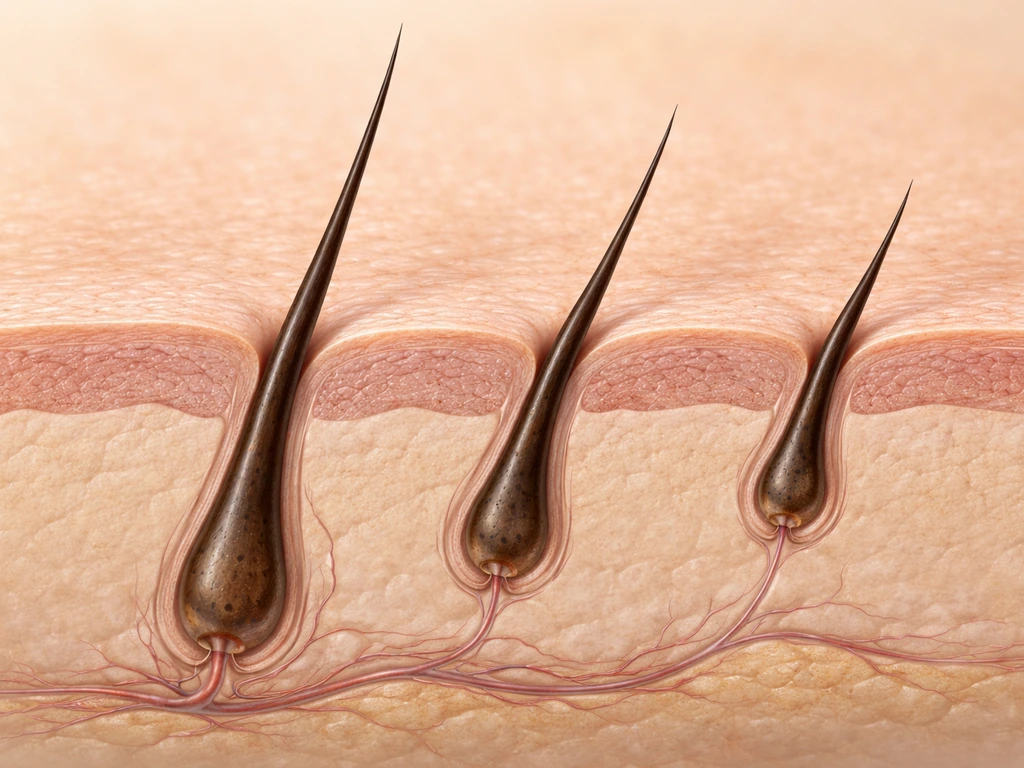
Eyelash growth is controlled by a three-phase cycle: anagen (active growth), catagen (transition), and telogen (resting/shedding). The anagen phase for lashes lasts only about 4 to 10 weeks, which is why lashes never get as long as scalp hair. Telogen, the resting phase, is the long one: it runs roughly 4 to 9 months. After that, the old hair sheds and a new one starts growing. The full cycle from new growth to shed can take anywhere from 5 to 11 months.
Here is what that means practically. If a follicle is sitting in telogen right now, no topical product in the world can force it into anagen ahead of schedule unless that product chemically interferes with the follicle's signaling pathways, which is exactly what prescription-level compounds like bimatoprost do. A conditioning gel cannot do that. It sits on the surface of the hair shaft and eyelid skin; it does not reach the follicle bulb where growth decisions happen.
Thickness and length are also determined by follicle biology, not by coating the shaft. What coatings can influence is how much hair breaks before it reaches its natural shedding point. If your lashes are brittle from extensions, over-rubbing, or dry skin, reducing that mechanical damage can help the hair shaft survive longer and appear fuller. That is a real, if modest, benefit. But it is conditional improvement, not new growth.
What the essence gel actually contains and what each ingredient does
The verified INCI for Essence Lash & Brow Gel Mascara is: Aqua (Water), Glycerin, Propylene Glycol, Panthenol, Carbomer, Acrylates Copolymer, Ethylhexylglycerin, Sodium Hydroxide, Phenoxyethanol. Some retailer listings show slight variations (PVP instead of Acrylates Copolymer, for example), so check the batch you have, but the functional category of every ingredient stays the same.
| Ingredient | Category | What it actually does |
|---|---|---|
| Glycerin | Humectant | Draws moisture into the hair shaft and skin; softens and reduces brittleness |
| Propylene Glycol | Humectant / solvent | Conditions and helps other ingredients penetrate; known contact allergen in sensitive individuals |
| Panthenol (Pro-Vitamin B5) | Conditioning agent | Binds to hair, adds softness and flexibility, reduces breakage from mechanical stress |
| Carbomer / Acrylates Copolymer | Film-former / thickener | Creates the gel texture and a thin coating on hairs that holds shape and adds visual thickness |
| Ethylhexylglycerin + Phenoxyethanol | Preservative system | Keeps the product stable; no growth function |
| Sodium Hydroxide / Potassium Hydroxide | pH adjuster | Keeps the formula stable; no growth function |
Notice what is not there: no bimatoprost or other prostaglandin analogs, no peptide complexes (myristoyl pentapeptide-17 and similar), no minoxidil, no stem-cell activators. The entire formula is cosmetic and conditioning. Panthenol is the standout ingredient because it has real evidence behind its ability to soften hair and reduce breakage, but it does not stimulate follicles. The film-forming polymers make lashes look thicker and more defined while the gel is on, and that effect washes off.
What you can realistically expect and when to reassess
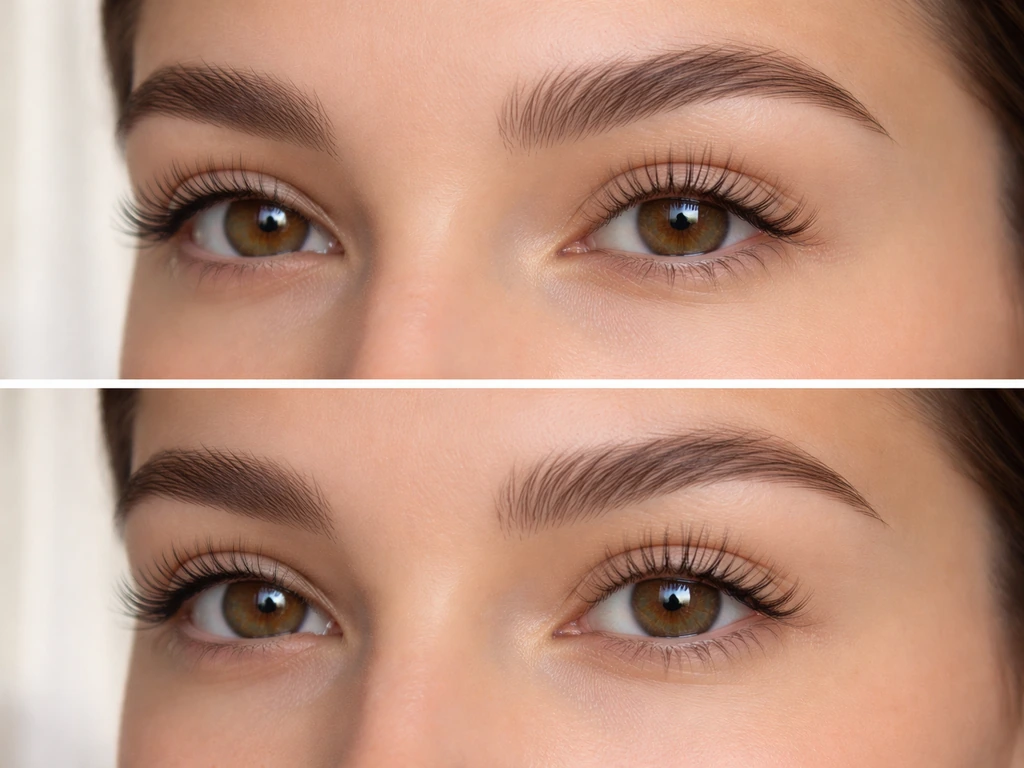
Within the first few days you will notice the cosmetic effect immediately: lashes look a bit more defined, brows are tamed and shaped. That is the coating doing its job. It is a real visual improvement but it is not growth.
Over 4 to 8 weeks of consistent daily use, if your lashes have been breaking prematurely due to dryness or handling, the conditioning effect from panthenol and glycerin may help more of them survive to their natural length. You might notice slightly less fallout on your makeup wipes or pillowcase. This is the best realistic outcome from this type of product.
Beyond 8 weeks, if you are not seeing any change in density or length, you are not going to get it from this gel. The formula simply does not have a mechanism to deliver more than what conditioning provides. At that point, if lash density is genuinely your goal, it is worth looking at products that contain actual growth actives or speaking to a dermatologist or ophthalmologist.
One thing worth knowing about true growth timelines: even bimatoprost 0. 03%, the FDA-approved lash growth treatment, takes about 16 weeks to show meaningful results, with clinical studies showing 78% of treated patients demonstrating at least a one-grade improvement in global eyelash assessment by week 16, compared to only 18% on vehicle. In a randomized vehicle-controlled study, [patient-reported outcomes favored bimatoprost over vehicle across measured domains during weeks 8 to 20](https://pubmed. ncbi.
nlm. nih. gov/23873891/). In a 5-month randomized vehicle-controlled study of bimatoprost 0.
03% (daily), 78. 1% of bimatoprost-treated subjects versus 18. 4% of vehicle subjects showed at least a 1-grade increase in global eyelash assessment by week 16 [78% of treated patients demonstrating at least a one-grade improvement in global eyelash assessment by week 16, compared to only 18% on vehicle](https://pubmed. ncbi.
nlm. nih. gov/21899919/). That is the gold standard, and it still requires four months of patience.
A clear-gel brow mascara has no pathway to compete with that.
How to use the gel so you actually get the most out of it
Before you start, do a patch test. Apply a small amount of the gel to the inside of your wrist or inner elbow, leave it for 24 hours, and check for redness, itching, or swelling. This matters specifically because propylene glycol, which is in this formula, is a documented contact allergen. It causes dermatitis in a meaningful portion of people, and the last place you want a contact allergy to develop is your eyelid.
- Start with clean, dry lashes and brows. Remove any residual makeup or oil first, since a clean surface helps the gel adhere and condition evenly.
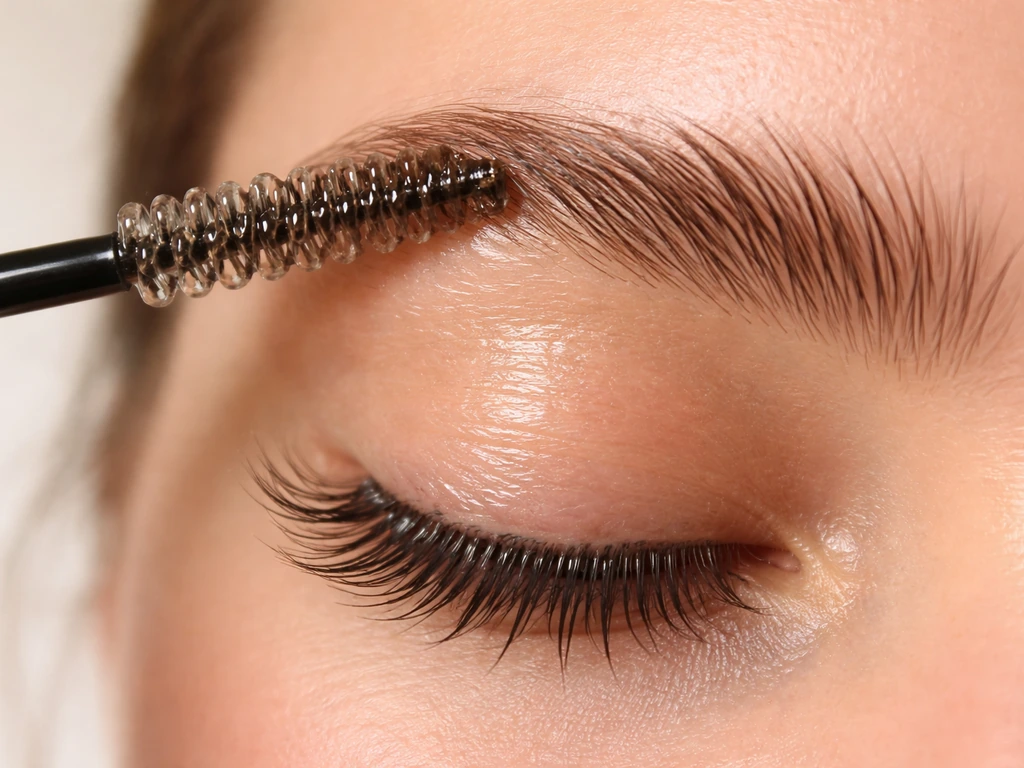
- Apply to the brow hairs or lash line using the wand or a clean spoolie, working from the root outward. For lashes, apply at the base and comb through to the tip, similar to clear mascara.
- Avoid getting the gel directly in your eye. If it contacts the eye, rinse with clean water immediately.
- Use once daily, in the morning for brow styling or as a finishing step on lashes. Do not apply more than once per day thinking it will speed up growth; it will not, and more product near the eyes increases irritation risk.
- Remove it properly at night with a gentle oil-based or micellar cleanser. Leaving polymer-based gels on overnight can cause eyelid dryness with repeated use.
- Give it a fair trial of 6 to 8 weeks before deciding whether the conditioning benefit is meaningful for you.
Options that actually move the needle on lash and brow growth
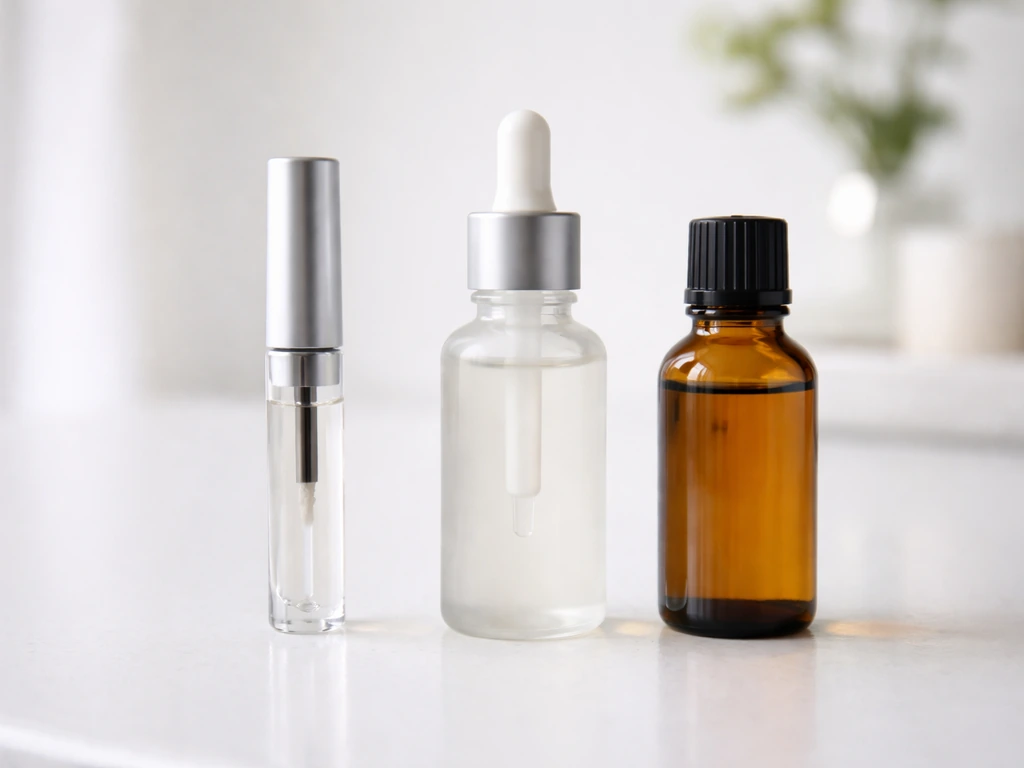
If you want conditioning without the contact-allergen risk of propylene glycol, castor oil is worth trying as a nightly treatment. The evidence that castor oil grows lashes is weak, but its ricinoleic acid content does condition and coat the shaft. It is cheap and most people tolerate it well. Apply a tiny amount with a clean spoolie to lash bases and brows at night, remove in the morning. Expect the same limitation: you are protecting existing hair, not stimulating follicles.
Peptide-based lash serums are the next tier. Ingredients like myristoyl pentapeptide-17 show some evidence of supporting keratin production and potentially extending anagen in follicles. The research is not as robust as it is for prostaglandin analogs, but these serums are available over the counter and sit meaningfully above a plain conditioning gel in their potential mechanism. Products like those in the GrandeLASH or RevitaLash category fall here, and they have accumulated real user feedback alongside ingredient-level rationale. GrandeLASH and RevitaLash are often marketed for helping lashes look fuller, which is where questions like whether RevitaLash can actually grow lashes come up.
Biotin supplementation is frequently recommended for lash and brow growth. If you have a genuine biotin deficiency (which is rare in people eating a varied diet), correcting it will help hair growth across your whole body, including lashes. Correcting a genuine biotin deficiency can support hair growth across your whole body, including your lashes. But taking extra biotin when you are not deficient has not been shown to meaningfully accelerate lash growth. It is not harmful, but it is not a targeted solution either.
For actual, clinically proven lash growth, bimatoprost 0.03% (Latisse) is the only FDA-approved topical option. Studies show it increases lash length by roughly 1.4 mm on average versus about 0.1 mm in vehicle controls. It requires a prescription, costs more, and carries real side effects including conjunctival redness, eyelid pigmentation changes, and in rare cases iris pigmentation changes with long-term use. If lash loss is significant and you want clinical-level results, this is the conversation to have with a dermatologist or ophthalmologist.
Signs something is wrong and when to get help
Stop using the essence gel immediately if you notice redness, swelling, itching, or burning around the eyelid or brow area. These are signs of contact dermatitis, and propylene glycol is a plausible trigger given it is in this formula. Eyelid dermatitis can look like eczema around the eye: dry, flaky, inflamed skin that gets worse with continued product use. If it does not clear within a few days of stopping the product, see a dermatologist.
If you are losing lashes faster than normal and you have not changed any products or habits, that is a different issue that no gel will fix. Causes of abnormal lash loss include thyroid dysfunction, trichotillomania (hair pulling), blepharitis (eyelid inflammation), alopecia areata, and reactions to extensions or adhesives. Sudden or patchy lash or brow loss, especially with eyelid swelling, scaling, or redness, warrants a visit to a dermatologist or your primary care provider to rule out an underlying condition. A gel is not a diagnostic tool, and conditioning an inflamed follicle is not treatment.
If you are using a prescription prostaglandin-based serum alongside any OTC product and you notice vision changes, eye pain, or unusual eye redness, stop the serum and call an eye doctor the same day. These are not typical cosmetic side effects and they should not be waited out.
The bottom line on essence lash and brow gel
Essence Lash & Brow Gel is a well-formulated, budget-friendly conditioning and styling product. Panthenol and glycerin are legitimately useful for reducing lash brittleness and keeping hairs hydrated. For brow grooming specifically, a clear gel like this is practical and effective. But if your goal is actually growing longer, thicker, or denser lashes and brows, this gel does not have the ingredients to get you there. For that, you need either a well-researched peptide serum or, if the situation calls for it, a prescription bimatoprost product. The essence gel can be a sensible part of a daily routine, but it should not be mistaken for a growth treatment.
FAQ
If Essence Lash & Brow Gel does not grow lashes, will it still make them look longer over time?
It can make them look longer indirectly only if you reduce breakage. If your lashes are currently snapping, a film-forming conditioner can help more of each lash reach its natural shedding point, which may improve apparent length, but it will not increase lash count or restart the growth cycle.
Can I use it at the lash line like eyeliner, or should I keep it only on the lashes?
Stay on the lashes and brow hair. Getting gel into the lash root and onto the waterline increases the chance of irritation and contact dermatitis, especially because propylene glycol is in the formula. A small spoolie application near the base is usually safer than smearing close to the inner eyelid margin.
How long should I try Essence Lash & Brow Gel before concluding it is not helping at all?
For conditioning and less fallout, you should see visible definition and taming within the first few days. For breakage-related improvement, assess after 4 to 8 weeks of consistent nightly use. If density or real lash length is not improving by then, the formula is unlikely to change follicle activity.
Is it safe to layer Essence Lash & Brow Gel with a lash serum or moisturizer?
You can layer only if the other product is compatible, non-irritating, and you use a light amount. If you are using a prostaglandin-type prescription, keep separate routines and do not combine multiple active lash products near the waterline without your prescriber’s guidance.
Will Essence Lash & Brow Gel help after lash extensions or with lash glue sensitivity?
It may help with dryness and brittleness after extensions, but it will not fix an allergic or inflammatory cause. If you have eyelid swelling, itching, or patchy loss, discontinue products and get evaluated, since ongoing irritation can override any conditioning benefit.
What are the earliest signs that the gel is irritating my eyes or brows?
Look for burning, itchy or dry flaky skin, redness that worsens with each application, or increased eyelid irritation. Stop immediately and avoid using the gel on the eyelid until symptoms fully resolve, since eyelid dermatitis from contact allergens can persist if you keep applying.
Does taking a break from Essence Lash & Brow Gel make a difference?
If you tolerate it well, you can use it daily, but many people do best with a maintenance approach (for example, nightly for a few weeks, then a few times weekly). If you notice increased irritation over time, take a break and switch to a gentler alternative.
Is patch testing enough if I have sensitive skin or eczema around my eyes?
Patch testing is a good first step, but it does not guarantee tolerance around the eyes. If you have a history of eyelid eczema or allergies, start with an even smaller amount, avoid the waterline, and consider asking an ophthalmologist or dermatologist what ingredients to avoid.
Can Essence Lash & Brow Gel help brows grow thicker?
It can help existing brow hairs look fuller by reducing breakage and improving hydration and styling. It cannot create new brow hairs if follicles are in a resting phase, so patchy or sudden brow loss should be evaluated for underlying causes.
What ingredient in the gel is most likely to cause allergic contact dermatitis?
Propylene glycol is a key contact-allergen in the formula and has been linked to dermatitis in a meaningful portion of people. If you have reactions, discontinue and discuss alternatives that avoid propylene glycol rather than just reducing frequency.
If I want true growth, how do I choose between peptide serums and prescription options?
Peptide serums may offer a modest chance of supporting follicles, but results are typically slower and less consistent than prostaglandin analogs. Prescription bimatoprost is the most established FDA-approved option for lash growth, but it requires monitoring due to possible eye and pigmentation-related side effects.
Are biotin supplements a good add-on if I use Essence Lash & Brow Gel?
Only if you have a confirmed or likely biotin deficiency. Extra biotin in people who are not deficient has not been shown to meaningfully accelerate lash growth, so it is usually not a targeted, cost-effective strategy compared with evidence-based topical options.
Next Article
What Ingredients Grow Lashes: Evidence-Based Guide
Evidence-based ingredients for longer, thicker lashes: prostaglandin options, peptides, conditioning oils, panthenol, an