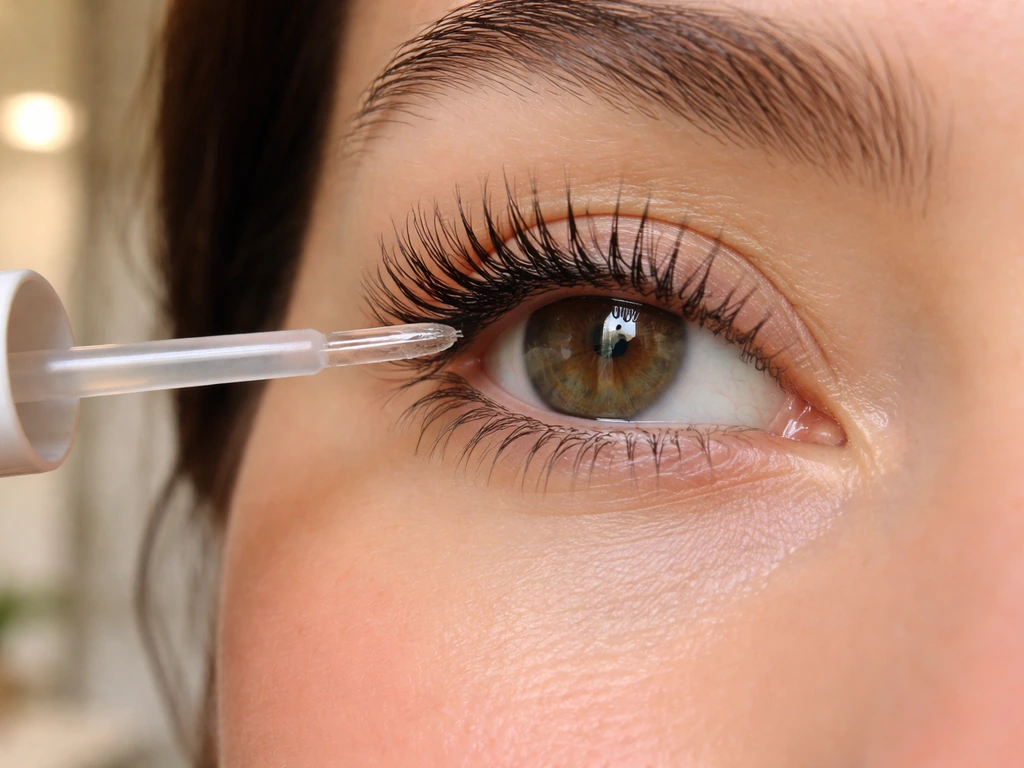
The ingredients most consistently linked to lash growth are prostaglandin analogs (like bimatoprost), peptide-based growth actives, and panthenol. If you are wondering whether essence lash and brow gel grow lashes, look for prostaglandin analogs or peptide-based actives, since those are the categories most associated with true growth. Beyond those, a solid set of conditioning and lipid-rich ingredients reduce breakage so the lashes you already grow actually survive long enough to be visible.
What Ingredients Grow Lashes: Evidence-Based Guide
Rachel Nguyen
12 Jun 2026
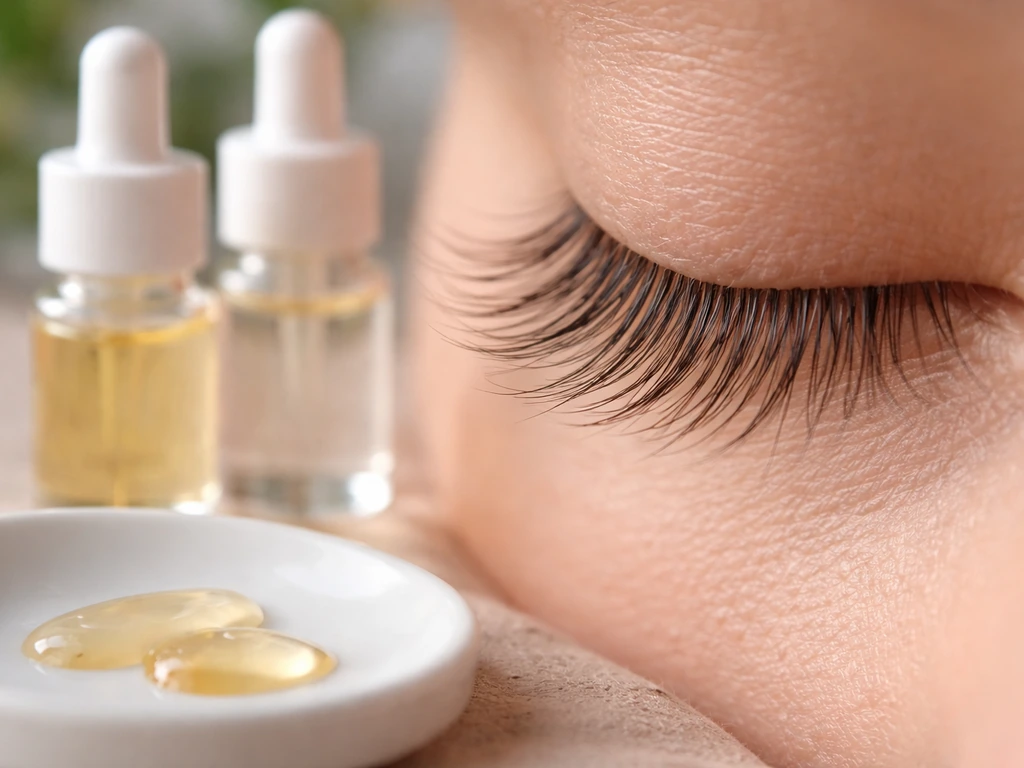
If you are looking specifically at Lancome Cils Booster XL, it helps to compare what it targets, like conditioning for reduced breakage versus true anagen-stretching growth actives. Knowing which category an ingredient falls into changes how you shop, what you expect, and how quickly you see results.
Lash growth basics: why the ingredient list matters
Eyelashes follow the same three-phase hair cycle as scalp hair, just on a much shorter timeline. Anagen (active growth) lasts about 34 days on average. Catagen (transition) takes roughly 3 to 4 weeks, and telogen (rest and shed) can run anywhere from 100 days to nearly 9 months depending on the individual follicle.
A review source on eyelash biology reports that the catagen (transition) phase lasts about 3, 4 weeks and is one of the three phases in the eyelash hair cycle (anagen growth, catagen transition, telogen resting and shedding) [catagen (transition) phase lasts about 3–4 weeks](https://www. ncbi. nlm. nih.
gov/books/NBK537278/). [A full cycle clocks in at around 90 days. ](https://pubmed. ncbi.
nlm. nih. gov/19804590/) That compressed timeline explains two things: lashes grow back faster than head hair after loss, but they also top out shorter because the anagen window is so brief.
This biology is why ingredient categories matter so much. An ingredient that extends anagen (keeps follicles in the growth phase longer) produces genuinely longer, denser lashes. An ingredient that conditions the lash shaft reduces mid-cycle breakage, so the lash reaches its full potential length before it sheds. Those are two very different mechanisms, and most products on the market do the second thing, not the first. Understanding the difference means you won't be disappointed by a conditioning serum and won't overpay for a fancy moisturizer dressed up with clinical-sounding language.
Ingredients that may actually support growth vs. ones that mainly improve appearance
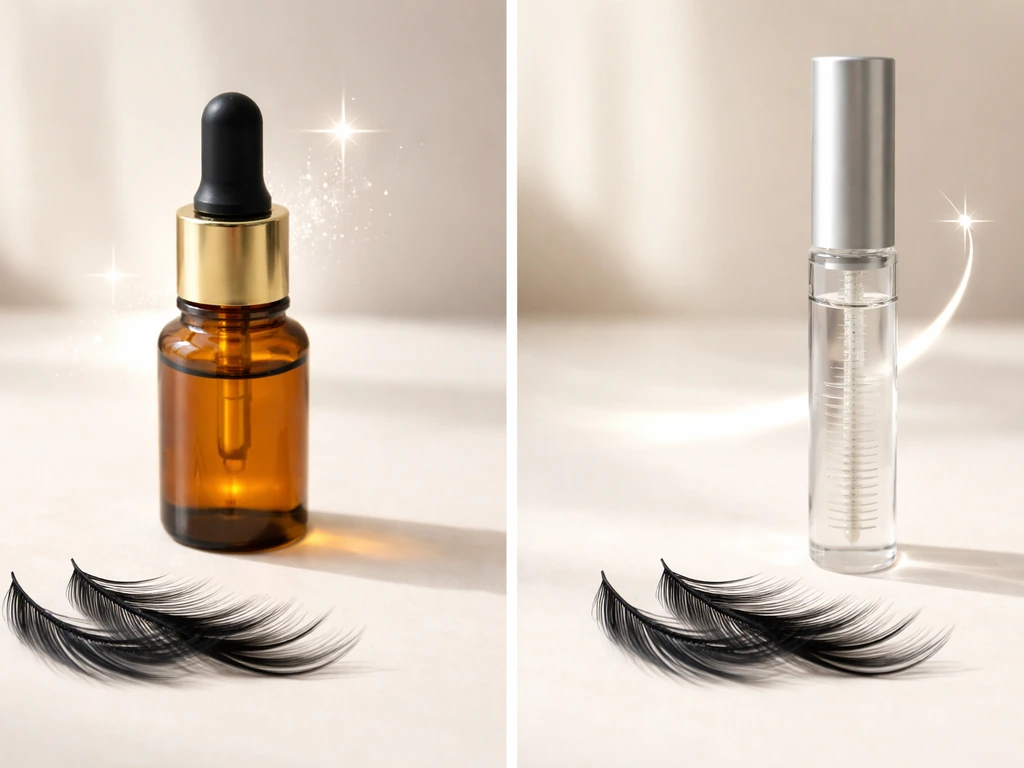
It helps to split lash ingredients into two honest buckets before reading any label.
| Category | What it does | Examples | Evidence level |
|---|---|---|---|
| Prostaglandin analogs | Prolongs anagen, increases follicle size and pigmentation | Bimatoprost, latanoprost, isopropyl cloprostenate | Strong (bimatoprost is FDA-approved for lash growth as Latisse) |
| Prostaglandin-like peptides / growth actives | Mimic prostaglandin signaling or stimulate follicle activity through peptide pathways | Myristoyl pentapeptide-17, acetyl tetrapeptide-3, biotinoyl tripeptide-1 | Moderate (in-vitro and small trials; less robust than bimatoprost) |
| Panthenol / pro-vitamin B5 | Penetrates shaft, adds moisture, may support follicle environment | Panthenol, pantothenic acid | Moderate for conditioning; limited direct growth data |
| Conditioning polymers and lipids | Coat and smooth the shaft, reduce friction and breakage | Castor oil, argan oil, squalane, ceramides | Good for retention; do not stimulate follicles |
| Antioxidants | Reduce oxidative stress around follicles, support scalp/lid health | Vitamin E (tocopherol), green tea extract, resveratrol | Supportive/indirect; not standalone growth drivers |
| Biotin (topical) | Commonly added but poorly absorbed through skin | Biotin | Weak topically; oral supplementation more relevant if deficient |
The honest takeaway: if you want biological growth stimulation, you need prostaglandin actives or credible peptide-based alternatives. Everything else is supporting cast, and supporting cast still matters because lash retention is half the battle.
Peptides, prostaglandin analogs, and the safer alternatives worth knowing
Bimatoprost (sold as prescription Latisse in the US) is the only topically applied lash growth ingredient that is FDA-approved. Clinical trials showed visible increases in lash length, thickness, and darkness within 16 weeks of nightly application to the upper lash line. It works by pushing more follicles into anagen and keeping them there longer. The catch: it requires a prescription, costs more than over-the-counter serums, and carries real side effects including potential iris pigmentation change with chronic off-label use, lid darkening, and periorbital fat loss with prolonged use. It also stops working when you stop using it, because lashes return to their natural cycle.
Isopropyl cloprostenate is a prostaglandin analog used in many over-the-counter lash serums. It is structurally related to bimatoprost but not FDA-approved and not subject to the same safety oversight. Some users see genuine results, but the side effect profile overlaps with prescription prostaglandins, including iris color change risk and lid hyperpigmentation. If you are choosing an OTC serum that lists this ingredient, you should know what you are getting into, not just hope for the best.
Peptide-based actives are the most popular alternative category because they sit in a middle ground: more mechanistic rationale than plain oils, but without prostaglandin-class side effects. Myristoyl pentapeptide-17 has shown stimulation of keratin gene expression in lash follicles in vitro. Acetyl tetrapeptide-3 and biotinoyl tripeptide-1 appear in many well-regarded serums targeting anchoring and follicle longevity.
The evidence base is smaller than bimatoprost's, but the risk profile is also much lower, which makes peptide serums the reasonable starting point for most people who do not have a prescription and are not comfortable with prostaglandin side effects. Products like RevitaLash and GrandeLASH-MD use peptide-forward formulas, and while they are not FDA-approved as drugs, plenty of people report meaningful improvement in lash density with consistent use.
GrandeLASH-MD, like other lash growth serums, is often discussed specifically for whether it helps lashes grow longer over time Grande lash mascara.
Conditioning ingredients that reduce breakage and improve thickness
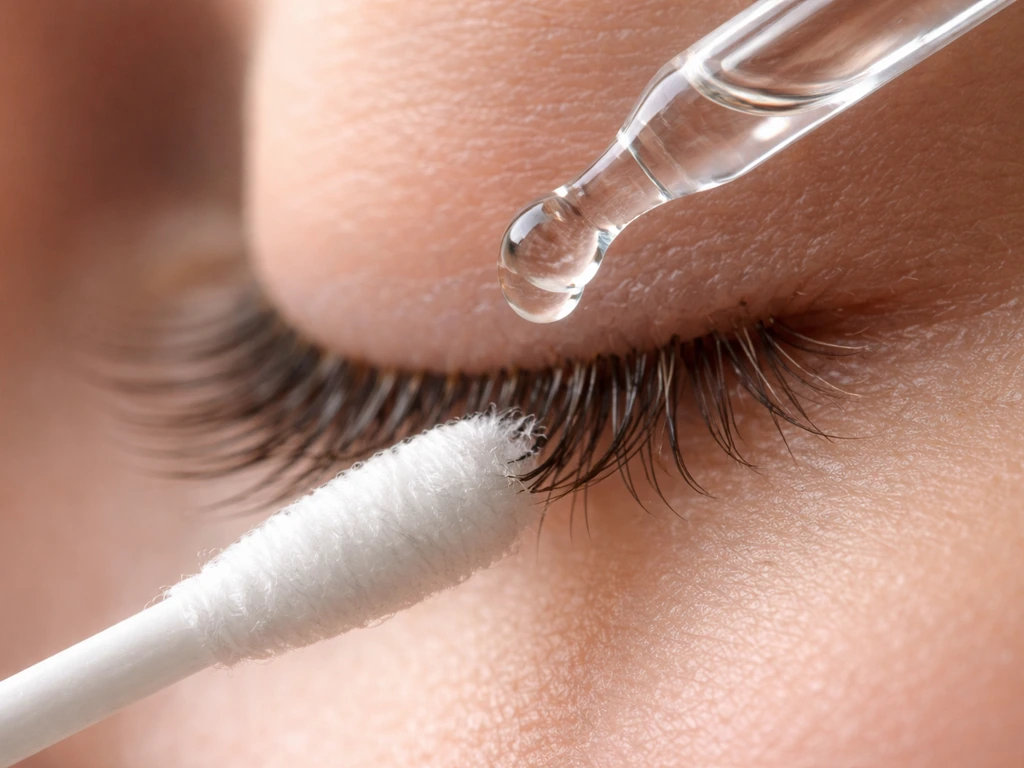
Even if you have a solid growth-stimulating active in your routine, lashes will look sparse if they break off before reaching full length. This is especially common after extensions, which stress the lash shaft at the bond point, and after repeated rubbing or harsh makeup removal. Conditioning ingredients address this by improving the mechanical integrity of the lash.
- Panthenol (pro-vitamin B5): Penetrates the hair shaft, binds water, and improves flexibility. One of the most consistently useful lash-care ingredients available OTC. Look for it in the top half of ingredient lists.
- Ceramides: Help restore the lipid layer of the cuticle, reducing moisture loss and brittleness. Useful if your lashes feel dry or look dull.
- Hyaluronic acid: A humectant that keeps the follicle environment moist and reduces follicle inflammation around the lash line, particularly helpful if you have had irritation from extensions or adhesives.
- Silk proteins / hydrolyzed proteins: Form a thin film over the shaft and fill in surface damage, which improves appearance and reduces breakage points.
- Vitamin E (tocopherol): Antioxidant that combats oxidative damage at the follicle level and softens the shaft. Often found in oils.
One thing I want to flag specifically for people recovering from extension damage: your priority in the first 4 to 6 weeks should be conditioning and retention, not growth stimulation. The follicles are usually still cycling; what is broken is the shaft integrity. Loading up on conditioning actives before adding growth serums gives you a much better base to work from.
Oils and natural ingredients: which ones are actually useful
Natural oils are the most searched lash remedy online and also the most overhyped. Here is the honest breakdown:
| Ingredient | What it realistically does | Verdict |
|---|---|---|
| Castor oil (ricinoleic acid) | Conditions the shaft, reduces breakage, has anti-inflammatory properties at the follicle; no confirmed direct anagen stimulation in humans | Useful for conditioning and retention; not a growth stimulant |
| Argan oil | Rich in vitamin E and fatty acids; conditions and protects shaft from mechanical damage | Good conditioner; limited growth evidence |
| Rosemary oil | Showed comparable results to minoxidil for scalp hair in one small study; mechanism involves circulation and DHT inhibition; diluted application only | Worth trying diluted on lash line for growth support; not well-studied for lashes specifically |
| Coconut oil | Penetrates hair shaft better than most oils due to small molecular size; reduces protein loss | Good conditioner; no direct growth stimulation data for lashes |
| Olive oil | Moisturizing but sits mostly on surface; heavier than argan or coconut | Mild conditioner; not particularly effective vs. alternatives |
| Peppermint oil | Some animal studies show follicle stimulation; must be heavily diluted (below 0.5%) near eyes | Interesting but underpowered evidence; high irritation risk near eyes, use cautiously |
| Lavender oil | Some evidence for hair growth in alopecia areata; anti-inflammatory; needs dilution | Low-risk addition diluted; modest evidence |
The reason castor oil dominates conversations about lash growth is partly because it does work, just not in the way people think. It does not signal follicles to grow. It protects existing lashes from snapping off, and over two to three months that protection translates into visibly longer, thicker-looking lashes. If your lashes are short because they keep breaking, castor oil applied nightly is genuinely useful. If your lashes are sparse because follicles are dormant or damaged, castor oil alone will not fix that.
One thing to avoid: mixing undiluted essential oils with carrier oils and applying them directly to the lash line without proper dilution ratios. Peppermint and rosemary oil in particular can cause significant irritation to the eye and surrounding skin at concentrations above 0.5 to 1 percent. Eye irritation can itself disrupt follicle cycling and make lash loss worse, so the DIY approach needs to be careful, not cavalier.
How to choose a serum or oil and use it safely
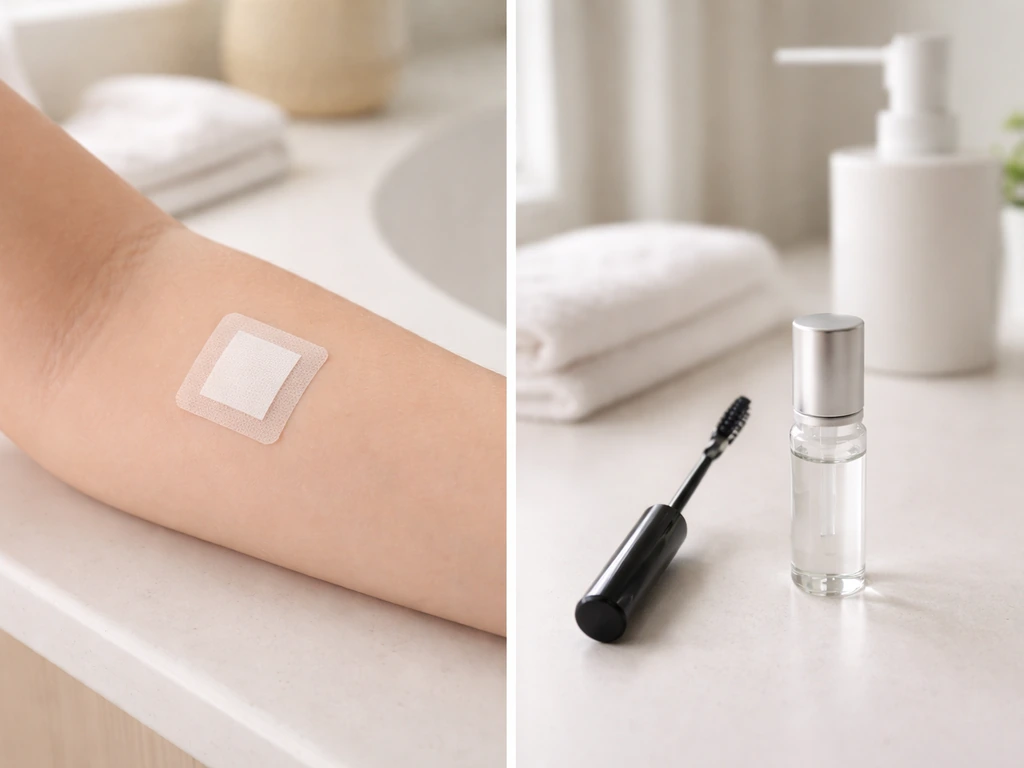
Before anything else: patch test on your inner arm for 24 to 48 hours before applying any new product near your eyes. This is not optional, especially for serums with prostaglandin analogs, peptides, or essential oils. Allergic contact dermatitis on the eyelid is miserable and can worsen lash loss.
Choosing the right product for your situation
- Recovering from extension damage or mechanical breakage: Start with a conditioning oil (castor oil or argan oil) or a panthenol-rich serum nightly. Focus on shaft integrity first.
- Wanting longer, denser lashes from a healthy baseline: A peptide-forward OTC serum applied nightly is a reasonable starting point with a good safety profile. Products using myristoyl pentapeptide-17 or acetyl tetrapeptide-3 have more backing than plain oils.
- Dealing with significant lash loss or thinning: See a dermatologist. Prescription bimatoprost (Latisse) is the most evidence-backed option and can be discussed alongside testing for underlying causes.
- Sensitive eyes or contact lens wearers: Avoid products with prostaglandin analogs. Stick to peptide or conditioning serums and remove contacts before application.
Routine and timeline
Apply lash serums or oils to a clean, dry lash line using the included applicator brush or a clean cotton swab. Upper lash line only unless a product is specifically formulated for lower lashes too. Once nightly is standard for most serums. Oils can be applied every night or every other night depending on tolerance. Remove eye makeup fully before application because residue blocks absorption and can cause irritation.
Realistic timelines: do not expect to see meaningful change before 6 to 8 weeks. The lash cycle is around 90 days, so you are working with that biology no matter what you use. Peak results from prescription bimatoprost appear around 16 weeks in clinical data. Peptide serums tend to show noticeable improvement between 8 and 12 weeks of consistent nightly use.
Oils and conditioners improve texture and reduce breakage within the first few weeks, but length gains come gradually as new growth survives to full length. Plan for a three-month commitment before you evaluate whether a product is working. Real user experience, summarized in grow eyelashes reviews, usually lines up with those timelines: be consistent, and evaluate after the full growth cycle.
Things to avoid: waterproof mascara every single day (drying and hard to remove without rubbing), lash curlers that crimp or pull, rubbing eyes, and sleeping in eye makeup. These habits undo gains from the best serum faster than the serum can build them.
A note on nutrition and biotin
Oral biotin supplementation is worth mentioning because it comes up constantly in this space. Biotin deficiency is genuinely associated with hair and lash loss, but true deficiency is uncommon in most adults eating a balanced diet. Supplementing if you are not deficient does not appear to add benefit for lash growth, and high-dose biotin interferes with certain thyroid and cardiac lab tests, which is worth knowing. If you suspect nutritional deficiencies (common in people with restrictive diets, after illness, or postpartum), getting bloodwork done before loading up on supplements is the smarter move. Iron, zinc, and protein adequacy matter for hair cycling as much as biotin does.
When lash loss needs a clinician, not a serum
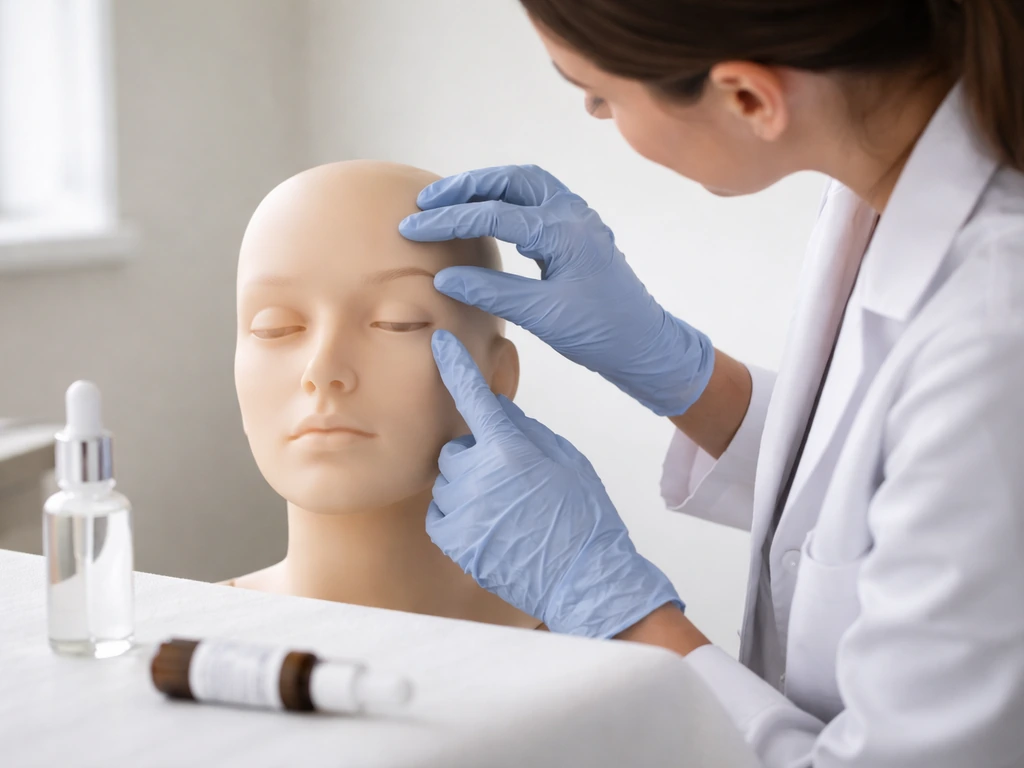
Not all lash thinning responds to serums and oils. There are situations where the right move is booking an appointment with a dermatologist or your GP rather than adding another product to your shelf.
- You are losing lashes in patches or clumps rather than gradual thinning across the whole lash line
- Lash loss is accompanied by brow thinning, scalp hair loss, or fatigue (possible thyroid, autoimmune, or iron deficiency issues)
- You have been using lash serums consistently for three or more months with no response
- There is redness, scaling, or persistent irritation along the lash line (blepharitis or seborrheic dermatitis can disrupt follicles and needs treatment, not just serum)
- Lash loss followed a medication change (many drugs cause telogen effluvium, including some chemotherapy agents, retinoids, and anticoagulants)
- You want to use prescription bimatoprost: it requires a clinician's prescription in the US and several other countries
If you do see a dermatologist, it is worth asking specifically whether your lash loss is telogen effluvium (cycle disruption, usually reversible), madarosis (loss of follicular structure, potentially permanent in advanced cases), or secondary to an inflammatory condition. That distinction drives the treatment conversation completely differently. A clinician can also assess whether prescription prostaglandin therapy is appropriate for your situation and discuss what realistic recovery looks like for your specific type of loss. Ingredient labels on serums will not tell you any of that.
FAQ
How long does it take to see lash growth from ingredients like prostaglandin analogs or peptides?
Even with active growth ingredients, don’t judge performance until you’ve reached at least 6 to 8 weeks, because the lash cycle is short but still not immediate. If you’re using prescription prostaglandins, peak visible change typically takes longer (around the 16-week range), while peptide-forward serums are often noticeable by 8 to 12 weeks of consistent nightly use.
Can I use multiple lash-growing ingredients at the same time (peptides plus prostaglandin analogs)?
It’s usually better not to stack growth-stimulating categories right away because irritation risk increases, and eyelid inflammation can counteract results. If you want to combine, consider adding only one new growth active at a time and wait several weeks to assess tolerance before layering products.
Do lash conditioners that reduce breakage make lashes look longer even if they don’t stimulate growth?
Yes. If your lashes are short mainly because they snap or shed mid-length, conditioning can improve retention so the new growth reaches its full potential. That means “length gains” can be real in appearance even without extending anagen, because fewer lashes are breaking before they grow out.
Is castor oil a lash growth ingredient or more of a conditioning ingredient?
Castor oil is better thought of as a retention and breakage-reduction support rather than a true follicle-growth signal. People often see a thicker, longer look after weeks to months, but it’s most helpful when lashes are short because they keep breaking, not when follicles are dormant or otherwise not producing.
What’s the safest way to use essential oils near my eyes?
Avoid applying undiluted essential oils directly to the lash line. Even low-strength DIY mixes can irritate eyelid skin, and irritation can worsen lash loss. If you do use anything essential-oil based, choose products designed for ophthalmic-adjacent use rather than homemade carrier-oil mixtures.
Should I apply lash serum to the lower lashes too?
Only if the product is explicitly formulated for lower-lash use. Upper and lower lash skin are different, and lower application increases the chance of eye-area irritation or migration of the active toward the eye surface.
Does mascara or makeup remove break absorption of lash serums?
Yes. Lash serums work best on a clean, dry lash line, because makeup residue and oil films can block or dilute contact with the skin and follicles. Fully remove eye makeup before application, then let the serum settle before you wear anything again.
Can I wear waterproof mascara every day and still see results?
It’s one of the most common reasons people feel like “serums don’t work.” Waterproof formulas often require harder or more drying removal, which can increase rubbing and breakage. If you use it, be gentle with removal and consider reserving waterproof for special days.
What should I do if my eyes get red, itchy, or feel irritated after starting a lash serum?
Stop the product and treat it as a potential sensitivity issue, not normal adjustment. Do not continue “to push through,” because eyelid dermatitis can disrupt the lash cycle. Reintroduce only after symptoms fully resolve, and consider switching to a gentler formula if you suspect the active or preservative.
Is a patch test really necessary for lash growth serums?
Yes, especially for prostaglandin analogs, peptides, and anything with essential oils. Patch testing on the inner arm for 24 to 48 hours helps identify contact allergy before you expose the eyelid area, where irritation is harder to tolerate and can worsen lash shedding.
Can lash growth serums help with genetic thin lashes or aging-related changes?
They may help if the main issue is reduced retention or mild follicle activity, but they can’t reliably override advanced structural loss. If thinning is persistent, widening, or progressing quickly, it’s worth asking a clinician to rule out causes like madarosis or inflammatory drivers rather than continuing to buy more serums.
When should I see a dermatologist or GP instead of trying another ingredient?
If you have patchy loss, significant eyelid inflammation, sudden shedding, or no improvement after a full three-month commitment with proper use, consider an evaluation. A clinician can distinguish telogen effluvium from more structural or inflammatory causes, which changes treatment from “try another serum” to targeted therapy.
Could I be losing lashes for nutritional reasons, and should I take biotin?
Biotin deficiency is uncommon in people with balanced diets, so routine high-dose supplementation often adds little for lashes. If you suspect deficiency due to restrictive eating, postpartum changes, or recent illness, get bloodwork and address broader nutrients like adequate protein plus iron and zinc, rather than relying on biotin alone.
What are common reasons lash serums fail even when the ingredient is effective?
The top culprits are inconsistent use, application to the wrong area (like skipping upper-lash placement), not removing makeup before application, rubbing eyes, and using harsh removal tools or extensions that stress the lash shaft. Another frequent issue is expecting results before the typical 8 to 12 week mark for peptides or 16 weeks for prostaglandin therapy.
If I had eyelash extensions, when should I start using growth ingredients?
If you’re recovering from extension-related damage, prioritize conditioning and retention first for about 4 to 6 weeks. The main problem is often lash shaft integrity, once lashes are stronger and you stop breakage, you can consider adding a growth active if you still want more density or length.
Do lashes stop growing if I stop using prostaglandin analogs?
Yes. With prostaglandin-class actives, results are typically dependent on ongoing use. When you stop, lashes usually return to their natural cycle, so consider whether you can commit to the maintenance routine before starting.
Next Article
Does RevitaLash Grow Lashes? What to Expect and How to Use
Find out if RevitaLash grows lashes, timelines, realistic results, proper use tips, side effects, and best alternatives.