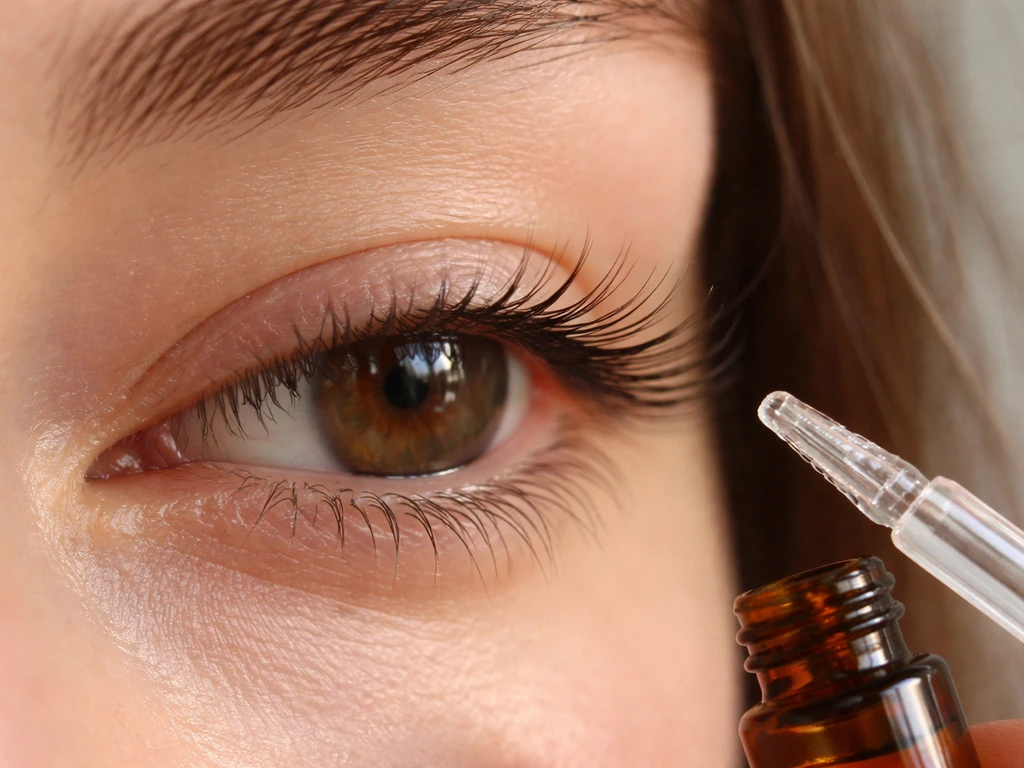
RevitaLash can produce real, visible improvements in lash length, thickness, and darkness, but the mechanism is more nuanced than a simple yes. The product contains a prostaglandin analogue (cloprostenol ethyl amide) alongside peptides and conditioning agents. Prostaglandin analogues are the same active class used in prescription lash-growth treatments, and there is solid clinical evidence that they extend the anagen (active growth) phase of the lash follicle, resulting in longer, thicker, and often darker lashes over time.
Does RevitaLash Grow Lashes? What to Expect and How to Use

Rachel Nguyen
9 Jun 2026
That said, RevitaLash is classified and marketed as a cosmetic conditioner, not a medical treatment, so the official positioning focuses on 'enhancing the look of lashes' and reducing breakage rather than making clinical growth claims. In practice, many users see both conditioning benefits and genuine growth changes, but results vary depending on your starting point, consistency, and biology.
How RevitaLash works, and what your lashes are actually doing
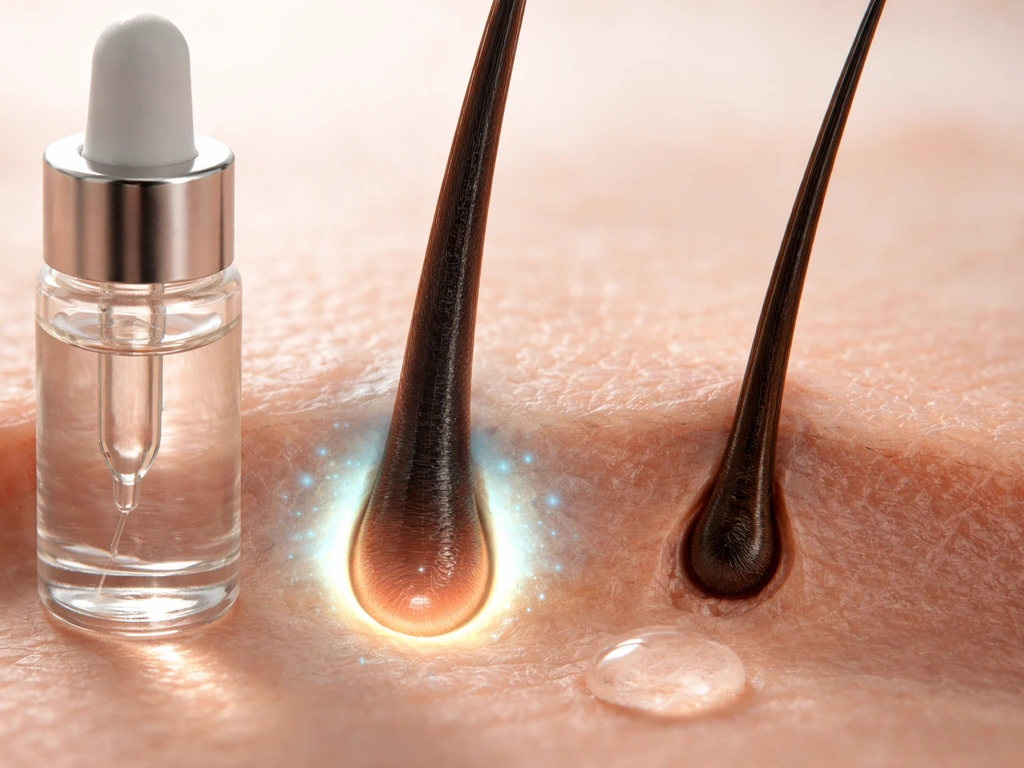
To understand what RevitaLash can and cannot do, it helps to know a little about how eyelashes actually grow. Unlike scalp hair, lashes cycle through a very short anagen (growth) phase of roughly 30 to 45 days, followed by a catagen (transition) phase and a telogen (resting) phase before the lash sheds and regrows. The short anagen window is exactly why lashes have a natural length limit, and why they recover slowly after damage from extensions, rubbing, or harsh makeup removal.
RevitaLash's key active ingredient, cloprostenol ethyl amide, is a prostaglandin analogue that works at the follicle level. The clinical evidence here comes primarily from bimatoprost (the active ingredient in the prescription lash treatment Latisse), which has been studied in randomized, double-masked, vehicle-controlled trials showing meaningful increases in lash length, thickness, and darkness when applied to the upper eyelid margin.
The mechanism is that prostaglandin analogues essentially coax follicles to spend more time in the active growth phase, and the follicle produces a longer, thicker hair shaft as a result. Cloprostenol ethyl amide operates through the same biological pathway. So while RevitaLash is a cosmetic, its primary active works by a mechanism that goes beyond surface-level conditioning. The peptide and botanical ingredients in the formula add conditioning and breakage protection on top of that.
Realistic results: what to expect and when
Timeline is where most people either get impatient or get confused. Because lashes cycle slowly, you are not going to see changes in a week or two. In the clinical bimatoprost studies, meaningful patient-reported improvements in lash prominence were assessed at weeks 8 through 20 of consistent use. That timeframe maps reasonably well to anecdotal RevitaLash experience: most people start noticing a visible difference somewhere between 6 and 12 weeks of nightly use, with more pronounced results showing up closer to the 3 to 4 month mark.
What changes, specifically? The most common outcome is lashes that appear longer, fuller, and slightly darker. If you are also asking about brow growth, the same prostaglandin-like mechanism can apply to brows, but results and safety considerations may differ from the eyelids brow gel. Some of this is genuine follicle-level growth (longer anagen, longer lash), and some is reduced breakage so more of the lash shaft survives to its natural length. If your lashes have been damaged by extensions, rubbing, or over-curling, you may see a faster apparent improvement simply because breakage is being addressed. True new length takes longer.
One thing that catches people off guard: a temporary increase in lash shedding is possible in the first few weeks. This is not the product failing. Prostaglandin analogues can push resting (telogen) follicles into active cycling, which means some older lashes shed earlier than they normally would to make way for new growth. If you notice slightly more fallout in weeks 2 through 4, hold steady. It usually resolves and is followed by the regrowth phase.
If you have been applying RevitaLash consistently for 16 weeks and see absolutely no change, it is fair to conclude the product is not working for you. At that point, it is worth looking at whether your application method is correct, whether an underlying deficiency (like low biotin or thyroid issues) is limiting growth, or whether a stronger prescription option is warranted.
Side effects, safety concerns, and who should avoid it
Because RevitaLash contains a prostaglandin analogue, the side effect profile mirrors what has been documented for this class of ingredients in clinical and regulatory settings. The EU Scientific Committee on Consumer Safety (SCCS) has specifically flagged safety concerns about prostaglandin analogues used in cosmetic lash and brow products near the eye. That does not mean the product is dangerous for everyone, but it is worth knowing what you are using and monitoring for.
The most common issues reported with prostaglandin-class lash products are eyelid skin darkening (periorbital hyperpigmentation), increased lash bristling or misdirected lash growth, and eye or eyelid irritation. More serious but rarer concerns documented in the clinical literature for this ingredient class include periorbital fat atrophy (a slight hollowing around the eye area with long-term use), and in ophthalmic use contexts, iris pigmentation changes and rare cases of cystoid macular edema. These more serious effects are largely documented in ophthalmic glaucoma-drop contexts where the drug directly enters the eye, but they are worth knowing about.
RevitaLash's own FAQ and product guidance tells you to stop use immediately and consult a physician if you experience irritation, redness, or signs of an allergic reaction. RevitaLash also reports user-reported irritation incidence for its “Truth Serum” over May 2023 to April 2024, and advises discontinuing if irritation occurs user-reported irritation incidence over May 2023 to April 2024. That is good advice to follow literally. Do not push through persistent irritation hoping it resolves.
- Avoid RevitaLash if you are pregnant or breastfeeding (prostaglandin analogues have systemic activity and have not been studied for safety in these populations in cosmetic use).
- Avoid it if you have a history of uveitis, macular edema, or other inflammatory eye conditions.
- Use with extreme caution if you have blue or green eyes, as iris pigmentation changes are a documented (though rare) risk with prostaglandin analogues.
- Do not use RevitaLash while wearing contact lenses; remove lenses before application and wait at least 15 minutes before reinserting.
- If you are using prescription glaucoma drops (especially prostaglandin-class), talk to your ophthalmologist before adding a cosmetic prostaglandin analogue to your routine.
- Stop use if you develop persistent redness, swelling, itching, or vision changes.
How to use RevitaLash correctly
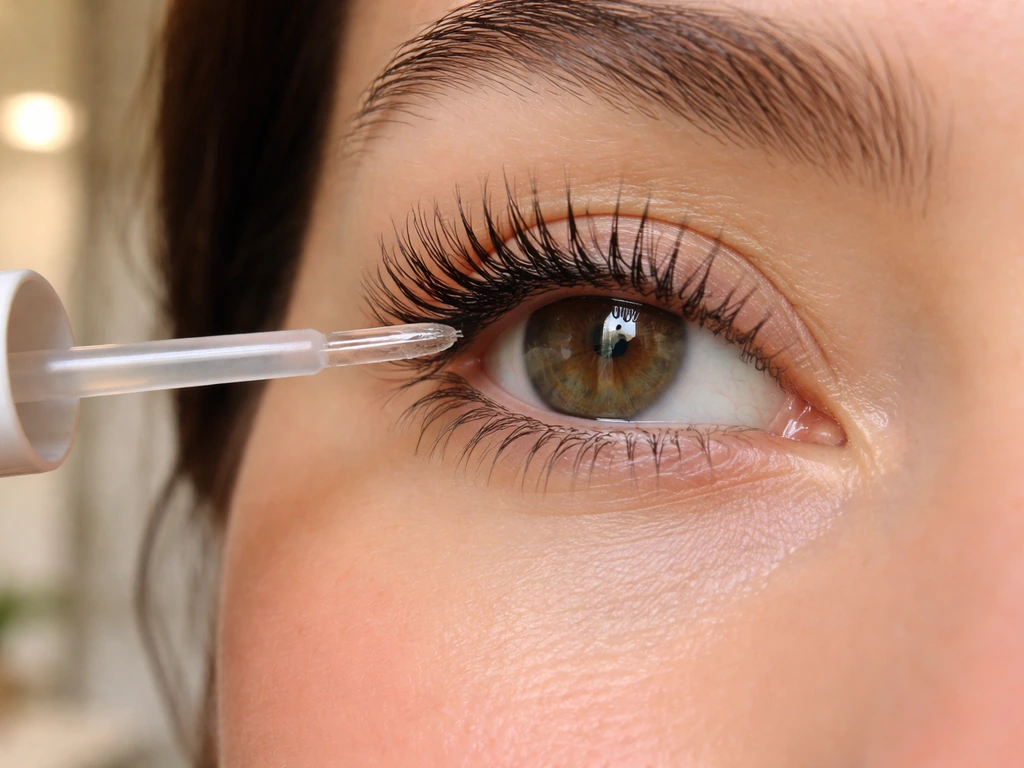
Application method matters more than most people realize, because applying it wrong either reduces effectiveness or increases irritation risk. RevitaLash Advanced is designed to be applied as a thin line to the upper lash line, once daily, on clean dry lashes. The brand instructions specifically describe drawing a fine line directly above (or along) the upper lash line, similar to how you would apply liquid eyeliner. You are targeting the lash margin where the follicle openings are, not spreading it over the eyelid skin broadly.
- Remove all eye makeup and cleanse the eye area thoroughly before applying.
- Wait until the skin around your eyes is fully dry, not just towel-dried (moisture dilutes the serum and can cause it to migrate).
- Apply a single thin stroke along the upper lash line, from inner to outer corner. Less is more: a thin line is all you need.
- Apply to the upper lashes only, unless your specific product instructs otherwise. Lower lash application is generally unnecessary and increases the risk of the product getting into your eyes.
- Apply at night, before bed, and allow it to dry before lying down.
- Do not apply to the lower waterline or directly into the eye.
- Use consistently every night. Skipping multiple days regularly will slow or stall progress.
If you are currently wearing lash extensions, RevitaLash's own messaging acknowledges use alongside extensions, positioning the product partly as protection against extension-related damage. That said, be aware that some oil-based serums can weaken extension adhesive bonds. RevitaLash Advanced is water-based rather than oil-based, so it is generally considered extension-compatible, but apply carefully along the lash line and avoid saturating the adhesive area. If you notice extensions slipping faster than usual, cut back the amount you are applying.
Alternatives to RevitaLash, and how to choose

RevitaLash is a solid mid-range option in the lash serum category, but it is not the only path. Here is how the main alternatives compare so you can make a practical decision based on your situation.
| Option | Active Mechanism | Evidence Level | Timeline | Best For |
|---|---|---|---|---|
| RevitaLash Advanced | Prostaglandin analogue (cloprostenol ethyl amide) + peptides + conditioning agents | Ingredient class well-supported; product-specific RCT evidence limited | 6 to 16 weeks | People who want a prostaglandin-class serum without a prescription, with added conditioning |
| Bimatoprost 0.03% (Latisse) | Prostaglandin analogue (prescription-strength) | Strong: multiple randomized controlled trials for lash length/thickness/darkness | 8 to 16 weeks | People who want the strongest evidence-backed prostaglandin treatment and have a prescription |
| Castor oil | Ricinoleic acid (anti-inflammatory, moisturizing); no direct follicle-stimulating mechanism proven | Anecdotal and limited; no RCT evidence for lash growth specifically | 12+ weeks, results modest | People who want an inexpensive, very low-risk option focused on reducing breakage and improving lash condition |
| Biotin supplements/topicals | Supports keratin production systemically; primarily benefits people with a deficiency | Limited for topical use; oral biotin helps only if deficient | 12+ weeks | People with known biotin deficiency or diet gaps; unlikely to produce dramatic growth in well-nourished individuals |
| Grande Lash MD / similar OTC serums | Varies: peptides, amino acids, some contain prostaglandin analogues | Variable by formula; typically ingredient-class evidence rather than product-specific trials | 6 to 16 weeks | Similar profile to RevitaLash; worth comparing ingredient lists |
If you want the most evidence-backed approach and you are comfortable seeing a dermatologist or your doctor, prescription bimatoprost (Latisse) is the strongest option because it has the most rigorous clinical trial data behind it. RevitaLash is a reasonable choice if you want to avoid a prescription process and prefer a product with additional conditioning ingredients.
Castor oil is genuinely useful as an inexpensive add-on for reducing breakage and improving the appearance of existing lashes, but if you are hoping for actual new length and thickness, a prostaglandin-containing serum is going to outperform a conditioning oil. Biotin is often overhyped for lashes in people who are not actually deficient. If your diet and bloodwork are normal, adding more biotin is unlikely to move the needle much.
What ingredients make lashes grow is worth exploring more deeply if you are trying to understand which actives are actually doing the work versus which are just marketing filler.
The bottom line for choosing: if RevitaLash is accessible to you and you have 3 to 4 months of patience, it is a reasonable first step into the prostaglandin-class serum category. If you are comparing options, reading grow eyelashes reviews can help you gauge how others handled timing, shedding, and results. If you try it for 16 weeks without results, escalate to a prescription option or investigate whether an underlying issue (thyroid, nutritional gaps, over-processing) is limiting your lash recovery. And if eye irritation is a concern, start with a conditioning-only approach like castor oil while you research which serum is the right fit for your sensitivity level.
FAQ
If I stop using RevitaLash, will my lash growth last?
It can, but you will not usually get a dramatic “overnight” jump in lash length. Expect the biggest change in how lashes look by increasing their apparent fullness and darkness, with true new length generally becoming clearer closer to the 3 to 4 month range. If you only see reduced shedding or less breakage without any length change by around 8 to 12 weeks, that often means your lashes are mostly benefiting from conditioning rather than longer growth cycles.
Can I use RevitaLash only for a few weeks and keep the results?
Most of the benefits track with continued use, because the lash follicle will return to its normal cycle when the prostaglandin-class signal is removed. In practical terms, many people notice gradual loss of the improved look after stopping, especially if they stop before the new cycle has fully expressed. A “trial” of a few weeks is unlikely to lock in lasting length, since lashes still shed on their natural schedule.
Is RevitaLash okay to use if I wear contact lenses?
Yes, but timing matters. If you experience irritation in the first 1 to 2 weeks, discontinue and do not reintroduce until symptoms fully resolve. If you are tolerating it, keep the application to the upper lash line only, use it once daily, and avoid getting it into the eye. Wearing contact lenses is not the issue, but eye irritation from product contact is, so consider extra caution or switching to a conditioning-only option if your eyes feel sensitive.
What’s the correct place to apply RevitaLash on the eyelid?
Avoid using it on the lower lash line, and do not apply it on the waterline or inside the eye. For best targeting, use a thin line directly at the upper lash margin on clean, dry lashes. If you tend to “smudge” it onto the eyelid skin, you may increase the risk of eyelid skin darkening and irritation without improving follicle targeting.
How much early shedding is normal, and when is it a red flag?
You should treat a small amount of early shedding as a possible effect of the ingredient class, but do not ignore severe symptoms. Mild shedding that settles typically happens in weeks 2 to 4. If you also develop burning, significant redness, swelling, crusting, or discharge, stop immediately and get medical advice, since that pattern suggests irritation or allergy rather than normal shedding.
Why did my lashes seem to improve faster than I expected?
It can look like it is “working” faster when lashes were previously damaged, because reduced breakage makes remaining lashes appear longer. However, the true growth timeline still follows lash cycling, so you should not expect the same speed as a conditioning-only approach. If your lashes were over-curled, rubbed, or extension-damaged, give it at least 8 weeks to judge whether you are seeing new length versus simply less breakage.
Will RevitaLash weaken lash extension adhesive?
Yes, and it is a common mistake. If you are using lash extensions and you notice extensions lifting or slipping faster, reduce how much serum you apply, keep it thin, and make sure you are not soaking the adhesive area. Also keep makeup removal gentle, because excessive rubbing can undo both the serum benefits and extension adhesion.
I used it for 16 weeks but saw no results, what should I troubleshoot next?
If you have absolutely no visible change after about 16 weeks of consistent nightly use, the next step is not to double up. Instead, review whether the line is staying close to the lash margin, confirm you are using it on clean dry lashes, and check for factors that limit lash recovery such as thyroid problems, nutrient insufficiency, or aggressive lash handling. If those are unlikely or addressed and there is still no change, discussing prescription prostaglandin options with a clinician is a more effective escalation than increasing frequency.
What if I’m prone to dark eyelids or skin irritation?
Yes, prostaglandin-class serums can cause eyelid skin darkening and lash bristling, so you may want a plan if you have a history of sensitive skin or hyperpigmentation. A practical approach is to patch-check carefully on the targeted area of the upper lash line, use the smallest effective amount, and stop if you see persistent darkening or irritation. For ongoing sensitivity concerns, consider a conditioning-only serum or castor oil while you decide whether the prostaglandin-class route is worth the risk for you.
Can RevitaLash make lashes grow in the wrong direction?
There are instances where direction can become noticeable, especially if the application spreads beyond the lash margin. If lashes begin to point in odd directions or look “kinked,” that often correlates with product migrating onto the wrong area or buildup. Reduce the amount, keep it strictly to the lash line, and avoid layering it with heavy eye creams or oily products that can blur where the serum is going.
Next Article
Grow Eyelashes Reviews: What Works, Timelines, and Safety
Reviews of lash growth serums and oils, real timelines, ingredient safety, and how to choose for longer, thicker lashes.