
Most lash growth reviews you'll find online fall into two camps: people raving about a serum after two weeks (almost certainly placebo or better mascara application) and people who stuck with something for 8 to 12 weeks and genuinely saw denser, longer lashes. The honest answer is that real eyelash growth takes 4 to 12 weeks minimum, the only ingredient with strong clinical evidence is bimatoprost (the active in Latisse), and most cosmetic serums work more slowly and modestly than prescription options. That said, there are legitimate at-home approaches worth your time and money, and there are also some real safety concerns you should know before you start applying anything near your eyes.
Grow Eyelashes Reviews: What Works, Timelines, and Safety
Rachel Nguyen
8 Jun 2026
What people usually mean when they search for lash growth reviews
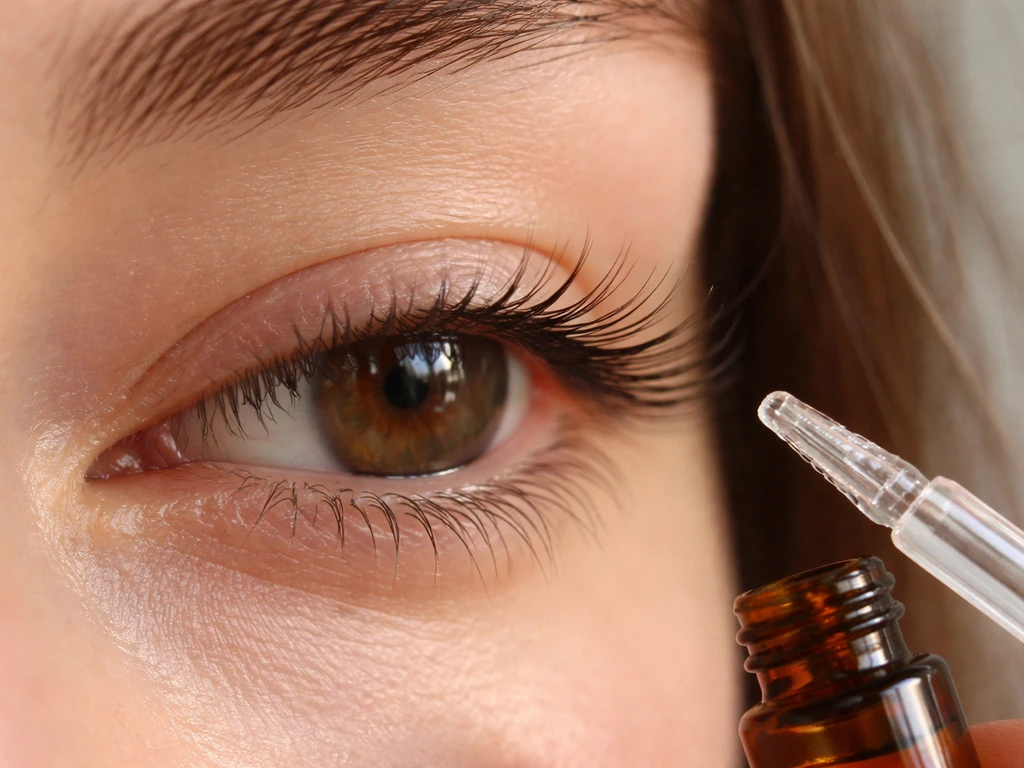
When someone searches 'grow eyelashes reviews,' they're almost always in one of three situations: they lost lashes from extensions, rubbing, blepharitis, or a medical treatment; their lashes have always been sparse; or they just want noticeably longer and thicker lashes and are comparing options before spending money. The solutions being reviewed generally fall into three buckets.
- Prescription-grade lash serums: Bimatoprost (Latisse) is the only FDA-approved treatment for eyelash hypotrichosis. It works through a prostaglandin pathway to extend the anagen (growth) phase of the lash cycle. This is the strongest option available.
- Cosmetic lash serums with prostaglandin-like or peptide actives: Over-the-counter serums that contain either synthetic prostaglandin analogs like isopropyl cloprostenate, or peptide ingredients like myristoyl pentapeptide-17 and myristoyl hexapeptide-16. These have weaker or more limited evidence than bimatoprost, but some people see real results.
- Oils and supplements: Castor oil, argan oil, biotin, and vitamin E are widely discussed. These are the most accessible and lowest risk, but also the least evidence-backed for direct lash growth stimulation.
Understanding which bucket you're shopping in changes how you evaluate claims, set timelines, and weigh safety trade-offs. Cosmetic serums are not Latisse, even if they look similar and cost nearly as much. Does GrandeLASH Mascara grow lashes? It typically functions like a conditioning mascara, so any “growth” is usually more about appearance than true lash extension compared with proven active ingredients like bimatoprost. And oils are not cosmetic serums, even if a brand uses the word 'serum' on the label.
The real eyelash growth cycle (and why results take so long)
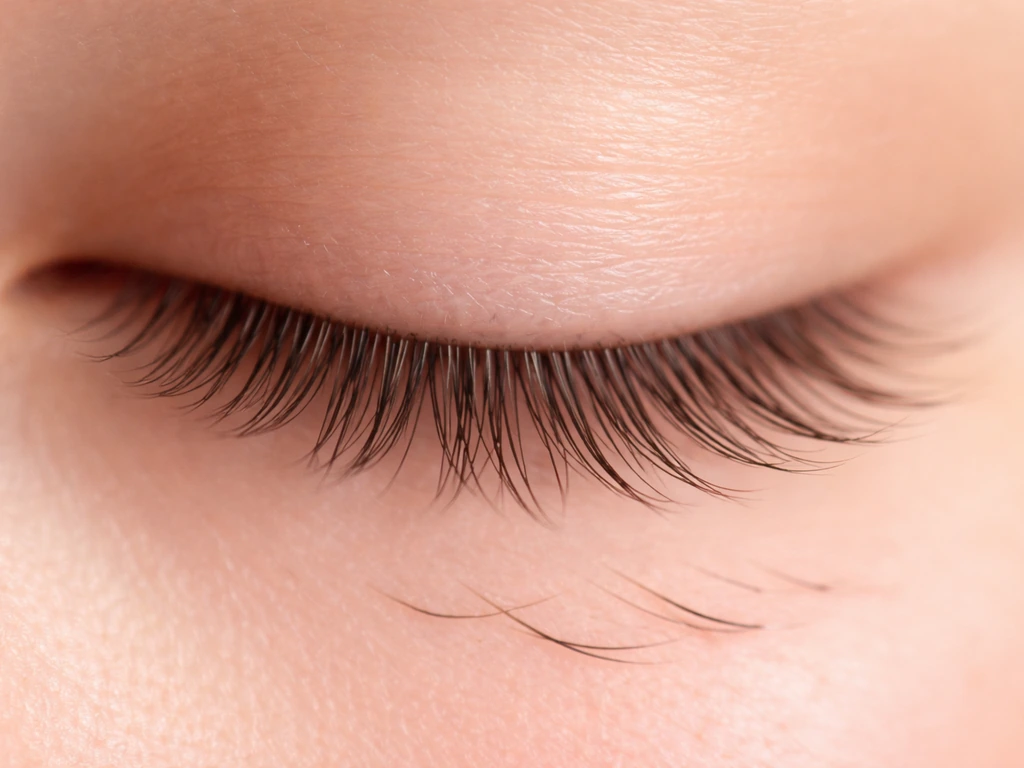
Your lashes go through three phases: anagen (active growth), catagen (transition), and telogen (resting/shedding). The anagen phase for eyelashes lasts roughly 4 to 10 weeks, which is much shorter than scalp hair. After that, lashes enter a resting telogen phase that can last 4 to 9 months before the old lash sheds and a new one starts growing. The overall lifespan of a single lash is somewhere between 4 and 11 months depending on the individual.
This short growth window is why lashes stay uniformly short compared to scalp hair, and it's also why visible growth results from any product lag behind what you might expect. When you start a lash serum, you're working with the lashes already on your lid, which are in various phases. The ones in telogen won't respond until they cycle back into anagen. This is also why you typically don't see visible changes before week 4, and why most clinical studies evaluate results at 12 to 16 weeks. After damage from extensions, rubbing, or chemotherapy, timelines can stretch further because you're waiting for follicles to reactivate, not just for existing lashes to grow longer.
How to actually evaluate a lash growth product
Before buying anything, run it through this quick framework. It'll save you from wasting money on products that are essentially overpriced conditioners.
- Check the active ingredient: Is there a named active with a mechanism, or is it a blend of botanical oils with no specified growth driver? Products listing bimatoprost, isopropyl cloprostenate, or named peptides (myristoyl pentapeptide-17, myristoyl hexapeptide-16) at least have a stated mechanism.
- Look at the evidence quality: Bimatoprost has multiple randomized controlled trials. Peptide serums have smaller open-label studies. Castor oil has zero clinical trials specifically on eyelash growth. Be proportional about how much you expect from each.
- Identify what category the product is in: Is it FDA-approved (Latisse only), a cosmetic serum, or a conditioning oil? The label 'serum' doesn't mean it has drug-level activity.
- Check the side effect profile: Prostaglandin analogs (both prescription and cosmetic) carry real risks including periocular pigmentation changes and potential volume loss in the eyelid area. Oils and peptide serums have minimal systemic risk but can still irritate sensitive eyes.
- Set realistic expectations: Even the best-studied option (bimatoprost) produces results in 8 to 16 weeks. If a brand claims dramatic results in 7 days, that's marketing, not biology.
Reviews of the main at-home options
Bimatoprost (Latisse): the only option with strong clinical proof
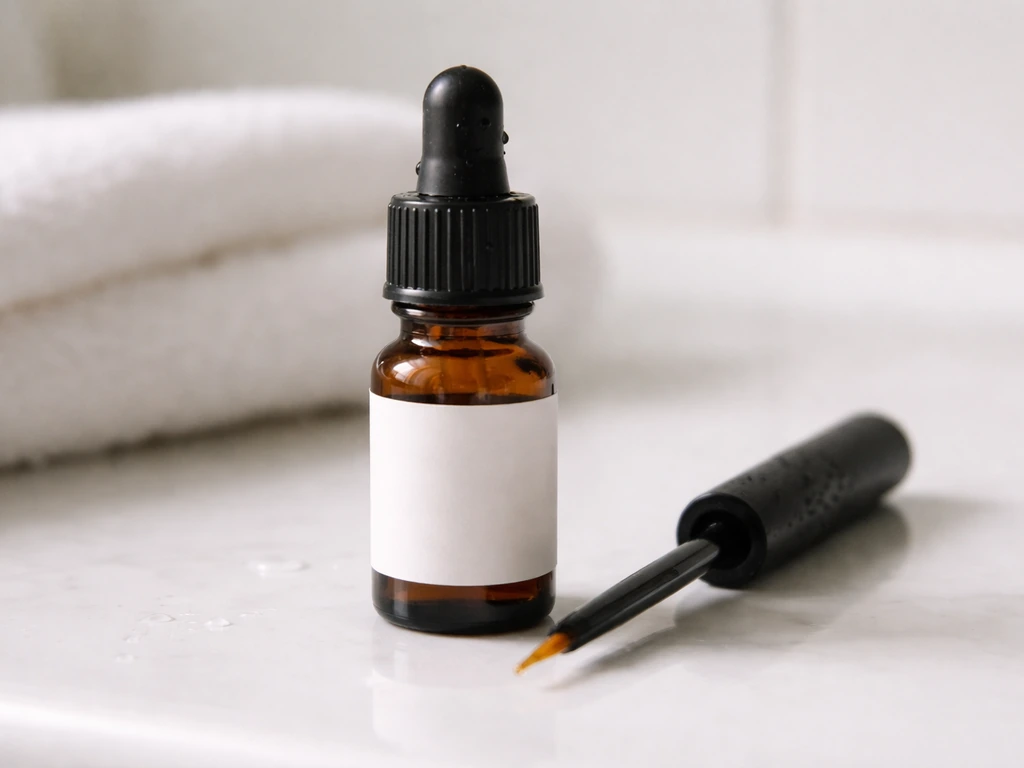
Latisse is bimatoprost 0.03% ophthalmic solution, FDA-approved since 2008 specifically for eyelash hypotrichosis (inadequate lashes). The mechanism is well understood: bimatoprost is a synthetic prostamide related to prostaglandin F2α, and it extends the anagen phase of the lash cycle, producing lashes that grow longer, thicker, and often darker. Multiple randomized controlled trials confirm the effect. In those trials, the application method matters: one drop placed on the upper eyelid margin at the base of lashes once nightly using a sterile disposable applicator. Not the lower lash line, not the lash tips.
The most common adverse reactions are eye itching, conjunctival redness, and skin hyperpigmentation around the eyelid (roughly 3 to 4% incidence for the most common reactions in pooled trial data). The bigger concern for long-term users is iris color change, which can become noticeable over months to years if bimatoprost contacts the colored part of the eye. There's also evidence from at least one documented case that prostaglandin analogs can contribute to periocular fat volume loss and eyelid hollowing after prolonged use, though this appears to be more of a concern with off-label cosmetic-grade prostaglandin analogs. Latisse is prescription-only in the US, so you'll need a clinician conversation before accessing it.
Cosmetic serums with prostaglandin analogs: similar mechanism, less oversight
A number of over-the-counter lash serums contain synthetic prostaglandin analogs, most commonly isopropyl cloprostenate. These aren't FDA-approved drugs, so they don't go through the same safety and efficacy review as Latisse, but they operate through a similar biological pathway. If you're wondering specifically whether Lancôme Cils Booster XL can grow lashes, the same evidence framework applies: check for prostaglandin analogs versus peptides, and expect results to take weeks rather than days.
Some people see real lash improvements with these products. The catch is that the same side effect profile applies: periocular pigmentation, potential eyelid changes with long-term use, and eye irritation if the formula gets onto the ocular surface. The case documented in medical literature of periorbital hollowing and skin thinning involved Rodan & Fields Lash Boost, which contains isopropyl cloprostenate. The changes reversed about 6 months after stopping the product, but that's still a meaningful risk to weigh.
If you're considering products like RevitaLash, GrandeLASH, or similar cosmetic serums, you're likely getting a peptide-dominant formula with no prostaglandin analog, which changes both the efficacy and side effect conversation. GrandeLASH is often discussed as a cosmetic lash serum, but its results depend on the specific ingredients and it is not the same as Latisse.
Peptide-based serums: decent evidence, lower risk
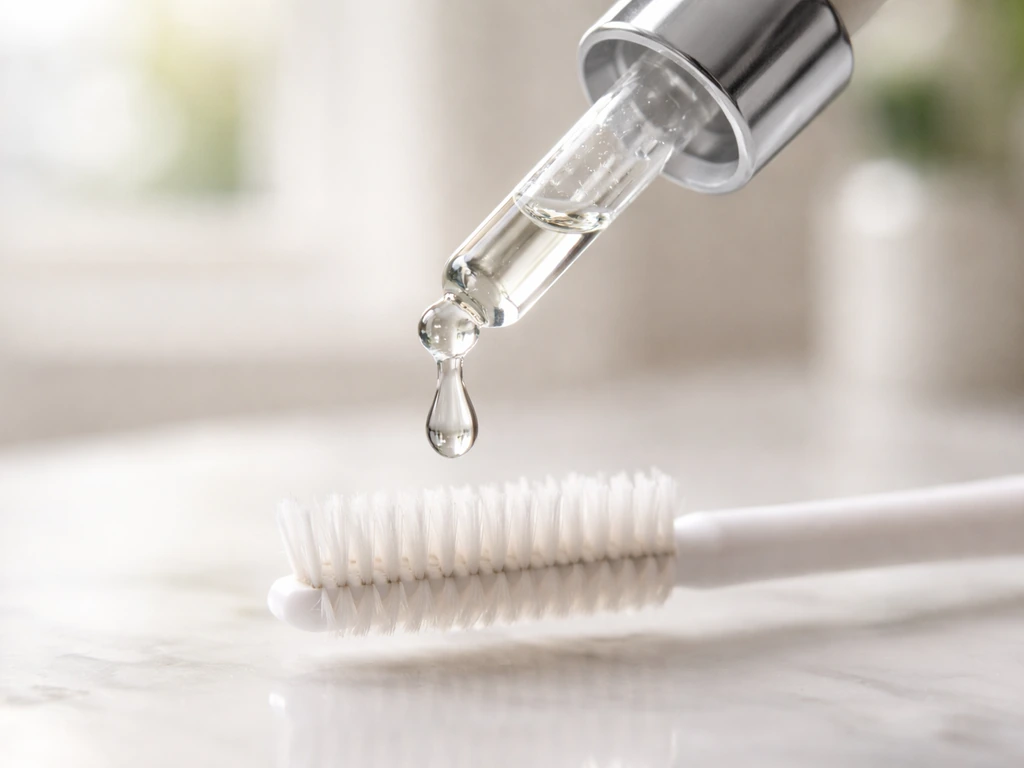
Serums built around peptides like myristoyl pentapeptide-17 and myristoyl hexapeptide-16 aim to stimulate keratin production in the lash follicle, which supports lash structure and potentially length. The evidence base here is smaller than bimatoprost, mostly open-label studies rather than large randomized trials, but the mechanism is plausible and the safety profile is considerably cleaner than prostaglandin analogs.
One example is eyelash polygrowth factor serum, an open-label, single-center study report of a non-prostaglandin formulation using peptide components such as myristoyl pentapeptide-17 and myristoyl hexapeptide-16 with other actives, designed to stimulate eyelash growth [peptide serums](https://pmc. ncbi. nlm. nih.
gov/articles/PMC7158911/). Results tend to be more modest: modest length and thickness improvements rather than dramatic transformation. If you're mainly looking for healthier, slightly fuller-looking lashes and want to avoid the pigmentation risks tied to prostaglandin ingredients, peptide serums are a reasonable middle-ground option. Products like RevitaLash Advanced fit in this category and are worth comparing to similar cosmetic serums.
Castor oil: highly popular, poorly studied
Castor oil is genuinely one of the most searched lash growth remedies, and there's a compelling-sounding hypothesis behind it: ricinoleic acid, the main fatty acid in castor oil, may support hair follicle health. But there are no clinical trials specifically studying castor oil and eyelash growth. None. What we do know is that it's a thick, conditioning oil that can coat the lash shaft, reduce breakage, and make lashes look a bit fuller and darker, similar to a tinted balm.
Whether it actually stimulates the follicle to produce a longer lash is genuinely unknown. If you want to try it, it's low-cost and low-risk, but don't expect Latisse-level results. Apply a tiny amount to a clean spoolie before bed and use it consistently for at least 8 weeks before drawing conclusions.
Biotin and other supplements
Biotin supplements are frequently marketed for hair and lash growth. The evidence is clearest for people who are genuinely biotin-deficient, which is relatively uncommon in people eating a varied diet. If you're not deficient, adding more biotin is unlikely to produce dramatic changes. That said, biotin is inexpensive and low-risk at standard doses (2,500 to 5,000 mcg daily is typical in hair supplements). Other nutrients that support lash health include iron, vitamin D, and zinc, especially if your lash loss is related to a nutritional or health issue. If you're losing lashes more than usual, a basic blood panel checking for deficiencies is worth more than any supplement stack.
Side-by-side comparison of the main options
| Option | Evidence Level | Typical Onset | Main Benefit | Key Risk |
|---|---|---|---|---|
| Bimatoprost (Latisse) | Strong (multiple RCTs, FDA-approved) | 8 to 16 weeks | Length, thickness, darkness | Pigmentation changes, eye irritation, iris color change |
| Cosmetic prostaglandin-analog serums | Moderate (similar mechanism, no RCT oversight) | 8 to 12 weeks | Length and thickness gains possible | Same pigmentation risks, periocular fat loss with long-term use |
| Peptide-based serums (e.g., RevitaLash) | Moderate (open-label studies) | 8 to 12 weeks | Modest length/fullness improvement | Mild irritation; generally low systemic risk |
| Castor oil | Weak (no clinical trials for lashes) | Conditioning benefit fairly quick; growth unproven | Conditioning, reduced breakage, cosmetic fullness | Very low; possible eye irritation if applied too close to waterline |
| Biotin supplements | Weak for non-deficient users | Months | Supports lash health if deficient | Very low at standard doses; can interfere with lab tests at high doses |
What to expect from before and after, and how to troubleshoot slow progress
Here's a realistic before-and-after breakdown based on clinical data and real-world use. In the first 4 weeks, don't expect to see much. Your lashes are cycling and you won't see full-cycle turnover yet. By weeks 6 to 8, if you're using a prostaglandin-based product (prescription or cosmetic), some lashes will be visibly longer and you may notice more lashes per row. By week 12 to 16, this is where most clinical studies measure primary outcomes, and where you'll see peak improvement if the product is working. After that, maintenance dosing (every other night for some products) can sustain results.
If you've been consistent for 10 to 12 weeks and see no change at all, consider these factors: Are you applying correctly to the upper lid margin at the base of lashes, not just the tips? Are you using the product nightly without skipping? Is there an underlying cause of lash loss (thyroid issues, nutritional deficiency, chronic blepharitis) that needs treatment first? Is the product you're using actually in the cosmetic oil category rather than having an active growth ingredient? If you're using castor oil or a conditioning serum and seeing nothing, that's actually the expected outcome for those products. Switching to a peptide serum or consulting a dermatologist about prescription bimatoprost is a reasonable next step.
Safety, side effects, and who should be careful
The eye is a high-sensitivity area. The FDA specifically flags that products applied to the eye bypass some of the body's natural defenses, making ingredient quality and application precision more important than with most topicals. Here are the main safety considerations organized by ingredient class.
Prostaglandin analogs (bimatoprost, isopropyl cloprostenate, and related)
- Conjunctival hyperemia (eye redness): one of the most commonly reported side effects, generally mild and reversible
- Periocular skin hyperpigmentation: darkening of the eyelid skin, reported in approximately 3.4% of bimatoprost users in pooled trial data versus 0.5% with placebo
- Iris color change: bimatoprost can gradually darken the iris over months to years; this change may be permanent
- Periocular fat volume loss: documented with prolonged use of cosmetic prostaglandin-analog serums; presents as hollowing or sunken appearance around the eye; typically reverses after stopping but can take 6 months or more
- Eye pruritus (itching): one of the most common adverse reactions in clinical trials
- Punctate keratitis: superficial corneal irritation, particularly if formula contacts the ocular surface rather than the lid margin
Who should avoid prostaglandin-based products
- People with a history of macular edema or uveitis, as prostaglandin analogs can exacerbate these conditions
- Anyone using contact lenses (remove them before application and wait at least 15 minutes before reinserting)
- People with light-colored eyes who are concerned about permanent iris darkening
- Anyone who has had recent eye surgery without first consulting their ophthalmologist
- Pregnant or breastfeeding individuals, since bimatoprost is a Pregnancy Category C drug and safety data is limited
Peptide serums and oils
Peptide serums generally have a much lower side effect burden. The main risk is local irritation or allergic contact dermatitis, especially with preservatives or fragrance in the formula. Patch test a new serum on your inner arm before applying to your eyelids. Oils carry similar low-level risks. The main practical concern with castor oil is its thick consistency: applying too much can clog the meibomian glands along the lid margin, which can worsen dry eye over time. A tiny amount on a clean spoolie is enough.
Your next steps: choosing the right option and a simple 4 to 8 week routine
The right starting point depends on why your lashes are sparse and how urgently you want results. If you have clinically diagnosed hypotrichosis or significant loss after chemotherapy or medical treatment, bimatoprost is worth a dermatology or ophthalmology conversation. If your lashes are naturally short or you lost density from extensions and mechanical damage, a peptide-based cosmetic serum is the most practical first step with the best safety profile among active ingredients. If you want a no-cost, no-risk starting point while you research further, castor oil is fine, just set expectations accordingly.
A simple 4 to 8 week routine to start today
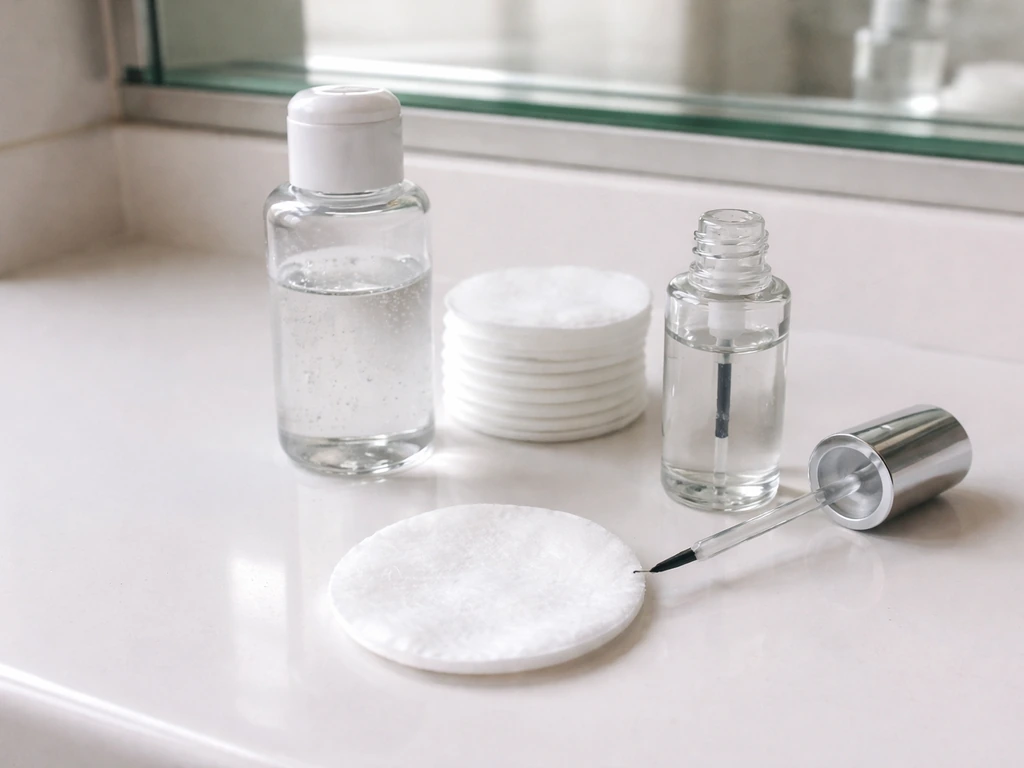
- Week 1: Remove all eye makeup fully before bed using a gentle, oil-free micellar water. This matters because product buildup and residue interfere with serum absorption and can irritate follicles.
- Week 1: Choose your product based on the comparison above. If starting a serum, apply one thin stroke along the upper lash line (base of lashes, not the tips) using the included applicator or a clean spoolie. Wipe any excess from the lower lid or skin immediately.
- Weeks 2 to 4: Apply nightly, consistently. Don't skip. Take a close-up photo of your lashes in the same lighting on day 1 and again every two weeks. Progress is gradual and easy to miss without a reference point.
- Week 4 check-in: Any irritation, redness, or unusual skin changes? If yes, stop using the product and let the area settle for a week before trying again or switching to a gentler option. Minor tingling is common; persistent redness or itching is a signal to stop.
- Weeks 5 to 8: If using a peptide serum or castor oil, this is when you might start noticing slightly more lashes at the waterline or longer-looking tips. If using a prostaglandin-based product, you should be seeing clearer results by now.
- Week 8 evaluation: Compare your photos. If you've seen improvement, continue at the same pace or drop to every-other-night maintenance. If there's been no change at all after 8 consistent weeks with a peptide serum, consider whether a dermatologist consultation for prescription bimatoprost makes sense for your situation.
One final practical note: lash growth ingredients like myristoyl pentapeptide-17 show up across multiple cosmetic lash products, including some mascara-adjacent formulas marketed for daily conditioning use. Similarly, products positioned as brow-and-lash gels often contain overlapping actives with dedicated serums, just at different concentrations. Brow-and-lash gels can help with the look of fuller lashes, but they usually require weeks of consistent use to produce noticeable growth. If you're comparing options across this category, look at the ingredient list first, not the marketing language, and apply the same evidence framework described above. That's the most reliable way to cut through the noise in lash growth reviews and actually find what works for your specific situation.
FAQ
Why do some grow eyelashes reviews claim results in 2 weeks?
Most early reports come from lashes already on your lid that look longer due to breakage reduction, better handling, or simple cosmetic tinting. For true follicle cycle changes, visible improvement usually lags until you reach about week 4, with more reliable outcomes around weeks 12 to 16.
Can I use lash serums on the lower lash line instead of the upper lid margin?
With bimatoprost-based products, lower application is a common mistake and increases the chance of unwanted contact with the eye and surrounding skin. For Latisse-type use, the key is placement at the base of the upper lashes on the lid margin, using the prescribed applicator method.
How do I tell if a product is a peptide serum, a prostaglandin analog, or just a conditioner?
Check the ingredient list for known prostaglandin pathway ingredients such as isopropyl cloprostenate, and do not rely on “serum” or “bimatoprost-like” marketing. If the formula is peptide-focused (for example myristoyl pentapeptide-17 or myristoyl hexapeptide-16) expect more modest results with fewer pigmentation risks. If it is mostly oils and conditioning agents, expect improved appearance from reduced breakage, not true growth.
What should I do if my eyes get irritated after starting a prostaglandin analog product?
Stop and reassess placement and frequency, since getting product onto the ocular surface is a major driver of burning and redness. If irritation continues after pausing, consult an eye clinician, especially if you notice vision changes, significant persistent redness, or worsening discomfort.
Is iris color change permanent if it happens from Latisse or similar ingredients?
It can become noticeable over months to years, and reversal is not guaranteed. If you are concerned about cosmetic changes, discuss risk with a clinician before using prostaglandin pathway options, particularly if you have lighter or mixed-color irises.
Can lash growth products cause eyelid hollowing or fat loss?
Prolonged use has been linked in published cases with certain prostaglandin analog products, and the effect can reverse after stopping, but that timeline can still be months. If you are using these long-term, treat this as a real risk and monitor for changes in eyelid appearance.
Does castor oil actually grow eyelashes or just make them look better?
Clinical trials for eyelash growth are not available, so it is best treated as a conditioning option. You may see a fuller or darker look from coating and reduced breakage, but you should not expect the same growth magnitude or timelines as proven follicle-cycle treatments.
Will biotin help if I am not deficient?
Biotin is most likely to help people who are truly biotin deficient, which is uncommon with a varied diet. If you have ongoing lash shedding, a better next step is identifying the cause through a clinician, and considering a basic lab workup for deficiencies or thyroid-related issues rather than adding more supplements blindly.
What is the best way to apply a lash serum to maximize results and minimize risk?
Use a clean applicator, apply a very small amount, and place it at the base of the upper lashes rather than the lash tips. Avoid contact with the eye itself, and be consistent nightly for at least 8 weeks before judging results, since you are waiting for lashes to cycle.
How long should I try a product before switching?
If you are using an active growth ingredient, give it at least 10 to 12 weeks, then reassess technique and whether the underlying cause was addressed. If you used a peptide or conditioning product and you still see no change, consider switching categories, for example from conditioning-only to peptide-based, or from peptide to a clinician-guided prostaglandin option if appropriate.
Can I wear extensions or use lash curlers while trying to grow my lashes?
If your lash loss started from extensions or mechanical trauma, continuing extensions or aggressive removal can outpace any benefit from serums. In general, reducing friction and irritation gives your lashes a better chance to recover and respond to treatment.
Should I patch test lash serums before using them on the eyelids?
Yes, especially for peptide serums or any formula with preservatives or fragrance. A patch test on the inner arm can help you spot sensitivity before you apply near the eye, and you should discontinue if you develop swelling, persistent itching, or a worsening rash.
Are brow-and-lash gels a good alternative to dedicated lash serums?
They may help the look of lashes, but they often use overlapping ingredients at different concentrations and still require weeks of consistent use. For faster, more predictable outcomes, compare ingredient lists and active types, not the product name.
Next Article
Does Mustard Oil Grow Eyelashes? Safety and What Works
Find out if mustard oil grows eyelashes, risks to eyelids, and safer options with realistic timelines and when to see a
