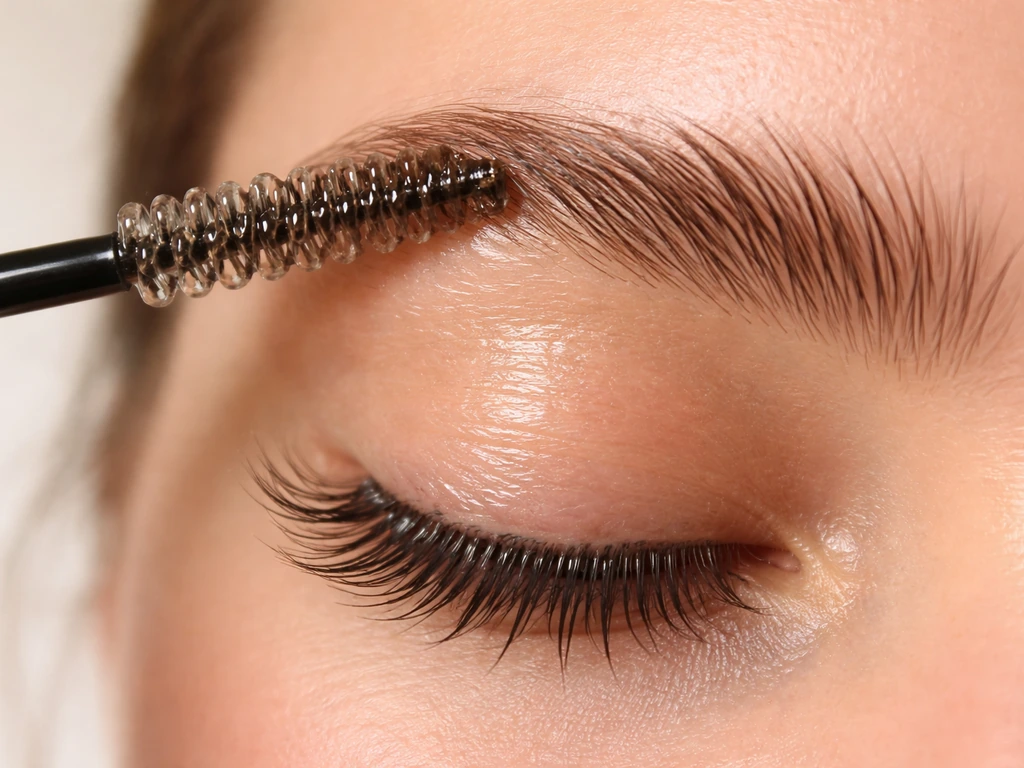
GrandeLASH mascara does not grow lashes in any clinical or follicle-level sense. It coats, lifts, and conditions lashes while you wear it, and the peptides and panthenol in the formula can reduce breakage and make lashes look healthier over time. But if you are hoping for actual new lash growth or recovery from shedding and damage, mascara is the wrong tool for that job. You need something that works at the follicle level, and mascara simply does not reach there.
Does GrandeLASH Mascara Grow Lashes? What to Expect
Rachel Nguyen
17 Jun 2026
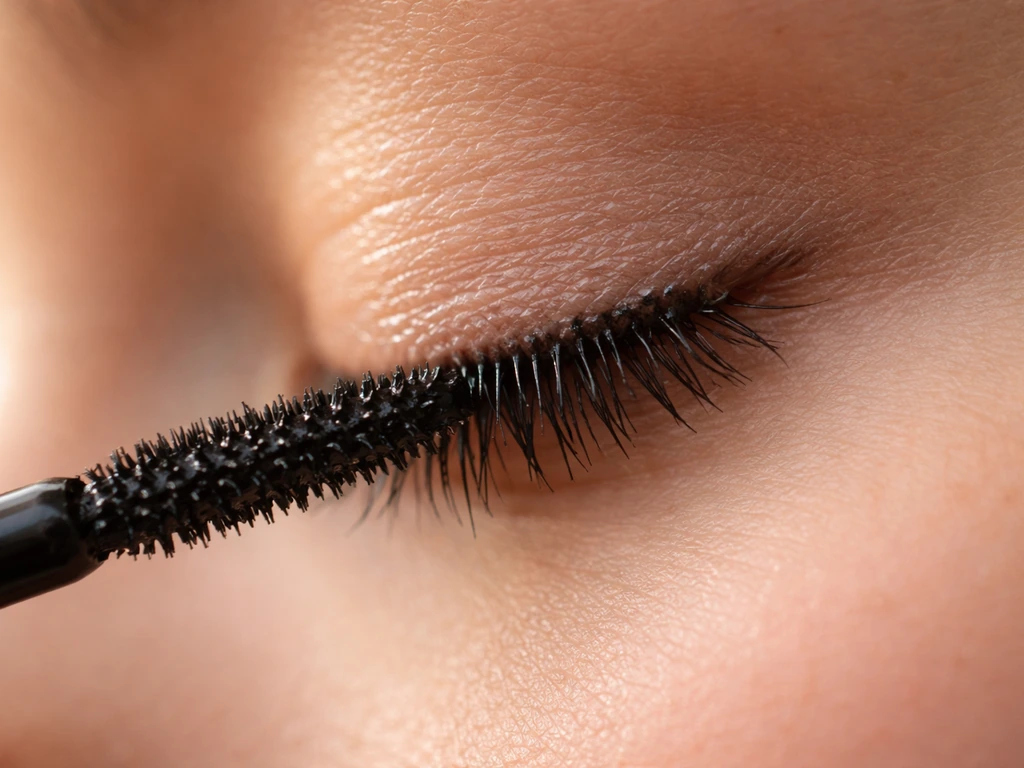
What GrandeLASH mascara actually claims
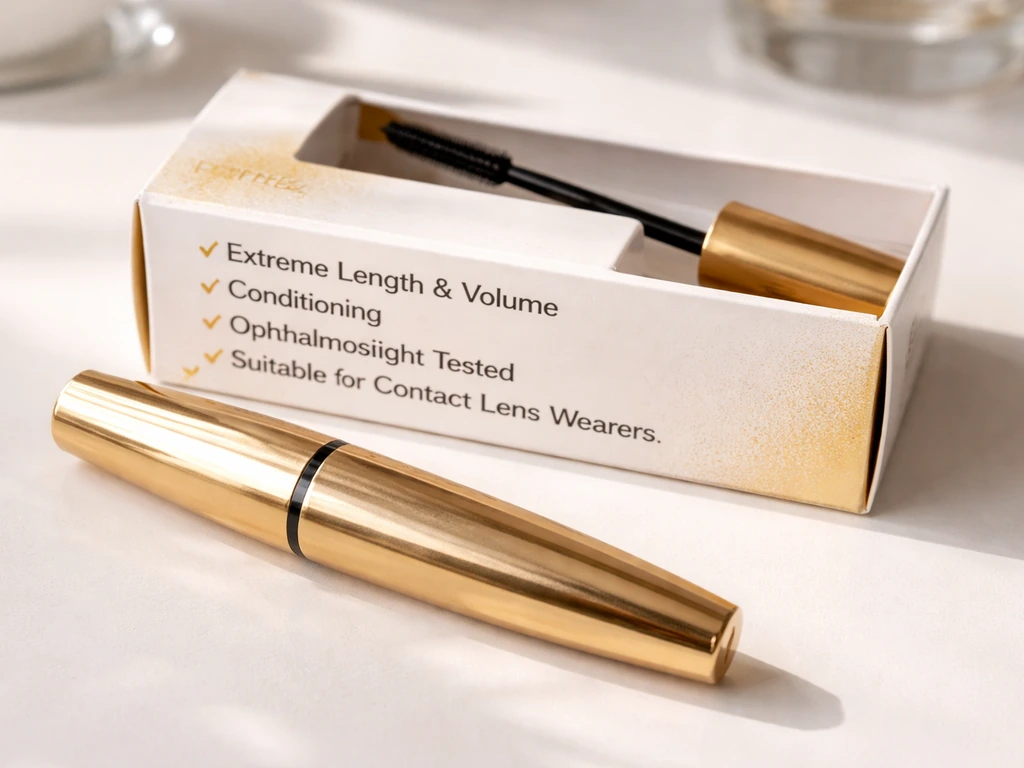
Grande Cosmetics markets their GrandeMASCARA Conditioning Peptide Mascara around two things: extreme length and volume, and conditioning. The brand's own copy (echoed at Sephora and Ulta) describes it as "infused with a blend of peptides, panthenols, and natural waxes to condition your lashes while you coat them to promote the appearance of healthier looking lashes over time." Notice what is not in that language: the words grow, regrow, or stimulate. They are careful to say appearance of healthier looking lashes, not actual lash growth. That is a meaningful distinction and an honest one.
The product is ophthalmologist-tested and listed as suitable for contact lens wearers and lash extension users. That is a safety positioning choice, not a growth claim. It tells you the formula is gentle enough for sensitive eye situations, which is genuinely useful, but it has nothing to do with whether your follicles will produce more lash fibers.
How lash growth actually works
Every eyelash goes through three phases: anagen (active growth), catagen (transition/degradation), and telogen (resting and then shedding). Unlike scalp hair, lash cycles are short. The anagen phase for eyelashes lasts roughly 4 to 10 weeks, after which the lash enters catagen for a couple of weeks and then telogen before it sheds naturally. The whole cycle takes around 4 to 6 months from start to finish.
That biology explains why visible regrowth takes time. If a lash sheds today, a new one has to complete a meaningful portion of its anagen phase before you even notice it at the lash line. There is no shortcut around that cycle. Nothing you apply cosmetically changes how fast the anagen phase runs. What you can do is influence how many follicles are actively in anagen at a given time, and that is exactly what clinical actives like prostaglandin analogs target. Mascara does not.
What mascara can and cannot do
Mascara works entirely at the surface of the lash shaft. The GrandeMASCARA formula includes film-formers and waxes like paraffin, beeswax, carnauba wax, and nylon-12, plus hydroxyethylcellulose as a thickening agent. These ingredients coat each lash fiber, adding bulk and color, and physically lifting the lash to make it appear longer. Panthenol (a form of provitamin B5) adds some flexibility and moisture to the fiber itself, which can reduce brittleness. The pentapeptides in the formula signal conditioning intent rather than follicle stimulation.
What mascara cannot do is penetrate the skin at your lash line, reach the hair follicle, or influence the growth cycle in any meaningful way. The formula sits on top of the existing lash. That is its whole mechanism. If a follicle is dormant, damaged, or in telogen phase, mascara has no pathway to change that.
Why lashes can look longer with GrandeMASCARA (without actually growing)
There are a few legitimate reasons your lashes might look better over time with regular use of a conditioning mascara, and they are worth understanding so you do not confuse them with real growth.
- Reduced breakage: Panthenol and peptides in the formula help keep the lash fiber more flexible and moisturized. If your lashes were brittle and snapping off at the tips before, conditioning them means each lash survives to its full natural length before shedding. That looks like growth but is actually breakage prevention.
- Better coating and lift: The wax blend in GrandeMASCARA physically builds volume around each fiber and curls them upward. A lifted lash that reaches toward your brow looks longer than one pointing straight out or drooping.
- Healthier-looking fibers: Peptides and panthenol can improve the surface texture of the lash shaft, reducing the frizzy or damaged appearance that makes lashes look thinner and shorter than they actually are.
- Gentler removal habits: If using a well-formulated mascara leads you to remove it more carefully (e.g., soaking a pad on a closed eye rather than scrubbing), you lose fewer lashes to mechanical trauma over time. That retention effect adds up.
None of these effects are fake or worthless. Conditioning matters, especially if your lashes are damaged from extensions, over-curling, or harsh removers. But they are cosmetic and mechanical improvements, not follicle-level growth.
How to actually grow lashes: what the evidence supports
If you want real regrowth, you need something that interacts with the follicle and the growth cycle. Even though serums may promise lash growth, the best-supported ingredients are those that interact with the follicle and growth cycle ingredients that interact with the follicle and the growth cycle. The evidence separates fairly cleanly into tiers based on how well-studied each option is.
Prostaglandin analogs: the strongest clinical evidence
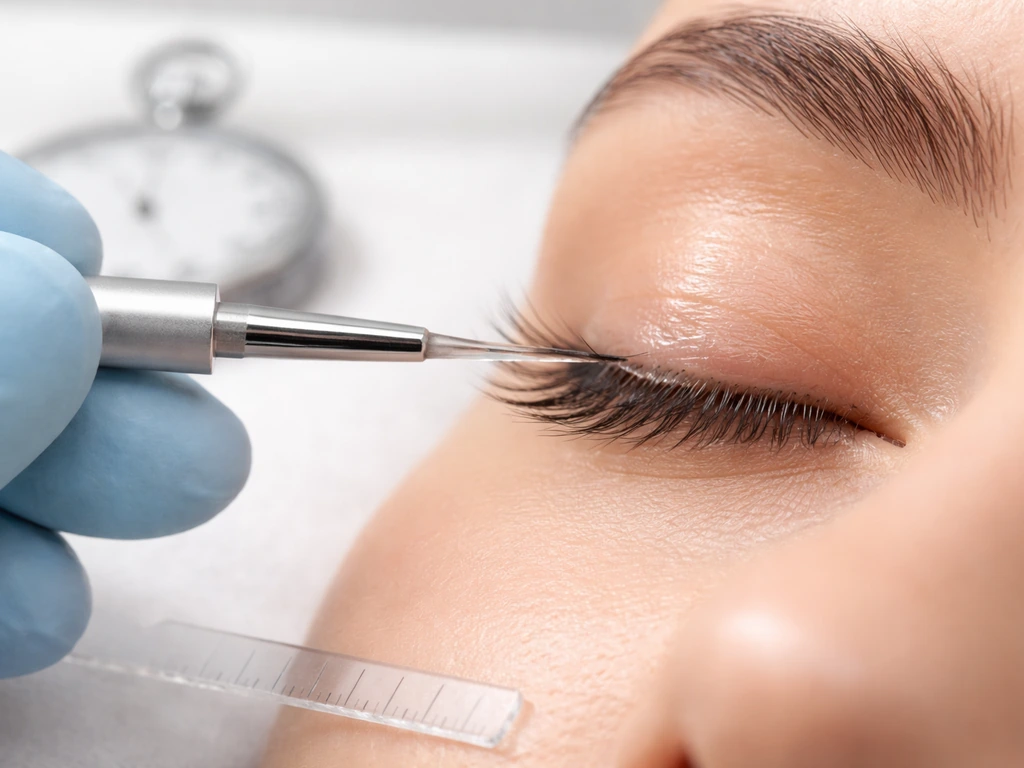
Bimatoprost is the most-studied lash growth active. A controlled trial applying bimatoprost gel to the lash base reported a mean length increase of about 2.0 mm during treatment. A separate randomized trial in post-chemotherapy patients found significant improvements in lash length, thickness, and darkness versus placebo, with differences emerging clearly by month 4 and persisting through month 6. blank" rel="noopener noreferrer">LATISSE (bimatoprost ophthalmic solution 0.03%) is the only FDA-approved prescription treatment specifically indicated for eyelash hypotrichosis. That is the standard against which everything else should be measured.
The tradeoff is real. Prostaglandin analogs can cause periorbital changes including darkening of the eyelid skin, increased iris pigmentation in some users, and orbital fat changes with long-term use, a constellation sometimes called Prostaglandin-Associated Periorbitopathy. The RANZCO position statement on prostaglandin analogues in eyelash growth serums discusses safety considerations and risks such as irritation and other periorbital effects Prostaglandin analogs can cause periorbital changes including darkening of the eyelid skin. They also require a prescription and come at a cost. This is a clinician conversation, not an over-the-counter decision.
Over-the-counter serums with peptides and conditioning actives
Many OTC lash serums, including Grande's own GrandeLash MD serum (which is distinct from the mascara), use peptides, biotin, and other conditioning actives. These are different from the GrandeMASCARA because the serum is applied to the lash line at the skin, not on top of an existing lash shaft. The evidence for OTC serum actives is much weaker than for prostaglandin analogs, but some users do see meaningful conditioning and reduced shedding with consistent use. The FDA does not pre-approve cosmetic lash serums, and evidence varies significantly by product. Healthline notes that several weeks of consistent daily use are required before changes in lash appearance are noticeable, which aligns with where the growth cycle starts.
Conditioning oils
Castor oil and similar conditioning oils are popular for lash recovery, particularly after extension damage. The mechanism is mostly surface-level conditioning and moisturizing of the lash fiber and the skin at the lash line, rather than follicle stimulation. There is limited controlled clinical evidence for oil-based lash growth, but oils can help reduce breakage and may support a healthier follicle environment when used gently. Think of them as maintenance, not treatment.
| Option | Mechanism | Evidence Level | Time to Results | Key Consideration |
|---|---|---|---|---|
| GrandeMASCARA | Coats and conditions lash shaft | Cosmetic only | Immediate (visual) | No follicle effect; reduces breakage |
| OTC lash serums (peptides, biotin) | Conditions lash line skin and fiber | Low to moderate | 4–8 weeks | FDA does not pre-approve; varies by formula |
| Castor/conditioning oils | Surface moisture, breakage reduction | Low (anecdotal) | Weeks to months | Best for maintenance and recovery support |
| Bimatoprost (LATISSE, Rx) | Prolongs anagen phase in follicles | Strong (clinical trials) | 4–6 months | Requires prescription; side effects possible |
| Cosmetic prostaglandin serums (OTC) | Prostaglandin analog-adjacent | Moderate | 2–4 months | Safety considerations; RANZCO flags risks |
Safety, side effects, and what to do if things go wrong
GrandeMASCARA is ophthalmologist-tested and formulated to be contact-lens compatible, which gives it a reasonable safety profile for most people. But any eye-area product can cause problems for some individuals. Common issues include irritation from wax or film-former buildup along the lash line, allergic contact dermatitis triggered by fragrance or preservatives, and blepharitis (eyelid inflammation) if mascara residue is not fully removed. Blepharitis specifically can cause lash loss, so if you are already dealing with sparse lashes and then develop eyelid inflammation, you want to address that immediately.
If you notice redness, itching, swelling, or any burning sensation after applying this or any mascara, stop using it. Do not push through irritation hoping it resolves. The Cleveland Clinic's guidance is straightforward: discontinue the product and see an eye care provider if symptoms persist or worsen. If you develop eyelid dermatitis, avoid all eye makeup until the inflammation clears, since continuing to apply product will prolong the reaction.
Removal matters more than most people realize. Scrubbing at lashes to remove mascara is a meaningful source of mechanical lash loss, especially with waterproof formulas. The right approach is to soak a cotton pad with a gentle, fragrance-free eye makeup remover, press it on the closed eye for 10 to 20 seconds, and then wipe downward without scrubbing. If you are in lash recovery mode after extensions or damage, this habit alone can make a visible difference within one growth cycle.
On the more serious end: if you are experiencing significant or sudden lash shedding, especially if accompanied by changes to the eyelids or surrounding skin, that is worth a medical evaluation. Conditions like blepharitis, thyroid dysfunction, alopecia areata, and certain medications can all cause lash loss (clinically called madarosis or milphosis). A dermatologist or ophthalmologist can identify whether the cause is addressable and whether prescription treatment is appropriate.
Your practical plan starting today
Here is what a sensible, today-level approach looks like depending on your situation. That said, if you are specifically asking whether Lancome Cils Booster XL can grow lashes, this guide explains what mascara and serums can realistically do versus true growth actives.
If you just want better-looking lashes right now
Use GrandeMASCARA as directed. If you want to reduce mechanical trauma, consider applying a lash primer before the mascara rather than piling on extra coats. The primer step adds volume without the tugging that comes from repeatedly dragging a wand over dry lashes. Apply from root to tip in one smooth pass per coat, wait for each coat to dry before adding another, and stop at two coats. Remove gently every night without exception.
If you want real growth or are recovering from damage
- Start a dedicated lash serum applied to the lash line (not the mascara) every night before bed. Give it a minimum of 8 weeks before evaluating results, since that covers at least one partial anagen cycle.
- Track your lashes weekly with a close-up photo in consistent lighting. You are looking for density changes and new fine lashes at the inner or outer corners, not just length on existing lashes.
- Keep mascara use gentle during this period. If your lashes are fragile from damage or extension removal, take mascara-free days a few times a week to reduce mechanical stress.
- At week 8, assess honestly. If you see noticeable improvement, continue. If you see no change at all, the OTC serum category may not be strong enough for your situation and a clinician conversation about bimatoprost or an underlying cause makes sense.
- If at any point you develop irritation, eyelid redness, or increased shedding, stop all products and get an eye care provider involved before restarting.
When to see a clinician
Book an appointment if: lash loss is sudden or patchy, shedding has been going on for more than two to three months without improvement, you have eyelid skin changes alongside the lash loss, or you want prescription bimatoprost. A dermatologist handles the skin and hair follicle side; an ophthalmologist handles anything involving ocular symptoms or if you want LATISSE specifically. Either is a reasonable starting point.
Comparing notes with other products in the lash serum space, like RevitaLash or similar serums, may come up in that conversation since those products use prostaglandin-adjacent ingredients that are worth discussing with your provider. If you are also wondering whether RevitaLash grows lashes, the answer depends on the type of active it contains and the evidence behind it.
The bottom line is simple: GrandeMASCARA is a genuinely well-formulated conditioning mascara that can make lashes look better and reduce breakage, but it cannot grow lashes. If your goal is a cosmetic improvement you can see today, it does that job well. If your goal is actual regrowth, you need to work at the follicle level with a serum, an oil, or a prescription treatment, and you need to give it the months the biology requires.
FAQ
If GrandeLASH does not grow lashes, why do some people think it does?
No. GrandeLASH can improve lash flexibility and reduce breakage, so your lashes may look fuller or more intact, but it does not create new lashes from follicles. If you see a “growth” effect that looks like new length, it is usually regrowth from normal cycles plus less breakage from better conditioning, not true follicle stimulation.
Can mascara like GrandeLASH make lashes look longer even if it does not increase growth?
Yes, you can get a longer look from layering, but it is a surface effect. The lash wand and film-formers add thickness and lift, so the same lash can look longer. This difference should show up immediately after application, and it will fade when you remove it.
Is it better to apply more coats of GrandeLASH if I want more visible length?
Over-application can backfire. Too many coats and letting mascara dry on the lashes can increase stiffness and make removal harder, which raises the risk of mechanical lash loss. A safer approach is the article’s two-coat limit, removing gently every night, and using a primer rather than repeatedly re-dragging the wand.
What if my lashes shed more after I start using GrandeLASH?
It can be, especially if irritation prevents consistent wear. If you develop eyelid inflammation or dermatitis, lashes can shed as a secondary effect, which may look like “worse growth.” If you get redness, itching, swelling, or burning, stop and get eye care help rather than trying to push through.
How can I tell the difference between normal shedding and a product-related problem?
If you get new irritation or persistent eyelid symptoms, do not treat it as normal shedding. Sudden or patchy lash loss plus eyelid changes, or shedding that continues beyond about 2 to 3 months, warrants an exam to rule out causes like blepharitis or other non-cosmetic reasons for madarosis.
How long should I wait before concluding GrandeLASH is not helping?
Not usually. For products to influence the follicle and growth cycle, they need to interact at the lash line skin level, and even then the best-supported options take weeks to months. Mascara results are typically immediate in appearance, while any real regrowth from an active treatment requires time for anagen to progress.
Can castor oil or lash oils used with GrandeLASH cause real lash regrowth?
Oils and conditioners may support a healthier lash fiber, but they are not the same as follicle-level stimulants. If your main goal is regrowth, oils are best thought of as maintenance that can reduce breakage and help lashes tolerate styling, not as a reliable way to see longer lashes over time.
Will GrandeLASH work differently if I have lash extensions?
Potentially, but it depends on cause. If you are using lash extensions, mascara may add additional tugging or complicate removal, increasing breakage. In general, you should prioritize gentle removal and be cautious with irritation, since blepharitis or mechanical trauma from removal is a common contributor to lash loss.
Is GrandeLASH safe for people with sensitive eyes or contact lenses?
Yes. If you wear contact lenses or have sensitive eyes, the key is comfort and tolerance. Even “ophthalmologist-tested” formulas can irritate some people, especially if residue builds up. Use proper nightly removal, avoid rubbing, and stop if symptoms occur.
What should I look for when choosing a lash product if my goal is actual regrowth?
Yes, and it matters because “serum” claims can vary widely by active. If you want regrowth, ask what the serum actually contains (for example, prostaglandin analogs versus peptides) and discuss expected timelines and side effects with a clinician.
Next Article
Does Essence Lash and Brow Gel Grow Lashes? Truth
Find out if Essence lash and brow gel truly grows lashes or only conditions. Includes ingredient checks, timelines, and