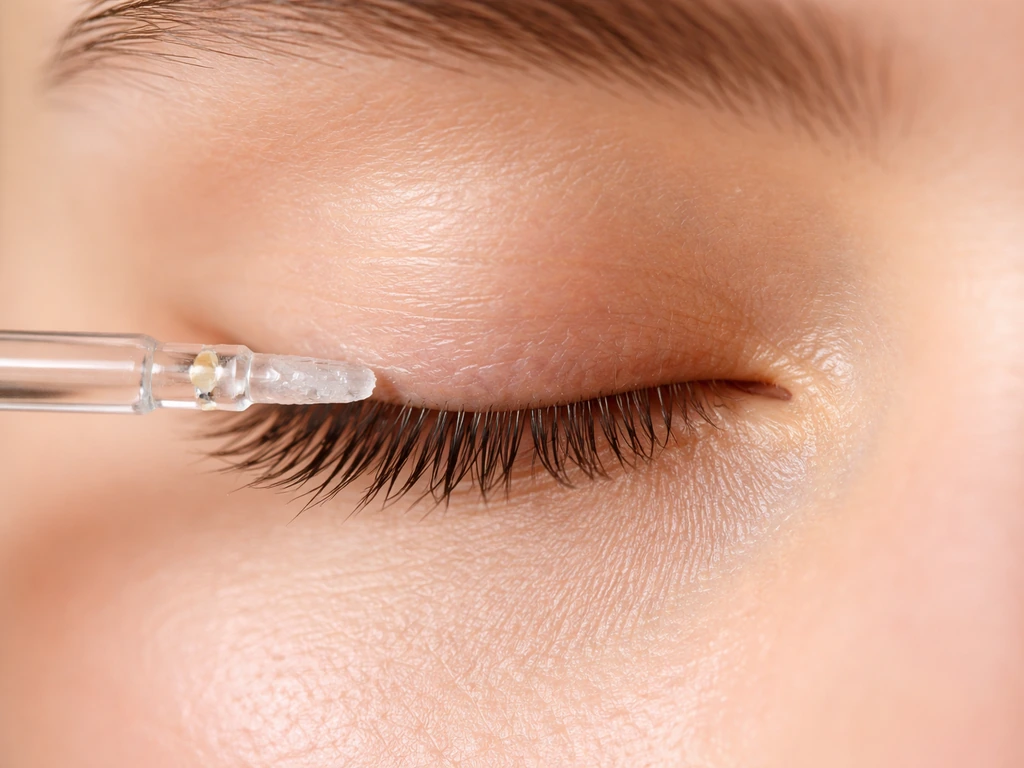
Viviscal can support eyelash growth indirectly, but it has never been clinically tested on eyelashes and is not marketed as an eyelash product. The honest answer is: if your lashes are thin because of a nutritional gap (low biotin, iron, or zinc), the oral supplement may help. If your lashes are damaged from extensions, rubbing, or a medical cause, Viviscal alone probably won't move the needle much. For reliable, measurable lash growth, topical lash serums with clinically studied active ingredients have a far stronger evidence base. If you want the best grow eyelashes results, focus on topical lash serums with clinically studied ingredients rather than relying on an oral supplement alone.
Does Viviscal Make Eyelashes Grow? Evidence, Timeline, Safety
Rachel Nguyen
31 May 2026
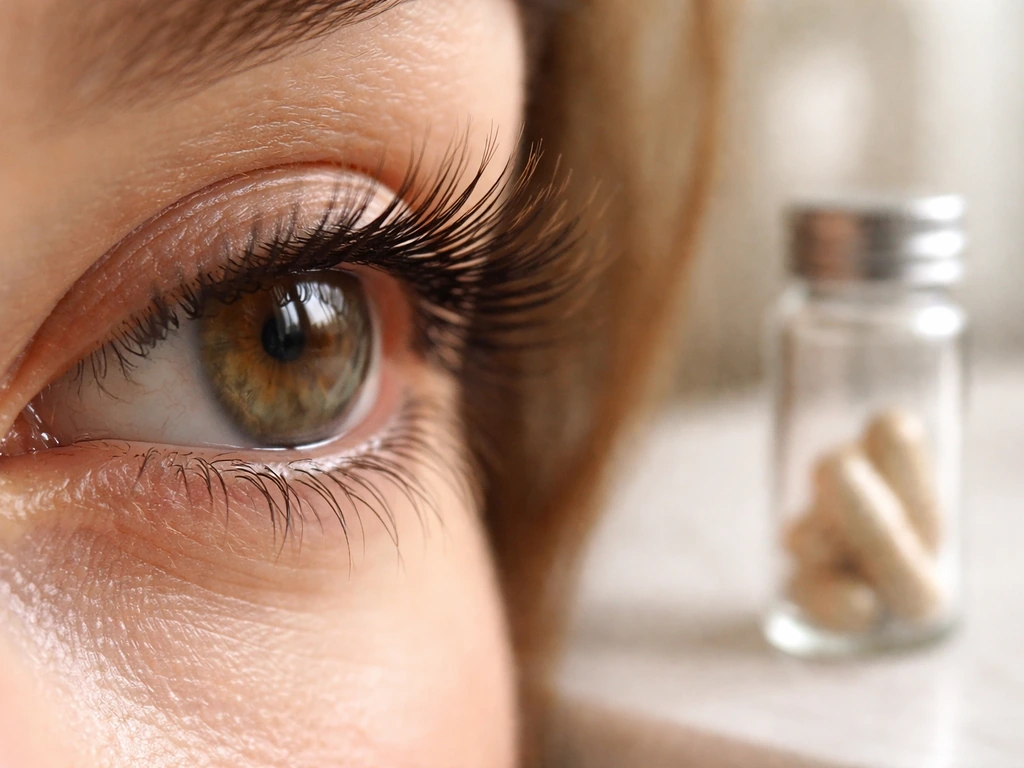
What Viviscal is and why people think it works on lashes
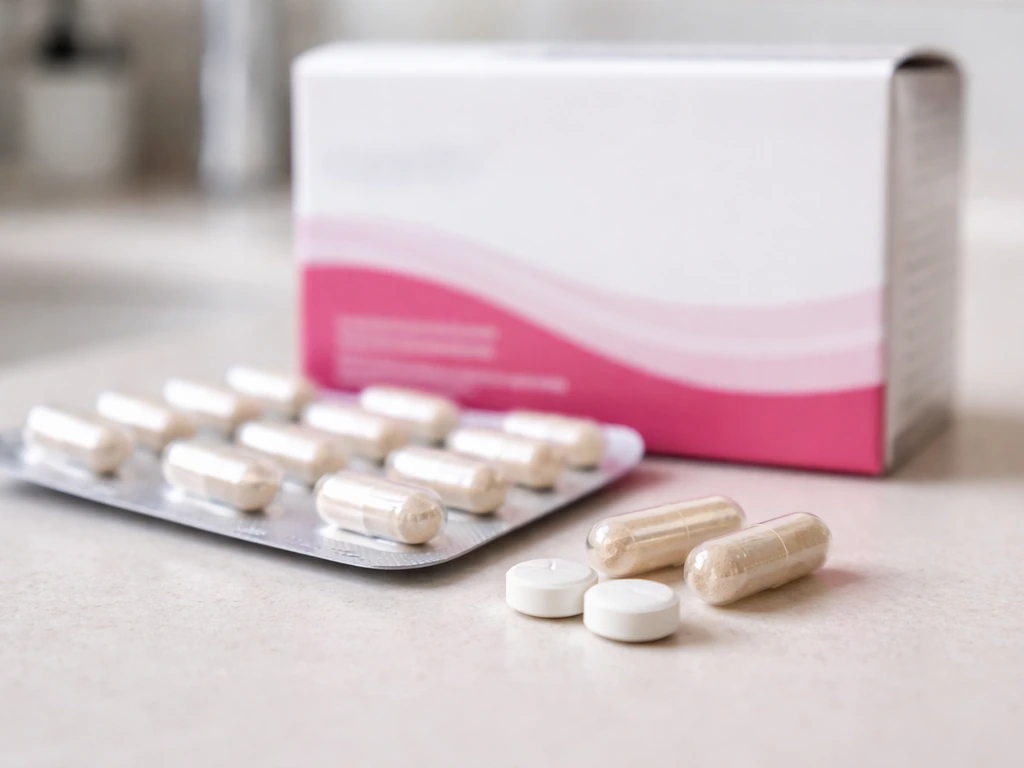
Viviscal is an oral hair supplement taken as two pills per day. Its core proprietary ingredient is AminoMar, a marine protein complex derived from fish and shark cartilage. Around that, the formula layers biotin, zinc, vitamin C, iron, niacin, and horsetail extract. The brand's own clinical positioning is about scalp hair: a 3-month, randomized, double-blind, placebo-controlled trial published on PMC used Viviscal Extra Strength Oral Tablets and measured scalp hair thinning and shedding metrics specifically. Not eyelash length. Not lash density. Scalp hair.
Viviscal's blank" rel="noopener noreferrer">FAQ materials do acknowledge people asking about eyebrows and eyelashes, but the company does not claim an eyelash-specific mechanism or present the supplement as an eyelash product. The reason people make the leap is logical: hair follicles everywhere on the body depend on similar nutritional raw materials, so a supplement that feeds scalp follicles should theoretically feed lash follicles too. That logic is not wrong. If you are also wondering can eyelash serum grow eyebrows, the answer depends on whether the product targets the brow follicle and whether you are dealing with a nutritional deficiency or damage. But 'theoretically plausible' and 'clinically demonstrated' are very different things.
Does the ingredient list have a plausible mechanism for lash growth?
Yes, with important caveats. Here is what the key ingredients actually do and where the evidence is solid versus thin:
| Ingredient | Role in hair/lash biology | Evidence strength |
|---|---|---|
| AminoMar (marine protein) | Provides amino acids (keratin precursors) to support follicle structure and reduce shedding | Moderate: RCT evidence for scalp hair; no eyelash-specific trials |
| Biotin | Supports keratin production; deficiency causes hair loss/brittleness | Solid for deficiency correction; minimal added benefit if you're not deficient |
| Iron | Essential for follicle cell division; deficiency is a well-known driver of diffuse hair loss | Strong for deficiency; irrelevant if levels are already normal |
| Zinc | Supports follicle repair and oil gland function around follicles | Moderate; deficiency linked to hair loss across body hair |
| Vitamin C | Antioxidant; aids iron absorption | Indirect support; not a direct growth driver |
| Horsetail extract / Niacin | Linked to circulation and silica content; anecdotal support in hair forums | Weak; no strong clinical trials for hair growth |
The realistic scenario where Viviscal helps lashes: you are nutritionally depleted in one or more of those key nutrients. In that case, correcting the deficiency can reduce lash shedding and improve the quality of new lashes coming in. If your levels are already fine, adding more biotin or marine protein on top of a replete diet is unlikely to produce visible lash gains. This is why some people swear by Viviscal and others notice nothing.
Realistic results: what to expect and how long to give it
Eyelash follicles cycle differently from scalp follicles. A full lash growth cycle (from shed to full length) takes roughly 4 to 16 weeks, which is faster than scalp hair but still means any supplement effect is slow to show up visually. Viviscal's own marketing targets 3 months for scalp hair improvements; for lashes, you would need to apply the same patience, meaning at minimum 8 to 12 weeks before making a judgment call.
What you might notice, realistically, is reduced shedding first (fewer lashes on your pillow or in the sink), followed by lashes that feel slightly less brittle. Dramatic lengthening or significant density increases are not what Viviscal is designed to produce. If that's what you're after, you need a topical product working directly at the follicle level, not a systemic supplement.
- Weeks 1 to 4: No visible changes expected; supplement is building up nutrient availability
- Weeks 4 to 8: Possible reduction in lash shedding if nutritional deficiency was a factor
- Weeks 8 to 12: Lashes growing in during this window may appear slightly thicker or less brittle
- Weeks 12+: Most realistic window for any visible density improvement; reassess at this point
If you've hit 12 weeks with zero change in lash quality or shedding rate, Viviscal is probably not the right tool for your specific situation, and it's time to pivot.
How Viviscal stacks up against lash serums and at-home remedies
This is where the evidence gap gets wide. Bimatoprost (the active ingredient in Latisse, a prescription FDA-approved eyelash treatment) has extensive clinical trial data behind it. In randomized controlled trials in women with inadequate lashes, bimatoprost showed statistically significant improvements in lash length, thickness, and darkness at 8, 12, and 16 weeks. In post-chemotherapy lash hypotrichosis trials, responder rates reached around 61% at month 12. That is the benchmark for 'proven eyelash growth' in clinical science.
Over-the-counter lash serums typically use peptides, panthenol, or biotin topically. They lack the prostaglandin-class mechanism that makes bimatoprost effective, but some are formulated to condition follicles and reduce breakage, which can make lashes appear fuller over time. If you’re specifically asking, “does lash serum help eyelashes grow,” the best evidence is for prescription options like bimatoprost and for well-formulated topical serums. The evidence for OTC serums is generally weaker than for bimatoprost, but stronger than for oral supplements applied to lash growth specifically.
Castor oil is popular but the evidence is thin. Healthline and GoodRx both note there are no clinical trials demonstrating castor oil reliably lengthens or grows eyelashes. It may condition and reduce breakage (which helps existing lashes look longer and healthier), but it is not stimulating new follicle activity in any documented way.
| Approach | Evidence for lash growth | Timeline to results | Best for |
|---|---|---|---|
| Viviscal (oral supplement) | Indirect/theoretical; no eyelash RCTs | 12+ weeks | Nutritional deficiency driving lash thinning |
| Bimatoprost/Latisse (prescription) | Strong RCT evidence; FDA-approved | 8 to 16 weeks | Medically inadequate or sparse lashes |
| OTC lash serums (peptide-based) | Moderate; conditioning + some growth support | 8 to 12 weeks | Maintenance and moderate density improvement |
| Castor oil / conditioning oils | Anecdotal; no clinical trials for growth | Variable | Conditioning damaged or brittle lashes |
| Biotin supplement alone | Limited unless deficient | 12+ weeks | Addressing known biotin deficiency |
The practical recommendation: if you want actual lash growth, a topical serum (prescription or a well-formulated OTC) applied directly to the lash line is doing targeted work that an oral supplement simply cannot replicate. Viviscal works from the inside out, which is a slower and less direct path for eyelashes specifically.
Safety, side effects, and who should skip Viviscal
Viviscal's AminoMar marine complex is derived from fish and shark cartilage. If you have a fish or shellfish allergy, this supplement is off the table entirely. The clinical trials that studied Viviscal specifically excluded people with fish or seafood intolerances. Viviscal is also not suitable for pregnant or breastfeeding individuals, per both the research exclusion criteria and standard supplement guidance.
For most other adults, Viviscal's safety profile is reasonable given its food-derived ingredients. The nutrients it contains (biotin, iron, zinc) are generally safe at the doses included, though high iron can cause GI discomfort in some people. If you are already on supplements containing iron or multivitamins with high mineral content, check for overlap before adding Viviscal.
One thing that doesn't apply to Viviscal but matters if you're considering pairing it with a topical lash serum: prostaglandin-based serums (like bimatoprost) carry their own risk profile. These include periorbital skin darkening, iris color change with chronic use, and in some cases periorbital fat atrophy causing a sunken appearance around the eye. These effects are documented in dermatology and ophthalmology literature and are worth knowing before starting any prescription eyelash treatment alongside a supplement. OTC peptide serums don't carry the same class of side effects, making them easier to combine with Viviscal.
If your lashes are damaged or thinning: find the cause first
Lash thinning rarely has one cause, and the right fix depends completely on why it's happening. Taking Viviscal without addressing the root issue is like moisturizing over a rash without treating the rash. Before reaching for any supplement, it helps to identify which category your situation falls into.
- Extension or glue damage: Repeated tension, improper removal, or adhesive irritation physically damages the follicle. Supplements won't reverse mechanical trauma; a rest period and follicle-conditioning routine are needed.
- Chronic rubbing or trichotillomania: Follicles can be damaged by sustained pressure or pulling. Addressing the behavior is essential before any product can help.
- Blepharitis (eyelid inflammation): This is a major and underdiagnosed cause of lash loss. The College of Optometrists notes lid hygiene has evidence supporting its effectiveness in managing blepharitis. A twice-daily lid scrub with a gentle cleanser is a first-line, evidence-based step.
- Medication side effects: Chemotherapy, some blood thinners, and certain acne medications are associated with lash loss. Clinical trials with bimatoprost specifically studied post-chemotherapy lash recovery with strong results.
- Nutritional deficiency: Low iron, biotin, or zinc can cause diffuse lash thinning alongside hair and nail changes. This is the scenario where Viviscal is most likely to help.
- Thyroid or hormonal imbalance: Often shows up as diffuse hair and lash thinning. Bloodwork and medical evaluation are the starting point; no supplement fixes this without addressing the underlying hormonal issue.
If the thinning is sudden, patchy, or accompanied by other symptoms like scalp hair loss, fatigue, or skin changes, get bloodwork done before adding supplements. A basic panel covering thyroid, ferritin (stored iron), and zinc will tell you a lot about whether the nutritional path makes sense for you.
Your practical plan starting today
Here is a clear, actionable starting point based on where you are right now. The goal is not to commit to Viviscal (or anything else) blindly, but to set a baseline and choose the right tool for your situation.
- Take baseline photos today. In good natural light, eyes open and relaxed, from straight ahead. Do this weekly for the first month so you have something objective to compare against.
- Assess your diet and recent bloodwork. If you haven't had iron or ferritin checked in the past year and you eat a restricted diet, book a basic panel. Viviscal makes more sense if you're addressing a real deficiency.
- Start lid hygiene regardless of which growth option you choose. Twice-daily cleaning of the lash line with a gentle cleanser removes debris, reduces follicle-clogging sebum, and addresses early blepharitis. This costs almost nothing and has genuine evidence behind it.
- Choose your growth approach based on your situation. Nutritional deficiency: start Viviscal (2 pills daily with food) and commit to 12 weeks. Sparse or thin lashes without a medical cause: a topical OTC lash serum applied nightly to the upper lash line is a more direct route. Severely sparse or post-damage lashes: talk to a dermatologist about bimatoprost.
- Log the shedding rate, not just length. Count how many lashes you're losing on a pad you hold under your eye when blinking in the morning, or check your pillowcase. Reduced shedding is the first sign any supplement is working.
- Reassess at 8 weeks and again at 12 weeks. If shedding has reduced and lash texture has improved by week 8, continue. If nothing has changed by week 12, Viviscal alone is not your answer and adding or switching to a topical serum is the logical next step.
- Don't stack too many variables at once. If you start Viviscal and a new lash serum on the same day, you won't know what's working. Start one, give it 4 to 6 weeks, then add the second if needed.
The bottom line on Viviscal for eyelashes: it is a reasonable supporting player if nutrition is part of your lash problem, but it is not a standalone eyelash growth solution. The strongest evidence for actual lash lengthening and thickening points to prescription bimatoprost first, well-formulated topical serums second, and oral supplements as a supporting tool rather than a primary one. If you're exploring the full landscape of what grows lashes, comparing the evidence base for different serum ingredients and at-home conditioning methods alongside Viviscal will give you a much clearer picture of where to put your time and money. If you are searching for mascara grow lashes reviews, focus on results, ingredient transparency, and how quickly the brand’s claims match real timelines. If you want the best eyelash serum to grow lashes, focus on products with proven, follicle-targeting ingredients rather than relying on an oral supplement alone.
FAQ
How long should I take Viviscal before I decide it is not helping my eyelashes?
For a realistic lash change (including reduced shedding and improved lash quality), give it at least 8 to 12 weeks. If you are expecting noticeable length or density gains, treat 12 weeks with no improvement as a sign your issue is probably not nutrient depletion, and switch strategy rather than extending indefinitely.
Will Viviscal make my eyelashes longer, or does it mainly reduce lash fall?
Most plausible benefit is indirect: fewer lashes shedding and lashes that feel less brittle. Dramatic lengthening or major density increases are not what Viviscal is designed to do, since it has not been clinically measured for eyelash growth.
What if my lash thinning is caused by extensions, lash lifts, or rubbing, can Viviscal still help?
Viviscal may not meaningfully fix damage from extensions, adhesive irritation, rubbing, or traction. In those cases, reducing mechanical damage, improving removal technique, and using a follicle-supporting topical serum tend to be more effective than an oral supplement alone.
Do I need to test for nutrient deficiencies before trying Viviscal for lashes?
If your thinning is new, rapid, patchy, or comes with symptoms, yes. A simple bloodwork look at ferritin (stored iron), zinc, and thyroid markers can clarify whether Viviscal’s nutrient profile matches the likely cause, which helps you avoid wasting months on the wrong lever.
If I already take a multivitamin or biotin, is it safe to add Viviscal?
Check overlap carefully, especially for iron, zinc, and biotin. Too much iron can cause GI upset, and high mineral totals are unnecessary if your diet and baseline labs are adequate. When in doubt, pause and ask your clinician about your current dosages.
What dose schedule should I follow, and should I take it with food?
Viviscal is typically taken as two pills daily. Taking it with food can improve stomach tolerance, particularly because mineral content can be irritating for some people. Do not exceed the labeled dose to “speed up” results.
Can I use Viviscal if I have a fish or shellfish allergy?
No. Viviscal uses a marine-derived complex (AminoMar) and is not appropriate if you have a fish or shellfish allergy or intolerance. If you have had mild reactions before, still avoid it and discuss alternatives with a clinician.
Is Viviscal appropriate during pregnancy or breastfeeding?
Avoid it unless your healthcare provider specifically approves. Viviscal is not suitable for pregnant or breastfeeding individuals based on trial exclusion criteria and general supplement safety guidance, mainly due to the lack of eyelash-specific safety evidence in these groups.
Can I combine Viviscal with a prescription lash serum like bimatoprost?
Often, combining a systemic supplement with a topical prescription is possible, but the bigger decision is whether you are comfortable with the prescription serum’s risk profile. If you use bimatoprost, be aware of potential side effects such as eyelid or periorbital skin darkening and possible iris color change, and discuss your personal risk factors with your prescriber.
If OTC lash serums help, why does everyone still recommend bimatoprost first?
Because bimatoprost has the strongest trial-based evidence for lash length, thickness, and darkness. OTC products can improve conditioning and reduce breakage, which changes appearance, but they generally do not have the same level of demonstrated follicle-stimulation effect.
What is the fastest way to tell whether my “lash growth” plan is working?
Use a simple baseline photo every 2 to 4 weeks under the same lighting, plus track shedding (for example, estimated lashes per day during cleansing). If shedding does not improve and lashes do not look healthier by 8 to 12 weeks, your plan is likely not targeting the true cause.
Could my lash thinning be from a medical condition, and should I pause supplements?
Yes. If your lash thinning is sudden, patchy, or paired with scalp hair loss, fatigue, skin changes, or other systemic symptoms, prioritize medical evaluation and bloodwork before continuing. Addressing the root cause usually outperforms trying to supplement your way around it.
Next Article
Can Grow Lash Serum? Evidence, Reviews, and How to Use It
Can lash serum grow lashes? Evidence-based ingredients, review checklist, safety tips, and exact steps for use and resul