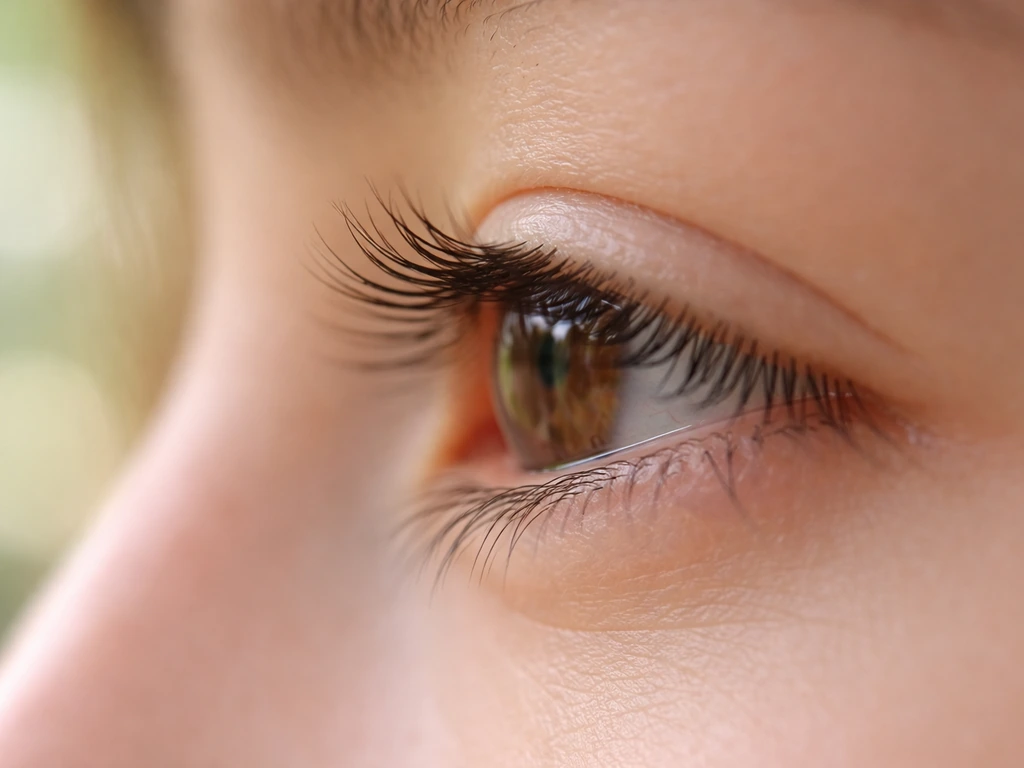
Growing your bottom lashes works the same way as upper lashes at the follicle level, but the lower lash line gets ignored, over-rubbed, and under-conditioned far more often. The honest answer is that with consistent daily care, reduced mechanical damage, and the right topical support, most people see meaningful improvement in lower lash density and length within one full growth cycle, roughly 10 to 12 weeks. The steps are simple: stop the habits breaking lashes off, add a conditioning or peptide-based serum along the lower lash line, keep the lid margin clean to prevent inflammation, and give the follicles time to complete their cycle.
How to Grow Bottom Lashes: A Safe Step-by-Step Plan

Rachel Nguyen
27 Apr 2026
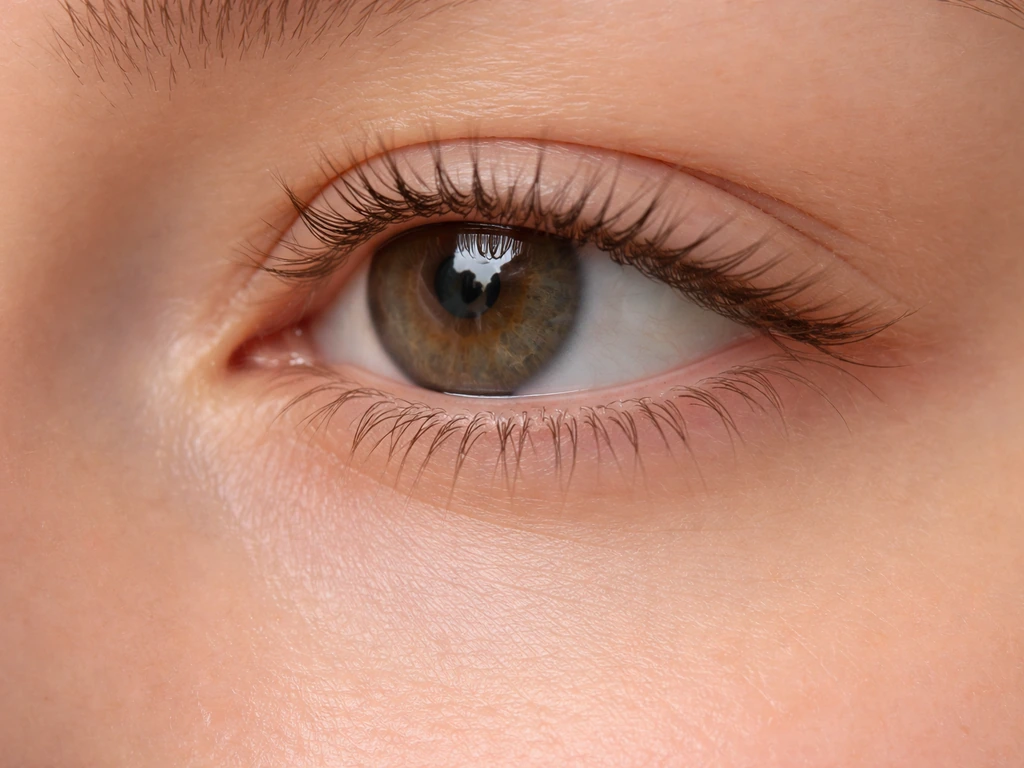
Bottom vs upper lash growth: what you need to know
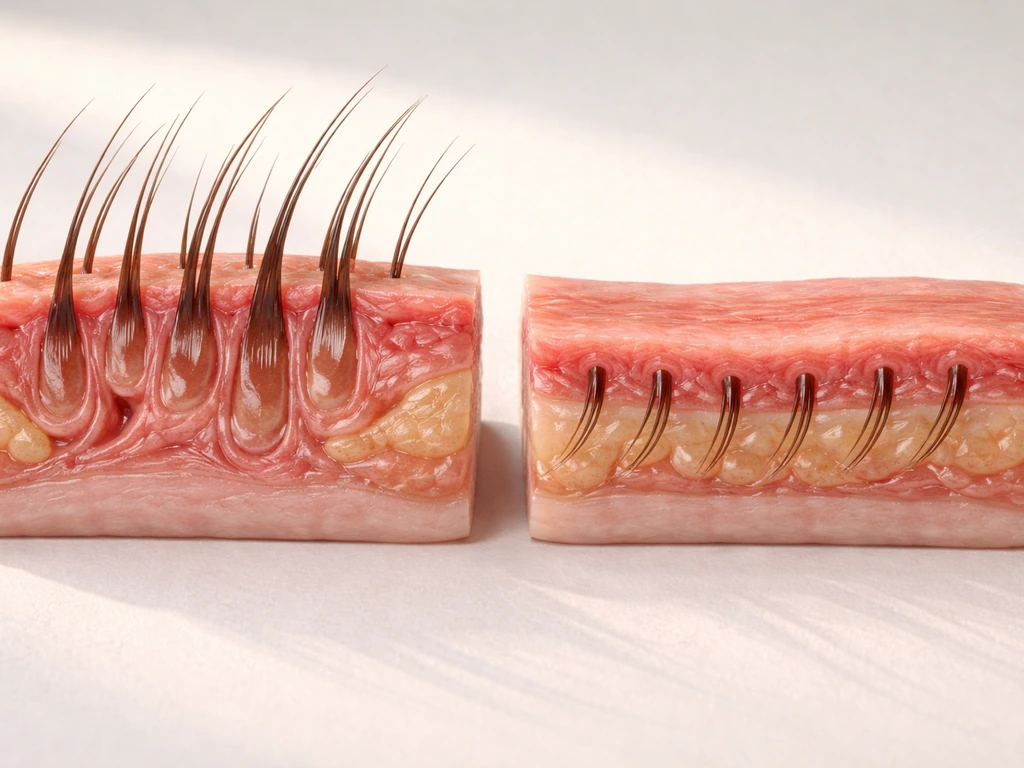
Every eyelash, upper or lower, goes through the same three-phase cycle: anagen (active growth), catagen (regression), and telogen (rest, followed by shedding). Research measuring human eyelash follicle growth puts the anagen phase at roughly 34 days (give or take 9 days) and the full cycle at about 90 days. After the telogen phase, the lash sheds and a new anagen lash starts growing from the same follicle. That is the window you are working with, and it applies to both lids.
Where the lower lash line genuinely differs is in anatomy, not biology. Lower lashes are naturally shorter and finer than upper lashes, typically 100 to 150 follicles compared to 150 to 200 on the upper lid, and the follicles sit on a narrower margin. That means they are more exposed to rubbing, product migration, and mascara trauma. There is no strong comparative research showing the growth cycle itself runs differently on the lower lid, but the structural vulnerability makes lower lashes more susceptible to breakage and chronic thinning, which is why they can look worse than upper lashes even when the follicles are perfectly healthy.
Why your bottom lashes aren't growing (the most common causes)
Before throwing products at the problem, it helps to know what is actually causing the thinning. Most of the time it is one of these:
- Mechanical damage from rubbing: The lower lash line is exactly where fingers land when people rub tired or itchy eyes. This physically snaps lashes mid-shaft and, over time, weakens the follicle opening.
- Mascara removal habits: Dragging a dry cotton pad across the lower lash line, or using harsh micellar water without enough slip, is one of the fastest ways to pull out lower lashes before they complete their cycle.
- Extension removal trauma: Extension adhesives (typically cyanoacrylate-based) can trigger allergic blepharitis and contact dermatitis along the lash margin, disrupting the follicle environment even after extensions are removed.
- Blepharitis: Chronic inflammation of the eyelid margin causes a condition called madarosis (lash loss) and can also misdirect lashes. The lower lid is frequently the more symptomatic area. Symptoms include redness, itching, and crusty debris at the lash base.
- Aging: Follicle density and the duration of the anagen phase both tend to decrease with age, which is why thinner lower lashes often become more noticeable after the mid-30s.
- Genetics: Some people simply have fewer or finer lower lash follicles. This does not mean growth is impossible, but it does set a realistic ceiling on what topical methods can achieve.
- Contact dermatitis from periocular products: Eye creams, waterproof mascaras, and eyeliner can all trigger allergic or irritant reactions along the lower lid margin, suppressing healthy follicle function.
- Medication-related shedding: Certain medications, including some chemotherapy agents, blood thinners, and thyroid drugs, can push follicles into telogen prematurely, causing diffuse lash shedding on both lids.
Growth timeline: when you'll actually notice a difference
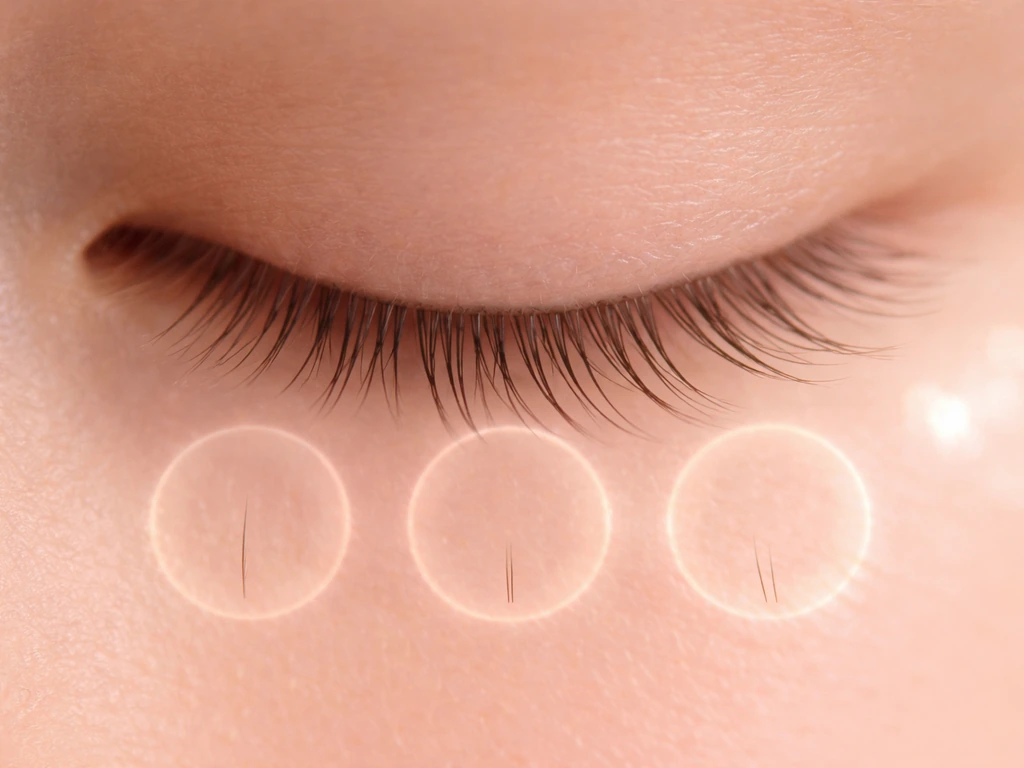
Realistic expectations matter here. Because the full eyelash cycle runs about 90 days, you are not going to see new growth in two weeks. What typically happens is this: in the first 4 to 6 weeks, you should see reduced breakage (existing lashes look better, fewer fall out on your cotton pad), and the follicles that were resting in telogen start entering anagen. By weeks 8 to 12, new anagen lashes become visible along the lower margin, especially in areas that looked sparse. Full density improvement usually takes at least one complete cycle, sometimes two if the follicles were suppressed by chronic inflammation or damage.
If you are recovering from extension damage, blepharitis, or a contact allergy, add 4 to 6 weeks to that estimate. The follicle environment has to stabilize before the growth phase can run its full course. People asking how to grow back lashes after damage, or how to grow lashes quickly, are often frustrated because they start a serum and expect results in weeks 2 or 3. If you are wondering how to grow back lashes after breakage or thinning, focus first on reducing mechanical damage and supporting the follicles through a full growth cycle. The biology simply does not work that fast. Commit to the full 12-week window before reassessing.
Your daily at-home routine to reduce breakage and support growth
The most impactful thing you can do right now is stop the habits that are breaking lashes off before they finish their cycle. A good daily routine protects what you have while supporting new growth.
Morning
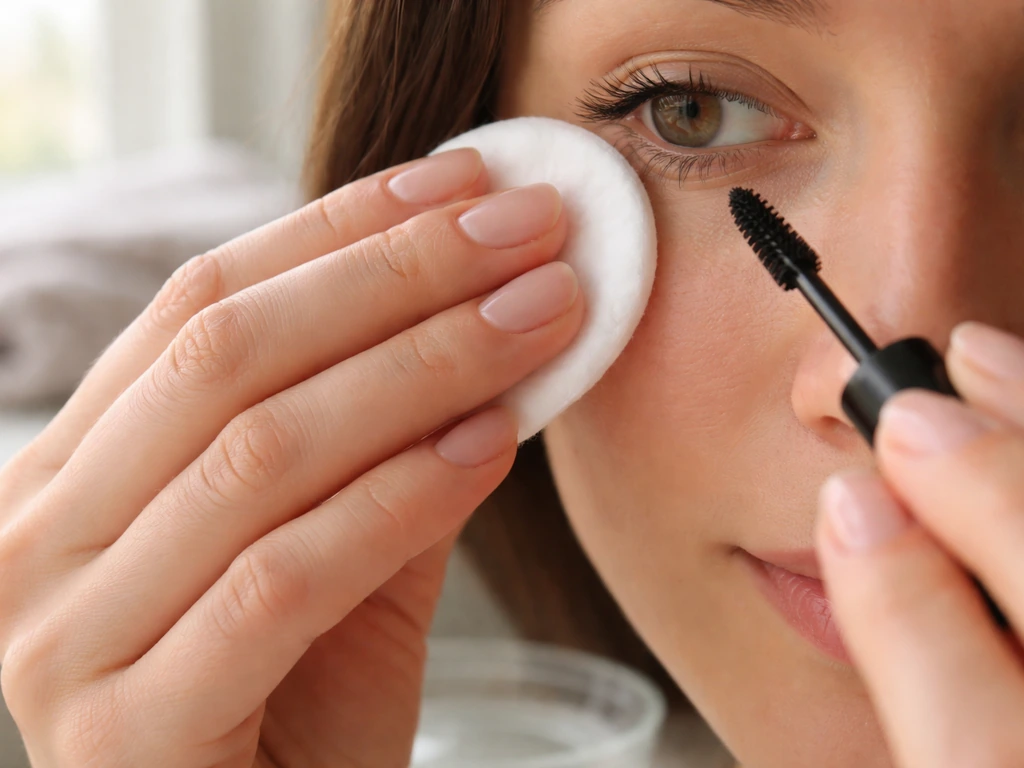
- Rinse the lower lash line gently with lukewarm water. Do not rub.
- If you wear mascara on lower lashes, apply a single coat with a light hand. Avoid waterproof formulas daily, they require harder removal.
- If using a lash serum, apply it now to a clean, dry lower lash line before any other product (see application section below).
Evening
- Soak a cotton pad with an oil-based or micellar cleanser and hold it over closed eyes for 20 to 30 seconds before wiping. This dissolves mascara instead of dragging it off.
- Wipe downward along the lower lash line with zero friction. Never pull sideways.
- Follow with a warm compress over closed eyes for 5 to 10 minutes, especially if you have any sign of blepharitis. This softens debris at the follicle base.
- Use a gentle lid scrub or diluted baby shampoo on a clean fingertip to wipe along the lower lash margin in a side-to-side motion for 10 to 20 seconds. Rinse thoroughly.
- Apply your conditioning treatment or serum to the lower lash line while it is still slightly warm from the compress.
The lid hygiene steps above (warm compress plus lash-line cleansing) are clinically recommended for managing blepharitis-related lash loss, and they are genuinely useful for anyone dealing with chronic lower lid inflammation. Johns Hopkins Medicine recommends eyelid hygiene for blepharitis, including warm moist compresses for about 10 minutes with the eyes closed warm compress plus lash-line cleansing. If you skip everything else, at minimum stop rubbing your eyes and switch to a gentler makeup removal method. Those two changes alone reduce mechanical lash loss significantly.
Best products and ingredients for lower lashes: what actually helps
There is a lot of noise in this category. Here is an honest breakdown of the main options.
| Product/Ingredient | Evidence Level | What It Does | Best For | Watch Out For |
|---|---|---|---|---|
| Bimatoprost 0.03% (Latisse) | Strongest — FDA-approved | Extends anagen phase, increases length/thickness/darkness | Clinically diagnosed hypotrichosis; significant thinning | Skin hyperpigmentation, iris pigment change with incorrect use, irritation; requires prescription |
| Peptide-based lash serums (OTC) | Moderate — small open-label studies show improvements in length, volume, luster | Signal follicles to extend growth phase; strengthen lash shaft | General thinning, post-damage recovery, maintenance | Prostaglandin analog-containing OTC serums carry some of the same pigmentation risks as Latisse with less safety data |
| Castor oil | Weak — no clinical evidence for growth | Moisturizes and conditions the lash shaft; may reduce breakage | Protecting existing lashes from brittleness | Very thick; can cause milia or clog the lash follicle if over-applied; high risk of product migrating into the eye |
| Biotin (oral supplement) | Weak for lashes specifically — evidence is mainly in people with deficiency | Supports keratin production systemically | People with confirmed biotin deficiency | Unlikely to produce visible lash changes in people with normal biotin levels |
The recommendation: if you want the most evidence-backed OTC approach, a peptide-based lash serum applied consistently is your best bet. One open-label study evaluating a polygrowth factor serum containing peptides reported improvements in lash length, thickness, volume, and luster compared to baseline, with a good safety profile in the study group. That is not the same as a large randomized trial, but it is more than castor oil has behind it. If thinning is significant and affecting your quality of life, bimatoprost (Latisse) is the only FDA-approved option and is worth discussing with a dermatologist or ophthalmologist.
Castor oil is not useless. Its thick, emollient texture coats the lash shaft and can reduce the mechanical breakage that comes from dry, brittle lashes. Just be clear-eyed that you are conditioning, not growing. If you are also interested in making your lashes grow longer or thicker across both lids, the same ingredient logic applies: serums with growth-signaling peptides or a prescription prostaglandin analog are going to outperform carrier oils alone. If you are specifically trying to figure out how to grow thicker lashes, focus on applying the right growth-supporting ingredients consistently and safely thicker across both lids.
How to apply products to lower lashes safely
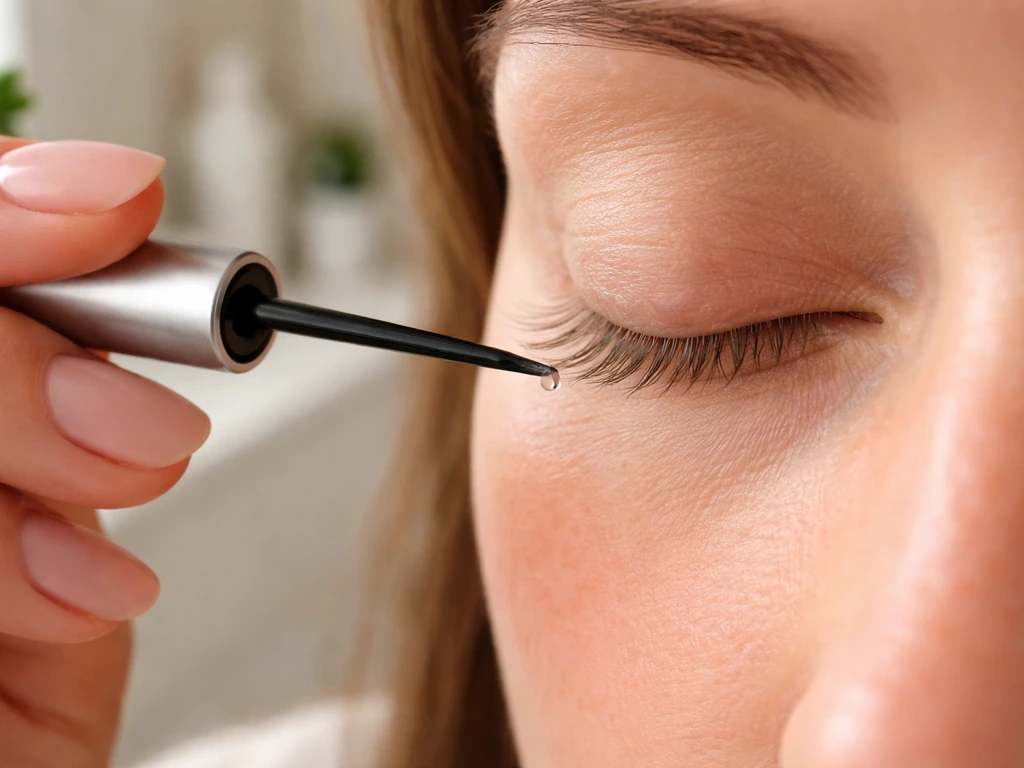
The lower lash line is harder to apply to than the upper lid, and product migration into the eye is a real concern, especially with castor oil and prostaglandin analog serums. Getting this technique right prevents both irritation and wasted product.
For serums (peptide-based or prescription)
- Apply to a completely dry lower lash line. Remove all traces of eye cream or makeup first.
- Use the applicator brush or a clean thin eyeliner brush. Load a minimal amount of product, less than you think you need.
- Look up slightly. Rest your fingertip lightly against the outer corner of the lower lid to stabilize your hand.
- Stroke along the base of the lower lashes from inner to outer corner in one smooth motion. You are targeting the skin at the lash root, not the lash shaft itself.
- Do not blink immediately. Allow 60 to 90 seconds for the product to absorb before applying anything else.
- If you feel any stinging, burning, or immediate redness, rinse with cool water and reassess the formula.
For castor oil or conditioning oils
- Use a clean mascara wand or a cotton swab with only a tiny amount of oil — a film, not a coat.
- Apply only at bedtime so any migration has less impact on your day.
- Apply to the lash shafts themselves rather than the skin at the lash base, to reduce the risk of clogging follicles.
- Avoid getting oil into the eye. If it migrates in, you will likely wake up with blurry vision temporarily, which is harmless but unpleasant.
- Never use castor oil immediately before a serum. The oil creates a barrier that blocks serum absorption.
One thing worth reinforcing: for prescription bimatoprost specifically, the prescribing information is explicit that product should not enter the eye. The lower lid applicator technique above minimizes that risk, but stay at the lash root only and wipe away any excess immediately with a dry cotton swab.
Troubleshooting: when growth is not happening
If you have been consistent for 12 weeks and are not seeing any improvement, run through this checklist before giving up or adding more products:
- Are you still removing mascara with friction? This is the number one underestimated cause of ongoing lower lash loss. Even with the best serum, mechanical damage undoes growth.
- Is there persistent redness or itching along the lower lid margin? That is a sign of active blepharitis or a contact allergy, both of which suppress follicle function. No topical growth product will work well in an inflamed environment.
- Did you start any new medication in the past 3 to 6 months? Drug-induced telogen effluvium affects lashes just as it does scalp hair. The cause is systemic, not topical.
- Are you applying too much product? Over-applying oils in particular can clog the follicle opening and paradoxically worsen lash density over time. Scale back to the thinnest possible layer.
- Have you been consistent every day? Lash serums in particular lose effectiveness if used only a few times per week. The growth-signaling effect requires consistent daily application.
If none of those explain the lack of progress, consider that some people have naturally fewer lower lash follicles due to genetics. Topical methods can optimize what is there, but they cannot create follicles where none exist. In that case, the most realistic path is maximizing the health and length of existing lashes rather than expecting dramatic density changes.
When to stop and see a professional
Most lower lash thinning is cosmetic and responds to the routine above. But some situations warrant a clinician's evaluation, and continuing to apply products in those cases can make things worse.
- Persistent lower lid redness, swelling, or crusting that does not clear with warm compresses and lid scrubs after 2 weeks. This points to blepharitis or infection requiring clinical assessment and possibly antibiotic or anti-inflammatory treatment.
- Lower lashes turning inward and irritating the eye surface (trichiasis). This is associated with chronic inflammation and needs a clinician, not a serum.
- Rapid or patchy lash loss that has appeared suddenly. Sudden loss across a defined area can indicate alopecia areata, a fungal infection, or a systemic trigger that needs diagnosis.
- Eyelid skin that is darkening, thickening, or showing signs of dermatitis after starting a new product. Stop the suspect product immediately and see a dermatologist for patch testing.
- Any active eye inflammation, infection, or conjunctivitis. Prostaglandin analog serums and bimatoprost are specifically contraindicated during active inflammation.
- Lash loss that started after a new prescription medication. Discuss this with your prescribing doctor before doing anything else. This is systemic and topical treatment will not help.
A dermatologist or ophthalmologist can also assess whether prescription bimatoprost is appropriate for your situation, culture the lash margin if bacterial or Demodex infestation is suspected, or refer to an allergist for patch testing if contact dermatitis is the suspected driver. Getting the diagnosis right saves you months of ineffective self-treatment.
FAQ
How long does it really take to see lower lash growth after starting a serum?
Yes, but you should expect results in phases. In general you will first notice less breakage and fewer lashes shed on makeup removal (often weeks 4 to 6). Actual new lower lashes typically become visible closer to weeks 8 to 12, because the lash cycle is about 90 days.
Why do my bottom lashes look worse some days even though I started a routine?
Do not measure progress by how your lashes look right after applying product. Lashes shed during telogen, so a “worse” period can be temporary. Track changes by comparing the same lower lash area, in similar lighting, once every 2 weeks.
What’s the safest way to apply lower-lash products to avoid irritation or product getting in the eye?
Avoid products on the waterline and do not let anything run into the eye. Apply along the lash root on the lower lid only, then wipe any excess away immediately with a dry cotton swab to reduce irritation and migration.
How can I tell if a lash serum is causing an allergy on my lower lash line?
Patch testing matters because the lower lid is sensitive and product migration can trigger contact dermatitis. Try new serums on a small area near the lash margin and stop if you get burning, increasing redness, swelling, or persistent stinging.
Can my makeup removal method be sabotaging how to grow bottom lashes?
If you use an oil-based remover (or heavy oils), they can increase migration and blur the lash line, which may worsen irritation. Choose gentle, non-stinging removal, and be especially consistent about cleaning the lid margin before applying any conditioning product.
Is it okay to use lash serums for lower lashes if I wear contact lenses?
If you wear contact lenses, consider extra caution with any migration risk. Use minimal product, wait for it to fully dry before inserting lenses, and stop use if you get eye discomfort, redness, or a change in how your eyes feel.
Can I still use mascara or lash curlers while trying to grow bottom lashes?
Yes. But the goal should be reduced damage first. For best outcomes, stop rubbing, avoid waterproof mascara removal methods that require aggressive scrubbing, and use a conditioning or peptide serum consistently along the lash root for the full 10 to 12 week cycle.
What should I do if my lower lash thinning seems linked to chronic inflammation or blepharitis?
If you have blepharitis, chronic lid inflammation, Demodex concerns, or repeated allergic flares, do not rely only on “growth” products. Lid hygiene and clinician-directed treatment can stabilize the lash environment, then serums are more likely to help.
Should I stack multiple lash serums or change products often if I do not see results quickly?
Avoid starting multiple growth products at once. Add one change at a time, usually every 4 weeks, so you can identify what helps and what irritates. If you suspect irritation, pause products rather than layering them.
If castor oil helps with dryness, will it actually grow bottom lashes back?
Castor oil and similar carrier oils can reduce breakage by conditioning, but they generally do not provide growth signaling. If your main issue is sparse new growth, prioritize evidence-backed peptide-based options, and discuss prescription options only if appropriate for your situation.
What are common reasons people fail to see bottom lash improvement after 12 weeks?
If you used a serum for about 12 weeks with good technique and still see no improvement, reassess the cause. Possible factors include ongoing mechanical trauma, untreated eyelid inflammation, contact allergy, or simply fewer follicles genetically, where you may only improve length and retention.
Is it possible to dramatically increase bottom lash density, or is it mostly genetics?
In many cases, lower-lash fullness is limited by follicle count, so you cannot reliably “create” new follicles. A realistic expectation is healthier, longer lashes and less shedding. If your goal is major density change, a clinician can help set expectations and rule out treatable causes.
Are prescription options like bimatoprost safe for growing bottom lashes, and how do I use them responsibly?
Yes, but it is not about using it longer. Prescription prostaglandin analogs can increase risk of irritation and changes around the eye, including pigment changes and periorbital darkening in some people. Follow the “lash root only” technique and do not exceed recommended frequency, and discuss risks with a dermatologist or ophthalmologist.
When should I stop trying to treat lower lash thinning on my own and see a clinician?
Do not keep applying products if you have significant redness, swelling, crusting, or worsening irritation. Stop the offending product, focus on gentle lid hygiene, and consider evaluation because the driver may be infection, Demodex, or contact dermatitis.
Next Article
How to Grow Thicker Lashes Naturally: Steps, Timelines, Safety
Natural, step-by-step routine to grow thicker, longer lashes with timelines, biology, product safety, and damage recover