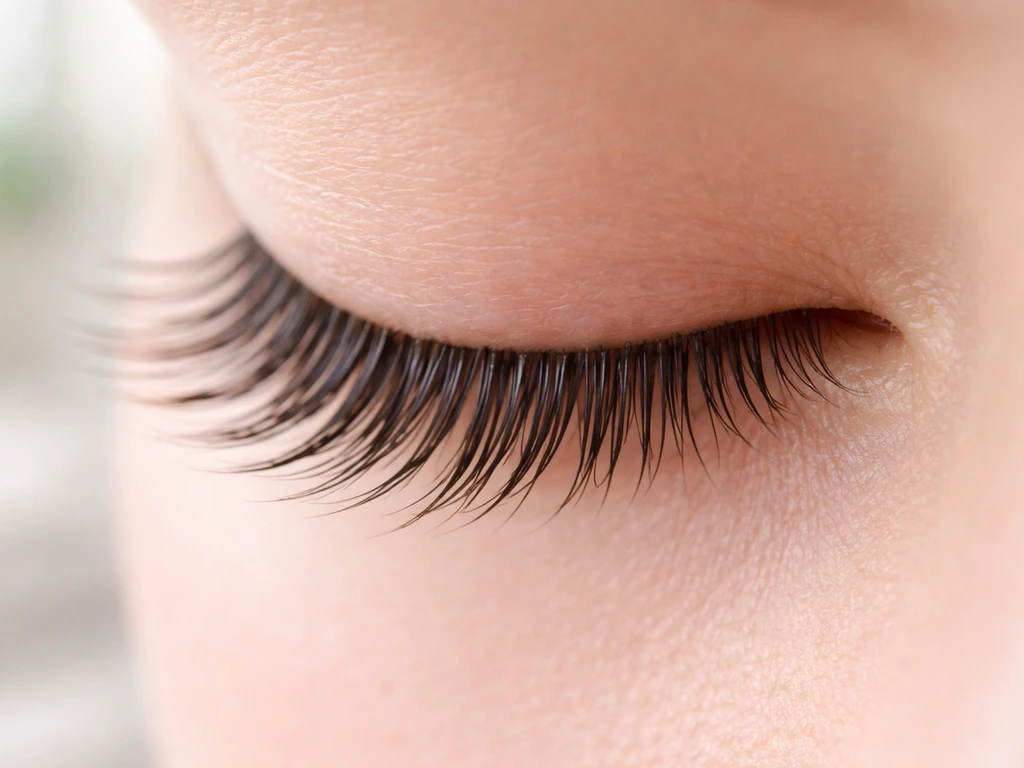
Eyelashes grow naturally because of a built-in biological cycle driven by your hair follicles, and the biggest levers you have over that process are keeping your follicles healthy, reducing breakage, and not interrupting the growth phase with damage or inflammation. There is no single magic ingredient that overrides your genetics, but there are concrete things you can do starting today that make a real difference in how long and full your lashes look within one to two full growth cycles.
What Makes Eyelashes Grow Naturally and How to Help
Rachel Nguyen
4 May 2026
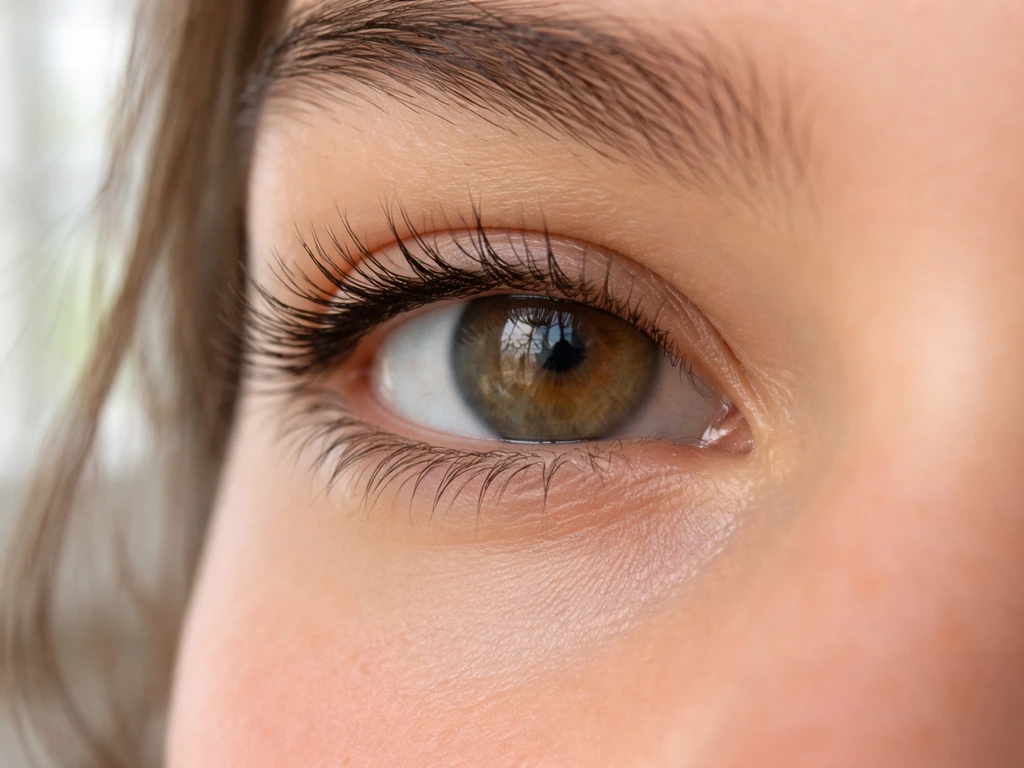
How eyelash growth actually works (and how long it takes)
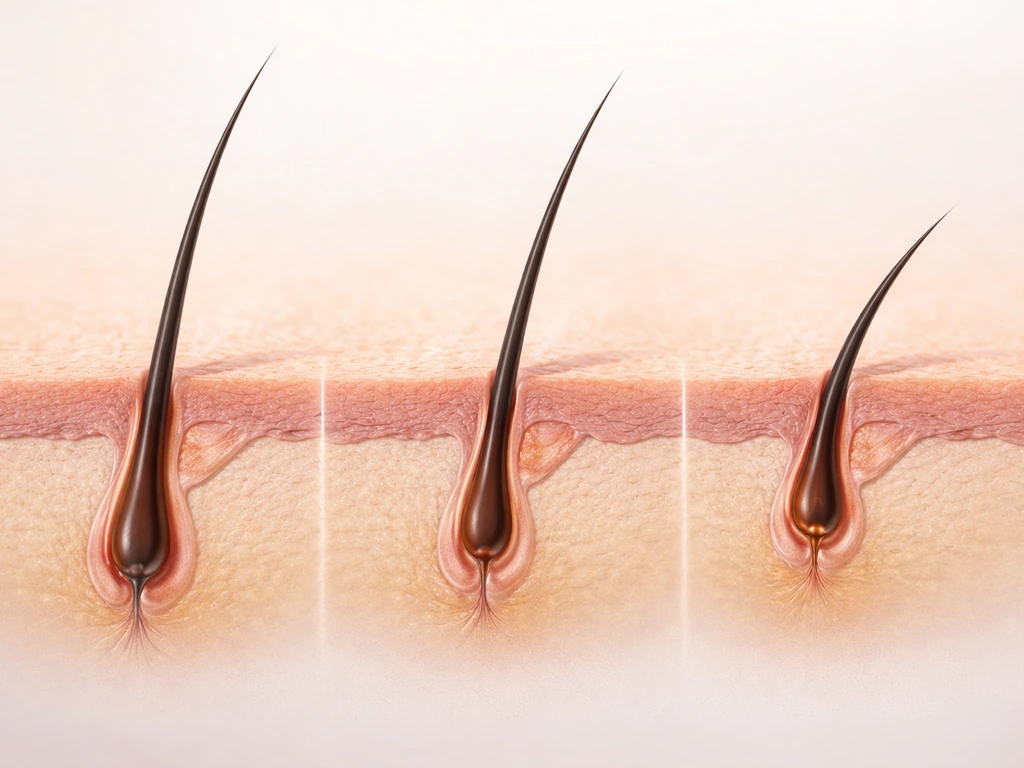
Every eyelash goes through three phases: anagen (active growth), catagen (transition and degradation), and telogen (rest and shedding). During anagen, the follicle is connected to blood supply and the lash shaft is actively growing. In catagen, that blood supply cuts off, the lash converts to what is called a club hair, and growth stops. In telogen, the follicle is dormant, the old lash eventually falls out, and then the whole cycle starts again with a new anagen phase.
For eyelashes specifically, the anagen growth phase lasts roughly 4 to 10 weeks, which is dramatically shorter than scalp hair. That shorter growth window is exactly why lashes have a natural length ceiling that scalp hair does not. Once catagen kicks in, no amount of serum or oil will extend that individual lash because it is already disconnected from its growth engine. If you want what makes lashes grow fast, focus on protecting the next lash and its follicle health rather than chasing short-term fixes. What you are actually trying to influence is the health of the next lash that grows in, and the condition of the follicle producing it.
One full lash cycle from new growth to natural shedding takes roughly four to six months in most people. Age also matters here: research shows that eyelash length, thickness, and darkness all decrease measurably as people get older, which is why a lash routine that worked in your twenties may need to be more consistent and intentional in your thirties and beyond.
What naturally makes lashes grow longer
Since you cannot extend the anagen phase the way a prescription prostaglandin analog like bimatoprost can (that drug extended lash characteristics in 78% of users versus 18% on placebo at 16 weeks in clinical trials), natural approaches work differently. They focus on three things: giving follicles the nutrients they need to produce a strong, healthy shaft; keeping the eyelid margin clean so follicles are not choked by inflammation; and preventing breakage so the lash reaches its genetic maximum length before it sheds naturally.
- Follicle health: well-nourished follicles produce thicker, longer lashes within their natural growth window
- Reduced inflammation: eyelid margin irritation (from blepharitis, seborrheic dermatitis, or Demodex mites) shortens the effective growth phase and can cause premature shedding
- Minimized mechanical damage: breakage from rubbing, curlers, or extension adhesive removes length that took weeks to grow
- Adequate nutrition: deficiencies in protein, iron, biotin, and zinc are linked to hair shedding and thin shaft production across all hair types
Why your lashes might look shorter or thinner right now
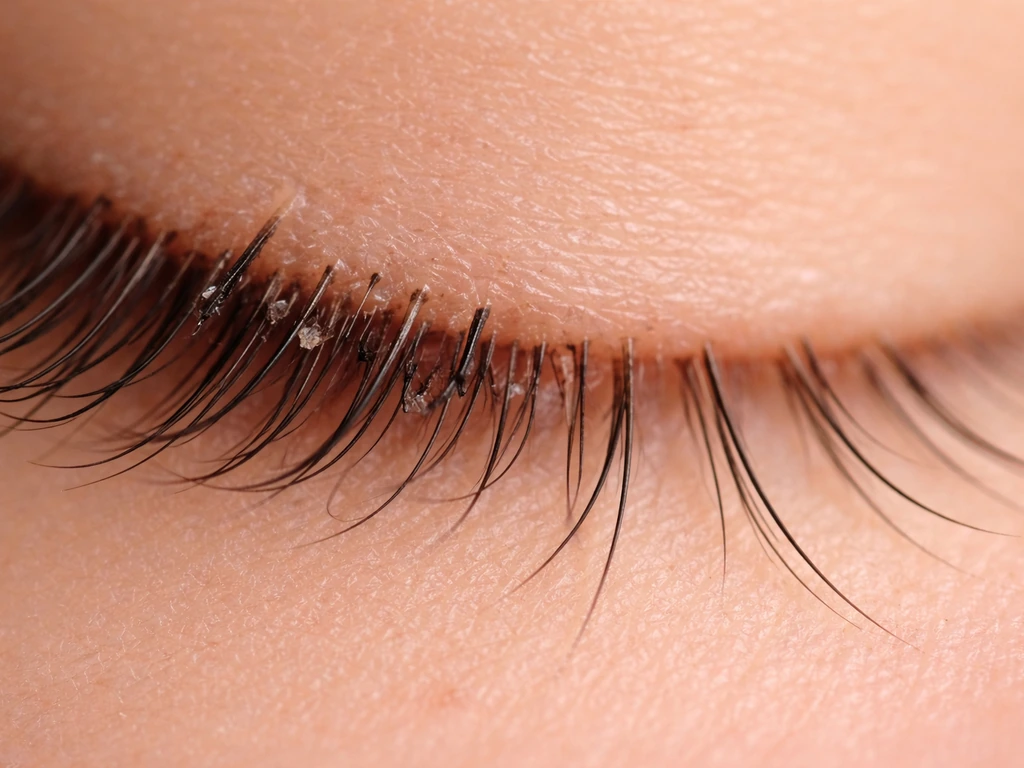
There is an important distinction between lashes that are not growing and lashes that are growing but breaking or falling out prematurely. Most people who feel like their lashes "stopped growing" are actually experiencing one of the following, not true follicle failure.
- Breakage: lashes snap mid-shaft from aggressive makeup removal, lash curlers, or rubbing your eyes. The follicle is fine; the shaft is just damaged before reaching full length.
- Traction damage: repeated extensions, heavy strip lashes, or glue removal can cause traction-related lash loss. This is reversible if caught early but can become scarring with prolonged stress.
- Eyelid inflammation (blepharitis): chronic inflammation at the lash margin disrupts follicle function. Causes include bacterial overgrowth, meibomian gland dysfunction, seborrheic dermatitis, rosacea, and Demodex mite infestation. Lashes may grow slowly, fall out early, or grow in misdirected.
- Telogen shedding surge: stress, illness, crash dieting, or hormonal shifts can push more follicles into telogen at once, causing noticeable shedding for six to twelve weeks before regrowth catches up.
- Normal aging: follicles naturally produce finer, shorter, and lighter lashes over time, especially after menopause.
Daily habits that actually support lash regrowth
Cleansing your eyelid margin
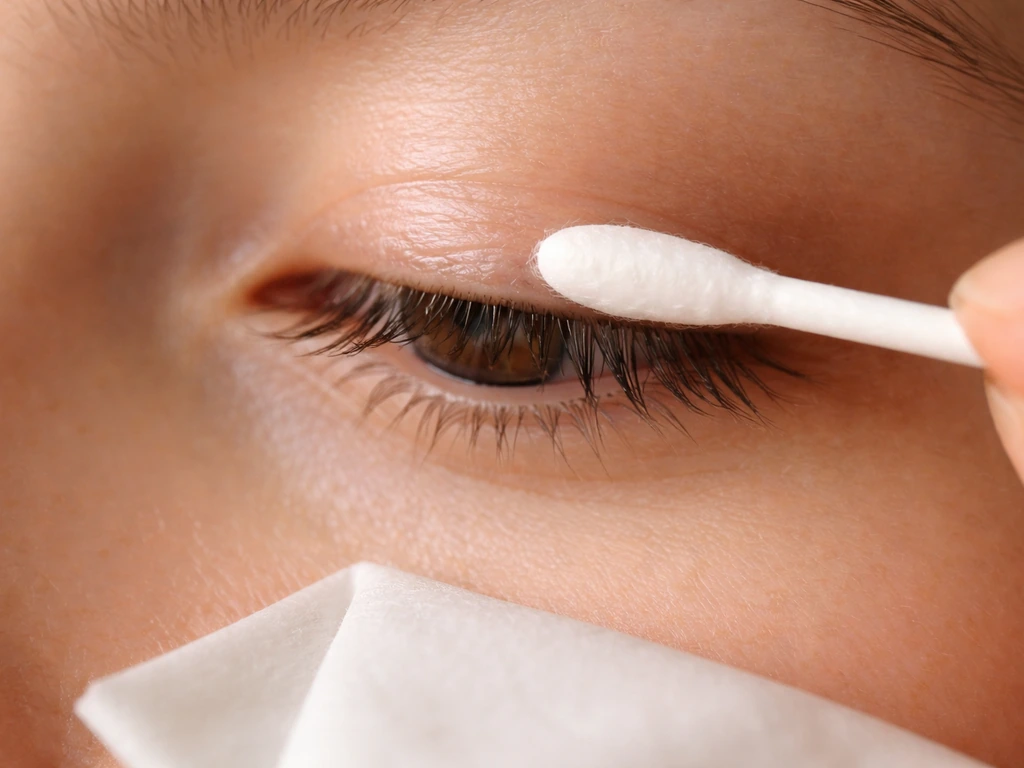
This is the most underrated lash habit there is. Oil, dead skin, and debris build up at the lash base and can clog follicles or fuel the bacteria and Demodex mites that cause blepharitis. A warm, moist compress held over closed eyes for five to ten minutes softens debris and opens meibomian glands. Following that with a gentle scrub using a diluted baby shampoo or a dedicated eyelid cleanser removes the loosened buildup. Cochrane-reviewed evidence supports lid hygiene routines for symptomatic relief of anterior and posterior blepharitis, and this same routine protects healthy lash follicles before any inflammation takes hold.
Makeup removal
Waterproof mascara requires more friction to remove, and that friction is a direct cause of lash breakage and premature shedding. Switching to a non-waterproof formula and using a gentle, oil-based makeup remover that you press onto the lash line and let dissolve before wiping (rather than scrubbing) can meaningfully reduce daily lash loss. Never pull a mascara wand through dry lashes at the end of the day.
Stopping the rubbing
Rubbing your eyes is one of the fastest ways to thin your lashes. It causes direct mechanical breakage and, with allergic conjunctivitis, the itch-rub cycle creates chronic low-grade traction. If eye allergies are driving the urge to rub, treating them at the source (antihistamine eye drops or addressing the allergen) protects your lashes far more effectively than any topical remedy.
Sleep and stress
Hair follicle cycling is regulated in part by hormones that are directly influenced by sleep quality and cortisol levels. Chronic stress is a well-documented trigger for telogen effluvium (the mass-shedding response) across all hair types, including lashes. This does not mean that fixing your sleep will give you instant long lashes, but it does mean that persistent thinning during high-stress periods is biologically explainable and often self-correcting once the stressor resolves.
Nutrition basics
Hair shaft production requires protein above everything else because hair is mostly keratin. If you are under-eating protein, restricting calories heavily, or deficient in iron or zinc, your follicles will deprioritize lash growth. A diet that covers your protein needs (roughly 0.8 to 1g per kg of body weight as a baseline) and includes iron-rich foods (meat, legumes, leafy greens) and zinc sources (nuts, seeds, shellfish) gives your follicles the raw materials they need. This is not glamorous advice, but it addresses a root cause that no topical remedy can compensate for.
Natural remedies: what the evidence actually says
Castor oil
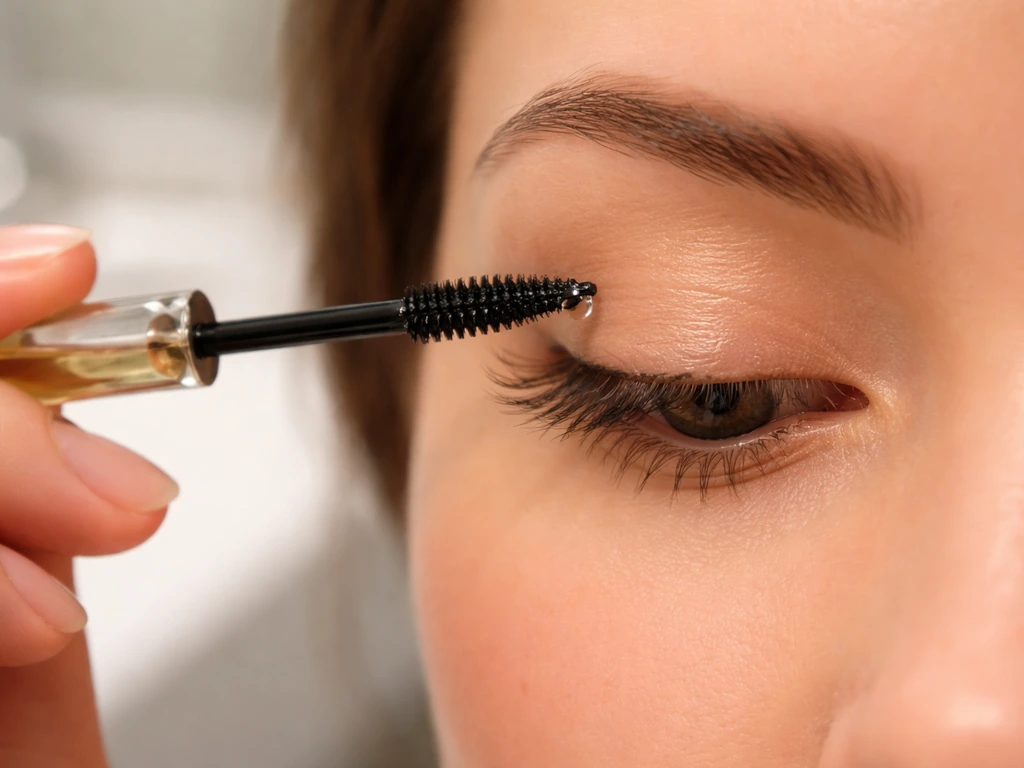
Castor oil is the most searched natural lash remedy, and the honest answer is that direct clinical evidence for it regrowing eyelashes is essentially nonexistent. StatPearls classifies it as lacking sufficient evidence for efficacy, and dermatology experts quoted in mainstream beauty media have gone further, saying the ricinoleic acid mechanism that proponents cite is speculative. What castor oil can do is coat and condition the lash shaft, which may reduce breakage and make lashes appear fuller and darker temporarily. That is a real cosmetic benefit, but it is not the same as growing new lashes.
If you want to try it, apply a tiny amount with a clean mascara wand to the upper lash line at night and avoid getting it in your eye. UCI Health and Cleveland Clinic both flag ocular exposure as a genuine risk: castor oil in the eye can cause burning, pain, blurred vision, and redness. A patch test on the inner arm first is smart because contact dermatitis reactions (itching, redness) are possible on sensitive skin.
Other oils (vitamin E, olive, argan)
These follow the same logic as castor oil: conditioning benefits for the existing shaft, speculative follicle effects, and the same ocular safety cautions. None have clinical trials showing eyelash regrowth. They are low-risk if used carefully on the lash line and not in the eye.
Biotin supplements
Biotin (vitamin B7) is widely marketed for hair growth. The NIH Office of Dietary Supplements acknowledges that the evidence base for biotin supplementing hair outcomes in people who are not actually deficient is weak. Healthline summarizes it plainly: biotin can correct a deficiency, but there is not strong evidence it promotes hair growth in people who already have adequate levels. True biotin deficiency is rare in people eating a varied diet, but it does occur in people who eat large amounts of raw egg whites, have certain GI conditions, or are on long-term antibiotics.
There is one real safety concern worth knowing: the FDA has issued warnings that blank" rel="noopener noreferrer">high-dose biotin supplements can interfere with certain lab immunoassays, including troponin tests used to diagnose heart attacks, producing falsely low or falsely high results. If you are taking biotin and need blood tests, tell your doctor. In a Reddit discussion among lab professionals, people also describe concerns about biotin interfering with immunoassays and note that patients may ask about it before bloodwork blank" rel="noopener noreferrer">biotin and need blood tests. Standard doses (up to 2.5mg or 2500mcg, which is what most hair supplements contain) are generally well tolerated, but the interference issue is reason not to take higher amounts casually.
OTC lash serums
Over-the-counter serums are a growing category that sits between castor oil and prescription bimatoprost. They typically contain peptides, panthenol, and sometimes non-prostaglandin lash-conditioning ingredients. A comprehensive review in PubMed categorizes them into prostaglandin and non-prostaglandin products and notes that evidence quality and regulatory evaluation for OTC cosmetic claims vary considerably. They are generally safe to try but manage expectations: you are likely getting improved conditioning and possibly mild follicle stimulation, not the verified growth extension that prescription options provide.
| Remedy | Evidence level | Main benefit | Key safety note |
|---|---|---|---|
| Castor oil | No clinical trials for regrowth | Shaft conditioning, reduces breakage | Keep out of eyes; patch test first |
| Biotin supplement | Effective only if deficient | Corrects deficiency-related shedding | Can interfere with lab blood tests at high doses |
| OTC lash serum (peptide-based) | Limited; variable by product | Conditioning + mild stimulation | Patch test; check ingredient list for prostaglandins |
| Bimatoprost 0.03% (Rx) | Strong RCT evidence | Extends anagen, increases length/thickness/darkness | Requires prescription; side effects include skin pigmentation changes |
How long before you see results, and what to do if things stall
If you are recovering from damage (extensions, over-rubbing, harsh removers), expect the first visible improvement in about six to eight weeks as the new anagen lashes fill in. Full recovery to your baseline length and density takes closer to three to four months because you need at least one complete growth cycle. If you are trying to go beyond your baseline and genuinely improve length and thickness, give any consistent routine (cleansing, nutrition, topical care) a minimum of three months before evaluating results. If you are wondering how eyelashes grow faster, focus on what supports the next anagen phase rather than trying to force growth that is biologically limited.
It helps to understand the difference between recovery and true regrowth. Recovery means returning to your normal after damage or shedding. True regrowth beyond your natural baseline requires either optimizing factors that were previously limiting you (like correcting a nutritional deficiency or resolving chronic blepharitis) or using a clinically proven treatment. If you are wondering what makes lashes grow, think first about correcting the limiting factors and supporting the next growth cycle true regrowth beyond your natural baseline. Natural remedies are much more likely to support recovery than to push beyond genetics.
If you have been consistent with lash hygiene, nutrition, and gentle handling for three months and you are still not seeing improvement, it is time to investigate rather than just add more products. Something is actively working against regrowth, and that is usually addressable.
When to see a professional instead of troubleshooting at home
Some lash thinning signals a problem that topical remedies and dietary changes will not fix. See an eye doctor or dermatologist if you notice any of the following.
- Persistent itching, flaking, or crusting at the lash line that does not improve with lid hygiene after two to three weeks (could be blepharitis, seborrheic dermatitis, or Demodex infestation requiring targeted treatment)
- Lash loss that is asymmetric (one eye losing significantly more than the other) since Mayo Clinic notes this pattern can prompt investigation for eyelid skin cancer or immune conditions
- Sudden, significant shedding with no obvious trigger, especially combined with eyebrow loss or body hair loss
- Lash loss alongside other symptoms like fatigue, cold intolerance, or hair thinning on the scalp (thyroid disorders and other systemic conditions are a known cause of madarosis)
- Any reaction to a topical product including swelling, persistent redness, or eye pain
- Lashes growing in the wrong direction, since misdirected lashes can scratch the cornea and are a sign of eyelid margin disease
A dermatologist or ophthalmologist can evaluate whether inflammation, a skin condition like seborrheic dermatitis or rosacea, or a systemic cause is responsible. Cleveland Clinic lists seborrheic dermatitis and infections affecting hair follicles as documented causes of madarosis (clinical eyelash loss). Once the underlying issue is treated, lashes typically return on their own through a normal regrowth cycle.
If natural approaches have genuinely plateaued for you and you want to go further, prescription bimatoprost is the only treatment with robust RCT evidence for eyelash growth. The side effect profile (potential skin darkening around the eye, ocular itching, and rare iris pigmentation changes with direct eye contact) means it warrants a proper conversation with a provider rather than sourcing it informally.
The practical takeaway is this: healthy lash growth is mostly about removing obstacles rather than adding miracle ingredients. Keep the lash line clean, handle lashes gently, eat enough protein and micronutrients, address any underlying eyelid inflammation, and be patient across at least one full growth cycle. That combination, done consistently, gives your follicles the best environment to produce the longest, strongest lashes your genetics allow.
FAQ
How long does it take to know whether my routine is actually working for lash growth?
Give it at least 8 weeks for the first noticeable change (new lashes filling in), but judge results after about 3 to 4 months because that aligns with one full lash cycle. If you improved handling and diet but still see no reduction in shedding or breakage by then, something else is likely interfering, such as chronic blepharitis, allergy, or a skin condition.
If my lashes “look thin,” how can I tell whether it is shedding versus breakage?
Shedding usually shows a visible loss of lash presence at the lash line (lashes fall and gaps appear), while breakage often leaves shorter, frayed, uneven-looking lashes without obvious total loss. A quick clue is whether you find more full-length lashes in the morning versus many short fragments. Either way, the fix differs: lid hygiene and inflammation control for shedding, and gentler makeup removal and less friction for breakage.
Can I still use mascara if I want lashes to grow naturally?
Yes, the key is reducing friction and avoiding waterproof formulas if you tend to tug when removing them. Remove makeup with a press-and-dissolve method using a remover that loosens product without scrubbing, then cleanse gently at the lash line. Consider giving your lashes a few days per week without mascara if you are using multiple coats daily.
Is oil cleansing or castor oil safe for my eyes if it accidentally gets in?
Small exposure can be irritating, even if it does not cause harm. Castor oil and similar oils should not be applied so the product can run into the eye, because ocular exposure can cause burning, redness, blurred vision, and pain. If any oil gets in, rinse with sterile saline or clean water and stop the product if symptoms persist.
Does trimming lashes make them grow longer or thicker?
No. Trimming only alters length and does not change the follicle cycle, so it will not extend the natural growth window (anagen). If you like trimming for appearance, do it carefully with clean tools, but expect it to be cosmetic, not a growth booster.
How often should I do warm compresses and lid scrubs for lash support?
A practical schedule is warm compresses once daily for 5 to 10 minutes, then gentle lid cleansing afterward, especially if you have flaking, itchiness, or oily buildup at the lash line. If your eyes feel dry or irritated, reduce frequency and use a diluted, non-stinging cleanser. If symptoms worsen, stop and get an eye exam because frequent inflammation can be more than simple debris.
Can allergies be the main reason my lashes are thinning?
Yes. Allergic eye symptoms can create a repetitive itch-rub cycle, which causes both mechanical breakage and ongoing irritation. Managing the allergy at the source (for example, appropriate antihistamine drops) can reduce rubbing and protect the follicles, often more effectively than trying to compensate with topical lash products.
What diet changes matter most for natural lash growth, and do I need supplements?
Prioritize protein adequacy and common micronutrients tied to hair biology, especially iron and zinc, through food first. Supplements are most useful when you have a known deficiency or a restricted diet. If you suspect low iron (fatigue, heavy menstrual bleeding) or poor zinc intake, ask a clinician for labs rather than taking high doses blindly.
Should I be taking biotin for lashes if I am not deficient?
Biotin is unlikely to help if you have normal levels. True deficiency is uncommon, and most people who eat a varied diet will not see meaningful growth benefits from extra biotin. Also, high-dose biotin can interfere with certain lab tests, including some heart-related immunoassays, so tell your doctor if you take it and need bloodwork.
Do OTC lash serums guarantee visible regrowth?
No. Many OTC options primarily condition the existing lash and may provide mild follicle support in some people, but they usually do not reproduce the stronger, clinically proven growth extension associated with prescription options. Expect slower, subtle improvement, and reassess after about 3 months rather than 2 to 4 weeks.
When should I stop experimenting and see a dermatologist or eye doctor?
Seek evaluation if thinning is sudden, patchy, associated with itching, pain, scaling around the lids, crusting, or redness, or if you have eyelashes missing in a way that suggests more than normal shedding. Those patterns can point to madarosis drivers like eyelid skin disease (for example, seborrheic dermatitis or rosacea) or chronic inflammation, and treating the cause is what restores regrowth.
Is prescription bimatoprost the only option if I want more than my natural baseline?
For beyond-baseline regrowth, prescription bimatoprost has the most robust randomized evidence compared with other options. However, it requires a clinician conversation because potential side effects include ocular irritation and periorbital skin darkening, and careful use matters to minimize eye exposure. Natural routines are still useful for recovery and maximizing what your follicles can already produce.
Next Article
What Makes Lashes Grow Fast: Safe Growth Plan
Learn what makes lashes grow fast and follow a safe routine for thicker regrowth, timelines, and irritation avoidance.