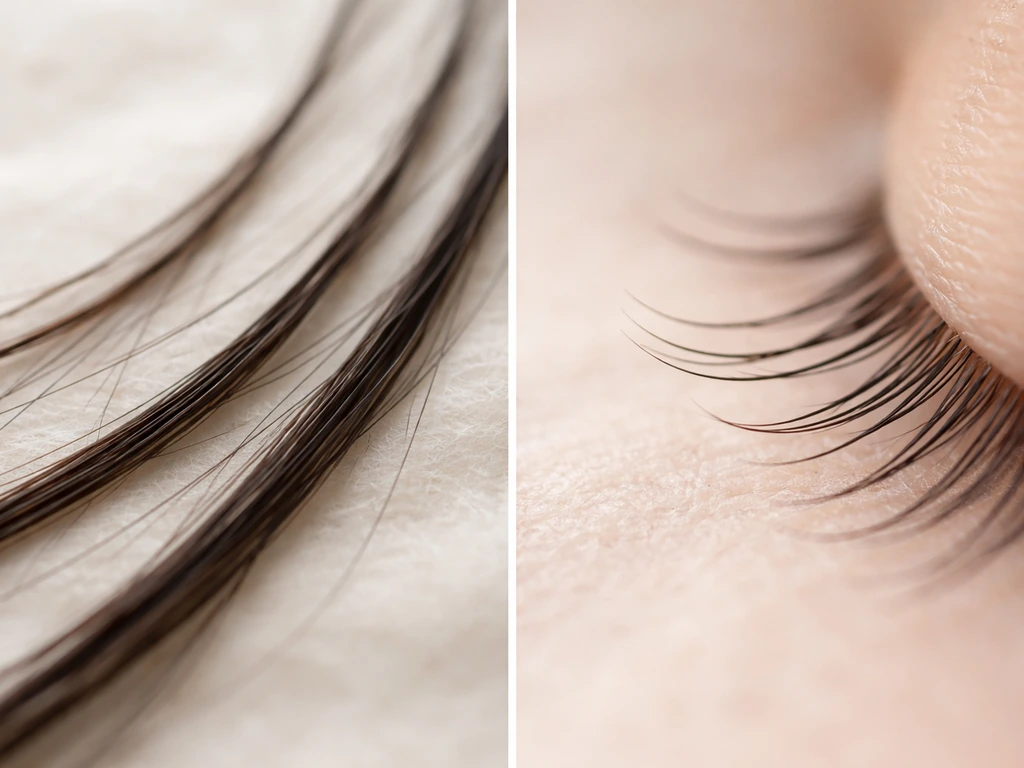
Eyelashes grow thicker and longer when their follicles get the right signals: minimal mechanical stress, adequate nutrition, good local circulation, and in some cases, targeted active ingredients. The biggest gains most people see come from simply stopping the habits that are stunting their lashes (rubbing, poor mascara removal, aggressive extensions) and adding a well-formulated lash serum or a conditioning oil to their nightly routine. If you want clinical-grade results, a prostaglandin-based serum is the most proven option. If you want a gentler, all-natural approach, consistent oil conditioning and a nutrient-dense diet can meaningfully improve what you're working with over a full growth cycle. Trimmed eyelashes will not change the follicle biology that determines length, but improved lash care can help the lashes you have look longer as new growth comes in if you trim your eyelashes will they grow longer. Here's exactly what to do, in what order, and how long to expect it to take.
What Makes Eyelashes Grow Thicker and Longer

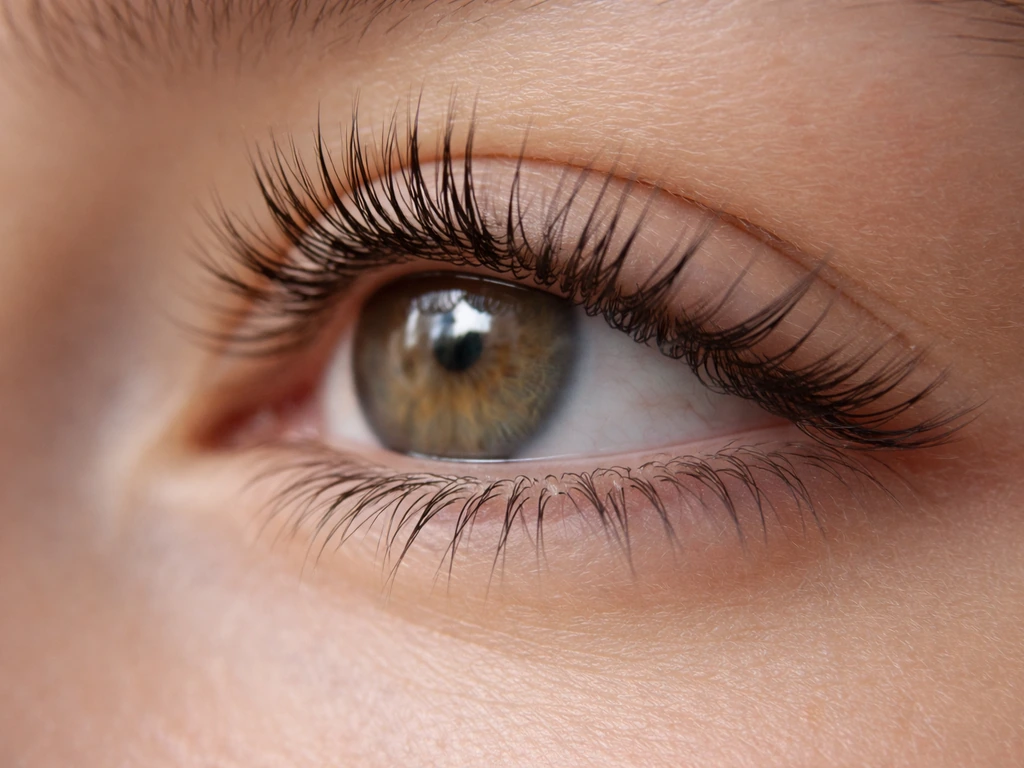
How eyelash growth actually works (length vs. thickness)
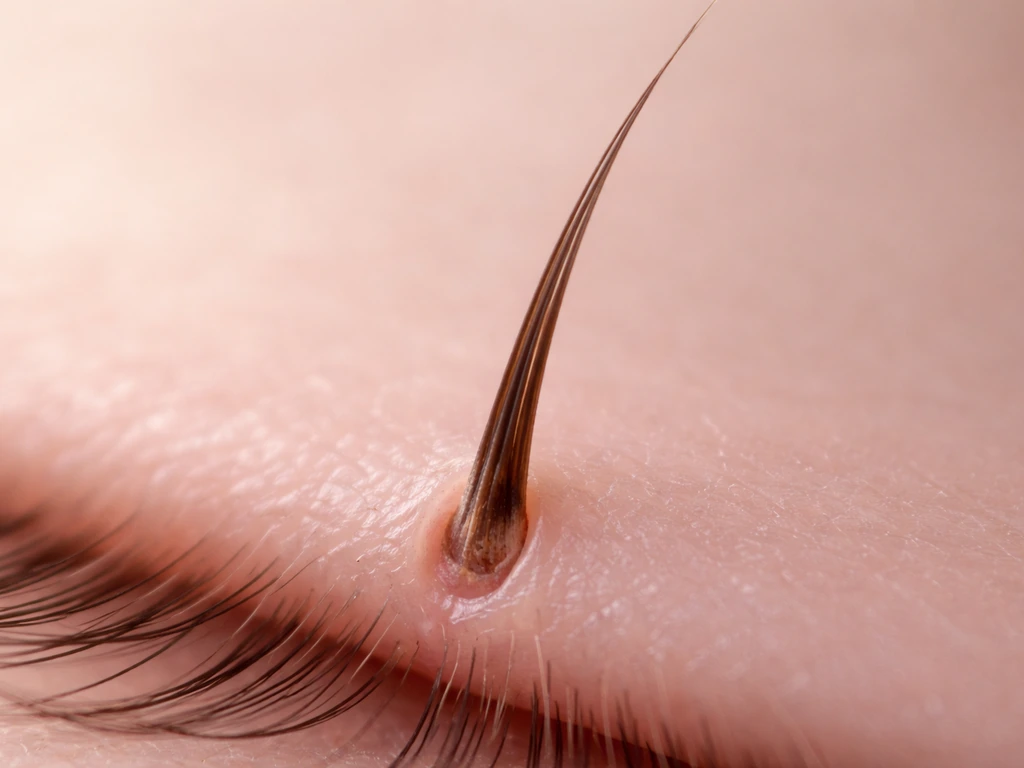
Every lash grows from an individual follicle embedded in the eyelid margin, and that follicle cycles through three stages: anagen (active growth), catagen (regression), and telogen (resting). What makes this different from scalp hair is the timing. A detailed review of eyelash follicle biology explains how eyelash follicles and their management differ from other hair follicles, showing how follicle-specific biology influences lash outcomes blank" rel="noopener noreferrer">What makes this different from scalp hair is the timing.. The same principle, follicle growth biology, is why scalp hair can keep lengthening far beyond the lifespan of eyelashes what makes scalp hair grow longer than eyelashes. The eyelash anagen phase lasts only about 30 days, while telogen stretches to 4 to 5 months, making the total cycle roughly 5 to 6 months. That's why lashes don't grow indefinitely the way scalp hair seems to, and it's why it takes patience to see real improvement after damage or treatment. Because the eyelash anagen phase is limited, lashes typically top out at a certain length even when you support healthy growth why do eyelashes only grow to a certain length.
Length and thickness are controlled by different aspects of follicle biology. Length is primarily determined by how long the anagen phase lasts and how fast the hair shaft grows during it. Thickness (shaft diameter) is driven by follicle size itself. Upper lash follicles produce wider shafts than lower ones, with mean shaft widths around 205 micrometers on the upper lid versus 158 micrometers on the lower. When a follicle is damaged, inflamed, or malnourished, it can produce a thinner, shorter shaft even if it's still technically active. Restoring thickness usually means restoring follicle health, not just stimulating growth speed.
Why lashes get thinner and shorter in the first place
Before you can fix the problem, it helps to know what's causing it. Eyelash thinning and shortening usually come from one of a handful of sources, and they don't all respond to the same solutions.
- Mechanical damage: Rubbing your eyes, sleeping face-down, and aggressive mascara removal are the most common culprits. Repeated friction stresses the follicle opening, causes premature telogen shedding, and can permanently distort the follicle over time.
- Lash extensions and adhesives: Extensions add weight and tension directly on the natural lash shaft. Over time, that tension causes traction-related shedding. The adhesive removal process, especially if done carelessly, can irritate the follicle and slow regrowth.
- Harsh makeup and removal: Waterproof mascara requires oil-based removers or significant rubbing to come off. Done daily without care, it creates cumulative mechanical and chemical irritation at the lash line.
- Inflammation and eyelid conditions: Blepharitis (chronic eyelid inflammation), seborrheic dermatitis at the lash line, and contact dermatitis from cosmetics all disrupt follicle function. Inflammation is one of the most underappreciated causes of lash thinning.
- Aging: Follicles shrink with age, particularly after menopause, producing finer and shorter lashes. Hormonal changes affect lash follicle biology in similar ways to scalp hair.
- Nutrient deficiencies: Deficiencies in biotin, iron, zinc, and vitamins D and B12 are all associated with hair and lash loss. This is often reversible once the deficiency is corrected.
- Medical conditions and medications: Thyroid disorders (both hypo and hyper), alopecia areata, chemotherapy, and certain medications (including some blood pressure drugs and anticoagulants) can cause significant lash shedding.
Realistic expectations: can you actually grow longer, thicker lashes?
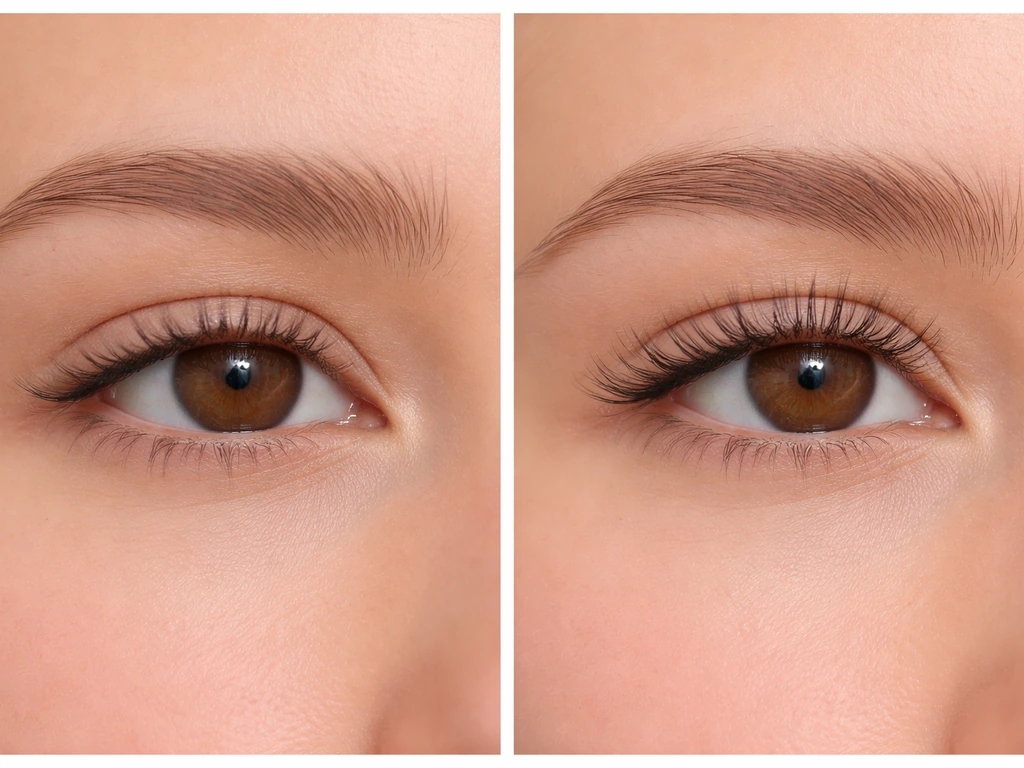
Yes, but the ceiling depends heavily on what's limiting your lashes right now. If the main issue is damage or poor lash care habits, you can see meaningful improvement within one to two full growth cycles, roughly 3 to 6 months. If it's a nutrient deficiency that you address, lashes can recover noticeably once levels normalize. If aging or genetics is the primary factor, you can improve on your baseline, but you won't grow lashes that were never in your biology.
The most realistic outcome for most people who haven't used a clinical serum before: lashes that look fuller, more conditioned, and slightly longer after 6 to 8 weeks of consistent oil conditioning and protective habits. Clinical trials on bimatoprost (the active in Latisse) showed statistically significant improvements in lash prominence, length, thickness, and darkness within 16 weeks can eyelashes grow longer. Add a prostaglandin-based serum and those same 6 to 8 weeks can produce a visible increase in length and density. Clinical trials on bimatoprost (the active in Latisse) showed statistically significant improvements in lash prominence, length, thickness, and darkness within 16 weeks. That's the benchmark.
Natural at-home methods that genuinely support growth
The protective daily routine
This is the unglamorous part that makes the biggest difference. Switch to a non-waterproof mascara for daily wear, or save waterproof for special occasions. Use a gentle, oil-based micellar water or a dedicated eye makeup remover, and let it dissolve the product rather than scrubbing. Soak a cotton pad, hold it against the closed eye for 20 to 30 seconds, then wipe softly downward. Never rub sideways or pull the lid. If you wear lash extensions, build in extension-free breaks and choose a technician who applies individual extensions (not clusters) with a medical-grade adhesive. When sleeping, try a silk or satin pillowcase to reduce friction.
Conditioning oils: which ones, and how to use them
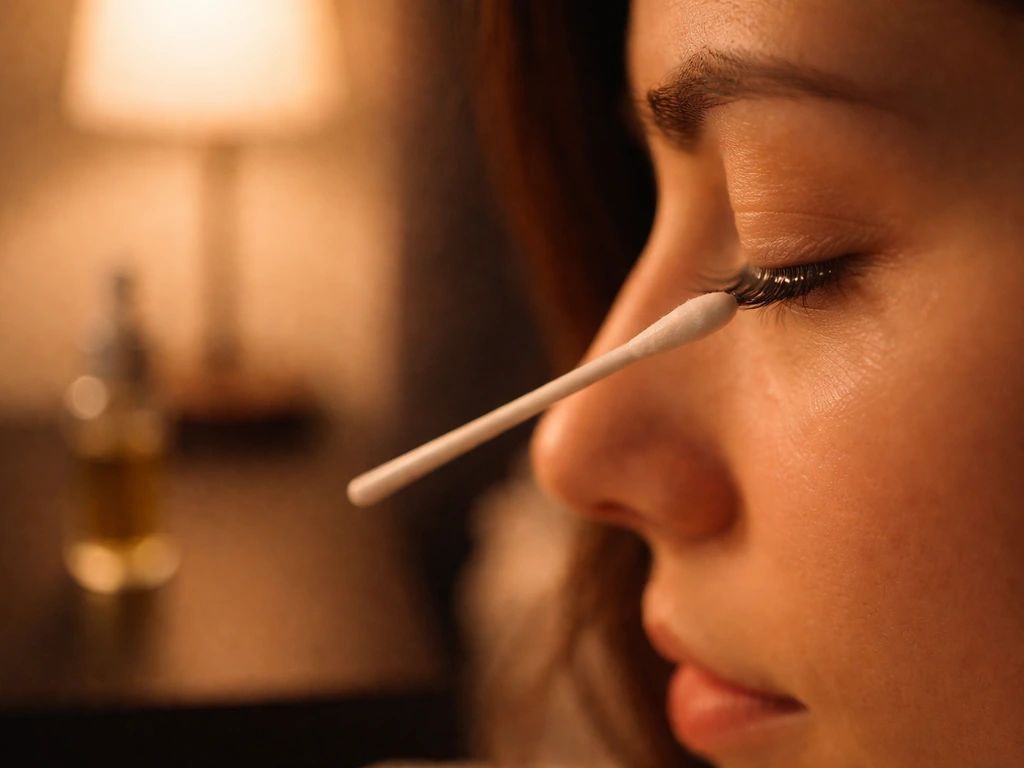
Oils don't make the follicle grow faster in the way a serum does, but they condition the lash shaft to reduce breakage and improve its appearance while new growth comes in. Castor oil is the most popular option and has reasonable community evidence behind it, though its mechanism is moisturizing and anti-inflammatory rather than follicle-stimulating. Ricinoleic acid, its main fatty acid, has shown anti-inflammatory properties that may help a stressed lash line. Other useful options include argan oil (rich in vitamin E and oleic acid), sweet almond oil, and vitamin E oil.
Apply at night only, using a clean mascara wand or a cotton swab. Dip, blot off the excess so it isn't dripping, and apply a thin coat to the upper lash line and through the lashes from root to tip. Do not apply to the waterline or inner eye. Rinse off in the morning with your cleanser. Consistency matters more than quantity. A thin coat every night outperforms a heavy application twice a week.
Lash line massage and circulation
Gentle daily cleansing of the lash line with a diluted baby shampoo or a dedicated lid cleanser (especially if you have any blepharitis) removes debris and sebum that can block follicle openings. This is low-effort and genuinely improves the environment for growth. Some dermatologists recommend very light fingertip massage along the lash line during cleansing to support local circulation, though the evidence on this specifically is thin. It doesn't hurt and takes 30 seconds.
Evidence-based serums and treatments
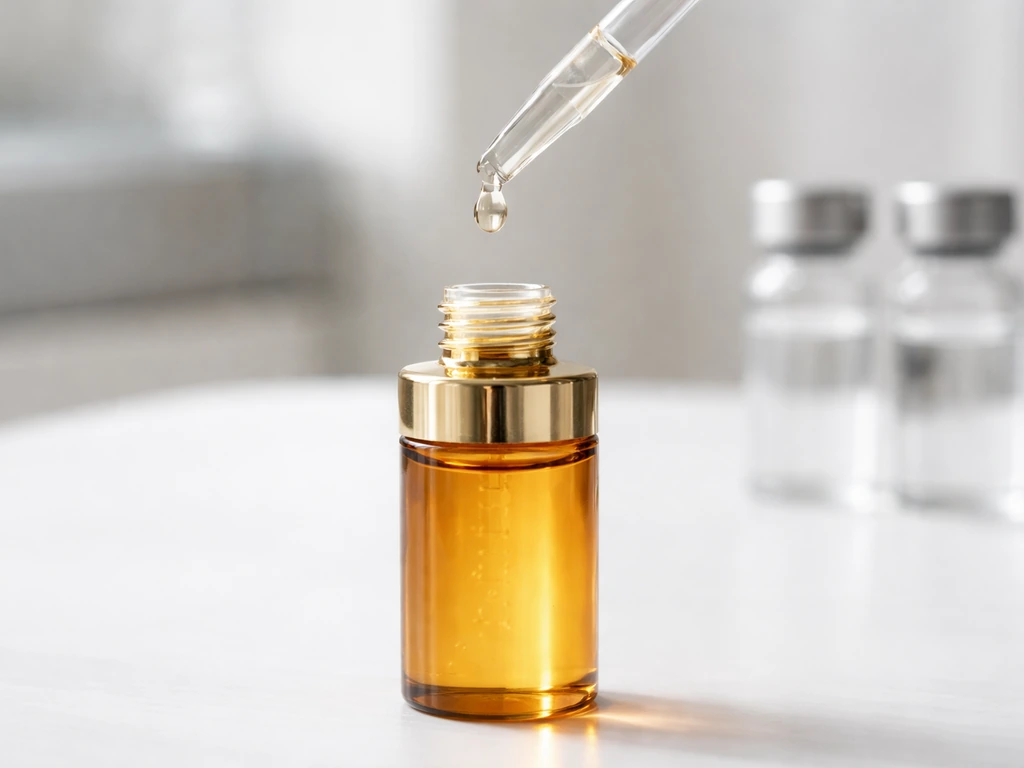
This is where the strongest science lives. Not all lash serums are created equal, and the ingredient list tells you almost everything you need to know about what a product will actually do.
| Ingredient type | Examples | How it works | Expected timeline | Trade-offs |
|---|---|---|---|---|
| Prostaglandin analogs (prescription) | Bimatoprost (Latisse) | Extends anagen phase; increases follicle size and pigmentation | Visible results in 8–16 weeks; full effect at 16 weeks | Requires prescription; possible side effects: iris pigmentation, lid darkening, periorbital fat loss with long-term use |
| Prostaglandin analogs (OTC isopropyl cloprostenate) | Many OTC serums | Similar mechanism to Rx prostaglandins; shorter anagen extension | 8–12 weeks for noticeable improvement | Less studied than Latisse; same side effect profile possible; not FDA-approved for this use |
| Peptide-based serums | Myristoyl pentapeptide-17, biotinoyl tripeptide-1 | Signal follicle to improve keratin production; condition the shaft | 12–16 weeks; subtler results than prostaglandins | Gentler, no known pigmentation risks; better for sensitive eyes or long-term daily use |
| Stem cell and growth factor serums | Various proprietary blends | Theorized to support follicle stem cell activity; limited clinical data | Results inconsistent; 12+ weeks | Expensive; evidence mostly in vitro or small studies |
If you want the fastest, most clinically proven result and don't have contraindications, talk to a dermatologist or ophthalmologist about bimatoprost (Latisse). If you'd prefer an OTC route, look for serums containing isopropyl cloprostenate or a well-formulated peptide blend. Avoid serums that list only vague "growth factors" with no identifiable active ingredients. Apply serum to the upper lash line only (at the base of the lashes, like eyeliner) once a night, using the applicator or a fine brush. Lower lash application is usually unnecessary since product migrates naturally.
One honest note: once you stop using a prostaglandin-based serum, lashes return to their pre-treatment state within about 4 to 8 weeks as the growth cycle resets. It's a maintenance treatment, not a permanent fix. Peptide serums don't carry the same reversal concern but also don't produce the same magnitude of results.
Biotin, nutrition, and lifestyle factors
Biotin is the supplement most associated with hair and lash growth, and the reality is more nuanced than supplement marketing suggests. Biotin deficiency does cause hair loss and lash thinning, and correcting a true deficiency does restore growth. But if you're not deficient (which most people eating a varied diet aren't), adding biotin supplements is unlikely to give you noticeably thicker lashes. That said, taking 2.5 mg daily is generally safe and low-cost, so it's not unreasonable if you're unsure about your levels. Getting a simple blood panel that includes biotin (and iron, ferritin, zinc, and vitamin D) is a smarter first step.
Iron deficiency and low ferritin are particularly worth checking, especially for people who menstruate or eat a plant-based diet. Low ferritin is one of the more common and treatable causes of diffuse hair and lash shedding that gets missed. Zinc supports follicle cell reproduction and is found in foods like pumpkin seeds, oysters, and legumes. Vitamin D receptors are present in hair follicle cells, and deficiency is associated with alopecia. Getting enough protein (aim for 0.8 to 1 gram per kilogram of body weight daily) provides the amino acids keratin synthesis depends on.
- Prioritize dietary protein from eggs, fish, legumes, and lean meats — lash keratin is protein
- Check ferritin (not just hemoglobin) if you suspect low iron; a ferritin below 30 ng/mL is associated with hair shedding
- Get vitamin D levels tested, especially if you're in a low-sunlight climate or spend most time indoors
- Zinc-rich foods like pumpkin seeds, chickpeas, and cashews support follicle health
- Limit crash dieting: rapid calorie restriction triggers telogen effluvium, which affects lashes as well as scalp hair
- Manage chronic stress where possible — elevated cortisol disrupts the hair growth cycle
Common mistakes that slow progress (and when to see a doctor)
Mistakes to stop making now
- Applying too much oil or serum: excess product can migrate into the eye, cause irritation, and paradoxically stress the follicle opening
- Skipping nights thinking it'll catch up: consistency is what drives results in any lash treatment; the follicle responds to sustained signals
- Using multiple active serums at once: layering a prostaglandin serum with another active is not going to accelerate results and increases irritation risk
- Expecting results in two weeks: one lash growth cycle is 5 to 6 months; meaningful change takes at least 6 to 8 weeks and full results take 4 to 5 months
- Trimming lashes to 'make them grow back thicker': this is a myth — trimming has no effect on follicle behavior or shaft thickness; this is covered in more depth in a related article on whether trimming eyelashes makes them grow longer
- Continuing extensions through active thinning: extensions on already-weakened lashes accelerates the damage cycle
When to stop self-treating and see a professional
Most lash thinning responds to the steps above, but some causes require medical attention. See a dermatologist or ophthalmologist if you notice patchy lash loss (not diffuse thinning, but actual bald patches along the lash line), which can indicate alopecia areata affecting the lashes. See a doctor promptly if you have persistent redness, swelling, crusting, or discharge along the eyelid margin, which are signs of blepharitis, a stye, or a more serious eyelid condition. If your lashes are falling out rapidly and you're also experiencing scalp hair loss, fatigue, weight changes, or other systemic symptoms, ask for a thyroid panel. And if you've tried a consistent at-home routine for a full 4 to 5 months without any change, a dermatologist can evaluate whether a prescription treatment or further investigation is warranted.
One more thing worth knowing: there are conditions where lashes actually grow excessively long (called trichomegaly), often as a medication side effect. If you've started a new medication and noticed dramatic lash changes in either direction, mention it to your prescribing doctor. Most causes of lash thinning are very treatable once identified correctly.
FAQ
If I trim my eyelashes, will they grow longer faster?
Yes, but only if you avoid creating new damage. Trimming can help make lashes look more even and reduce split ends, which improves perceived length, but it does not change how long the anagen phase runs. For best results, trim after a growth cycle has started (for example, after a few weeks on a serum/oil routine) so you are not repeatedly shortening very new, fragile growth.
Can I combine lash serum with castor oil or other oils?
Using multiple products at once can backfire because prostaglandin-based serums and other actives all increase the amount that can irritate the lash line. A practical approach is, choose one “primary” treatment (for example, prostaglandin or a peptide serum) plus a simple oil conditioner, not several serums. If you also cleanse, do it in the morning and apply the serum at night, so you reduce the chance of washing it off or diluting it.
What happens to lash growth results when I stop using a growth serum?
If you stop for a few weeks, you will usually notice slower improvement or a gradual fade in results, especially with prostaglandin-based serums. Since lashes reset within about 4 to 8 weeks after stopping, plan your routine as a maintenance schedule, not a quick experiment, if you want to keep the fuller look.
Do castor oil or other oils actually make eyelashes thicker, or just look better?
Oils mainly improve how lashes look by reducing breakage and conditioning the shaft, so if your lashes are thinning because follicles are inflamed, infected, or genetically limited, oils alone may not produce major thickening. Oils are most helpful when paired with habit changes (gentle removal, less friction, reduced extension trauma) and simple cleansing of the lash line.
Is it safe to apply lash serum on the waterline or lower lashes?
It depends on where the product lands. Applying prostaglandins or other serums to the waterline or lower lid can increase the chance of irritation and unwanted migration. Stick to the upper lash line at the base, use a thin coat, and if you get burning, redness, or watering, stop and switch to a lower-irritation option like conditioning oil until your eye area calms.
What if my lashes thin but my eyelids get oily, crusty, or irritated?
If you have blepharitis, dandruff/ocular rosacea, or frequent styes, you may need targeted lid hygiene before you’ll see growth changes. Look for lid cleanser routines and consider a medical evaluation if symptoms persist, because inflamed lash follicles respond more slowly to any topical “growth” strategy.
Should I apply lash serum to the lower lash line too?
Lower-lid application is usually unnecessary. Even for serums that do work, most of the benefit targets the upper follicles, and lower-lid application increases migration risk. A good routine is upper lash line once at night, then cleanse gently in the morning.
How long should I wait before I decide a lash routine is not working?
A good rule is to expect visible changes after you cover at least one full eyelash cycle, around 5 to 6 months, while you may notice cosmetic improvements earlier. If you are only seeing changes in curl or shine within the first 2 to 4 weeks, that is likely conditioning, not true thickness gains. If nothing changes after about 4 to 5 months of consistent care, it’s worth seeing a dermatologist or ophthalmologist to check for underlying causes.
Can eyelash extensions prevent my lashes from growing thicker and longer?
Yes, but it should be staged. If you wear extensions, take extension-free breaks, and make the break long enough to let the lash line recover (often at least several weeks). Also choose individual extensions and a medical-grade adhesive, because cluster glues and heavy traction can cause breakage that looks like growth failure.
Should I take biotin to thicken eyelashes?
Most people should not need biotin unless they are truly deficient. If you have unexplained thinning plus fatigue, dietary restrictions, heavy menstrual bleeding, or signs of low micronutrients, a blood panel that includes iron/ferritin, zinc, vitamin D, and thyroid markers is more actionable than guessing with supplements.
What kind of lash loss should I take as a sign to see a doctor?
Patchy lash loss, bald spots along the lash line, or lashes that seem to be “missing” rather than breaking often needs medical assessment because it can indicate conditions like alopecia areata. Diffuse thinning is more commonly nutrition, inflammation, or breakage, but either way, new or rapidly worsening patchiness should not be treated as a simple cosmetic issue.
What Makes Scalp Hair Grow Longer Than Eyelashes
Why scalp hair beats lashes in length: growth cycle differences, limits, and practical lash care plus safe clinical opti