
Eyelashes do grow every day, but not every single lash is actively growing at the same time. At any given moment, your lashes are split across three different cycle phases, so the actual daily length added is tiny, uneven across your lash line, and largely invisible without a microscope. Research puts the active growth phase (anagen) at around 34 days on average, with a full lash cycle completing in roughly 90 days. So yes, growth is happening daily, but it's staggered, slow, and easy to mistake for no growth at all.
Do Lashes Grow Everyday? Growth Cycle, Timeline, Tips

Rachel Nguyen
1 Jun 2026

How eyelash growth cycles actually work
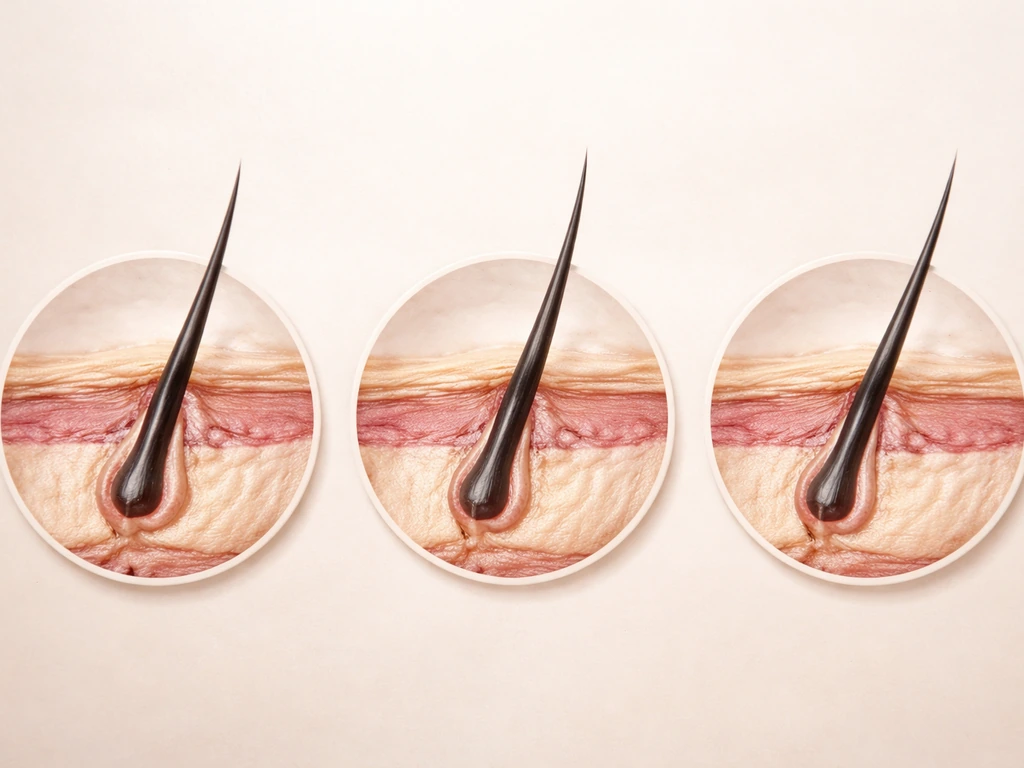
Every lash follicle runs on its own internal clock, cycling through three distinct phases: anagen, catagen, and telogen. Understanding these isn't just biology trivia. It directly explains why lash regrowth after damage or shedding takes longer than most people expect, and why you can't just will a lash to grow faster.
Anagen (the growth phase)
This is the only phase where your lash is actually getting longer. A human eyelash characterization study found anagen lasts an average of 34 days (plus or minus about 9 days). During anagen, the follicle is actively producing new cells at the root, pushing the hair shaft outward. Compared to scalp hair, which stays in anagen for years, lash anagen is extremely short. That's exactly why lashes have a natural length ceiling and don't keep growing indefinitely.
Catagen (the transition phase)
After anagen ends, the follicle enters catagen, a degradation phase where growth stops and the follicle begins to shrink. A prescription and over-the-counter eyelash augmentation review describes catagen as a transition phase lasting about 15 days, aligning with the typical catagen timeframe catagen, a degradation phase where growth stops and the follicle begins to shrink. This lasts approximately 15 days. The lash is essentially done growing but hasn't fallen out yet. It's sitting in the follicle, held loosely in place while the follicle winds down.
Telogen (the resting phase)
Telogen is the resting phase, and it's when the old lash eventually sheds and the follicle prepares for its next anagen cycle. The full lash cycle from start to finish averages around 90 days based on research data. Some clinical sources describe telogen lasting anywhere from 4 to 9 months for individual follicles, which reflects the wide variation you see in how long it can take a completely lost lash to visibly regrow. The key takeaway: if you lose a lash today, it might not be fully replaced for two to three months or longer.
Do lashes grow every single day? What daily growth really means
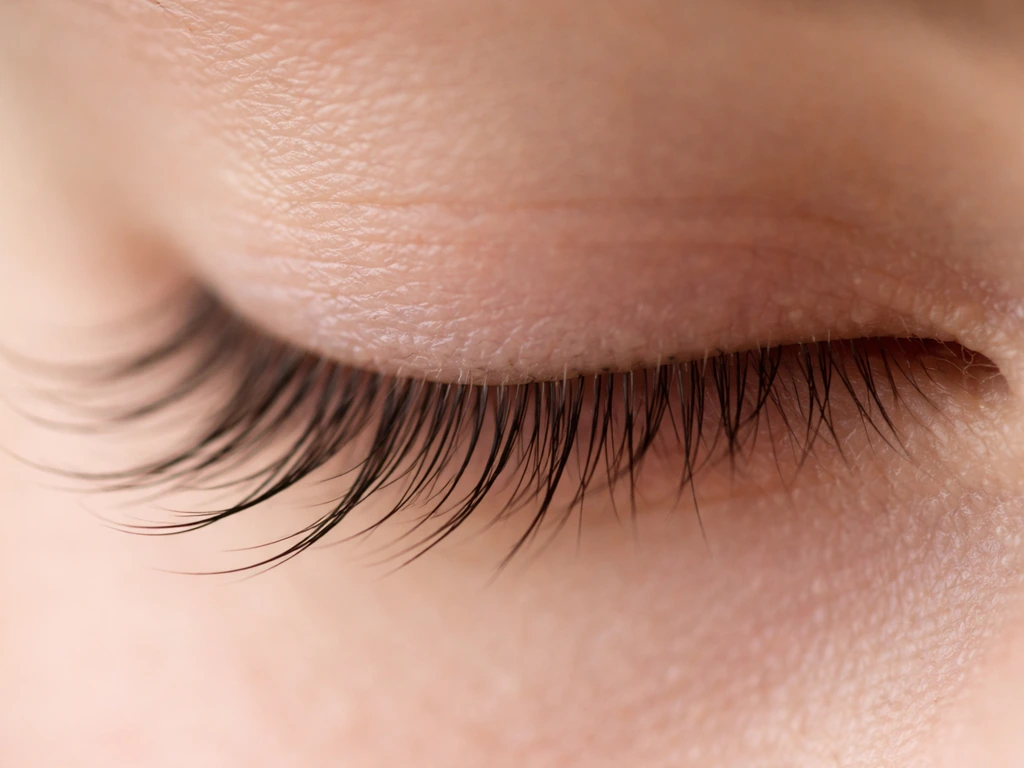
Technically yes, some of your lashes are growing every single day. But here's the nuance most people miss: not all of your lashes are in anagen simultaneously. Your roughly 90 to 160 upper lashes are asynchronous, meaning each follicle is at a different point in its cycle. Some are in active growth, some are resting, some are about to shed. This is why you don't go bald every time lashes reach the end of their cycle, and it's also why you probably notice one or two lashes on your cheek or pillow pretty regularly without it being alarming.
The actual daily length added during anagen is somewhere in the range of 0.12 to 0.14 millimeters per day, similar to other body hairs. That's not visible to the naked eye on a day-to-day basis. Over a full anagen phase of about 34 days, a lash might grow 4 to 5 millimeters total, which is meaningful in the end but genuinely imperceptible day by day. This is why tracking lash progress works better over weeks than days.
Normal lash shedding and what a full cycle looks like
Losing one to five lashes per day is completely normal and expected given the asynchronous cycling described above. If you're noticing a few lashes on your pillow, mascara wand, or eyelid when you rub your eyes, that's just telogen shedding doing its job. It only becomes a concern when the loss is patchy, sudden, or noticeably accelerating.
A full lash cycle, from the start of one anagen phase to the completion of the next, averages about 90 days based on the human eyelash characterization study. Practically, that means: if you lose a lash at the start of telogen, you might not see a fully grown replacement for three months. If you're wondering how many days to grow eyelashes after shedding, a three-month window is a good starting point, though timing can vary by person. If damage hits during catagen or early telogen, you're waiting even longer for the follicle to reset. This is the timeline to anchor your expectations around, whether you're recovering from extensions, chemotherapy, or just a period of heavy rubbing.
| Phase | What's happening | Duration |
|---|---|---|
| Anagen | Active growth, lash gets longer | ~34 days (avg) |
| Catagen | Growth stops, follicle shrinks | ~15 days |
| Telogen | Resting, old lash sheds, follicle resets | Weeks to months (cycle total ~90 days) |
What affects your lash growth day to day
Biology sets the ceiling, but several factors push you toward the lower end of your potential. Some are controllable, some aren't.
Age and hormones
As you age, follicle cycling slows down and anagen phases can shorten, meaning lashes grow in thinner and don't reach their previous length. Hormonal shifts, especially during pregnancy, postpartum recovery, menopause, and thyroid dysfunction, directly affect hair follicle activity. Hypothyroidism is a particularly common culprit for sparse outer lashes, and it's often underdiagnosed. If your lash thinning coincides with fatigue, cold sensitivity, or hair loss elsewhere, thyroid levels are worth checking.
Rubbing, extensions, and mechanical damage
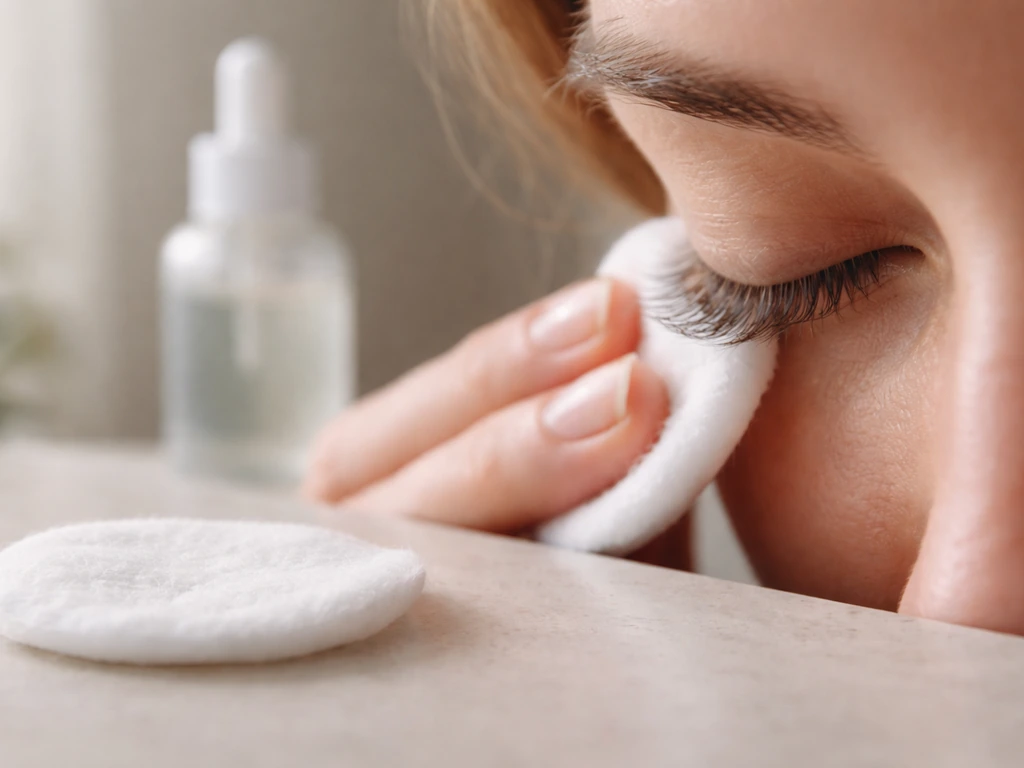
Repeated rubbing, whether from allergies, habit, or aggressive makeup removal, physically stresses the follicle and can pull lashes out prematurely before they've finished catagen. Extensions cause a similar problem: the added weight and the glue removal process both increase mechanical tension on follicles. Done repeatedly without adequate rest periods, this can lead to traction-related thinning that takes several full cycles to recover from.
Medications and health conditions
Chemotherapy is the most well-known cause of lash loss, but other medications including retinoids, anticoagulants, and some antidepressants can also thin or slow lash growth. Nutritional deficiencies (particularly iron, biotin, and vitamin D) disrupt the follicle's ability to maintain a healthy anagen phase. Alopecia areata can affect lashes specifically, showing up as patchy loss rather than diffuse thinning.
Makeup and skincare habits
Waterproof mascara left on overnight dries out and stiffens lashes, making them prone to breakage rather than falling out from the root. Lash curlers, especially heated ones used on freshly mascaraed lashes, can cause snapping. Oil-based eye makeup removers are gentler on follicle tissue than aggressive rubbing with a dry pad, which is worth switching to if you're in recovery mode.
How to support lash growth starting today

You can't force follicles into anagen, but you can absolutely stop doing things that shorten it or trigger premature shedding. These habits are the foundation before adding any product.
- Remove eye makeup gently every night using a micellar water or oil-based remover. Press the cotton pad against closed eyes for 10 seconds to dissolve product before wiping, rather than rubbing back and forth.
- Stop sleeping face-down into a pillow if you can. A silk or satin pillowcase reduces friction on lashes significantly.
- Give extensions a break. If your natural lashes feel sparse or short after a set comes off, wait at least one full cycle (about 3 months) before reapplying.
- Avoid rubbing your eyes. If allergies are making this hard, treating the underlying allergy first protects your lashes better than any serum.
- Don't curl lashes aggressively, especially when mascara is on. If you want to curl, do it before mascara on clean lashes.
- Eat enough protein and iron. Follicles are protein-dependent structures, and even mild deficiencies affect growth rate and density.
Serums, castor oil, and biotin: what actually works
There are three categories most people turn to for lash growth support. They work through different mechanisms, have different evidence levels, and suit different situations. Here's an honest breakdown.
Prescription and OTC lash serums
The only FDA-approved topical treatment for inadequate lashes (hypotrichosis) is bimatoprost 0.03% (Latisse), originally a glaucoma medication. It works by extending the anagen phase, so lashes grow longer before cycling out, and by increasing the proportion of follicles in active growth. Clinical results show measurable increases in length, thickness, and darkness at 16 weeks of consistent use. OTC peptide-based serums can support follicle conditioning and reduce breakage, but none have the same level of clinical evidence as bimatoprost. If you're considering OTC serums, look for ones with peptides like myristoyl pentapeptide-17 or biotin derivatives rather than vague "growth factor" marketing claims.
Castor oil
Castor oil is the most popular natural remedy, and the mechanism isn't completely without logic. It's rich in ricinoleic acid, which has anti-inflammatory properties that may support a healthier follicle environment, and its thick consistency forms a coating that reduces mechanical breakage. The honest caveat: there are no large-scale clinical trials confirming castor oil meaningfully extends anagen or accelerates lash regrowth. What it likely does is protect existing lashes from breakage, making the lashes you already have more visible over time. Applied with a clean spoolie to the lash line nightly, it's safe and low-risk. Just avoid getting it into the eye itself, which can cause irritation and blurry vision.
Biotin
Biotin (vitamin B7) supplementation is genuinely useful if you have a deficiency, which causes brittle hair and nails including lashes. If your biotin levels are already normal, taking extra is unlikely to produce dramatic results. Most people in developed countries aren't deficient unless they have digestive conditions affecting absorption, eat very restricted diets, or take certain anticonvulsant medications. Biotin supplements in the 2,500 to 5,000 mcg range are widely used and generally safe, but worth confirming with a doctor first if you're on other medications, since biotin at high doses can interfere with thyroid and hormone lab tests.
| Option | How it works | Evidence level | Best for |
|---|---|---|---|
| Bimatoprost (Latisse) | Extends anagen phase, increases active follicles | Strong (FDA-approved) | Clinically sparse lashes, fastest visible results |
| OTC peptide serums | Conditions follicles, reduces breakage | Moderate (variable by formula) | Maintenance, mild thinning, extension recovery |
| Castor oil | Anti-inflammatory, coats and protects lash shaft | Weak (anecdotal/lab only) | Breakage protection, low-risk daily conditioning |
| Biotin supplements | Corrects deficiency affecting follicle health | Moderate (if deficient) | People with confirmed or suspected deficiency |
When home remedies aren't enough: signs you need a doctor
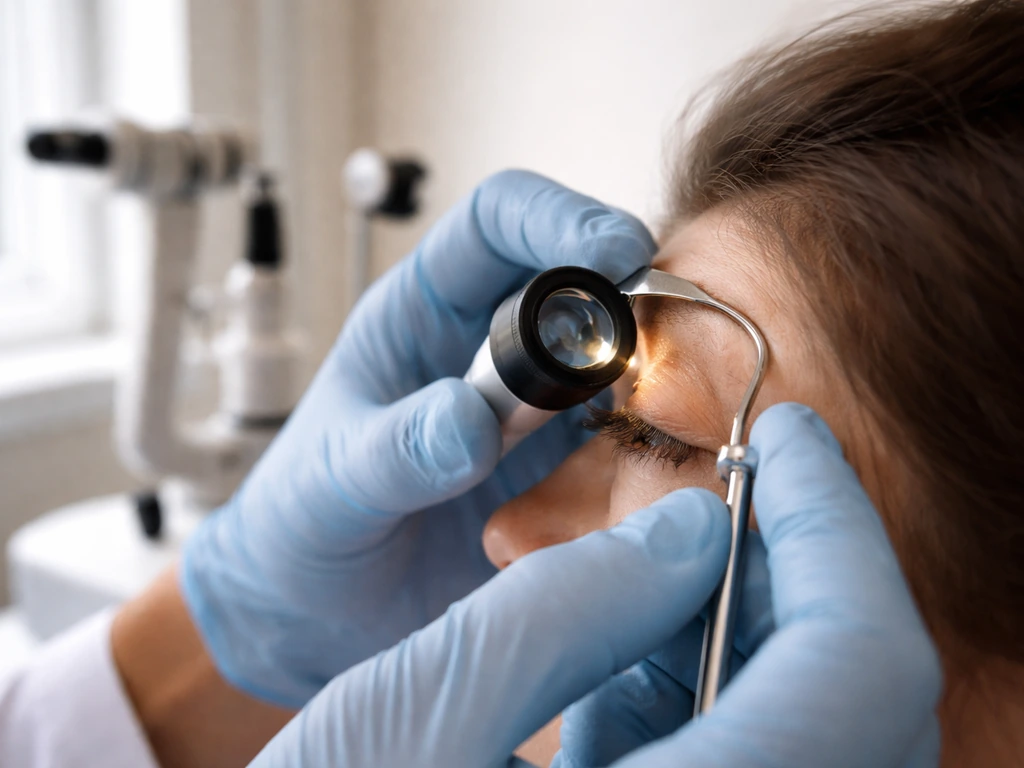
Most lash thinning responds to patience and better habits, but some situations need a medical eye. Seeing a dermatologist or ophthalmologist isn't overkill. It's the fastest way to rule out something treatable.
- Sudden or rapid lash loss over days to weeks, especially without an obvious cause like new medication or extensions
- Patchy loss, where sections of lash line are completely bare rather than uniformly thinning, which can signal alopecia areata
- Persistent redness, flaking, or crusting at the lash line, which may indicate blepharitis or a contact allergy requiring treatment before lashes can recover
- Scarring at the lash base, which can permanently damage follicles if left untreated and is sometimes caused by chronic inflammatory conditions
- Lash loss paired with other symptoms like hair thinning on the scalp, fatigue, or weight changes, pointing to a systemic issue like thyroid disease or autoimmune conditions
- Allergic reactions to serums or glues: if you develop swelling, severe itching, or redness after starting a new lash product, stop using it immediately and see a doctor before resuming anything
A dermatologist can run blood panels to catch thyroid dysfunction, iron deficiency, or hormonal imbalances that no amount of castor oil will fix. They can also prescribe bimatoprost or refer you to an ophthalmologist if there's a structural issue at the follicle level. Getting the right diagnosis early is almost always faster than cycling through products for six months without results.
Putting it all together: realistic expectations
Lashes grow a fraction of a millimeter each day, only while in anagen, and only some follicles are in anagen at any given time. A full cycle from loss to visible replacement takes roughly 90 days under normal conditions, sometimes longer. Daily shedding of a few lashes is normal and not a sign of a problem. What you can do right now is stop the habits that cut lash life short (rubbing, harsh removal, heavy extensions), add gentle conditioning like castor oil or a peptide serum, and address any nutritional gaps. If you want the fastest clinical improvement, bimatoprost is the only topical with solid trial data behind it, and it's worth a conversation with your doctor. For most people, consistent habits over two to three full cycles, about six months, will produce a noticeable difference.
FAQ
If my lashes grow every day, why do they seem to stop growing after they fall out?
Because “every day” growth is happening only for lashes whose follicles are in the active anagen phase. When a lash sheds, that follicle still has to complete catagen and rest in telogen before the next anagen starts, so visible replacement is often delayed by about 2 to 3 months, sometimes longer depending on where that follicle was in its cycle when the lash was lost.
How can I tell normal shedding from a problem?
Normal shedding is usually a few lashes per day that are scattered, not clustered. More concerning patterns include patchy gaps (suggesting an eyelid-specific or autoimmune issue), sudden rapid loss over weeks, associated redness or irritation, or thinning that accelerates despite stopping rubbing and removing extensions.
Do lash extensions stop your lashes from growing, or just make them fall sooner?
Extensions usually increase mechanical stress. The lash may be pulled out prematurely during shedding or break from glue removal and friction, so it looks like “no growth.” True growth rate changes are less common than breakage and premature shedding, which is why a recovery period often needs several full cycles before length fully rebounds.
Does trimming or curling lashes make them grow faster?
Trimming can change how long the lash appears, but it does not shorten the follicle cycle or increase how fast anagen proceeds. Heated curlers can also cause snapping and micro-damage, which can make regrowth look worse even if follicles are still cycling normally.
Is it possible that I’m losing lashes from my roots even if my pillow has only a few hairs?
Yes. Some lashes shed from the root quickly, while others break along the shaft and may not look like full-length lashes. If you notice overall thinning of the lash line, reduced lash density along the outer corners, or shorter-than-usual lashes over months, that can reflect follicle cycling issues even without a large daily count.
Can I speed up lash regrowth by using serum and bimatoprost immediately after losing lashes?
You can start, but timing matters. During telogen or catagen, there is no active length gain, so early use may not show changes right away. For products that work by supporting anagen, noticeable improvement typically requires consistent use through at least several weeks, with clearer visible results closer to 3 to 4 months.
How long should I try an OTC lash serum before deciding it’s not working?
Aim for a minimum of 12 to 16 weeks before judging, because lash changes are gradual and asynchronous across follicles. If you see no improvement in density, length, or breakage reduction by that window, it’s reasonable to reassess your habits and discuss next-step options with a clinician.
Does castor oil actually extend the growth phase (anagen)?
There is no strong large-scale evidence that castor oil reliably extends anagen or accelerates follicle cycling. The most likely benefit is improved lash coating and reduced mechanical breakage, so you may see lashes look fuller and retain length better rather than a true faster regrowth timeline.
Is biotin safe to take for lash growth if I’m not deficient?
Biotin is generally safe for many people, but extra doses won’t necessarily produce dramatic lash changes if your levels are normal. High-dose biotin can also interfere with some lab tests (including thyroid-related assessments), so if you might need bloodwork, confirm with a clinician before starting supplements.
When should I see an eye doctor or dermatologist for lash thinning?
If thinning is patchy, includes eyelid skin changes, is paired with eyebrow or scalp hair loss, or persists beyond about 3 months despite stopping triggers like harsh removal and extensions. Also seek help sooner if you have symptoms like itching, burning, or visible irritation, since inflammatory conditions can affect follicles.
Could lash loss be from my thyroid or iron levels, even if I don’t feel sick?
Yes. Thyroid dysfunction and iron deficiency can cause hair changes without obvious symptoms early on. If lash thinning is noticeable, especially with fatigue, cold sensitivity, or broader hair shedding elsewhere, bloodwork can clarify whether supplements or medical treatment is needed rather than relying only on topical growth products.
Next Article
Do We Grow New Eyelashes? Timeline, Causes, and Fixes
Learn the lash growth cycle, normal regrowth timelines, why lashes thin or stop, and what to do for faster recovery.